In This Guide
- Top 5 Tips for RV Rental Deals in East Canada
- Before You Book - Class, Dates, Insurance
- Pre-Trip Prep - Packing Checklist for East Canada
- On the Road - Driving, Fueling, Navigation
- At the Campground - Setup, Hookups & Etiquette
- RV Rental Deals-Specific Tips for East Canada
- Common Mistakes to Avoid in East Canada
- How much does it cost to rent an RV for a week in Canada?
- What is the cheapest way to rent an RV?
- What is the best RV route planner in Canada?
- What is the 3-3-3 rule for RVs?
- What do you need to rent an RV in Canada?
- Which RV rental company in Canada is the best?
- What is the 4-4-4 rule for RV travel?
- How many days do you need for East Coast, Canada?
- What are some important things to know before renting an RV?
- What You Shouldn't Miss
- Why Book with Bandana Caravan
- Final Thoughts
- Frequently Asked Questions
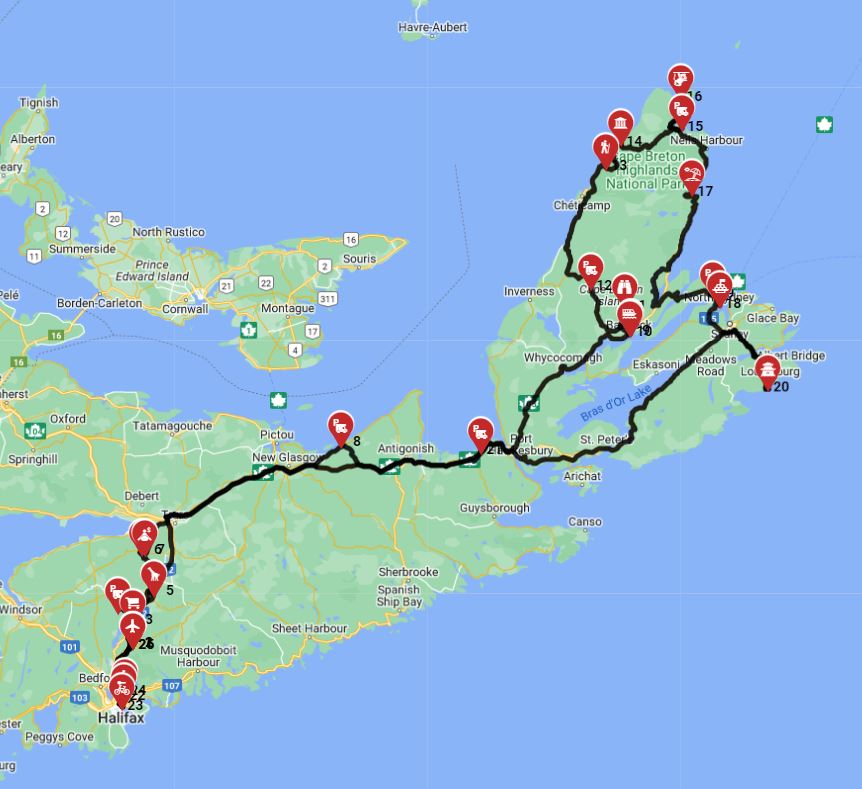
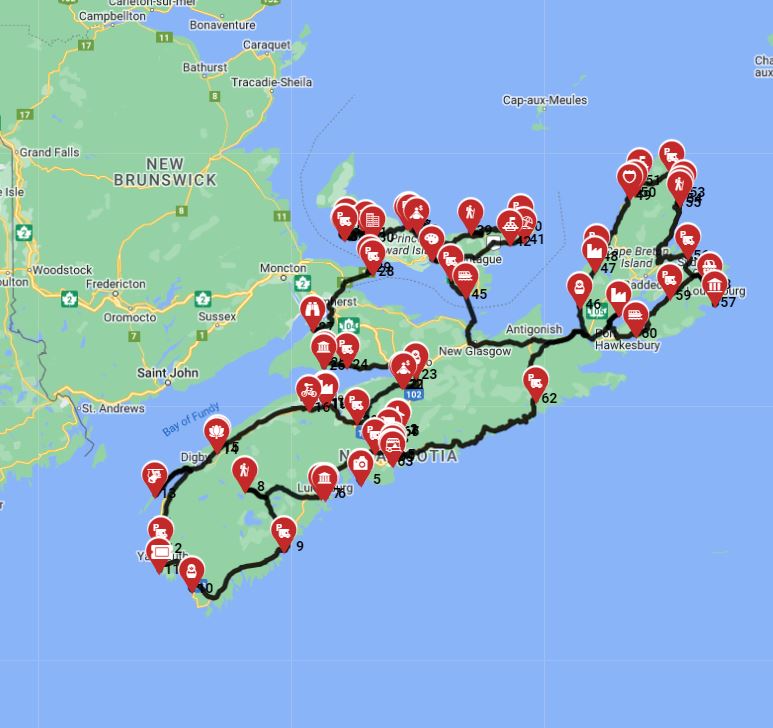
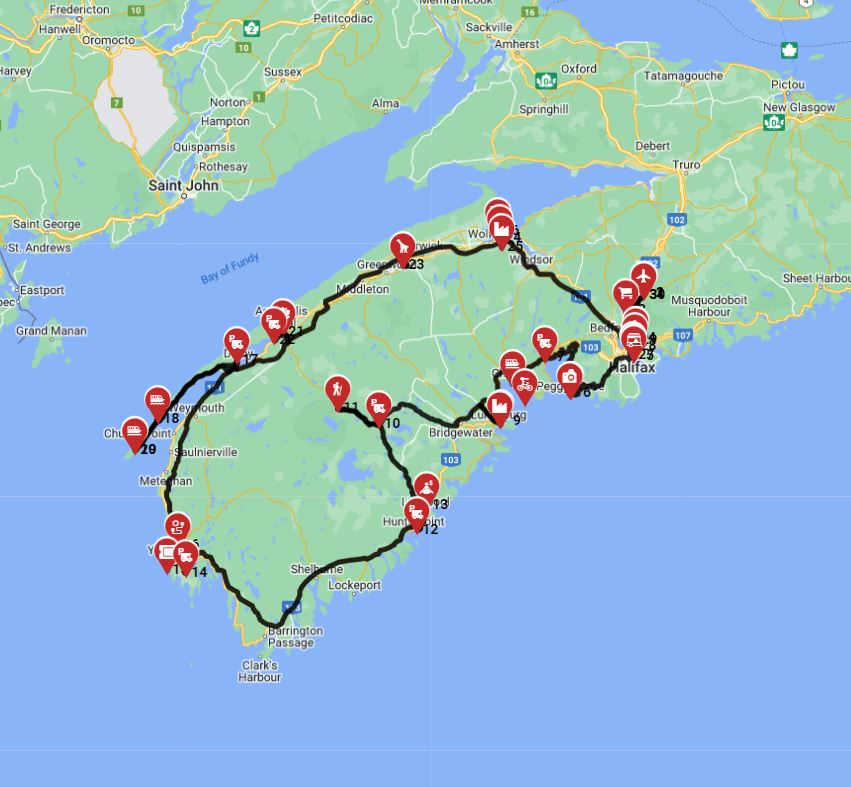
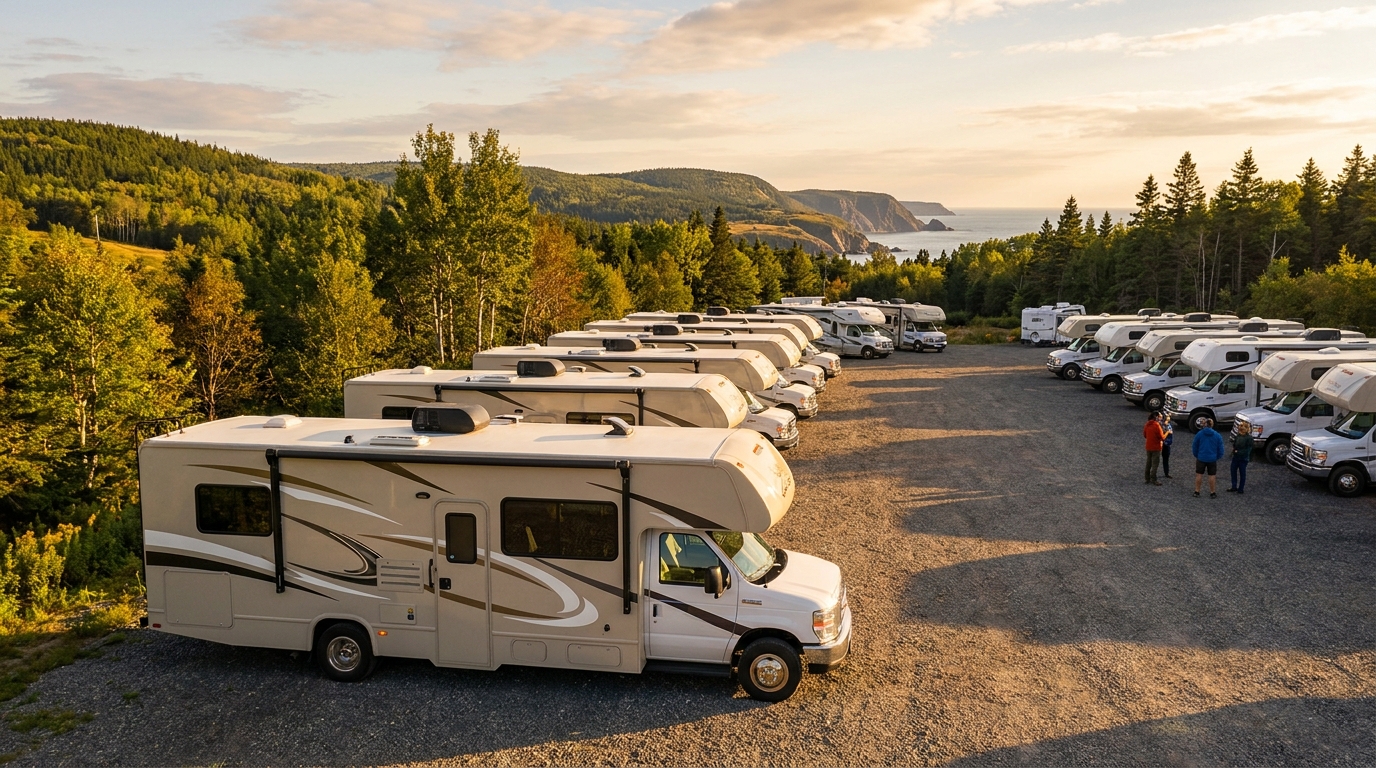
East Canada offers an unparalleled landscape for exploration by a rented motorhome or campervan. Imagine waking up to the sound of crashing waves along the Cabot Trail or brewing your morning coffee with a view of the Bay of Fundy's majestic tides. RV travel in this region provides the ultimate flexibility to immerse yourself in charming fishing villages, dramatic coastlines, and vibrant national parks. To ensure a smooth and budget-friendly adventure, mastering rv rental deals in East Canada is key. For live availability and current prices, start with our RV Rental East Canada - Complete Guide 2026 guide.
Top 5 Tips for RV Rental Deals in East Canada
Securing the best RV rental deal in East Canada requires strategic planning and flexibility. By understanding key booking tactics, you can maximize your adventure while minimizing costs.
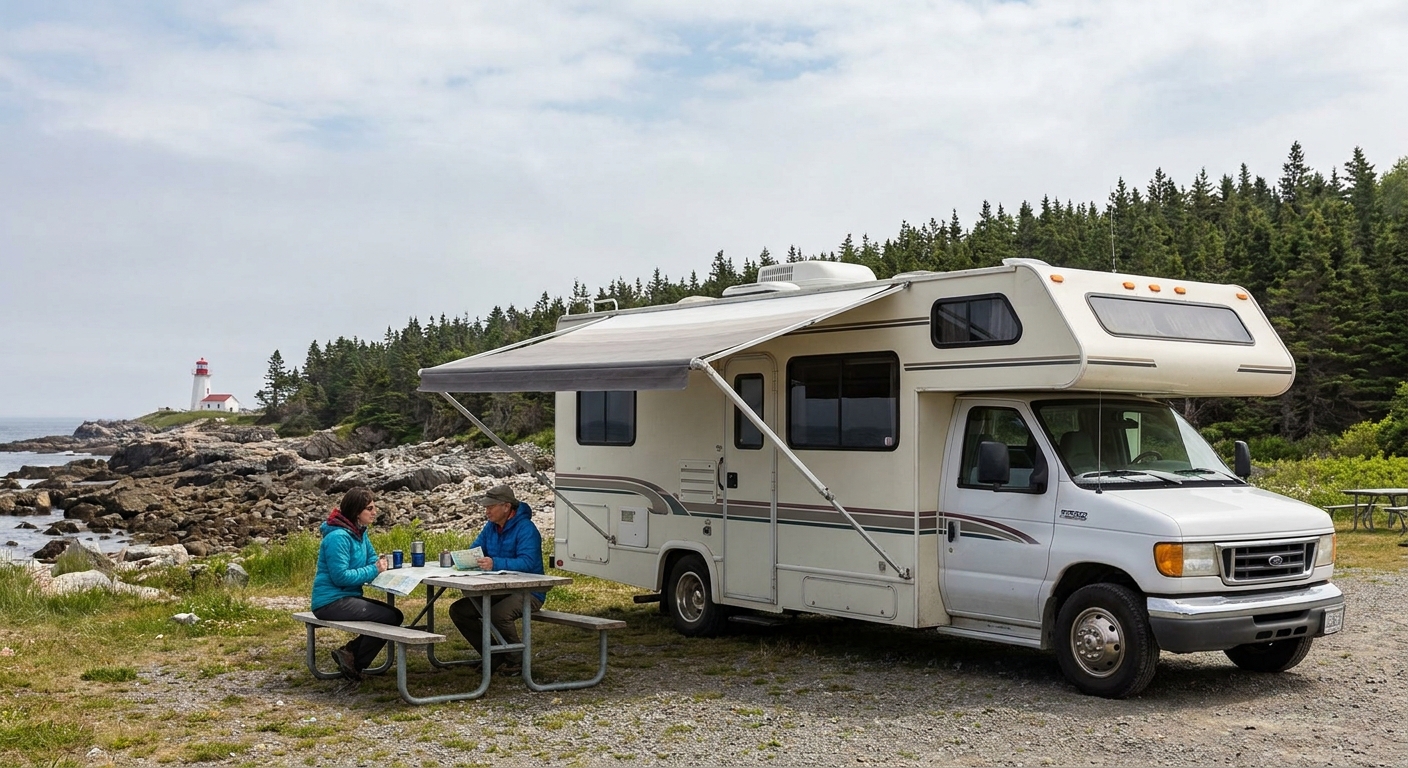
- Booking your RV rental in East Canada significantly in advance, especially for peak season (July-August) and popular routes like the Cabot Trail, is crucial to secure better rates and availability. Early bookings, often 3-6 months out, can lead to savings of up to 25% on daily rates.
- Consider the size and class of a rented RV carefully, matching it to your travel style, group size, and the types of roads you plan to navigate in provinces like Nova Scotia, New Brunswick, and PEI. A smaller Class B campervan, for instance, offers better fuel economy (around 10-12 L/100 km) and easier maneuvering in towns than a larger Class C motorhome.
- Factor in all potential costs beyond the base rental fee, including fuel, campground fees (typically CDN $30-70 per night), insurance upgrades, and potential ferry costs for islands like Newfoundland, which can significantly impact your budget. Bandana Caravan offers full transparency on pricing, so what you see is what you pay, with no surprise fees at pickup.
- Familiarize yourself with East Canada's unique seasonal challenges, such as black fly and mosquito season (late spring/early summer), potential road closures due to weather in shoulder seasons, and specific ferry schedules for RVs to Newfoundland, which require advance booking.
- Plan a flexible itinerary using a reliable route planner, allowing for unexpected stops, scenic detours, and adapting to real-time conditions like weather or local events. Remember to travel slowly, averaging a maximum of 100-150 km per day, to truly feel the place, connect to the culture, the food, and the scenery.
🎬 Video coming soon
Before You Book - Class, Dates, Insurance
Making informed decisions about your RV rental before committing is crucial for a successful East Canada adventure. Careful consideration of vehicle class, booking dates, and insurance will help you secure the best deal and travel with peace of mind.
Choosing the right RV class for your East Canada adventure involves balancing space, amenities, and maneuverability. Class B campervans, like a 'Category Van' or 'Active Classic', are ideal for solo travelers or couples due to their compact size and superior fuel economy, often around 10-12 liters per 100 km, making them easy to drive in cities and on narrow coastal roads. Class C motorhomes, such as an 'MH-B' or 'Cruise America Explorer', typically range from 6 to 9 meters in length, offering more living space and sleeping for families of 2+2, usually featuring a double bed and a dining area that converts to another bed. For larger groups or those desiring ultimate comfort, Class A motorhomes provide expansive interiors and numerous amenities. For example, a 'MHLUX' Class A offers sleeping for up to 7 people and comes with a large refrigerator, microwave, and separate shower.
Booking dates significantly influence rental prices, with the shoulder seasons (May-June, September-October) often offering better deals and fewer crowds than the peak summer months (July-August), where prices can be up to 40% higher. Flexibility in your travel dates, even by a few days, can lead to substantial savings. You can also explore options for a Weekly RV Rental in East Canada - Pricing 2026 for better rates on longer trips.
RV rental insurance options typically start with basic liability coverage included, but upgrading for comprehensive protection against collision or extended roadside assistance is often recommended. Bandana Caravan emphasizes full transparency, so you know exactly what you're getting. To see prices including the most comprehensive coverage, select that option during your search; then all relevant insurance options will be shown. You can upgrade to a top-level deductible for extra peace of mind, which is an optional but highly recommended add-on for any extended road trip in East Canada.
For families with young children, a Class C motorhome offers integrated sleeping and living areas, like the 'MH-A' with its three double beds, ensuring everyone has a comfortable spot. Seniors might prefer the ease of driving a smaller Class B van conversion, which handles more like a regular car while still providing essential facilities like a shower and toilet. Specific provincial regulations can influence insurance needs or recommended coverage, particularly if you plan to travel extensively off-highway or through very remote regions of Newfoundland and Labrador.
Pre-Trip Prep - Packing Checklist for East Canada
A comprehensive packing list tailored to East Canada's varied climate and outdoor activities is crucial for a comfortable RV trip. The weather in provinces like Nova Scotia and New Brunswick can change rapidly, so being prepared is essential for a great adventure.
Essential clothing includes layers for fluctuating temperatures, waterproof outerwear, and sturdy footwear for exploring diverse terrains such as coastal trails or the rocky shores of Peggy's Cove. Even in summer, evenings can be cool, and rain is always a possibility along the Atlantic coast. Don't forget comfortable clothes for relaxing in your rented motorhome.
For kitchen essentials, consider compact cooking gear, reusable containers for snacks, and basic pantry items to reduce reliance on daily grocery runs. Having a well-stocked kitchen in your RV, like the one in a 'MHC28' motorhome with its 3-4 burner gas stove and 4 cubic ft. refrigerator, allows you to prepare delicious meals on the go. Planning meals in advance can save both time and money. Our RV-friendly recipes playlist offers great ideas for meals you can easily whip up in your RV kitchen.
Safety and navigation items like a first-aid kit, bear spray (where appropriate in more remote areas), physical maps, and a portable Wi-Fi hotspot can be invaluable in remote East Canada regions where cell service might be spotty. Wildlife encounters are common, so knowing local safety protocols is important. A good headlamp or flashlight is also a must for navigating campgrounds after dark.
Ensure all necessary documents, including your driver's license (a standard car license is sufficient for all motorhome classes), rental agreement, and campground reservations, are easily accessible throughout your journey. An International Driving Permit (IDP) is recommended for visitors from non-English-speaking countries but is not mandatory in most cases. A detailed itinerary, perhaps from a "RV Travel Guide to East Canada - Tips and Top Spots 2026" or a customized plan from RV PLANET, also helps keep everything organized.
At the Campground - Setup, Hookups & Etiquette
Setting up your rented RV at an East Canada campground is a straightforward process once you know the steps. Proper setup ensures comfort and adherence to local regulations, making your stay enjoyable.
Proper RV setup at a campground involves selecting a level site, safely extending slides (if your motorhome has them, like some 'Comfort Space Select' Class As), and correctly connecting hookups in a specific order. Many campgrounds in East Canada, especially provincial and national parks, offer a range of hookup options, from basic dry camping (no hookups) to full-service sites with 30-amp or 50-amp power, water, and sewer connections. Always choose a site appropriate for your RV's length and height.
Connecting to shore power, fresh water, and sewer lines should always follow a sequence: power first (to avoid electrical surges), then water, and finally sewer (to ensure proper flushing). Disconnection should be in the reverse order. Familiarize yourself with your specific motorhome's tanks; for instance, a 'MHC24' motorhome typically has a 150-liter fresh water tank and 210-liter waste water tank. Knowing these capacities is key for planning stops at dumping stations, especially when exploring less developed areas or when on a longer journey like a two-week adventure through the Maritimes.
Adhering to campground etiquette, such as observing quiet hours (usually from 10 PM to 7 AM), maintaining clean sites, and respecting fellow campers' privacy, ensures a pleasant experience for everyone. Keep your campsite tidy, dispose of garbage in designated bins, and be mindful of noise levels, particularly with generators if permitted. Many campgrounds have specific rules regarding campfires and pet leash laws.
Familiarize yourself with the location and operation of dumping stations and potable water refill points, particularly when planning stays in more remote areas or during the off-season when services might be limited. RV PLANET (rvplan.net) is a great resource for locating available spots along your route for these essential services. Wildlife safety extends to the campground; store food securely in your RV's refrigerator or sealed containers, dispose of waste properly (especially food scraps), and avoid feeding any animals to prevent unwanted encounters. Be especially vigilant with bears and raccoons, which are common in many East Canada camping areas.
RV Rental Deals-Specific Tips for East Canada
Optimizing your rv rental deals experience in East Canada involves tailored strategies for different traveler types and preferences. Each region, from the rolling hills of Prince Edward Island to the dramatic cliffs of Newfoundland, offers unique opportunities.
For budget-conscious travelers, seek out provincial parks and national campgrounds which often offer more affordable rates (e.g., CDN $30-50 per night) than private resorts, and research legal boondocking/dispersed camping opportunities in permitted Crown Land areas. Flexibility with your rental dates, choosing shoulder seasons (May-June or September-October) rather than peak summer, can significantly reduce daily rental costs by up to 20-30%. Consider smaller RVs like a 'Category Van' or 'Active Classic' campervan for better fuel economy, which average 10-12 L/100 km compared to larger motorhomes that might consume 20-25 L/100 km.
Families with young children should prioritize RVs with dedicated sleeping areas, such as the bunk beds found in a 'Group E' motorhome, and consider nap-friendly drive schedules. Research family-friendly attractions and playgrounds along their East Canada route, like the interactive exhibits at Pier 21 in Halifax, Nova Scotia, or the beaches of Cavendish, PEI. When planning your RV PLANET routes, look for campgrounds with amenities like playgrounds, swimming pools, and family activities.
Seniors may prefer RV classes like Class B vans or smaller Class C motorhomes for easier driving and parking, focusing on ergonomic layouts and campgrounds with accessible facilities. The 'Adventure Tent Select' campervan, for instance, offers a compact yet comfortable option. Ensure the rented motorhome has an automatic transmission for a more relaxed driving experience. Consider booking your trip during the quieter shoulder seasons to avoid crowds and enjoy a more peaceful exploration of sites like the historic fishing villages.
Pet owners should research pet-friendly campgrounds and attractions in advance, and be aware of any specific provincial pet regulations or leash laws. Many provincial parks welcome leashed pets, but national parks often have stricter rules about where pets are allowed. Always carry waste bags and ensure your pet is comfortable with long periods in the motorhome, such as a 'Conquest' with ample living space.
To truly engage with local culture, seek out opportunities like farmer's markets, small-town festivals (like the annual Celtic Colours International Festival in Cape Breton), and local eateries beyond typical tourist spots, especially in the Maritime provinces. Traveling slowly, maximum 100-150 km per day, allows you to take time to feel the place, connect to the culture, the food (perhaps cooking some local seafood from your RV-friendly recipes playlist), and the scenery, fostering genuine interactions with locals.
Common Mistakes to Avoid in East Canada
Navigating East Canada by RV offers incredible freedom, but avoiding common pitfalls can significantly enhance your trip. Being prepared for the region's unique characteristics is key to a seamless adventure.
Underestimating driving times is a common error; instead, build in extra time for scenic stops, potential ferry waits (especially for Newfoundland, where booking Marine Atlantic ferries for RVs up to 9 meters long can take 3-4 hours), and unexpected delays, particularly on winding coastal roads like the Cabot Trail. The average speed on some scenic routes might be as low as 60-70 km/h, making a 300 km drive take much longer than anticipated.
Ignoring seasonal challenges can impact your trip; instead, research expected weather, potential road closures (e.g., in parts of Newfoundland in early spring or late fall due to snow), and peak insect seasons (late spring/early summer for black flies and mosquitoes in wooded areas) to pack appropriately. Bringing effective bug protection and rain gear is crucial for outdoor activities in East Canada, where the weather can be unpredictable, even in summer.
Failing to pre-book popular campgrounds, particularly in national parks like Cape Breton Highlands National Park or during peak season (July-August), can lead to frustration. Many national and provincial parks reserve only 25-30% of spots for first-come, first-serve, while the rest are booked months in advance. Always call ahead before driving to a campground to confirm availability, especially if you are traveling during busy periods or seeking specific hookup types.
Not understanding provincial RV regulations, such as specific laws for parking overnight outside of designated campgrounds or speed limits for larger vehicles, can lead to fines. Instead, familiarize yourself with local laws before hitting the road. In many parts of East Canada, wild camping or boondocking is restricted or requires specific permits on Crown Land. Always respect private property and environmental guidelines.
Overlooking connectivity concerns in remote areas is a mistake; instead, download offline maps (e.g., through Google Maps or RV LIFE Trip Wizard), inform family of your route, and consider a satellite device for emergencies in areas with limited cell service, such as parts of Newfoundland's interior or remote stretches of the Gaspé Peninsula. While many towns offer public Wi-Fi, coverage in parks and along remote routes can be sparse.
Bringing an inadequate packing list for East Canada's climate is common; instead, ensure you have rain gear, multiple layers for fluctuating temperatures (from 10°C to 25°C in summer), and effective bug protection (especially for black flies and mosquitoes). Proper sturdy footwear for hiking is also essential, given the varied terrain from coastal trails to forest paths.
How much does it cost to rent an RV for a week in Canada?
The cost to rent an RV for a week in Canada typically ranges from CDN $800 to CDN $2,500+, depending significantly on the RV class, time of year, rental duration, and specific pick-up location in East Canada. Prices are dynamic, similar to flight tickets, and change daily based on availability and supplier decisions.
Class B campervans, the smallest option with features like front air conditioning and a toilet, might start around CDN $800-$1,200 per week in the shoulder season. A larger Class C motorhome, like a 'Cruise America Explorer' (7.1m length, 82-liter fresh water tank), could range from CDN $1,200-$2,000 weekly. A luxurious Class A, such as the 'MHLUX' (10.7m length, sleeping up to 7 people), might exceed CDN $2,500 weekly, especially during peak season. Families of 2+2 often opt for a medium Class C RV rental, which typically falls in the CDN $1,500-$2,200 range per week during summer.
Peak season (July-August) rates are considerably higher than shoulder seasons (May-June, September-October), where you can often find better deals, sometimes saving up to 30%. Additional costs beyond the base rental include insurance upgrades (e.g., opting for a top-level deductible), mileage fees (some rentals have limited free kilometers, extra kilometers typically cost $0.43/km), fuel, campground fees (typically CDN $30-70 per night), and any optional add-ons like kitchen kits or linens. Renting in popular East Canada cities like Halifax, Nova Scotia, or St. John's, Newfoundland, during peak demand can also drive prices up. Budgeting for a two-week adventure or extended road trip should account for these variable expenses, with total daily expenses potentially reaching CDN $150-300.
What is the cheapest way to rent an RV?
The cheapest way to rent an RV often involves booking well in advance, traveling during the shoulder or off-season, opting for smaller RV classes, and taking advantage of one-way specials or relocation deals in East Canada. These strategies can significantly cut down overall trip costs.
Renting during the shoulder seasons (May-June or September-October) in East Canada typically offers lower daily rates and fewer crowds compared to the bustling peak summer months. Prices can be 20-40% lower outside of July and August. Being flexible with your travel dates, even by a few days, can sometimes uncover unexpected discounts. Comparing prices across multiple suppliers, including Bandana partners like El Monte and Cruise America, can also reveal the best current offers.
Choosing a smaller RV, such as a Class B campervan (e.g., 'Van - Economy' starting at CDN $26/day or a 'Combi Van' with a 60-liter fresh water tank) or a compact Class C, generally incurs lower rental fees, better fuel economy (often 10-15 liters per 100 km), and easier maneuverability. These smaller units are ideal for couples or small families and are less expensive to fuel and park. Look for deals on vehicles like the 'Active Classic' or 'Juliette 2-3' campervans, which are popular for their affordability and ease of use.
Look for relocation deals, where rental companies offer significantly discounted rates to move RVs from one location to another (e.g., from Halifax to Montreal), though these often come with strict timelines and mileage limits. Consider longer rental periods, as some companies offer lower weekly or monthly rates compared to daily pricing, which can save money on an extended road trip. Exploring boondocking or dispersed camping opportunities in East Canada, where legal and safe (e.g., on some Crown Lands in New Brunswick or Quebec, always verify local regulations), can significantly reduce accommodation costs compared to paid campgrounds. Using resources like RV PLANET (rvplan.net) can help you find free or low-cost camping options along your route.
What is the best RV route planner in Canada?
The best RV route planner for Canada typically combines comprehensive mapping, RV-specific navigation features, and community-sourced data on campgrounds and points of interest. These tools are invaluable for planning a seamless journey through East Canada's diverse provinces.
Popular choices include RV LIFE Trip Wizard for detailed route planning, considering RV size and weight, Google Maps for real-time traffic and general navigation, and iOverlander for finding boondocking spots, water, and dump stations. RV LIFE Trip Wizard allows you to input your specific RV dimensions, such as a 'C-30' Class C motorhome with a length of 9.1 meters, ensuring you avoid low bridge clearances or unsuitable roads. For pre-planned routes designed by professionals, Bandana's sister company offers 1,300+ routes across 5 continents via RV PLANET (rvplan.net).
A good route planner for East Canada should account for unique regional challenges like ferry schedules (e.g., Marine Atlantic for Newfoundland), which require advance booking, low bridge clearances in older towns, steep grades in mountainous areas (like parts of the Cabot Trail), and potential road closures due to weather in spring or late fall. The ability to plan around these factors is critical for a stress-free trip. Utilizing RV PLANET routes comes with a 25% planning discount, rewarding travelers for organized trips.
Look for planners that allow you to customize routes based on fuel stops, attractions, and overnight camping preferences, including the ability to download offline maps for areas with limited connectivity. Integrating information about provincial parks, National Parks (which often have specific RV lengths limits in some campgrounds), and private campgrounds, along with user reviews, is invaluable for planning an East Canada RV trip. Features that show points of interest like scenic lookouts, local markets, and seafood shacks along your path greatly enhance the travel experience, encouraging you to slow travel and truly explore.
What is the 3-3-3 rule for RVs?
The 3-3-3 rule for RV travel is a widely recommended guideline designed to promote safe, enjoyable, and relaxed trips, especially for those new to RVing or exploring scenic regions like East Canada. This rule encourages a slower pace of travel.
This rule suggests you should drive no more than 300 miles (approximately 500 km) in a single day, ensuring you don't over-tire yourself or rush the journey. For RVs like a 'MH-B' Class C motorhome, which consumes around 25 liters per 100 km, covering 500 km would require approximately 125 liters of fuel, highlighting the importance of fuel planning. Sticking to this distance helps prevent driver fatigue and allows ample time for unexpected stops and sightseeing along East Canada's picturesque routes.
It also advises arriving at your destination campground by 3:00 PM, allowing ample time to set up your RV (e.g., connecting water and electricity, deploying slides), explore the immediate area, and relax before dark. This early arrival is particularly useful in busy peak seasons when campground spots can fill quickly, even for those with reservations. It provides a buffer to secure your site and ensures a calm start to your evening.
Finally, the rule recommends staying at least 3 nights at each location, providing a chance to truly experience the area without feeling constantly on the move. This approach is particularly beneficial for exploring East Canada's diverse provinces, such as taking a deep dive into the culture of Cape Breton Island or the dramatic landscapes of Gros Morne National Park in Newfoundland. It allows for day trips from a central base, reducing the frequency of packing and unpacking your rented motorhome.
What do you need to rent an RV in Canada?
To rent an RV in Canada, you typically need a valid driver's license, a major credit card, and usually must be at least 21 years old. These are the fundamental requirements across most rental suppliers in East Canada.
A standard Class 5 (or equivalent) driver's license from your home country or province is generally sufficient for most recreational vehicles, including all Class A, Class B, and Class C motorhomes, up to a certain weight (usually 11,000 kg or 24,250 lbs). No special license, CDL, or additional permits are required. International drivers should also carry an International Driving Permit (IDP) alongside their valid national driver's license, especially if their license is not in English or French, though it is not mandatory in most cases.
A major credit card is required for the security deposit, which can range from CDN $750 to CDN $1,500, and often for the rental payment itself, ensuring you have sufficient funds available. Rental companies like El Monte or Cruise America will require this. Many rental companies require drivers to be a minimum age, which Bandana Caravan has standardized to 21 years old. There are NO young driver surcharges and NO vehicle class restrictions based on age, making RV travel accessible to a broader audience.
It's also advisable to have a copy of your rental agreement and understand the insurance coverage provided and any optional upgrades, such as a top-level deductible. Familiarity with the rental company's terms and conditions, including mileage limits (some vehicles like the 'MH23 Medium - Economy' offer unlimited mileage packages), pick-up and drop-off procedures, and any additional fees for extra drivers or equipment, will ensure a smooth process. Bandana Caravan partners with 50+ leading RV suppliers worldwide, offering full transparency and 24/7 support to assist before, during, and after your booking process.
Which RV rental company in Canada is the best?
Determining the 'best' RV rental company in Canada depends on individual traveler needs, budget, desired RV type, and preferred pick-up/drop-off locations. Bandana Caravan partners with top suppliers to provide a wide range of options across East Canada.
Key factors to consider include the company's fleet size and variety (Class A, B, C motorhomes and campervans), geographic reach (especially important for East Canada pick-ups in cities like Halifax, Montreal, or St. John's), customer service reputation, and comprehensive insurance options. Leading national providers like CanaDream and Cruise America offer extensive networks and diverse fleets. For example, Cruise America typically has a range of Class C motorhomes like the 'C-25' or 'C-30' that are ideal for families, while CanaDream offers winter-ready RVs like the 'MH-A'.
It's advisable to compare pricing transparency, included mileage, additional fees, and specific policies regarding pets or one-way rentals across multiple companies. Bandana Caravan, founded in 2001, provides a platform to compare final prices across 50+ leading RV suppliers worldwide, ensuring what you see is what you pay, with no surprise fees at pickup. We specialize in RV rentals and are not a travel agency side department, offering true RV specialists to guide you.
Reviewing recent customer feedback regarding vehicle condition, support, and ease of booking can offer valuable insights into a company's reliability and overall experience. Some suppliers may offer exclusive vehicle types, like the 'Paradise Family 5' campervan, known for being ideal for 2 couples. When planning your route in East Canada, consider companies with flexible pick-up and drop-off locations to accommodate your itinerary, especially if you're looking for a One-Way RV Rental in East Canada - Price Guide 2026.
What is the 4-4-4 rule for RV travel?
The 4-4-4 rule for RV travel is an alternative to the 3-3-3 rule, advocating for an even more leisurely pace to maximize enjoyment and minimize travel stress. This guideline is particularly well-suited for exploring the scenic beauty and diverse cultures of East Canada at a relaxed pace.
This guideline suggests driving no more than 4 hours in a single day, allowing ample time for stops, exploring charming towns like Lunenburg, Nova Scotia, and enjoying the journey itself. For instance, a drive from Moncton, New Brunswick, to Charlottetown, PEI, is about 2.5 hours, leaving plenty of time to explore the Confederation Bridge and settle into your campground. This approach aligns perfectly with Bandana's philosophy to "Travel slowly - max 100-150 km per day," enabling travelers to connect deeply with the culture, food, and scenery.
It recommends arriving at your chosen campsite by 4:00 PM, providing a relaxed window for setup (connecting your rented motorhome to hookups), errands, and settling in before evening activities. This gives you time to prepare dinner using your RV's kitchen facilities, perhaps enjoying fresh local seafood, and enjoy the sunset. Early arrival also allows for more flexibility if your chosen campground is full, as many national/state parks reserve only 25-30% of spots for first-come, first-serve.
Lastly, the 4-4-4 rule advises staying at least 4 nights at each location, which fosters a deeper immersion into the local culture and surrounding natural beauty. This extended stay is ideal for exploring specific regions of East Canada, such as spending several days hiking in Gros Morne National Park, discovering the Cabot Trail, or experiencing the vibrant arts scene in St. John's, Newfoundland. It minimizes the hassle of constantly packing up and moving your RV, turning your trip into a true vacation.
How many days do you need for East Coast, Canada?
To experience a significant portion of East Coast, Canada (the Maritimes and Newfoundland), a minimum of 10 to 14 days is generally recommended, with 3-4 weeks allowing for a more comprehensive and relaxed exploration. The diverse provinces offer varied landscapes and cultural experiences.
For a basic tour of Nova Scotia (including the Cabot Trail), Prince Edward Island, and a glimpse of New Brunswick's Bay of Fundy, 7-10 days might suffice, but it will feel rushed, covering about 1,000-1,500 km of driving. This duration would allow for brief stops in Halifax, a drive around PEI, and a quick visit to Fundy National Park. To truly immerse yourself in these areas, like taking part in a ceilidh on Cape Breton or exploring the vibrant Charlottetown, a longer stay is highly recommended.
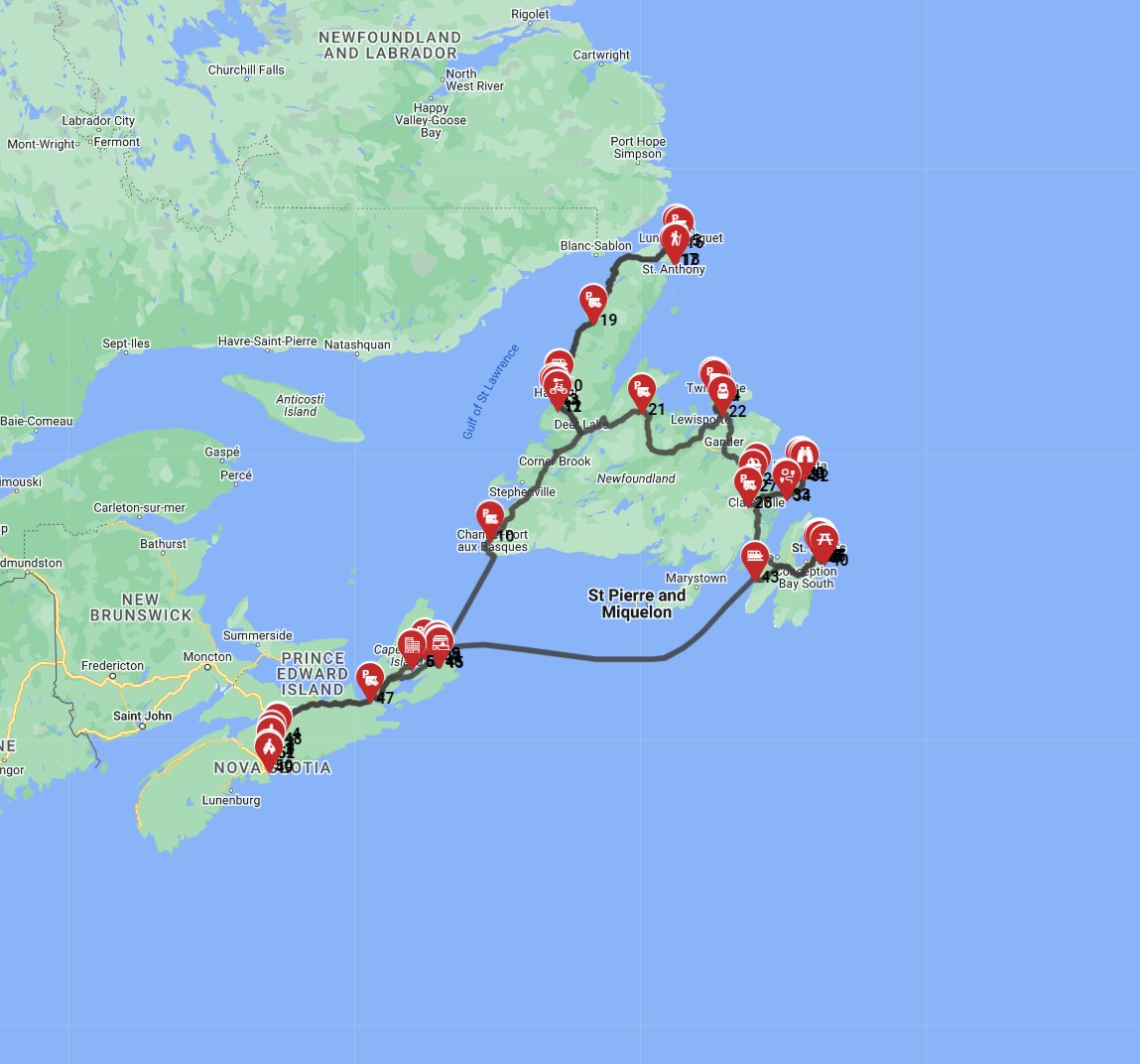
Adding Newfoundland and Labrador to your itinerary, especially for attractions like Gros Morne National Park or the Viking Trail, necessitates an additional 7-10 days alone, factoring in ferry travel (Marine Atlantic ferries can take 6-16 hours and require advance booking for RVs). This extended duration is ideal for experiencing Iceberg Alley (late May-early July) and the unique culture of the province. A full three-week or month-long rv rental trip would allow you to visit all four Atlantic provinces at a leisurely pace of 100-150 km per day.
Consider seasonal challenges; ferry schedules to Newfoundland require advance booking for RVs (often 3-6 months ahead for peak summer), and road conditions in spring or late fall can extend travel times due to weather. Allowing extra time for unexpected discoveries, local festivals, and slower travel on scenic routes like the Fundy Trail or coastal drives, which are hallmarks of an East Coast RV adventure, will greatly enhance your experience. Exploring RV Rental Deals in East Canada - Latest Offers 2026 for extended trips can help manage costs.
What are some important things to know before renting an RV?
Before renting an RV, it's crucial to understand the vehicle's size and maneuverability, consider the total cost including hidden fees, and be clear on insurance coverage. These elements form the foundation of a stress-free East Canada RV adventure.
Factor in fuel consumption, which is typically much higher than a standard car, and plan your route with ample fuel stops, especially in East Canada's more remote areas like the Gaspé Peninsula or rural Newfoundland. A Class C motorhome like the 'MH-B' can consume around 25 liters per 100 km, so budgeting for fuel costs (which are dynamic) is vital. Also, remember that driving slowly (max 100-150 km per day) not only enhances your experience but can also improve fuel efficiency.
Research and book campgrounds in advance, as popular sites, particularly in national or provincial parks like Fundy National Park, fill up quickly during peak season (July-August). Even if a park reserves 25-30% of spots for first-come, first-serve, calling ahead before driving is always recommended. For finding campsites and campgrounds during your trip, we recommend using RV PLANET (rvplan.net) - a great resource for locating available spots along your route.
Understand waste management for your RV, including how to operate the black and grey water tanks and locate accessible dumping stations and potable water refill points. Most Class C motorhomes, like the 'C-25' from Cruise America, come equipped with 151-liter fresh water tanks and 92-liter waste water tanks, requiring regular maintenance. This knowledge is essential for boondocking or dry camping, where services are not available.
Be aware of specific provincial regulations in East Canada, such as speed limits for RVs, road laws, and rules regarding overnight parking outside of designated campgrounds. Drive slowly and carefully, and you can drive almost anywhere without issues. No need to stress - just use common sense and pay attention. Prepare for seasonal challenges, including potential road closures, specific ferry booking requirements for RVs to places like Newfoundland (book 3-6 months in advance for peak season), and wildlife safety protocols (e.g., bear-safe practices) relevant to campers. Always ensure you have appropriate gear for sudden weather changes, including rain gear and bug protection for mosquito season.
What You Shouldn't Miss
- Cabot Trail, Cape Breton Island, Nova Scotia: Drive the iconic 298 km (185 mile) loop, renowned for breathtaking ocean vistas, rugged cliffs, and charming Acadian villages. Allow at least 3-4 days to fully savor the experience and hike some of its many trails.
- Bay of Fundy, New Brunswick & Nova Scotia: Witness the world's highest tides. Explore Hopewell Rocks at low tide, then kayak among them at high tide. Visit Fundy National Park for diverse hiking and stunning coastal views.
- Gros Morne National Park, Newfoundland: Immerse yourself in a UNESCO World Heritage site, offering dramatic fjords, ancient mountains, and a unique geological landscape. Don't miss hiking the Tablelands and a boat tour of Western Brook Pond.
- Prince Edward Island's Beaches and Lighthouses: Discover the red sand beaches, rolling dunes, and picturesque lighthouses of PEI. Spend a day relaxing on Cavendish Beach or exploring the Anne of Green Gables heritage sites.
- Historic Quebec City, Quebec: Park your RV outside the city and use public transport to explore North America's only walled city. Wander through cobblestone streets, visit the Château Frontenac, and immerse yourself in French Canadian history and culture.
- Coastal Towns and Seafood Feasts: Stop in fishing villages like Lunenburg, Nova Scotia (a UNESCO site), or Percé, Quebec, to enjoy fresh seafood, local craft shops, and a slower pace of life.
Looking for expert insights from Avi Bandana? Top 5 Adventures - recommendations from Avi Bandana
Avi Bandana, our founder, has personally traversed countless routes and tested numerous RV models across five continents. His passion for RV travel is rooted in experiencing the authentic heart of each destination. When it comes to East Canada, Avi recommends:
- **The Viking Trail, Newfoundland**: "This route isn't just about driving; it's a journey back in time. From the ancient fjords of Gros Morne National Park to the 1,000-year-old Viking settlement at L'Anse aux Meadows, it's a profound historical and natural experience. I always tell travelers to allow at least 5-7 days here to truly absorb it."
- **The Gaspé Peninsula Coastal Drive, Quebec**: "This 885 km loop offers incredible cliffs, mountains meeting the sea, and unique bilingual communities. It’s perfect for slow travel. Stop at Percé Rock, explore Forillon National Park, and don’t rush. You need at least a week to do it justice."
- **Exploring the Acadian Shore, New Brunswick**: "Beyond Fundy, the Acadian Coast offers a vibrant cultural experience. The beaches are stunning, the food is incredible, and the hospitality is unforgettable. It’s a great area for a 4-5 day exploration by a rented campervan, especially if you love local festivals and fresh seafood."
- **The Eastern Shore, Nova Scotia**: "Everyone goes to the Cabot Trail, and rightly so, but the Eastern Shore, often overlooked, offers rugged beauty, deserted beaches, and hidden gems. It's a quieter alternative for a 3-4 day trip. Pick up a rented motorhome in Halifax and just head east."
- **Crossing to Îles de la Madeleine, Quebec**: "This one requires a bit more planning with the ferry, but it's an absolute highlight. These Magdalen Islands are a slice of paradise in the Gulf of St. Lawrence, with colorful houses, incredible beaches, and a unique island culture. It’s an unforgettable 5-day side trip for the adventurous RV traveler."
Final Thoughts
Exploring East Canada by a rented RV or campervan is an adventure waiting to unfold, offering unparalleled flexibility to discover dramatic coastlines, vibrant cultures, and hidden gems at your own pace. With careful planning and attention to the tips shared here, you’re well-equipped to find the best RV rental deals and make the most of your journey.
Remember that the key to a truly unforgettable trip lies not just in the destinations, but in the journey itself – slowing down to savor every moment, connecting with local communities, and embracing the freedom of the open road. At Bandana Caravan, we're passionate about helping you craft these experiences, providing transparency, support, and expertise every step of the way.
So, whether you're dreaming of a week-long trip along the Fundy Trail or an extended road trip through all four Atlantic provinces, let your East Canada RV adventure begin. Get inspired for your next trip and discover top destinations, planning tips, all in one place!