
In This Guide
- Top 5 Tips for RV Rental in China
- Before You Book - Class, Dates, Insurance
- Pre-Trip Prep - Packing Checklist for China
- On the Road - Driving, Fueling, Navigation
- At the Campground - Setup, Hookups and Etiquette
- RV Rental-Specific Tips for China
- Common Mistakes to Avoid in China
- What permits and visas do I need for RV travel in China?
- How much does RV rental and travel cost in China?
- What are the best RV travel routes and itineraries in China?
- How can I overcome the language barrier and navigate in China?
- What are the road conditions and driving challenges for RVs in China?
- How do I find food, water, and supplies for my RV in China?
- What are the cultural norms and etiquette for RVing in China?
- Are there alternatives to RV parks for overnight stays in China?
- How can I stay connected and access the internet while RVing in China?
- What should I do in an RV emergency in China?
Embarking on a rented RV adventure in China is an extraordinary way to explore its vast landscapes, rich history, and vibrant culture at your own pace. With Bandana RV, you’re not just renting a motorhome; you’re unlocking a journey filled with freedom and discovery, backed by true RV specialists who understand every detail. For live availability and current prices, start with our RV Rental China - Complete Guide 2026 guide. We've been helping tens of thousands of travelers since 2001, providing a seamless and transparent booking experience.
Top 5 Tips for RV Rental in China
Navigating RV rental in China requires careful preparation, but with these top tips, you’ll be well on your way to a memorable adventure. Firstly, research permits and visas early to ensure compliance; a temporary Chinese driving license is mandatory for foreign drivers.
Secondly, booking your RV well in advance, especially for peak seasons like national holidays, ensures better rates and availability, often securing savings of 15-20% if booked 90+ days out. Thirdly, understanding local driving rules, road signs (which are often in Chinese with Pinyin or English translations), and general road conditions is crucial for a smooth journey across China's extensive network of over 170,000 kilometers of expressways. Fourthly, preparing for language barriers using translation apps like Baidu Translate or essential phrasebooks will significantly ease interactions. Finally, familiarizing yourself with local etiquette and customs for smoother interactions with locals will enrich your experience and avoid cultural misunderstandings.
Before You Book - Class, Dates, Insurance
Selecting an RV class that perfectly matches your group size and travel style is the first step in planning your China motorhome adventure. Bandana offers a wide selection, from compact campervans ideal for couples, like the nimble "hire campervan example Paradise S/T" with a shower and toilet, to spacious Class C motorhomes, such as the "rv rentals example Comfort Class" which features 3 double beds and is ideal for big families or groups of friends (4-6 people), with amenities like a shower and toilet. It’s comforting to know that a standard car driver’s license is sufficient for all motorhome classes, and the minimum rental age is 21, without any young driver surcharges.
Locking in your travel dates early is essential to secure better rates and availability, especially if you're planning a week-long trip during popular travel periods. When reviewing insurance options, be aware that basic coverage is typically standard, but you can upgrade to a top-level deductible for extra peace of mind and enhanced protection. Our full transparency policy means no hidden fees and no surprises, ensuring you know exactly what you're getting from the start.
Discover top destinations, planning tips, all in one place! Explore our guide on RV PLANET routes to find pre-planned itineraries and compare RV Rental China - Prices and Best Deals 2026 to fit your budget.
Pre-Trip Prep - Packing Checklist for China
Gathering all necessary documents is paramount before your RV trip to China, including your valid passport, a Chinese tourist visa (L-visa), and crucially, a temporary Chinese driving license which your rental company often facilitates. Packing layered clothing suitable for China's varied climates, from the humid south to the drier north, is wise, as conditions can change rapidly across different regions or even within a single day in mountainous areas.
Include essential kitchenware, non-perishable foods for convenience, and consider water purification options, although bottled water is widely available. As for your RV kitchen, having essentials like a gas stove and refrigerator (as seen in models like the "MHC24" with its 4 cubic ft. 2-way refrigerator) allows you to prepare delicious meals on the go. Assemble a comprehensive first-aid kit, including any personal medications, and basic safety tools for minor roadside needs, ensuring you’re prepared for anything. This preparation will set the foundation for a stress-free adventure.
🎬 Video coming soon
On the Road - Driving, Fueling, Navigation
Acclimating to China's unique traffic laws, road signs, and driving behaviors is essential for a safe and enjoyable RV trip. Drive slowly and carefully, and you can drive almost anywhere without issues. No need to stress - just use common sense and pay attention. Speed limits are generally 120 km/h on expressways and 60-80 km/h on national roads, but always observe local signage.
Planning fuel stops strategically is vital, especially when traveling through rural areas, as fuel stations can be sparse outside major cities. Utilizing accurate Chinese navigation apps such as Gaode Maps (高德地图) or Baidu Maps (百度地图) for reliable guidance is highly recommended, as Western GPS systems may not be as effective or up-to-date. Prepare for diverse road conditions, ranging from modern expressways to winding mountain passes and dense city traffic, all of which require focused attention and careful driving. Using translation tools will help overcome language barriers for asking directions or interacting at local establishments. Remember our advice to travel slowly, max 100-150 km per day on average, to truly feel the place and connect to the culture, food, and scenery.
At the Campground - Setup, Hookups and Etiquette
Properly leveling and securing your RV upon arrival at a Chinese campsite ensures comfort and safety. Once settled, connect utilities (power, water, sewer) in the correct sequence, just as you would elsewhere, though hookup standards might vary slightly. Adhering to local cultural norms, quiet hours, and waste disposal guidelines is paramount to show respect and maintain harmony within the camping community.
Exploring potential alternatives to traditional RV parks for overnight stays, such as designated rest stops (服务区) along highways, is permissible and can offer basic amenities and safety. You'll find a spot; if not at the first campground, then the next one. Always call ahead before driving to confirm availability, as many national and state parks reserve only 25-30% of spots, with the rest being first-come-first-serve. For finding campsites and campgrounds during your trip, we recommend using RV PLANET (rvplan.net) - a great resource for locating available spots along your route.
RV Rental-Specific Tips for China
Families embarking on a motorhome adventure in China should prioritize RVs with sufficient sleeping capacity and child-friendly features, such as the "Family Sleeper (FS)" which offers 3 double beds, accommodating a large family. These larger Class C motorhomes also often include a dining area that seats 4-6, like the "MH-B", making family meals comfortable.
Senior travelers will benefit from ergonomic RVs and well-maintained routes with accessible points of interest, ensuring a comfortable journey. Budget travelers can significantly save by choosing smaller campervans, consistently cooking meals in their rented RV, and researching free overnight parking options at designated rest stops. On the other hand, luxury seekers can opt for premium Class A motorhomes and add-on services, such as personalized tours or private chefs, to enhance their experience. Exploring options like "Luxury RV Rental in China - Premium Prices 2026" can offer insights into high-end choices. Regardless of your travel style, Bandana ensures a true RV specialist is available from day one until your booking is confirmed, handling the details so you can live the journey.
Common Mistakes to Avoid in China
One common mistake to avoid in China is failing to secure all required permits and visas well in advance. Foreigners need a temporary Chinese driving license and a tourist visa, and special travel permits are mandatory for certain restricted regions like Tibet or Xinjiang. Another pitfall is underestimating the language barrier; instead, prepare thoroughly with translation tools like Baidu Translate and learn basic Mandarin phrases to ease interactions.
Do not rely solely on Western navigation apps; instead, use reliable local Chinese GPS tools such as Gaode Maps (高德地图) or Baidu Maps (百度地图) for accurate, up-to-date road information. Avoid overlooking local cultural norms; research and respect local etiquette, such as modesty in dress when visiting religious sites, to ensure smoother interactions. Finally, do not inaccurately budget for tolls and fuel costs; allocate generously for these expenses, especially on China's extensive expressway system, to prevent any surprises on your trip. Our focus on full transparency means no hidden fees, helping you budget accurately from the start. On the routes offered through RV PLANET routes, you can itemize and track every expense along the way for easy budgeting.
What permits and visas do I need for RV travel in China?
A valid passport and a Chinese tourist visa (L-visa) are fundamental for entry into China. Foreign drivers are specifically required to obtain a temporary Chinese driving license, a process often facilitated by RV rental companies during your booking. An International Driving Permit (IDP) must also be presented alongside your original national driving license, although an IDP itself is not a standalone license.
Special travel permits are mandatory for restricted regions like Tibet or Xinjiang, and these must be arranged well in advance through licensed tour operators. Vehicle registration documents for the rented RV are managed by the rental company, but carrying copies of these documents with you at all times is highly recommended. This comprehensive permit and visa preparation is critical for a smooth RV journey across China.
How much does RV rental and travel cost in China?
RV rental rates in China vary significantly by vehicle class, season, and rental duration, typically ranging from 800-2000+ RMB (approximately $110-$280 USD) per day for a Class C motorhome. Fuel costs are a major expenditure, with prices comparable to international rates, currently around 8-9 RMB per liter, and regional fluctuations. Expressway tolls can add substantially to the overall budget, depending on mileage and routes, as China has an extensive toll road network.
Campsite fees generally range from 100-300 RMB (approximately $14-$42 USD) per night at designated RV parks, though alternatives like highway rest stops might be free. Remember to budget for potential hidden fees such as comprehensive insurance upgrades (like our top-level deductible for peace of mind), mileage limits, and cleaning charges. For an itemized breakdown and budgeting tools for your entire trip, including these ancillary costs, exploring RV PLANET routes can be incredibly helpful.
Plan a trip itinerary in advance with minimal effort and maximum enjoyment. Check our "Cheap RV Rental in China - Budget Guide 2026" for more detailed pricing insights.
What are the best RV travel routes and itineraries in China?
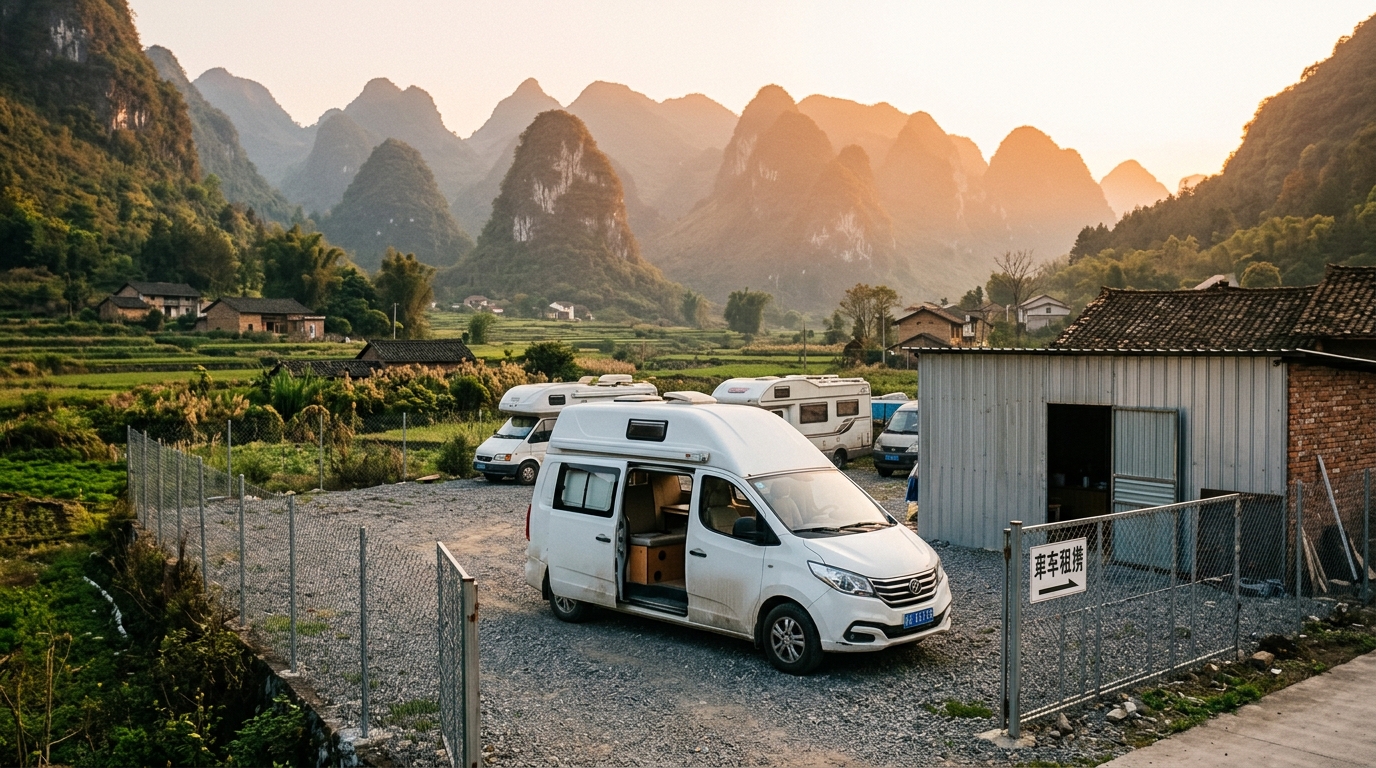
Popular RV routes in China often include the scenic Sichuan-Yunnan loop, known for its diverse landscapes and ethnic cultures, or portions of the historical Silk Road, offering ancient wonders and desert vistas. Other excellent options include exploring the tropical beauty of Hainan Island or the stunning karst landscapes around Guilin.
Itineraries can be tailored to diverse interests, whether you seek ancient historical sites, breathtaking natural wonders like Zhangjiajie National Forest Park, or unique culinary experiences in bustling cities. Consider venturing into off-the-beaten-path regions like Inner Mongolia for unique cultural immersion and untouched landscapes. Customization based on your personal pace (we recommend traveling slowly, max 100-150 km per day on average), interests, and seasonal weather is key for a truly rewarding journey, and professionals at RV PLANET (rvplan.net) can help you create pre-planned routes. Using Rent&Plan gives you a 25% planning discount, allowing you to discover top destinations and planning tips all in one place!
How can I overcome the language barrier and navigate in China?
Utilizing essential translation apps like Baidu Translate or Google Translate (when accessed with a VPN) is crucial for real-time communication and overcoming the language barrier in China. Carrying a physical phrasebook with common Mandarin phrases for basic interactions and emergencies can also be incredibly helpful. For more complex conversations, consider a portable electronic translation device.
Rely on accurate Chinese navigation apps such as Gaode Maps (高德地图) or Baidu Maps (百度地图) for directions, as these are optimized for local conditions and road signage. Western navigation apps might not have the most up-to-date map data. Additionally, downloading offline maps and essential content before you travel is highly recommended, preparing you for regions where internet connectivity might be limited or unreliable.
What are the road conditions and driving challenges for RVs in China?
China features an impressive network of modern expressways (高速公路 - gāosù gōnglù), but secondary and rural roads can vary significantly in quality, ranging from well-maintained to unpaved. Heavy city traffic, complex interchanges, and a high volume of various vehicles (cars, scooters, bicycles, pedestrians) pose significant challenges in urban areas; however, drive slowly and carefully, and you can drive almost anywhere without issues. No need to stress - just use common sense and pay attention.
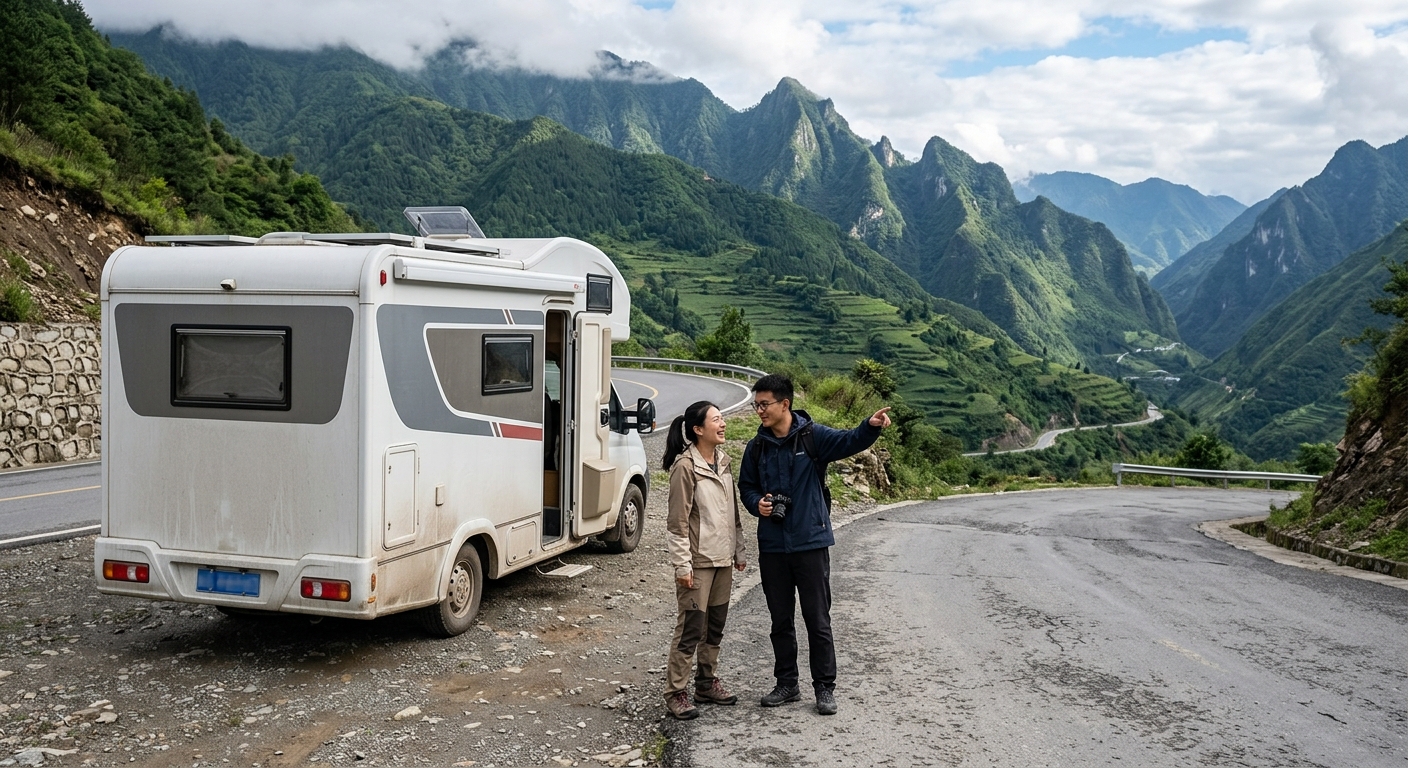
Mountain passes in certain regions, such as those along the Sichuan-Tibet Highway, demand careful driving due to winding roads, steep inclines, and unpredictable weather conditions. Be aware of diverse driving rules and local behaviors that can differ for various vehicle types; for instance, some cities have specific entry restrictions based on license plate numbers. Maintaining high road safety awareness is paramount, especially concerning the presence of scooters, bicycles, and pedestrians, which may not always adhere to strict traffic laws. Despite these challenges, RV travel offers immense rewards.
How do I find food, water, and supplies for my RV in China?
Large supermarkets in cities across China, such as Carrefour or Walmart, offer a wide range of groceries, including many international brands, making it easy to stock your RV kitchen. For fresh produce and regional specialties, visiting local wet markets provides a vibrant cultural experience and excellent local ingredients. For example, a motorhome with a 3-burner gas stove and a 150-liter refrigerator, like the "Glamys 40", is perfectly equipped for preparing meals.
For drinking, always use bottled water, which is readily available everywhere, or consider carrying a portable water purification filter for refills from less reliable sources when in remote areas. RV-specific supply stores are uncommon in China, but general hardware stores or large department stores can provide necessities like cleaning supplies or basic repair tools. Embracing local market experiences not only helps you provision your rented RV but also offers deeper cultural immersion, allowing you to try new flavors and interact with local vendors. For more ideas on what to cook on the road, check out our RV-friendly recipes playlist.
What are the cultural norms and etiquette for RVing in China?
Showing respect through polite greetings and a friendly demeanor during interactions with locals is highly valued in China. It's often appreciated to use common courtesy phrases like "Nǐ hǎo" (hello) and "Xièxie" (thank you). Maintaining modesty in dress, particularly when visiting temples, religious sites, or rural communities, demonstrates cultural sensitivity.
Adhere strictly to local waste disposal and recycling guidelines at campsites and public areas, as environmental regulations are becoming increasingly important. Be mindful of noise levels, especially during designated quiet hours (usually after 10 PM), to respect fellow campers and local residents. Politely asking for permission before taking photographs of individuals, particularly in less touristy areas, is a thoughtful gesture. Observing these simple cultural norms will foster positive interactions and enhance your overall RV journey in China.
Are there alternatives to RV parks for overnight stays in China?
Designated rest stops (服务区 - fúwù qū) along major highways are common in China and generally considered safe for overnight parking, often providing basic amenities like restrooms and food stalls. Large parking areas at tourist attractions, shopping malls, or public squares might permit overnight stays with prior inquiry, though this is less formalized.
True wild camping or boondocking is generally discouraged and often restricted due to strict land ownership laws and safety regulations. Always seek explicit permission from local authorities or private landowners before parking overnight outside designated facilities to avoid any issues. While Bandana does not help find campsites during your rental, remember that many national and state parks reserve only 25-30% of their spots, leaving the majority available on a first-come-first-serve basis, so you'll usually find a spot. If not at the first campground, then the next one; just call ahead before driving.
How can I stay connected and access the internet while RVing in China?
Purchasing a local SIM card from one of China's major carriers, such as China Mobile, China Unicom, or China Telecom, is the most reliable way to ensure mobile data and stay connected while RVing. These are available at airports, official stores, or kiosks in major cities. A Virtual Private Network (VPN) is absolutely essential and must be installed on all your devices before you arrive in China to access blocked Western apps and websites like Google, Facebook, and Instagram.
Public Wi-Fi is available in many urban areas, hotels, and some modern RV campsites, but connectivity speeds and reliability can vary significantly. For more consistent internet access, especially in remote areas, consider renting a portable Wi-Fi device from your rental company or a local provider. Always download offline maps and essential content (like translation apps or travel documents) to prepare for regions with limited or no cellular service.
What should I do in an RV emergency in China?
Memorize China's national emergency numbers: Police (110), Ambulance (120), and Fire (119), as these are crucial for immediate assistance. In the event of a breakdown or mechanical issue with your rented RV, immediately contact your RV rental company; they are your primary point of contact for vehicle support. Bandana, as your booking platform, provides pre-booking comparison and post-booking coordination, but your rental supplier handles on-the-road emergencies.
Ensure you have comprehensive travel insurance that covers medical emergencies, potential evacuation, and any personal liabilities. Carry a well-stocked first-aid kit and basic emergency roadside gear in your RV for minor incidents. In case of legal issues or traffic accidents, cooperate fully with authorities, and if necessary, contact your embassy or consulate for assistance and advice. Being prepared ensures peace of mind during your adventure in China.
What You Shouldn't Miss
- The Great Wall: Hike a less-crowded section like Mutianyu near Beijing for stunning views and a tangible connection to history.
- Terracotta Army: Witness the awe-inspiring Qin Dynasty warriors in Xi'an, a UNESCO World Heritage site representing an unparalleled archaeological marvel.
- Yangtze River Cruise: Experience the majestic Three Gorges, a breathtaking natural wonder that can be a relaxing break from driving your motorhome.
- Zhangjiajie National Forest Park: Explore the surreal sandstone pillars that inspired the floating mountains in Avatar, an absolute must for nature lovers.
- Chengdu Research Base of Giant Panda Breeding: Get up close with China's adorable national treasure in a natural habitat setting.
- Old Town of Lijiang: Wander through the ancient cobblestone streets, canals, and traditional Naxi architecture of this beautiful Yunnan town.
Final Thoughts
Embarking on an RV rental journey through China promises an unparalleled adventure, offering the freedom to explore ancient wonders, breathtaking natural beauty, and vibrant cultures at your own pace. With careful planning, an open mind, and our comprehensive tips, you're set for an experience that will redefine your travel expectations. Remember to travel slowly, savoring each moment and connecting deeply with the incredible diversity China has to offer.
We're here to support you before, during, and after your booking, ensuring every detail is handled so you can focus on living the journey. Don't let the logistics intimidate you; with Bandana's expertise and transparent service, your dream RV trip to China is well within reach. It's time to hit the road and create unforgettable memories!
Get inspired for your next trip! Compare Motorhome Prices for China today and begin your unforgettable journey.
