In This Guide
- Top 5 Tips for RV Rental in Central South US
- Before You Book - Class, Dates, Insurance
- Pre-Trip Prep - Packing Checklist for Central South US
- On the Road - Driving, Fueling, Navigation
- At the Campground - Setup, Hookups & Etiquette
- RV Rental-Specific Tips for Central South US
- Common Mistakes to Avoid in Central South US
- What is the 3-3-3 rule for RV travel?
- What is the 444 rule for RVs?
- What to consider when renting an RV?
- What is the 2-2-2 rule for RV travel?
- What is the 3-3-3 rule for RV?
- What is the 4-4-4 rule for RV travel?
- What to know when renting an RV for the first time?
- Is it cheaper to rent an RV or stay in a hotel?
- What state is most RV friendly?
- What do I need to know before renting an RV?
- Top Cities for RV Rental in Central South US
- Country-Wide Practical Information for Central South US
- What You Shouldn't Miss
- Why Book with Bandana Caravan
- Final Thoughts
- Frequently Asked Questions
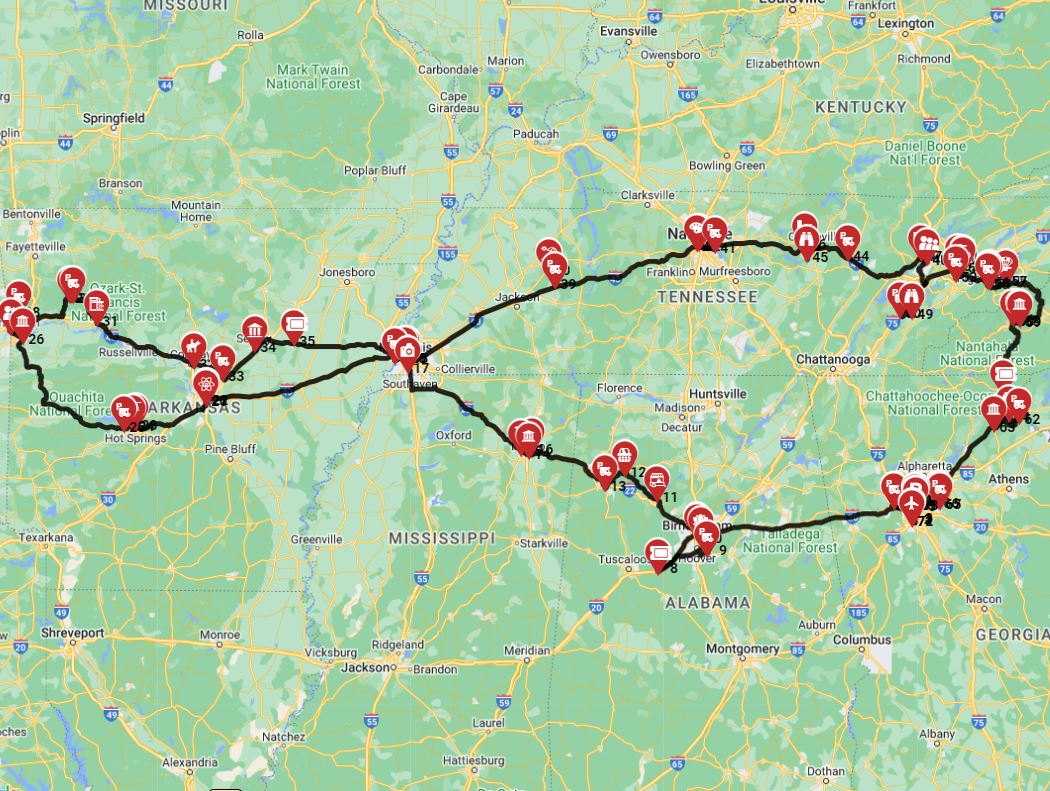
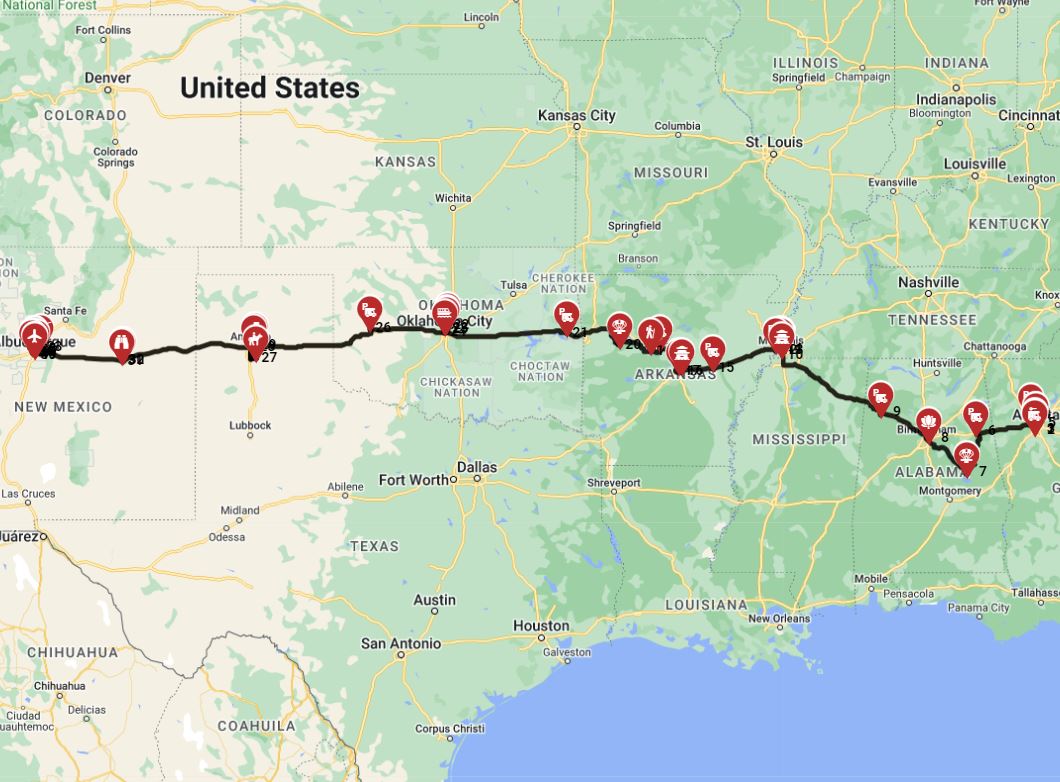
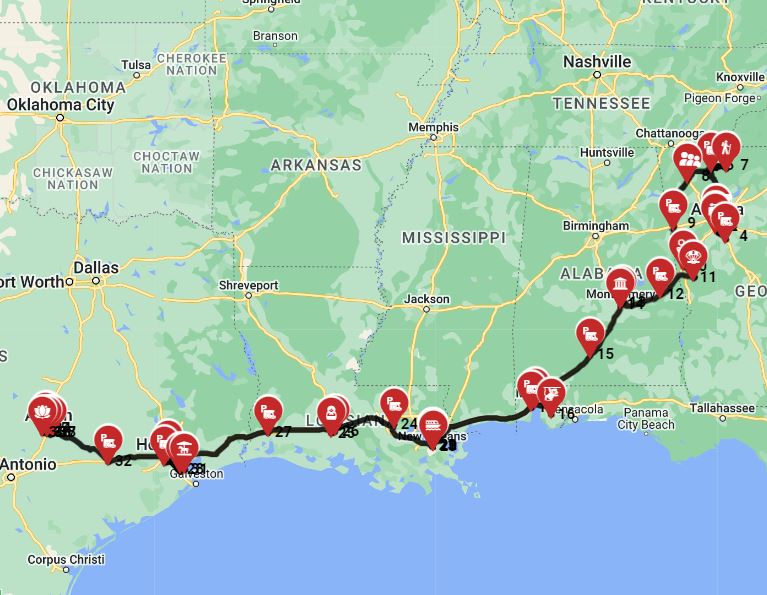
Exploring the heartland of America in a rented motorhome or campervan offers unparalleled freedom, allowing you to immerse yourself in the rich culture, stunning natural beauty, and vibrant cities of the Central South US. From the soulful music of Tennessee to the historic bayous of Louisiana, this region invites discovery at your own pace. With Bandana RV, your journey begins with confidence, knowing you're supported by true RV specialists dedicated to making your adventure seamless. For live availability and current prices, start with our RV Rental Central South US - Complete Guide 2026 guide.
We believe in full transparency, providing you with honest advice and a wide selection of vehicles from trusted suppliers like El Monte, Cruise America, Apollo, and Britz. Our mission, since being founded in 2001, has been to help tens of thousands of travelers explore the world by RV, and we bring over 20 years of expertise to your Central South US adventure. Imagine yourself driving through picturesque landscapes, enjoying a home-cooked meal right at your campsite, and waking up to new horizons each day. We handle the details, you live the journey.
Top 5 Tips for RV Rental in Central South US
Successfully navigating your RV rental adventure in Central South US depends on smart preparation. Here are our top 5 tips to ensure a smooth and enjoyable trip:
- Research local regulations: Familiarize yourself with state-specific driving laws and camping rules across Arkansas, Louisiana, Mississippi, Alabama, Tennessee, Kentucky, and Missouri. Speed limits typically range from 55-70 mph on interstates, with lower limits on state and local roads.
- Book campsites in advance: Popular campgrounds, especially those near national parks or major attractions like Great Smoky Mountains National Park, fill up quickly, particularly during peak seasons like spring and fall. Many national and state parks reserve only 25-30% of their spots, leaving the rest for first-come-first-serve. You'll find a spot; if not at the first campground, then the next one. Always call ahead before driving. For finding campsites and campgrounds during your trip, we recommend using RV PLANET, a great resource for locating available spots along your route.
- Plan for climate: Prepare for warm, humid weather, potential thunderstorms, and pack appropriate gear for both heat and cooler evenings, especially in higher elevations like the Ozarks. RVs generally come equipped with air conditioning, which is a welcome feature in the summer months.
- Budget for fuel and ancillary costs: RVs consume more fuel than cars; a Class C motorhome like the "Cruise America Explorer" (7.1m length) might average 11 liters per 100 km (about 21 mpg). Account for varying gas prices in rural areas, potential campground fees (ranging from $20-60/night), dumping station costs, or propane refills. On RV PLANET routes, you can itemize and track every expense along the way for easy budgeting.
- Inspect the RV thoroughly: Before departing, conduct a detailed walkthrough with the rental company, noting any existing damage and understanding all operational systems, such as water, electrical, and waste management.
Before You Book - Class, Dates, Insurance
Choosing an RV class for your Central South US trip involves matching the vehicle size and amenities to your travel style and group size. Class C motorhomes, like the "rv rentals example Comfort Class" which features 3 double beds and is ideal for a family of 2+2, are often a balanced choice for families, offering comfort and easier maneuverability than larger Class A rigs. Smaller campervans (Class B), such as the "Combi Van" with a double bed at 130/185cm, are ideal for couples seeking flexibility and easier navigation through towns.
Locking in your travel dates early is crucial, especially for peak travel seasons like spring break, summer, or fall foliage viewing in areas like Kentucky or Tennessee, to ensure availability and potentially secure better rates. RV rental prices are dynamic, similar to flight tickets, changing daily based on availability, seasonality, and supplier marketing decisions. The final price is always set at the actual booking time. For insights into pricing, you might explore our "Luxury RV Rental in Central South US - Premium Prices 2026" or "RV Rental Deals in Central South US - Latest Offers 2026" articles.
Insurance options are generally comprehensive, with basic liability coverage often included in the rental. Basic insurance is always included. To see prices including the most comprehensive coverage, select that option during search - then all relevant insurance options will be shown. You can also upgrade to a top-level deductible for extra peace of mind, ensuring you're covered for unexpected incidents. Consider factors like mileage limits, generator usage fees, and roadside assistance plans, which can vary by rental provider and may be particularly relevant for longer journeys through diverse Central South US landscapes. We’re true RV specialists, not just a travel agency side department, so we know what to look for.
Pre-Trip Prep - Packing Checklist for Central South US
A well-organized packing checklist tailored for the Central South US climate ensures a comfortable and safe RV trip, considering the region's common hot, humid weather and potential for sudden rain. With a rented motorhome, you have the convenience of bringing more essentials than traditional travel, but thoughtful packing is key to maximizing space and comfort.
Essential RV Packing Checklist:
- Valid Driver's License (standard car license is sufficient for all motorhome classes; an International Driving Permit (IDP) is recommended for non-English speakers but not mandatory) & RV Rental Agreement
- RV Insurance Information & Roadside Assistance Contacts
- Campground Reservations & Itinerary
- Emergency Contact List & First Aid Kit
- Sunscreen & Insect Repellent
- Wide-brimmed Hats & Sunglasses
- Light, breathable clothing (quick-dry) - especially for summer humidity in Louisiana.
- Rain Gear (light jacket, umbrella) - thunderstorms can be sudden.
- Comfortable Walking Shoes for exploring national parks.
- Basic Toiletries & Towels (check if linen kits are included or an add-on).
- Cooking Utensils & Pots/Pans - many RVs come with a basic kitchen setup, like the "MH-B" motorhome with a 3-burner gas stove and a 302 liter refrigerator. Check out our RV-friendly recipes playlist for meal ideas.
- Plates, Cups, Silverware
- Non-perishable Food & Snacks for roadside stops.
- Water Bottles & Cooler
- Flashlight/Headlamp
- Multi-tool or Basic Tool Kit
- Small Portable Fan (for extra cooling during warmer nights, even with AC).
- Books, Games, Entertainment (some larger RVs, like the "Euro Deluxe," may include a TV).
- Chargers for Electronics
- Local Maps & Guidebooks (in case of no signal in remote areas like parts of the Ozarks).
- Cash for small purchases/tolls (some minor toll roads may exist in the region).
Always keep important documents readily accessible, including your rental agreement, insurance, and emergency contacts. Kitchen essentials should include basic cooking tools and non-perishable food items to minimize stops and maximize convenience. For personalized advice, remember that we are true RV specialists, here to help you before, during, and after your booking process.
At the Campground - Setup, Hookups & Etiquette
Setting up your rented RV at a campground in the Central South US involves a systematic approach to ensure comfort and proper appliance function. First, level your RV using blocks or an automatic leveling system, which is crucial for drainage and refrigerator performance. Then, connect your electrical, water, and sewer hookups in the correct order to prevent issues. Electrical hookups, typically 30 or 50 amp, should always be connected with the RV's main breaker off, then connecting to the shore power pedestal before flipping the breaker on.
Water hookups require connecting the freshwater hose to the RV's inlet and the campground's spigot, potentially with a water pressure regulator to protect your RV's plumbing, as pressures can vary. Sewer hookups are typically connected last, ensuring the black tank valve is closed until ready to dump, followed by the grey tank. Emptying black tanks first, then grey tanks, helps flush out the sewer hose. Respecting campground etiquette, such as observing quiet hours (typically 10 PM to 7 AM), keeping campsites tidy, and managing waste properly, contributes to a pleasant experience for everyone. Many campgrounds have specific rules regarding generator usage, campfires, and pet policies (if you have a pet-friendly RV rental).
Always use common sense and courtesy toward fellow campers. If you encounter any unexpected issues with your RV's systems, our support team is available for pre-booking comparison, booking support, and post-booking coordination to help guide you through the process. We are your true RV specialists, committed to transparent and supportive service every step of the way.
RV Rental-Specific Tips for Central South US
Planning a rented RV adventure in the Central South US offers diverse experiences, and tailoring your vehicle choice to your group's needs is paramount. For families with kids, consider RVs with multiple sleeping areas and entertainment options like TVs or DVD players for downtime, ensuring nap-friendly drives and comfortable evenings. A Class C motorhome like the "MHC24," with sleeping places for 6 and a microwave, provides ample space and amenities. Senior travelers might prioritize ergonomic RV classes, such as a Class C with easy step-in access and accessible controls, along with amenities like a comfortable bed and spacious bathroom. The "Safari Landcruiser 4WD" might be too small for some but offers a compact option.
Budget-conscious travelers can explore free overnight spots, like certain retail parking lots or designated public lands (boondocking), and plan meals to be cooked in the RV to save on dining out. Our RV-friendly recipes playlist can provide inspiration for delicious and cost-effective meals. Luxury renters can explore premium add-ons like delivered linens, stocked kitchens, or concierge services to enhance their Central South US adventure. For example, some Class A integrated motorhomes like the "how much does it cost to rent a rv example E3" offer exclusive features and a TV for ultimate comfort.
Consider renting an RV with a robust air conditioning system, essential for combating the summer heat and humidity characteristic of the Central South US. While we don't specify technical requirements, modern RVs from our partners like Cruise America and El Monte are well-equipped for varying climates. Remember that a standard car driver's license is sufficient for all motorhome classes, and the minimum rental age is 21, with no young driver surcharges or vehicle class restrictions based on age, making RV travel accessible to a wider audience.
Common Mistakes to Avoid in Central South US
Avoiding common pitfalls can significantly enhance your RV rental experience in the Central South US. Overpacking can quickly exceed your RV's weight limits and make travel cumbersome; instead, pack versatile clothing and only essential items, utilizing storage efficiently. A Class B campervan like the "rv rental denver example Category Van" might be ideal for light packers seeking agility.
Failing to book campsites in advance can leave you scrambling for a spot, especially during popular seasons or around major attractions like national parks. Instead, reserve your sites as soon as your itinerary is firm. Remember, many national and state parks only reserve 25-30% of spots, leaving plenty for spontaneous travelers, but calling ahead is always wise. Ignoring weather forecasts can lead to uncomfortable or unsafe driving conditions; instead, regularly check the forecast and adjust travel plans for severe weather, particularly thunderstorms or extreme heat, which are common in states like Alabama and Mississippi during summer. Staying flexible with your schedule is part of the adventure.
Underestimating fuel consumption and the cost of other utilities like propane can strain your budget. Instead, factor these into your trip planning and track expenses during your journey. On RV PLANET routes, you can itemize and track every expense along the way for easy budgeting. Not familiarizing yourself with your RV's systems before hitting the road can cause frustrating delays; instead, take time for a thorough walkthrough with the rental provider to understand everything from hookups to appliance operation. Our 24/7 support means real people are behind you before, during, and after your booking, ready to coordinate any necessary assistance. On the routes offered through RV PLANET routes, you can itemize and track every expense along the way for easy budgeting.
What is the 3-3-3 rule for RV travel?
The 3-3-3 rule for RV travel is a widely adopted guideline suggesting travelers drive no more than 300 miles a day, arrive at their destination by 3 PM, and stay for at least 3 nights in a location within Central South US. This rule is designed to promote a relaxed pace, reduce driver fatigue, and allow ample time to enjoy each location without feeling rushed. For instance, if you're on a two-week adventure through Alabama and Mississippi, adhering to this rule can prevent burnout.
Adhering to the 3-3-3 rule helps prevent late-night arrivals, which can make setting up camp challenging, especially for first-time RVers. Staying for at least three nights provides an opportunity to fully experience the local attractions and amenities without constant packing and unpacking. While a guideline, adapting the 3-3-3 rule to suit specific trip needs, road conditions, and the rhythm of your Central South US journey can enhance the overall experience. Our pre-planned routes from RV PLANET (rvplan.net) are often designed with similar slow travel principles in mind.
What is the 444 rule for RVs?
The 444 rule for RVs is a lesser-known variant of RV travel guidelines, suggesting driving no more than 400 miles a day, arriving by 4 PM, and staying for at least 4 nights in a Central South US destination. This rule aims to offer a slightly more ambitious travel pace than the 3-3-3 rule while still emphasizing safety and enjoyment. It can be useful for covering longer distances, such as traversing the full 444 miles of the Natchez Trace Parkway.
It provides a framework for balancing travel time with relaxation, especially useful for those who want to cover more ground but still avoid excessive driving fatigue. The extra night at each stop, as per the 444 rule, can offer deeper exploration of Central South US destinations or simply more downtime. Adherence to such rules contributes to safer driving practices and more enjoyable camping experiences, by ensuring sufficient time for setup, relaxation, and dismantling.
What to consider when renting an RV?
When renting an RV for your Central South US trip, important considerations include the type of RV that best suits your travel party and itinerary, the rental duration, and the total budget including hidden fees. Evaluating the size and class of RV, such as a Class C motorhome like the "MHC24" (7.3 meters long) versus a smaller Class B campervan, is essential for comfort, maneuverability, and the number of travelers.
Review the rental agreement carefully for mileage limits, generator usage fees, insurance options, cancellation policies, and roadside assistance provisions. Bandana RV offers full transparency, so what you see is what you pay, with no surprise fees at pickup. Consider the season and destination, as these will impact availability, pricing, and the need for specific amenities like robust air conditioning for the Central South US heat. Factoring in potential additional costs such as fuel, campground fees, dumping station access, propane refills, and any rental add-ons like kitchen kits or linen packages will give you a clearer picture of the total trip cost. Our "Weekly RV Rental in Central South US - Pricing 2026" and "Family RV Rental in Central South US - Pricing Guide 2026" articles offer further details.
What is the 2-2-2 rule for RV travel?
The 2-2-2 rule for RV travel is a practical guideline that suggests driving no more than 200 miles a day, arriving at your campground by 2 PM, and staying for at least 2 nights. This rule is particularly beneficial for first-time RVers, families with young children, or those who prefer a very relaxed travel pace to fully immerse themselves in each location across the Central South US. This slower pace aligns with our recommendation to travel slowly, max 100-150 km per day on average, to truly connect with the scenery and local culture.
Arriving by 2 PM provides ample daylight for setting up camp, exploring the immediate area, and unwinding before dusk, which is especially helpful when dealing with a new rented motorhome. Staying for at least two nights allows for a full day of local exploration or relaxation without the pressure of immediately moving on. It emphasizes reduced stress and increased enjoyment, making it an excellent strategy for navigating the scenic, but sometimes winding, routes of the Central South US at a leisurely pace.
What is the 3-3-3 rule for RV?
The "3-3-3 rule" for RV travel, often recommended for optimal enjoyment and safety, advises RVers to limit daily driving to approximately 300 miles, aim to arrive at their destination by 3 PM, and plan to stay for a minimum of 3 nights. This principle is designed to mitigate driver fatigue, allowing for more breaks and less strenuous travel days, which is particularly important when navigating larger rented RVs like a Class A motorhome in the Central South US.
Early arrival by 3 PM provides sufficient daylight to set up the RV, get acquainted with the campground, and address any unexpected issues without the stress of darkness. The recommendation to stay for three nights fosters a more immersive travel experience, giving you two full days to explore local attractions, relax, and fully utilize your campground amenities. Applying the 3-3-3 rule can significantly enhance the quality of your RV vacation, turning travel from a race to a journey of discovery, perfect for the varied landscapes of the Central South US.
What is the 4-4-4 rule for RV travel?
The 4-4-4 rule for RV travel, a variation of the common driving guidelines, suggests limiting daily mileage to 400 miles, arriving at your campsite by 4 PM, and staying for at least 4 nights at each location in the Central South US. This rule caters to RVers who desire a slightly quicker pace than the 3-3-3 rule, while still prioritizing safety and ample time for exploration and relaxation. It's a great option for those undertaking an extended road trip across the region, potentially covering multiple states like Tennessee and Mississippi.
By setting a 4 PM arrival time, travelers still have a good portion of daylight to manage setup and familiarize themselves with the new surroundings, even after covering more ground. The extended stay of four nights offers substantial time for in-depth exploration of regional attractions, engaging in outdoor activities, or simply unwinding and enjoying the RV lifestyle. Implementing the 4-4-4 rule can be particularly effective for covering larger regions like the Central South US, allowing for broader exploration without excessive daily driving pressure. For curated routes that embrace such travel rhythms, consider exploring the 1,300+ pre-planned routes across 5 continents via RV PLANET (rvplan.net), our sister company.
What to know when renting an RV for the first time?
When renting an RV for the first time in Central South US, it's essential to understand the vehicle's operation, familiarize yourself with its systems, and prepare for the unique aspects of RV travel. Research different RV classes, such as Class A motorhomes, Class B campervans, or Class C motorhomes, to match one to your comfort level, driving experience, and the size of your travel party. For example, a "MiniVan" campervan might be ideal for a couple, while a "MHC30" motorhome is suitable for a big family or group of friends with its multiple beds and generator.
Conduct a thorough pre-rental inspection, documenting any existing damage and ensuring you understand how to operate all essential functions like the generator, water pump, and hookups. Learn basic RV etiquette for campgrounds, including waste disposal procedures, quiet hours, and respecting fellow campers' space. Practice driving the RV in a safe, open area if possible, to get a feel for its size, braking distance, and turning radius before hitting the open road. Drive slowly and carefully, and you can drive almost anywhere without issues. No need to stress - just use common sense and pay attention.
Plan your initial route and potential overnight stops, especially if picking up late, to ensure a smooth first day, considering the unique challenges and joys of RV travel in the Central South US. Don't forget that a standard car driver's license is sufficient for all motorhome classes, and the minimum rental age is 21. For specific itineraries or route plans designed by professionals, check out Rent&Plan from RV PLANET.
Is it cheaper to rent an RV or stay in a hotel?
The cost-effectiveness of renting an RV versus staying in hotels for a trip through Central South US largely depends on factors such as trip duration, number of travelers, destinations, and how much you cook versus dine out. For larger groups or longer trips, RV rentals often become more economical as they combine accommodation and transportation costs, and allow for cooking meals. Consider a "Euro Deluxe" motorhome for a group of up to 6 people; the ability to prepare meals in its fully equipped kitchen can lead to significant savings over eating out.
Hotel stays can be cheaper for short trips with few travelers or when visiting urban areas with limited RV parking and expensive campgrounds. RV expenses include rental fees (which are dynamic, changing daily), fuel (which can be substantial for large rigs averaging 20-25 liters per 100 km), campground fees (which vary widely from $20 for basic state park sites to $60+ for private resorts), propane, and potential dumping station charges. On the other hand, hotel costs primarily involve nightly rates, dining out, and car rental/parking. When considering your total trip cost, remember that our goal is full transparency, ensuring no hidden fees or surprises.
In the Central South US, campground fees can range from budget-friendly state parks to more expensive private resorts, influencing the overall cost comparison. For instance, a week-long trip can often be more cost-effective in an RV if you utilize its kitchen facilities and take advantage of state park campgrounds. For detailed planning and cost breakdowns, exploring specific itineraries on RV PLANET (rvplan.net) can help you compare total trip costs effectively.
What state is most RV friendly?
While 'most RV friendly' is subjective and depends on individual preferences, states like Florida, Texas, and Arizona are often cited for their extensive RV infrastructure, warm climates, and numerous campgrounds. Within the Central South US, specific states offer unique RV advantages. Tennessee, with its Great Smoky Mountains National Park and extensive state park system, provides abundant scenic routes and camping opportunities for all rig sizes. It boasts over 50 state parks, many with RV-friendly amenities.
Arkansas is known for its natural beauty, including the Ozarks and Hot Springs National Park, offering diverse outdoor experiences and RV parks with an average of 40-50 public campgrounds. Louisiana provides a distinct cultural experience with its bayous and vibrant cities, though navigating urban areas with an RV requires careful planning. Drive slowly and carefully, and you can drive almost anywhere without issues. No need to stress - just use common sense and pay attention. Kentucky is another great option, with the Daniel Boone National Forest and Mammoth Cave National Park offering excellent RV camping.
Overall RV friendliness in a Central South US state typically includes good road conditions, access to dump stations and propane, welcoming state parks, and a variety of private campgrounds. Many states offer rest areas suitable for short breaks, and some allow overnight parking, though it's always best to call ahead. Remember that Bandana RV books rentals in 50+ countries with local expertise, providing support and advice for your adventure.
What do I need to know before renting an RV?
Before renting an RV for your Central South US adventure, it's crucial to understand the commitment involved, from selecting the right vehicle to navigating the rental process and preparing for life on the road. Research different RV classes (Class A, Class B, Class C motorhomes) to match one to your comfort level, driving experience, and the size of your travel party. For instance, a 24' Class C motorhome sleeping 5 might be ideal for a family, while a "Luxury Small" campervan is perfect for a couple.
Carefully read the rental agreement, paying close attention to mileage allowances, generator usage policies, fuel policies, and options for insurance and roadside assistance. Bandana RV operates with full transparency; there are no hidden fees, no surprises, just clear pricing. You can opt to upgrade to a top-level deductible for extra peace of mind during your journey. Familiarize yourself with the rental company's pickup and drop-off procedures, including inspection protocols and cleaning expectations to avoid additional fees.
Plan your initial route and potential overnight stops, especially if picking up late, to ensure a smooth first day, considering the unique challenges and joys of RV travel in the Central South US. A standard car driver's license is sufficient for all motorhome classes, and the minimum rental age is 21. For expert insights and pre-planned routes, consider exploring RV PLANET (rvplan.net), which offers 1,300+ routes across 5 continents.
Top Cities for RV Rental in Central South US
The Central South US offers numerous vibrant cities that serve as excellent starting or ending points for your rented RV adventure. Each city provides unique attractions and convenient access to beautiful surrounding areas.
- Nashville, TN: Known as "Music City," Nashville offers iconic attractions like the Grand Ole Opry, Ryman Auditorium, and the lively Honky Tonk Highway. There are many RV parks just outside the city, perfect for a several-day stay.
- New Orleans, LA: Immerse yourself in the unique culture of New Orleans, from the historic French Quarter and its jazz clubs to delicious Creole cuisine. Campgrounds are available a short drive from the city center, allowing for easy day trips.
- Memphis, TN: A city rich in civil rights history and the birthplace of blues, soul, and rock 'n' roll. Visit Graceland, explore Beale Street, and enjoy the local barbecue. RV-friendly sites are plentiful in the metro area.
- Little Rock, AR: Explore the William J. Clinton Presidential Center, stroll along the Arkansas River Trail, and discover the state's natural beauty in nearby state parks and the Ozark Mountains.
- Birmingham, AL: This city offers a deep dive into Civil Rights history, stunning views from Vulcan Park, and a burgeoning culinary scene. Accessible RV parks provide a comfortable base.
- Louisville, KY: Home of the Kentucky Derby and the start of the Bourbon Trail, Louisville combines urban attractions with access to scenic routes. Campgrounds around the city accommodate all sizes of motorhomes.
- St. Louis, MO: Dominated by the iconic Gateway Arch, St. Louis offers attractions like Forest Park (home to museums and the zoo) and a rich historical background. RV parks are available throughout the broader metropolitan area, making it a great base for a week-long trip or longer.
Choosing a city like these for your pick-up point allows you to easily access your rented campervan or motorhome and embark on your chosen itinerary, whether it's an extended road trip through multiple states or a focused exploration of one region. Remember to check out RV PLANET (rvplan.net) for pre-planned routes and points of interest that can start from these cities.
Country-Wide Practical Information for Central South US
Embarking on a rented RV journey through Central South US means understanding some general practicalities to ensure a smooth and enjoyable trip. The driving side in all states (Arkansas, Louisiana, Mississippi, Alabama, Tennessee, Kentucky, Missouri) is on the right, consistent with the rest of the USA. Speed limits typically range from 55-70 mph on interstates, with lower limits (35-55 mph) on state highways and local roads. Drive slowly and carefully, and you can drive almost anywhere without issues. No need to stress - just use common sense and pay attention.
For emergencies, dial 911 for police, fire, or medical assistance. This is the universal emergency number across the entire United States. Connectivity is generally good in urban areas and along major interstates, but can be spotty in more rural or mountainous regions. Consider purchasing a prepaid SIM card from major carriers like AT&T, Verizon, or T-Mobile for reliable service, especially if you plan to venture into national forests or remote state parks.
Fuel types include regular, mid-grade, and premium gasoline, and diesel, which is commonly used by larger motorhomes. Fuel stations are readily available along interstates and in most towns, but planning ahead for longer stretches in rural areas is wise, especially with a "MH-A" motorhome that has a 208-liter fuel tank. Toll roads are not as prevalent as in some other US regions but do exist on certain bridges or specific highway segments. Checking your route for tolls in advance can save time and hassle. National Park entrance fees are typically $20-35 per vehicle for a 7-day pass, or you can opt for an America the Beautiful Pass for $80, which covers all national parks and federal recreation sites for a year.
Camping laws generally restrict overnight stays to designated campgrounds, but primitive camping (boondocking) may be allowed on some National Forest or Bureau of Land Management (BLM) lands. Always verify local regulations. Many retail stores, such as Walmart and Cracker Barrel, often permit overnight RV parking, but it's crucial to always ask permission first to avoid issues. Remember, Bandana RV provides full transparency on all costs, so you'll always know what to expect when planning your amazing RV journey.
What You Shouldn't Miss
- Explore the Great Smoky Mountains National Park (TN): Drive scenic routes like Newfound Gap Road, hike to stunning waterfalls, and keep an eye out for wildlife. Avi Bandana recommends taking at least 3-4 days to truly soak in the natural beauty.
- Immerse in Music History in Nashville (TN) and Memphis (TN): Visit the Country Music Hall of Fame in Nashville and Graceland, the home of Elvis Presley, in Memphis. These cities offer a rich tapestry of American music heritage.
- Journey along the Natchez Trace Parkway (MS, AL, TN): This 444-mile scenic byway is perfect for a leisurely RV drive, offering historical sites, natural wonders, and cultural stops without commercial traffic.
- Discover the Unique Culture of New Orleans (LA): Wander through the French Quarter, listen to live jazz on Bourbon Street, and savor authentic Creole and Cajun cuisine. Park your RV just outside the city and use public transport for easy access.
- Visit Hot Springs National Park (AR): Experience America's first national park, often called "The American Spa," where you can bathe in the historic bathhouses and even fill your water bottles from a free natural spring tap.
- Delve into Space Exploration in Huntsville, Alabama: The U.S. Space & Rocket Center is home to incredible artifacts, including a Saturn V rocket, offering an inspiring look into America's space program.
Looking for expert insights from Avi Bandana? Top 5 Adventures - recommendations from Avi Bandana.
🎬 Video coming soon
Final Thoughts
A rented RV adventure through the Central South US promises an enriching and unforgettable experience, offering a unique blend of natural beauty, deep history, and vibrant culture. With the flexibility of your own mobile home, you're free to explore iconic music cities, tranquil national parks, and charming small towns at your own pace. Remember to embrace the philosophy of slow travel, allowing yourself to fully connect with each destination.
By keeping our expert tips in mind – from careful planning and budgeting to understanding local customs – you're well-equipped for a fantastic journey. Our commitment at Bandana RV is to provide you with the best selection of motorhome and campervan rentals, backed by transparent pricing and supportive service every step of the way. We're here to make your travel dreams a reality.
So, why wait? Start dreaming up your perfect itinerary for Central South US. The open roads and warm hospitality of this incredible region are calling! Discover top destinations, planning tips, all in one place and plan a trip itinerary in advance with minimal effort and maximum enjoyment.