For live availability and current prices, start with our RV Rental Canada - Complete Guide 2026 guide.
In This Guide
- Top 5 Tips for RV Rental in Canada
- Before You Book - Class, Dates, Insurance
- Pre-Trip Prep - Packing Checklist for Canada
- On the Road - Driving, Fueling, Navigation
- At the Campground - Setup, Hookups & Etiquette
- RV Rental-Specific Tips for Canada
- Common Mistakes to Avoid in Canada
- What is the 3-3-3 rule for RV travel?
- What is the 4-4-4 rule for RV travel?
- How much does it cost to rent an RV for a week in Canada?
- Can Americans RV in Canada?
- What should Americans know before visiting Canada?
- What are the drawbacks of renting an RV?
- Which RV rental company in Canada is the best?
- What You Shouldn't Miss
- Why Book with Bandana Caravan
- Final Thoughts
- Frequently Asked Questions
Canada offers an unparalleled RV adventure, inviting travelers to explore its vast landscapes, vibrant cities, and serene wilderness from the comfort of their own mobile home. From the stunning Rocky Mountains to the historic East Coast, renting a motorhome provides the flexibility and freedom to discover this incredible country at your own pace. To ensure a smooth journey, preparation is key, and understanding specific tips for RV rental in Canada will elevate your experience. For live availability and current prices, start with our RV Rental Canada - Complete Guide 2024 guide.
Top 5 Tips for RV Rental in Canada
Successfully navigating your RV rental in Canada hinges on careful planning and awareness of local specifics, ensuring a memorable and stress-free journey.
- Booking your RV early, especially for Canada's popular summer months (July-August), is crucial to secure your preferred motorhome type and dates, as availability can decrease and prices can increase by 15-25% closer to travel.
- Familiarize yourself with Canadian driving rules, noting that speed limits, distances, and fuel efficiency are measured in kilometers (km) and kilometers per hour (km/h). Drive slowly and carefully, and you can drive almost anywhere without issues. No need to stress - just use common sense and pay attention, even with a larger Class A motorhome.
- Always factor in all trip costs beyond the initial rental fee, such as significant fuel expenses (especially across Canada's vast distances), campground reservations (CAD $30-$70+ per night), insurance upgrades, and potential provincial park entry fees. Our RV PLANET routes are excellent for itemizing and tracking every expense.
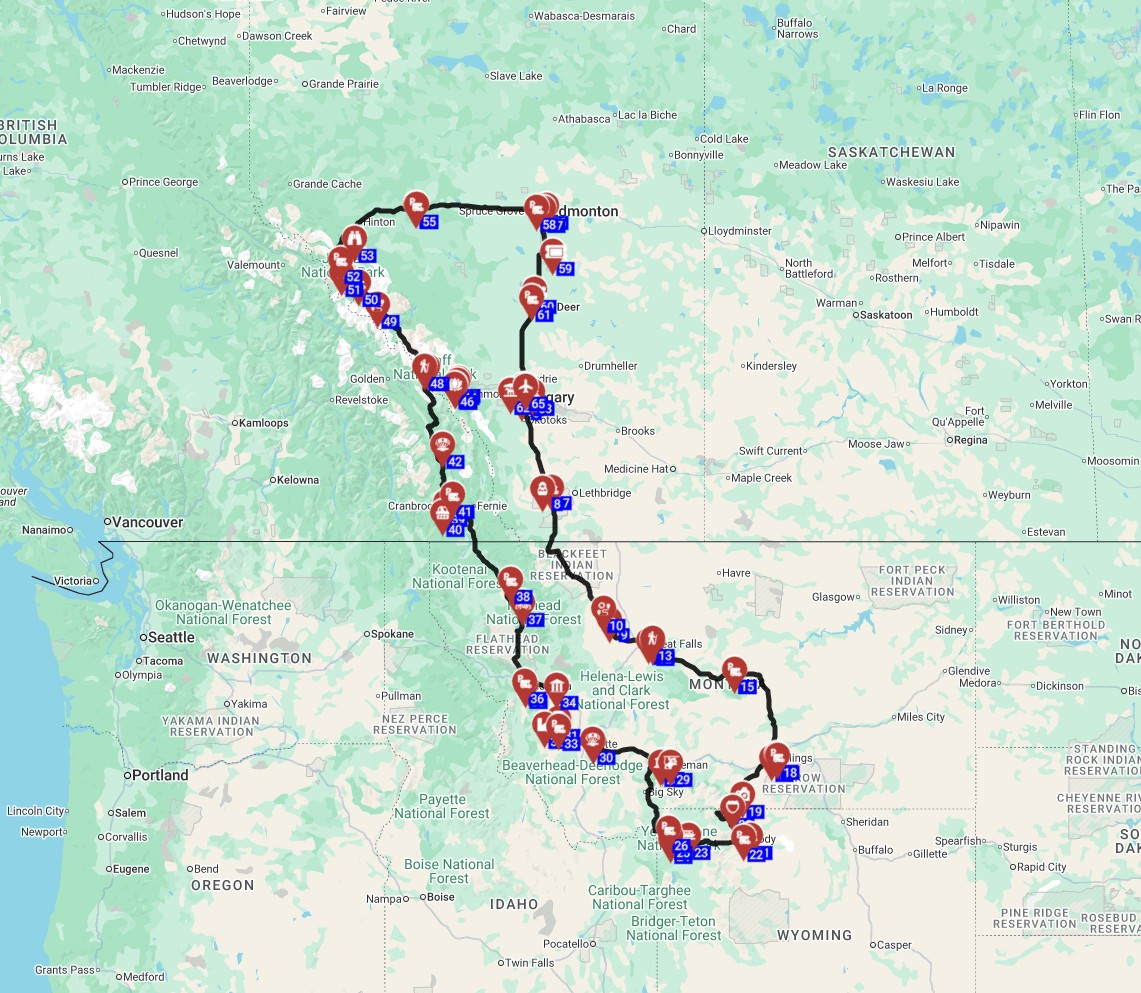
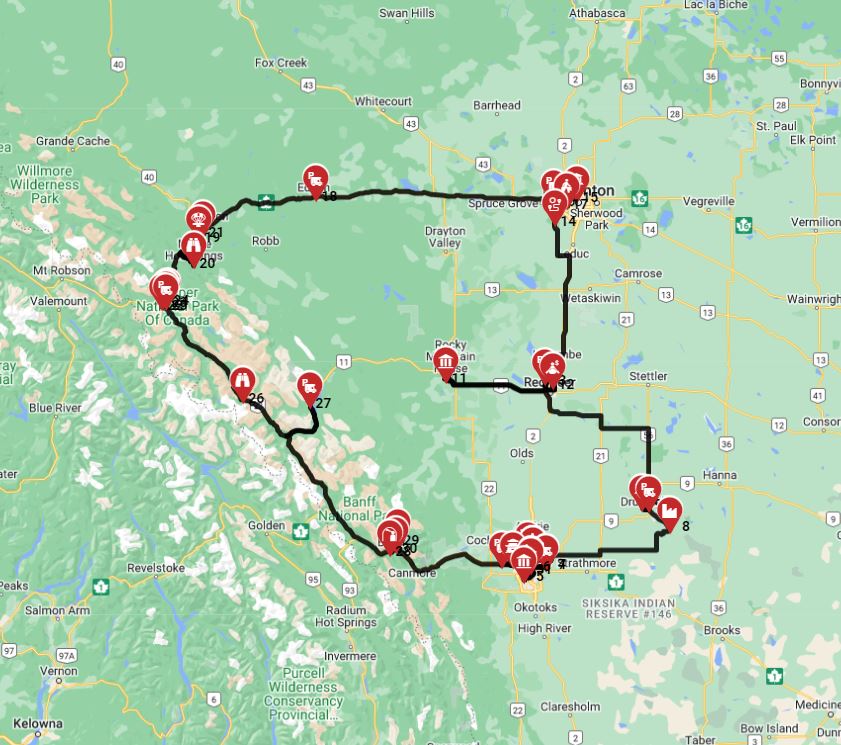
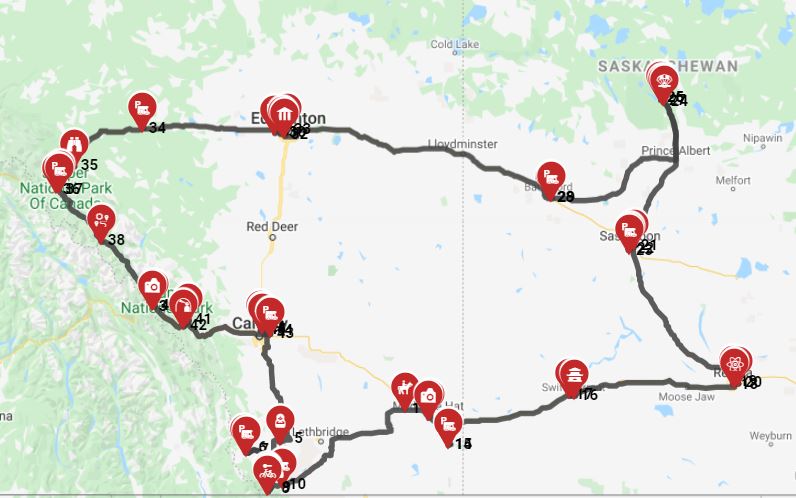
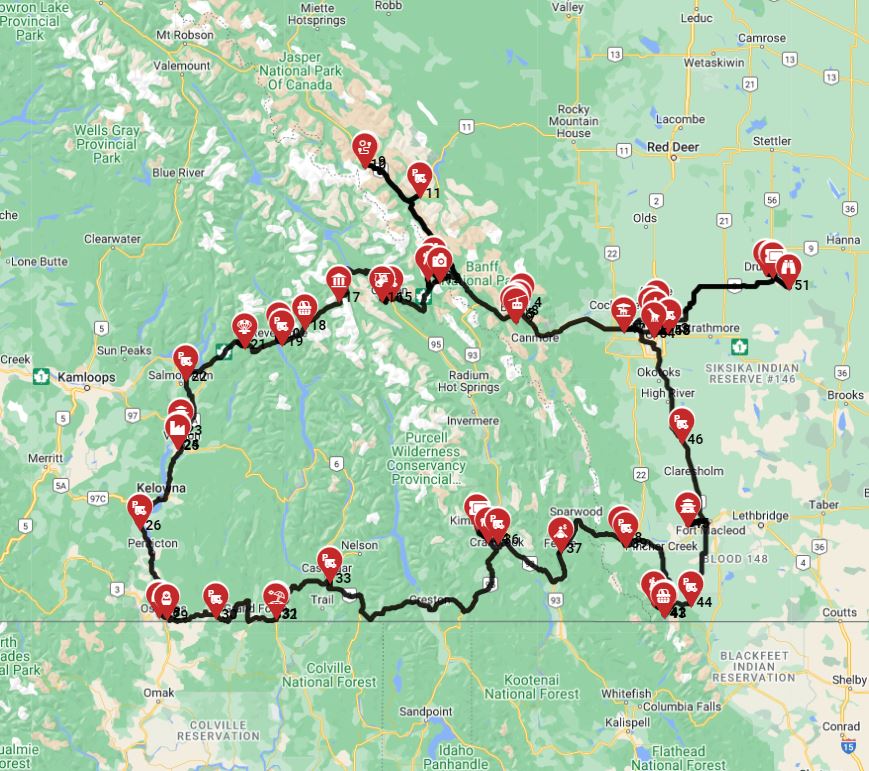
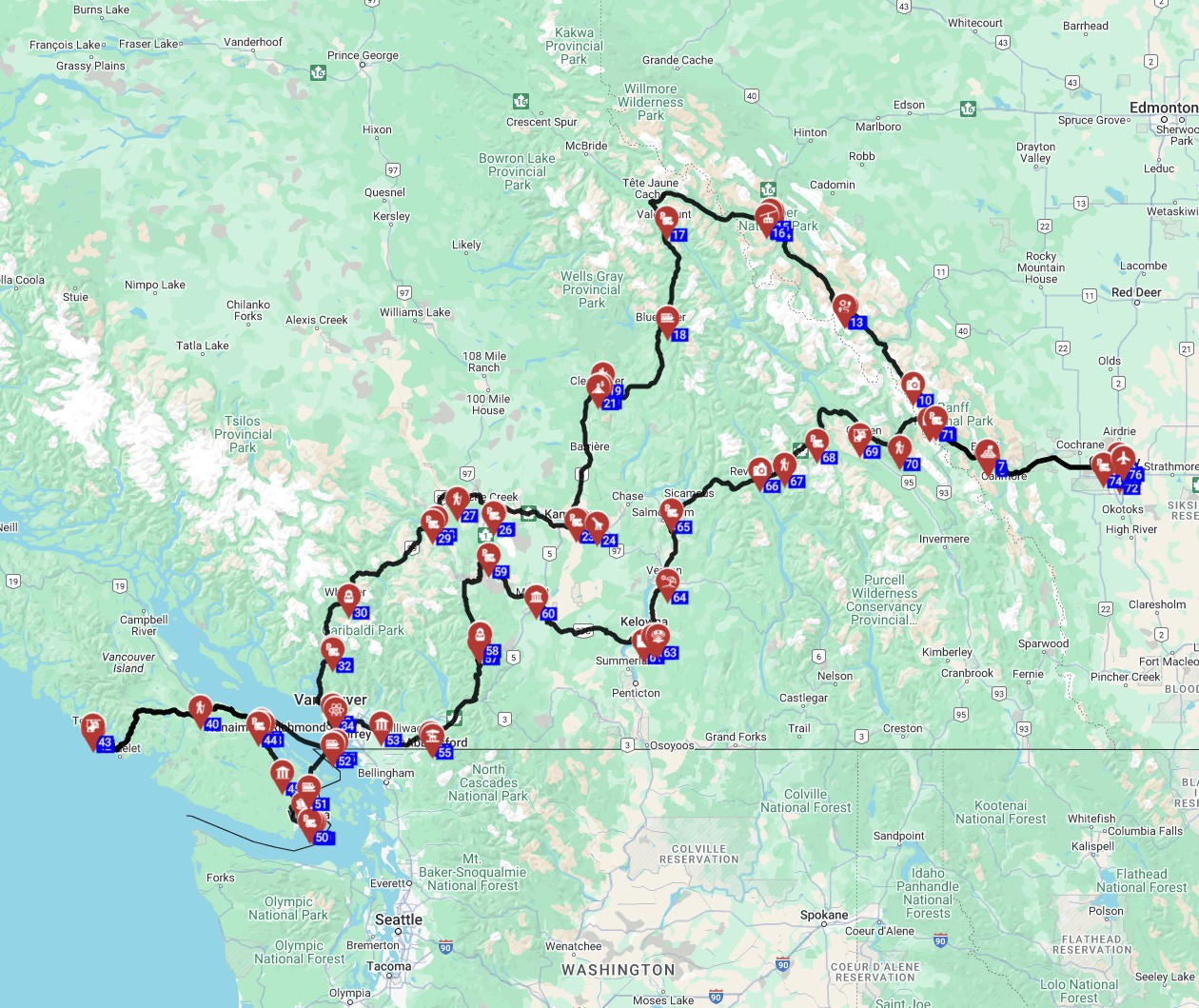
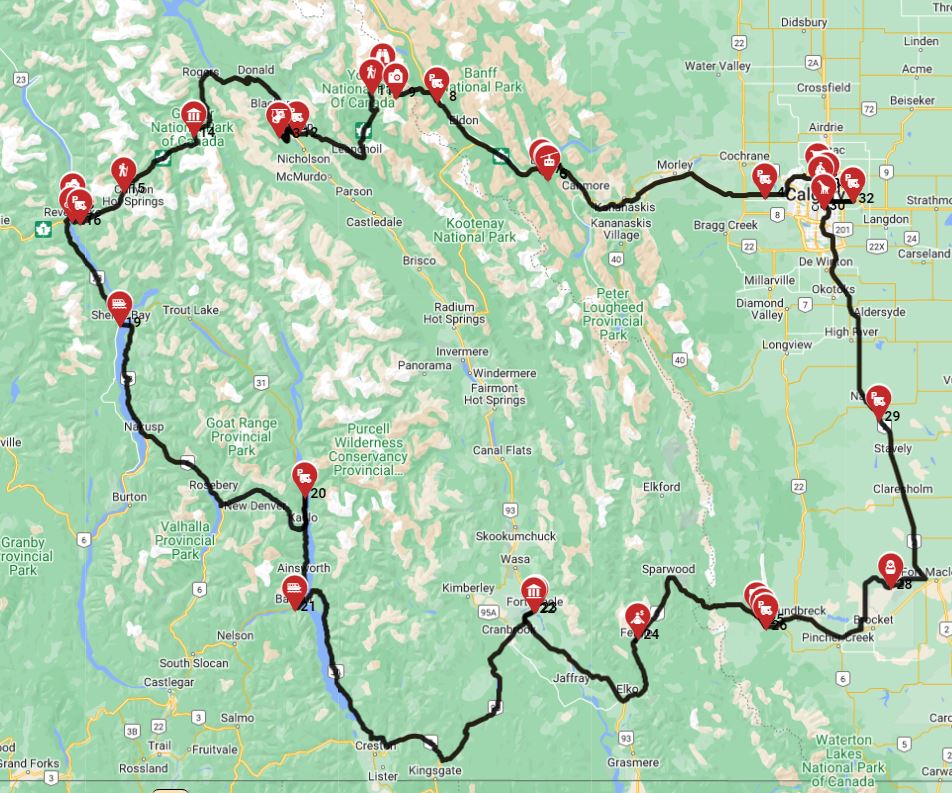
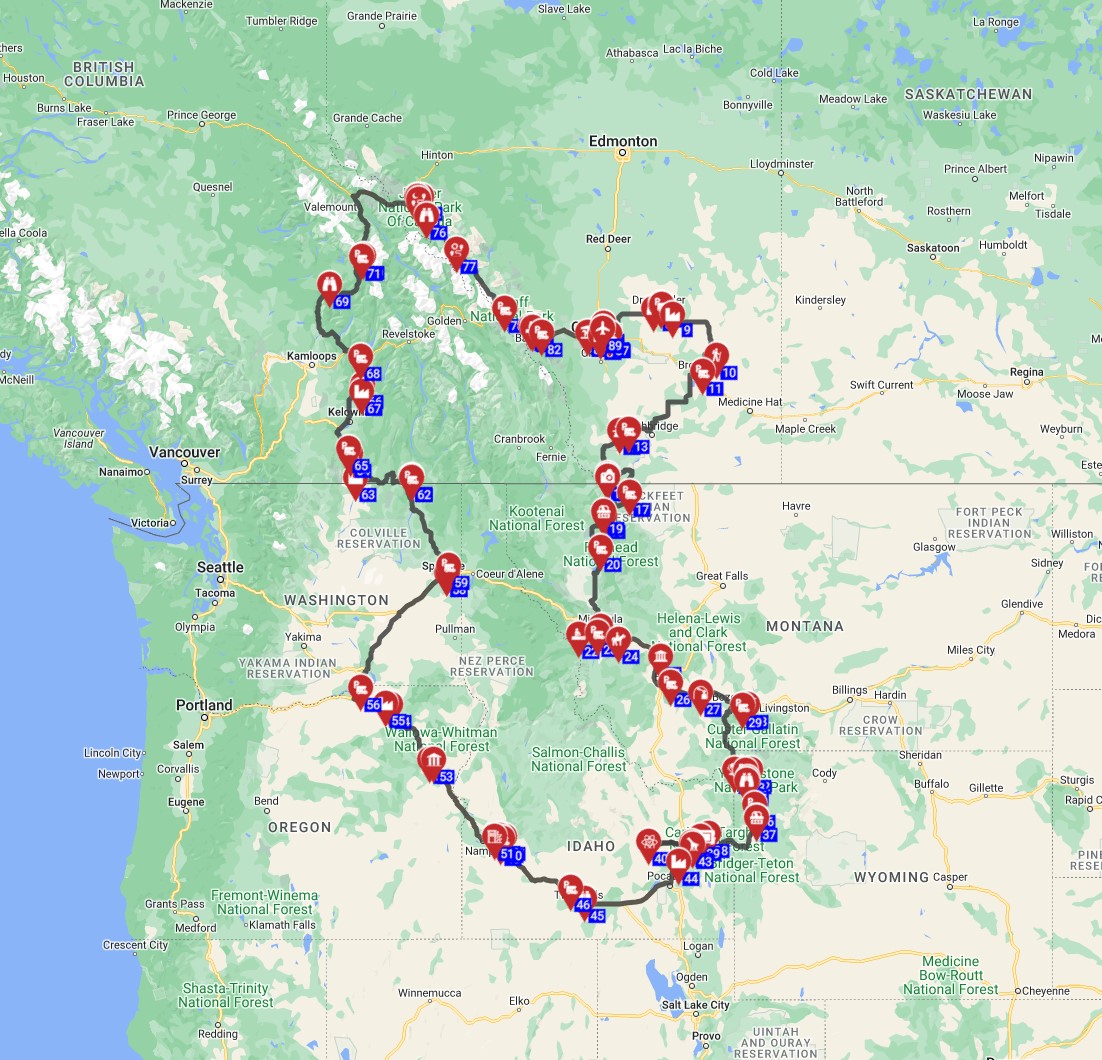
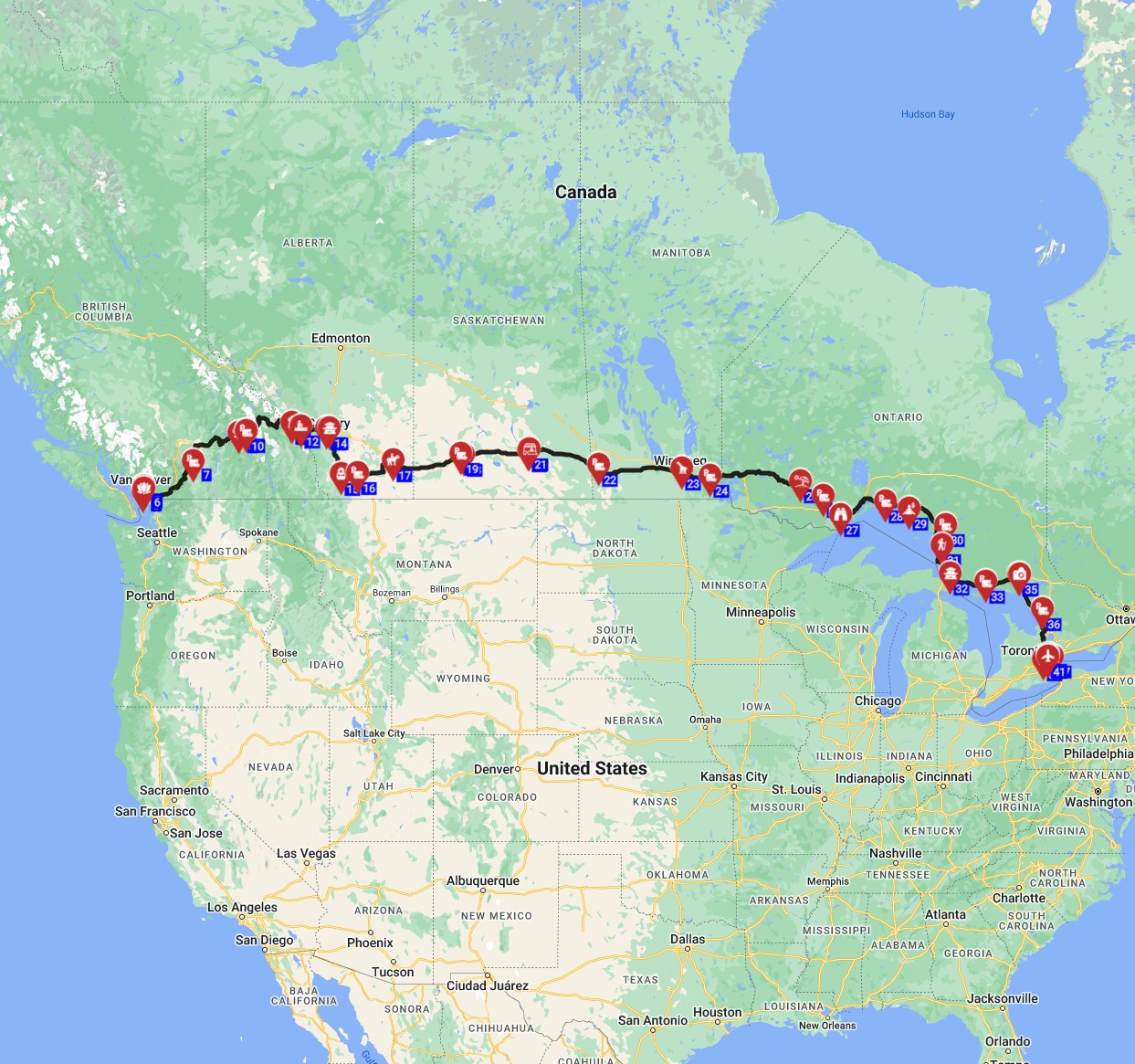
- Plan your itinerary with built-in flexibility, acknowledging Canada's immense size and diverse terrains, from coastal roads to mountain passes, allowing for spontaneous detours or extended stays. Consider routes like the "Halifax to Whitehorse - Exploring Canada’s Heartland in a Motorhome" which spans 9199.1 km over 37 days, offering a deep dive into the country's diverse regions and including multiple national parks and scenic drives.
- Pack adaptable clothing layers suitable for varying weather conditions, even during summer, and include essential emergency supplies, especially when venturing into remote regions.
Before You Book - Class, Dates, Insurance
Choosing the right rented RV class, along with securing your travel dates and understanding insurance options, are foundational steps for a successful Canadian adventure.
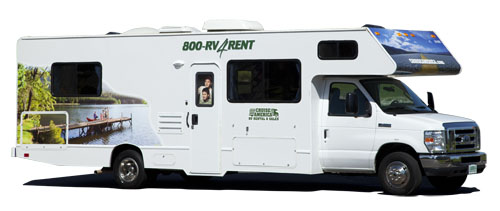
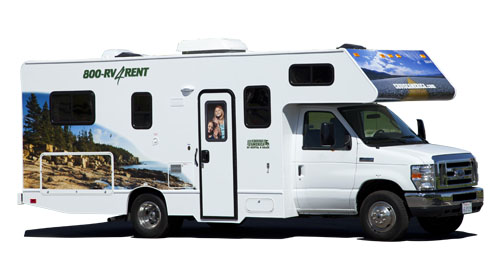
The optimal RV class for your trip (e.g., a maneuverable Class B campervan like the `Combi Van` for couples, a spacious Class C motorhome like the `CA-25` for families of 2+2, or a luxurious Class A motorhome for ultimate comfort) depends on your group size, budget, and desired level of amenities. Bandana Caravan, founded in 2001, has over 23 years of experience helping tens of thousands of travelers find the perfect RV for their journey, partnering with over 50 leading global suppliers like El Monte and Cruise America. Lock in your desired travel dates as early as possible, as popular periods like summer and fall foliage season can see rentals booked up months in advance; while booking early often secures better rates, last-minute availability is also common for spontaneous travelers.
Regarding insurance, every RV rental in Canada includes basic liability coverage, but upgrading to a top-level deductible for comprehensive protection against collision damage, theft, and personal effects offers additional peace of mind. We believe in full transparency, so there are no hidden fees or surprises; what you see in the booking process is what you get, and you can easily compare final prices across a wide range of options. Remember that prices are dynamic, similar to flight tickets, changing daily based on availability and seasonality.
Pre-Trip Prep - Packing Checklist for Canada
A comprehensive packing list, specifically curated for a Canadian RV rental trip, ensures you are comfortable and safe across its varied environments.
- Clothing Essentials:
- Rain gear (waterproof jacket & pants) is vital for unexpected showers, even in summer.
- Warm layers (fleeces, sweaters, thermal base layers) are necessary as temperatures can drop significantly in the evenings, especially in mountainous or northern regions.
- Hiking boots or sturdy walking shoes are essential for exploring Canada's extensive trail networks and natural parks.
- Insect repellent is a must, particularly for trips during spring and summer months when mosquitoes and black flies are prevalent.
- Sunscreen and a wide-brimmed hat provide protection against strong UV rays in open landscapes and high altitudes.
- Kitchen & Dining:
- Basic cooking utensils (pots, pans, cutlery) are usually included with your RV rental, but confirm with your supplier. Preparing meals in your rented motorhome's kitchen is a great way to save money and enjoy fresh local produce. For some inspiration, check out our RV-friendly recipes playlist.
- Reusable water bottles are highly recommended, as Canada offers abundant fresh water sources for refilling.
- A coffee or tea maker, if not included, can be a welcome addition for morning rituals.
- Cleaning supplies (dish soap, sponge, paper towels) are practical for maintaining a tidy living space in your mobile home.
- A cooler for extra food storage can be useful, especially for fresh produce and picnic items during day trips.
- Safety & Emergency:
- A comprehensive first-aid kit should always be on board your RV.
- Bear spray is advisable for wilderness areas in provinces like Alberta and British Columbia, but ensure you know how to use it safely and check local regulations.
- A flashlight or headlamp is indispensable for evening activities or unexpected nighttime tasks at your campsite.
- Keep roadside assistance contact information readily accessible, as Canada's vast distances mean help might be a call away.
- Consider an emergency communication device (like a satellite messenger) for remote areas where cell service is non-existent.
- Documents:
- A valid driver's license is required; for international visitors, an International Driving Permit (IDP) is recommended but not mandatory in all provinces if your license is in English or French. The minimum rental age for all motorhome classes is 21.
- A valid passport is essential for non-Canadian citizens.
- Keep your RV rental agreement and travel insurance documents in an easily accessible, waterproof pouch.
- Copies of all important documents (physical and digital) should be stored separately.
On the Road - Driving, Fueling, Navigation
Navigating Canada with your rented motorhome requires a keen awareness of local driving conditions, strategic fueling practices, and reliable navigation tools to ensure a smooth journey.
Canadian roads typically have speed limits and distances posted in kilometers per hour (km/h) and kilometers (km), respectively. Major highways, such as the Trans-Canada Highway, are generally well-maintained, offering excellent conditions for driving a Class C motorhome or a larger Class A. However, be mindful that rural roads, particularly in less populated regions, can be unpaved, gravel, or narrower than you might expect. Drive slowly and carefully, and you can drive almost anywhere without issues. No need to stress - just use common sense and pay attention. For longer journeys, consider breaking up your drives; we always recommend slow travel, averaging no more than 100-150 km per day, allowing you to truly immerse yourself in the local culture, food, and scenery.
Planning your fuel stops meticulously is crucial, especially when traversing remote areas where gas stations can be sparse or have limited operating hours. The RV PLANET routes are invaluable for identifying fuel stops and points of interest along your chosen path. Fuel costs are a significant ancillary expense in Canada, and prices can fluctuate substantially between provinces and even between urban and rural areas. For navigation, always utilize a reliable GPS device or offline maps, as cell service can become intermittent or completely unavailable outside of major populated centers. Carrying a physical map as a backup is a smart, old-school tactic that can save you from unexpected detours. On the routes offered through RV PLANET routes, you can itemize and track every expense along the way for easy budgeting.
At the Campground - Setup, Hookups & Etiquette
An efficient and courteous approach to campground setup ensures a comfortable stay for you and maintains harmony with fellow campers in Canada's beautiful outdoor settings.
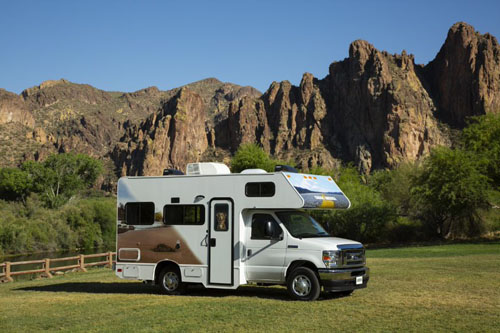
Upon arriving at your reserved or first-come-first-served campsite, carefully maneuver your rented motorhome into position. The general rule for hookups is to connect shore power first, then water, and finally the sewer (if your site offers full hookups), ensuring all connections are secure and in the correct sequence to prevent any issues. Most RVs, like the `cruise america example Explorer`, come equipped with necessary connections. Remember that many national and provincial parks only offer 25-30% of their spots for advance booking, with the majority available on a first-come, first-served basis; so, if your first choice is full, call ahead to nearby campgrounds before driving to the next one.
Adhering to campground quiet hours, typically enforced between 10 PM and 7 AM, is a sign of respect for other travelers seeking peaceful enjoyment. Always keep your campsite tidy, utilizing designated waste receptacles, and diligently follow local regulations regarding campfires, especially during dry seasons when bans may be in effect. Be especially mindful of local wildlife, rigorously storing all food and securing garbage in bear-proof containers or your RV to prevent attracting animals into the campground. For finding campsites and campgrounds during your trip, we recommend using rvplan.net, a great resource for locating available spots along your route.
RV Rental-Specific Tips for Canada
Maximizing your RV rental experience in Canada involves embracing flexible route plans, preparing for varied climates, and immersing yourself in the rich local culture.
While spontaneous travel is part of the RV appeal, considering booking campsites in advance, particularly for popular national and provincial parks during peak seasons like summer, is advisable as they often fill quickly. RV PLANET offers over 1,300 pre-planned routes across 5 continents, including specific itineraries for Canada that often secure campground spots for you. Plan for diverse road conditions; some incredibly scenic routes may feature gravel surfaces, steep grades, or winding mountain roads that demand careful driving and a slower pace. The

Budgeting for potential additional costs is vital, which may include ferry fees for destinations like Vancouver Island, national park entry passes, and regular propane refills for your rented campervan's heating and cooking. Take advantage of Canada's abundant fresh local produce and unique regional foods, often found at farmers' markets or charming roadside stands, allowing you to prepare delicious meals in your RV kitchen. This authentic culinary experience is an enriching part of slow travel.
Common Mistakes to Avoid in Canada
Avoiding common pitfalls can significantly enhance your RV rental journey through Canada, ensuring a smoother and more enjoyable extended road trip.
A frequent mistake is underestimating Canada's vast travel distances; instead, thoroughly research realistic driving times between your chosen destinations and build in ample rest days to prevent driver fatigue. Remember our recommendation to travel slowly, aiming for a maximum of 100-150 km per day on average. Another common error is relying solely on cellular service for navigation and communication; instead, download offline maps and consider a satellite communication device for remote areas where connectivity is scarce. Overpacking is another pitfall; instead, pack versatile layers and only essential items, as even a large RV, such as the `MHLUX` (10.7 meters long), has finite storage space.
Crucially, do not ignore wildlife safety protocols; instead, educate yourself on bear awareness, secure all food properly, and maintain a safe distance from all animals. Unpredictable Canadian weather can also catch travelers off guard; always check forecasts, pack appropriate layers, and be ready to adjust your plans. Lastly, neglecting to budget for ancillary trip costs can lead to surprises; use tools like the itemized expense tracking on RV PLANET routes to account for fuel, campground fees, park passes, and other daily expenses. By preparing thoughtfully, you'll avoid these common issues and enjoy your Canadian RV adventure to the fullest.
What is the 3-3-3 rule for RV travel?
The 3-3-3 rule for RV travel is a widely recommended guideline advising RVers to drive no more than 300 miles (approximately 480 km) a day, arrive at their campsite by 3 PM, and stay for at least 3 nights at each location.
This rule promotes a more relaxed pace of travel, significantly reducing driving fatigue and allowing more dedicated time to explore each destination in Canada without feeling rushed. For Canada's expansive distances and varied terrain, the 300-mile driving guideline might require some flexibility, especially in mountainous regions or when traversing national parks, but the core principle of slow travel remains incredibly valuable. Adhering to the 'arrive by 3 PM' aspect helps secure desirable campsites, particularly during peak season in popular areas like Banff or Jasper National Parks, and provides ample daylight for setting up your rented motorhome before dusk. Staying for '3 nights' offers a genuine chance to unpack, settle into your surroundings, and truly experience the local area's culture, food, and scenery without the constant packing and repacking that faster travel demands.
What is the 4-4-4 rule for RV travel?
The 4-4-4 rule for RV travel, a variation emphasizing an even more leisurely pace, suggests driving no more than 4 hours a day, arriving at your destination by 4 PM, and staying for a minimum of 4 nights at each location in Canada.
This guideline is particularly ideal for travelers who prefer to fully immerse themselves in each location and minimize driving stress, offering a deeper connection to Canada's natural beauty and local communities. The '4 hours driving' component ensures significantly less fatigue, allowing for more time dedicated to spontaneous sightseeing, exploring charming small towns, or simply relaxing at your chosen campsite. Arriving by '4 PM' offers similar benefits to the 3-3-3 rule, providing sufficient daylight for a relaxed setup and settling into your rented campervan. Staying for '4 nights' allows for comprehensive exploration of the surrounding area, completing practical tasks like laundry, enjoying prolonged periods of rest, and offering flexibility in case of unexpected weather or local events, especially beneficial for appreciating Canada's diverse regions and rich experiences.
How much does it cost to rent an RV for a week in Canada?
The cost to rent an RV for a week in Canada typically ranges from CAD $800 to CAD $3,000 or more, depending on the RV class, rental season, pick-up location, and specific amenities.
Budget-friendly options, such as Class B campervans or smaller Class C motorhomes like the `Combi Van` (sleeping 4, 5 meters long), might start around CAD $800-$1,500 per week during shoulder seasons. Larger Class C units, such as the `CA-25` (sleeping 5, 7.6 meters long), or luxury Class A RVs can easily cost CAD $1,500-$3,000+ per week, particularly in peak summer months (July-August) and popular destinations like Vancouver or Calgary. Beyond the base rental fee, anticipate significant additional costs including fuel (a major expense for Canada's vast distances and a vehicle like the `MH-A` which consumes 25 Liters/100Km), campsite fees (ranging from CAD $30-$70+ per night for national or provincial parks), optional insurance upgrades, mileage packages, propane refills, and potential cleaning fees. An in-depth budget breakdown for a week-long trip should also factor in groceries, activity admissions, and a contingency fund for unexpected expenses, potentially adding another CAD $500-$1,500+ to your total trip cost for Canada. Prices are dynamic and can change daily based on availability and supplier decisions, so comparing options early is always wise.
Can Americans RV in Canada?
Yes, Americans can absolutely enjoy an RV rental adventure in Canada, provided they meet standard entry requirements and adhere to Canadian customs and vehicle regulations.
U.S. citizens need a valid passport for entry into Canada, and while an Electronic Travel Authorization (eTA) is required for air arrivals, it is generally not needed for land or sea crossings with your rented motorhome. Your U.S. driver's license is typically sufficient for driving in Canada for the duration of your tourist trip, but an International Driving Permit (IDP) is recommended if your license is not in English or French. There are no special licensing requirements for driving any class of rented motorhome (Class A, Class B, or Class C) in Canada for tourism purposes. Ensure your U.S. RV insurance policy extends coverage to Canada, or purchase supplementary Canadian coverage from your rental company to avoid any gaps. While some regulations exist regarding importing older vehicles for permanent residency (e.g., the '15-year rule' for some vehicle types), these typically do not apply to temporary RV rentals for tourism. Bandana Caravan has been helping tens of thousands of travelers, including many from the USA, explore Canada by RV since 2001, making us true RV specialists who understand the nuances of cross-border travel.
What should Americans know before visiting Canada?
Before visiting Canada with your rented motorhome, Americans should be aware of several key cultural, practical, and legal differences to ensure a smooth and enjoyable extended road trip.
Crucially, Canada operates on the metric system, meaning distances are measured in kilometers (km), speed limits in kilometers per hour (km/h), and temperatures in Celsius (°C), which is vital for driving safety and weather preparation. The official currency is the Canadian dollar (CAD), and while major credit cards are widely accepted, it is wise to carry some cash for smaller vendors, remote gas stations, or local markets. Expect significant distances between towns, particularly across the Canadian prairies and northern regions, so meticulously plan your fuel stops and stock up on provisions for your rented mobile home. Be prepared for diverse and often unpredictable weather conditions, even during summer months; carrying appropriate clothing layers is a must, as temperatures can vary widely throughout the day and across different provinces. Wildlife encounters are common, especially in national parks, so always practice bear safety protocols, store food securely, and maintain a safe distance from all animals.
For a truly immersive experience, explore local cuisine, from Poutine to Nanaimo bars, and engage with Canadian culture, which can differ subtly from American norms. Lastly, understand that Bandana Caravan provides 24/7 support for your booking process and any pre-trip questions, ensuring you’re well-prepared before you even hit the road. For example, the "
What are the drawbacks of renting an RV?
Renting an RV, while offering unique travel advantages in Canada, also comes with several potential drawbacks, including higher overall costs, driving complexities, and limited flexibility compared to other travel methods.
Initial RV rental costs can be substantial, often ranging from CAD $100-$300 per day for a Class C motorhome, and these are frequently compounded by additional expenses such as significant fuel costs for a vehicle like the `MH-A` (25 L/100 km fuel consumption), mileage fees, propane refills, dumping fees, and comprehensive insurance upgrades. This can make an extended road trip more expensive than a traditional car and hotel vacation. Driving a large motorhome or campervan, especially for novice drivers, can be challenging due to its size, reduced maneuverability, and potentially limited visibility, requiring extra caution on winding roads or in city traffic. Drive slowly and carefully, and you can drive almost anywhere without issues. No need to stress - just use common sense and pay attention.
Connectivity can also be a notable issue in remote Canadian areas, with unreliable cellular service and limited Wi-Fi access, which can complicate navigation or communication with family and friends. Furthermore, RVing can sometimes limit spontaneity for sightseeing, as larger vehicles may face difficulties with parking in congested cities or accessing certain attractions, and many desirable campsites, especially in national parks, require advance booking. Other potential drawbacks include the need for regular maintenance tasks like emptying waste tanks, and the possibility of encountering wildlife or unpredictable weather, which demands a degree of emergency preparedness and flexibility in your travel plans.
Which RV rental company in Canada is the best?
There isn't a single "best" RV rental company in Canada, as the ideal choice depends on individual traveler needs, budget, desired RV type, and specific itinerary requirements.
When evaluating suppliers for your rented motorhome, consider crucial factors such as the age and condition of their fleet (e.g., whether you prefer a recent model like the `C-MEDIUM PLUS` or a good value for money option), available rental locations across Canada (e.g., pick-up in Abbotsford or Halifax), comprehensive customer reviews, transparent pricing structures (including any hidden fees for mileage or generator use), and flexible insurance options. Popular and reputable national RV rental companies in Canada include CanaDream, Cruise Canada, and Fraserway RV, which typically offer a wide range of vehicle classes and multiple pick-up and drop-off points, facilitating one-way rentals. Smaller, independent rental companies or peer-to-peer platforms may offer more unique RVs or potentially more competitive pricing in specific regions, though availability might be more limited.
Ultimately, the best company for your Canadian road trip will be one that aligns perfectly with your priorities for vehicle features (like automatic transmission or a specific bed configuration), inclusive packages, responsive customer service, and overall value. Comparing multiple quotes and reading recent reviews on platforms like Bandana Caravan is highly recommended. As true RV specialists, we offer booking services in over 30 currencies with full price transparency, ensuring you find the right motorhome at the right price, without any surprises.
🎬 Video coming soon
What You Shouldn't Miss
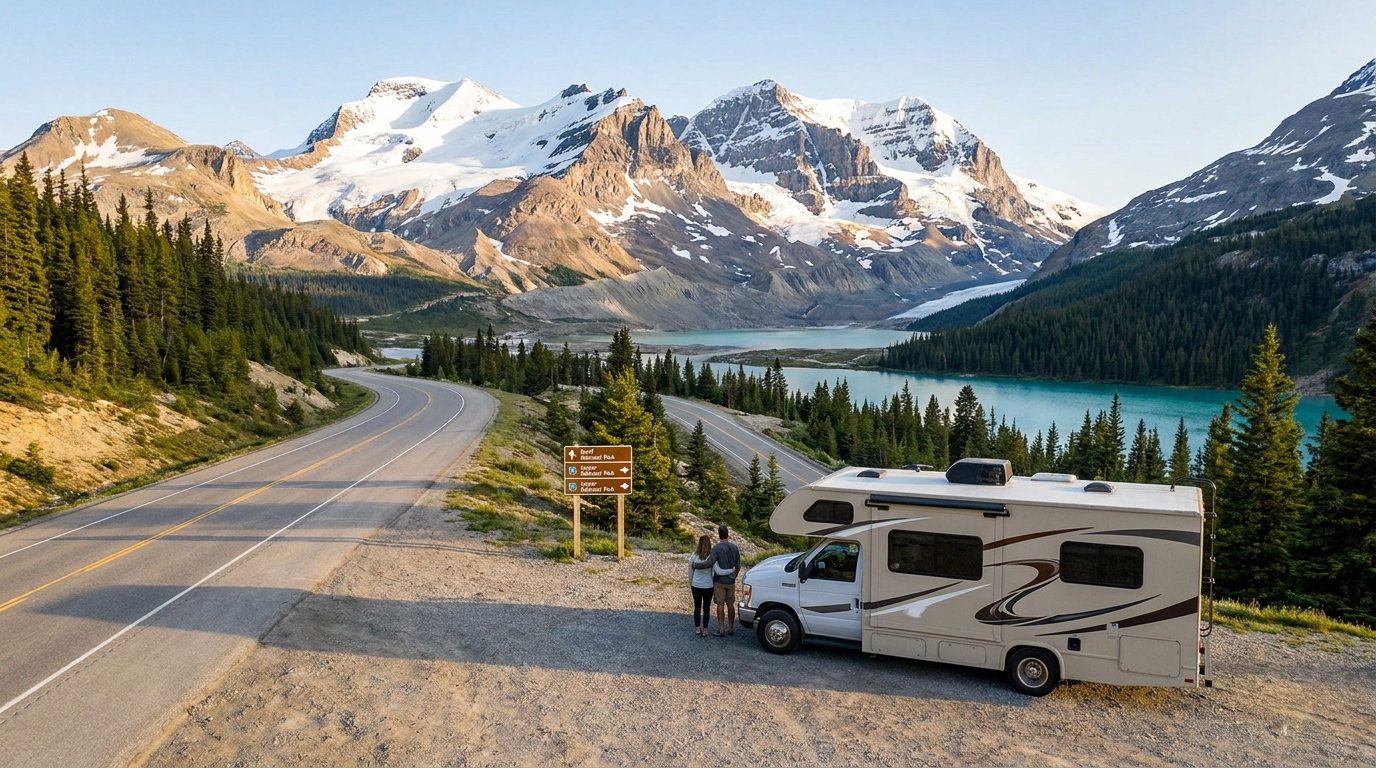
- Drive the Icefields Parkway, Alberta: This 232-kilometer (144-mile) stretch between Banff and Jasper National Parks offers some of the most spectacular mountain scenery in the world, with glaciers, turquoise lakes, and abundant wildlife viewing opportunities. It's truly an RV paradise.
- Explore Gros Morne National Park, Newfoundland: A UNESCO World Heritage site, this park boasts dramatic fjords, towering cliffs, and unique geological formations, perfect for hiking and exploring with your rented campervan.
- Experience the Bay of Fundy, New Brunswick/Nova Scotia: Witness the world's highest tides, explore the Hopewell Rocks, and enjoy fresh seafood from your RV campground overlooking the bay.
- Discover Old Quebec City, Quebec: Park your motorhome nearby and immerse yourself in North America's only walled city, a UNESCO World Heritage site with charming cobblestone streets and a vibrant French-Canadian culture.
- Take a Ferry to Vancouver Island, British Columbia: Enjoy the scenic ferry ride with your RV and explore the temperate rainforests, rugged coastlines, and charming towns like Victoria and Tofino on this beautiful island.
Looking for expert insights from Avi Bandana? Top 5 Adventures - recommendations from Avi Bandana
Avi Bandana, our founder, has personally traversed countless miles and explored diverse landscapes, always with a passion for authentic RV travel. His top recommendation for Canada focuses on balancing iconic sights with genuine local experiences. He suggests a route that meanders through the Canadian Rockies, spending several days in each national park (like Banff and Jasper) to allow for deep exploration of hiking trails and wildlife viewing, then heading west to the Okanagan Valley for its renowned wineries and lakeside relaxation, and finally ending in Vancouver for a blend of urban culture and coastal beauty. This allows for slow travel, truly feeling the place, connecting to the culture, the food, and the scenery. "Life is now!" as Avi says, and experiencing Canada by RV means savoring every moment.
Final Thoughts
Embarking on a rented RV adventure through Canada is more than just a vacation; it's an opportunity to create lasting memories, discover breathtaking landscapes, and experience true freedom on the open road. With careful planning and the right insights, you're set for an unforgettable journey through a country renowned for its natural beauty and welcoming spirit. Whether you opt for a week-long trip to explore a single region or an extended road trip across multiple provinces, the flexibility of a motorhome allows you to craft an itinerary that truly speaks to your adventurous soul.
Remember, we're here to support you before, during, and after your booking, ensuring you have all the information and assistance you need to hit the road with confidence. So, get ready to pack your bags, choose your ideal rented campervan or motorhome, and prepare to say "wow" at every turn. Your Canadian RV adventure awaits!
Discover top destinations, planning tips, all in one place! Plan a trip itinerary in advance with minimal effort and maximum enjoyment.
Compare Motorhome Prices for Canada Now!