In This Guide
- Top 5 Tips for RV Rental in California
- Before You Book - Class, Dates, Insurance
- Pre-Trip Prep - Packing Checklist for California
- On the Road - Driving, Fueling, Navigation
- At the Campground - Setup, Hookups & Etiquette
- RV Rental-Specific Tips for California
- Common Mistakes to Avoid in California
- How much does an RV rental in California really cost?
- What are the driving challenges for RVs in California?
- What are California's specific RV regulations and laws?
- Where can you boondock and free camp with an RV in California?
- How can RVers stay connected in California's remote areas?
- How can RVers practice responsible and sustainable camping in California?
- How should RVers prepare for emergencies in California?
- Can you RV in California during winter?
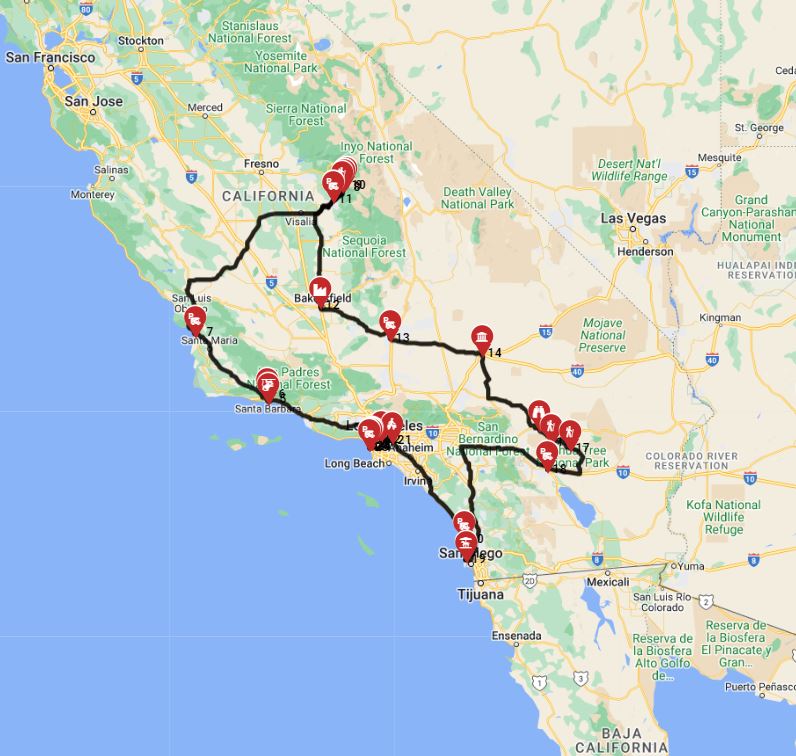
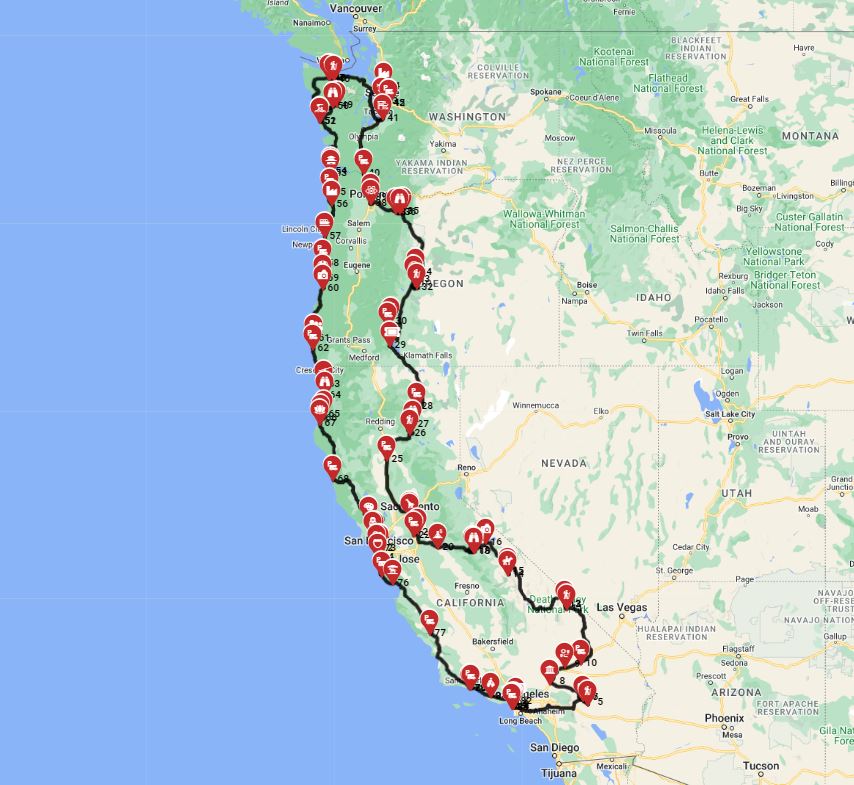
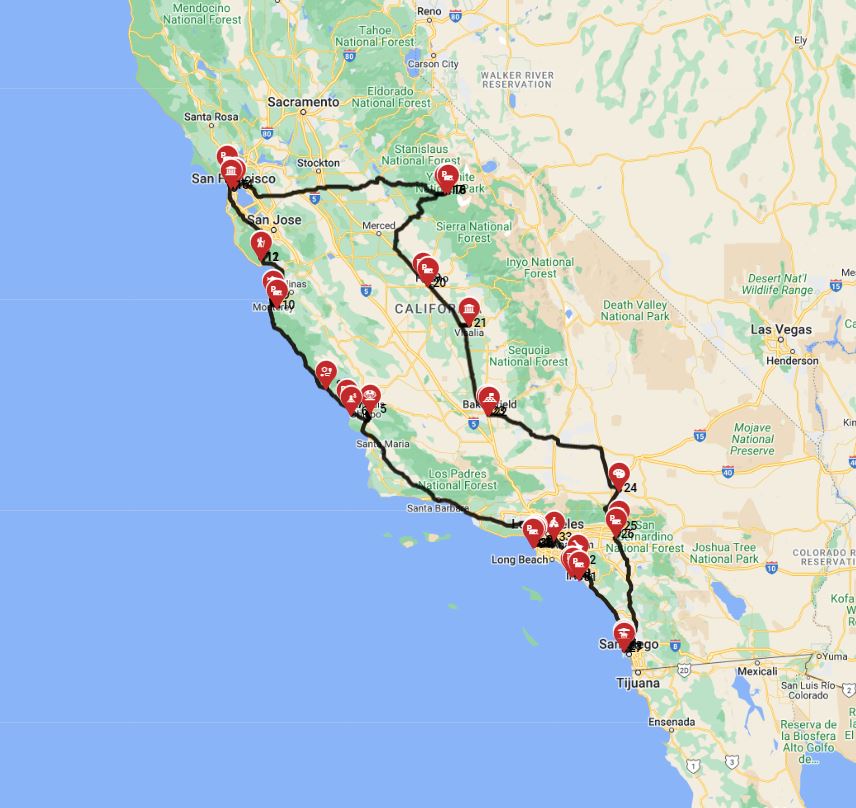
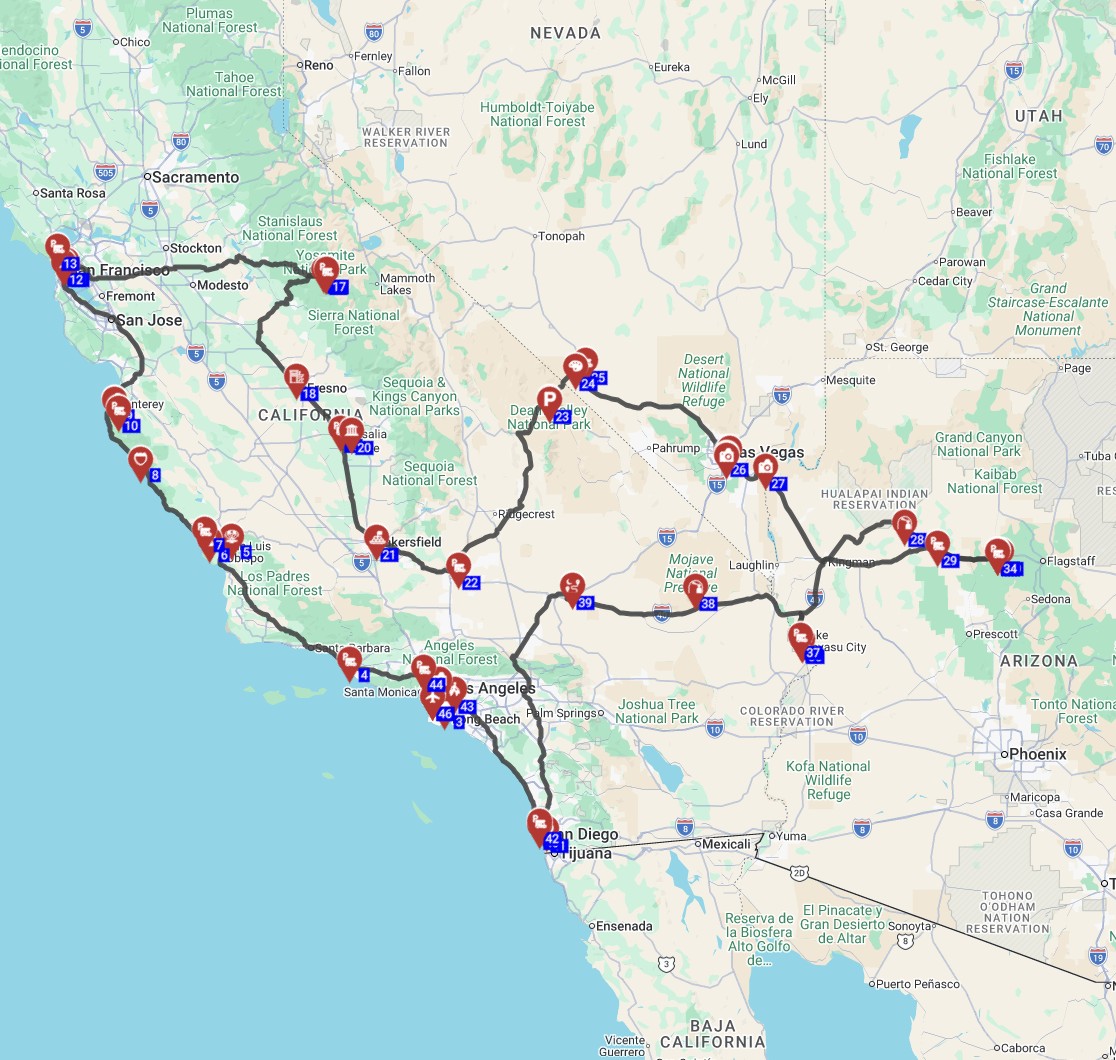
Embarking on a motorhome adventure in California offers unparalleled freedom, allowing you to discover everything from sun-drenched beaches to majestic redwood forests. To help you plan your perfect trip, we’ve gathered essential advice and insider tips. For live availability and current prices, start with our RV Rental California - Complete Guide 2026 guide, where you'll find comprehensive information to kickstart your journey.
Top 5 Tips for RV Rental in California
Securing your ideal RV for a California adventure requires thoughtful planning, especially considering the state's popularity as a destination. Firstly, booking your RV well in advance, ideally 3-6 months out for summer or fall trips, ensures access to the best selection of motorhomes and campervans and often more favorable rates. Spontaneous travel is certainly possible, but early birds usually snag better deals and preferred vehicle types.
Secondly, choosing an RV class that comfortably accommodates your group size and suits your planned routes across California is crucial. From nimble Class B campervans like the 'rv rental denver example Category Van' which is ideal for a couple, to spacious Class A motorhomes perfect for larger families, there’s a rental RV for every need. Consider a Class C motorhome like the 'cruise america rv rental example Explorer' with its 82-liter fresh water tank if you plan on extended stays off-grid. Thirdly, familiarize yourself with California's diverse driving conditions, which include winding coastal roads, steep mountain passes, and urban traffic in major cities. Drive slowly and carefully, and you can drive almost anywhere without issues. No need to stress - just use common sense and pay attention. Fourth, planning your detailed itinerary and booking campgrounds ahead of time is vital, as popular California destinations like Yosemite National Park can fill up quickly; many national and state parks reserve only 25-30% of spots, leaving the rest for first-come-first-served, so if your first choice is full, you’ll find a spot at the next one. Always call ahead before driving long distances to confirm availability.
Finally, create a comprehensive budget that includes not just your rental fees but also fuel, park entry fees, and potential activity costs. Knowing your potential ancillary costs upfront, which you can itemize and track on RV PLANET routes, will prevent any unwelcome surprises during your extended road trip. Full transparency in pricing with no hidden fees is a core value at Bandana RV, ensuring what you see is what you pay. On the routes offered through RV PLANET routes, you can itemize and track every expense along the way for easy budgeting.
Before You Book - Class, Dates, Insurance
Selecting the right RV class for your California trip is crucial for both comfort and maneuverability, directly impacting your travel experience. Options range from compact campervans, perfect for solo travelers or couples, to spacious Class C and Class A motorhomes, which offer ample living space for families of 4-6 people. For example, a 'hire campervan example Paradise S/T' is ideal for a couple, while a 'rent rv example D1' offers 3 double beds, suitable for two couples or a family of 2+2. Consider a vehicle with an automatic transmission for easier driving on California's varied terrain. Our team of true RV specialists can help you compare final prices across numerous suppliers like El Monte, Cruise America, Apollo, and Britz, ensuring you find the perfect fit.
Locking in your rental dates early, especially for popular travel times like spring break and summer, guarantees availability and often secures better pricing. Flexibility with your travel dates can sometimes reveal significant savings on daily rates. Understanding your RV rental insurance options is essential for a worry-free trip, covering liability, collision, and personal effects. While basic insurance is always included, you can upgrade to a top-level deductible for extra peace of mind, which offers comprehensive coverage for a greater degree of protection on the road. To see prices including the most comprehensive coverage, select that option during your search on Bandana RV – then all relevant insurance options will be clearly shown. This commitment to full transparency means no surprises at pickup, just straightforward service from experts who know RV travel intimately.
Pre-Trip Prep - Packing Checklist for California
A well-prepared packing checklist is essential for any California RV rental adventure, given the state's varied microclimates from coastal fog to desert heat. Packing adaptable layers of clothing is vital; daytime temperatures in Death Valley can reach over 45°C (113°F) while coastal evenings can drop to 10°C (50°F). Don't forget sturdy hiking boots for exploring national parks, and beach gear for coastal stops. Many rental motorhomes come with a basic kitchen setup, but a well-stocked inventory of essentials like pots, pans, utensils, and non-perishable food will significantly enhance your onboard cooking experience, making meal prep easy and enjoyable. For inspiration, check out our RV-friendly recipes playlist.
Safety items, including a comprehensive first-aid kit, a roadside emergency kit with jumper cables and reflective triangles, and basic tools, are critical for preparedness on any extended road trip. Always keep all important documents, such as your driver's license (a standard car license is sufficient for all motorhome classes), rental agreement, and insurance details, readily accessible in a waterproof bag. Consider bringing a power bank or portable solar charger for electronics, especially if you plan to venture into remote areas where electrical hookups may be scarce. Remember to pack smart and efficiently to avoid over-packing, which can lead to weight issues and reduce comfort in your rented campervan or motorhome. For comprehensive route plans and packing suggestions tailored to various California destinations, explore RV PLANET (rvplan.net).
On the Road - Driving, Fueling, Navigation
Driving an RV in California requires specific awareness, especially when navigating its diverse terrain. Steep mountain passes like Tioga Pass in Yosemite National Park or the Grapevine on I-5 demand careful attention to grades and braking. Winding coastal roads, such as portions of Highway 1 (Pacific Coast Highway), present sharp turns and narrower lanes, requiring a slower, more deliberate pace. Drive slowly and carefully, and you can drive almost anywhere without issues. No need to stress - just use common sense and pay attention. For Class A motorhomes, which can be up to 10.7 meters (35 feet) long, urban navigation in cities like Los Angeles or San Francisco can be demanding, involving heavy traffic and limited parking for larger vehicles. Be aware of specific vehicle length restrictions that may apply to certain national park campgrounds or scenic byways; always check ahead. Our focus on full transparency means we want you to be fully prepared for the journey, not surprised by road conditions.
Strategic fueling is important as distances between gas stations can be significant in remote areas, particularly for larger RVs with typical fuel consumption of 10-25 liters per 100 km. Utilizing RV-specific GPS or navigation apps helps avoid problematic routes with low clearances, weight limits, or excessively steep grades. Many newer models, like the 'rv rentals utah example Sunrise Escape' with its 208-liter fuel tank, offer good range, but planning is key. Furthermore, anticipate areas with poor cell service across California's vast wilderness regions and plan for offline maps and communication alternatives like satellite messengers. Always stay informed about current road conditions by checking Caltrans, especially during winter for snow chain requirements or during fire season for closures and detours. Remember, traveling slowly, ideally a maximum of 100-150 km per day on average, allows you to truly experience the scenery, connect to the local culture, and enjoy the journey without rush.
At the Campground - Setup, Hookups & Etiquette
Properly setting up your rented RV at a California campsite is straightforward with a few key steps. First, level the vehicle using leveling blocks to ensure comfort and proper functioning of onboard appliances like your refrigerator. Next, extend any slide-outs to maximize interior living space. Finally, connect your utility hookups, typically following a sequence of shore power first, then fresh water (using a pressure regulator), and lastly the sewer hose for black and grey water disposal. Many RVs, like the '24 Class C Motorhome' with its 166-liter fresh water tank and 147-liter waste water tank, make these connections simple.
Adhering to campground etiquette is essential for a pleasant experience for everyone. This includes observing quiet hours, usually between 10 PM and 7 AM, and respecting your neighbors' space. Always dispose of waste responsibly at designated dump stations and strictly practice Leave No Trace principles to preserve California's natural beauty. For instance, illegal dumping incurs significant penalties. Be mindful of generator quiet hours and fire restrictions, which are common regulations in California campgrounds, especially during dry seasons when campfires may be entirely banned. For finding campsites and campgrounds during your trip, we recommend using RV PLANET (rvplan.net) - a great resource for locating available spots along your route and tracking your expenses. We are with you before and after your booking, providing support and honest information every step of the way.
RV Rental-Specific Tips for California
Tailoring your RV rental choice to your group's needs ensures the best California experience. Families renting an RV in California, particularly those with kids, might prioritize models with multiple sleeping areas, like a Class C 'campervan hire new zealand example Casa 6' which sleeps up to 6 people, and onboard entertainment options. This ensures comfort and keeps everyone happy during longer stretches of travel. Couples or solo adventurers might prefer smaller, easier-to-drive campervans such as an 'Active Classic' which offers shower and toilet facilities in a compact size, making maneuverability in tighter spots simpler.
Budget-conscious renters can save money by utilizing free overnight camping spots (boondocking) on public lands and cooking most meals in their RV's kitchen. To track all these expenses and more, refer to RV PLANET routes which allows for easy budgeting. Luxury renters can enhance their California experience with premium RV add-ons like unlimited mileage packages, outdoor living sets with awnings and chairs, or satellite TV. If planning activities like surfing, hiking, or biking across California's diverse landscapes, consider a rented RV with adequate storage for your gear. Whether you're interested in "RV Rental Deals in California - Latest Offers 2026" or seeking "Luxury RV Rental in California - Premium Prices 2026," Bandana RV provides full transparency with no hidden fees, helping you compare options from over 50 leading suppliers.
🎬 Video coming soon
Common Mistakes to Avoid in California
A frequent mistake RV renters make in California is underestimating the true cost of their trip beyond the base rental price. Instead, budget comprehensively for all expenses, including dynamic fuel costs which can vary significantly across California, park entry fees for state and national parks, additional insurance, and potential hidden charges like mileage overage fees, generator usage, or dumping fees. At Bandana RV, we pride ourselves on full transparency, so you'll always know what you're paying for with no surprises. Another pitfall is neglecting California's diverse and challenging driving conditions; instead, research your specific routes, especially if they involve mountain passes or winding coastal sections, and practice driving your chosen rented motorhome or campervan beforehand. Remember: Drive slowly and carefully, and you can drive almost anywhere without issues. No need to stress - just use common sense and pay attention.
Failing to understand California-specific RV regulations is a common oversight; instead, familiarize yourself with local boondocking rules, seasonal fire restrictions, and proper waste disposal laws to avoid fines. Neglecting emergency preparedness is risky in California's vast and diverse landscapes; instead, pack a robust emergency kit for wildfires, earthquakes, extreme heat in deserts, or sudden snow in mountains. Finally, over-packing can lead to weight issues, reduced fuel efficiency, and discomfort in your rented RV; instead, pack smart, prioritize essentials, and efficiently utilize available storage. Our Rent&Plan service can help you create pre-planned routes by professionals, reducing planning stress and ensuring a smoother journey. You can even get a 25% planning discount when using rvplan.net for your itinerary.
How much does an RV rental in California really cost?
The true cost of an RV rental in California extends significantly beyond the base rental price, typically ranging from $150-$400 USD per day for a Class C motorhome, depending on the season and availability. This comprehensive cost encompasses dynamic fuel expenses, which can be a significant expenditure due to California's expansive size, fluctuating gas prices (averaging $5.00-$6.00 per gallon), and the lower fuel efficiency of RVs, particularly on mountain passes where some large Class A vehicles might achieve only 7-10 miles per gallon (23-33 liters per 100 km). Budgeting for park fees is also essential, as these vary widely between California State Parks ($25-$75 per night for hookups), National Parks ($20-$50 per night, plus a $30 entrance fee for most parks), county parks, and private campgrounds, which can range from $50-$100+ per night for full hookups.
Hidden fees can sometimes arise, such as mileage overage charges if you exceed a bundled package, generator usage fees (often $3-$5 per hour), cleaning fees (if the RV isn't returned in good condition, up to $250), or dumping fees at certain private facilities (around $10-$25). We at Bandana RV ensure full transparency, showing all these potential costs upfront. When comparing RVing to other accommodation types in California, consider the value of a mobile hotel room that includes transport and kitchen facilities versus hotels, vacation rentals, and dining out for every meal. While initial rental prices for a "Weekly RV Rental in California - Pricing 2026" might seem higher than a single hotel night, the savings on restaurant meals and the flexibility of having your accommodation and transportation combined can often make a rented RV a more economical choice for an extended road trip. Don't forget that prices are dynamic like flight tickets, changing daily based on availability, seasonality, and supplier marketing decisions; the final price is always set at actual booking time.
What are the driving challenges for RVs in California?
Driving large RVs in California presents distinct challenges due to its diverse and often dramatic terrain. Steep mountain passes, such as the 3,031-meter (9,943-foot) Tioga Pass in the Sierra Nevada or the I-5 Grapevine section with its significant elevation changes, require drivers to be mindful of engine performance and braking techniques. Winding coastal roads, like stretches of Highway 1 (Pacific Coast Highway) south of Big Sur, demand careful navigation due to sharp turns, narrow lanes, and dramatic cliff-side drops. Urban navigation in major cities like Los Angeles, San Francisco, or San Diego can be demanding, involving heavy traffic, tight turns, and limited parking options for larger vehicles up to 9-10 meters (30-33 feet) long. Drive slowly and carefully, and you can drive almost anywhere without issues. No need to stress - just use common sense and pay attention. For instance, Class A motorhomes like the 'MHLUX' measuring 10.7 meters (35 feet) might find certain city streets challenging.
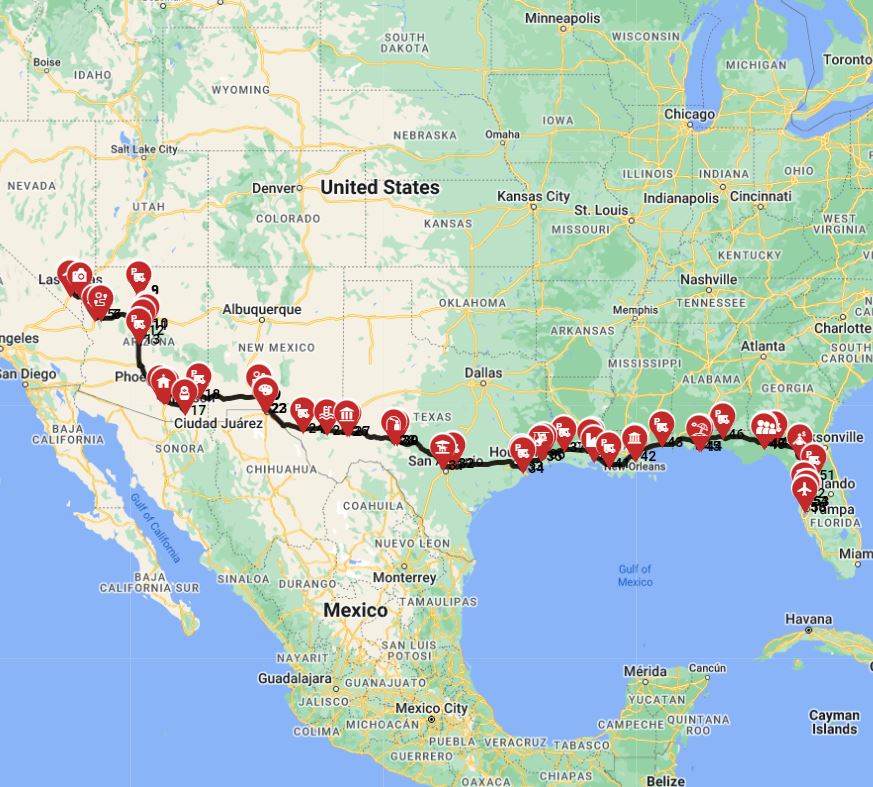
Specific vehicle length restrictions apply in certain areas, notably within some national park campgrounds or on scenic byways. For example, some loops in Yosemite's campgrounds restrict RVs over 27 feet (8.2 meters), and certain tunnels in the park have height limits. RVers must research these limitations for their planned routes and vehicle size. Always check Caltrans for current road conditions, especially during winter for snow chain requirements or during the fire season for potential closures and detours, which can arise rapidly. Having a good understanding of your rental motorhome’s dimensions and capabilities will make these challenges manageable. Remember, a standard car driver's license is sufficient for all motorhome classes in California, but practice and awareness are key to a smooth journey. For an idea of long-distance driving challenges and rewards, consider the "
What are California's specific RV regulations and laws?
California has specific RV regulations covering various aspects of travel and camping, which renters should be aware of to ensure a smooth trip. Boondocking, or free camping, is generally permitted on designated public lands managed by the Bureau of Land Management (BLM) and National Forests, particularly in desert and mountainous regions. These areas often come with specific rules regarding stay limits (typically 14 days in a 28-day period) and designated dispersed camping areas; always check local ranger district rules. Strict fire restrictions are common across California, especially during dry seasons (June-October), with regional bans on campfires and specific rules for portable gas stoves or generator use. For instance, a fire extinguisher is a mandatory safety item in all rented motorhomes.
Waste disposal rules mandate the proper use of designated dump stations for black and grey water, with illegal dumping incurring significant penalties, often over $1,000. Most developed campgrounds and many truck stops offer dump facilities. Generator quiet hours are strictly enforced in most campgrounds, typically limiting operation to certain times of day (e.g., 8 AM to 8 PM) to minimize noise disruption. Be mindful of road signage unique to the state, including specific lane restrictions for larger vehicles on certain highways and signs indicating low bridge clearances. A standard car driver's license is sufficient for all motorhome classes (Class A, B, and C) in California, but an International Driving Permit (IDP) is recommended for visitors from non-English-speaking countries. Understanding these regulations is key to practicing responsible and sustainable RVing throughout California.
Where can you boondock and free camp with an RV in California?
Boondocking and free camping are definitely possible and popular in California, offering opportunities for remote, immersive experiences away from crowded campgrounds. Legal spots for boondocking are primarily found on Bureau of Land Management (BLM) and National Forest lands across the state, particularly in vast desert regions like the Mojave or mountainous areas of the Sierra Nevada. These areas often have 14-day stay limits and require you to be fully self-contained. Necessary gear for successful boondocking includes adequate fresh water tanks (e.g., a 'Class A - Thor ACE 30' has a 189-liter fresh water tank), reliable solar power or a generator (if allowed by quiet hours), and sufficient waste holding capacity for black and grey water. Many rented RVs come equipped with a propane tank, typically 25-46 kg, for cooking and heating.
Finding legal spots often involves using specialized apps like iOverlander or websites like Campendium, cross-referencing with official land agency maps and local ranger district information. Permits are generally not required for dispersed camping on most BLM or National Forest lands, but always verify current regulations for your specific location. Practicing Leave No Trace principles, including packing out all trash and properly disposing of waste at designated dump stations, is crucial for maintaining these natural areas for future enjoyment. Safety considerations in remote areas include informing others of your itinerary, having emergency communication devices (as cell service can be spotty), and being aware of local wildlife. Always inspect your chosen site before setting up camp to ensure it's suitable for your rented motorhome or campervan, as some roads may be unpaved or uneven. With a 25% planning discount when using rvplan.net, you can easily discover boondocking spots on your pre-planned routes.
How can RVers stay connected in California's remote areas?
Staying connected in California's vast wilderness can be challenging, as cell service dead zones are frequent in national parks, remote forests, and expansive deserts. RVers needing reliable internet connectivity should explore options like portable satellite internet providers such as Starlink, which offers broader coverage in remote areas than traditional cellular networks. This can be particularly useful for those on longer trips or working remotely.
Cellular signal boosters can enhance weak signals, potentially extending coverage in fringe areas where some service exists. These devices typically work by amplifying existing signals, providing a small but significant improvement. Alternatively, RVers should research and plan stops in towns or established RV parks that reliably offer Wi-Fi hotspots, often at their visitor centers or designated common areas. Downloading offline maps (e.g., Google Maps, Gaia GPS), entertainment (movies, music), and important documents before entering remote regions is a crucial backup strategy. Many modern rented campervans, like the 'rv rentals san antonio example Knaus Van 600Ti ME', come equipped with basic amenities, but connectivity often requires external solutions. Being a true RV specialist, Bandana RV understands these needs and recommends preparing for potential connectivity gaps when exploring California's stunning, yet isolated, landscapes.
How can RVers practice responsible and sustainable camping in California?
Practicing responsible and sustainable RVing in California is essential to protect its fragile and diverse ecosystems, ranging from coastal dunes to arid deserts and towering mountain ranges. Adhering to Leave No Trace principles is paramount: pack out all trash, stay on designated trails and established campsites, and respect wildlife by observing from a distance and never feeding animals. This includes proper disposal of all waste, including grey and black water, only at designated dump stations, as illegal dumping harms the environment and carries heavy fines.
Water conservation is critical, especially in California's often drought-affected regions. Use water sparingly for washing dishes and showering. Many rented motorhomes, such as the 'MH23 Medium - Economy' with its 115-liter fresh water tank, are designed with efficient water systems, but conscious usage is still vital. Minimizing wildlife interaction means securing all food in airtight containers inside your RV, especially in bear country like the Sierra Nevada, and properly storing scented items. Advanced fire safety practices are necessary given California's frequent wildfire risks; always check local fire restrictions, use proper fire rings where allowed, and have water or a fire extinguisher readily available. Being good stewards of the land ensures these breathtaking areas remain beautiful for all. Our focus on supportive service extends to encouraging best practices for preserving the natural beauty of places you visit. Travel slowly, max 100-150 km per day on average, to truly connect to the scenery.
How should RVers prepare for emergencies in California?
RVers in California should prepare for a range of specific emergencies, including wildfires, earthquakes, extreme heat in deserts, and sudden snow in mountains. For wildfires, actively monitor local alerts via radio or emergency apps, have an evacuation plan ready, and know designated routes. Always keep your rented RV's fuel tank (e.g., a 'MH-A' has a 208-liter fuel tank) at least half-full for quick departures. Earthquake preparedness involves securing internal items before driving, practicing how to 'drop, cover, and hold on' if an earthquake occurs while parked, and knowing where your emergency shut-off valves for propane and water are located.
In extreme desert heat, particularly in areas like Death Valley or Joshua Tree where temperatures can exceed 45°C (113°F), ensure an ample water supply, regularly check your RV’s fluid levels, and plan for shaded campsites or air-conditioned RV parks. For mountain snow, especially on routes like Highway 395 or passes in the Sierra Nevada, carry tire chains (even if not currently required) and know how to install them before your trip. Pack warm clothing, extra blankets, and be aware of potential road closures. Always carry a comprehensive first-aid kit, emergency communication devices (like a satellite messenger for areas without cell service), and know how to contact local authorities (911 for emergencies). At Bandana RV, we provide pre-booking comparison and booking support to ensure you're well-informed and equipped for any eventuality, allowing you to travel with peace of mind. Our 24/7 support is available for pre-booking inquiries and coordination before and after your trip.
Can you RV in California during winter?
RVing in California during winter is absolutely possible and offers unique experiences with fewer crowds and distinct scenery. Many coastal and desert regions, such as Southern California's beaches or Death Valley National Park, provide mild winter climates suitable for RV travel, with opportunities for hiking, stargazing, and enjoying crisp, clear days. Daily temperatures along the coast typically range from 10-18°C (50-65°F), while desert regions can be surprisingly pleasant at 15-25°C (60-77°F).
However, mountain passes and higher elevation campgrounds in areas like the Sierra Nevada (e.g., Yosemite, Lake Tahoe) may close due to heavy snow from November to May. Always check road conditions (Caltrans) and campground status beforehand. Specific gear needed for winter RVing includes appropriate cold-weather clothing, insulated sleeping bags, and potentially a portable heater for colder nights. Be prepared for chain requirements on tires when traveling through snowy mountain areas, and practice installing them before your trip. Many Class B campervans, like the '2 Berth Hi Top', are winter-ready. Winter activities can include skiing and snowboarding in the Sierra Nevada, or exploring the peaceful solitude of desert parks. For comprehensive "RV Rental USA - Complete Guide 2026" information or specific "One-Way RV Rental in California - Price Guide 2026" options, Bandana RV provides transparent comparison tools and dedicated support.
What You Shouldn't Miss
- Explore the iconic Highway 1 (Pacific Coast Highway) in a rented campervan, driving from Los Angeles to San Francisco, taking 5-7 days to truly savor every scenic overlook and coastal town.
- Immerse yourself in Yosemite National Park with your rented motorhome, allowing at least 3-4 days to hike to waterfalls, marvel at giant sequoias, and enjoy breathtaking views from Glacier Point.
- Venture into the surreal landscapes of Death Valley National Park during the cooler winter months, camping at Furnace Creek and exploring Badwater Basin, the lowest point in North America at 282 feet below sea level.
- Discover the ancient trees of the Ancient Bristlecone Pine Forest in the White Mountains, where you can camp nearby and witness some of the oldest living organisms on Earth, some over 4,800 years old.
- Visit the historic ghost town of Bodie State Historic Park, a preserved Gold Rush-era town, with your RV as your mobile base, offering a unique step back in time.
Looking for expert insights from Avi Bandana? Top 5 Adventures - recommendations from Avi Bandana
Final Thoughts
A rented RV adventure through California is an extraordinary way to experience the Golden State's diverse beauty, from its stunning coastlines and vast deserts to its towering mountains and vibrant cities. By understanding key tips like booking in advance, choosing the right vehicle, and preparing for the unique driving conditions, you're setting yourself up for an unforgettable journey. Remember to embrace slow travel, allowing yourself the time to truly connect with each place, savor the local food, and immerse in the culture and scenery. Imagine waking up to the sound of waves, then driving through ancient forests, all in the comfort of your mobile home.
At Bandana RV, our mission is to make your RV rental experience as seamless and joyful as possible. With our commitment to full transparency, dedicated support, and access to a wide range of vehicles from top suppliers, we’re here to assist you every step of the way. So, whether you're planning a week-long trip to explore the national parks or an extended road trip along the coast, let us help you find the perfect motorhome for your California dream vacation. Discover top destinations, planning tips, all in one place!