In This Guide
- Top 5 Tips for RV Rental in Alaska
- Before You Book - Class, Dates, Insurance
- Pre-Trip Prep - Packing Checklist for Alaska
- On the Road - Driving, Fueling, Navigation in Alaska
- At the Campground - Setup, Hookups & Etiquette in Alaska
- RV Rental-Specific Tips for Alaska
- Common Mistakes to Avoid in Alaska
- What is the 3-3-3 rule for RVs in Alaska?
- What is the 4-4-4 rule for RV travel in Alaska?
- Should I rent an RV in Alaska?
- What do I need to know before renting an RV in Alaska?
- How much does an RV rental in Alaska average cost?
- Is it cheaper to rent an RV or stay in a hotel in Alaska?
- What is the best time of year to RV to Alaska?
- What not to forget on an RV trip to Alaska?
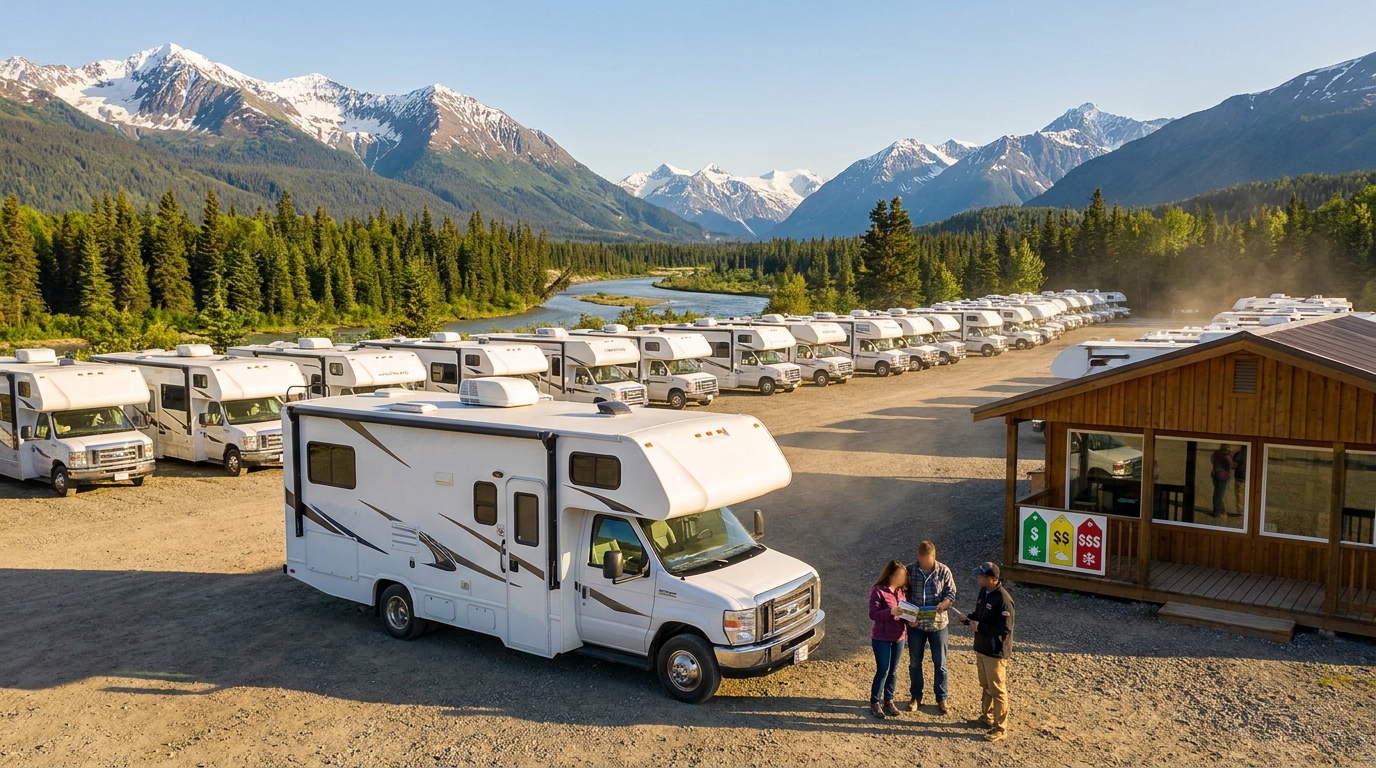
An RV rental in Alaska opens up an unparalleled journey into the last frontier, offering freedom and flexibility to explore its vast, untamed wilderness. Imagine waking up to glacial views, having breakfast with a backdrop of towering mountains, or spotting a moose from your mobile home window.
For live availability and current prices, start with our RV Rental Alaska - Complete Guide 2026 guide. We are true RV specialists, dedicated exclusively to motorhome travel, ensuring you get transparent pricing with no hidden fees or surprises.
Our goal is to support you before, during, and after your booking, providing all the insights you need to make your Alaskan RV adventure unforgettable. With Bandana RV, you're not just renting a vehicle; you're gaining a partner in planning your dream trip.
Top 5 Tips for RV Rental in Alaska
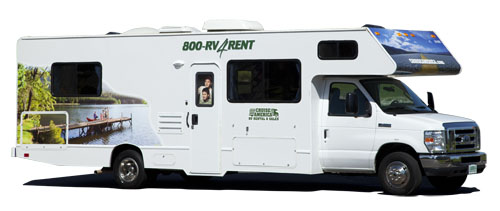
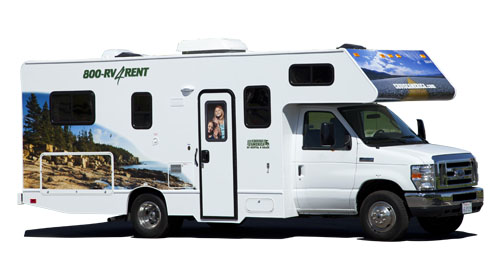
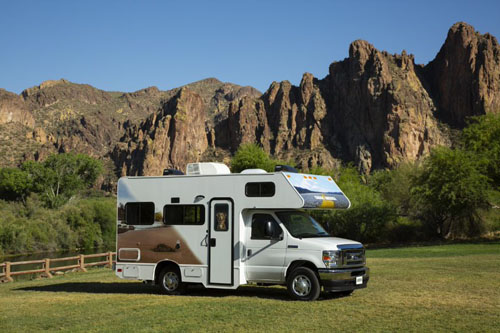
Booking your RV rental in Alaska early is essential to secure preferred motorhome models and campsites, especially during the peak summer season from June to August. Travelers often find that reserving 3-6 months in advance for Class C motorhomes, like an `alaska rv rental example Category B` with sleeping space for 4-5 people, can lead to significant savings of up to 20% on daily rates.
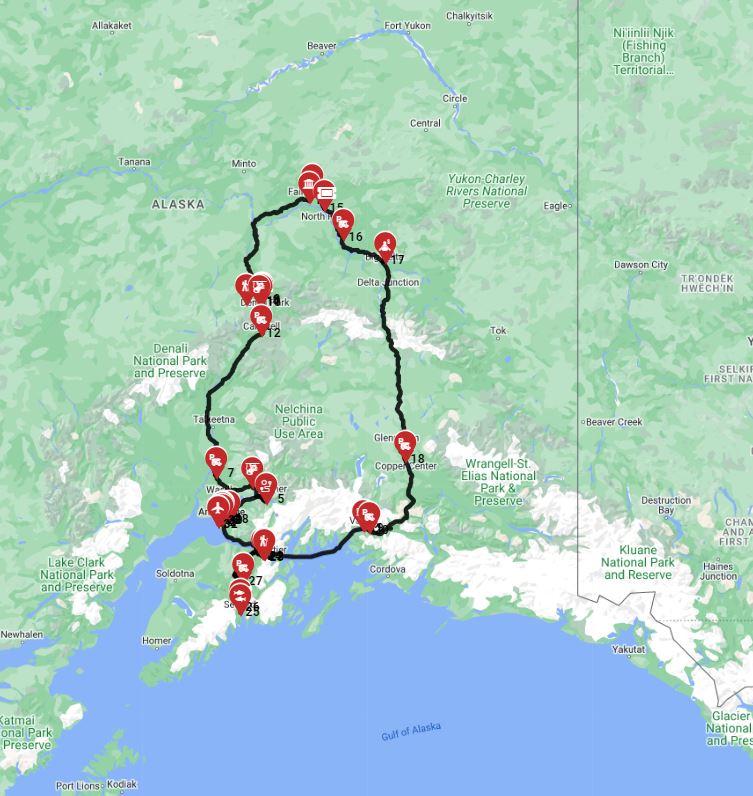
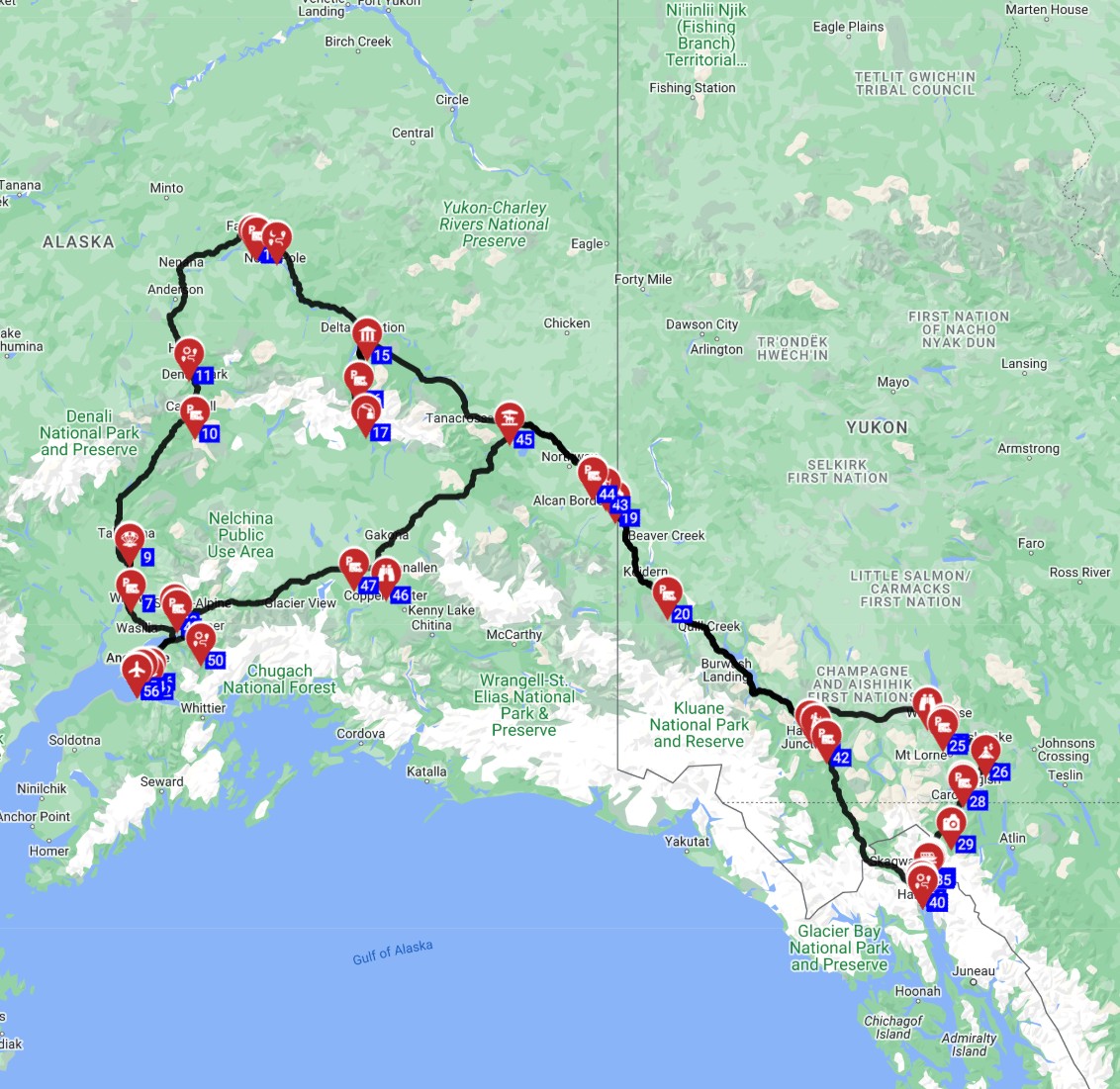
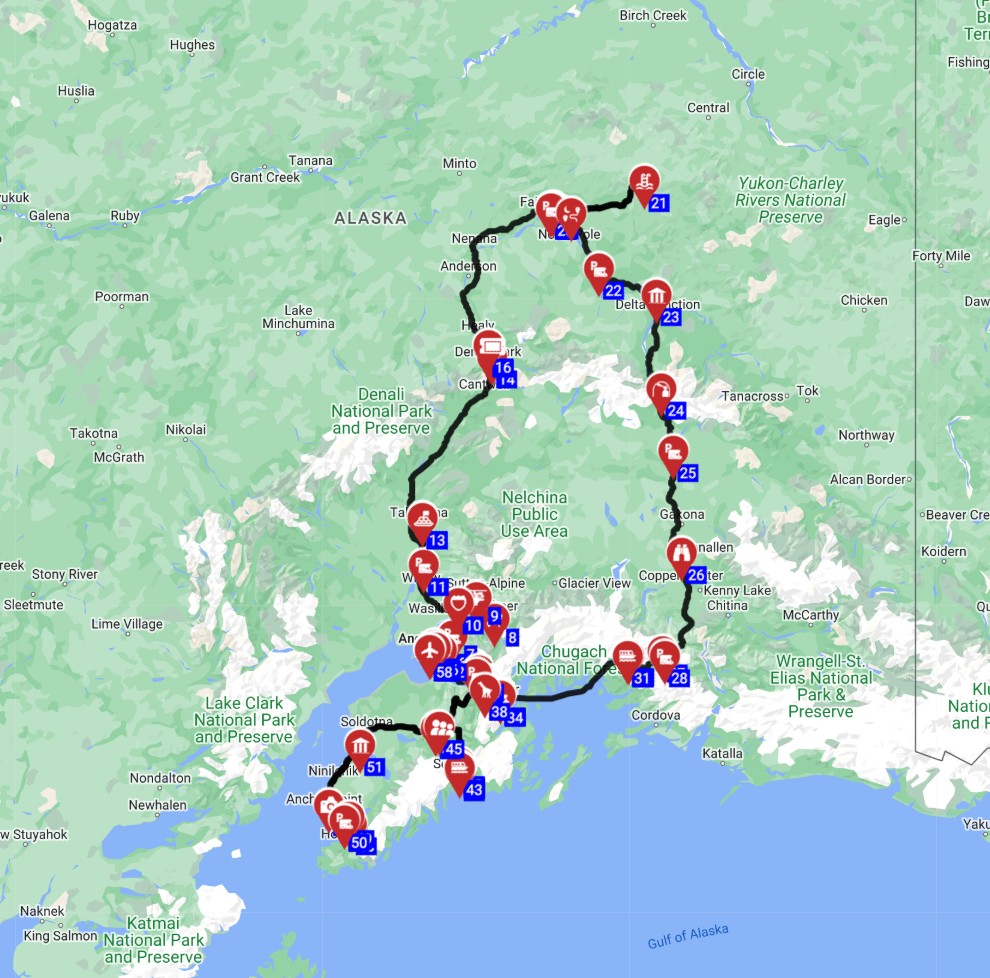
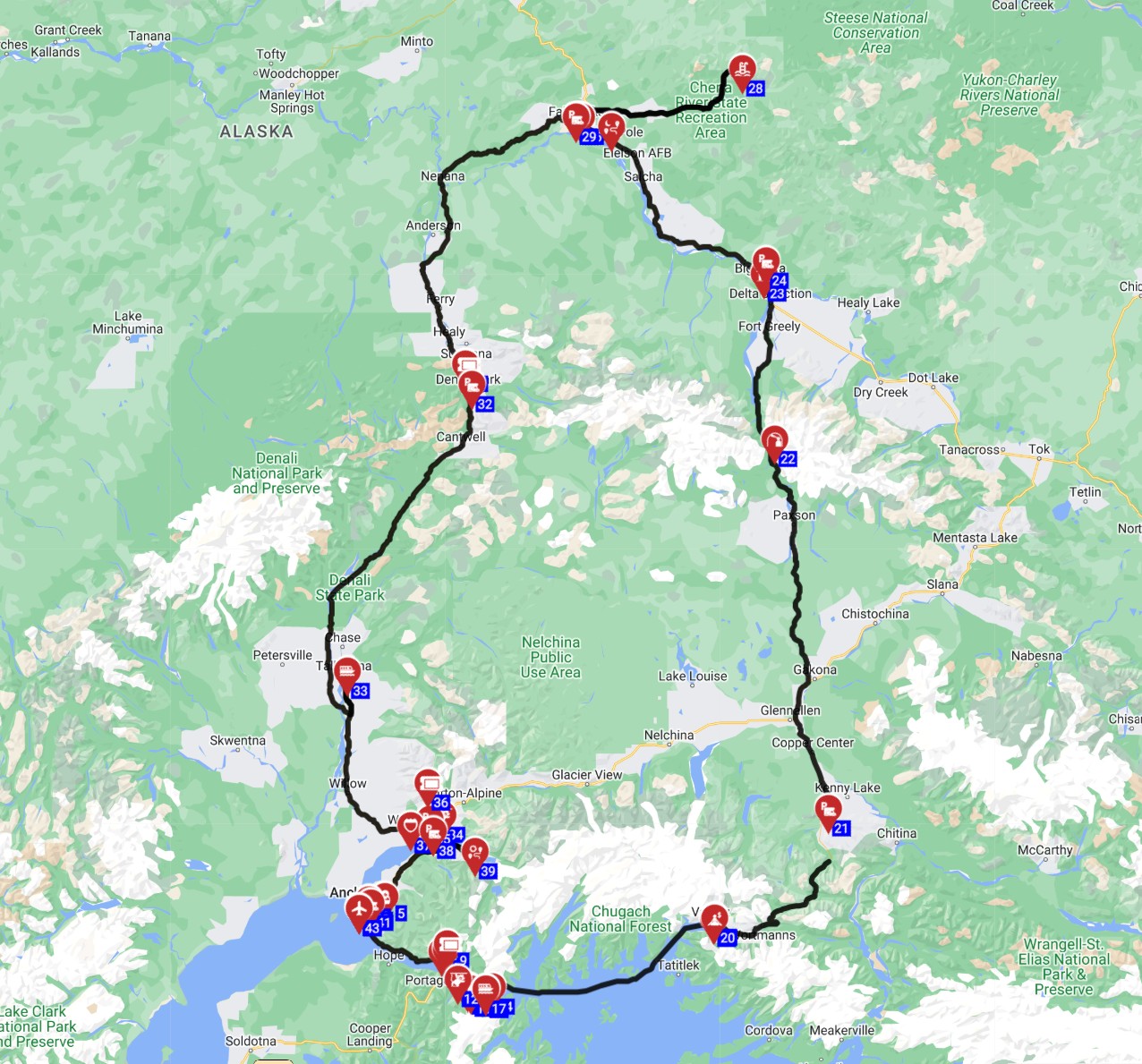
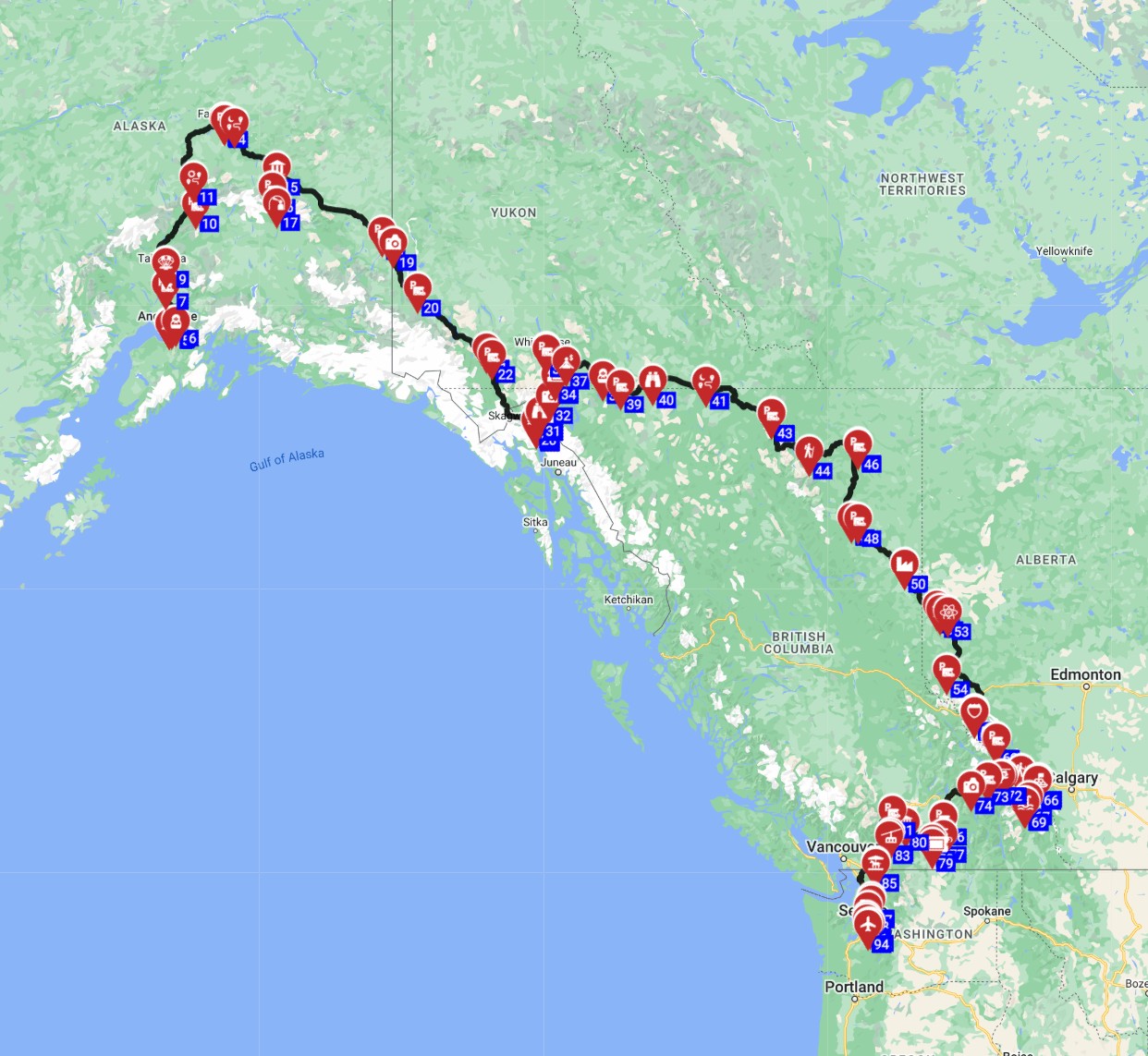
Preparing for Alaska's highly variable weather by packing versatile layers is crucial, as temperatures can fluctuate dramatically even within a single day. You'll need gear for sun, rain, and cool evenings, regardless of the season. Understanding Alaska's unique road conditions, which include hundreds of miles of paved highways and significant stretches of gravel routes like parts of the Denali Highway, is also key for a smooth journey. Prioritize wildlife safety by learning proper food storage techniques and how to react calmly and safely to encounters with moose or bears. Finally, meticulously budget for fuel, as prices can be considerably higher, and service stations sparser in remote Alaskan areas; expect to pay 20-30% more for fuel than in the lower 48 states. On the routes offered through RV PLANET routes, you can itemize and track every expense along the way for easy budgeting.
Before You Book - Class, Dates, Insurance
Choosing an RV class that is suitable for Alaska's diverse terrains and your comfort needs is the first step in planning your adventure. For instance, a Class C motorhome such as a `24' Class C Motorhome` (7.46 meters long, 5 sleeping places) offers a good balance of maneuverability and living space, making it popular for Alaskan roads. Locking in your rental dates well in advance is critical because popular RVs and prime travel periods in Alaska, especially the summer months, fill up quickly, often requiring bookings 3-6 months out. We understand some travelers enjoy spontaneous adventures, and while many national and state parks reserve only 25-30% of spots, the remaining 70-75% are available on a first-come, first-serve basis. You will find a spot; if not at the first campground, then the next one, but it's always wise to call ahead before driving.
Basic insurance is always included with your RV rental booking, but for complete peace of mind, we recommend exploring more comprehensive coverage. During your search with Bandana RV, you can easily select options to view prices that include top-level deductible reimbursement or other enhanced protection. This transparency ensures no surprises when you arrive for pickup. Remember, a standard car driver's license is sufficient for driving any motorhome class in Alaska, and the minimum rental age is 21 with no young driver surcharges.
Pre-Trip Prep - Packing Checklist for Alaska
Packing versatile clothing layers is a top priority for an Alaskan adventure, as temperatures can vary significantly from cool mornings to warm afternoons, often requiring a jacket, fleece, and rain gear on the same day. For meals on the road, including essential kitchen items for self-catering, like basic spices, coffee, tea, and reusable containers, will enhance your experience and save money; consider exploring our RV-friendly recipes playlist for inspiration.
Carrying vital safety gear, such as bear spray, a comprehensive first-aid kit, and a satellite communication device, is highly recommended for remote areas where cell service is non-existent. Always keep important documents organized and accessible, including your driver's license, any necessary international permits, passport, and copies of your rental agreement. Bandana RV operates with full transparency, meaning all documentation will be clear and ready for your departure. For comprehensive route plans and to track every expense, explore RV PLANET routes to ensure easy budgeting for your trip.
On the Road - Driving, Fueling, Navigation in Alaska
Driving defensively in Alaska is paramount, as wildlife encounters, particularly with moose and caribou, are common and can occur suddenly on roadways. Drive slowly and carefully, and you can drive almost anywhere without issues. No need to stress - just use common sense and pay attention. Planning your fuel stops meticulously is essential, as service stations can be hundreds of miles apart in some regions, especially along less-traveled highways like the Dalton Highway or sections leading to Denali National Park. It is recommended to refuel when your tank is half-full.
Utilizing offline maps or a dedicated GPS device is highly advisable, given that cell service is often spotty or completely nonexistent in many remote Alaskan areas. Be prepared for gravel sections of road, which are common on scenic routes such as parts of the Denali Highway; reduce your speed significantly and maintain ample distance from other vehicles to minimize dust and potential stone chips. For broader planning, refer to our "RV Rental USA - Complete Guide 2026" to understand general road rules across the country, though always prioritize Alaska's unique conditions.
At the Campground - Setup, Hookups & Etiquette in Alaska
Positioning your rented RV carefully on the campsite is crucial, ensuring you find level ground for comfort and optimal operation of appliances, and proximity to utility pedestals if hookups are available. When connecting hookups, follow the recommended order: always connect the sewer hose first, then water, and finally electricity, to maintain hygiene and safety standards. Observing campground quiet hours, typically from 10 PM to 7 AM, is important to respect fellow campers and the natural environment, ensuring everyone can enjoy Alaska's tranquility.
Securing food and trash in bear-resistant containers or inside your motorhome is absolutely vital to prevent attracting wildlife, including bears and moose, to your campsite. Many campgrounds in Alaska, especially in national parks, enforce strict food storage regulations for visitor safety. While Bandana RV helps with pre-booking and coordination, finding available campsites during your trip is best done using resources like RV PLANET (rvplan.net), which offers detailed information on campgrounds along various routes.
RV Rental-Specific Tips for Alaska
For families traveling in Alaska, choosing a Class C motorhome like a `C-30` (9.1 meters long, 7 sleeping places) with ample sleeping space and considering kid-friendly amenities will ensure a comfortable trip. Senior travelers might prefer smaller, easier-to-maneuver campervans or Class B motorhomes that offer accessible features and comfortable seating for longer journeys through the Alaskan landscape. Budget-conscious adventurers can save money by opting for compact RV models, utilizing more dry camping (boondocking) options in designated areas, and preparing most meals onboard. Consider a smaller `alaska rv rental example Paradise S/T` if you’re a couple looking for something with automatic transmission and a compact size for ease of parking.
For those seeking luxury, premium Class A motorhomes, often equipped with slide-outs, upgraded kitchens, and generators, provide a more spacious and comfortable Alaskan experience. With our direct partnerships with over 50 leading RV suppliers worldwide, including El Monte and Cruise America, Bandana RV can help you compare options to find the perfect rented mobile home for your specific needs, ensuring a transparent booking process with no hidden fees.
Common Mistakes to Avoid in Alaska
Underestimating driving distances in Alaska is a frequent mistake; instead, research routes thoroughly using resources like RV PLANET (rvplan.net) and factor in slower travel speeds due to variable road conditions, gravel sections, and numerous scenic stops. We recommend slow travel, averaging a maximum of 100-150 km per day, allowing you to truly immerse yourself in the culture, food, and scenery.
Failing to book campsites in advance for popular national and state parks during the peak summer season (June-August) is another common error; while 70-75% are first-come, first-serve, popular spots fill quickly. It's crucial not to ignore wildlife safety; educate yourself on proper food storage, bear awareness protocols, and maintaining safe viewing distances of at least 25 yards for most animals, and 100 yards for bears. Do not rely solely on cell service, as connectivity can be unreliable in remote Alaskan areas. Download offline maps, consider a satellite communication device for emergencies, and always inform someone of your planned itinerary for enhanced safety.
🎬 Video coming soon
What is the 3-3-3 rule for RVs in Alaska?
The 3-3-3 rule for RVs suggests driving no more than 300 miles (approximately 480 km) a day, arriving at your destination by 3 PM, and staying at least 3 nights, which is a practical guideline for a rented motorhome trip in Alaska. Applying this rule to Alaska helps account for the significant distances between services, potentially slower driving speeds on gravel roads, and the need to secure campsites, especially during the busy summer months. Following this guideline promotes a more relaxed pace, allowing ample time for unexpected stops, abundant wildlife viewing opportunities, and comfortable campsite setup without rushing.
What is the 4-4-4 rule for RV travel in Alaska?
The 4-4-4 rule for RV travel is a variation advising travelers to drive no more than 400 miles (approximately 640 km) a day, arrive by 4 PM, and stay for at least 4 nights, offering a slightly more flexible framework for a rented caravan adventure in Alaska. While providing a useful structure for trip planning, RVers in Alaska might find the 'arrive by 4 PM' aspect particularly beneficial due to varying daylight hours in spring and fall, ensuring you settle into your campsite before dusk. This rule, like the 3-3-3, encourages a slower pace of travel that is well-suited for Alaska's expansive landscapes and numerous scenic opportunities, preventing driver fatigue and promoting maximum enjoyment.
Should I rent an RV in Alaska?
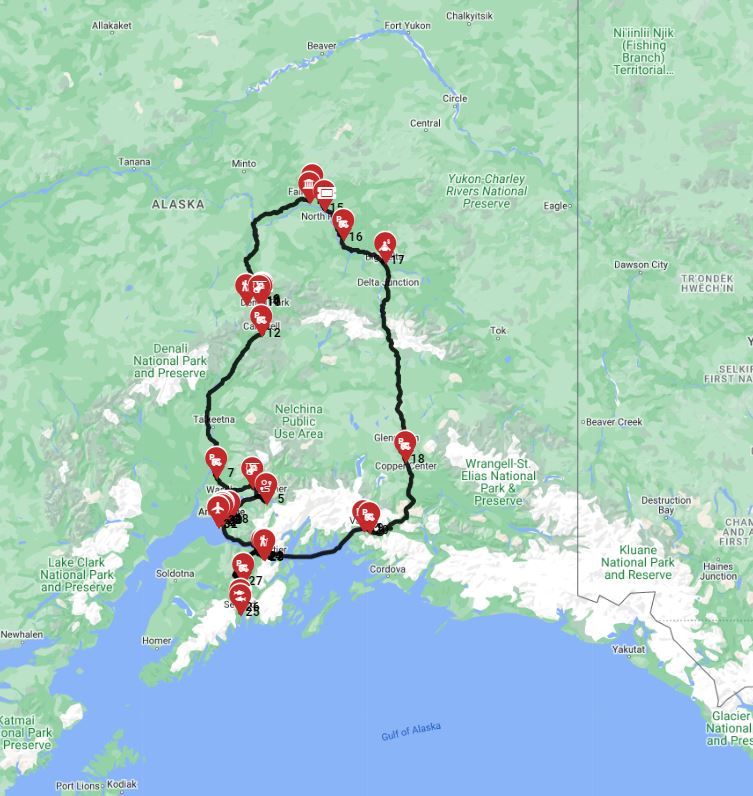
Renting an RV in Alaska offers unparalleled flexibility to explore at your own pace, access remote natural areas, and potentially save on accommodation costs compared to traditional hotel stays, making it an excellent choice for adventurous travelers. It provides a unique opportunity to immerse yourself in Alaska's vast wilderness, with the convenience of having your lodging and kitchen wherever you go, including for cooking your favorite RV-friendly recipes playlist. Consider a rented motorhome if you value freedom, enjoy scenic drives through breathtaking landscapes, and are comfortable with self-sufficiency, but be prepared for potential challenges like navigating unpaved roads and managing logistics in remote regions.
For example, the
What do I need to know before renting an RV in Alaska?
Before renting an RV in Alaska, it is crucial to thoroughly understand the rental agreements, available insurance options, and the specific licensing requirements for the motorhome class you choose. A standard car driver's license is sufficient for all motorhome classes (Class A, Class B, and Class C) in Alaska, and the minimum rental age is 21. Familiarize yourself with the RV's dimensions and operational basics, including hookup procedures for water, electricity, and sewer, to ensure a smooth trip.
Consider your overall budget not only for the rental fee, which is dynamic like flight tickets, but also for additional costs such as fuel (expect higher prices in Alaska), mileage charges, campground fees, and provisioning for your trip. For routes that offer itemized expense tracking, our RV PLANET routes are an excellent resource for easy budgeting. Bandana RV offers full transparency with no hidden fees, making your booking process straightforward and worry-free.
How much does an RV rental in Alaska average cost?
The average cost to rent an RV in Alaska can range from $150 to $400+ per night, heavily influenced by factors such as the RV size, model year, rental season, and the duration of your trip. For example, a compact Class C motorhome like an `alaska rv rental example Category B` (for 4-5 people) might be closer to the lower end, while a spacious Class A motorhome like an `alaska rv rental example Category C` (up to 8 people with 3 double beds) will be at the higher end. Prices are dynamic and change daily based on availability and seasonality.
Additional costs such as mileage packages, comprehensive insurance upgrades (like our optional top-level deductible reimbursement), amenity kits (e.g., kitchenware), and one-way drop-off fees can significantly impact the total rental price. Expect higher prices during peak summer months (June-August) due to increased demand, while shoulder seasons (May, September) may offer more competitive rates. For more detailed insights, consult our "RV Rental in Alaska - Prices and Best Deals 2026" guide.
Even for last-minute bookings in Alaska, availability often exists, as many national and state parks reserve a significant portion of their campsites (70-75%) for first-come, first-serve campers. However, flexibility with dates and RV models will increase your chances of finding a deal. For those looking to maximize savings, traveling in off-peak seasons or utilizing smaller, more fuel-efficient campervans can reduce overall expenses. Always compare options thoroughly using a dedicated platform like Bandana RV to see final prices across 50+ suppliers with no hidden fees, helping you find the cheapest RV rental in Alaska.
Is it cheaper to rent an RV or stay in a hotel in Alaska?
Whether an RV rental is cheaper than hotels in Alaska depends on various factors, but a rented motorhome can often provide significant cost savings, particularly for families (4-6 people) or longer trips (one week or more). An RV allows for substantial savings on food costs by enabling self-catering with an onboard kitchen, avoiding expensive restaurant meals common in tourist areas like Anchorage or Fairbanks. For example, a typical full-sized motorhome includes a gas stove, a refrigerator, and dining seats for up to 6 people.
Furthermore, renting an RV can reduce or eliminate the need for a separate car rental, as your transportation and lodging are combined. However, when comparing, travelers must factor in all RV-related costs-including the dynamic rental fee (which can range from $150-$400+ per night), fuel (up to 25 liters/100 km for some larger RVs), mileage charges, campground fees (averaging $20-$50 per night), and insurance-against hotel costs, car rental, and restaurant meals. During peak season, RV rates and fuel expenses can be substantial, so planning a precise budget using RV PLANET routes is key to determining the most economical option for your specific Alaskan adventure.
What is the best time of year to RV to Alaska?
The best time of year to RV in Alaska is generally from late May to early September, aligning with the peak summer season when the weather is warmest, and most services and attractions are open, including access to national parks like Denali. June offers long daylight hours, famously known as the "Midnight Sun" north of the Arctic Circle, and the vibrant start of wildflower blooms, with average temperatures ranging from 10-20°C (50-68°F). July and August provide peak summer warmth, abundant wildlife viewing opportunities for bears, moose, and eagles, and full access to all attractions and ferry services.
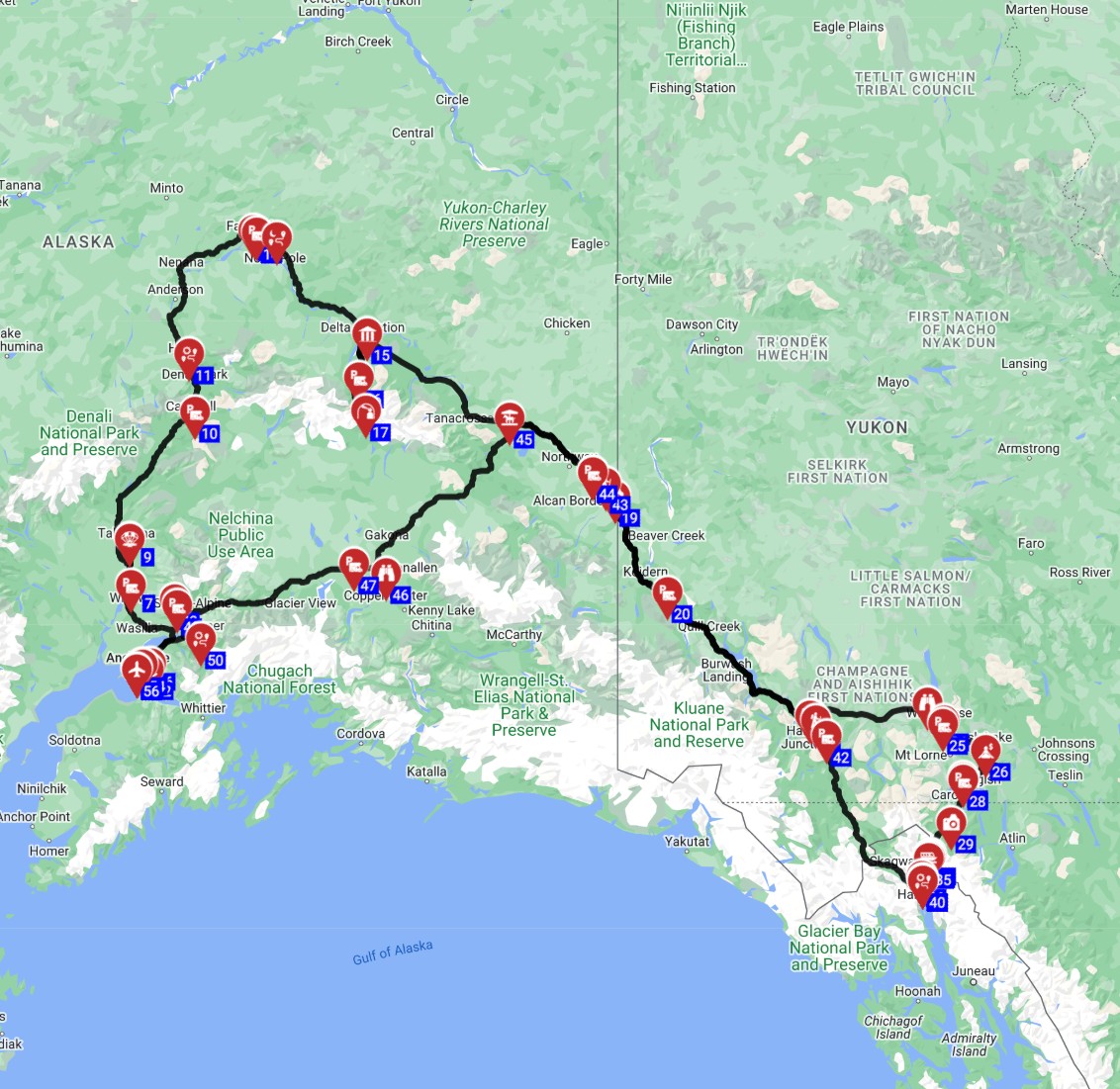
Traveling in the shoulder seasons of late May or early September can offer fewer crowds, potentially lower RV rental prices (up to 15% off peak rates), and stunning fall foliage, though some services may have reduced hours or be closed. For example, the
What not to forget on an RV trip to Alaska?
Crucial items not to forget on an Alaskan RV trip include proper clothing layers (thermal underwear, waterproof outer shell), sturdy hiking boots, and reliable bug repellent to combat the infamous Alaskan mosquitos and other insects. Beyond personal items, ensure you have essential safety gear such as bear spray (know how to use it safely), a robust first-aid kit, a headlamp, and a satellite communication device for emergency use in remote areas with no cell service, which are common across Alaska's vast interior.
Always double-check that you have all necessary vehicle documents, booking confirmations for any pre-reserved campsites, and copies of important identification to avoid any travel disruptions. A Class C `cruise america rv rental example Explorer` typically includes a 75-liter fuel tank and 82-liter fresh water tank, making self-sufficiency for short periods easier, but always plan ahead for refueling and water refills. Additionally, binoculars for wildlife viewing, a camera, and a good Alaska road atlas are invaluable for navigating and capturing the majestic scenery.
The
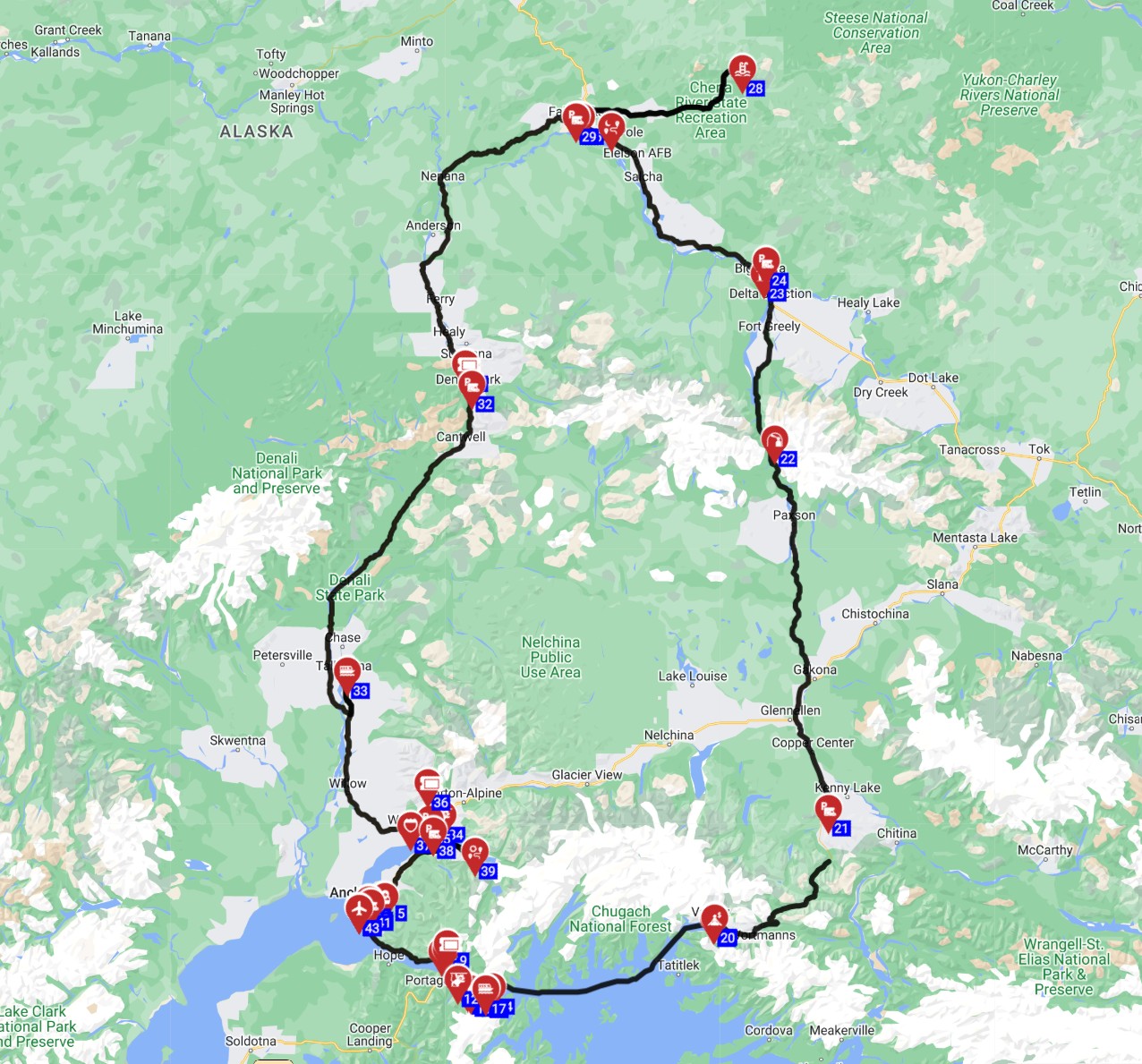
What You Shouldn't Miss
- **Denali National Park and Preserve:** Drive a rented motorhome to the park entrance and take the shuttle bus deep into the park for unparalleled wildlife viewing and views of North America's tallest peak, Denali.
- **The Alaska Highway:** Experience a true road trip classic, traversing thousands of kilometers through stunning wilderness, including stretches where you might spot bears or moose.
- **Kenai Fjords National Park:** Take a boat tour from Seward (easily accessible with your RV) to witness tidewater glaciers calve into the ocean and spot marine wildlife like whales and puffins.
- **Fairbanks & the Aurora Borealis:** Head north with your campervan to Fairbanks during late summer or early fall for a chance to witness the spectacular Northern Lights.
- **Coastal Drives on the Kenai Peninsula:** Explore scenic routes like the Sterling Highway and Seward Highway, offering breathtaking ocean vistas and access to charming fishing towns.
Looking for expert insights from Avi Bandana? Top 5 Adventures - recommendations from Avi Bandana
Final Thoughts
An RV rental in Alaska offers a unique way to experience its raw beauty, from the vast national parks to the scenic coastal routes. With the right preparation and a spirit of adventure, you’ll discover breathtaking landscapes, abundant wildlife, and memories that will last a lifetime. Whether you're a first-timer or a seasoned RV traveler, Alaska promises an extraordinary journey.
At Bandana RV, we're here to ensure your planning is as smooth as your drive along Alaska's highways. We provide the tools and expertise to help you find the perfect motorhome or campervan, understand all costs upfront, and prepare for the road ahead. Your adventure is waiting; let us help you unlock the freedom of RV travel in the Last Frontier.
Ready to discover top destinations and plan your trip itinerary in advance with minimal effort and maximum enjoyment? Get inspired for your next adventure with a rented campervan in Alaska!