In This Guide
- Top 5 Tips for rv rental RV Rental in Alaska
- Before You Book - Class, Dates, Insurance
- Pre-Trip Prep - Packing Checklist for Alaska
- On the Road - Driving, Fueling, Navigation
- At the Campground - Setup, Hookups and Etiquette
- rv rental-Specific Tips for Alaska
- Common Mistakes to Avoid in Alaska
- What is the 3-3-3 rule for RVs?
- What is the 4-4-4 rule for RV travel?
- Should I rent an RV in Alaska?
- What do I need to know before renting an RV?
- How much rent RV in Alaska average cost?
- Is it cheaper to rent an RV or stay in a hotel?
- What is the best time of year to RV to Alaska?
- What not to forget on an RV trip?
Alaska, often called "The Last Frontier," offers an unparalleled adventure for travelers exploring its vast wilderness with a rented motorhome or campervan. To ensure a smooth and unforgettable journey, it's vital to prepare for its unique conditions and logistical challenges. For live availability and current prices, start with our RV Rental Alaska - Complete Guide 2026 guide.
Top 5 Tips for rv rental RV Rental in Alaska
Successfully navigating an RV rental adventure in Alaska hinges on meticulous planning and an appreciation for its unique environment. Booking your desired motorhome or campervan and securing campground reservations well in advance, especially for the popular peak summer months (June-August), is critical due to high demand. Familiarizing yourself with Alaska's distinctive road conditions, which include unexpected frost heaves and long stretches of gravel, will ensure a safer and more comfortable drive across the extensive distances between services. Packing versatile layers of clothing is essential, as temperatures in Alaska can fluctuate dramatically within a single day. Strategic fuel planning is a must, particularly on remote routes where gas stations are sparse, so always top off your tank when you have the chance. Finally, embracing flexibility in your itinerary will allow you to adapt to sudden weather changes, potential road closures, or spontaneous opportunities for incredible wildlife viewing.
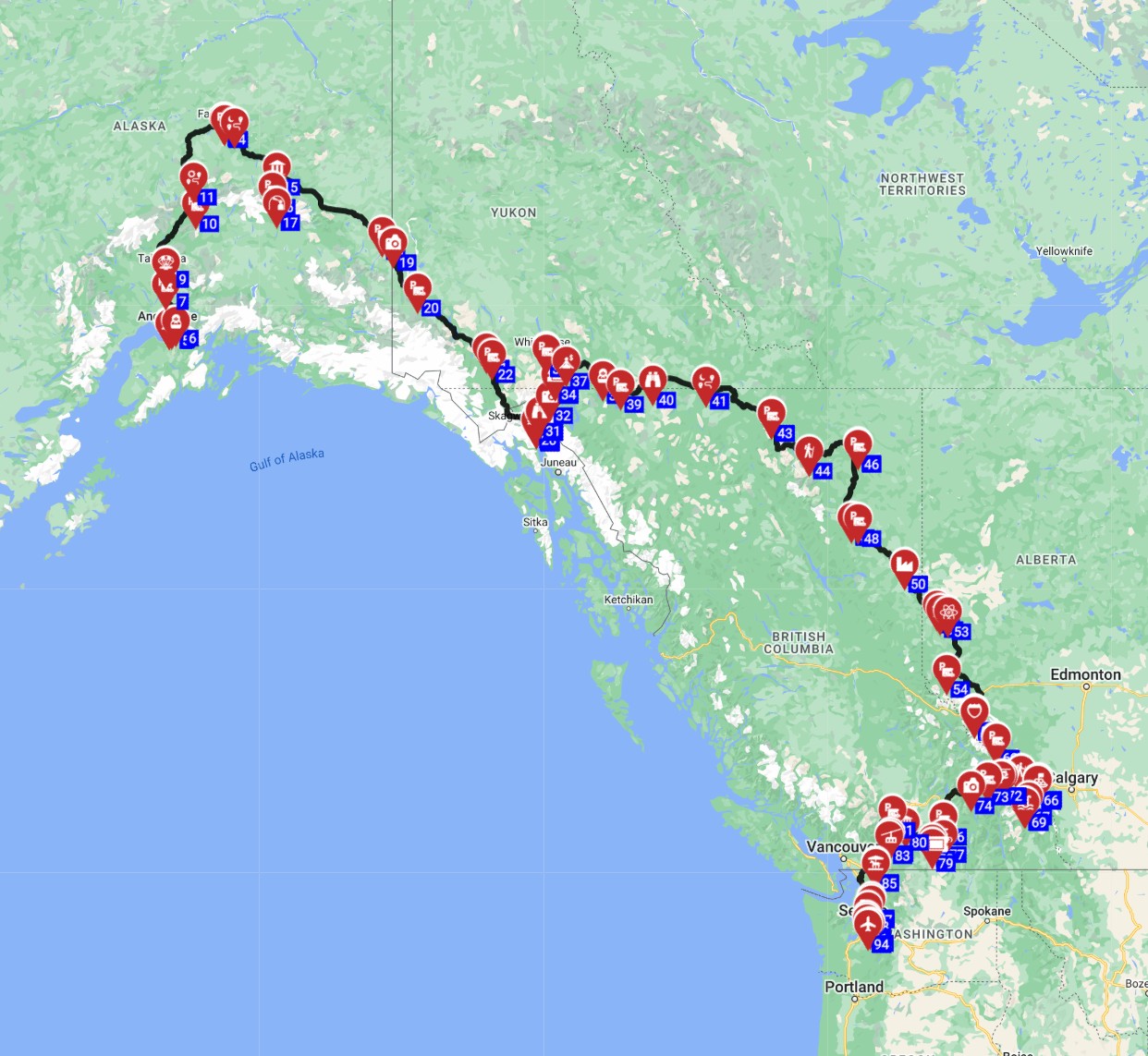
A great way to integrate these tips into your journey is by using a professional route plan. For example, the "
Before You Book - Class, Dates, Insurance
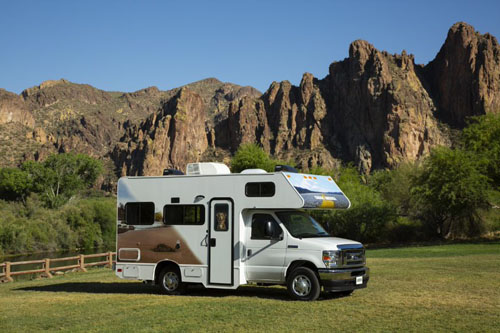
Before confirming your RV rental in Alaska, careful consideration of the vehicle class, rental dates, and insurance coverage is essential. Choosing the right motorhome or campervan class for an Alaskan adventure requires balancing interior space with maneuverability on varied terrain. Smaller Class B campervans, like the Category Van, or Class C motorhomes, often easier to handle on narrower, gravel roads, may be preferred for remote routes like McCarthy Road, while larger Class A motorhomes offer enhanced comfort and amenities for main highways, such as the "cruise america rv rental example Explorer" model. Locking in your rental dates early, ideally 3-6 months in advance, is crucial for securing the best selection and prices, especially for trips during Alaska's popular summer season from June to August. Basic insurance is always included with your rental, but to see prices including the most comprehensive coverage, select that option during your search on Bandana RV; all relevant insurance options, including the ability to upgrade to a top-level deductible for extra peace of mind, will then be clearly shown. Additionally, consider supplementary insurance for roadside assistance, as help can be significantly far between in Alaska's vast and remote regions, and always verify the condition of tires and spare tire readiness, which are essential for navigating Alaska's challenging roads.
For details on specific pricing models and how they fluctuate, check out our "RV Rental in Alaska - Prices and Best Deals 2026" guide.
Pre-Trip Prep - Packing Checklist for Alaska
A comprehensive packing checklist for an Alaskan RV trip is crucial for preparing for diverse weather, remote locations, and potential wildlife encounters. Given Alaska's unpredictable climate, waterproof and windproof outer layers, an insulated jacket (down or synthetic), fleece or wool mid-layers, and quick-drying base layers are essential clothing items. Don't forget a warm hat, gloves, scarves, sturdy waterproof hiking boots, and extra wool or synthetic socks to stay comfortable. For your RV kitchen, ensure you have basic cooking utensils and dishes, bear-resistant food storage containers, a cooler or portable fridge for extra capacity, and biodegradable soap for environmentally friendly clean-up. When it comes to safety and emergency preparedness, a comprehensive first-aid kit is vital, along with bear spray (and the knowledge of how to use it safely), headlamps or flashlights with extra batteries, a satellite communicator (such as an InReach or Spot device) for areas without cell service, a roadside emergency kit (including jumper cables and a tire patch kit), and traditional paper maps as a backup to GPS. Finally, organize your documents: your driver's license, the RV rental agreement, copies of all important documents, and any necessary National Park passes or permits (like for Denali National Park). Binoculars for wildlife viewing, a camera with extra batteries and memory, and a portable power bank for electronics will round out your essentials for an incredible Alaskan adventure. If you plan on preparing meals in your RV, check out our RV-friendly recipes playlist for inspiration!
On the Road - Driving, Fueling, Navigation
Driving a rented RV in Alaska demands keen awareness of its unique road conditions, including sudden frost heaves that can jar your vehicle, extended stretches of gravel like parts of the Denali Highway or McCarthy Road, and the necessity to share roads with large trucks, especially on challenging routes such as the Dalton Highway. Drive slowly and carefully, and you can drive almost anywhere without issues. No need to stress - just use common sense and pay attention. Strategic fueling is critical due to the significant distances between towns and services; always top off your tank at every opportunity, particularly before entering remote regions, and be aware that fuel prices can be considerably higher in isolated communities. Navigation is best handled with a combination of a reliable GPS system and traditional paper maps, as cell service and internet connectivity are often unreliable or nonexistent in vast areas of Alaska, making backup communication plans like a satellite communicator a smart choice. Maintain extra vigilance for wildlife on roads, especially moose and bears, and understand safe driving etiquette around them, always giving animals ample space. Finally, always carry sufficient water and snacks, as services are extremely limited on many Alaskan routes, and be prepared for potential minor repairs by having basic tools on board. For managing all your ancillary trip costs, including fuel, tolls, and groceries, remember that RV PLANET routes allow you to itemize and track every expense for easy budgeting. On the routes offered through RV PLANET routes, you can itemize and track every expense along the way for easy budgeting.
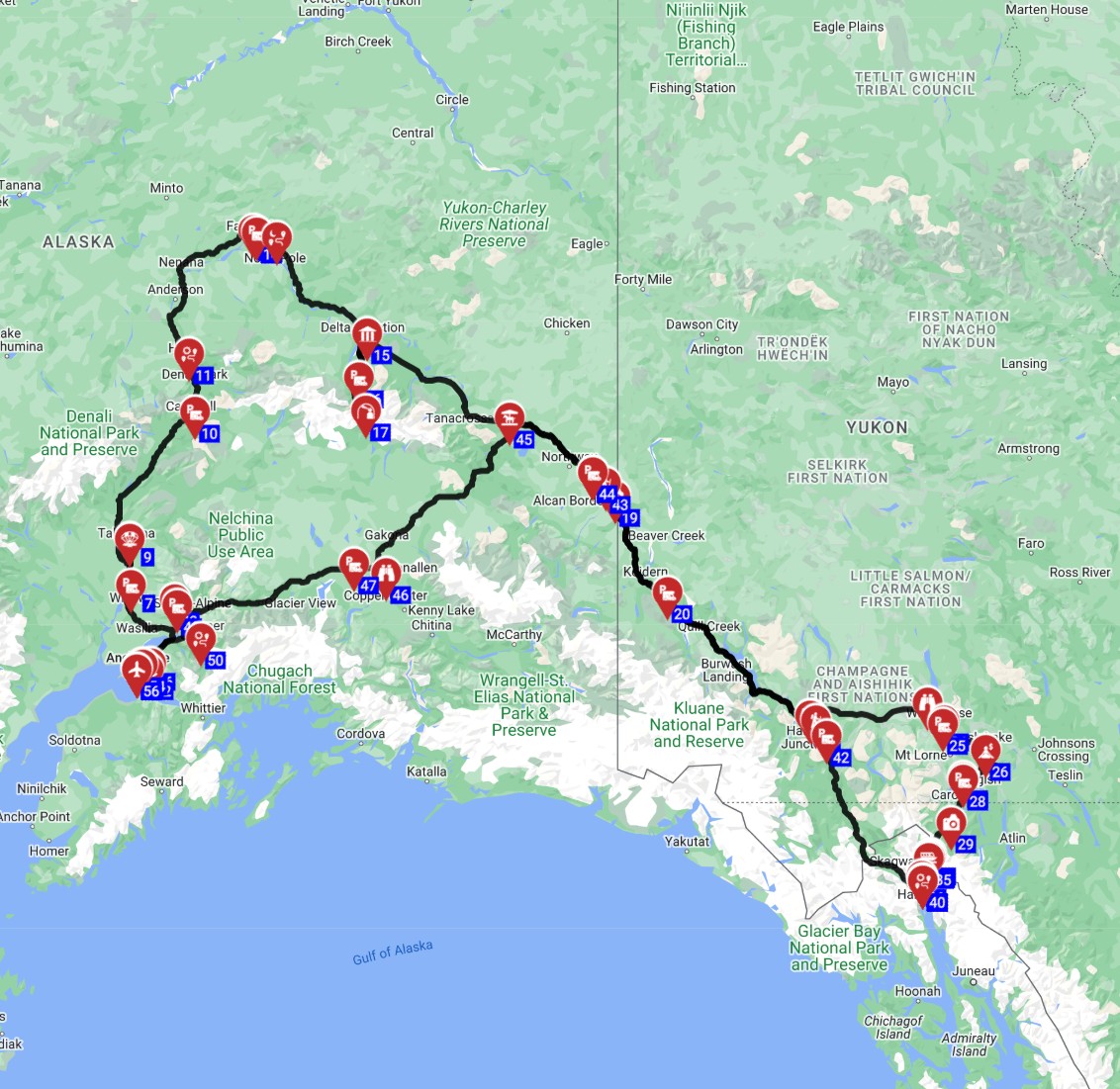
Considering a focused adventure? The "
🎬 Video coming soon
At the Campground - Setup, Hookups and Etiquette
Setting up your rented RV at an Alaskan campground involves several straightforward steps, beginning with leveling your vehicle to ensure all appliances, especially the refrigerator, function correctly, followed by safely connecting utilities. The standard hookup order is typically to connect your sewer hose first (if the site offers a full hookup), then your freshwater hose, and finally, plug in your electrical shore power. Alaskan campground etiquette includes respecting designated quiet hours, generally between 10 PM and 7 AM, being mindful of generator usage, and most importantly, rigorously practicing bear-aware food storage and waste disposal to prevent attracting local wildlife. Understand the specific rules for water and dump stations, as their availability and accessibility can vary significantly, especially in more remote campgrounds or those within national parks like Denali. Be aware of particular regulations for boondocking or dispersed camping on public lands, as these may differ from rules in other states, and always check for fire restrictions, especially during dry periods. Many national and state parks offer about 25-30% of their sites as first-come, first-serve, so if your desired campground is fully booked online, you might still find a spot by arriving early. If not at the first campground, then the next one. Call ahead before driving. For finding campsites and campgrounds during your trip, we recommend using RV PLANET (rvplan.net) - a great resource for locating available spots along your route.
rv rental-Specific Tips for Alaska
Families renting an RV in Alaska should prioritize models with separate sleeping areas for children, such as a Class C motorhome like the "MHC24" with its bed over the cub and convertible dinette, and consider incorporating kid-friendly activities like short, accessible hikes or visits to wildlife centers, planning nap-friendly drives to maximize comfort for everyone. Senior travelers might find smaller, easier-to-maneuver Class B campervans, like the "DVC" with its compact 6.7m length, or Class C RVs more ergonomic and simpler to drive, while ensuring selected campgrounds offer convenient amenities and accessible sites. For budget-conscious renters, exploring free overnight parking options, often referred to as boondocking or dispersed camping, in designated areas on public lands can significantly reduce costs. Utilize comparison platforms like Bandana RV to find the best deals and consider traveling during shoulder seasons for lower rates. Luxury RV renters can enhance their Alaskan experience with premium add-ons such as satellite internet, high-end kitchen amenities for gourmet cooking, or even guided tours that offer direct pickup from their rented RV, focusing on superior comfort and unique, tailored experiences. For those planning extensive off-grid excursions, consider rented motorhomes equipped with robust solar power systems or larger freshwater tanks (e.g., a "MHLUX" Class A motorhome with a 260-liter fresh water tank) to extend self-sufficiency in Alaska's remote wilderness. Our comprehensive "RV Rental USA - Complete Guide 2026" offers a broader look at RV travel across the country.
Common Mistakes to Avoid in Alaska
A common mistake for first-time RV renters in Alaska is significantly underestimating driving distances and the actual time required between attractions. Instead, plan for considerably longer travel times than you might expect due to varied road conditions, including frequent frost heaves and potential gravel sections, and mandatory stops for wildlife viewing. Neglecting to book popular campgrounds, especially those within national parks like Denali's Teklanika campground, is another frequent error; these spots fill up months in advance, so secure reservations or research first-come, first-served alternatives well before your trip. Ignoring comprehensive wildlife safety guidelines is a significant oversight; instead, thoroughly learn and practice proper food storage techniques, carry bear spray, and understand how to react safely to encounters with animals like bears and moose. Failing to account for limited cell service and internet connectivity in vast remote areas can be problematic; instead, rely on downloaded offline maps, traditional paper maps, and consider renting a satellite communicator for emergencies. Overpacking or underpacking for Alaska's notoriously unpredictable weather is a mistake; instead, pack versatile layers that can be easily added or removed as temperatures and conditions change throughout the day. Lastly, not budgeting adequately for Alaskan-specific costs such as higher fuel prices, potential ferry services for coastal exploration, or specific park permits can lead to unexpected expenses; thoroughly research all potential costs to ensure a realistic budget for your adventure. You might also find valuable insights in our "RV Travel Guide to Alaska - Tips and Top Spots 2026" video guide.
What is the 3-3-3 rule for RVs?
The 3-3-3 rule for RVs is a popular guideline suggesting that travelers drive no more than 300 miles (approximately 480 km) a day, aim to arrive at their campground by 3 PM, and plan to stay at least 3 nights in one location. This rule is designed to prevent driver fatigue, allowing ample time for campground setup and relaxation, and reduces the stress of constant packing and unpacking. Adhering to the 3-3-3 rule encourages a more relaxed pace, which is particularly beneficial for an Alaska RV trip where scenic views, abundant wildlife spotting, and unexpected detours are common. Traveling slowly, aiming for a maximum of 100-150 km per day on average, allows you to truly feel the place, connect to the local culture, savor the food, and immerse yourself in the stunning scenery.
What is the 4-4-4 rule for RV travel?
The 4-4-4 rule for RV travel typically advises driving no more than 400 miles (approximately 640 km) per day, arriving at your destination by 4 PM, and staying for a minimum of 4 nights. Some interpretations of the 4-4-4 rule also include checking tire pressure every 4 days or stopping every 4 hours for a break and a quick RV inspection, emphasizing safety and preventing mechanical issues. This rule, similar to the 3-3-3 rule, promotes a sustainable and enjoyable travel rhythm, allowing for more exploration and less rushed driving, which is especially crucial when navigating Alaska's unique road conditions and vast distances. Adopting this pace allows for more spontaneous discoveries and a deeper connection with the Alaskan wilderness.
Should I rent an RV in Alaska?
Renting an RV in Alaska is an excellent choice for travelers seeking unparalleled flexibility, direct access to remote natural beauty, and a unique way to experience the state's vast wilderness, often providing a more immersive adventure than traditional hotel stays. A rented motorhome or campervan allows you to follow flexible itineraries, adapting seamlessly to weather changes or spontaneous wildlife viewing opportunities, which is invaluable given Alaska's dynamic environment. It typically provides cost-effectiveness for families or groups embarking on longer trips, combining accommodation and transportation into a single expense, and frequently offers opportunities for self-catering, significantly reducing food expenses. Consider a rented RV if you value the freedom to explore lesser-known detours, prefer the comfort of having your own amenities, and want to fully embrace the outdoor experience, though be prepared for unique driving challenges and specific planning needs related to Alaska's roads and limited services. For ideas on different trip durations, explore "Weekly RV Rental in Alaska - Pricing 2026".
What do I need to know before renting an RV?
Before renting an RV for an Alaskan adventure, it's crucial to thoroughly understand the rental agreement terms, which typically include mileage limits, available insurance options, and cancellation policies, along with vehicle-specific considerations for navigating Alaska's diverse terrain. Research Alaska's unique road conditions, such as unpredictable gravel sections, prevalent frost heaves, and wildlife hazards, as these factors will significantly impact your driving experience and influence the type of motorhome or campervan you might choose (for instance, a smaller RV like the "Van" model from Fraserway RV might be more agile on certain unpaved roads). Be keenly aware of connectivity limitations; cell service is notoriously sparse outside major towns, so proactively plan for offline navigation and acquire emergency communication devices like satellite messengers. Familiarize yourself with comprehensive wildlife safety protocols, especially bear safety for camping and food storage, and moose safety on roads. Finally, understand the logistics of fuel availability and pricing in remote areas, as well as water and dump station access, and research any necessary permits or reservations for national park campgrounds (like Denali's Teklanika campground) well in advance, as these are often required and book up quickly.
Bandana RV offers full transparency in all bookings, with no hidden fees and no surprises, so you always know what you're paying for.
How much rent RV in Alaska average cost?
The average cost to rent an RV in Alaska can fluctuate significantly, typically ranging from $200 to $600 per night, depending on the RV class, rental season, duration of the trip, included mileage packages, and the choice of comprehensive insurance and other add-ons. Pricing is dynamic, much like flight tickets, changing daily based on availability, seasonality, and supplier decisions, with the final price set at the actual booking time. Peak season (June-August) prices are substantially higher, with smaller Class C RVs starting around $250-$400 per night and larger Class A motorhomes, such as the "MHLUX," exceeding $500-$600 per night, while shoulder seasons (May, September) typically offer lower rates. Beyond the base rental fee, it's essential to budget for Alaskan-specific logistics and costs, including higher fuel prices (which can be significantly more expensive in remote areas), campground fees ($20-$75 per night), food and groceries, activity costs, and potential permits or ferry fees for specific routes. Factoring in mileage charges, additional insurance, convenience kits, and potential unexpected repairs or supplies means a realistic daily budget for an Alaska RV trip can easily range from $400 to $1,000 or more once all expenses are considered. For more detailed insights into various costs, consult our "RV Rental in Alaska - Prices and Best Deals 2026" guide.
Is it cheaper to rent an RV or stay in a hotel?
For an Alaska trip, renting an RV can often be a more economical choice than staying in hotels, especially for families or groups planning an extended trip, as a rented RV combines accommodation, transportation, and cooking facilities into one inclusive cost, leading to significant savings on meals and potentially eliminating the need for a separate car rental. While the upfront RV rental cost might appear higher, a comprehensive cost comparison should factor in nightly hotel rates, restaurant dining expenses (which are generally higher in Alaska), daily car rental fees, and the cost of tours or transportation to scenic spots that are often directly accessible by RV. RV travel offers the flexibility to prepare your own meals in a fully equipped kitchen (like those in a "cruise america rv rental example Explorer" motorhome), substantially reducing food budgets, and allows for cheaper overnight stays in campgrounds or even free dispersed camping, contrasting with the potentially high nightly rates of Alaskan hotels, particularly in popular tourist areas. However, when comparing, always remember to include all RV-related expenses such as fuel (which is more expensive for larger vehicles and in remote Alaska), campground fees, dump station costs, and any additional optional insurance or mileage charges to ensure you get an accurate overall financial picture.
What is the best time of year to RV to Alaska?
The best time of year to RV to Alaska generally spans from late May through early September, offering the mildest weather, longest daylight hours, and full accessibility to attractions and services, though each part of this season has distinct advantages. Early summer, from late May to June, boasts extremely long daylight hours, fewer crowds, and often better chances to see certain wildlife, but temperatures can be cooler, and some services or roads might still be opening for the season; this period often has fewer mosquitoes too. Mid-summer, typically July through early August, is the warmest and most popular time, ideal for peak wildlife viewing (such as active salmon runs and feeding bears) and accessing all major attractions, but it coincides with the highest rental prices, largest crowds, and peak mosquito season. Late summer or early fall, from late August through early September, offers stunning fall colors, potentially clearer skies for aurora borealis viewing, and noticeably fewer crowds, though temperatures begin to drop, some services may close, and daylight hours shorten considerably. For planning a short but impactful trip, consider "One-Way RV Rental in Alaska - Price Guide 2026".
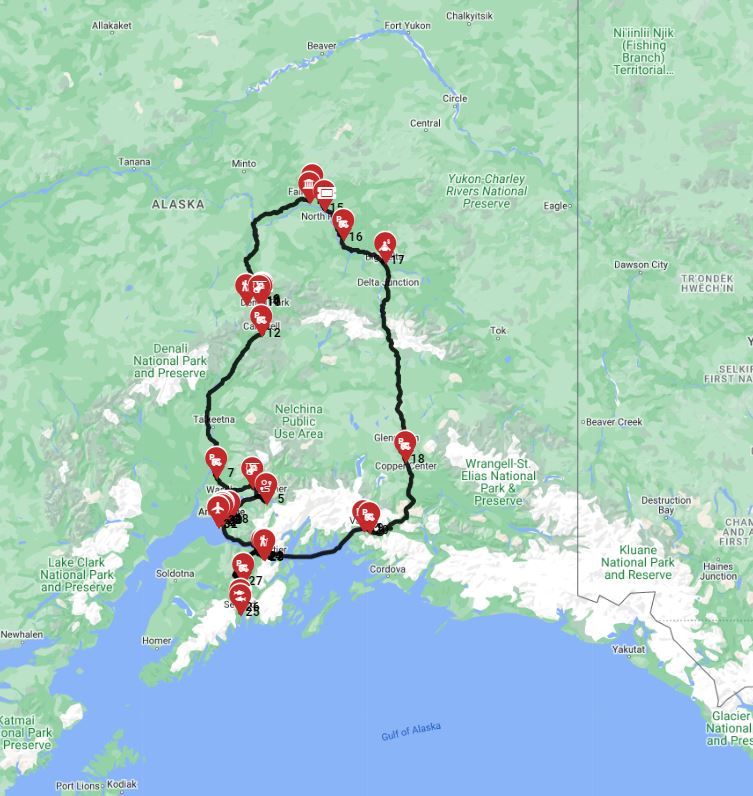
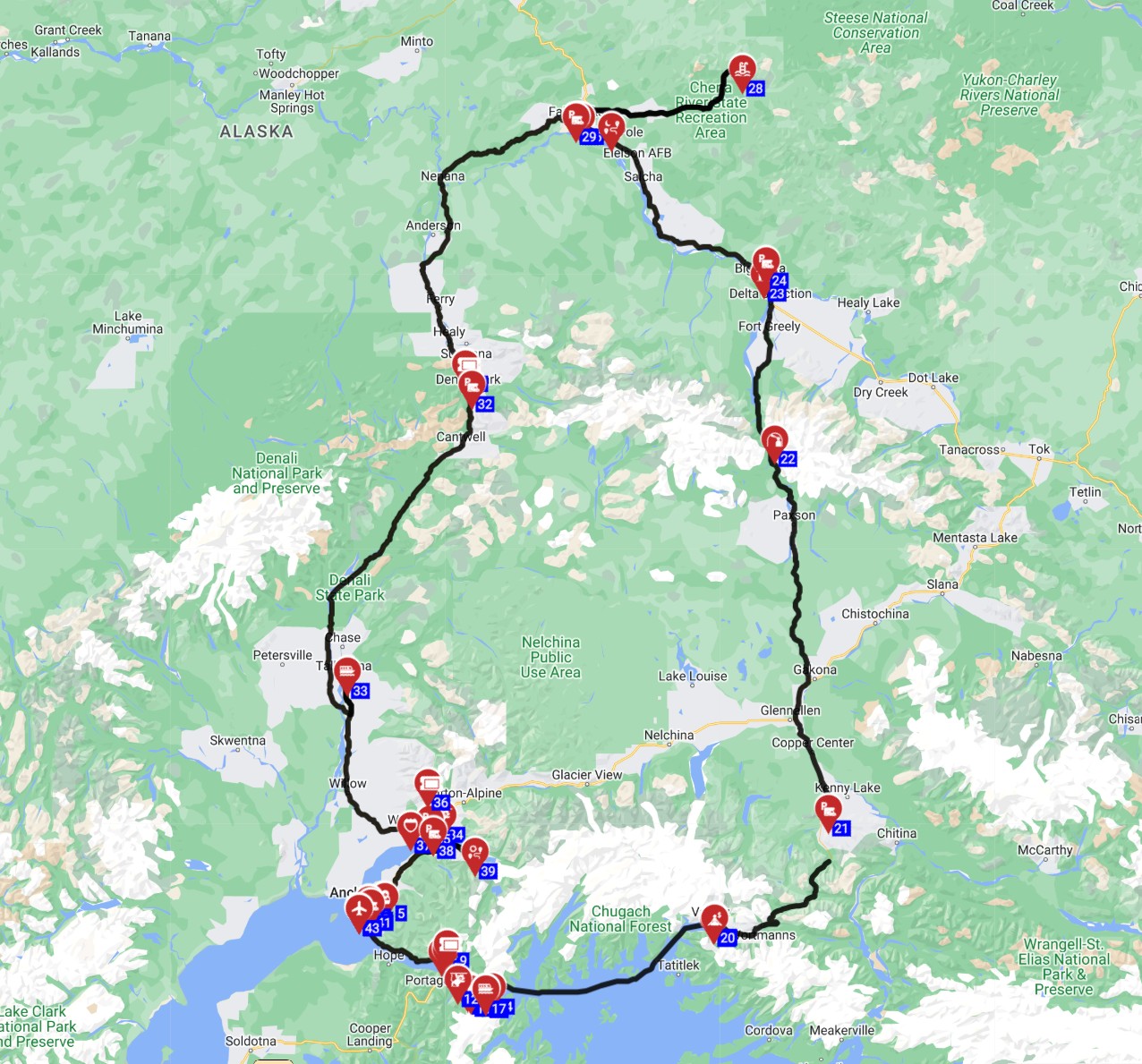
For a fantastic mid-length adventure, the "
What not to forget on an RV trip?
Beyond the fundamental items, critical gear not to forget on an Alaskan RV trip includes a robust first-aid kit for remote medical needs, a satellite communicator (like an InReach or Spot device) for emergency contact where cell service is absent, and multiple navigation methods such as traditional paper maps alongside your GPS. Do not overlook essential animal deterrents, including bear spray (and proper training on its use) and bear-resistant food storage containers, to keep both you and local wildlife safe. Ensure you have sturdy, waterproof footwear suitable for unexpected hikes and wet conditions, along with plenty of versatile layers of clothing to adapt to Alaska's unpredictable weather changes. Remember crucial amenities like binoculars for unparalleled wildlife viewing, a high-quality camera with extra batteries and memory cards to capture breathtaking scenery, and a reliable headlamp or flashlight for long evenings, especially as daylight shortens in late summer. It is also crucial to remember a comprehensive toolkit for minor RV repairs, copies of all important documents stored separately, and enough cash for places that might not accept cards in very remote locations. For understanding pricing for various rental durations, check our "RV Rental Near Alaska Airport - Pickup Pricing 2026" and "RV Rental Deals in Alaska - Latest Offers 2026" guides.
Final Thoughts
Embarking on a rented RV adventure through Alaska is truly an experience of a lifetime, offering unparalleled freedom to explore some of the most stunning and remote landscapes on Earth. With careful planning, an understanding of local conditions, and a flexible mindset, you're set for an unforgettable journey. Remember to embrace slow travel, allowing yourself the time to truly connect with Alaska's majestic scenery, rich culture, and diverse wildlife.
Whether you're marveling at towering glaciers or spotting a moose along the highway, a rented motorhome provides the perfect mobile base for your explorations. At Bandana RV, we're dedicated to making your planning process easy, safe, and fully transparent. We handle all the details, so you can focus on living the journey.
So, get inspired for your next trip, discover top destinations, and use our planning tips for maximum enjoyment. Your Alaskan RV rental adventure awaits!
Compare Motorhome Prices for AlaskaIn This Guide
- Top 5 Tips for rv rental RV Rental in Alaska
- Before You Book - Class, Dates, Insurance
- Pre-Trip Prep - Packing Checklist for Alaska
- On the Road - Driving, Fueling, Navigation
- At the Campground - Setup, Hookups and Etiquette
- rv rental-Specific Tips for Alaska
- Common Mistakes to Avoid in Alaska
- What is the 3-3-3 rule for RVs?
- What is the 4-4-4 rule for RV travel?
- Should I rent an RV in Alaska?
- What do I need to know before renting an RV?
- How much rent RV in Alaska average cost?
- Is it cheaper to rent an RV or stay in a hotel?
- What is the best time of year to RV to Alaska?
- What not to forget on an RV trip?
Alaska, often called "The Last Frontier," offers an unparalleled adventure for travelers exploring its vast wilderness with a rented motorhome or campervan. To ensure a smooth and unforgettable journey, it's vital to prepare for its unique conditions and logistical challenges. For live availability and current prices, start with our RV Rental Alaska - Complete Guide 2026 guide.
Top 5 Tips for rv rental RV Rental in Alaska
Successfully navigating an RV rental adventure in Alaska hinges on meticulous planning and an appreciation for its unique environment. Booking your desired motorhome or campervan and securing campground reservations well in advance, especially for the popular peak summer months (June-August), is critical due to high demand. Familiarizing yourself with Alaska's distinctive road conditions, which include unexpected frost heaves and long stretches of gravel, will ensure a safer and more comfortable drive across the extensive distances between services. Packing versatile layers of clothing is essential, as temperatures in Alaska can fluctuate dramatically within a single day. Strategic fuel planning is a must, particularly on remote routes where gas stations are sparse, so always top off your tank when you have the chance. Finally, embracing flexibility in your itinerary will allow you to adapt to sudden weather changes, potential road closures, or spontaneous opportunities for incredible wildlife viewing.
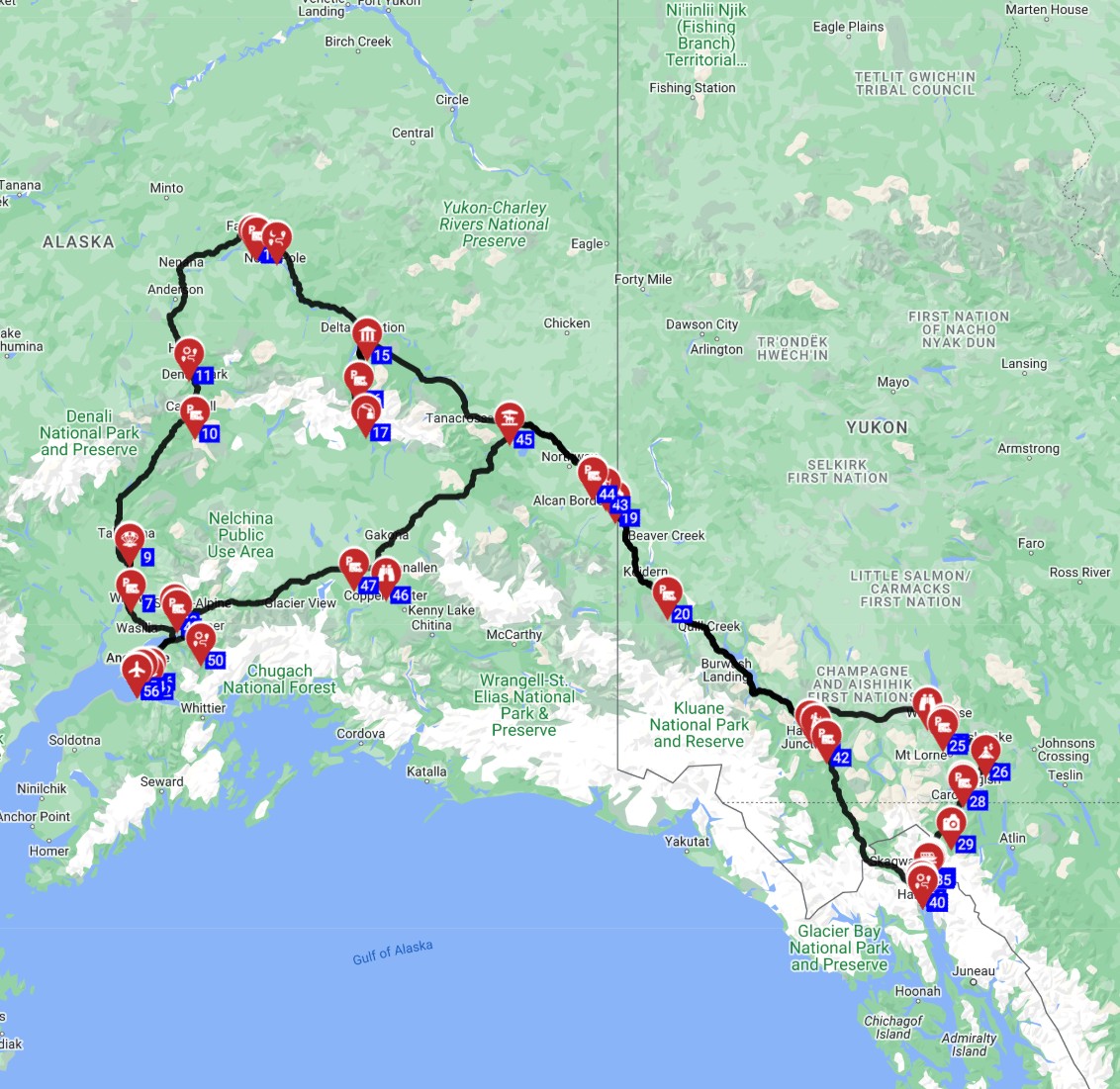
A great way to integrate these tips into your journey is by using a professional route plan. For example, the "Anchorage Round Trip - Alaska-Yukon Discovery Trail" covers 3539.2 km over 23 days, including 1 amusement park, 1 botanical garden, and 3 distinct cruise terminal/sailing experiences.
Before You Book - Class, Dates, Insurance
Before confirming your RV rental in Alaska, careful consideration of the vehicle class, rental dates, and insurance coverage is essential. Choosing the right motorhome or campervan class for an Alaskan adventure requires balancing interior space with maneuverability on varied terrain. Smaller Class B campervans, like the Category Van, or Class C motorhomes, often easier to handle on narrower, gravel roads, may be preferred for remote routes like McCarthy Road, while larger Class A motorhomes offer enhanced comfort and amenities for main highways, such as the "cruise america rv rental example Explorer" model. Locking in your rental dates early, ideally 3-6 months in advance, is crucial for securing the best selection and prices, especially for trips during Alaska's popular summer season from June to August. Basic insurance is always included with your rental, but to see prices including the most comprehensive coverage, select that option during your search on Bandana RV; all relevant insurance options, including the ability to upgrade to a top-level deductible for extra peace of mind, will then be clearly shown. Additionally, consider supplementary insurance for roadside assistance, as help can be significantly far between in Alaska's vast and remote regions, and always verify the condition of tires and spare tire readiness, which are essential for navigating Alaska's challenging roads.
For details on specific pricing models and how they fluctuate, check out our "RV Rental in Alaska - Prices and Best Deals 2026" guide.
Pre-Trip Prep - Packing Checklist for Alaska
A comprehensive packing checklist for an Alaskan RV trip is crucial for preparing for diverse weather, remote locations, and potential wildlife encounters. Given Alaska's unpredictable climate, waterproof and windproof outer layers, an insulated jacket (down or synthetic), fleece or wool mid-layers, and quick-drying base layers are essential clothing items. Don't forget a warm hat, gloves, scarves, sturdy waterproof hiking boots, and extra wool or synthetic socks to stay comfortable. For your RV kitchen, ensure you have basic cooking utensils and dishes, bear-resistant food storage containers, a cooler or portable fridge for extra capacity, and biodegradable soap for environmentally friendly clean-up. When it comes to safety and emergency preparedness, a comprehensive first-aid kit is vital, along with bear spray (and the knowledge of how to use it safely), headlamps or flashlights with extra batteries, a satellite communicator (such as an InReach or Spot device) for areas without cell service, a roadside emergency kit (including jumper cables and a tire patch kit), and traditional paper maps as a backup to GPS. Finally, organize your documents: your driver's license, the RV rental agreement, copies of all important documents, and any necessary National Park passes or permits (like for Denali National Park). Binoculars for wildlife viewing, a camera with extra batteries and memory, and a portable power bank for electronics will round out your essentials for an incredible Alaskan adventure. If you plan on preparing meals in your RV, check out our RV-friendly recipes playlist for inspiration!
On the Road - Driving, Fueling, Navigation
Driving a rented RV in Alaska demands keen awareness of its unique road conditions, including sudden frost heaves that can jar your vehicle, extended stretches of gravel like parts of the Denali Highway or McCarthy Road, and the necessity to share roads with large trucks, especially on challenging routes such as the Dalton Highway. Drive slowly and carefully, and you can drive almost anywhere without issues. No need to stress - just use common sense and pay attention. Strategic fueling is critical due to the significant distances between towns and services; always top off your tank at every opportunity, particularly before entering remote regions, and be aware that fuel prices can be considerably higher in isolated communities. Navigation is best handled with a combination of a reliable GPS system and traditional paper maps, as cell service and internet connectivity are often unreliable or nonexistent in vast areas of Alaska, making backup communication plans like a satellite communicator a smart choice. Maintain extra vigilance for wildlife on roads, especially moose and bears, and understand safe driving etiquette around them, always giving animals ample space. Finally, always carry sufficient water and snacks, as services are extremely limited on many Alaskan routes, and be prepared for potential minor repairs by having basic tools on board. For managing all your ancillary trip costs, including fuel, tolls, and groceries, remember that RV PLANET routes allow you to itemize and track every expense for easy budgeting.
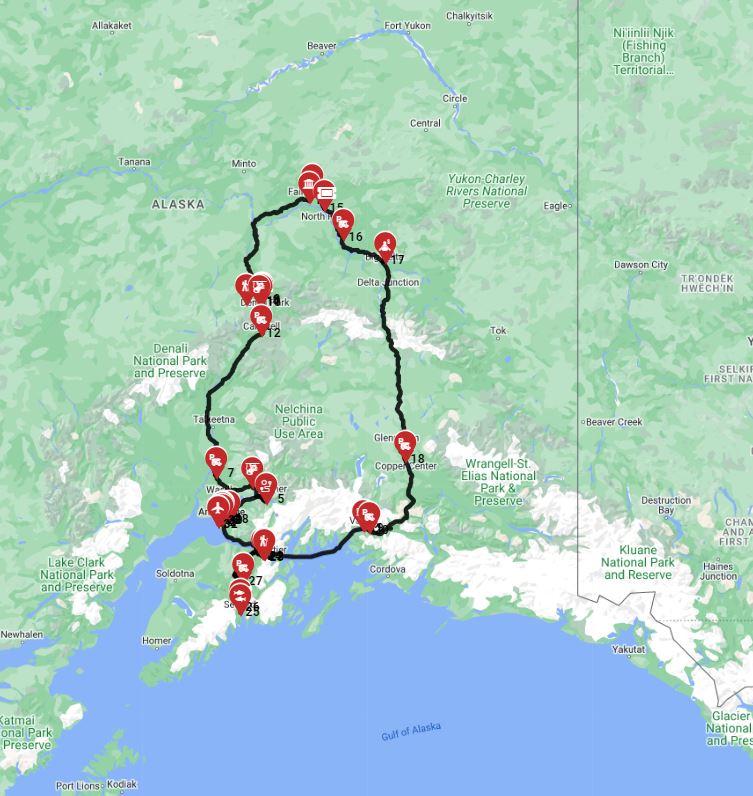
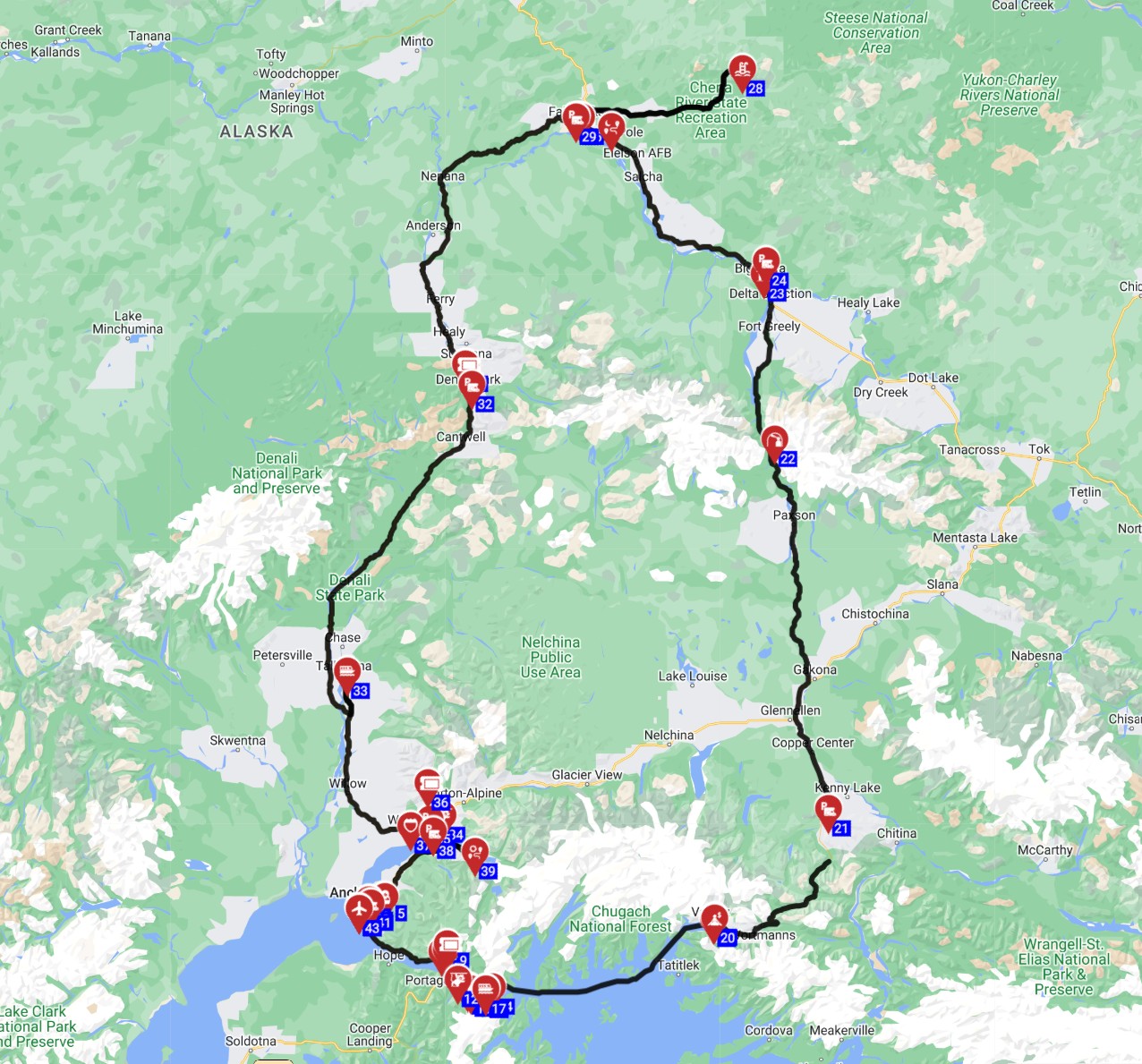
Considering a focused adventure? The "Anchorage Roundtrip - Alaska" route plan offers an 11-day, 1928.5 km journey, featuring 2 animal shows/wildlife watch spots and 3 tourist attractions.
🎬 Video coming soon
At the Campground - Setup, Hookups and Etiquette
Setting up your rented RV at an Alaskan campground involves several straightforward steps, beginning with leveling your vehicle to ensure all appliances, especially the refrigerator, function correctly, followed by safely connecting utilities. The standard hookup order is typically to connect your sewer hose first (if the site offers a full hookup), then your freshwater hose, and finally, plug in your electrical shore power. Alaskan campground etiquette includes respecting designated quiet hours, generally between 10 PM and 7 AM, being mindful of generator usage, and most importantly, rigorously practicing bear-aware food storage and waste disposal to prevent attracting local wildlife. Understand the specific rules for water and dump stations, as their availability and accessibility can vary significantly, especially in more remote campgrounds or those within national parks like Denali. Be aware of particular regulations for boondocking or dispersed camping on public lands, as these may differ from rules in other states, and always check for fire restrictions, especially during dry periods. Many national and state parks offer about 25-30% of their sites as first-come, first-serve, so if your desired campground is fully booked online, you might still find a spot by arriving early. If not at the first campground, then the next one. Call ahead before driving. For finding campsites and campgrounds during your trip, we recommend using RV PLANET (rvplan.net) - a great resource for locating available spots along your route.
rv rental-Specific Tips for Alaska
Families renting an RV in Alaska should prioritize models with separate sleeping areas for children, such as a Class C motorhome like the "MHC24" with its bed over the cub and convertible dinette, and consider incorporating kid-friendly activities like short, accessible hikes or visits to wildlife centers, planning nap-friendly drives to maximize comfort for everyone. Senior travelers might find smaller, easier-to-maneuver Class B campervans, like the "DVC" with its compact 6.7m length, or Class C RVs more ergonomic and simpler to drive, while ensuring selected campgrounds offer convenient amenities and accessible sites. For budget-conscious renters, exploring free overnight parking options, often referred to as boondocking or dispersed camping, in designated areas on public lands can significantly reduce costs. Utilize comparison platforms like Bandana RV to find the best deals and consider traveling during shoulder seasons for lower rates. Luxury RV renters can enhance their Alaskan experience with premium add-ons such as satellite internet, high-end kitchen amenities for gourmet cooking, or even guided tours that offer direct pickup from their rented RV, focusing on superior comfort and unique, tailored experiences. For those planning extensive off-grid excursions, consider rented motorhomes equipped with robust solar power systems or larger freshwater tanks (e.g., a "MHLUX" Class A motorhome with a 260-liter fresh water tank) to extend self-sufficiency in remote areas. Our comprehensive "RV Rental USA - Complete Guide 2026" offers a broader look at RV travel across the country.
Common Mistakes to Avoid in Alaska
A common mistake for first-time RV renters in Alaska is significantly underestimating driving distances and the actual time required between attractions. Instead, plan for considerably longer travel times than you might expect due to varied road conditions, including frequent frost heaves and potential gravel sections, and mandatory stops for wildlife viewing. Neglecting to book popular campgrounds, especially those within national parks like Denali's Teklanika campground, is another frequent error; these spots fill up months in advance, so secure reservations or research first-come, first-served alternatives well before your trip. Ignoring comprehensive wildlife safety guidelines is a significant oversight; instead, thoroughly learn and practice proper food storage techniques, carry bear spray, and understand how to react safely to encounters with animals like bears and moose. Failing to account for limited cell service and internet connectivity in vast remote areas can be problematic; instead, rely on downloaded offline maps, traditional paper maps, and consider renting a satellite communicator for emergencies. Overpacking or underpacking for Alaska's notoriously unpredictable weather is a mistake; instead, pack versatile layers that can be easily added or removed as temperatures and conditions change throughout the day. Lastly, not budgeting adequately for Alaskan-specific costs such as higher fuel prices, potential ferry services for coastal exploration, or specific park permits can lead to unexpected expenses; thoroughly research all potential costs to ensure a realistic budget for your adventure. You might also find valuable insights in our "RV Travel Guide to Alaska - Tips and Top Spots 2026" video guide.
What is the 3-3-3 rule for RVs?
The 3-3-3 rule for RVs is a popular guideline suggesting that travelers drive no more than 300 miles (approximately 480 km) a day, aim to arrive at their campground by 3 PM, and plan to stay at least 3 nights in one location. This rule is designed to prevent driver fatigue, allowing ample time for campground setup and relaxation, and reduces the stress of constant packing and unpacking. Adhering to the 3-3-3 rule encourages a more relaxed pace, which is particularly beneficial for an Alaska RV trip where scenic views, abundant wildlife spotting, and unexpected detours are common. Traveling slowly, aiming for a maximum of 100-150 km per day on average, allows you to truly feel the place, connect to the local culture, savor the food, and immerse yourself in the stunning scenery.
What is the 4-4-4 rule for RV travel?
The 4-4-4 rule for RV travel typically advises driving no more than 400 miles (approximately 640 km) per day, arriving at your destination by 4 PM, and staying for a minimum of 4 nights. Some interpretations of the 4-4-4 rule also include checking tire pressure every 4 days or stopping every 4 hours for a break and a quick RV inspection, emphasizing safety and preventing mechanical issues. This rule, similar to the 3-3-3 rule, promotes a sustainable and enjoyable travel rhythm, allowing for more exploration and less rushed driving, which is especially crucial when navigating Alaska's unique road conditions and vast distances. Adopting this pace allows for more spontaneous discoveries and a deeper connection with the Alaskan wilderness.
Should I rent an RV in Alaska?
Renting an RV in Alaska is an excellent choice for travelers seeking unparalleled flexibility, direct access to remote natural beauty, and a unique way to experience the state's vast wilderness, often providing a more immersive adventure than traditional hotel stays. A rented motorhome or campervan allows you to follow flexible itineraries, adapting seamlessly to weather changes or spontaneous wildlife viewing opportunities, which is invaluable given Alaska's dynamic environment. It typically provides cost-effectiveness for families or groups embarking on longer trips, combining accommodation and transportation into a single expense, and frequently offers opportunities for self-catering, significantly reducing food expenses. Consider a rented RV if you value the freedom to explore lesser-known detours, prefer the comfort of having your own amenities, and want to fully embrace the outdoor experience, though be prepared for unique driving challenges and specific planning needs related to Alaska's roads and limited services. For ideas on different trip durations, explore "Weekly RV Rental in Alaska - Pricing 2026".
What do I need to know before renting an RV?
Before renting an RV for an Alaskan adventure, it's crucial to thoroughly understand the rental agreement terms, which typically include mileage limits, available insurance options, and cancellation policies, along with vehicle-specific considerations for navigating Alaska's diverse terrain. Research Alaska's unique road conditions, such as unpredictable gravel sections, prevalent frost heaves, and wildlife hazards, as these factors will significantly impact your driving experience and influence the type of motorhome or campervan you might choose (for instance, a smaller RV like the "Van" model from Fraserway RV might be more agile on certain unpaved roads). Be keenly aware of connectivity limitations; cell service is notoriously sparse outside major towns, so proactively plan for offline navigation and acquire emergency communication devices like satellite messengers. Familiarize yourself with comprehensive wildlife safety protocols, especially bear safety for camping and food storage, and moose safety on roads. Finally, understand the logistics of fuel availability and pricing in remote areas, as well as water and dump station access, and research any necessary permits or reservations for national park campgrounds (like Denali's Teklanika campground) well in advance, as these are often required and book up quickly.
Bandana RV offers full transparency in all bookings, with no hidden fees and no surprises, so you always know what you're paying for.
How much rent RV in Alaska average cost?
The average cost to rent an RV in Alaska can fluctuate significantly, typically ranging from $200 to $600 per night, depending on the RV class, rental season, duration of the trip, included mileage packages, and the choice of comprehensive insurance and other add-ons. Pricing is dynamic, much like flight tickets, changing daily based on availability, seasonality, and supplier decisions, with the final price set at the actual booking time. Peak season (June-August) prices are substantially higher, with smaller Class C RVs starting around $250-$400 per night and larger Class A motorhomes, such as the "MHLUX," exceeding $500-$600 per night, while shoulder seasons (May, September) typically offer lower rates. Beyond the base rental fee, it's essential to budget for Alaskan-specific logistics and costs, including higher fuel prices (which can be significantly more expensive in remote areas), campground fees ($20-$75 per night), food and groceries, activity costs, and potential permits or ferry fees for specific routes. Factoring in mileage charges, additional insurance, convenience kits, and potential unexpected repairs or supplies means a realistic daily budget for an Alaska RV trip can easily range from $400 to $1,000 or more once all expenses are considered. For more detailed insights into various costs, consult our "RV Rental in Alaska - Prices and Best Deals 2026" guide.
Is it cheaper to rent an RV or stay in a hotel?
For an Alaska trip, renting an RV can often be a more economical choice than staying in hotels, especially for families or groups planning an extended trip, as a rented RV combines accommodation, transportation, and cooking facilities into one inclusive cost, leading to significant savings on meals and potentially eliminating the need for a separate car rental. While the upfront RV rental cost might appear higher, a comprehensive cost comparison should factor in nightly hotel rates, restaurant dining expenses (which are generally higher in Alaska), daily car rental fees, and the cost of tours or transportation to scenic spots that are often directly accessible by RV. RV travel offers the flexibility to prepare your own meals in a fully equipped kitchen (like those in a "cruise america rv rental example Explorer" motorhome), substantially reducing food budgets, and allows for cheaper overnight stays in campgrounds or even free dispersed camping, contrasting with the potentially high nightly rates of Alaskan hotels, particularly in popular tourist areas. However, when comparing, always remember to include all RV-related expenses such as fuel (which is more expensive for larger vehicles and in remote Alaska), campground fees, dump station costs, and any additional optional insurance or mileage charges to ensure you get an accurate overall financial picture.
What is the best time of year to RV to Alaska?
The best time of year to RV to Alaska generally spans from late May through early September, offering the mildest weather, longest daylight hours, and full accessibility to attractions and services, though each part of this season has distinct advantages. Early summer, from late May to June, boasts extremely long daylight hours, fewer crowds, and often better chances to see certain wildlife, but temperatures can be cooler, and some services or roads might still be opening for the season; this period often has fewer mosquitoes too. Mid-summer, typically July through early August, is the warmest and most popular time, ideal for peak wildlife viewing (such as active salmon runs and feeding bears) and accessing all major attractions, but it coincides with the highest rental prices, largest crowds, and peak mosquito season. Late summer or early fall, from late August through early September, offers stunning fall colors, potentially clearer skies for aurora borealis viewing, and noticeably fewer crowds, though temperatures begin to drop, some services may close, and daylight hours shorten considerably. For planning a short but impactful trip, consider "One-Way RV Rental in Alaska - Price Guide 2026".
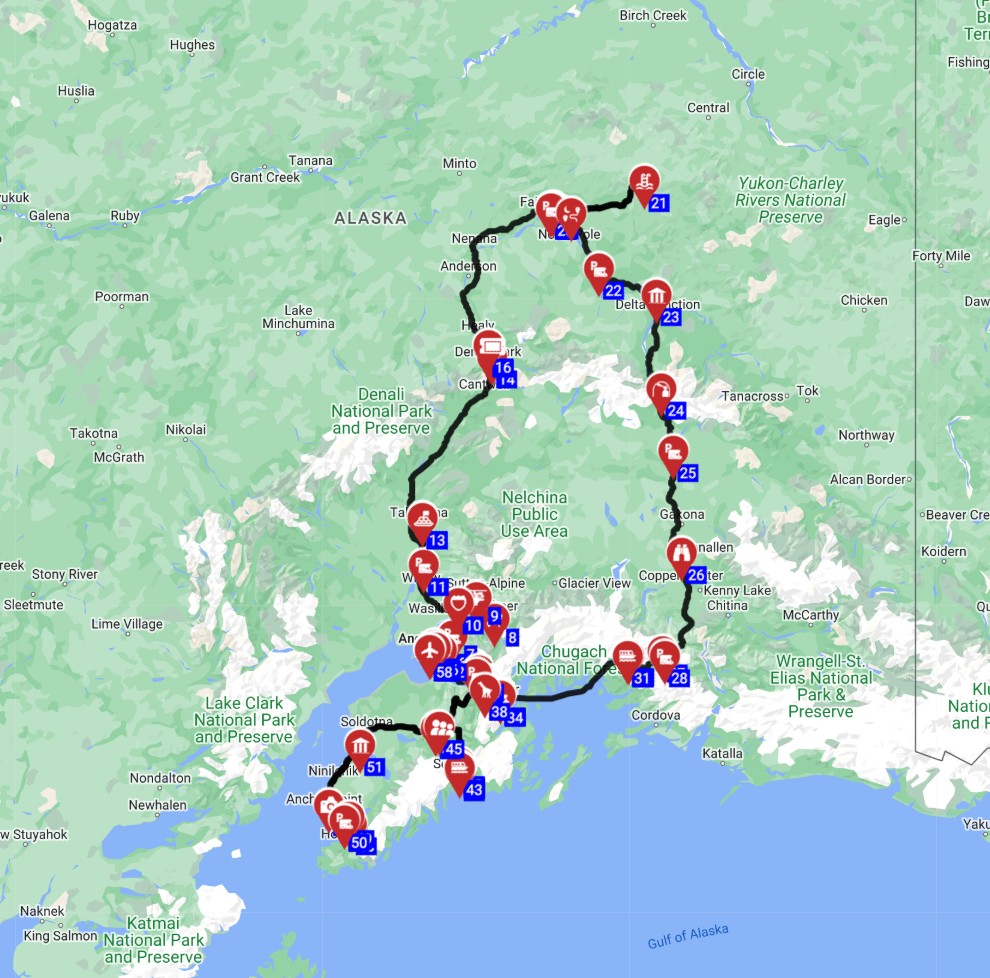
For a fantastic mid-length adventure, the "Anchorage Roundtrip Heading North - The Great Alaskan Wilderness Road Trip" is a 15-day, 1929.9 km journey, including 2 wildlife watch opportunities, 1 cable railway, and 3 scenic cruise terminal experiences.
What not to forget on an RV trip?
Beyond the fundamental items, critical gear not to forget on an Alaskan RV trip includes a robust first-aid kit for remote medical needs, a satellite communicator (like an InReach or Spot device) for emergency contact where cell service is absent, and multiple navigation methods such as traditional paper maps alongside your GPS. Do not overlook essential animal deterrents, including bear spray (and proper training on its use) and bear-resistant food storage containers, to keep both you and local wildlife safe. Ensure you have sturdy, waterproof footwear suitable for unexpected hikes and wet conditions, along with plenty of versatile layers of clothing to adapt to Alaska's unpredictable weather changes. Remember crucial amenities like binoculars for unparalleled wildlife viewing, a high-quality camera with extra batteries and memory cards to capture breathtaking scenery, and a reliable headlamp or flashlight for long evenings, especially as daylight shortens in late summer. It is also crucial to remember a comprehensive toolkit for minor RV repairs, copies of all important documents stored separately, and enough cash for places that might not accept cards in very remote locations. For understanding pricing for various rental durations, check our "RV Rental Near Alaska Airport - Pickup Pricing 2026" and "RV Rental Deals in Alaska - Latest Offers 2026" guides.
Final Thoughts
Embarking on a rented RV adventure through Alaska is truly an experience of a lifetime, offering unparalleled freedom to explore some of the most stunning and remote landscapes on Earth. With careful planning, an understanding of local conditions, and a flexible mindset, you're set for an unforgettable journey. Remember to embrace slow travel, allowing yourself the time to truly connect with Alaska's majestic scenery, rich culture, and diverse wildlife.
Whether you're marveling at towering glaciers or spotting a moose along the highway, a rented motorhome provides the perfect mobile base for your explorations. At Bandana RV, we're dedicated to making your planning process easy, safe, and fully transparent. We handle all the details, so you can focus on living the journey.
So, get inspired for your next trip, discover top destinations, and use our planning tips for maximum enjoyment. Your Alaskan RV rental adventure awaits!
Compare Motorhome Prices for Alaska