In This Guide
- What airport rv rental RV Rental Costs in West Europe (2026)
- Seasonal Pricing - Peak vs. Shoulder vs. Off-Season in West Europe
- What's Included vs. What's an Add-On
- Hidden Costs to Budget For in West Europe
- How to Save on airport rv rental RV Rental in West Europe
- What is the difference between an American RV and a European campervan for West Europe travel?
- What driving licenses and documents do I need for RV rental in West Europe?
- Can you wild camp with an RV in West Europe and what are the rules?
- What are some country-specific driving challenges for RVs in West Europe?
- How can I find authentic local experiences while RVing in West Europe?
- How can I travel sustainably with an RV in West Europe?
Embarking on an airport RV rental adventure in West Europe offers unparalleled freedom, allowing you to explore picturesque landscapes, historic cities, and charming villages at your own pace. With Bandana RV, you're tapping into a wealth of expertise cultivated since 2001, helping tens of thousands of travelers discover the world by rented motorhome. We genuinely love helping people experience this unique way to travel, providing full transparency and 24/7 support from real people, ensuring a smooth journey from planning to post-booking. For live availability and current prices, start with our RV Rental West Europe - Complete Guide 2026 guide.
What airport rv rental RV Rental Costs in West Europe (2026)
RV rental prices in West Europe are dynamic, influenced by the vehicle class, duration, seasonality, and specific supplier, with daily rates often decreasing for longer rental periods. For instance, a compact Class B campervan like the "luxury rv rentals example Carthago Malibu 600" might average €70-€100 per day in the shoulder season for a two-week trip, while a larger Class C motorhome such as a "MHC28" or "Comfort Family 5" could range from €120-€200+ per day in peak season. Our platform allows you to compare final prices across 50+ leading RV suppliers worldwide, ensuring what you see is what you pay, with no surprise fees at pickup. This commitment to full transparency means you can budget confidently for your trip.
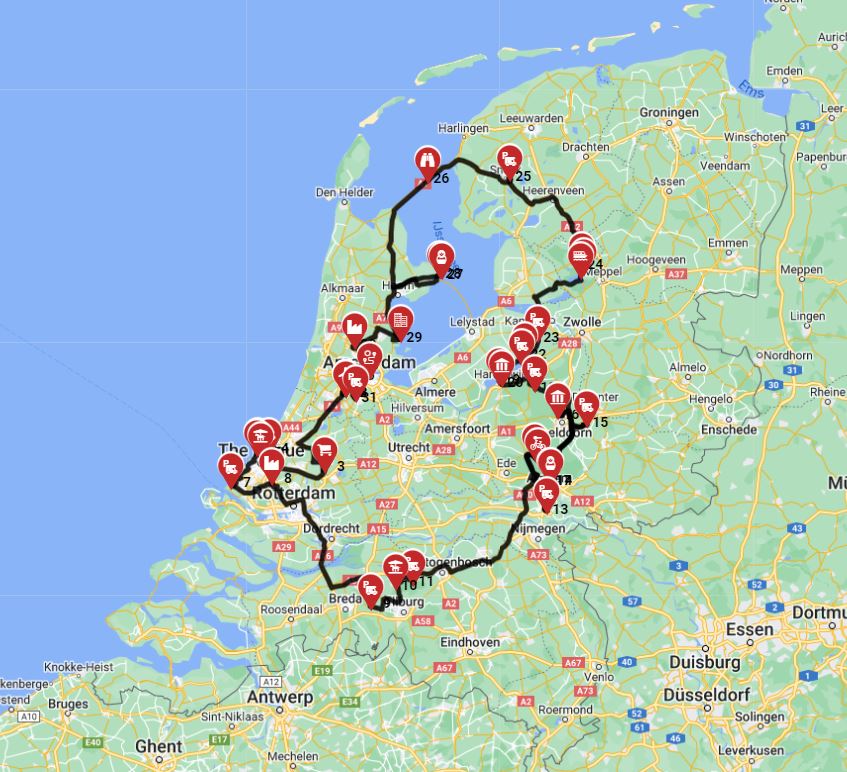
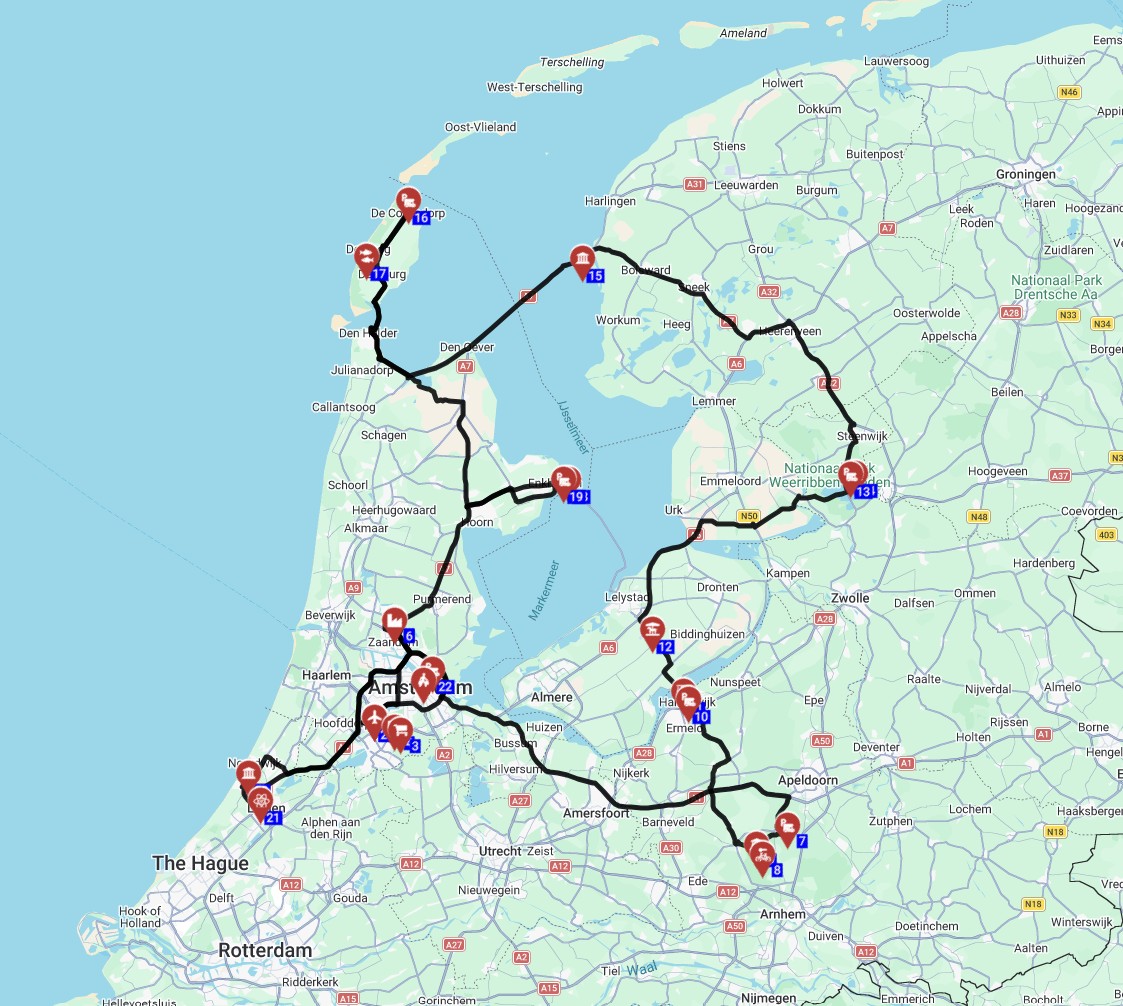
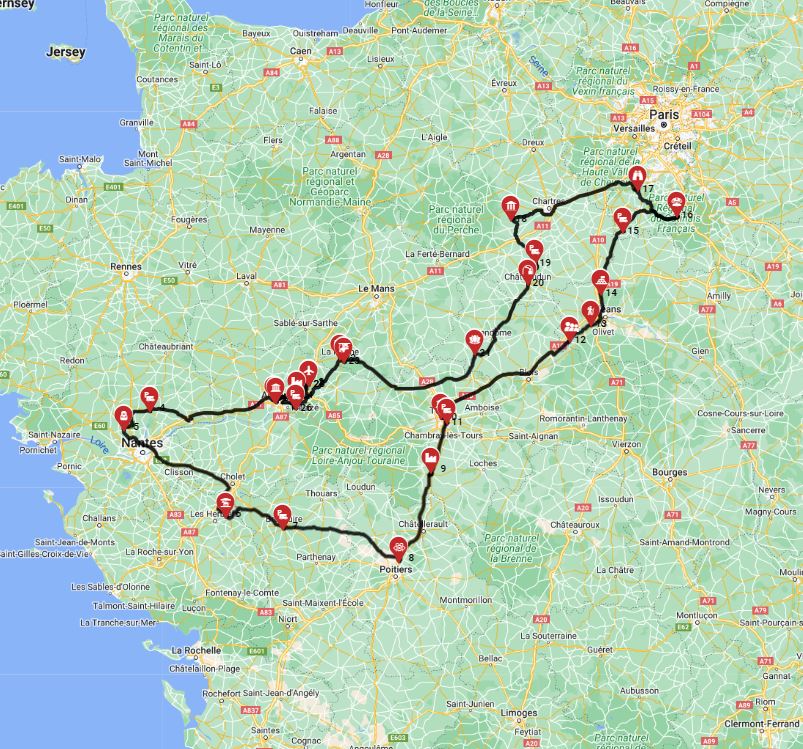
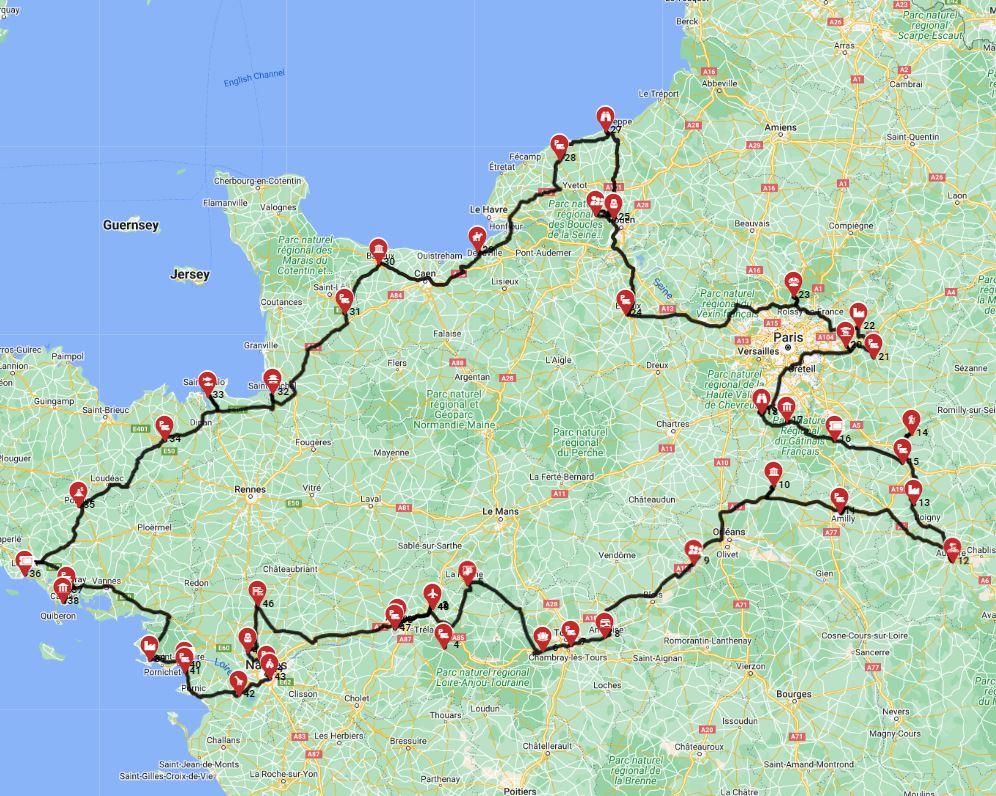
For a one-week airport RV trip in West Europe, a compact campervan for two people could cost approximately €490-€800, plus ancillary expenses. An extended two-week airport RV adventure for a family of four in a Class C motorhome might average €1,680-€3,000, not including fuel and campsite fees. For a grand one-month airport RV journey, a larger 6-berth motorhome like the "Motorhome MC6 Gold" could cost between €3,000-€5,000+ depending on the season and amenities. Couples often opt for agile campervans like the "Active Pop Top" or a "Duo," which are easier to maneuver through narrow village streets and generally more fuel-efficient, leading to lower overall costs compared to a family needing a spacious Class C rental with amenities like a "Gas Stove" and a "Refrigerator" as found in a "Group I" model. Remember, prices are like flight tickets – they change daily based on availability, seasonality, and supplier marketing decisions, so the final price is set at actual booking time. On the routes offered through RV PLANET routes, you can itemize and track every expense along the way for easy budgeting.
Seasonal Pricing - Peak vs. Shoulder vs. Off-Season in West Europe
RV rental prices in West Europe vary significantly by season, with peak season (July-August) seeing the highest demand and therefore highest costs due to popular summer holidays and ideal weather for travel. During this time, daily rates can be 20-40% higher than off-peak periods, and availability for popular models like a "Group G" family motorhome is limited. Shoulder seasons (April-June, September-October) offer a favorable balance of pleasant weather and more moderate prices, typically 10-25% lower than peak season, making April an excellent choice for budget-conscious travelers. For example, a 4-berth "F4" motorhome might be €120/day in June but €85/day in September. Off-season (November-March) provides the lowest rates, often 30-50% less than peak, but also brings colder weather conditions, reduced campsite availability, and some attractions may be closed. Regardless of the season, our commitment to full transparency means you’ll always see the final price with no hidden fees, helping you budget accurately.
What's Included vs. What's an Add-On
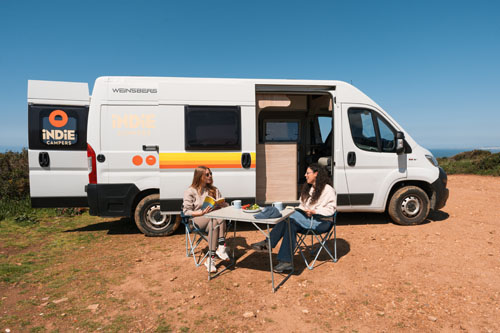
Basic insurance is always included with every RV rental in West Europe, though coverage levels and deductibles can be upgraded for enhanced peace of mind. Renters can upgrade to a top-level deductible for extra protection, which is a popular choice for extended road trips. Standard inclusions typically cover a fully equipped kitchen with a "Gas Stove" and "Refrigerator," fresh water tanks (e.g., 100 Liter in a "V2L" campervan), and basic living amenities. However, common add-ons that vary by vehicle and rental station often include kitchen kits with pots, pans, and cutlery, bedding sets with linens and towels, unlimited mileage packages (crucial for a comprehensive "One-Way RV Driving in West Europe - Route Planner 2026"), and outdoor furniture such as tables and chairs. Other optional extras might include child seats, bicycle racks, or GPS devices. Always verify specific inclusions and optional add-ons directly with your chosen rental provider before booking to avoid surprises and ensure your rented motorhome is equipped for your needs. We believe God is in the small details, and we take care of them so you don't have to stress about what you might need.
How to Save on airport rv rental RV Rental in West Europe
To significantly save on your airport RV rental in West Europe, consider booking during the shoulder season (e.g., April, May, September, October), which can reduce rental costs by 15-30% compared to peak summer rates. Opting for longer rental durations often results in a lower daily rate for the RV; for example, a two-week rental might have a daily cost of €100, while a one-week rental of the same "Explorer" model could be €130/day. Choosing a smaller RV class, such as a compact Class B campervan like the "Van - Economy" model, can save not only on rental costs but also on fuel efficiency, as they typically consume less diesel than larger Class C or Class A motorhomes. Being flexible with your travel dates and pick-up/drop-off locations can also uncover better deals. For those who love to pre-plan, booking 3-6 months in advance often secures the best rates and ensures availability of your preferred "Combi Van" or "F2" model. Also, look out for one-way specials, as some suppliers offer reduced relocation fees on specific routes. Remember, Bandana RV is here to compare final prices across a wide range of suppliers, helping you find the most budget-friendly option for your adventure. You might also find valuable tips in "Budget RV Driving in West Europe - Save on Fuel 2026" to optimize your expenses further.
What is the difference between an American RV and a European campervan for West Europe travel?
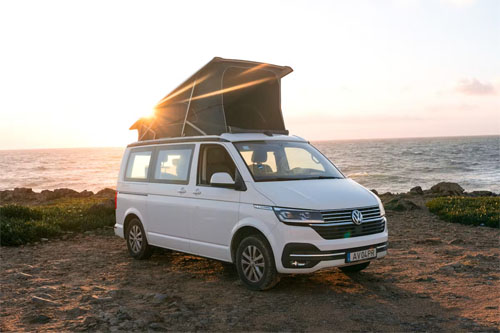
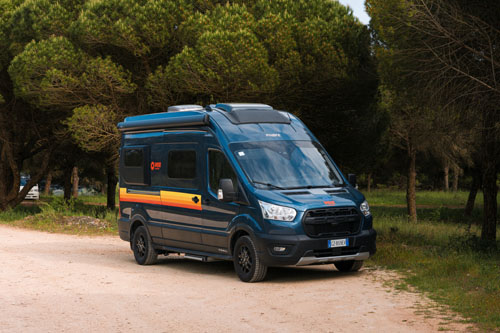
European campervans are typically smaller, more compact, and agile, designed specifically to navigate the narrower roads and tighter city centers common in West Europe. These include Class B campervans like the "Active Original" or semi-integrated motorhomes like a "Luxury Small" model, often measuring 5-7 meters in length. American RVs, conversely, are generally much larger, offering more interior space and amenities, often ranging from 7-10+ meters for a Class C "MHC30" or Class A "Class A - Thor ACE 30" motorhome. Driving a larger US-spec RV in West Europe may lead to challenges with road size, parking availability, and difficulty accessing certain historical areas or small villages due to width and height restrictions. Fuel consumption is also a key difference; European models are typically diesel-powered and more fuel-efficient, averaging 8-12 liters/100 km, while American RVs often use gasoline and have significantly higher consumption, around 15-25 liters/100 km, impacting the overall cost of your trip. Smaller rented motorhomes are generally recommended for navigating the diverse terrains of West Europe.
What driving licenses and documents do I need for RV rental in West Europe?
For non-EU citizens, a valid national driver's license from your home country, coupled with an International Driving Permit (IDP), is typically required for RV rental in West Europe. While an IDP is not mandatory in all cases, it is strongly recommended as it provides a translation of your license, which can be essential for law enforcement or rental agencies. A standard car driver's license is sufficient for driving all motorhome classes (Class A, Class B, and Class C) available for rent; no special license or CDL is required. Additionally, a valid passport is essential for identification and travel across Schengen Area countries. For longer stays exceeding 90 days within any 180-day period, non-EU citizens may need to consider Schengen visa limits, as standard tourist visas are typically limited. It is also advisable to carry physical copies of your rental agreement, insurance details, and emergency contact information at all times, along with your original driver’s license. Our team of true RV specialists can guide you through these requirements before you book your adventure.
Can you wild camp with an RV in West Europe and what are the rules?
The legality of wild camping (boondocking) with an RV varies significantly by country and even by region within West Europe, with many areas having strict prohibitions. For example, wild camping is largely illegal in countries like Germany and the Netherlands, with hefty fines for violations. However, France offers an extensive network of over 6,000 'aires de service' or 'aires de camping-car,' which are designated, often free or low-cost, overnight parking spots with basic facilities for motorhomes. Similarly, Germany and Austria provide 'Stellplätze,' a vast network of legal overnight parking options that often include services like fresh water and waste disposal. Spain also has 'áreas de autocaravanas' in many locations. Always research specific local regulations for your planned routes, as rules can change even within countries. Respect private property, adhere to all signage, and practice 'leave no trace' principles when considering any form of non-campground overnight stay. When planning your route, rvplan.net is a great resource for locating available campsites and designated overnight spots along your journey, helping you adhere to local regulations and find a safe spot.
What are some country-specific driving challenges for RVs in West Europe?
Navigating West Europe by rented motorhome presents unique country-specific driving challenges that require careful planning. Narrow village roads and historic city centers, particularly in countries like Italy and rural France, can be challenging for larger RVs, though driving slowly and carefully allows you to drive almost anywhere without issues. Many West European cities, such as those in Germany, have environmental zones (Umweltzonen) or Low Emission Zones (LEZs) that restrict access for older or larger vehicles without specific permits, requiring research beforehand. The Netherlands features numerous canals and bridges that may have height or weight restrictions, and Swiss mountain passes (e.g., Susten Pass) can have specific length limitations for RVs, sometimes necessitating the use of specialized car trains for crossings. Toll systems vary significantly by country, from vignettes in Switzerland and Austria to electronic tolls in Portugal and manual payment booths in France and Italy, demanding attention to payment methods. Our "Driving an RV in West Europe - Complete Guide 2026" offers comprehensive advice on these regional nuances.
How can I find authentic local experiences while RVing in West Europe?
To discover genuine local experiences while RVing in West Europe, prioritize staying in smaller towns and villages rather than just major tourist hubs. These smaller communities often have charming local markets (known as marchés in France or Wochenmärkte in Germany) where you can find regional produce, unique handicrafts, and engage directly with local vendors for cultural insights. Look for regional festivals, culinary events, and community gatherings that coincide with your travel dates; these offer fantastic opportunities to immerse yourself in local traditions, food, and music. Plan your route to include a stay at a farm campsite (camping à la ferme in France) or a vineyard, where you can often sample local products and enjoy a more intimate connection with the area. Utilize local tourism offices in each town you visit, as they often have insider tips on hidden gems and authentic experiences. Travel slowly, max 100-150 km per day on average, to truly feel the place, connect to the culture, the food, and the scenery. For instance, cooking local ingredients in your rented campervan's kitchen can be a delightful experience; find inspiration in our RV-friendly recipes playlist.
How can I travel sustainably with an RV in West Europe?
Traveling sustainably with a rented RV in West Europe involves conscious practices to minimize your environmental impact and support local communities. Practice responsible waste disposal by utilizing designated recycling and grey/black water dump stations, widely available at campsites and 'aires de service,' to prevent pollution. Conserve resources like water and electricity by being mindful of your usage, and opt for campsites with eco-friendly practices or those that are part of green tourism initiatives. Choosing a fuel-efficient campervan or motorhome, such as the "V3" (with a fuel consumption of 11-13 Liters/100 km), can significantly reduce your carbon footprint, and remember to turn off your engine when parked. Respect local environments and communities by adhering to all signage, staying on designated paths, minimizing noise, and supporting local businesses and artisans. Buy locally grown food and handmade goods. By embracing slow travel, averaging a maximum of 100-150 km per day, you not only reduce fuel consumption but also take more time to connect with the culture, food, and scenery, fostering a deeper, more sustainable travel experience.
What You Shouldn't Miss
- **The Romantic Road, Germany:** Experience charming medieval towns like Rothenburg ob der Tauber and Fussen, ending at Neuschwanstein Castle, while driving your rented motorhome along this iconic 400 km route.
- **Alsace Wine Route, France:** Explore picturesque villages like Colmar and Riquewihr with your campervan, enjoying local wines and stunning vineyard views.
- **Swiss Alpine Passes:** Conquer breathtaking mountain roads such as the Furka Pass (if vehicle restrictions allow) in your rented RV, experiencing unparalleled panoramic views.
- **The Dutch Coastline:** Discover Holland's beautiful beaches, quaint fishing villages, and vibrant tulip fields (in spring) with easy access in your mobile home.
- **Andalusian White Villages, Spain:** Drive through the enchanting "Pueblos Blancos" like Ronda and Grazalema in southern Spain, immersing yourself in traditional Spanish culture.
- **Looking for expert insights from Avi Bandana? Top 5 Adventures - recommendations from Avi Bandana**
Final Thoughts
Exploring West Europe with an airport RV rental offers an unparalleled blend of freedom, flexibility, and authentic discovery. From the bustling cities to the serene countryside, your rented motorhome becomes your mobile basecamp for creating unforgettable memories. Don't let the details overwhelm you; with our transparent pricing, comprehensive support, and expert knowledge, your dream trip is within reach.
Imagine waking up to a new view every morning, savoring local cuisine cooked in your own kitchen, and truly connecting with the diverse cultures of countries like France, Germany, and Spain. Whether you're a meticulous pre-planner or a spontaneous adventurer, West Europe by RV is an experience unlike any other. So, pack your bags, choose your perfect campervan or motorhome, and get ready for the open road!
Discover top destinations, planning tips, all in one place! Plan a trip itinerary in advance with minimal effort and maximum enjoyment. Compare Motorhome Prices for West Europe now and embark on your next great adventure.