In This Guide
- What RV Rental for Beginners Costs in Tokyo (2024)
- Seasonal Pricing - Peak vs. Shoulder vs. Off-Season in Tokyo
- What's Included vs. What's an Add-On
- Hidden Costs to Budget For in Tokyo
- How to Save on RV Rental for Beginners in Tokyo
- What size RV is best for navigating Tokyo and Japan's roads?
- Where can I park an RV or find campgrounds near Tokyo?
- How do toll roads and navigation work for RVs in Japan?
- What are Michi-no-eki and how do I use them with an RV in Japan?
- What are some recommended RV itineraries or unique experiences near Tokyo?
- What should I know about emergency preparedness for RV travel in Japan?
Embarking on your first motorhome adventure in Tokyo can feel like stepping into a vibrant new world, where ancient traditions blend seamlessly with futuristic innovation. For RV rental beginners, Japan's capital offers an unparalleled starting point for exploring the country at your own pace, creating unforgettable memories with the freedom of a mobile home. We know that planning your first RV trip can bring questions, and we're here to provide clarity and support every step of the way, from pre-booking comparisons to post-booking coordination. For live availability and current prices, start with our RV Rental Tokyo - Complete Guide 2024 guide, your ultimate resource for discovering Japan by motorhome.
What RV Rental for Beginners Costs in Tokyo (2024)
April is typically the cheapest month for RV rental in Tokyo, offering beginners a more budget-friendly entry point to explore Japan.
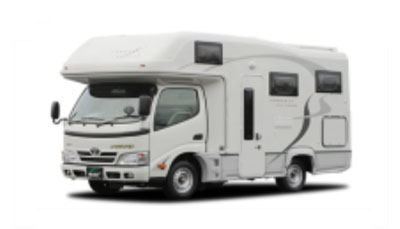
Renting a motorhome in Tokyo involves dynamic pricing, similar to airline tickets, which fluctuates daily based on factors such as demand, vehicle availability, and seasonality. For example, a compact campervan might start from around $150 per day in the low season, while a larger, 4-berth Class C motorhome could range from $250-$400+ per day during peak times. These rates typically reflect a 7-day rental period, with longer rental durations often resulting in a lower average daily cost. For families with kids, a Class C vehicle like the `cruise america rv rental example Explorer` with sleeping for 4 and a 75-liter fuel tank offers a comfortable balance of space and maneuverability. Remember, prices are not fixed and are finalized only at the actual booking time, so it's always wise to check current "flex-rates" for the most accurate pricing.
🎬 Video coming soon
Our direct partnerships with 50+ leading RV suppliers worldwide, including trusted names like El Monte, Cruise America, Apollo, and Britz, mean we compare thousands of options to find you the best value with full price transparency and no hidden fees.
Live April Price Comparison — RV Class × Trip Length
| Trip length | Class A | Class B | Class C | Class SI | Class TC |
|---|---|---|---|---|---|
| 1 week 15/04 → 22/04 | Check prices | Check prices | Check prices | Check prices | Check prices |
| 2 weeks 15/04 → 29/04 | Check prices | Check prices | Check prices | Check prices | Check prices |
| 1 month 01/04 → 30/04 | Check prices | Check prices | Check prices | Check prices | Check prices |
Estimates only — flex-rate prices change daily based on availability and season.
Prices are flex-rate estimates and can change daily based on demand, availability, and specific rental dates. For the most current pricing, check live prices directly via the search box at the top of the page.
Seasonal Pricing - Peak vs. Shoulder vs. Off-Season in Tokyo
Understanding seasonal pricing is crucial for RV rental beginners planning a trip to Tokyo, as it significantly impacts rental costs.
Peak season in Tokyo for RV rentals typically spans July and August, coinciding with summer holidays, and also includes the popular Cherry Blossom (late March to early April) and Autumn Foliage (late October to early December) periods. During these times, demand is highest, and rental prices will be at their peak, often seeing a 30-50% increase compared to off-peak. In peak season, prices change significantly day-to-day, so always check specific dates well in advance. For those seeking "Luxury RV Driving in Tokyo - Scenic Routes 2024," booking during peak foliage or cherry blossom seasons will require the highest budget.
Shoulder seasons, generally May to June and September to October, offer a pleasant balance. The weather is usually mild, with average temperatures between 15-25°C, and while prices are higher than the off-season, they are more moderate than during peak travel times, potentially saving you 15-25%. This period is often recommended for beginners as it provides a good touring experience without extreme crowds or costs. You might find great "RV Driving Deals in Tokyo - Routes and Savings 2024" during these times.
Off-season, from November through March (excluding major holidays like New Year's), presents the most economical options, with April often being a low-season anchor for attractive pricing. While the weather can be cooler, this period offers fewer crowds and the best deals for RV rental beginners looking to save on their Tokyo adventure, with potential savings of 30% or more. Consider our "Budget RV Driving in Tokyo - Save on Fuel 2024" guide for tips tailored to off-season travel.
What's Included vs. What's an Add-On
For RV rental beginners, understanding what is included in the base rental price versus what constitutes an additional charge is vital for budgeting. On the routes offered through RV PLANET routes, you can itemize and track every expense along the way for easy budgeting.
Typically, a basic insurance tier is included with your RV rental in Japan, providing fundamental coverage. However, many optional items such as kitchen equipment, bedding sets, mileage packages, and generator usage are often considered add-ons, varying by specific RV model and rental station. Insider tip: Basic insurance is always included. To see prices including the most comprehensive coverage, select that option during your search; then all relevant insurance options will be shown. You can upgrade to a top-level deductible for extra peace of mind, which is an optional add-on not included by default. Bandana also offers a convenient comparison toggle to display prices inclusive of kitchen utensils, tableware, and bedding, allowing beginners to easily compare total costs. Cooking in your rented motorhome can be a fantastic way to save money and enjoy local ingredients; check out our RV-friendly recipes playlist for inspiration.
It is crucial for beginners to review the detailed terms and conditions of each specific RV rental to confirm exact inclusions and optional extras before booking. What you see is what you get, with Bandana's full transparency ethos ensuring no hidden fees or surprises.
How to Save on RV Rental for Beginners in Tokyo
For RV rental beginners looking to explore Tokyo and Japan by motorhome, several strategies can help minimize rental costs without sacrificing the adventure.
First, aim to book your RV during the shoulder or off-peak seasons, as daily rates are significantly lower compared to the busy peak times of Cherry Blossom or summer, potentially saving you over 20%. Second, inquire about options to pre-pay tolls or utilize fuel discount cards at pickup, which can offer savings on operational expenses like fuel, which is a major component of any RV trip budget. Third, if your group size permits, choosing a smaller RV class, such as a campervan like the `Combi Van` (4-berth, 5 meters long) or a compact Class C model, can result in lower rental fees and better fuel efficiency, making urban navigation easier and more affordable. Finally, booking for longer durations, like a two-week adventure rather than a week-long trip, often translates to a better daily rate. Monitoring flex-rate drops by checking prices regularly through Bandana's comparison platform can also secure unexpected deals. We encourage you to travel slowly, max 100-150 km per day on average, to fully feel the place, connect to the culture, the food, and the scenery, which often naturally leads to more cost-effective travel too.
Where can I park an RV or find campgrounds near Tokyo?
Finding appropriate RV parking and campgrounds near Tokyo requires specific planning for RV rental beginners, as street parking is generally impractical and prohibited for overnight stays.
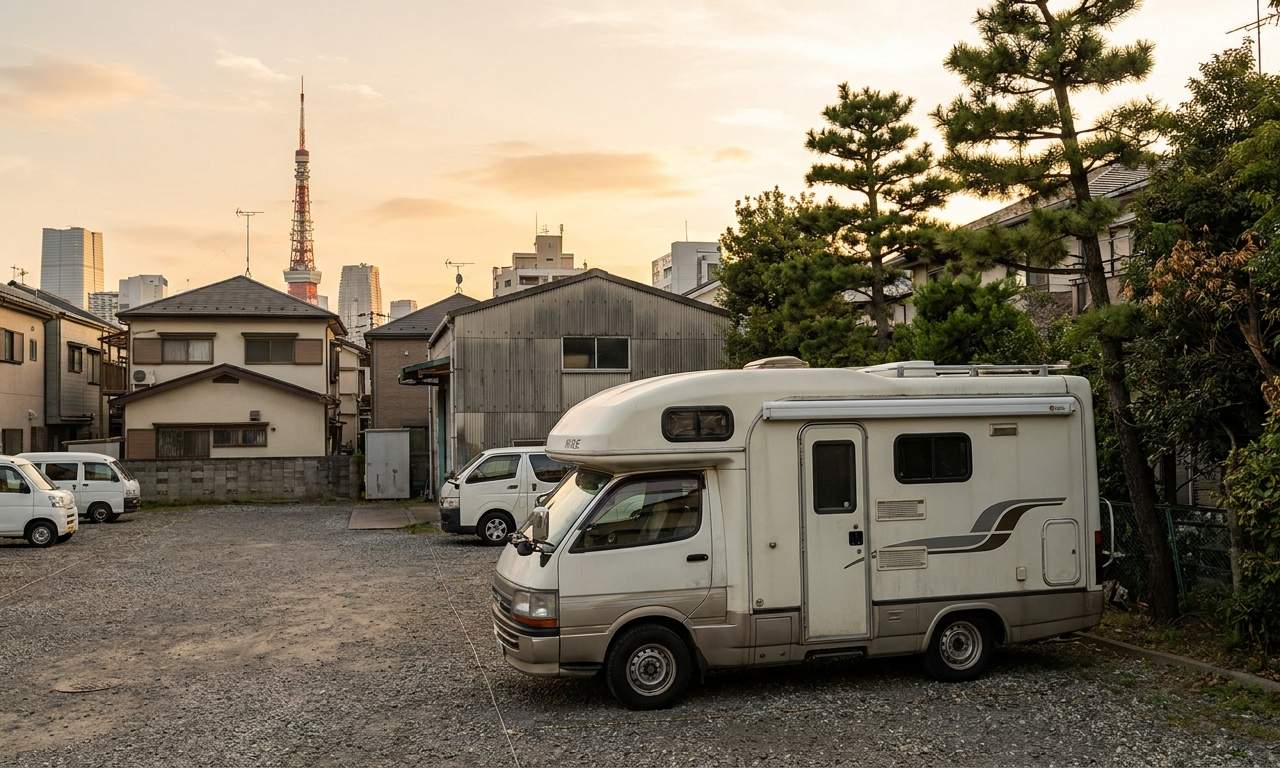
Dedicated RV parking lots, often situated on the outskirts of Tokyo near major train stations like the one at Tokyo Disney Resort or the Shin-Kiba area, are excellent options for day visits into the city via public transport. These provide a secure base without the hassle of navigating an RV directly into dense urban areas. For overnight stays outside of formal campgrounds, Michi-no-eki (roadside stations) are a popular choice, offering free parking and various amenities like restrooms and shops. However, it's crucial to remember that Michi-no-eki are for resting, not camping, so extensive setups like awnings or outdoor cooking are generally disallowed. For a full camping experience with hookups and amenities, beginners should book designated RV-friendly campgrounds located within an hour or two's drive of Tokyo, such as those in the Hakone or Fuji Five Lakes region (like Pica Fujiyama, about 90 km from Shinjuku), well in advance. Remember, many national/state parks reserve only 25-30% of spots; the rest are first-come-first-serve. You'll find a spot. If not at the first campground, then the next one. Call ahead before driving to check availability.
What are Michi-no-eki and how do I use them with an RV in Japan?
Michi-no-eki, or 'roadside stations,' are an integral part of RV travel in Japan, offering RV rental beginners convenient rest stops and free overnight parking, but come with specific etiquette.
These government-designated facilities provide essential services like impeccably clean restrooms, shops selling local produce and souvenirs, and sometimes even restaurants or onsen (hot springs). For RVers, they serve as excellent spots for a safe and free overnight stop, bridging the gap between formal campgrounds, of which there are over 1,300 across Japan. However, it is paramount to respect the 'no camping' rule: Michi-no-eki are intended for resting, not setting up camp. This means refraining from deploying awnings, setting out chairs and tables, or engaging in loud activities during quiet hours (typically 10 PM to 6 AM). Waste disposal should be handled responsibly, using designated bins or taking trash with you. Many Michi-no-eki are uniquely themed, showcasing local culture or specialties, offering a unique immersion into regional Japan beyond basic parking. Imagine finding a Michi-no-eki near Mount Fuji that offers local green tea ice cream and a foot spa!
What are some recommended RV itineraries or unique experiences near Tokyo?
For RV rental beginners, several recommended RV itineraries and unique experiences near Tokyo offer a blend of scenic beauty, cultural immersion, and adventure.
A popular multi-day route involves heading southwest from Tokyo to the Hakone region, renowned for its hot springs, stunning views of Mount Fuji (just 90 km away), and serene Lake Ashi. From there, the Fuji Five Lakes area offers even more breathtaking close-up views of Fuji and ample outdoor activities like hiking and boating, with numerous RV-friendly campgrounds. Another excellent option is exploring the Izu Peninsula, known for its dramatic coastline, onsens, and delicious seafood. For a more detailed trip plan, check out "Week-Long RV Driving Tour in Tokyo 2024" or explore bespoke route plans at RV PLANET, our sister company, which offers over 1,300 pre-planned routes across 5 continents. To enhance your experience, research local events or festivals happening during your travel dates, as RV travel provides flexibility to attend these unique cultural celebrations. Many themed Michi-no-eki along these routes also offer more than just a rest stop, featuring local crafts, produce, and sometimes even small museums or art installations, adding a distinctive layer to your RV journey around Tokyo. Whether you prefer pre-planned routes by professionals or more spontaneous, day-to-day booking, Bandana RV supports both styles of travel.
What should I know about emergency preparedness for RV travel in Japan?
Emergency preparedness is a critical aspect for RV rental beginners embarking on an RV trip in Japan, ensuring peace of mind during unexpected situations.
Before departing, ensure you have the emergency contact numbers for your RV rental company and any provided roadside assistance service readily accessible. It's also advisable to learn a few basic Japanese phrases for emergencies, such as 'Tasukete kudasai!' (Please help!), and understand how to contact local emergency services: dial 110 for police and 119 for fire or ambulance services. While most rental RVs are well-maintained (like a recent model `rv rental denver example Category Van`), knowing what to do in case of a breakdown (e.g., using hazard lights, placing a warning triangle) is important. For medical emergencies, locating nearby hospitals or clinics that cater to foreign visitors can be helpful, though less common outside major cities. Always maintain a communication plan with your travel companions and ensure your mobile phone is charged, with international roaming or a local SIM card active. Our 24/7 support means real people are behind you before, during, and after your booking, ready to assist with any booking-related queries or coordination.
What You Shouldn't Miss
- **Mount Fuji & Fuji Five Lakes:** Rent a motorhome and drive to the iconic Fuji Five Lakes region. Capture stunning views of Japan's highest peak, Mount Fuji, reflecting on Lake Kawaguchiko. Camp at RV-friendly sites like Pica Fujiyama for an unforgettable experience.
- **Hakone Onsen Towns:** Just a 90-minute drive from central Tokyo, explore the scenic Hakone area. Enjoy relaxing hot springs (onsen), take a boat cruise on Lake Ashi, and ride the Hakone Ropeway for panoramic views.
- **Izu Peninsula Coastal Drive:** Take your rented campervan along the Izu Peninsula for dramatic coastlines, volcanic landscapes, and more hot springs. Stop at local fishing villages for fresh seafood and soak in the atmosphere.
- **Umihotaru PA on Tokyo Bay Aqua-Line:** Drive the Tokyo Bay Aqua-Line and stop at Umihotaru, a unique artificial island rest stop in the middle of Tokyo Bay, offering shops, restaurants, and breathtaking sea views.
- **Chiba Flower Fields:** Depending on the season, explore the vibrant flower fields in Chiba Prefecture, easily accessible with a mobile home for a picturesque day trip from Tokyo.
- Looking for expert insights from Avi Bandana? Top 5 Adventures - recommendations from Avi Bandana
Final Thoughts
Starting your RV rental journey in Tokyo opens up a world of discovery, offering the flexibility to explore Japan's stunning landscapes and vibrant culture at your own pace. With a little planning and the right information, beginners can navigate everything from city driving to understanding local etiquette with confidence. Remember to travel slowly, savoring every moment and truly connecting with the places you visit.
We at Bandana Caravan are dedicated to making your RV dreams a reality, providing you with all the necessary tools and support before, during, and after your booking. Our commitment to full transparency and genuine RV expertise means you can embark on your Tokyo adventure knowing you're in good hands. Imagine yourself waking up to views of Mount Fuji or discovering a charming Michi-no-eki off the beaten path-it's all possible with a rented motorhome.
Find Motorhome Rentals in Tokyo