In This Guide
- What are the RV Rental Costs for Couples in Germany (2026)?
- Seasonal Pricing — Peak vs. Shoulder vs. Off-Season in Germany
- What's Included vs. What's an Add-On
- Hidden Costs to Budget For in Germany
- How to Save on RV Rental for Couples in Germany
- What are the Legalities and Driving Regulations for RVs in Germany?
- What's the Difference Between Wild Camping, Stellplätze, and Campsites in Germany?
- How Do I Find RV Infrastructure like Water, Disposal, and Propane in Germany?
- What Off-the-Beaten-Path Destinations Can I Visit by RV in Germany?
- Beyond Pricing: How Do Seasons Affect Your RV Travel Experience in Germany?
- What is RV Driving Etiquette and Road Conditions Like in Germany?
- What Practical Language and Cultural Etiquette Should RV Travelers Know in Germany?
- What Should I Consider When Crossing Borders from Germany into Neighboring Countries by RV?
What are the RV Rental Costs for Couples in Germany (2026)?
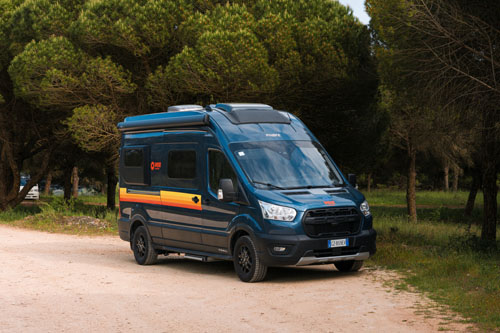
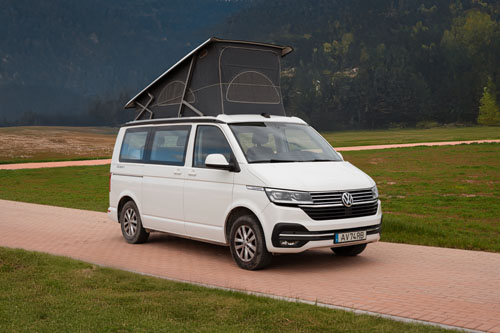
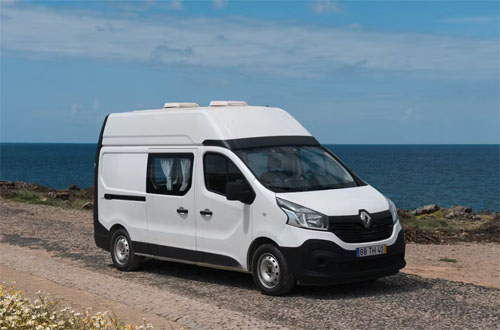
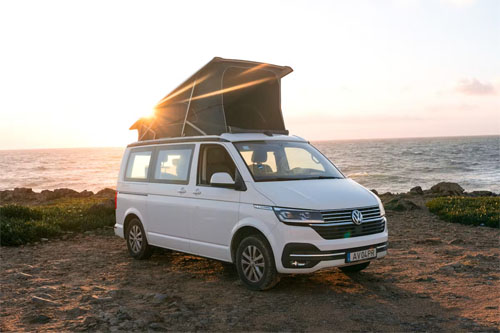
For couples planning an RV adventure in Germany, understanding the cost is key to a successful trip. RV rental prices in Germany are dynamic, fluctuating based on the RV's class, the rental duration, and the time of year. For instance, April often emerges as the cheapest month, with rental rates potentially starting from around €89 per day for a compact campervan ideal for two. Conversely, during the peak summer season (July-August), you might expect prices to climb significantly, potentially exceeding €200 per day for larger, more luxurious motorhomes. These estimates are provided as live flex-rate examples, and it's crucial to always check the exact rates for your specific travel dates, as prices can change daily.
Seasonal Pricing — Peak vs. Shoulder vs. Off-Season in Germany
The season you choose for your German RV road trip significantly impacts rental costs. Peak season, typically spanning July and August, commands the highest rates due to the combination of peak holiday demand and the most favorable weather conditions. Traveling during the shoulder seasons, such as May to June or September to October, offers a fantastic balance. You'll likely encounter pleasant weather suitable for exploring, fewer crowds, and more moderate pricing compared to the summer months. The off-season, generally from November through March (with April often being the cheapest month), provides the most budget-friendly options. However, be prepared for colder weather, potential snow, and possibly fewer attractions or services being fully operational.
What's Included vs. What's an Add-On
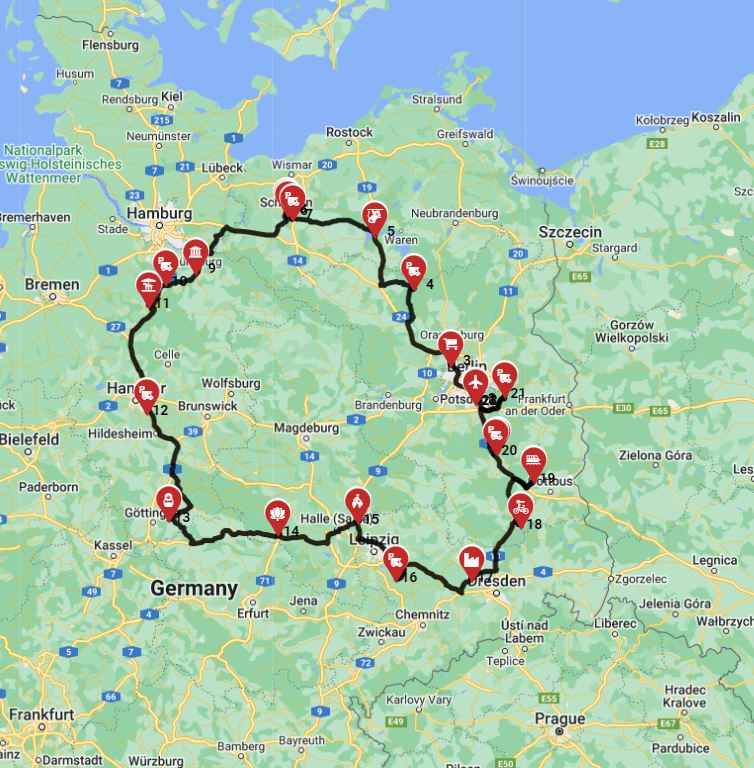
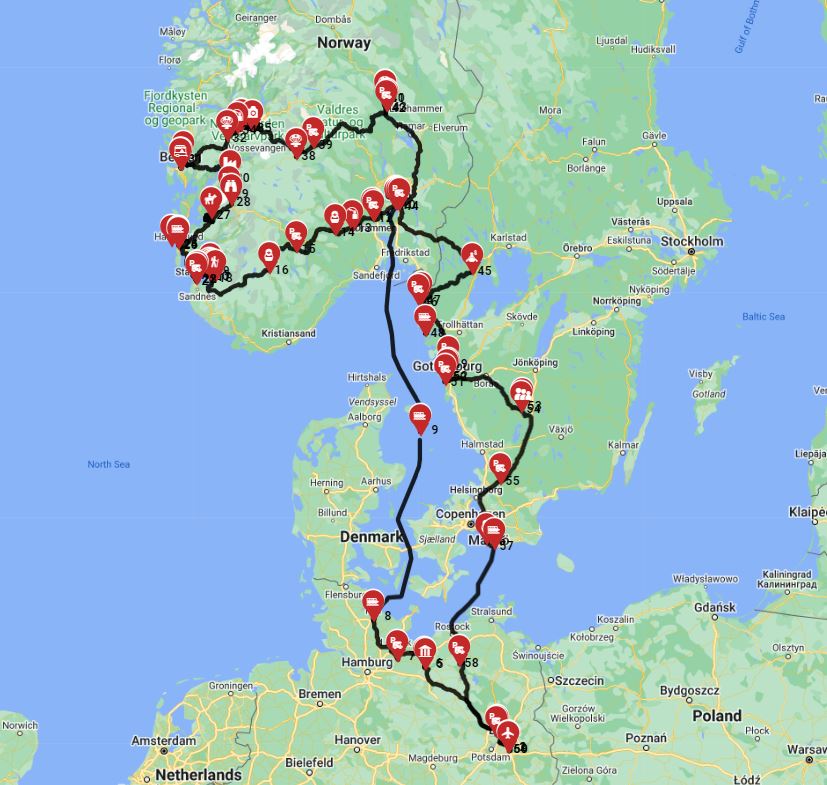
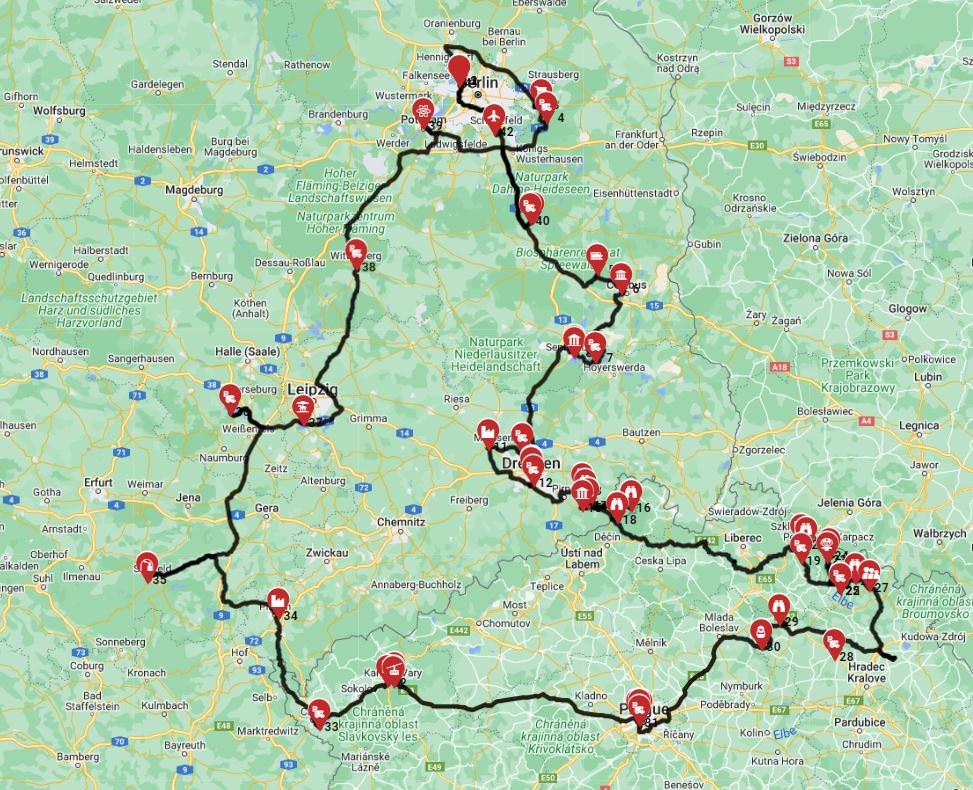
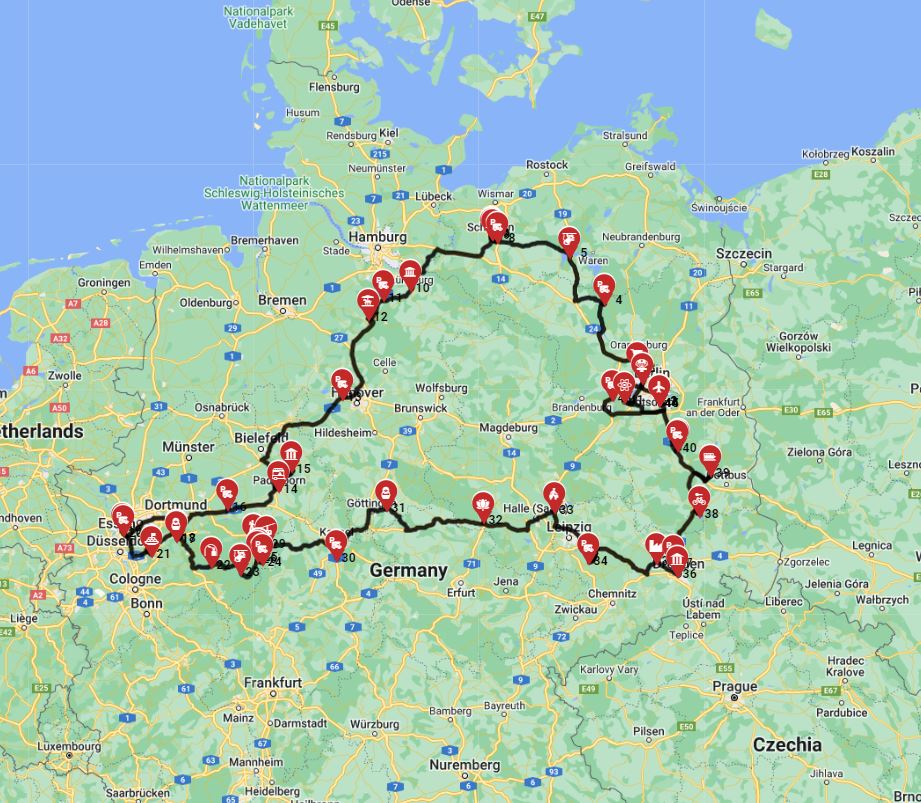
When you rent an RV in Germany, understanding what's included in the base price versus what constitutes an add-on is essential for accurate budgeting. Typically, basic liability insurance is included with your rental to cover you against third-party damages. However, common and highly recommended add-ons often include enhanced insurance tiers for greater peace of mind, additional mileage packages if your planned route exceeds the standard allowance, generator usage fees (if applicable), and convenience kits like kitchenware (including utensils and tableware) and bedding. It's important to remember that these inclusions can vary significantly between different RV models and rental stations, so always verify the specifics for each booking. We offer a handy comparison toggle that allows you to view prices both with and without these optional extras, making it easy to tailor your rental to your needs. On the routes offered through RV PLANET routes, you can itemize and track every expense along the way for easy budgeting.
Hidden Costs to Budget For in Germany
Beyond the daily rental rate of your RV, couples should account for several ancillary costs to ensure a smooth and stress-free trip across Germany. Fuel is a significant variable, and its cost should be factored into your daily budget. While Germany's extensive Autobahn network is generally free for private vehicles, heavier RVs might incur tolls on certain specific routes or tunnels, and it's crucial to be aware that neighboring countries often require motorway vignettes (toll stickers) for highway usage. Campsite fees can also vary greatly, from basic, designated motorhome parking spots ('Stellplätze') that might be free or charge a nominal fee, to full-service holiday parks offering extensive amenities which can range from €15 to €50+ per night depending on location, amenities, and season. Don't forget to budget for charges related to waste disposal, often referred to as 'Entsorgung' in Germany, which are typically found at campsites and Stellplätze.
How to Save on RV Rental for Couples in Germany
Traveling as a couple in Germany by RV doesn't have to break the bank. Several strategies can help you save money on your rental and overall trip expenses. Firstly, consider booking your RV during the shoulder seasons, such as May or September. This can significantly reduce rental costs compared to the peak summer months, while still offering pleasant weather for exploring. Opting for a smaller RV class, perfectly suited for two people, typically results in lower rental fees and better fuel efficiency, further contributing to savings. For managing additional travel expenses, pre-paying for tolls or utilizing specific fuel and campground discount cards, if offered by the rental company or available through third-party programs, can be beneficial. Longer rental durations often come with a more attractive daily rate, providing savings for those planning extended trips. Finally, always monitor flex-rate drops and try to book well in advance, particularly for popular travel periods, to secure the best deals. Being flexible with your pickup and drop-off dates can sometimes uncover cheaper rental periods, so keep an eye out for those opportunities!
What are the Legalities and Driving Regulations for RVs in Germany?
Navigating Germany in a rented RV comes with specific legalities and driving regulations that all travelers must adhere to. For vehicles over 3.5 tonnes, speed limits are often lower on highways (typically capped at 100 km/h) and federal roads (usually 80 km/h) compared to passenger cars. Many German cities enforce 'Umweltzonen' (environmental zones), requiring a specific, colored sticker ('Umweltplakette') on your RV's windshield to indicate its emission standard; these can usually be purchased online or at TÜV (Technical Inspection Association) stations. If you plan to tow a trailer with your RV, specific weight limits and speed restrictions will apply. Drivers must possess a valid driver's license appropriate for the RV's weight classification—typically a standard European Class B license is sufficient for vehicles up to 3.5 tonnes, while heavier vehicles may require a Class C1 or C license. Always carry your valid driver's license and vehicle registration documents with you.
What's the Difference Between Wild Camping, Stellplätze, and Campsites in Germany?
Understanding the distinctions between different overnighting options is crucial for legal and enjoyable RV travel in Germany. In Germany, 'wild camping,' which means overnighting outside designated areas, is generally prohibited. Therefore, 'Stellplätze' and traditional campsites are the primary legal options for RV travelers. Stellplätze are specifically designated motorhome parking spots, often found in towns, scenic locations, or at attractions. They typically offer basic amenities like fresh water refill and waste disposal points, sometimes for a small fee. Traditional campsites, on the other hand, provide more comprehensive facilities, including electricity hook-ups, modern shower and toilet blocks, laundromats, and often recreational areas, usually at a higher cost. While strictly illegal, wild camping might be tolerated for a single night in undesignated areas only to 'restore driving fitness' if no other options are available, and critically, without setting up camp (e.g., no awnings, tables, or chairs deployed). Useful resources like the Park4Night app are invaluable for locating both Stellplätze and traditional campsites, offering details on facilities and user reviews.
How Do I Find RV Infrastructure like Water, Disposal, and Propane in Germany?
Locating essential RV infrastructure such as water fill-ups, waste disposal points, and propane refills in Germany is generally straightforward for RV travelers. Freshwater tanks can be refilled at most traditional campsites and a multitude of Stellplätze, usually requiring standard European connectors and often a small fee. Grey and black water disposal stations, known as 'Entsorgung' points, are widely available at campsites, many Stellplätze, and even some gas stations, playing a vital role in hygienic waste management. Propane for cooking and heating can be refilled at specialized gas stations or exchanged for full German bottles at hardware stores ('Baumärkte') and some campsites, though it's important to note that different tank systems might be in use. Electricity hookups, typically using the standard CEE blue plugs, are also reliable and commonly found at German campsites, and increasingly at Stellplätze, ensuring you have power for appliances and device charging. For ideas you can prep on the road, watch our RV-friendly recipes playlist on YouTube.
What Off-the-Beaten-Path Destinations Can I Visit by RV in Germany?
While iconic routes like the Romantic Road are popular, Germany offers many off-the-beaten-path treasures perfect for RV exploration, allowing for truly local immersion. Consider driving through the Mosel Valley, renowned for its stunning vineyard-laden landscapes and charming villages like Cochem or Bernkastel-Kues, where you can indulge in wine tasting and enjoy scenic drives. For a quieter experience of the Black Forest, venture into its less-visited eastern parts, away from the main tourist hubs, to discover quaint valleys, traditional farms, and serene hiking trails. Northeastern Germany's Mecklenburg Lake District (Mecklenburgische Seenplatte) presents endless opportunities for nature lovers, with its serene lakes, vast forests, and peaceful Stellplätze. Exploring the Franconian Wine Region offers a delightful blend of historic towns such as Würzburg and Bamberg, local harvest festivals, and unique regional cuisine that goes beyond typical tourist fare.
Beyond Pricing: How Do Seasons Affect Your RV Travel Experience in Germany?
While seasonal pricing is a significant factor, the time of year profoundly impacts the overall RV travel experience in Germany, offering distinct opportunities and challenges. Winter RVing (November through March) can be magical, particularly for visiting festive Christmas markets or enjoying the Alps for skiing, but it requires careful preparation for colder temperatures, potential snow, and the necessity of winter tires. Spring (April through May) is an ideal time for experiencing Germany's vibrant floral displays, enjoying milder weather, and encountering fewer tourist crowds, making it perfect for exploring blossom routes and historical sites at a relaxed pace. Summer (June through August) provides the warmest weather for outdoor activities and the longest daylight hours, but it also coincides with peak tourist season, meaning higher demand for campsites and attractions. Fall (September through October) brings spectacular foliage, especially in wine regions like the Mosel or Rhine valleys, offering excellent opportunities for hiking and experiencing local harvest festivals amidst comfortable temperatures.
What is RV Driving Etiquette and Road Conditions Like in Germany?
Navigating German roads by RV requires familiarity with specific etiquette, particularly on the Autobahn, and a readiness for potentially narrow village roads, alongside an understanding of varying conditions across different terrains. On the Autobahn, RV drivers should consistently keep to the right lane, only overtaking when necessary, and always be mindful of faster-approaching vehicles, respecting the common 'pass on the left' rule. German road conditions are generally excellent, offering smooth and well-maintained surfaces. However, urban driving can present challenges with narrow streets, limited parking availability, and complex city layouts that demand careful maneuvering and attention. When driving through historic villages or medieval towns, be prepared for extremely narrow roads and tight turns, often requiring slow, precise driving. Mountainous terrain, such as in the Black Forest or Bavarian Alps, also demands cautious driving due to winding roads, steep inclines, and potentially unpredictable weather conditions, even outside of winter.
What Practical Language and Cultural Etiquette Should RV Travelers Know in Germany?
For a smoother and more immersive RV trip in Germany, knowing a few basic German phrases and understanding cultural norms is highly beneficial. Essential greetings include 'Guten Tag' (Good day), 'Bitte' (Please), 'Danke' (Thank you), 'Entschuldigung' (Excuse me), and crucially, 'Sprechen Sie Englisch?' (Do you speak English?) when approaching someone for assistance. German cultural etiquette often emphasizes punctuality, direct communication, and a general adherence to rules, particularly regarding campsite quiet hours ('Ruhezeiten') which are strictly enforced. When shopping at local markets or smaller establishments, a simple 'Hallo' and 'Auf Wiedersehen' are appreciated, and many places prefer payment via cash or the German debit card ('EC-Karte'). It's customary to address strangers formally with 'Sie' rather than the informal 'du' unless invited otherwise, showing respect in interactions.
What Should I Consider When Crossing Borders from Germany into Neighboring Countries by RV?
Seamlessly crossing borders from Germany into neighboring European countries by RV requires advance consideration of different road rules, potential vignette requirements, and mobile phone plan implications. Many popular neighboring countries like Austria, Switzerland, and the Czech Republic mandate a road tax sticker, known as a 'vignette,' for highway usage, which must be purchased before entering or immediately upon crossing to avoid fines. Always be aware of differing speed limits, specific traffic laws, and equipment requirements (such as reflective vests or first-aid kits) in each country you plan to visit. While the Euro is widely used in many EU neighbors, countries like Switzerland or Denmark use their own currency, necessitating cash or a multi-currency payment method. Finally, check your mobile phone plan for roaming charges outside the EU or specific data limits in non-EU countries like Switzerland, even with 'Roam Like At Home' policies typically applying only within the EU.
What You Shouldn't Miss
- Explore the Rhine Valley: Drive your RV along the scenic Rhine, stopping in charming wine towns like Rüdesheim or Bacharach, and perhaps visiting Marksburg Castle, one of the few never destroyed on the Rhine.
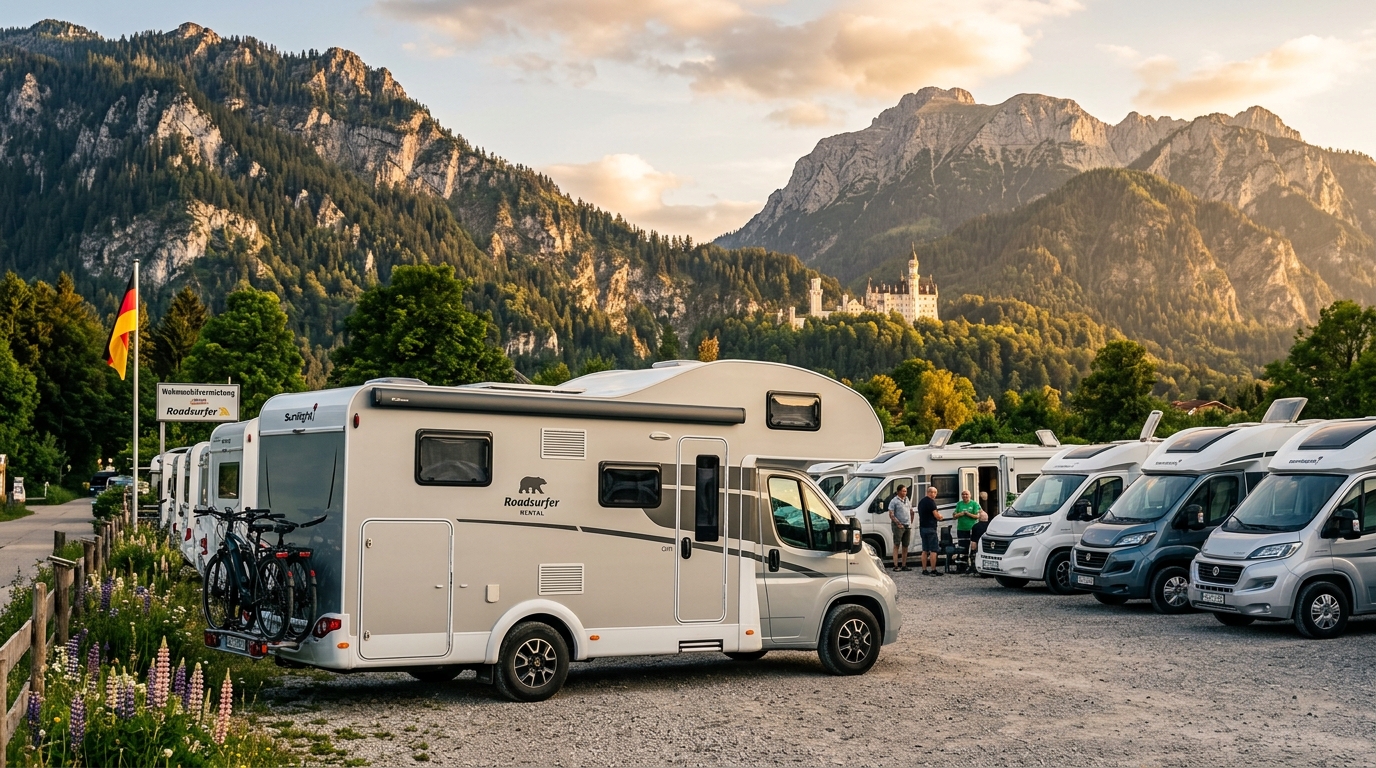
- Discover the Bavarian Alps: Take your campervan through the stunning alpine scenery, visiting iconic castles like Neuschwanstein and exploring picturesque towns such as Garmisch-Partenkirchen for hiking and breathtaking views.
- Experience the Mosel Wine Route: Enjoy leisurely drives through vineyard-covered hills, stopping at picturesque villages for wine tasting and visiting historic sites like the Roman villa Borg near Trier.
- Navigate the Black Forest (Schwarzwald): Explore the dense forests, picturesque valleys, and traditional cuckoo clock villages like Triberg, and enjoy hiking or cycling opportunities.
- Visit the Baltic Sea Coast: Drive north to discover the seaside resorts of Mecklenburg-Vorpommern, with beautiful beaches and Hanseatic cities like Rostock or Stralsund offering historical charm.
- Immerse yourself in history: Plan stops at Germany's rich historical sites, from Roman ruins in Trier to medieval castles dotting the riverbanks and the significant historical landmarks in Berlin.
Final Thoughts
Renting an RV in Germany as a couple opens up a world of flexibility and adventure, allowing you to explore at your own pace. From the vibrant cities to the serene countryside, a motorhome provides the perfect base for creating unforgettable memories together. Remember to plan ahead, book in advance for the best rates, and embrace the freedom of the open road.
Whether you're drawn to the historic charm of Bavaria, the scenic beauty of the Rhine, or the bustling energy of Berlin, an RV rental in Germany offers an unparalleled way to experience its diverse landscapes and rich culture. We're here to help you find the perfect vehicle for your romantic road trip, ensuring a seamless and enjoyable journey from start to finish.
Ready to start planning your German RV adventure? Compare motorhome rental prices for Germany and discover your ideal vehicle today!