In This Guide
- What rv rental beginners RV Rental Costs in Chile (2026)
- Seasonal Pricing - Peak vs. Shoulder vs. Off-Season in Chile
- What's Included vs. What's an Add-On
- Hidden Costs to Budget For in Chile
- How to Save on rv rental beginners RV Rental in Chile
- Which Routes and Regions in Chile are Accessible for Different RV Types?
- What RV Infrastructure and Facilities Are Available in Chile?
- What Connectivity Options are Available for RVers in Remote Chile?
- What Advanced Vehicle Considerations are Important for RVing in Chile?
- What are the Essential RV Safety Guidelines for Chile?
- What are the Cross-Border RV Procedures and Documentation for Chile to Argentina?
- What Cultural Etiquette Should RVers Know in Chile?
- What are Sustainable and Responsible RVing Practices in Chile?
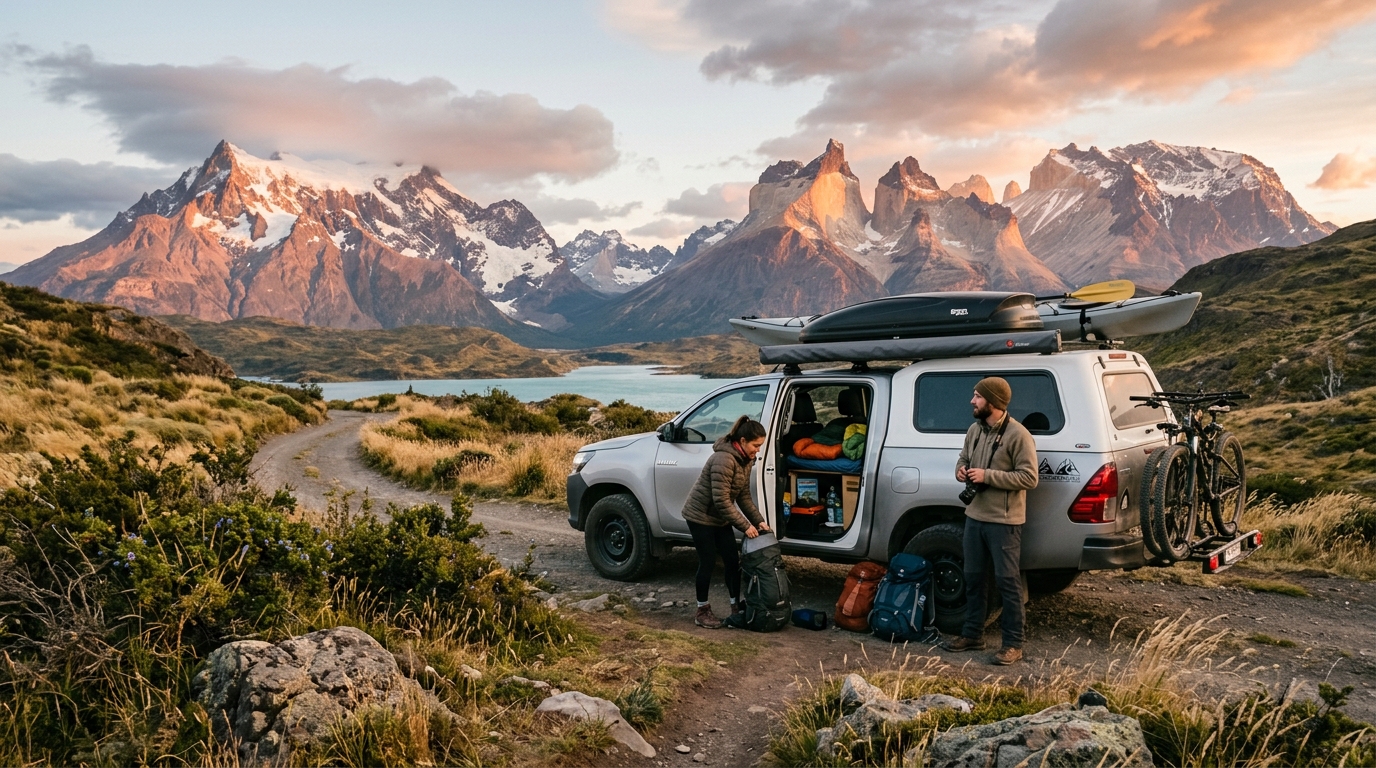
Embarking on a rented motorhome adventure in Chile is an extraordinary way to experience its breathtaking landscapes, from the arid Atacama Desert to the majestic Patagonian fjords. For beginners, understanding the essentials of RV rental in Chile can make all the difference between a good trip and an unforgettable one. We're here to guide you every step of the way, providing transparent information and supportive assistance before and during your booking process, ensuring you feel confident and prepared for the open road. For live availability and current prices, start with our RV Rental Chile - Complete Guide 2026 guide.
What rv rental beginners RV Rental Costs in Chile (2026)
RV rental costs in Chile are dynamic, influenced daily by factors such as demand, vehicle availability, and current supplier marketing decisions, similar to flight tickets. A 1-week rented Class C motorhome trip in Chile during shoulder season, for example, might cost approximately $800-$1500, while a 2-week adventure could range from $1500-$2800, and a month-long journey upwards of $2800-$5000+.
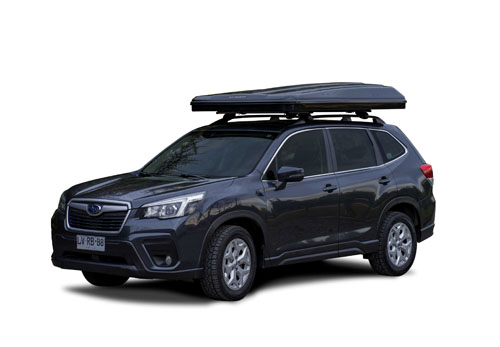
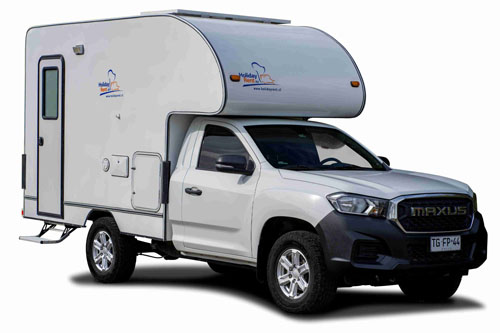
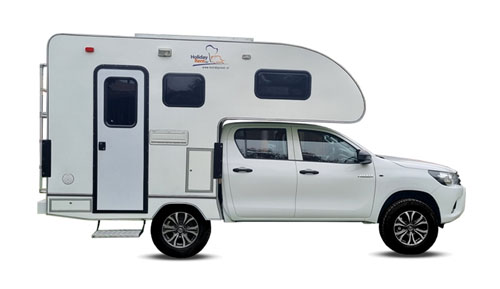
For couples, a compact campervan like the "rv rental denver example Category Van" or a "Patagonia Camper 4x4 double cab" offers a cozy and efficient option, often costing less per day than larger models. Families with kids, or groups of up to four to six people, will find Class C motorhomes, such as a "24' Class C Motorhome" with sleeping for 5-6, more suitable, though these will naturally incur higher rental fees and increased fuel consumption (e.g., a "cruise america rv rental example Explorer" has a 75L fuel tank and 11L/100km consumption). Prices are constantly fluctuating, so the most accurate way to gauge your costs is to use a comparison platform for your specific travel dates. You can expect a two-person campervan in April to average around $80-$120 per day, while a 4-berth motorhome could be $120-$200 per day, with larger 6-berth models starting from $180-$300+ per day during off-peak times. We only show you the final prices across suppliers so you always know exactly what you’re paying, with no hidden fees, no surprises.
Seasonal Pricing - Peak vs. Shoulder vs. Off-Season in Chile
Seasonal pricing significantly impacts the cost of your rented motorhome in Chile, with distinct fluctuations based on demand. Peak season, running from December to February and including major holidays like Easter, sees the highest prices due to popular demand for destinations like Patagonia and the Lakes Region, with rates increasing by 30-50% and limited availability often requiring booking 3-6 months in advance.
Shoulder seasons, spanning March-May and September-November, offer an excellent balance of pleasant weather and moderate pricing, with April often being a particularly prime choice for favorable rates and less crowded attractions. During these periods, you can typically find better deals on motorhomes like the "hire campervan example Paradise S/T" for couples or a "rent rv example A3" for families, with rates potentially 15-25% lower than peak. Off-season, from June to August, provides the lowest rates, sometimes 30-40% below peak, but it comes with colder weather, particularly in the south, and potential road closures due to snow or heavy rains, especially on routes like the Carretera Austral. Planning a trip during the shoulder season can significantly reduce your overall budget and enhance your experience in Chile.
What's Included vs. What's an Add-On
Basic insurance coverage and the rental vehicle itself are generally included in your RV rental cost in Chile, though specific inclusions can vary significantly by supplier and rental station. Typically, standard equipment such as a refrigerator, stove (like the "cruise america example EX-Group A" with its 2-burner gas stove), and basic living amenities are part of the package.
Common add-ons, which incur extra fees, often include kitchen kits (pots, pans, utensils for RV cooking, for which you can check our RV-friendly recipes playlist), bedding packages, additional mileage allowances beyond a base limit, and top-tier comprehensive insurance policies with reduced deductibles. For instance, you might opt to upgrade to a top-level deductible for extra peace of mind, which offers greater protection against unexpected incidents. Always verify the exact inclusions and available add-ons for your chosen motorhome or campervan on the comparison platform before finalizing your booking to avoid any surprises at pickup. Our commitment to full transparency means what you see is what you pay, with no hidden fees.
🎬 Video coming soon
How to Save on rv rental beginners RV Rental in Chile
To significantly reduce your RV rental costs in Chile, consider traveling during the shoulder seasons (March-May and September-November), as daily rates can be 15-25% lower than during the peak summer months of December-February. Opting for a smaller motorhome or campervan, such as a "Category Van" or "Active Bunk Auto" (RV size - Small), can lead to savings on both the rental price and daily fuel expenses, with some compact models offering fuel consumption as low as 8-10 L/100 km.
Booking your rental vehicle at least 2-3 months in advance, especially for trips longer than a week, can secure better rates and a wider selection of models, potentially saving you 10-20%. Be flexible with your pickup and drop-off dates, as shifting your travel by a few days can sometimes unlock cheaper rates. Furthermore, inquire about longer rental durations; many suppliers offer discounted daily rates for extended bookings, making a two-week adventure more cost-effective per day than a shorter trip. Finally, consider one-way rentals between major cities like Santiago and Puerto Montt, but always factor in any applicable relocation fees, which generally range from $150-$500 depending on the distance, as noted in our "One-Way RV Driving in Chile - Route Planner 2026" guide.
Which Routes and Regions in Chile are Accessible for Different RV Types?
Chile's diverse topography means different RV types are better suited for specific routes and regions. Larger Class A motorhomes and spacious Class C models, such as the "Euro Deluxe" or "Nexus Triumph 29T," are most comfortable on Chile's well-maintained paved highways, including the Pan-American Highway (Route 5) that traverses the Central Valley and runs along much of the coastline.
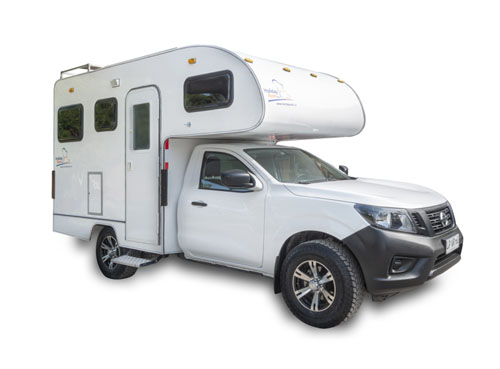
Campervans and smaller Class C RVs, like the "2 Berth Hi Top" or a "campervan hire example Active Classic," offer greater versatility, comfortably navigating most paved roads and some well-graded gravel sections commonly found in regions like the Lakes District. For adventurers planning to tackle remote areas, challenging unpaved routes like significant portions of the Carretera Austral, or high-altitude regions in the Atacama Desert, a 4x4 camper or truck camper like the "Patagonia Camper 4x4 double cab" or "4x4 Scout Adventure Truck Camper Gold" is highly recommended. These specialized vehicles provide the necessary ground clearance and traction to handle rougher terrains. When driving your rented RV in cities, remember to drive slowly and carefully, and you can drive almost anywhere without issues. No need to stress - just use common sense and pay attention.
What RV Infrastructure and Facilities Are Available in Chile?
Chile offers a developing RV infrastructure, with most amenities concentrated in popular tourist regions and near major cities like Santiago, Puerto Montt, and Punta Arenas. Dedicated dump stations for grey and black water tanks are less common outside of organized campgrounds and major service centers, requiring careful route planning for waste disposal (a 120L fresh water tank and 80L waste water tank, for example, like in the "V3" campervan, would require regular refills/dumps). Potable water is generally available at organized campgrounds and some gas stations, but carrying reserves or a water filter is a wise precaution, especially for those venturing into remote areas or planning to wild camp.
Propane (LPG) refills are accessible in most towns and cities, but it's crucial to confirm tank compatibility with your rental provider, as some international fittings may differ. For finding campsites and campgrounds during your trip, we recommend using RV PLANET (rvplan.net) - a great resource for locating available spots along your route, from full-service RV parks to more basic national park campsites. Many national and state parks reserve only 25-30% of their spots for advance booking, with the rest available first-come, first-serve; so, you'll find a spot, and if not at the first campground, then the next one. Always call ahead before driving long distances.
What Connectivity Options are Available for RVers in Remote Chile?
Connectivity for RVers in remote regions of Chile can be sporadic, so planning for periods without reliable internet or cell service is essential. Major cellular providers like Entel, Movistar, and Claro offer decent coverage along the Pan-American Highway and in urban centers, but service becomes notably limited or non-existent in remote, mountainous, or Patagonian areas.
Wi-Fi hotspots are commonly available in towns, hotels, and many organized campgrounds, though speeds and reliability can vary. For off-grid safety and navigation, beginners should download offline maps (e.g., via Google Maps or iOverlander) before departing and consider renting or purchasing a satellite communication device for emergencies, especially if exploring very isolated routes like parts of the Carretera Austral. Some modern rental motorhomes, such as a "cruise america rv rental example Explorer" (model year 2017-2024), might offer in-vehicle Wi-Fi as an add-on, but this usually relies on local cellular networks, so temper expectations for true wilderness connectivity.
What Advanced Vehicle Considerations are Important for RVing in Chile?
For RVing in Chile, especially when traversing diverse terrains, some advanced vehicle considerations can enhance your journey. If your itinerary includes regions with extensive gravel or unpaved roads, such as many sections of the Carretera Austral, discussing specialized tire types, like all-terrain options, with your rental provider is beneficial for improved traction and durability. Be aware that high altitudes, particularly when crossing Andean passes, can reduce your RV's engine power; drive cautiously, monitor vehicle performance, and allow extra time for ascents.
While basic repairs are generally accessible in larger towns, finding specialized mechanics or parts for unique RV components can be challenging outside of major cities like Santiago. It's advisable to carry a basic toolkit and familiarize yourself with simple maintenance tasks, though for any significant issues, contact your rental provider's support line. Always ensure your rental motorhome is well-maintained and that all systems are in good working order before you set off, providing you with travel confidence and minimizing unexpected issues. This is why we only partner with leading RV suppliers worldwide, including El Monte, Cruise America, Apollo, and Britz, to ensure top-quality vehicles.
What are the Essential RV Safety Guidelines for Chile?
Prioritizing safety is paramount for any RV adventure in Chile. Always lock your rented motorhome, keep valuables out of sight, and choose secure camping locations, especially when staying overnight in urban areas or less developed spots. Familiarize yourself with Chilean emergency numbers: 131 for an ambulance, 132 for firefighters, and 133 for police.
In the unlikely event of a breakdown with your rented RV, contact your rental provider immediately; they will have specific emergency procedures and roadside assistance protocols in place, rather than attempting complex repairs yourself. It's also wise to inform someone of your itinerary, particularly when venturing into remote or isolated areas, and download offline maps or navigation apps as cellular service can be unreliable. Carry a first-aid kit, extra water, and non-perishable food, especially on longer stretches between towns. Drive slowly and carefully, and you can drive almost anywhere without issues. No need to stress - just use common sense and pay attention to road conditions.
What are the Cross-Border RV Procedures and Documentation for Chile to Argentina?
Crossing the border from Chile to Argentina in your rented RV requires specific documentation and adherence to customs procedures. A notarized authorization letter from your RV rental company explicitly permitting cross-border travel to Argentina is mandatory; without it, you will be denied entry. This letter typically needs to be arranged well in advance (often 2-4 weeks) and may incur an additional fee.
You must carry the RV's original registration (Padrón) or a certified copy, along with valid passports for all occupants and an International Driving Permit (IDP) if your home country's license is not in Spanish or English. Ensure your rental insurance policy provides coverage for the Mercosur region, which includes Argentina, and obtain any necessary extensions or separate policies before your trip. Be prepared for thorough documentation checks and potential delays at border crossings, especially during peak travel periods, and always declare any fresh produce or animal products, as restrictions are strictly enforced to protect local ecosystems. For comprehensive information on driving regulations, consider consulting our "Driving an RV in Chile - Complete Guide 2026".
What Cultural Etiquette Should RVers Know in Chile?
Understanding and respecting local cultural etiquette will significantly enhance your RV trip in Chile and foster positive interactions. Always greet locals with a polite 'Hola' or 'Buenos días/tardes/noches' as a sign of respect, and a simple 'gracias' (thank you) goes a long way. When considering camping on private land, always seek explicit permission from the landowner, approaching them respectfully and offering a small gesture of appreciation.
Be mindful of noise levels, especially when wild camping near communities or in quiet natural areas, and avoid playing loud music or making excessive noise. Always ask for permission before taking photographs of individuals, particularly in rural or indigenous communities, as privacy is highly valued. Remember to travel slowly, averaging a maximum of 100-150 km per day, allowing you time to feel the place, connect to the culture, the food, and the scenery, making your journey richer and more authentic. Observing these courtesies will not only enrich your experience but also demonstrate respect for Chile's vibrant culture.
What are Sustainable and Responsible RVing Practices in Chile?
Practicing sustainable and responsible RVing is crucial to preserve Chile's pristine natural environments for future travelers. Adhere strictly to 'Leave No Trace' principles by packing out all trash, including food scraps, and minimizing your environmental impact wherever you camp or visit. Proper disposal of grey and black water at designated dump stations is essential; never discharge waste directly into rivers, lakes, or on the ground, as this pollutes fragile ecosystems.
Conserve water and energy resources during your trip, especially in areas where these are scarce, by taking shorter showers and turning off lights when not needed. Respect local wildlife and ecosystems by staying on marked trails, maintaining a safe distance from animals, and avoiding disturbance to natural habitats. Remember, as true RV specialists, we encourage responsible tourism that benefits both travelers and the local communities. Your cooperation helps protect Chile's unique biodiversity and ensures a beautiful experience for everyone. RV PLANET (rvplan.net) also offers routes that highlight eco-friendly stops and practices, assisting you in planning a responsible adventure.
What You Shouldn't Miss
- Explore Patagonia's Carretera Austral: Drive a 4x4 camper or smaller motorhome along this iconic 1,240 km route, revealing pristine national parks like Queulat, with its hanging glacier, and Cerro Castillo, offering breathtaking hikes and wild camping opportunities.
- Stargaze in the Atacama Desert: Venture into the Elqui Valley or San Pedro de Atacama with a campervan to experience some of the world's clearest night skies. Book a professional observatory tour for an unforgettable celestial show.
- Discover the Lakes Region: Spend a week-long RV trip exploring the picturesque region around Puerto Montt, driving through charming towns like Frutillar and Puerto Varas, and enjoying volcanic landscapes and hot springs (like Termas Geométricas).
- Visit Torres del Paine National Park: While larger RVs have limited access, park your motorhome at an accessible campground near Puerto Natales or within the park boundary and take buses or shuttles to explore the iconic W Trek or day hikes.
- Experience Valparaíso's Vibrant Culture: Park your RV outside the city center and use public transport to explore this UNESCO World Heritage site's colorful hills, street art, and bohemian charm.
Looking for expert insights from Avi Bandana? Top 5 Adventures - recommendations from Avi Bandana
Final Thoughts
Embarking on a rented RV adventure through Chile is an experience unlike any other, offering unparalleled freedom to discover its diverse wonders at your own pace. From the stark beauty of the Atacama to the wild expanse of Patagonia, every mile promises new discoveries and lasting memories. We understand that planning can feel daunting for beginners, but with our comprehensive guidance, transparent pricing, and dedicated support, you'll feel confident and inspired to hit the road.
Remember to embrace the spirit of slow travel, allowing yourself to truly immerse in Chile's vibrant culture, incredible food, and spectacular scenery. Whether you choose a compact campervan for intimate journeys or a spacious motorhome for family fun, the open road awaits. We handle the details, you live the journey - personal service from day one until your booking is confirmed.
Discover top destinations, planning tips, all in one place! Plan Your Chile RV Rental Adventure Now!
In This Guide
- What rv rental beginners RV Rental Costs in Chile (2026)
- Seasonal Pricing - Peak vs. Shoulder vs. Off-Season in Chile
- What's Included vs. What's an Add-On
- Hidden Costs to Budget For in Chile
- How to Save on rv rental beginners RV Rental in Chile
- Which Routes and Regions in Chile are Accessible for Different RV Types?
- What RV Infrastructure and Facilities Are Available in Chile?
- What Connectivity Options are Available for RVers in Remote Chile?
- What Advanced Vehicle Considerations are Important for RVing in Chile?
- What are the Essential RV Safety Guidelines for Chile?
- What are the Cross-Border RV Procedures and Documentation for Chile to Argentina?
- What Cultural Etiquette Should RVers Know in Chile?
- What are Sustainable and Responsible RVing Practices in Chile?
Embarking on a rented motorhome adventure in Chile is an extraordinary way to experience its breathtaking landscapes, from the arid Atacama Desert to the majestic Patagonian fjords. For beginners, understanding the essentials of RV rental in Chile can make all the difference between a good trip and an unforgettable one. We're here to guide you every step of the way, providing transparent information and supportive assistance before and during your booking process, ensuring you feel confident and prepared for the open road. For live availability and current prices, start with our RV Rental Chile - Complete Guide 2026 guide.
What rv rental beginners RV Rental Costs in Chile (2026)
RV rental costs in Chile are dynamic, influenced daily by factors such as demand, vehicle availability, and current supplier marketing decisions, similar to flight tickets. A 1-week rented Class C motorhome trip in Chile during shoulder season, for example, might cost approximately $800-$1500, while a 2-week adventure could range from $1500-$2800, and a month-long journey upwards of $2800-$5000+.
For couples, a compact campervan like the "rv rental denver example Category Van" or a "Patagonia Camper 4x4 double cab" offers a cozy and efficient option, often costing less per day than larger models. Families with kids, or groups of up to four to six people, will find Class C motorhomes, such as a "24' Class C Motorhome" with sleeping for 5-6, more suitable, though these will naturally incur higher rental fees and increased fuel consumption (e.g., a "cruise america rv rental example Explorer" has a 75L fuel tank and 11L/100km consumption). Prices are constantly fluctuating, so the most accurate way to gauge your costs is to use a comparison platform for your specific travel dates. You can expect a two-person campervan in April to average around $80-$120 per day, while a 4-berth motorhome could be $120-$200 per day, with larger 6-berth models starting from $180-$300+ per day during off-peak times. We only show you the final prices across suppliers so you always know exactly what you’re paying, with no hidden fees.
Seasonal Pricing - Peak vs. Shoulder vs. Off-Season in Chile
Seasonal pricing significantly impacts the cost of your rented motorhome in Chile, with distinct fluctuations based on demand. Peak season, running from December to February and including major holidays like Easter, sees the highest prices due to popular demand for destinations like Patagonia and the Lakes Region, with rates increasing by 30-50% and limited availability often requiring booking 3-6 months in advance.
Shoulder seasons, spanning March-May and September-November, offer an excellent balance of pleasant weather and moderate pricing, with April often being a particularly prime choice for favorable rates and less crowded attractions. During these periods, you can typically find better deals on motorhomes like the "hire campervan example Paradise S/T" for couples or a "rent rv example A3" for families, with rates potentially 15-25% lower than peak. Off-season, from June to August, provides the lowest rates, sometimes 30-40% below peak, but it comes with colder weather, particularly in the south, and potential road closures due to snow or heavy rains, especially on routes like the Carretera Austral. Planning a trip during the shoulder season can significantly reduce your overall budget and enhance your experience in Chile.
What's Included vs. What's an Add-On
Basic insurance coverage and the rental vehicle itself are generally included in your RV rental cost in Chile, though specific inclusions can vary significantly by supplier and rental station. Typically, standard equipment such as a refrigerator, stove (like the "cruise america example EX-Group A" with its 2-burner gas stove), and basic living amenities are part of the package.
Common add-ons, which incur extra fees, often include kitchen kits (pots, pans, utensils for RV cooking, for which you can check our RV-friendly recipes playlist), bedding packages, additional mileage allowances beyond a base limit, and top-tier comprehensive insurance policies with reduced deductibles. For instance, you might opt to upgrade to a top-level deductible for extra peace of mind, which offers greater protection against unexpected incidents. Always verify the exact inclusions and available add-ons for your chosen motorhome or campervan on the comparison platform before finalizing your booking to avoid any surprises at pickup. Our commitment to full transparency means what you see is what you pay, with no hidden fees.
🎬 Video coming soon
How to Save on rv rental beginners RV Rental in Chile
To significantly reduce your RV rental costs in Chile, consider traveling during the shoulder seasons (March-May and September-November), as daily rates can be 15-25% lower than during the peak summer months of December-February. Opting for a smaller motorhome or campervan, such as a "Category Van" or "Active Bunk Auto" (RV size - Small), can lead to savings on both the rental price and daily fuel expenses, with some compact models offering fuel consumption as low as 8-10 L/100 km.
Booking your rental vehicle at least 2-3 months in advance, especially for trips longer than a week, can secure better rates and a wider selection of models, potentially saving you 10-20%. Be flexible with your pickup and drop-off dates, as shifting your travel by a few days can sometimes unlock cheaper rates. Furthermore, inquire about longer rental durations; many suppliers offer discounted daily rates for extended bookings, making a two-week adventure more cost-effective per day than a shorter trip. Finally, consider one-way rentals between major cities like Santiago and Puerto Montt, but always factor in any applicable relocation fees, which generally range from $150-$500 depending on the distance, as noted in our "One-Way RV Driving in Chile - Route Planner 2026" guide.
Which Routes and Regions in Chile are Accessible for Different RV Types?
Chile's diverse topography means different RV types are better suited for specific routes and regions. Larger Class A motorhomes and spacious Class C models, such as the "Euro Deluxe" or "Nexus Triumph 29T," are most comfortable on Chile's well-maintained paved highways, including the Pan-American Highway (Route 5) that traverses the Central Valley and runs along much of the coastline.
Campervans and smaller Class C RVs, like the "2 Berth Hi Top" or a "campervan hire example Active Classic," offer greater versatility, comfortably navigating most paved roads and some well-graded gravel sections commonly found in regions like the Lakes District. For adventurers planning to tackle remote areas, challenging unpaved routes like significant portions of the Carretera Austral, or high-altitude regions in the Atacama Desert, a 4x4 camper or truck camper like the "Patagonia Camper 4x4 double cab" or "4x4 Scout Adventure Truck Camper Gold" is highly recommended. These specialized vehicles provide the necessary ground clearance and traction to handle rougher terrains. When driving your rented RV in cities, remember to drive slowly and carefully, and you can drive almost anywhere without issues. No need to stress - just use common sense and pay attention.
What RV Infrastructure and Facilities Are Available in Chile?
Chile offers a developing RV infrastructure, with most amenities concentrated in popular tourist regions and near major cities like Santiago, Puerto Montt, and Punta Arenas. Dedicated dump stations for grey and black water tanks are less common outside of organized campgrounds and major service centers, requiring careful route planning for waste disposal (a 120L fresh water tank and 80L waste water tank, for example, like in the "V3" campervan, would require regular refills/dumps). Potable water is generally available at organized campgrounds and some gas stations, but carrying reserves or a water filter is a wise precaution, especially for those venturing into remote areas or planning to wild camp.
Propane (LPG) refills are accessible in most towns and cities, but it's crucial to confirm tank compatibility with your rental provider, as some international fittings may differ. For finding campsites and campgrounds during your trip, we recommend using RV PLANET (rvplan.net) - a great resource for locating available spots along your route, from full-service RV parks to more basic national park campsites. Many national and state parks reserve only 25-30% of their spots for advance booking, with the rest available first-come, first-serve; so, you'll find a spot, and if not at the first campground, then the next one. Always call ahead before driving long distances.
What Connectivity Options are Available for RVers in Remote Chile?
Connectivity for RVers in remote regions of Chile can be sporadic, so planning for periods without reliable internet or cell service is essential. Major cellular providers like Entel, Movistar, and Claro offer decent coverage along the Pan-American Highway and in urban centers, but service becomes notably limited or non-existent in remote, mountainous, or Patagonian areas.
Wi-Fi hotspots are commonly available in towns, hotels, and many organized campgrounds, though speeds and reliability can vary. For off-grid safety and navigation, beginners should download offline maps (e.g., via Google Maps or iOverlander) before departing and consider renting or purchasing a satellite communication device for emergencies, especially if exploring very isolated routes like parts of the Carretera Austral. Some modern rental motorhomes, such as a "cruise america rv rental example Explorer" (model year 2017-2024), might offer in-vehicle Wi-Fi as an add-on, but this usually relies on local cellular networks, so temper expectations for true wilderness connectivity.
What Advanced Vehicle Considerations are Important for RVing in Chile?
For RVing in Chile, especially when traversing diverse terrains, some advanced vehicle considerations can enhance your journey. If your itinerary includes regions with extensive gravel or unpaved roads, such as many sections of the Carretera Austral, discussing specialized tire types, like all-terrain options, with your rental provider is beneficial for improved traction and durability. Be aware that high altitudes, particularly when crossing Andean passes, can reduce your RV's engine power; drive cautiously, monitor vehicle performance, and allow extra time for ascents.
While basic repairs are generally accessible in larger towns, finding specialized mechanics or parts for unique RV components can be challenging outside of major cities like Santiago. It's advisable to carry a basic toolkit and familiarize yourself with simple maintenance tasks, though for any significant issues, contact your rental provider's support line. Always ensure your rental motorhome is well-maintained and that all systems are in good working order before you set off, providing you with travel confidence and minimizing unexpected issues. This is why we only partner with leading RV suppliers worldwide, including El Monte, Cruise America, Apollo, and Britz, to ensure top-quality vehicles.
What are the Essential RV Safety Guidelines for Chile?
Prioritizing safety is paramount for any RV adventure in Chile. Always lock your rented motorhome, keep valuables out of sight, and choose secure camping locations, especially when staying overnight in urban areas or less developed spots. Familiarize yourself with Chilean emergency numbers: 131 for an ambulance, 132 for firefighters, and 133 for police.
In the unlikely event of a breakdown with your rented RV, contact your rental provider immediately; they will have specific emergency procedures and roadside assistance protocols in place, rather than attempting complex repairs yourself. It's also wise to inform someone of your itinerary, particularly when venturing into remote or isolated areas, and download offline maps or navigation apps as cellular service can be unreliable. Carry a first-aid kit, extra water, and non-perishable food, especially on longer stretches between towns. Drive slowly and carefully, and you can drive almost anywhere without issues. No need to stress - just use common sense and pay attention to road conditions.
What are the Cross-Border RV Procedures and Documentation for Chile to Argentina?
Crossing the border from Chile to Argentina in your rented RV requires specific documentation and adherence to customs procedures. A notarized authorization letter from your RV rental company explicitly permitting cross-border travel to Argentina is mandatory; without it, you will be denied entry. This letter typically needs to be arranged well in advance (often 2-4 weeks) and may incur an additional fee.
You must carry the RV's original registration (Padrón) or a certified copy, along with valid passports for all occupants and an International Driving Permit (IDP) if your home country's license is not in Spanish or English. Ensure your rental insurance policy provides coverage for the Mercosur region, which includes Argentina, and obtain any necessary extensions or separate policies before your trip. Be prepared for thorough documentation checks and potential delays at border crossings, especially during peak travel periods, and always declare any fresh produce or animal products, as restrictions are strictly enforced to protect local ecosystems. For comprehensive information on driving regulations, consider consulting our "Driving an RV in Chile - Complete Guide 2026" guide.
What Cultural Etiquette Should RVers Know in Chile?
Understanding and respecting local cultural etiquette will significantly enhance your RV trip in Chile and foster positive interactions. Always greet locals with a polite 'Hola' or 'Buenos días/tardes/noches' as a sign of respect, and a simple 'gracias' (thank you) goes a long way. When considering camping on private land, always seek explicit permission from the landowner, approaching them respectfully and offering a small gesture of appreciation.
Be mindful of noise levels, especially when wild camping near communities or in quiet natural areas, and avoid playing loud music or making excessive noise. Always ask for permission before taking photographs of individuals, particularly in rural or indigenous communities, as privacy is highly valued. Remember to travel slowly, averaging a maximum of 100-150 km per day, allowing you time to feel the place, connect to the culture, the food, and the scenery, making your journey richer and more authentic. Observing these courtesies will not only enrich your experience but also demonstrate respect for Chile's vibrant culture.
What are Sustainable and Responsible RVing Practices in Chile?
Practicing sustainable and responsible RVing is crucial to preserve Chile's pristine natural environments for future travelers. Adhere strictly to 'Leave No Trace' principles by packing out all trash, including food scraps, and minimizing your environmental impact wherever you camp or visit. Proper disposal of grey and black water at designated dump stations is essential; never discharge waste directly into rivers, lakes, or on the ground, as this pollutes fragile ecosystems.
Conserve water and energy resources during your trip, especially in areas where these are scarce, by taking shorter showers and turning off lights when not needed. Respect local wildlife and ecosystems by staying on marked trails, maintaining a safe distance from animals, and avoiding disturbance to natural habitats. Remember, as true RV specialists, we encourage responsible tourism that benefits both travelers and the local communities. Your cooperation helps protect Chile's unique biodiversity and ensures a beautiful experience for everyone. RV PLANET (rvplan.net) also offers routes that highlight eco-friendly stops and practices, assisting you in planning a responsible adventure.
What You Shouldn't Miss
- Explore Patagonia's Carretera Austral: Drive a 4x4 camper or smaller motorhome along this iconic 1,240 km route, revealing pristine national parks like Queulat, with its hanging glacier, and Cerro Castillo, offering breathtaking hikes and wild camping opportunities.
- Stargaze in the Atacama Desert: Venture into the Elqui Valley or San Pedro de Atacama with a campervan to experience some of the world's clearest night skies. Book a professional observatory tour for an unforgettable celestial show.
- Discover the Lakes Region: Spend a week-long RV trip exploring the picturesque region around Puerto Montt, driving through charming towns like Frutillar and Puerto Varas, and enjoying volcanic landscapes and hot springs (like Termas Geométricas).
- Visit Torres del Paine National Park: While larger RVs have limited access, park your motorhome at an accessible campground near Puerto Natales or within the park boundary and take buses or shuttles to explore the iconic W Trek or day hikes.
- Experience Valparaíso's Vibrant Culture: Park your RV outside the city center and use public transport to explore this UNESCO World Heritage site's colorful hills, street art, and bohemian charm.
Looking for expert insights from Avi Bandana? Top 5 Adventures - recommendations from Avi Bandana
Final Thoughts
Embarking on a rented RV adventure through Chile is an experience unlike any other, offering unparalleled freedom to discover its diverse wonders at your own pace. From the stark beauty of the Atacama to the wild expanse of Patagonia, every mile promises new discoveries and lasting memories. We understand that planning can feel daunting for beginners, but with our comprehensive guidance, transparent pricing, and dedicated support, you'll feel confident and inspired to hit the road.
Remember to embrace the spirit of slow travel, allowing yourself to truly immerse in Chile's vibrant culture, incredible food, and spectacular scenery. Whether you choose a compact campervan for intimate journeys or a spacious motorhome for family fun, the open road awaits. We handle the details, you live the journey - personal service from day one until your booking is confirmed.
Discover top destinations, planning tips, all in one place! Plan Your Chile RV Rental Adventure Now!