For live availability and current prices, start with our RV Rental Boston - Complete Guide 2026 guide.
In This Guide
- What rv rental RV Rental Costs in Boston (2026)
- Seasonal Pricing — Peak vs. Shoulder vs. Off-Season in Boston
- What's Included vs. What's an Add-On
- Hidden Costs to Budget For in Boston
- How to Save on rv rental RV Rental in Boston
- How much is it to rent an RV in Boston
- What is the average rental cost of an RV
- Is it cheaper to rent an RV or stay in a hotel
- What is the 3-3-3 rule for RVs and campers
- Are RV prices dropping in 2026
What rv rental RV Rental Costs in Boston (2026)
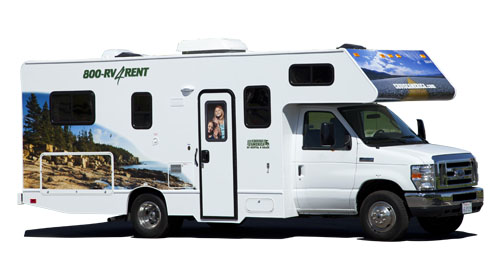
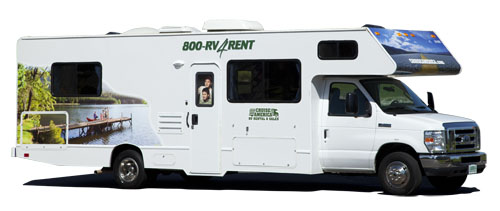
Renting an RV in Boston typically costs between $100 and $400 per night, with prices varying significantly based on the RV class, rental duration, and the specific time of year. For example, a smaller Class B campervan, like the `Active Classic` which is ideal for a couple and features a shower and toilet, might be on the lower end of this spectrum, while a larger Class C motorhome that can accommodate a family of 2+2, such as the `29′ Class C Motorhome`, could be closer to the higher end, especially during peak season.
Rental prices are dynamic and update daily based on availability and demand. To get the most accurate pricing for your specific travel dates and desired RV type, it's always best to use the search tool. This allows you to compare live rates across various suppliers and find the best deals. Remember that April is generally the most affordable month for RV rentals in Boston, offering a budget-friendly option for those prepared for cooler weather.
Seasonal Pricing — Peak vs. Shoulder vs. Off-Season in Boston
Understanding seasonal pricing is key to maximizing your budget when renting an RV in Boston. **Peak Season**, typically from July to August, sees the highest demand and correspondingly highest prices. This is due to summer vacations and generally favorable weather. Booking well in advance is essential during these months.
The **Shoulder Seasons**, spanning May-June and September-October, offer a great balance. You'll find moderate prices and fewer crowds, with pleasant weather conditions that are ideal for exploring. This is often the sweet spot for travelers looking to combine affordability with good travel conditions.
The **Off-Season**, from November to April, features the lowest rental rates, with April being particularly affordable. However, be prepared for colder weather and potentially fewer services available at campgrounds. This period is best suited for budget-conscious travelers who are prepared for winter conditions and seeking the most economical rental options.
It's important to note that prices can change significantly day-to-day, especially in peak season, so always check specific dates when reviewing available vehicles.
What's Included vs. What's an Add-On
When you rent an RV in Boston, standard rentals typically include the basic vehicle functionality and a set mileage allowance. However, the specifics can vary significantly by provider, so it's crucial to review each listing carefully. Common add-ons often include enhanced insurance tiers for greater peace of mind, unlimited mileage packages if you plan extensive travel, generator usage fees (if applicable), and convenience kits that might contain kitchen supplies, bedding, and other essentials. For ideas you can prep on the road, watch our RV-friendly recipes playlist on YouTube.
Basic insurance is always included, but to see prices reflecting the most comprehensive coverage, be sure to select that option during your search. This will ensure all relevant insurance options are displayed for your consideration. When reviewing different RV listings, look for comparison toggles that detail what's included for items like kitchen utensils, tableware, and bedding, so you know exactly what to pack.
Always confirm the exact inclusions and available add-ons with each specific rental listing before finalizing your booking to avoid any surprises.
Hidden Costs to Budget For in Boston
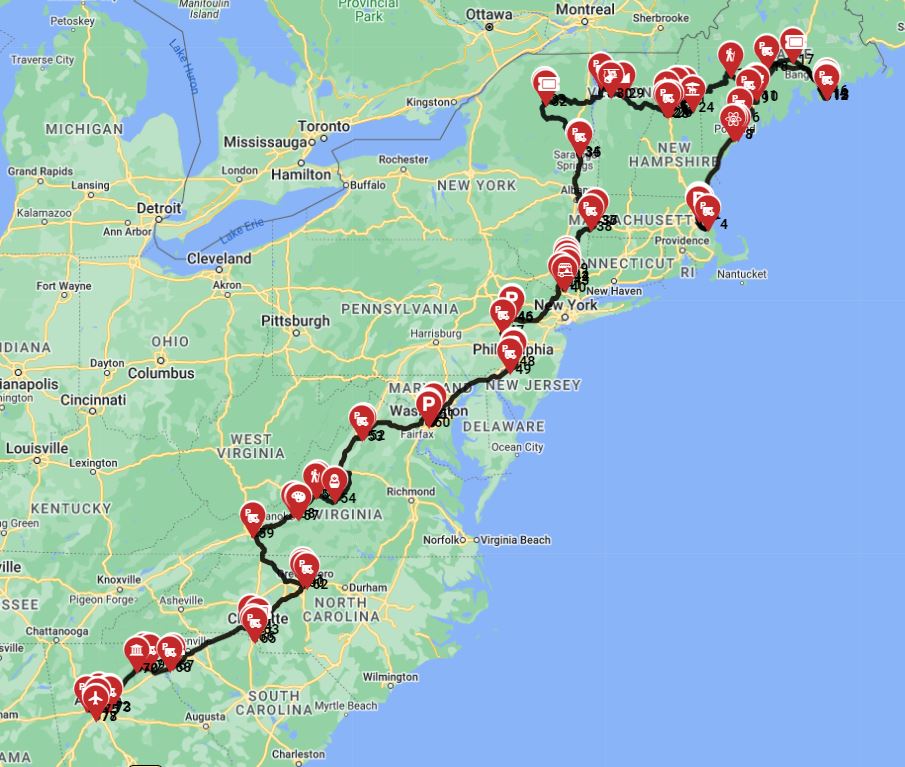
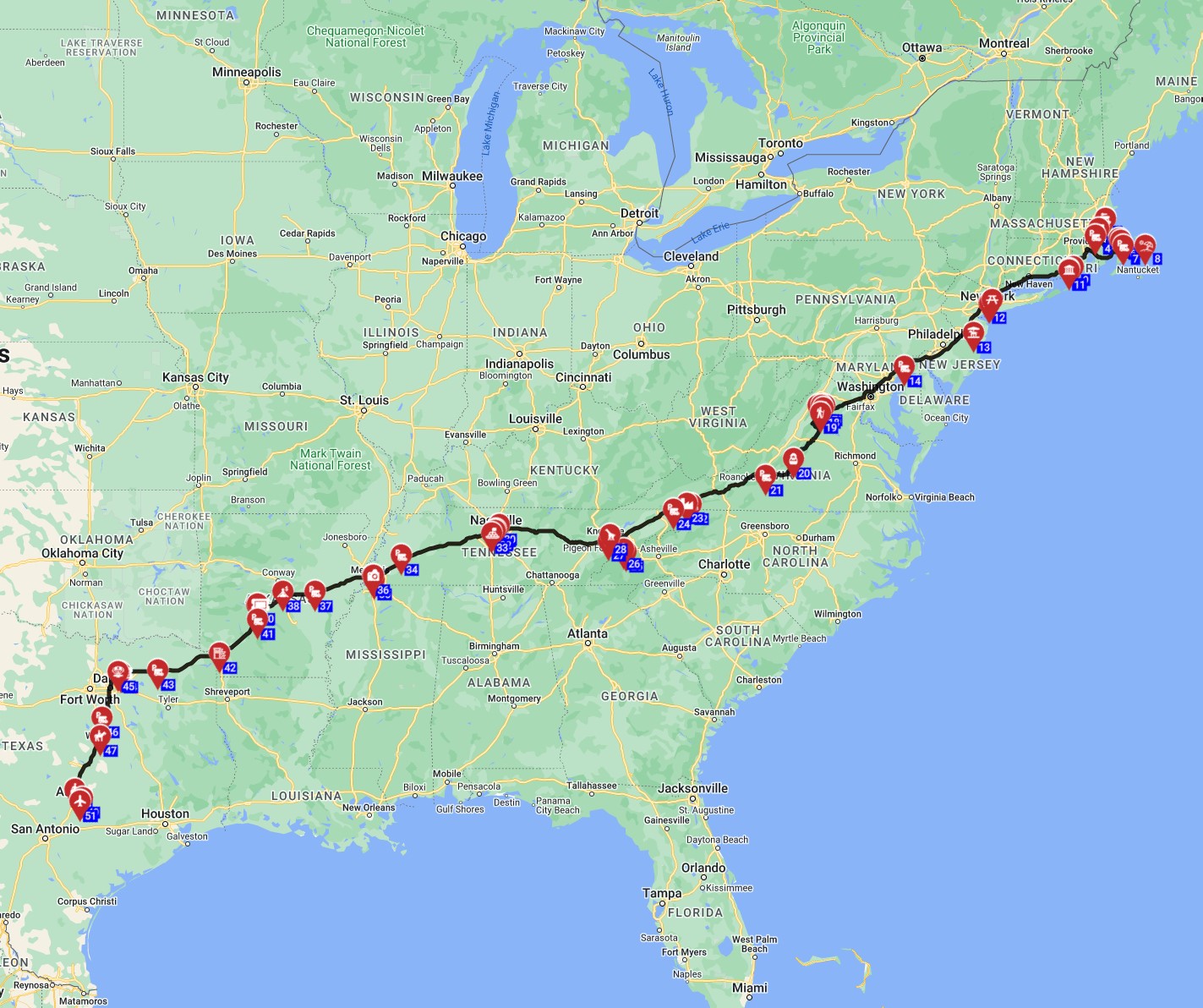
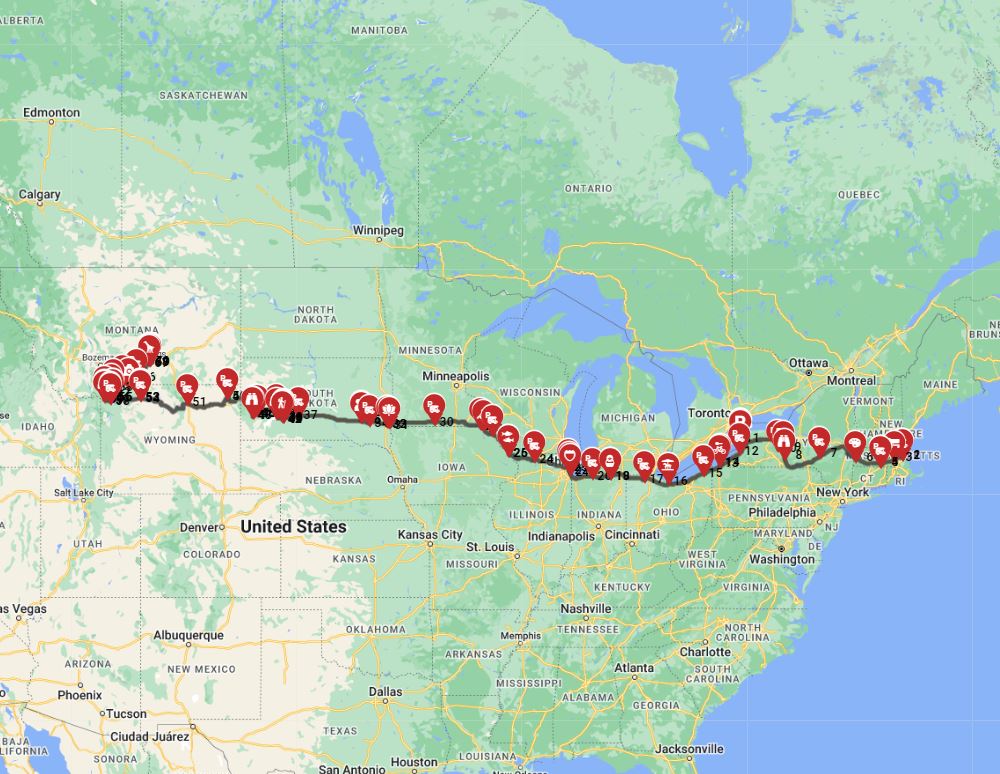
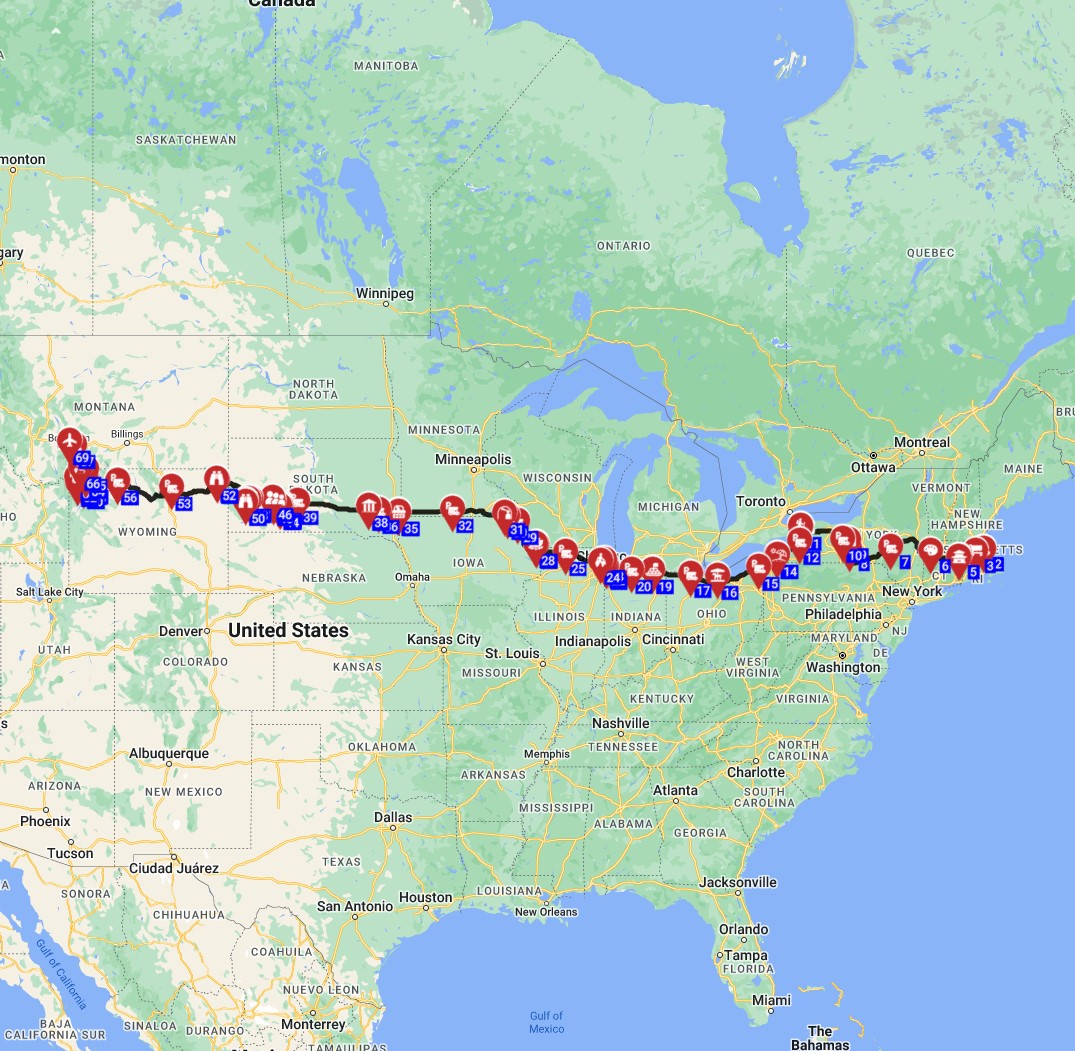
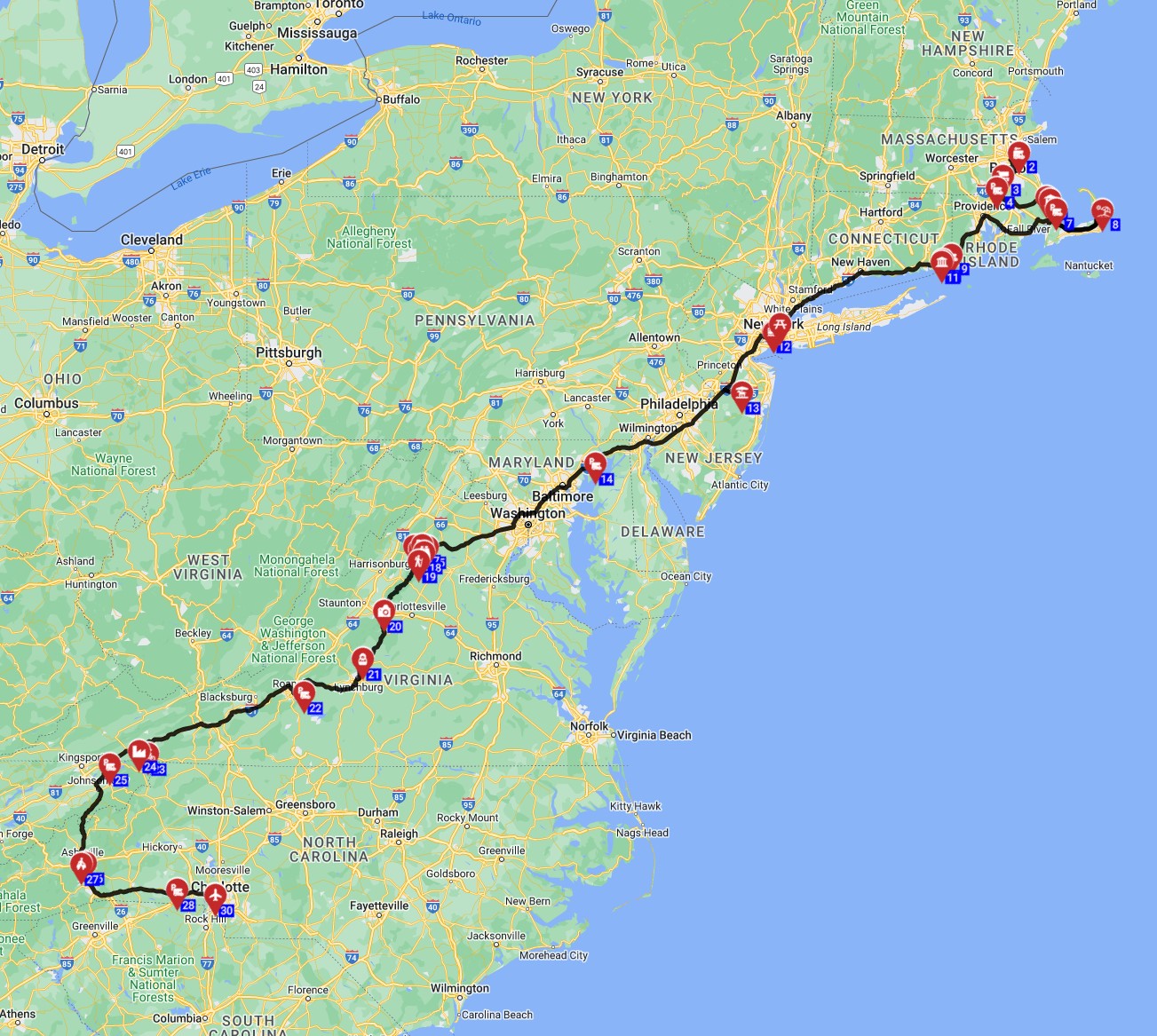
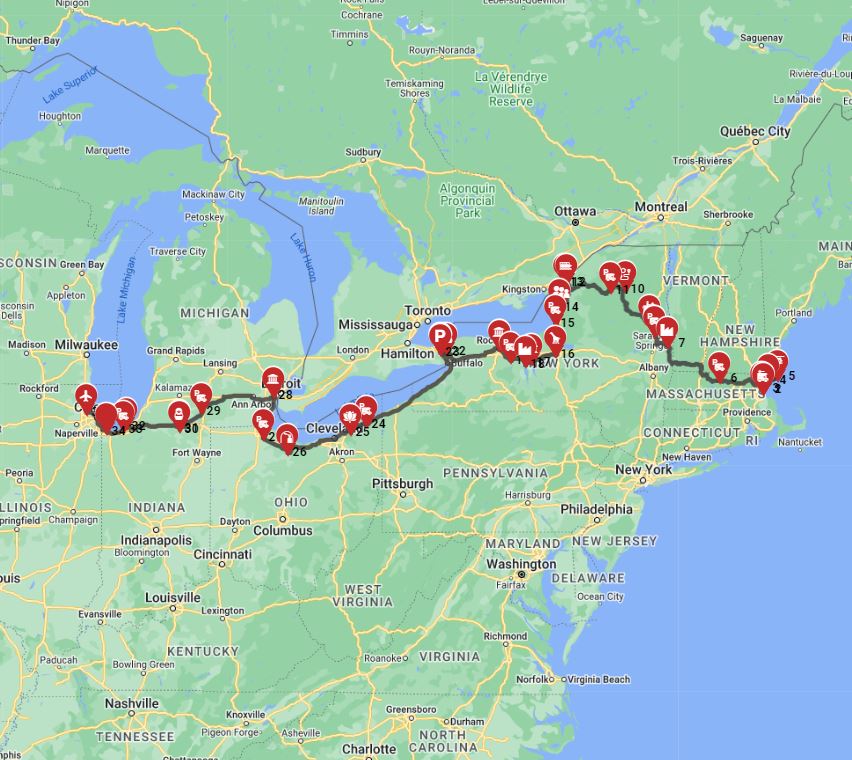
Beyond the daily rental rate, it's essential to budget for several ancillary costs when planning your RV adventure in Boston. **Tolls** are a significant consideration, as Boston's road network includes numerous toll roads, bridges, and tunnels. Some rental providers offer options to pre-purchase toll-road usage, which can help avoid surprise charges and potential fines, especially if your RV has an electronic transponder. On the routes offered through RV PLANET routes, you can itemize and track every expense along the way for easy budgeting.
**Campsite Fees** are another important budget item, as viable boondocking options within Boston city limits are virtually nonexistent. You'll need to factor in the cost of overnight stays at RV parks or designated campgrounds. **Fuel** is also a key expense; RVs consume more fuel than standard cars, so accurately estimate your gas expenses based on your planned travel distance and any anticipated generator usage.
Finally, be aware of potential **Dump Station Charges**. While many private RV parks offer this service, some may charge a small fee for wastewater disposal if you are not staying overnight. It's always wise to inquire with your rental provider about any perks they might offer, such as pre-paid toll options, campground discount cards, or fuel discount cards, which can help reduce overall travel costs.
How to Save on rv rental RV Rental in Boston
Saving money on your RV rental in Boston is achievable with a few strategic choices. **Book in Shoulder Season**, opting for trips in May-June or September-October, to take advantage of lower rental rates and generally pleasant weather conditions. These periods offer a great balance of affordability and enjoyable travel experiences.
**Pre-pay for Tolls** if your rental provider offers a package or option. This can help avoid higher pay-by-mail rates and potential fines in the Boston area, where toll roads are common. **Leverage Discount Cards** by asking your rental provider if they offer any campground discount cards or fuel programs; these can significantly reduce ancillary travel costs.
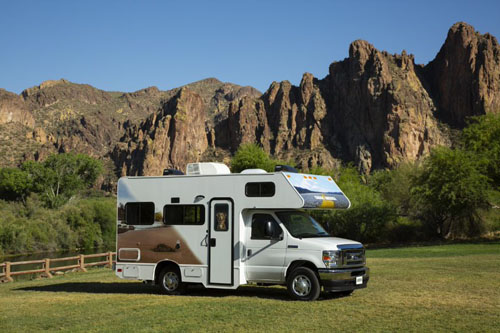
If your group size permits, **Choose a Smaller RV Class**. A Class B campervan or a more compact Class C RV, like the `cruise america rv rental example Explorer` which accommodates four people, are not only more fuel-efficient but also easier to maneuver and park in Boston's historic, often narrow streets. Generally, the **Daily Rental Rate Decreases When You Book for Longer Durations**, so opting for week-long trips or extended adventures can be more cost-effective per day. Finally, **Monitor Flex-Rate Drops**; dynamic pricing means you might find last-minute deals or significant off-peak rate reductions closer to your desired travel dates.
How much is it to rent an RV in Boston
Renting an RV in Boston typically costs between $100 and $400 per night. This wide range is influenced by several factors, including the RV's class, the duration of your rental, and the specific time of year you choose to travel. For instance, smaller Class B campervans or more compact Class C RVs often present more budget-friendly options and offer superior maneuverability, which is a definite advantage when navigating Boston's urban environment.
The peak summer months of July and August generally see the highest rental prices due to increased demand from vacationers. Conversely, off-season periods, such as April, often present the most affordable rates for RV rentals. However, it's important to consider that the weather in Boston during the off-season can be quite cold, and some amenities or attractions might have limited operating hours.
Beyond the base rental fee, remember to factor in additional expenses such as fuel costs, potential toll charges, and campsite fees. To get the most accurate pricing tailored to your specific travel plans, always check live, dynamic rates for your exact dates and desired RV type.
What is the average rental cost of an RV
The average rental cost of an RV nationwide can range from approximately $75 per night for smaller, more basic models like pop-up campers to over $250 per night for larger, luxury Class A motorhomes. Boston-specific pricing often aligns with the higher end of these estimates due to the city's regional demand and popularity as a travel destination.
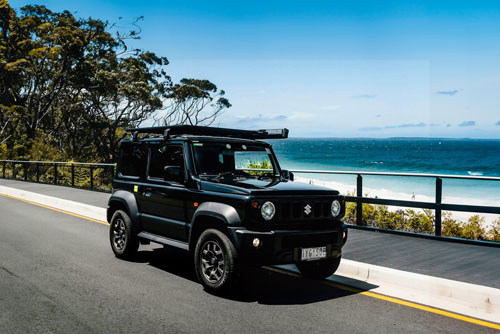
For a popular choice like a Class C RV, which often provides a good balance of space and amenities for families or groups, a week-long rental typically averages between $1,200 and $2,000 before factoring in add-ons, mileage, or fuel. Luxury Class A motorhomes, with their expansive living spaces and premium features, will command significantly higher average costs compared to more economical options like basic campervans, such as the `Campervan Australia example HiTop`.
Factors such as the RV's age, the level of included amenities, and the specific insurance coverage chosen also heavily influence the final average rental price. To get the most accurate estimate for your trip, it's always recommended to compare options for your desired dates and RV class.
Is it cheaper to rent an RV or stay in a hotel
Renting an RV can often be more cost-effective than staying in a hotel, particularly for families or groups planning longer trips. The primary driver of this savings is the substantial reduction in food costs, as you can utilize the onboard kitchen to prepare your own meals.
A typical hotel stay involves separate expenses for lodging, transportation (whether it's a rental car or ride-shares), and all meals purchased at restaurants. In contrast, RV travel incurs costs for the rental itself, fuel, campsite fees, and potential tolls. However, the ability to cook onboard, combined with the flexibility and access to scenic routes that an RV provides, often makes it a more economical and enriching choice.
When comparing the two options, consider the total cost of the experience, not just the nightly rates. RVs offer unparalleled flexibility, the freedom to visit multiple destinations without the hassle of repacking, and the simple pleasure of home-cooked meals. For single travelers or very short city breaks, a budget hotel might initially seem cheaper, but the overall value and experience of RV travel can often outweigh the perceived savings.
What is the 3-3-3 rule for RVs and campers
The '3-3-3 rule' is a popular guideline for RV and camper trip planning, advising travelers to drive no more than **300 miles** in a day, aim to arrive at their destination by **3 PM**, and stay for at least **3 nights** at each location. This approach promotes a more relaxed and enjoyable RV experience by minimizing driver fatigue, allowing ample time for setting up camp in daylight, and encouraging deeper exploration of each destination.
For urban destinations like Boston, adhering to the 'arrive by 3 PM' aspect is particularly valuable. It helps in navigating city traffic more effectively and securing parking at designated RV parks or park-and-ride lots before they become overly crowded. While the '300 miles' driving limit might need adjustment for the dense traffic and potentially narrower roads around historic Boston, the underlying principle of not over-scheduling your driving ensures a less stressful journey, especially when operating a larger vehicle in unfamiliar territory.
Staying for at least '3 nights' at each stop provides sufficient time to comfortably explore Boston's numerous historical sites and attractions, such as the Freedom Trail or Faneuil Hall Marketplace, without the constant pressure of packing and setting up camp.
Are RV prices dropping in 2026
Forecasting RV rental prices for 2024 involves some speculation, as market conditions, fuel costs, supply-demand dynamics, and broader economic factors are all subject to change. While recent years have seen increased demand and subsequent price adjustments, the market may experience stabilization or even slight price decreases as inventory levels normalize and consumer travel patterns evolve.
Factors such as interest rates, the cost of manufacturing new RVs, and the overall economic climate will significantly influence future pricing trends for both RV sales and rentals. Travelers planning to book in 2024 should diligently monitor industry reports and rental platforms for early booking deals, as prices for future seasons are often established based on current market outlooks and anticipated demand.
Ultimately, maintaining booking flexibility and strategically choosing off-peak seasons are likely to remain the most reliable strategies for securing more favorable RV rental rates, regardless of broader market shifts. By planning ahead and being adaptable with your travel dates, you can often find great deals.
What You Shouldn't Miss
- Explore the historic Freedom Trail, covering 2.5 miles and passing 16 significant historical sites.
- Visit the Museum of Fine Arts, one of the largest art museums in the United States, offering a vast collection of over 500,000 works.
- Take a scenic drive along the Kancamagus Highway (Route 112) in New Hampshire, a beautiful 56-mile scenic byway known for its stunning foliage in the fall. (Note: Ensure your RV's height is suitable for any lower bridges on scenic routes).
- Experience the thrill of whale watching tours departing from Boston Harbor, offering a chance to see humpback, finback, and minke whales.
- Discover the charm of Newburyport, a historic coastal city about an hour north of Boston, with its quaint shops and maritime heritage.
- Enjoy a day trip to Cape Cod, renowned for its picturesque beaches, charming towns, and the Cape Cod National Seashore.
Final Thoughts
Renting an RV in Boston offers a unique and flexible way to experience the city and its surrounding historical and natural attractions. By understanding the costs, seasonal variations, and how to save, you can plan an incredible adventure that fits your budget and travel style.
Remember to plan your routes, book in advance, especially for peak seasons, and embrace the slow travel philosophy to truly connect with the destinations. The freedom and unique experiences that come with RV travel are truly unparalleled.
Find Motorhome Rentals in Boston