In This Guide
- What RV Rental Costs in Scotland (2026)
- Seasonal Pricing - Peak vs. Shoulder vs. Off-Season in Scotland
- What's Included vs. What's an Add-On for Scotland RV Rentals?
- Hidden Costs to Budget For an RV Trip in Scotland
- How to Save on RV Rental in Scotland
- What is the best month to RV in Scotland?
- Is it worth renting an RV in Scotland?
- What RV is best for Scotland?
- How hard is it to drive an RV in Scotland?
- What are the rules for RV in Scotland?
- Is wild camping allowed in Scotland with an RV?
- Can you motorhome anywhere in Scotland?
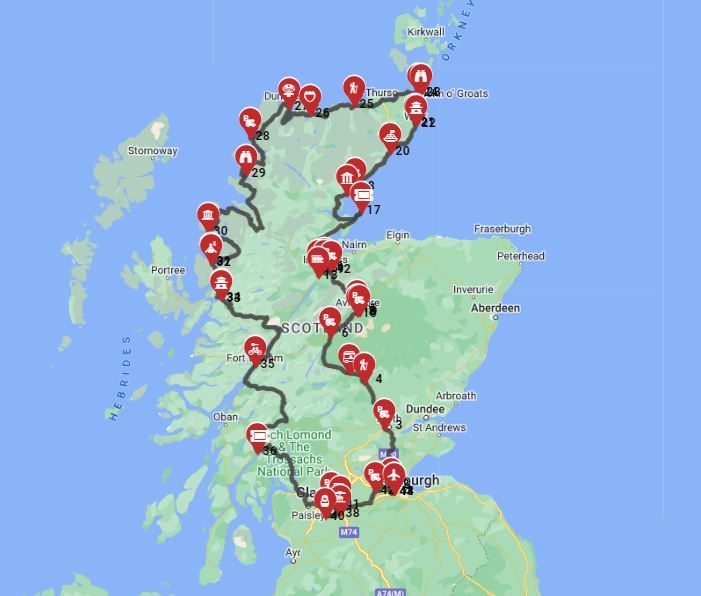
- How long does it take to drive the NC500 in a motorhome?
- Pre-Trip Preparation and Essential Gear for RVing in Scotland
- Responsible and Sustainable RV Travel in Scotland
- What You Shouldn't Miss
- Why Book with Bandana Caravan
- Final Thoughts
- Frequently Asked Questions
Exploring Scotland in a rented RV offers an unmatched sense of freedom, allowing you to discover ancient castles, dramatic Highlands, and serene lochs at your own pace. For live availability and current prices, start with our RV Rental Scotland - Complete Guide 2026 guide. Whether you're chasing the northern lights in winter or soaking up the endless summer daylight, finding the right RV rental deal in Scotland requires understanding pricing nuances, booking strategies, and what's included in your rental package.
What RV Rental Costs in Scotland (2026)
RV rental prices in Scotland are dynamic, similar to airline tickets, fluctuating daily based on demand, vehicle availability, and seasonality, so the final price is always set at the actual booking time. April is often the cheapest month for RV rental in Scotland, with potential savings of 15-20% compared to peak season rates.
Below is an estimated flex-rate pricing table for various RV classes and rental durations in Scotland. These figures serve as a general guide, and actual prices may vary significantly. For example, a compact campervan like the "rv rental denver example Category Van" or "hire campervan example Paradise S/T" could range from £80-£150 per day, ideal for couples or small families.
Estimated RV Rental Prices in Scotland (per day, in GBP)
| RV Class (Berths) | 1 Week | 2 Weeks | 1 Month |
|---|---|---|---|
| Campervan (2-4 berth) | £90 - £160 | £85 - £150 | £75 - £130 |
| Class C Motorhome (4-6 berth) | £130 - £220 | £120 - £200 | £100 - £180 |
| Larger Motorhome (6+ berth) | £160 - £270 | £150 - £250 | £130 - £220 |
Please note: prices are flex-rate estimates and may change daily. Always check live prices via the search box at the top of the page for your specific dates. Booking early, especially for a week-long RV driving tour in Scotland, helps secure better rates.
For couples seeking a romantic getaway, a compact campervan like the "Active Standard Auto" at around £90-£130 per day offers intimacy and ease of driving. Families with 2+2 members, or groups of friends, might prefer a medium-sized Class C motorhome such as the "Combi Van" or a "6 Berth Deluxe" which typically cost £130-£220 daily for a week-long trip, providing ample space for up to six people.
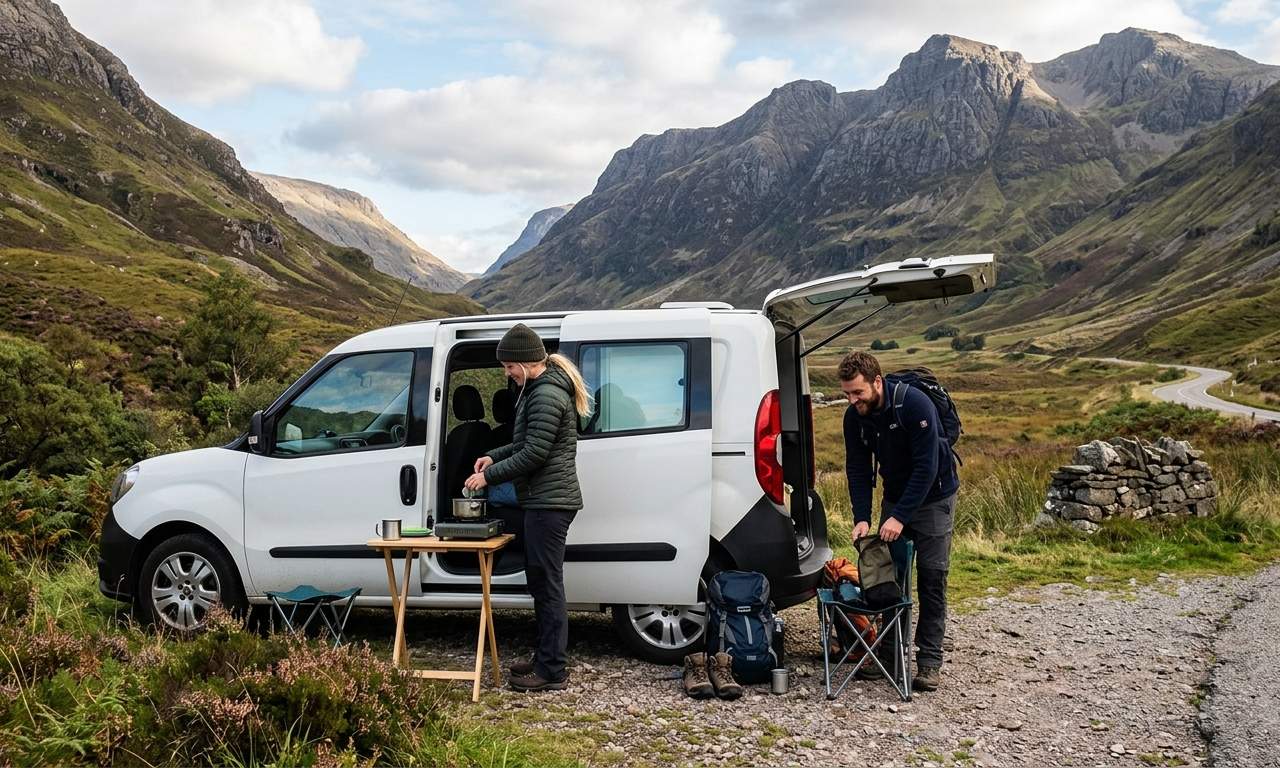
Seasonal Pricing - Peak vs. Shoulder vs. Off-Season in Scotland
Scotland's RV rental prices are heavily influenced by seasonal demand, with peak, shoulder, and off-peak periods dictating rates and availability. Peak season, running from July to August, sees the highest rental prices and requires booking well in advance (3-6 months is often recommended) due to high demand, ideal weather, and numerous festivals like the Edinburgh Fringe Festival. Expect daily rates to be 20-40% higher during these months compared to other times of the year.
Shoulder seasons (May-June and September-October) offer a favorable balance of pleasant weather, fewer crowds, and more competitive prices, typically 10-25% lower than peak rates. Many RV travelers find May and September particularly appealing for their milder temperatures and vibrant landscapes. During off-season (November-March), you'll find the lowest rental rates, sometimes offering discounts of up to 30-50%, but this comes with shorter daylight hours, colder temperatures, and more limited campsite availability. Even in off-season, Scotland's dramatic scenery offers a unique adventure for those prepared for cooler weather. Always remember that in peak season, prices can change significantly day-to-day, so always check specific dates for your desired RV or campervan.
What's Included vs. What's an Add-On for Scotland RV Rentals?
When you secure an RV rental in Scotland, basic insurance is always included, providing fundamental coverage for your adventure. However, for enhanced peace of mind, more comprehensive coverage tiers and options like a top-level deductible reimbursement are typically available as an optional upgrade. This can significantly reduce your financial exposure in the unlikely event of an incident.
Common add-ons you might consider include unlimited mileage packages (highly recommended for extensive exploration like the NC500), generator usage if your RV has one, convenient kitchen utensil kits, and comfortable bedding or linen packs. These vary by supplier and rental station, so always review your specific rental agreement carefully to confirm what is included versus what will incur additional charges. Some of our rent-motorhome partners allow comparison toggles for items like kitchen utensils, tableware, and bedding to clarify inclusions directly during your search. Want to check exactly what's included? Just click the search box above to compare RV rental options for Scotland.
Hidden Costs to Budget For an RV Trip in Scotland
Beyond the base rental fee, several ancillary costs contribute to the total expense of an RV adventure in Scotland, making careful budgeting essential. Fuel costs can be a significant expense, with petrol and diesel prices often higher in the UK than in other European countries; factor in an average of 10-15 L/100km fuel consumption for a typical Class C motorhome. Campsite fees vary widely, ranging from basic pitches at £15-£25 per night to full-service sites with electrical hook-ups and facilities that can cost £30-£50 per night, particularly in popular areas like Glencoe or the Isle of Skye. On the routes offered through RV PLANET routes, you can itemize and track every expense along the way for easy budgeting.
Ferry prices are an essential consideration for island-hopping adventures, adding considerably to your budget for destinations like Mull or the Outer Hebrides; advance booking is crucial, especially for larger vehicles and during peak season, as space is limited and prices can be high (e.g., a return ferry to Skye can be £20-£50 for a motorhome). Parking fees are common in towns, cities, and popular tourist attractions like Edinburgh or Glasgow, especially for larger vehicles, and can range from £5 for a few hours to £20+ for overnight parking. While traditional toll roads are rare on Scottish mainland roads, some private bridges or tunnels may have charges. To help itemize and track every expense, remember that RV PLANET routes offer a comprehensive way to budget effectively for your journey.
How to Save on RV Rental in Scotland
Securing an affordable RV rental in Scotland involves strategic planning and flexibility. Booking your motorhome during the shoulder season (April, May, September, October) can significantly reduce rates by 10-25% and allow you to enjoy fewer crowds at popular sites. Opting for a smaller RV class, such as a compact campervan like the "Van - Economy" if it comfortably accommodates your group of 2-4 people, can result in lower rental fees and better fuel efficiency, potentially saving 20-30% on fuel alone compared to a larger model like the "C-LARGE".
Many suppliers offer lower daily rates for longer rental durations; a two-week adventure could yield a better per-day price than a week-long trip. Pre-paying for any available add-ons like tolls, unlimited mileage, or insurance upgrades can sometimes offer a discount compared to purchasing them at pickup. Finally, actively monitor flex-rate drops on comparison platforms, as prices can fluctuate, and quick action on a last-minute deal can secure a better value. While last-minute availability for RV rentals in Scotland does exist, remember that booking ahead often provides the widest selection and best pricing for specific vehicle types like a "Luxury Small" campervan or a family-friendly "Category Family 5".
🎬 Video coming soon
What is the best month to RV in Scotland?
May, June, and September generally offer the best balance for RV travel in Scotland, combining pleasant weather, longer daylight hours (up to 18 hours in June), and fewer peak-season crowds. July and August are popular for their warmth and events like the Royal Edinburgh Military Tattoo, but they come with higher prices and the peak season for midges (tiny biting insects) in rural areas. April and October are good shoulder months for budget travelers, offering cooler temperatures but often clearer roads and fewer midges, with average daily temperatures ranging from 6-10°C.
Consider regional variations: the west coast is often milder and wetter, while the east coast, including cities like Edinburgh and Aberdeen - Airport, can be drier, impacting the ideal month for specific itineraries. Regardless of the month, preparing for Scotland's famously unpredictable climate with waterproofs and layers is always advised. For planning your optimal route during these months, consider exploring itineraries such as a "Week-Long RV Driving Tour in Scotland 2026".
Is it worth renting an RV in Scotland?
Renting an RV in Scotland offers unparalleled flexibility and access to stunning landscapes, making it a highly rewarding travel experience for those who enjoy self-contained adventures. The freedom to explore remote areas, change plans spontaneously, and stay close to nature is a major benefit for many travelers, allowing you to wake up to a different spectacular view each day. For example, you can easily venture from the vibrant city of Glasgow to the tranquil Isle of Skye.
RV travel can be a cost-effective option for families or groups (4-7 people) when compared to combining separate accommodation and car rental costs, especially when cooking meals in your RV kitchen. Imagine preparing a delicious breakfast overlooking a misty loch with our RV-friendly recipes playlist. It provides a unique opportunity to engage with local communities, visit farm shops, and discover off-the-beaten-path attractions that are RV-friendly. Despite challenges like narrow roads, the immersive and independent nature of an RV trip often makes it a worthwhile investment for a truly memorable Scottish adventure.
What RV is best for Scotland?
A smaller, more compact campervan or Class B RV is generally best suited for navigating Scotland's often narrow and winding roads, especially single-track routes in remote areas like the Highlands. These smaller vehicles, often around 5-6 meters in length (like the "Active Bunk Auto" or "Juliette 2-3"), offer superior maneuverability, easier parking in towns such as Inverness, and less stress on winding coastal roads like parts of the NC500. With 2-4 berths, they are perfect for couples or small families.
Medium-sized motorhomes (Class C), typically 6-7 meters long (e.g., the "Comfort Standard" or "MHC24"), can be a good compromise for those seeking more space and comfort while still being manageable on most main routes. Larger Class A motorhomes (over 8 meters) are generally less ideal for Scotland due to significant challenges on narrow routes, during parking, and in navigating historic town centers. Consider the number of travelers, desired comfort level, and the specific regions you plan to explore when selecting the best RV size for your "Luxury RV Driving in Scotland - Scenic Routes 2026" itinerary.
How hard is it to drive an RV in Scotland?
Driving an RV in Scotland requires careful attention due to narrow and winding roads, especially single-track routes with passing places, but it is manageable with preparation and cautious driving. Drive slowly and carefully, and you can drive almost anywhere without issues. No need to stress - just use common sense and pay attention. Familiarity with proper use of passing places is crucial; always pull over into a passing place on your left to allow oncoming or faster traffic to pass, or stop opposite one on your right if clear. A quick wave of thanks is customary.
Larger motorhomes, particularly those over 7 meters (23 feet) in length, can find navigating historic towns, tight turns, and limited parking in popular destinations like Edinburgh or Dundee - Airport particularly challenging. Some specific roads, especially in the remote Highlands and islands, are best avoided by very large RVs due to their extreme narrowness or steep gradients. Allow ample time for journeys, maintain a slower pace (we recommend a maximum of 100-150 km per day on average) than you might in a car, and practice reversing before your trip to enhance confidence. Our "Driving an RV in Scotland - Complete Guide 2026" offers more detailed tips.
What are the rules for RV in Scotland?
RV driving rules in Scotland broadly align with standard UK road regulations, including driving on the left-hand side of the road, adhering to speed limits (e.g., 48 km/h in urban areas, 96 km/h on single carriageways, 112 km/h on dual carriageways/motorways), and ensuring all passengers wear seatbelts. It's important to note that a standard car driver's license is sufficient for driving all motorhome classes (Class A, Class B, and Class C) for rental purposes, with the minimum rental age typically being 21 years old. No special CDL or additional permits are required. An International Driving Permit (IDP) is recommended for visitors from non-English-speaking countries but is not mandatory in most cases.
Specific to RVs, understanding proper use of passing places on single-track roads is a key etiquette and safety rule. Drivers must also be aware of their vehicle dimensions (height, width, weight) as these can restrict access to certain historic bridges, low tunnels, or narrow rural roads. The Scottish Outdoor Access Code applies to all, meaning respectful use of land and adhering to 'leave no trace' principles, particularly concerning waste disposal. While the Outdoor Access Code permits wild camping for tents, it generally does not extend to motorized vehicles; RVs should primarily use designated campsites or pre-arranged parking. For more information on navigating local customs and regulations, consult our "RV Driving Deals in Scotland - Routes and Savings 2026" resource.
Is wild camping allowed in Scotland with an RV?
While Scotland's Outdoor Access Code (often referred to as the 'right to roam') permits wild camping for tents in most unenclosed land, this right does not generally extend to motorized vehicles like RVs or campervans. RVs are typically expected to stay overnight in designated campsites, official motorhome stops, or on private land with the explicit permission of the landowner. Attempting to wild camp in an RV can lead to fines, being asked to move on by authorities, or even vehicle damage on unsuitable terrain.
Parking overnight in lay-bys, car parks, or beauty spots without explicit 'no overnight parking' signs can sometimes be tolerated for a single night if done discreetly and responsibly, but it is not guaranteed and local regulations vary. The 'leave no trace' principle is paramount; if an RV is allowed to park overnight, all waste (including grey and black water from facilities like a "Class C - Alcove" motorhome with a 100-liter waste water tank) must be removed, and no litter left behind. Always research local regulations for specific areas, as some popular regions, particularly in the Highlands, may have additional bylaws restricting overnight vehicle parking.
Can you motorhome anywhere in Scotland?
While you can drive a motorhome on most public roads in Scotland, access to certain very narrow or private routes may be restricted, and overnight parking outside of designated campsites typically requires permission from landowners. Some popular scenic routes, specific mountain passes, or very rural single-track roads, especially on islands or through remote glens, are highly challenging for larger motorhomes (e.g., a 7-meter long "Euro Deluxe" model) and sometimes have advisories against them. Drive slowly and carefully, and you can drive almost anywhere without issues. No need to stress - just use common sense and pay attention.
Access to some island ferries from cities like Glasgow or Aberdeen requires advance booking, and certain ferry routes may have restrictions on vehicle size or weight. It is crucial to research your intended itinerary thoroughly for any specific RV restrictions, particularly when planning to visit remote areas or small villages. Respecting 'no overnight parking' signs and seeking permission for private land stays ensures a positive experience and supports responsible tourism. For extensive travel across the continent, our "RV Rental Europe - Complete Guide 2026" offers a broader perspective on travel regulations.
How long does it take to drive the NC500 in a motorhome?
Driving the North Coast 500 (NC500) in a motorhome typically takes a minimum of 7-10 days to allow for scenic stops, attractions, and a comfortable pace without rushing. The full route covers approximately 830 km (516 miles) around the northern Highlands. Many experienced RVers recommend 10-14 days for a more relaxed experience, enabling detours to places like Ullapool, longer stays at picturesque campsites, and sufficient time for activities such as hiking or whisky tasting in Speyside. This slow travel approach (max 100-150 km per day on average) is key to truly feeling the place and connecting with its culture and scenery.
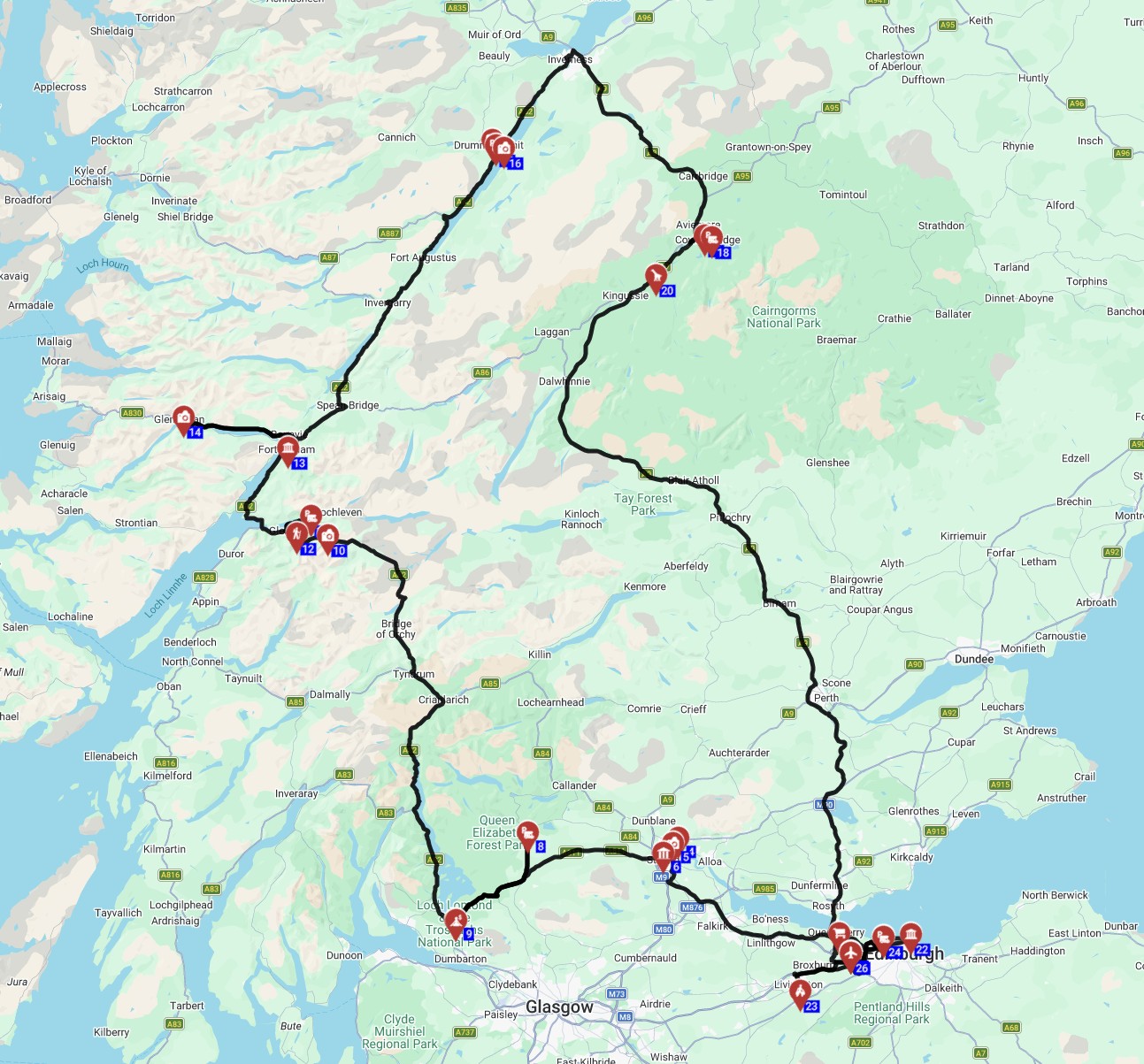
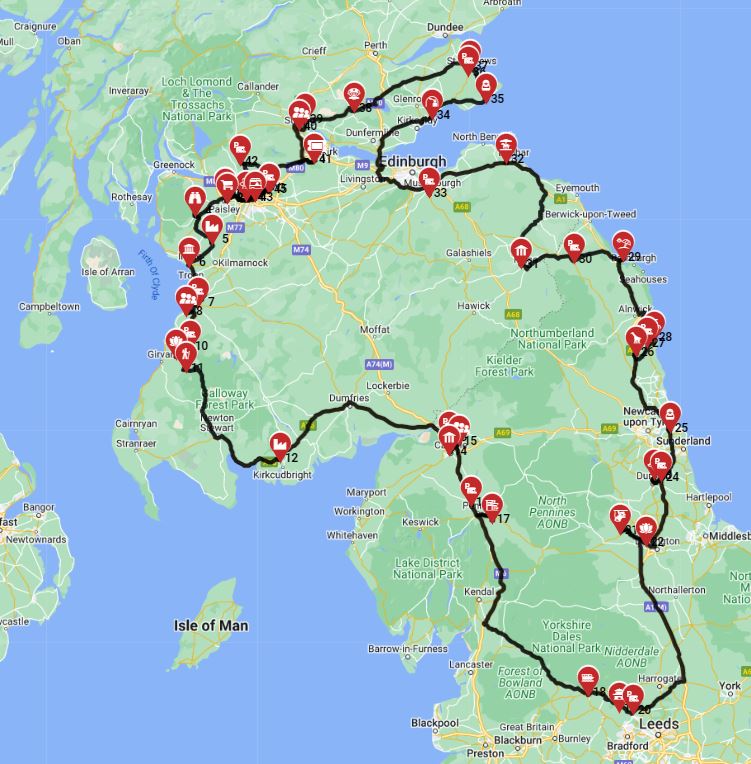
Factors influencing duration include the size of your motorhome, as larger vehicles may necessitate slower speeds and more careful navigation on single-track sections, particularly around places like Applecross Pass. Realistic planning should account for actual RV travel speeds, time for attractions, and variable Scottish weather, which can impact driving conditions. Rushing the route in fewer than 5-6 days is generally not recommended for motorhomes, as it can be stressful and doesn't allow for proper enjoyment of the journey. For detailed itineraries, RV PLANET (rvplan.net) offers several pre-planned routes for Scotland.
Pre-Trip Preparation and Essential Gear for RVing in Scotland
Thorough pre-trip preparation and a thoughtfully curated packing list are vital for a comfortable and enjoyable RV rental journey in Scotland. Always pack waterproof and windproof clothing layers, along with sturdy, waterproof footwear, as Scotland's weather is notoriously unpredictable regardless of the season, even in a robust "Adventure Truck Select" camper. Consider bringing strong midge repellent (brands like Smidge or Avon Skin So Soft are popular locally) and essential midge nets for ventilation, especially for summer travel in rural and coastal areas, where these tiny insects are prevalent from late May to September.
Essential driving accessories include a detailed physical map (in case of no signal in remote areas), a reliable GPS with RV-specific routing capabilities to avoid unsuitable roads, and emergency breakdown contacts for your rental provider. Ensure you have the correct adaptors for campsite electrical hook-ups (typically UK 3-pin plugs), a comprehensive first-aid kit, and any necessary personal medications. Familiarize yourself with your specific RV's systems-water tanks (e.g., a "MH-A" motorhome might have a 167-liter fresh water tank), waste disposal, heating, and electrics-before you start your journey to ensure vehicle readiness for the Scottish environment.
Responsible and Sustainable RV Travel in Scotland
Embracing responsible and sustainable practices is paramount when enjoying an RV rental adventure through Scotland's pristine landscapes. Adhere strictly to 'Leave No Trace' principles: take all rubbish with you, dispose of waste (including grey and black water) only at designated dump stations found at most official campsites, and leave pitches as you found them. This helps protect the natural beauty of areas like the Scottish Highlands and national parks.
Respect the Scottish Outdoor Access Code, understanding that while it grants access for walking and wild camping (by tent), it generally does not extend to motorized vehicles for overnight stays. RVs should utilize official campgrounds or seek explicit landowner permission. Support local businesses by purchasing food and supplies from local shops, markets, and eateries, contributing directly to the Scottish economy and experiencing authentic local culture and food. Drive considerately on narrow roads, utilizing passing places appropriately, yielding to local traffic, and keeping noise to a minimum in residential or quiet natural areas. Minimize your environmental impact by conserving water and electricity, using eco-friendly products, and staying on established roads and trails, ensuring Scotland remains beautiful for generations to come. For example, consider visiting local markets in Glasgow or Edinburgh for fresh produce, an activity our RV-friendly recipes playlist would love!
What You Shouldn't Miss
Scotland is a tapestry of natural beauty and rich history, offering endless possibilities for RV travelers. Make sure to weave these unforgettable experiences into your itinerary:
- Drive the North Coast 500 (NC500): This iconic 830 km (516 mile) route around the northern Highlands is a must-do for breathtaking coastal scenery, ancient castles, and charming villages. Plan for at least 7-10 days to fully appreciate the journey in your motorhome or campervan.
- Explore Loch Lomond & The Trossachs National Park: Just a short drive from Glasgow, this national park offers stunning lochs, forested glens, and hiking trails suitable for all abilities. Many RV-friendly campsites provide ideal bases for exploration.
- Visit the Isle of Skye: Known for its dramatic landscapes, including the Old Man of Storr, the Quiraing, and the Fairy Pools, Skye is a highlight for many. Remember to book your ferry to the island well in advance, especially with a larger "Motorhome MC6 Gold" rental.
- Discover Historic Edinburgh: Park your RV outside the city and use public transport to explore Edinburgh Castle, the Royal Mile, and Arthur's Seat. The city offers a vibrant mix of history and culture, easily accessible from various entry points around "Edinburgh - Airport".
- Experience the Majesty of Glencoe: Drive through this awe-inspiring valley, famous for its dramatic peaks and historic significance. Numerous scenic pull-offs and photography spots make it a perfect slow-travel destination for RVers.
- Taste Scotch Whisky: Embark on a whisky trail tour, particularly in Speyside, visiting distilleries like Glenfiddich or Macallan. Many offer RV parking and guided tours, providing an authentic taste of Scotland's renowned spirit.
Looking for expert insights from Avi Bandana? Top 5 Adventures - recommendations from Avi Bandana.
Final Thoughts
Embarking on an RV rental adventure through Scotland is more than just a trip; it's an opportunity to create lasting memories amidst some of the world's most captivating landscapes. From the rugged beauty of the Highlands to the tranquil charm of its lochs and bustling historic cities, a rented campervan or motorhome gives you the ultimate flexibility to explore at your own pace.
Remember that careful planning, especially regarding costs and seasonality, is key to unlocking the best deals and ensuring a smooth journey. With Bandana RV, you're supported every step of the way, benefiting from our transparent pricing, expert knowledge, and dedication to your travel dreams. So, imagine yourself on the route, wind in your hair, discovering the magic of Scotland. Life is now - let's make it an unforgettable journey!
Discover top destinations, planning tips, all in one place! Compare Motorhome Prices for Scotland and start your adventure today.