In This Guide
- The 4 RV Families Compared for Spain
- Class A (Integrated) - Best For
- Price Comparison by RV Class in Spain
- Class SI (Semi-Integrated) - Best For
- Class C (Alcove) - Best For
- Class B (Campervan) - Best For
- Side-by-Side Comparison Table
- Our Recommendation for rv rental deals Travelers in Spain
- How Much Does an RV Rental in Spain Cost?
- Where Can You Park an RV Overnight in Spain Legally?
- What are the Driving Nuances for RVs in Spain?
- How to Experience Authentic Spain Beyond Tourist Trails by RV?
- What to Do in Case of an RV Breakdown or Emergency in Spain?
- What Technology and Connectivity Do RVers Need in Spain?
The 4 RV Families Compared for Spain
Choosing the right RV family significantly impacts your comfort, navigation, fuel costs, and overall experience in Spain. Imagine yourself cruising along the Spanish coast or winding through ancient olive groves; the right vehicle ensures that vision becomes reality. For live availability and current prices, start with our RV Rental Spain - Complete Guide 2026 guide. Bandana RV works with top suppliers like El Monte and Apollo, providing a full selection to help you find the perfect rented mobile home for your adventure. Consider Spain's diverse terrain, from narrow village streets in charming towns to wide motorways and mountain passes, alongside your group size and desired trip length. Smaller rented RVs offer greater maneuverability and easier access to historic towns, while larger options prioritize space and amenities for extended stays. For example, a "Class I Van" or "Category Van" campervan is perfect for couples wanting to navigate tight spots, while a "Group E" or "F4" motorhome offers ample space for a family. Understanding each class's strengths helps secure the best RV rental deals tailored to your Spanish adventure, ensuring full transparency with no hidden fees and dedicated 24/7 support for your booking.Class A (Integrated) - Best For
Class A motorhomes, averaging 7.5m in length, are ideal for large groups (typically sleeping 4.4 people, with 4 adults) seeking a luxurious, spacious experience primarily on Spanish motorways. With a rented Class A, you'll enjoy a comfortable and comprehensive living space, often resembling a high-end apartment on wheels. Bandana's global fleet data indicates these integrated RVs offer ample living space and a significant average load capacity of 209.5kg, making them suitable for extended trips where comfort and comprehensive amenities are a priority. While providing superior comfort, their larger size and common fuel consumption of 11-12 Liters/100 km can be challenging on Spain's narrower village roads and in urban parking scenarios. Drive slowly and carefully, and you can drive almost anywhere without issues. No need to stress - just use common sense and pay attention. These grand motorhomes are best suited for travelers planning a grand tour that emphasizes major routes and destination campsites rather than frequent stops in quaint, compact towns. For those interested in a "Luxury RV Rental in Spain - Premium Prices 2026", a Class A motorhome like the "Class A - Thor ACE 30" could be an excellent choice.Price Comparison by RV Class in Spain
RV pricing is dynamic and changes daily based on availability, demand, and seasonality; the table below provides realistic example prices from Bandana's live search, demonstrating how costs vary by RV class and rental duration for Spain.| RV Class | 1-Week Rental (Avg. Daily) | 2-Week Rental (Avg. Daily) | 1-Month Rental (Avg. Daily) |
|---|---|---|---|
| Class B (Campervan) | €80 - €150 | €70 - €130 | €60 - €110 |
| Class SI (Semi-Integrated) | €100 - €180 | €90 - €160 | €80 - €140 |
| Class C (Alcove) | €120 - €220 | €110 - €200 | €95 - €175 |
| Class A (Integrated) | €180 - €300+ | €160 - €280+ | €140 - €250+ |
| Prices are illustrative and fluctuate based on season, demand, and specific vehicle features. For the most accurate and live numbers tailored to your specific travel dates in Spain, always use our search tool. | |||
Class SI (Semi-Integrated) - Best For
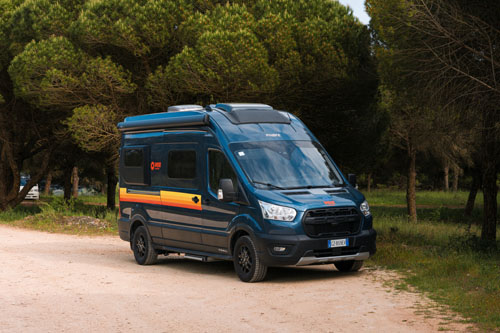
Class SI (Semi-integrated) motorhomes, averaging 6.9m in length and sleeping around 3.8 people (3.4 adults), represent an excellent balance of comfort, space, and maneuverability for RV rental deals in Spain. These models, such as the "K3E" or "2 Berth Tamar" from our fleet, are a popular choice for couples or small families. Bandana's fleet data indicates a common fuel consumption of 10-11 Liters/100 km, offering better efficiency than larger Class A models, while their more compact design makes them easier to navigate through Spain's varied landscapes, including smaller towns and secondary roads. These RVs are perfect for couples or small families desiring modern amenities and a comfortable living area without the bulk of an integrated unit, providing a versatile base for exploring both popular and off-the-beaten-path destinations across Spain. Many of our rented motorhomes in this class come with features like a shower and toilet, ensuring a comfortable trip. You can also explore our "Weekly RV Rental in Spain - Pricing 2026" for deals on these versatile vehicles.Class C (Alcove) - Best For
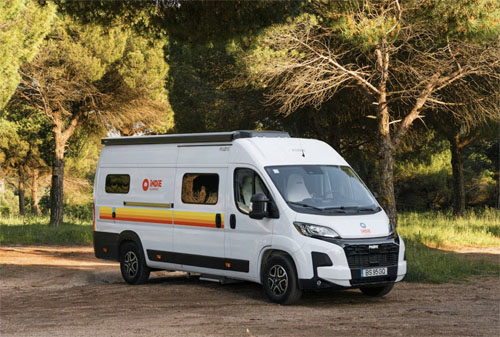
Class C (Alcove) motorhomes, typically 7.5m long, are exceptionally well-suited for families or larger groups exploring Spain, offering maximum sleeping capacity (averaging 5.8 people, with 4.4 adults) due to their distinctive over-cab bunk. These vehicles, with a common fuel consumption of 10-12 Liters/100 km according to Bandana's global fleet data, are often a cost-efficient choice for groups requiring multiple beds and a robust vehicle for varied Spanish road conditions. A standard car driver's license is sufficient for operating all motorhome classes, including these larger Class C rentals. While their height requires careful navigation under low bridges and in some urban areas, they provide a comfortable and practical solution for family-focused RV rental deals, ensuring everyone has their own dedicated sleeping space and amenities. Consider a rented "F2" or "6 Berth Discovery" for your family adventure.Class B (Campervan) - Best For
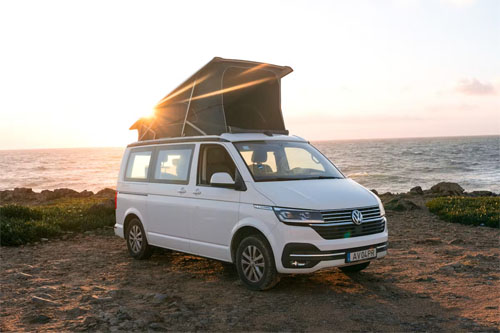
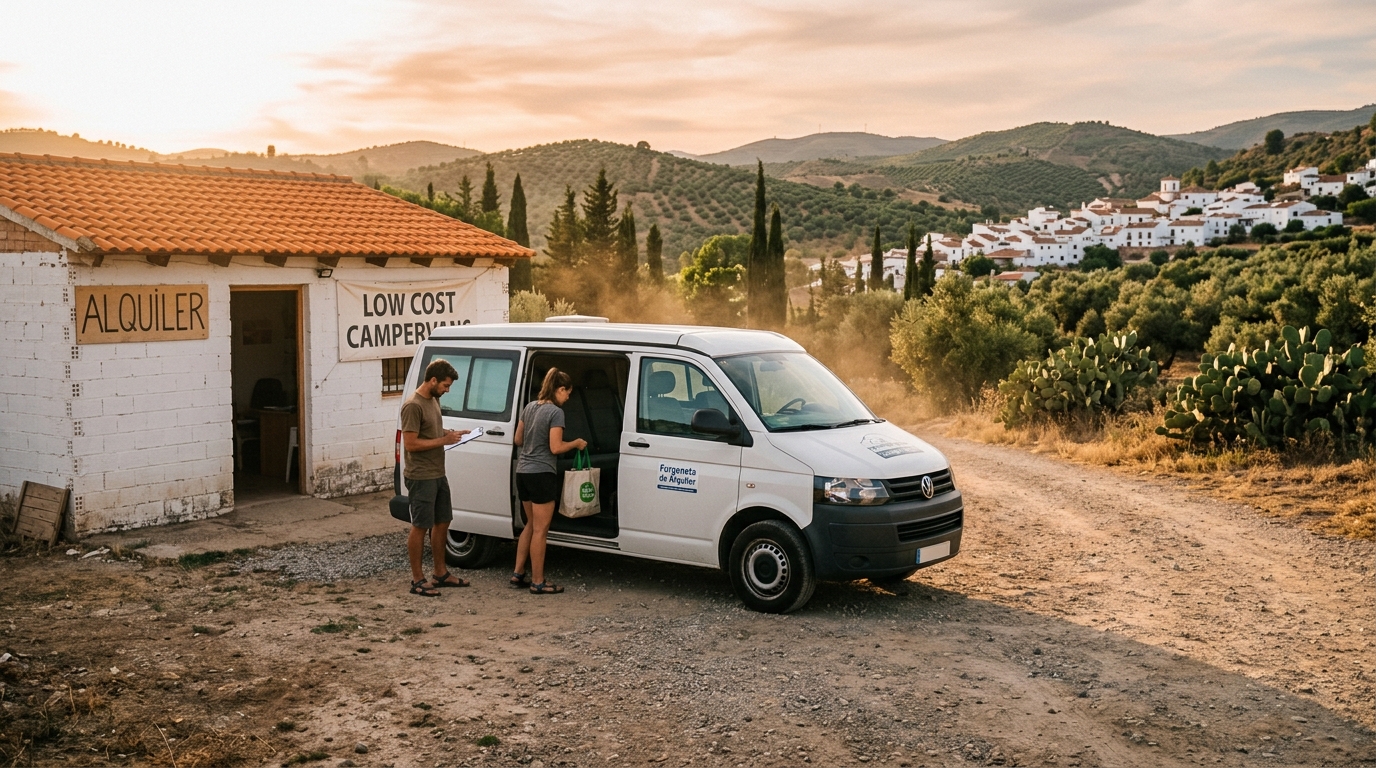
Class B (Campervan) models, averaging just 5.8m in length, are the most maneuverable and fuel-efficient option for RV rental deals in Spain, making them ideal for solo travelers or couples (sleeping 3.2 people, with 2.7 adults) seeking flexibility and urban access. With a common fuel consumption around 10 Liters/100 km from Bandana's fleet, these compact RVs, such as the "Combi Van" or "V3" campervan, can navigate narrow village streets, park in regular car spots, and easily blend into city environments, allowing for spontaneous exploration away from traditional campsites. Their smaller footprint often translates to a more economical rental price and lower operating costs, perfect for those prioritizing agility, ease of driving, and the ability to find unique, less touristy spots throughout Spain. For couples looking to explore Spain, a rented campervan is often the preferred choice.Side-by-Side Comparison Table
This comparison table provides a quick overview of the different rented RV classes available in Spain, highlighting their average dimensions, sleeping capacities, and typical fuel consumption, which are crucial factors for planning your trip.| Family | Avg Length (m) | Sleeps (Avg) | Fuel Use (L/100km) | Best Use Case in Spain |
|---|---|---|---|---|
| Class A (Integrated) | 7.5 | 4.4 | 11-12 | Luxury, Large Groups, Highway Tours |
| Class SI (Semi-Integrated) | 6.9 | 3.8 | 10-11 | Balanced Comfort, Small Families, Varied Terrain |
| Class C (Alcove) | 7.5 | 5.8 | 10-12 | Families, Groups Needing Beds, Cost-Efficiency |
| Class B (Campervan) | 5.8 | 3.2 | ~10 | Couples, Solo, Urban Access, Fuel Economy |
Our Recommendation for rv rental deals Travelers in Spain
For most RV rental deals travelers in Spain, the **Class SI (Semi-integrated) motorhome** stands out as the top recommendation, offering an optimal blend of comfort, manageable size for varied Spanish roads, and reasonable fuel efficiency. This class is versatile for exploring both bustling cities like Barcelona and tranquil natural parks, providing enough space for a small family or couple while remaining nimble enough to navigate Spain's diverse infrastructure effectively. A strong runner-up is the **Class B (Campervan)**, particularly for couples or solo adventurers prioritizing maximum maneuverability, fuel economy, and the flexibility to access urban centers and discreet parking spots. Its compact size makes it ideal for navigating Spain's charming but often narrow historic streets, allowing for a more immersive and flexible travel experience, especially for those seeking to blend in more seamlessly. No matter your choice, remember that with Bandana RV, you're supported by true RV specialists, not just a travel agency side department.How Much Does an RV Rental in Spain Cost?
The total cost of an RV trip in Spain extends significantly beyond the initial rental fee, encompassing critical expenses such as fuel, tolls, varied campsite fees, groceries, activities, and potential unexpected outlays. Rental prices themselves fluctuate based on season (high season is summer), RV class (see 'Price Comparison by RV Class in Spain' for Bandana's live estimates), and rental duration, with longer trips often offering better daily rates. For itemizing and tracking every expense along the way, RV PLANET routes are an invaluable resource for easy budgeting. Budgeting for fuel should account for Spain's average diesel prices (typically 1.50-1.70€/liter in 2026) and your chosen RV's consumption rate, which can range from 10-17 Liters/100 km for most classes. Tolls, particularly on Spain's fast `autopistas` (AP roads), can add up quickly, so consider utilizing slower but free `autovías` (A roads) as a cost-saving alternative, especially for scenic routes. Campsite fees vary widely, from basic municipal `áreas de autocaravanas` (around 5-15€/night) to private campgrounds with extensive amenities like pools and full hook-ups (20-50€+ per night). Allocate daily expenses for groceries (around 30-50€ for a family of four), dining out in local restaurants (menus del día offer great value), and planned activities, always setting aside an additional 10-15% for unforeseen circumstances or minor repairs. Flexible dates and traveling during off-peak seasons are excellent ways to find cheaper RV rentals. For those focusing on saving money, check our "Cheap RV Rental in Spain - Budget Guide 2026".Where Can You Park an RV Overnight in Spain Legally?
Legally parking a rented RV overnight in Spain requires a clear understanding of the distinction between parking (which is generally permitted where a car can park) and camping (which is restricted to designated areas like `áreas de autocaravanas` or campsites). Overnight `camping` activity-such as extending slide-outs, setting up external tables and chairs, or deploying awnings-is strictly regulated and often prohibited outside of official zones, especially in urban or protected natural areas frequently marked with 'no pernocta' signs. Specific city restrictions and local ordinances vary significantly across Spain; it is crucial to always look for signage indicating prohibitions or consult local tourism offices, while mobile apps like Park4Night are invaluable for locating legal overnight spots, both free and paid. Municipal `áreas de autocaravanas` provide essential services like water refill, grey/black water disposal, and sometimes electricity, often for a small fee or even free, representing the most common legal option for motorhome travelers. Private campgrounds offer more extensive amenities, including showers, laundry, and security, at a higher cost, and are a reliable option for extended stays or when seeking more comfort. While 'wild camping' or free overnight parking in truly remote, non-prohibited areas is sometimes tolerated if done discreetly without 'camping' setup, it's paramount to respect private property, environmental regulations, and always be aware of local prohibitions to avoid fines. For finding campsites and campgrounds during your trip, we recommend using RV PLANET (rvplan.net) - a great resource for locating available spots along your route.What are the Driving Nuances for RVs in Spain?
Navigating Spain in a rented RV presents unique challenges, including varied road quality, frequent and often complex roundabouts, steep mountain passes, and specific toll payment systems, all of which require attentive driving. Drive slowly and carefully, and you can drive almost anywhere without issues. No need to stress - just use common sense and pay attention. Narrow village streets and historic city centers, particularly in regions like Andalusia, Catalonia, and the Basque Country, can be extremely challenging for larger RVs; it's often best to park on the outskirts and use public transport, bicycles, or walk to explore. Mountain passes, common in areas such as the Pyrenees, Sierra Nevada, or Picos de Europa, demand careful driving due to steep inclines, winding roads, and sharp turns, requiring a motorhome with adequate power and effective braking systems. Spain's toll roads (`autopistas`) typically use either manual payment booths (cash or card) or electronic `Via-T` systems; foreign RVs usually pay manually unless they have a compatible transponder, which can sometimes be rented. Refueling is generally straightforward, with plenty of well-equipped service stations (`gasolineras`) available along major routes, though planning ahead for fuel stops is advisable when venturing into more remote regions. Always be aware of varying speed limits for RVs (e.g., typically 90-100 km/h on motorways, 80 km/h on secondary roads), and diligently watch for road signage indicating height, width, or weight restrictions, which are crucial for Class A and C RVs.How to Experience Authentic Spain Beyond Tourist Trails by RV?
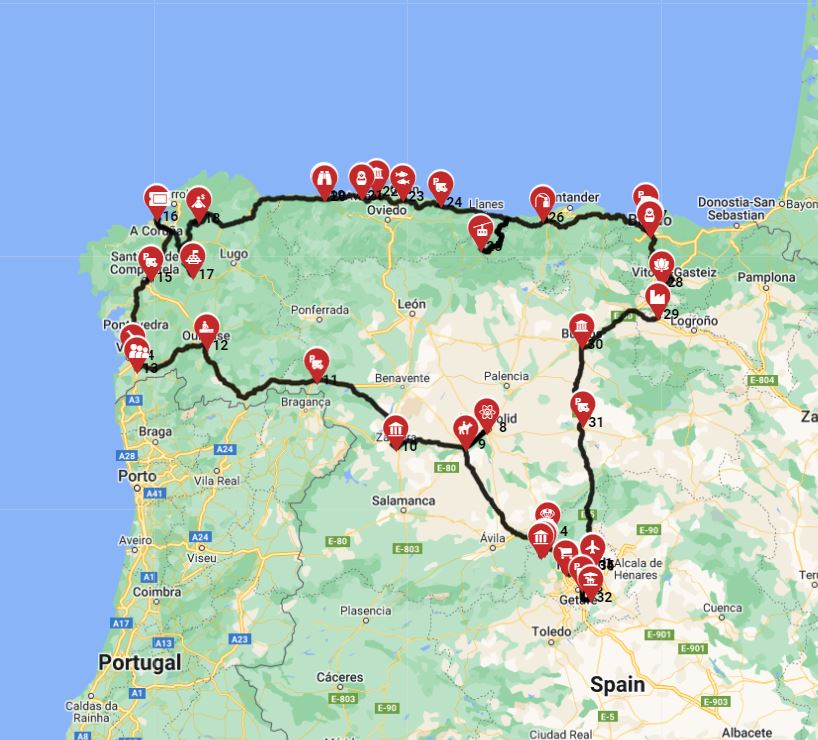
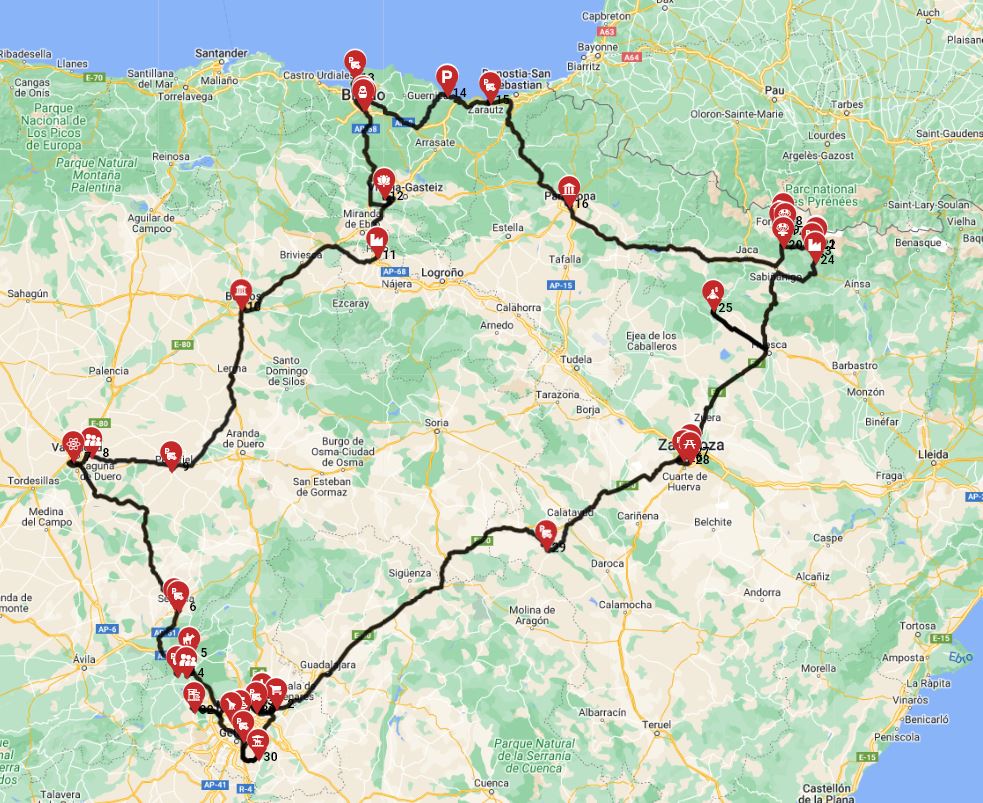
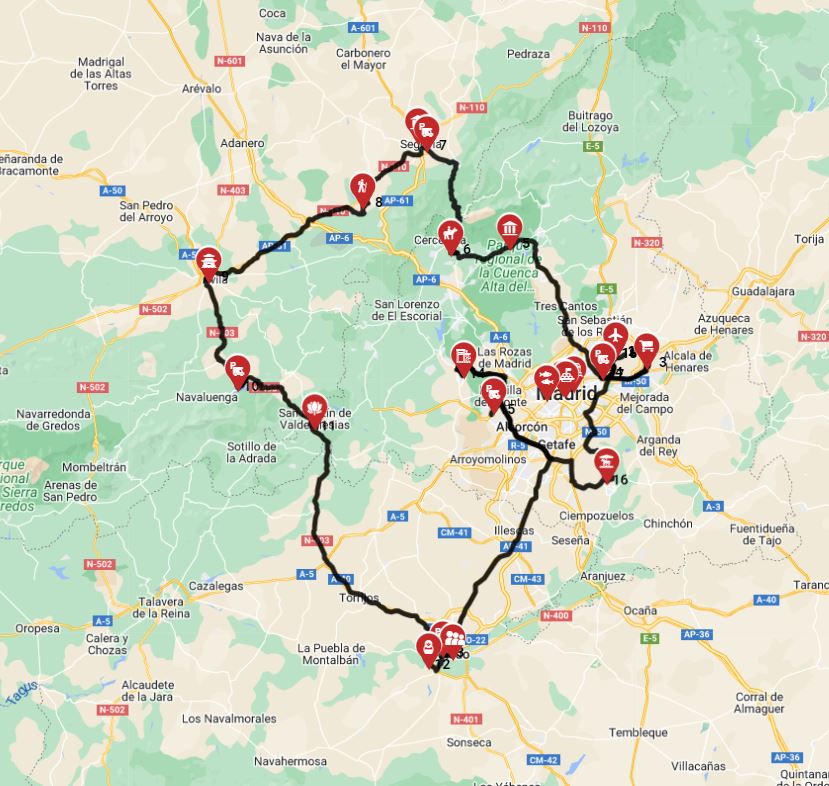
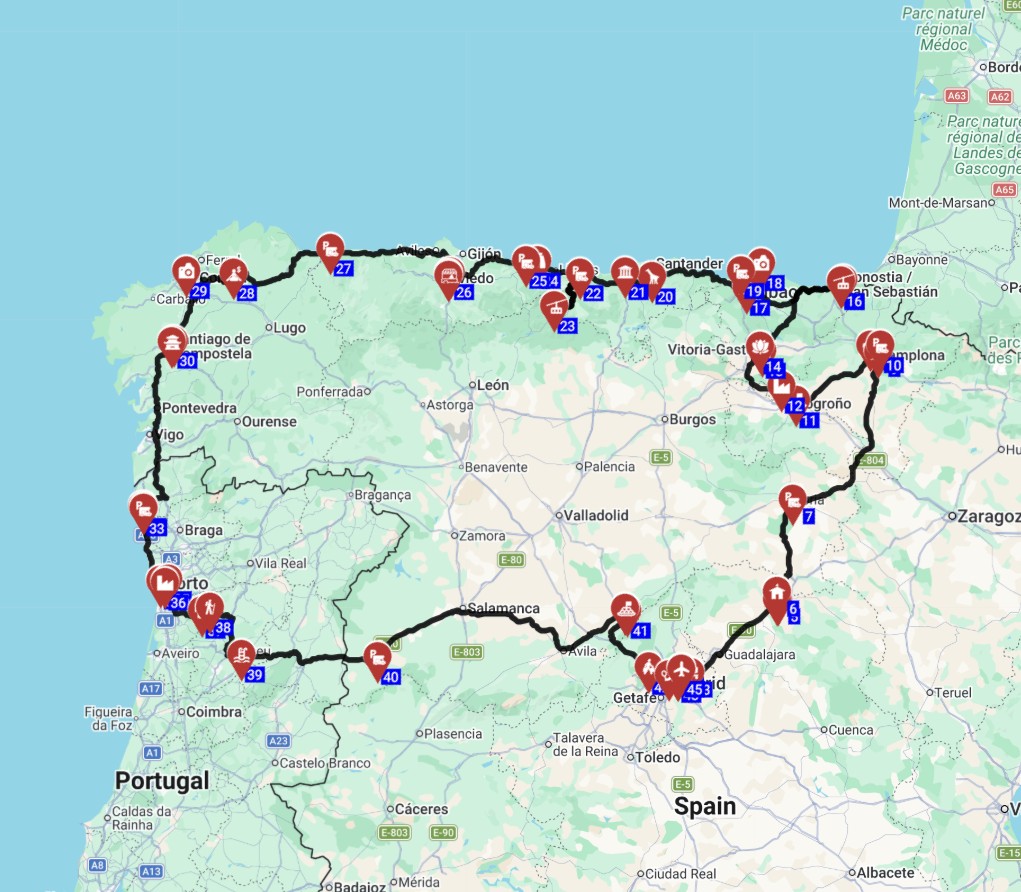
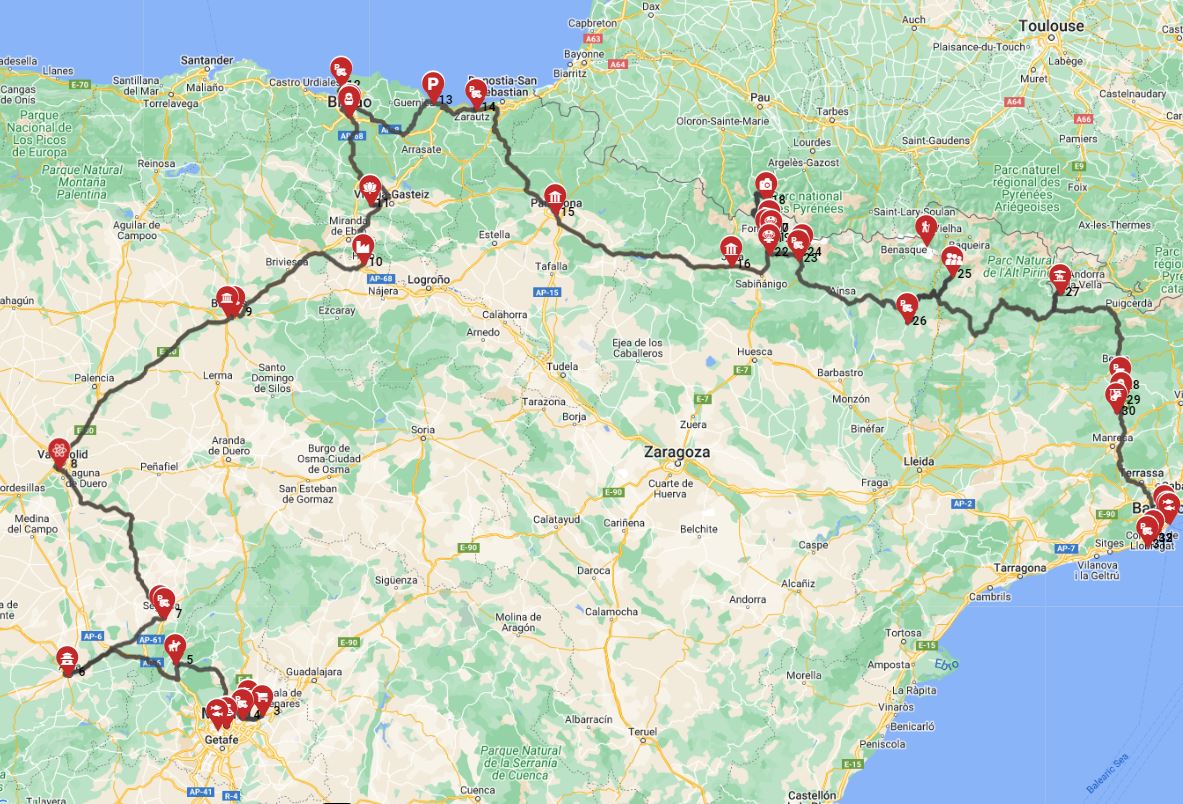
To truly experience authentic Spain by rented RV, venture beyond the well-trodden coastal resorts and major cities into lesser-known, often rural regions like Extremadura, Castilla-La Mancha, or inland Galicia, where local culture and traditions are more prevalent. Imagine parking your rented campervan in a small village square, stepping out to explore a local market, and finding genuine connections. Seek out local markets (`mercados`), `ferias` (regional festivals), and `romerías` (religious pilgrimages) in smaller towns and villages, which are often easily accessible by RV and provide genuine insights into Spanish traditions and vibrant community life. Utilize your rented motorhome to explore Spain's extensive network of natural parks and protected areas, such as the Picos de Europa, Sierra de Grazalema, or Monfragüe National Park, which offer stunning landscapes and ample opportunities for hiking, birdwatching, and connecting with nature away from crowds. You can even enjoy preparing delicious meals in your RV's kitchen with local ingredients you find - check out our RV-friendly recipes playlist for inspiration. Prioritize gastronomic tourism by visiting local vineyards in La Rioja, olive oil mills in Jaén, or traditional `sidrerías` (cider houses) in Asturias, using your RV to discover unique food and drink experiences directly at their source and interacting with local producers. Engage directly with local communities by staying at small, family-run campsites or `áreas de autocaravanas` in quaint villages, providing unparalleled opportunities for genuine interactions and experiencing Spanish hospitality away from mass tourism hubs. Remember to travel slowly, max 100-150 km per day on average, to fully immerse yourself in the culture, food, and scenery of Spain. For specialized route plans, check out the 1,300+ pre-planned routes across 5 continents via RV PLANET (rvplan.net).What to Do in Case of an RV Breakdown or Emergency in Spain?
In the event of a rented RV breakdown in Spain, immediately move the vehicle to the safest possible location on the road shoulder or a nearby rest stop, switch on hazard lights, and place reflective warning triangles at least 50 meters behind your RV. Always keep your rental agreement, insurance documents (including the European Accident Statement form provided by the rental company), and the rental provider's 24/7 emergency roadside assistance number readily accessible within the vehicle. It is crucial to ensure your personal travel insurance includes comprehensive RV breakdown coverage specific to Spain, covering potential costs for towing, alternative accommodation, and onward travel if the vehicle is out of service for an extended period. Bandana offers a top-level deductible reimbursement as an optional upgrade for extra peace of mind, though this is separate from roadside assistance. For medical or other urgent emergencies, dial 112, which is the pan-European emergency number connecting you to police, ambulance, or fire services; clearly state your location and the nature of the emergency, and utilize translation apps if language barriers arise. Familiarize yourself with basic Spanish phrases for emergencies (e.g., 'Necesito ayuda' - I need help, 'accidente' - accident) or have a reliable translation app on your phone to facilitate communication with local services or mechanics, as English proficiency may be limited in rural areas. Maintain a list of nearby RV-specific mechanics or authorized service centers, which your rental company can typically provide, or consult online RV communities and forums for trusted recommendations in your travel region.What Technology and Connectivity Do RVers Need in Spain?
Reliable mobile data is crucial for RVers in Spain for navigation, staying connected, and finding essential services; consider purchasing a local SIM card from providers like Vodafone, Orange, or Movistar upon arrival for more favorable data plans than international roaming. A robust GPS system or an up-to-date mapping application (such as Google Maps, Waze, or dedicated RV navigation apps) is essential, especially as historic centers or remote Spanish areas can have challenging or sometimes outdated map data for larger vehicles. For keeping devices charged, ensure your rented RV has adequate USB ports and a 230V inverter for appliances; when planning to go off-grid, consider supplementing your RV's battery with portable power stations or solar panels to sustain essential electronics. Apps like Park4Night, Campercontact, or iOverlander are invaluable resources for locating `áreas de autocaravanas`, campsites, water points, waste disposal sites, and user reviews, often providing real-time information on current restrictions or availability. While Wi-Fi is generally available at most private campgrounds, its speed and reliability can vary; a portable Wi-Fi hotspot utilizing a local SIM card or a good data plan on your smartphone will offer more consistent connectivity on the go. Consider investing in a dashcam for added safety and security, and an external antenna for your mobile device to improve signal strength in Spain's more remote regions, thereby enhancing both security and continuous connectivity throughout your RV adventure.What You Shouldn't Miss
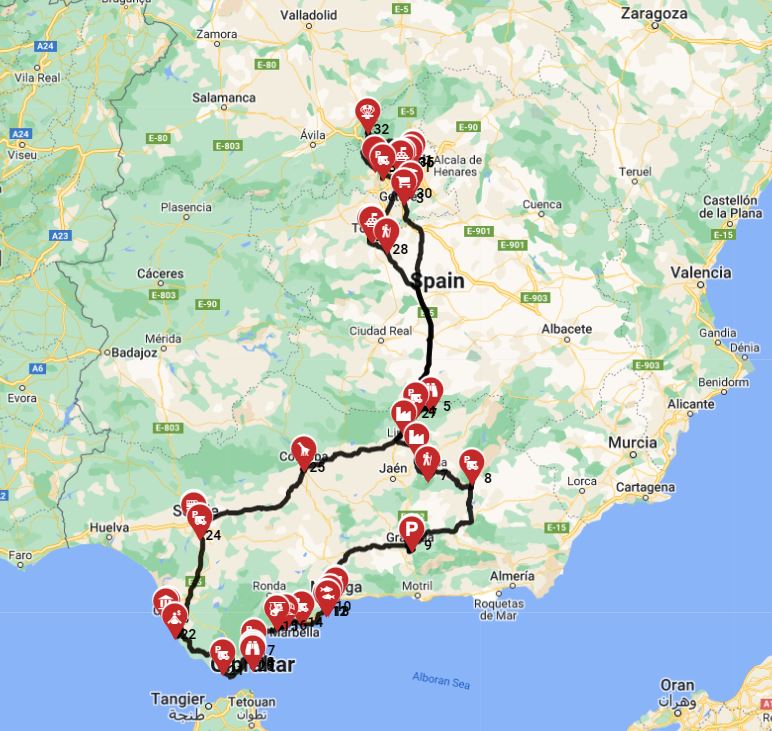
- Explore the Alhambra in Granada: A stunning Moorish palace and fortress complex, a UNESCO World Heritage site offering intricate architecture and breathtaking gardens. Park your RV on the outskirts and take public transport to this historical marvel.
- Drive the Andalusian White Villages Route (Ruta de los Pueblos Blancos): Wind through picturesque hilltop villages like Ronda, Arcos de la Frontera, and Grazalema, experiencing authentic Spanish charm. This is a perfect slow travel experience, taking time to savor each stop.
- Discover the Picos de Europa National Park: Located in northern Spain, this majestic mountain range offers incredible hiking, stunning vistas, and charming alpine villages, ideal for nature lovers seeking adventure in their rented motorhome.
- Indulge in Basque Country Gastronomy: Head to San Sebastián or Bilbao to experience world-renowned culinary delights, from Michelin-starred restaurants to casual `pintxos` bars. Your RV provides the perfect base to explore this foodie paradise.
- Relax on the Beaches of the Costa de la Luz: Enjoy the sun-drenched, less crowded beaches of the Atlantic coast in Andalusia, perfect for water sports or simply unwinding by your rented campervan.
- Looking for expert insights from Avi Bandana? Top 5 Adventures - recommendations from Avi Bandana Find them on RV PLANET!
🎬 Video coming soon