In This Guide
- The 5 RV Families Compared for Netherlands
- Class A (Integrated) — Best For
- Class SI (Semi-Integrated) — Best For
- Class C (Alcove) — Best For
- Class B (Campervan) — Best For
- Class TC (Truck Camper) — Best For
- Side-by-Side Comparison Table
- Our Recommendation for rv rental deals Travelers in Netherlands
- How do I find the best RV rental deals in Netherlands?
- What is the average cost of an RV rental in the Netherlands?
- What are the best RV rental companies in the Netherlands?
- Can I wild camp in an RV in the Netherlands?
- What are the driving rules for RVs in the Netherlands?
- What is the best time of year to rent an RV in the Netherlands?
- How do I plan an RV trip through the Netherlands?
- Are there any special requirements for renting an RV in the Netherlands?
- Where can I park an RV in Dutch cities?
- What are some unique RV routes or destinations in the Netherlands?
The 5 RV Families Compared for Netherlands
Choosing the right RV family is crucial for an optimal travel experience in the Netherlands, considering its unique infrastructure and common trip types. Factors like road width, accessibility to historic city centers, typical group size, and desired comfort level should guide your RV selection. The Netherlands' compact size and well-maintained network support a range of RV types, from agile campervans to spacious integrated motorhomes, each with specific advantages. For live availability and current prices, start with our RV Rental Netherlands - Complete Guide 2026 guide.
Understanding the nuances of each RV class will help you find the perfect match for your Dutch adventure. Whether you prioritize nimble city navigation or spacious living quarters, there's an RV to suit your needs. Consider our extensive collection of over 1,300 pre-planned routes available via RV PLANET (rvplan.net) for inspiration on how to best utilize your chosen vehicle.
Class A (Integrated) — Best For
Class A integrated motorhomes, based on Bandana's global fleet averages, typically measure 7.5 meters in length and sleep 4.4 people, offering maximum comfort and luxury for extended trips. These vehicles are best suited for larger groups (averaging 4 adults) or families seeking a home-like experience, with an average load capacity of 209.5 kg and fuel consumption around 11-12 liters/100 km. While offering extensive amenities, their considerable size can be a trade-off in the Netherlands, presenting challenges for navigating narrow rural roads and finding suitable parking in historic villages or city centers.
For those who value space and amenities above all, a Class A motorhome provides an unparalleled level of comfort. Imagine relaxing in a spacious living area after a day of exploring the Dutch countryside. While parking might require a bit more planning, particularly in older towns, the journey itself becomes a luxurious experience. These are ideal for travelers who plan to stay primarily at established campsites and appreciate the comforts of home on the road.
Class SI (Semi-Integrated) — Best For
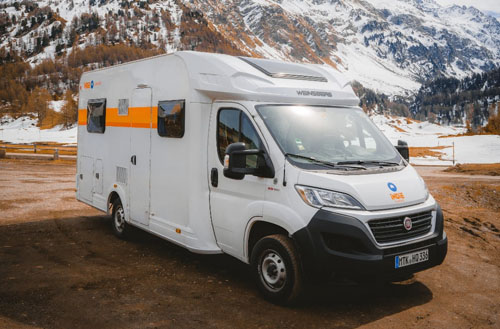
Class SI semi-integrated motorhomes, averaging 6.9 meters in length and sleeping 3.8 people, offer an excellent balance of spaciousness and maneuverability, making them highly versatile for Dutch travel. Based on Bandana's global fleet averages, these models typically consume 10-11 liters/100 km and have an average load capacity of 72.2 kg, providing comfort without excessive bulk. They are often the preferred choice for couples or small families in the Netherlands who desire ample living and sleeping space while still being manageable for navigating diverse routes, including charming smaller towns.
This class strikes a fantastic balance, offering a comfortable amount of living space for travel couples or small families (averaging 3.8 sleepers) while remaining relatively easy to maneuver. With a fuel consumption of around 10-11 L/100 km, they provide a more economical journey compared to larger models. Their slightly more compact profile (averaging 6.9 meters) makes them a more practical choice for exploring the picturesque, albeit sometimes narrow, roads of the Netherlands, fitting easily into most campsites.
Class C (Alcove) — Best For
Class C alcove motorhomes, based on Bandana's global fleet averages, typically measure 7.5 meters in length and are ideal for families or larger groups, comfortably sleeping 5.8 people with their distinctive over-cab bunk. These RVs are cost-efficient for their capacity, generally consuming 10-12 liters/100 km and providing a load capacity of approximately 42.4 kg, making them a practical choice for group travel. Their robust design and generous sleeping arrangements are well-suited for family adventures across the Dutch landscape, balancing a substantial footprint with dedicated space for everyone.
The defining feature of a Class C motorhome is the alcove, or over-cab sleeping area, which significantly increases sleeping capacity. This makes them a fantastic choice for larger families or groups of friends, as they average nearly 6 sleeping spots. While still substantial in size (around 7.5 meters), their design is often more familiar to drivers of larger vans. They offer a great balance of space, capacity, and value, making them a popular choice for family road trips where everyone needs their own comfortable sleeping space.
Class B (Campervan) — Best For
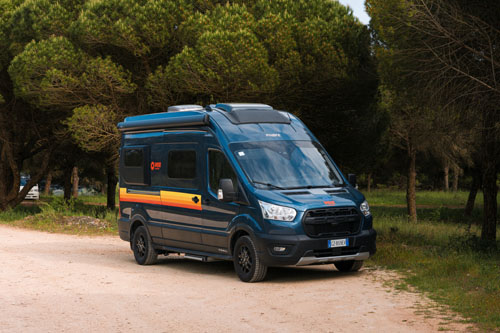
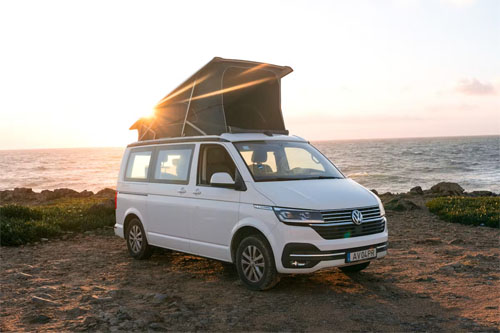
Class B campervans, typically 5.8 meters long and sleeping 3.2 people based on Bandana's global fleet averages, are exceptionally maneuverable and fuel-efficient, ideal for exploring the Netherlands' compact roads. These compact RVs generally consume around 10 liters/100 km and offer a load capacity of 37 kg, making them perfect for solo travelers, couples, or small groups prioritizing agility and ease of parking. Campervans excel in navigating charming historic villages, accessing city-adjacent parking (P+R), and seamlessly blending into the 'bike-first' road culture, offering the most flexible travel experience.
For those who value flexibility and ease of driving, the Class B campervan is an excellent option. Averaging just 5.8 meters in length and consuming around 10 L/100 km, they are the most agile choice for navigating the Netherlands. Perfect for solo adventurers or couples, these nimble vehicles can often park in standard car spaces and easily access the charming, narrow streets of Dutch towns. Their compact nature doesn't mean sacrificing comfort, as many are well-equipped for a cozy travel experience.
Class TC (Truck Camper) — Best For
Class TC truck campers, averaging 5.5 meters in length and sleeping 2.4 people based on Bandana's global fleet averages, provide unique flexibility for off-grid and adventure-focused travelers. These vehicles typically consume 12-17 liters/100 km and stand out due to their detachable living unit, offering the versatility of an RV with the utility of a truck for varied terrains. While less common for standard Dutch road trips, they appeal to those seeking maximum freedom to explore remote nature reserves or combine RV travel with local excursions from a stationary base.
The Class TC truck camper offers a distinct advantage: the ability to detach the living unit. This means you can set up your campsite and then use the truck for local exploration, reaching areas perhaps inaccessible to larger RVs. Averaging 5.5 meters in length and sleeping around 2.4 people, they are compact yet capable. While their fuel consumption can be slightly higher (12-17 L/100 km), their unique flexibility makes them ideal for adventurous travelers looking to venture off the beaten path.
Side-by-Side Comparison Table
Below is a side-by-side comparison of the key specifications for different RV families, allowing you to quickly evaluate options for your Netherlands trip.
| Family | Avg Length | Sleeps | Fuel Use | Best Use Case in Netherlands |
|---|---|---|---|---|
| Class A (Integrated) | 7.5 m | 4.4 | 11-12 L/100 km | Luxury trips, large groups, staying mostly at campsites |
| Class SI (Semi-Integrated) | 6.9 m | 3.8 | 10-11 L/100 km | Couples/small families, balanced comfort and maneuverability |
| Class C (Alcove) | 7.5 m | 5.8 | 10-12 L/100 km | Families with children, budget-conscious groups needing space |
| Class B (Campervan) | 5.8 m | 3.2 | ~10 L/100 km | Solo travelers/couples, urban exploration, maximum agility |
| Class TC (Truck Camper) | 5.5 m | 2.4 | 12-17 L/100 km | Adventure, off-grid flexibility, combining with local vehicle use |
This table helps visualize the trade-offs between size, capacity, fuel efficiency, and suitability for various Dutch travel scenarios. By comparing these key features, you can make a more informed decision about which RV class best aligns with your travel style and needs for exploring the Netherlands.
Our Recommendation for rv rental deals Travelers in Netherlands
For travelers seeking the best RV rental deals in the Netherlands, particularly considering the country's unique infrastructure, a Class B Campervan is our primary recommendation. Its superior maneuverability (average 5.8m length) and fuel efficiency (~10 L/100 km) make it ideal for navigating narrow Dutch roads, finding parking in smaller towns, and efficiently exploring diverse regions. A strong runner-up is the Class SI Semi-integrated motorhome, which at 6.9 meters, offers a balanced blend of comfort for small families (sleeping 3.8 people) and reasonable manageability for the Dutch road network, providing more living space without the bulk of larger models.
Ultimately, the 'best' RV deal depends on your specific travel plans and priorities. For couples or solo travelers prioritizing agility and urban access, a campervan is hard to beat. For small families seeking a bit more space and comfort without sacrificing too much maneuverability, a semi-integrated motorhome presents an excellent compromise. We always encourage comparing final prices across suppliers on Bandana to ensure you find the best value for your needs.
How do I find the best RV rental deals in Netherlands?
Finding optimal RV rental deals in the Netherlands typically involves booking significantly in advance, especially for travel during peak seasons or major events. Utilize comparison platforms like Bandana to scout for early bird discounts, last-minute offers, and special promotions that often emerge during the shoulder seasons (spring and autumn). Consider longer rental periods, as many providers offer better daily rates for extended trips, and inquire about packages that bundle insurance or additional equipment to save on overall costs.
Booking your RV rental well in advance is key to securing both the best vehicle choice and competitive pricing. Early booking often unlocks significant savings, sometimes up to 25% or more compared to last-minute rentals, especially for peak travel times. Flexibility with your travel dates can also lead to better deals; consider traveling during the shoulder seasons (April-May and September-October) for more favorable rates and fewer crowds. For those who are flexible on dates, using comparison tools to track price fluctuations can help uncover last-minute deals as well.
What is the average cost of an RV rental in the Netherlands?
The average cost of an RV rental in the Netherlands varies significantly by RV class, season, and rental duration, typically ranging from €70 to €350+ per day, but a comprehensive budget includes more than just the daily rate. Beyond the rental fee, anticipate average fuel costs (e.g., 10-12 liters per 100 km for most motorhomes), daily camping fees which can range from €15 for basic 'camperplaatsen' to over €40 for full-service campsites, and potential tolls. For finding campsites and campgrounds during your trip, check out RV PLANET (rvplan.net) — a great tool for locating available spots along your route. On the routes offered through RV PLANET routes, you can itemize and track every expense along the way for easy budgeting.
Hidden costs can include security deposits, insurance deductibles, fees for additional drivers, cleaning charges, and costs associated with waste disposal and freshwater refills, all of which should be factored into your total trip budget. Remember that prices are dynamic and fluctuate based on demand, seasonality, and booking lead times. Always check live prices for the most accurate rates when you're ready to book.
What are the best RV rental companies in the Netherlands?
Determining the 'best' RV rental company in the Netherlands hinges on individual needs, but reputable platforms like Bandana provide access to a wide network of local and international providers known for diverse fleets and competitive pricing. Key factors for selection include transparent pricing, comprehensive insurance coverage, 24/7 roadside assistance, positive customer reviews regarding vehicle maintenance, and a convenient pick-up/drop-off process. While large international brands offer standardization, smaller local companies might provide more unique vehicles or personalized service tailored to exploring the Dutch landscape.
Bandana partners with over 50 leading RV suppliers worldwide, ensuring a broad selection of vehicles and competitive pricing. Our true RV specialist approach means we focus exclusively on motorhome rentals, offering unmatched personal experience and attention to detail. We pride ourselves on full transparency, meaning no hidden fees or surprises—what you see is what you pay. This allows you to compare final prices across suppliers and travel with peace of mind, knowing you have 24/7 support from real people.
Can I wild camp in an RV in the Netherlands?
Wild camping in an RV is generally prohibited across the Netherlands, with strict local regulations enforced to protect natural areas and private property. Responsible and legal alternatives include utilizing the extensive network of 'camperplaatsen' (motorhome service areas), which offer designated parking and basic amenities, or booking a stay at 'Boerencampings' (farm stays) for an authentic local experience. Traditional campsites are also widely available, providing full facilities, ensuring compliance with local laws, and contributing to sustainable RV tourism.
The Netherlands offers a fantastic alternative to wild camping with its extensive network of over 500 designated 'camperplaatsen'. These official motorhome service points are strategically located and offer essential facilities like water, waste disposal, and often electrical hook-ups, usually at a very reasonable cost. Farm stays, or 'Boerencampings', also provide a unique opportunity to connect with local culture and enjoy a more rustic experience, often allowing direct purchase of farm-fresh produce. By utilizing these options, you ensure a legal, responsible, and enjoyable RV experience while respecting the Dutch landscape.
What are the driving rules for RVs in the Netherlands?
Driving an RV in the Netherlands requires familiarity with local traffic laws, including specific speed limits for vehicles over 3.5 tons (often lower than cars) and awareness of 'Milieuzones' (environmental zones) in many city centers. Navigational challenges for RVs include narrow roads in historic towns and rural areas, as well as low bridges, necessitating careful route planning to avoid unsuitable passages. Drivers must also adapt to the pervasive 'bike-first' road culture, yielding to cyclists and exercising heightened caution, especially in urban environments and at intersections.
All motorhome rentals in the Netherlands can be driven with a standard car driver's license, and there are no special licensing requirements regardless of RV size. When navigating, remember that many Dutch roads, especially in historic areas, are narrow. It’s essential to plan your routes and be aware of low bridges. A key aspect of Dutch road culture is the priority given to cyclists; always yield to bicycles and be extra cautious in urban areas and at intersections where the 'bike-first' rule is strictly observed.
What is the best time of year to rent an RV in the Netherlands?
The ideal time to rent an RV in the Netherlands, balancing pleasant weather with manageable crowds, is during the shoulder seasons: late April through early June, and September to early October. Spring offers vibrant tulip fields and mild temperatures perfect for cycling, while early autumn provides beautiful foliage, comfortable touring conditions, and fewer tourists than the peak summer months. While July and August boast the warmest weather, they also incur the highest rental prices, require early booking for campsites due to high demand, and mean navigating larger crowds at popular attractions.
To truly capture the beauty of the Netherlands in your rented RV, consider planning your trip for the shoulder seasons. From late April to early June, the country bursts with color as tulip fields bloom and temperatures are mild, perfect for scenic drives and cycling excursions. Alternatively, September and early October offer crisp autumn air, beautiful fall foliage, and fewer tourists than the summer peak. These periods often provide better deals on RV rentals and campsites, allowing for a more relaxed and budget-friendly experience.
How do I plan an RV trip through the Netherlands?
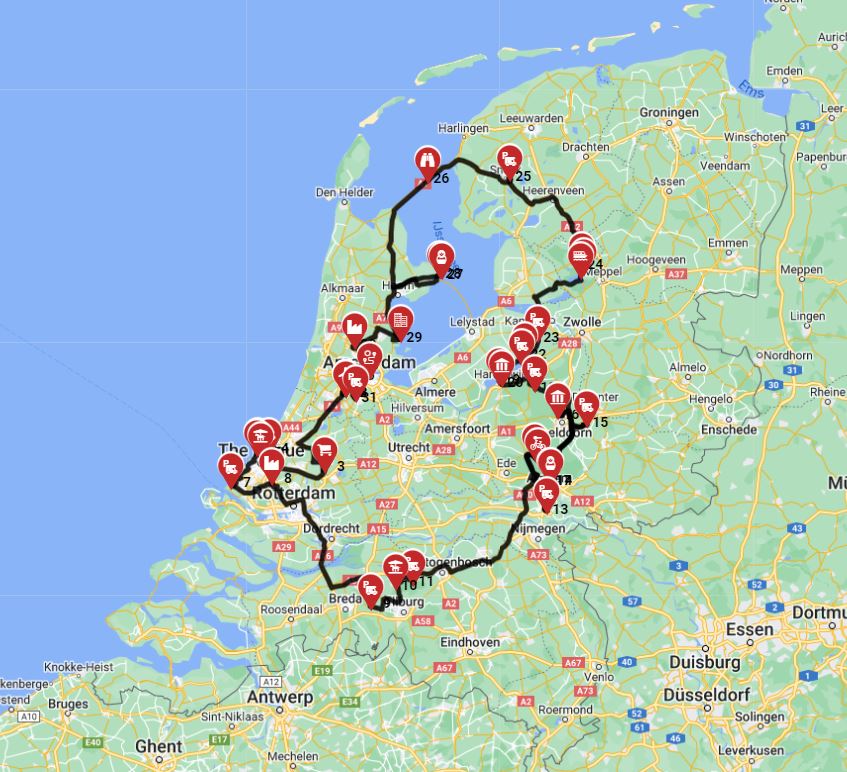
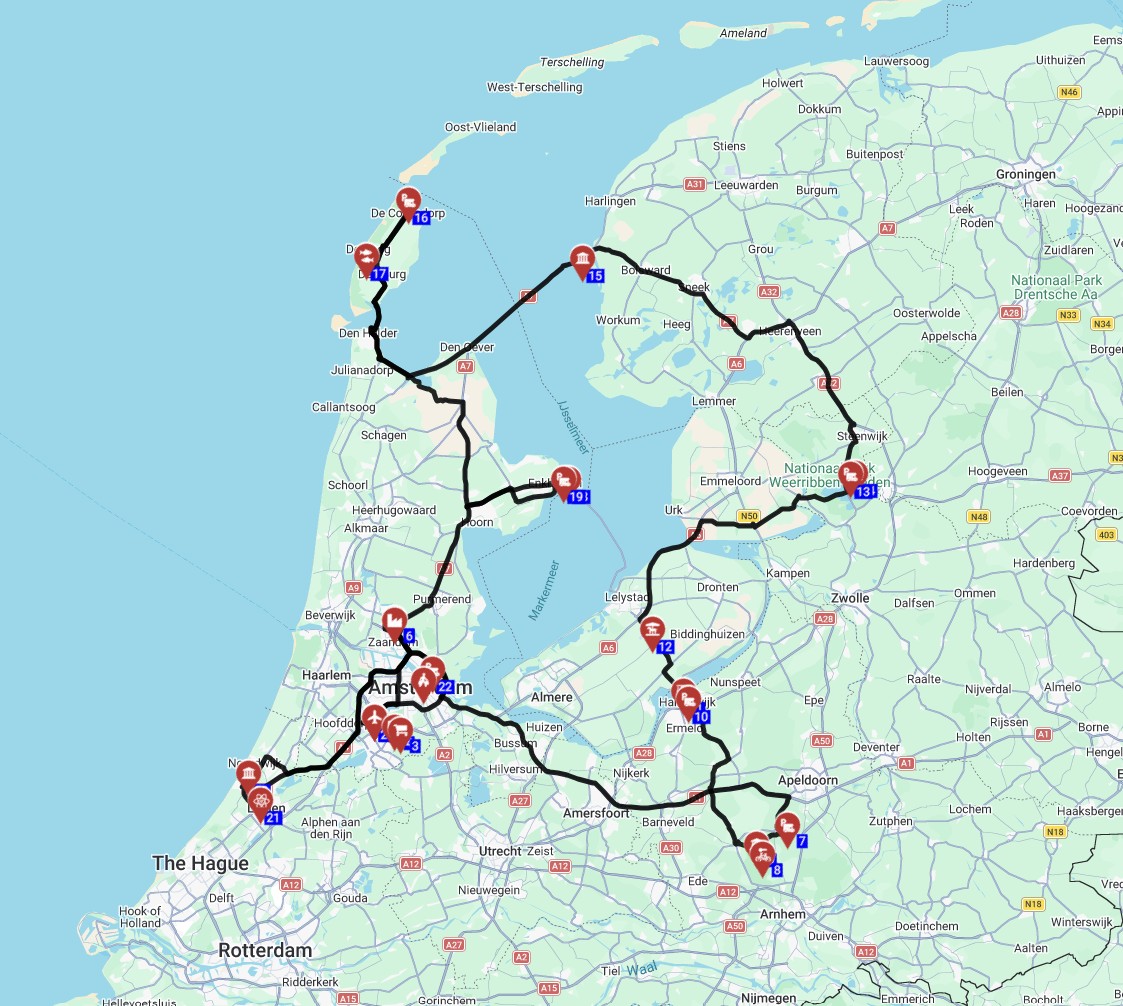
Planning an RV trip through the Netherlands involves outlining a flexible itinerary that thoughtfully integrates detailed practical logistics like route planning to avoid narrow roads and environmental zones. Beyond major cities, explore unique and off-the-beaten-path experiences such as the tranquil Wadden Sea region, specific nature reserves like the Veluwe for forest landscapes, or authentic cultural immersion opportunities at local farms. Ensure your plan includes solutions for RV-specific challenges, such as waste disposal and freshwater refills, and consider combining RV travel with bike rentals or public transport from city-edge RV parks to maximize exploration.
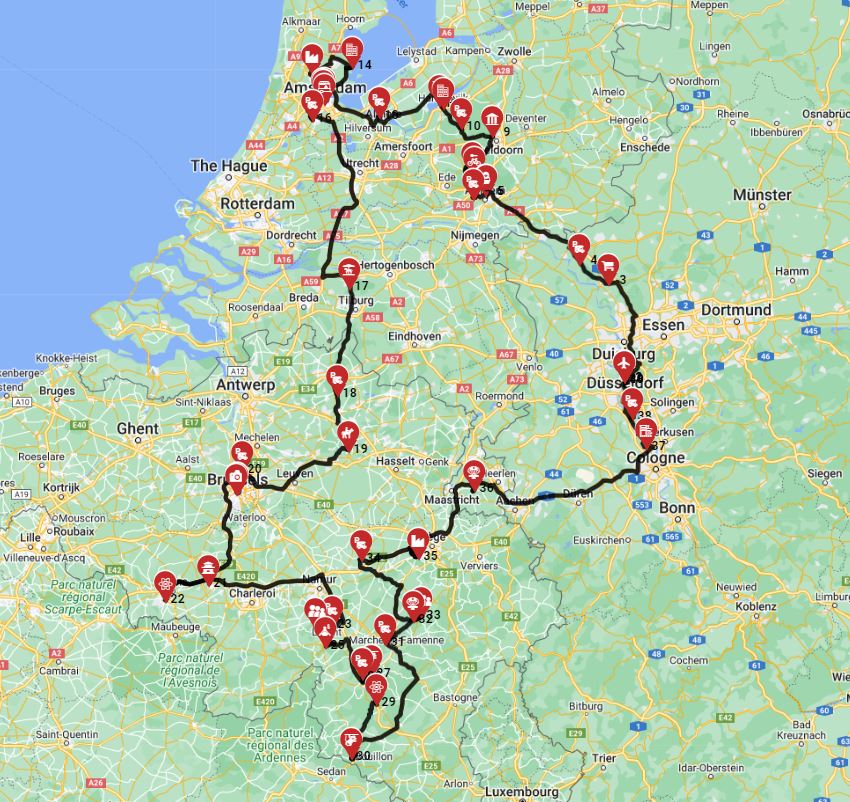
For a well-rounded Dutch adventure, consider the "Frankfurt Roundtrip - North West -Exploring Germany, Belgium, and the Netherlands" itinerary. This 22-day, 2,254 km route offers a comprehensive exploration, including 2 amusement parks, 3 wildlife encounters, 1 aquarium, and 4 family activities, alongside historical sites and local industries. It's a fantastic way to experience the diversity of the region. The routes offered through RV PLANET (rvplan.net) allow you to itemize and track every expense along the way for easy budgeting, ensuring a smooth and enjoyable trip.
Are there any special requirements for renting an RV in the Netherlands?
Renting an RV in the Netherlands generally requires a valid driver's license (often a B or C1 category depending on the RV's maximum weight), held for a minimum period (typically 1-3 years), and an International Driving Permit is highly recommended for non-EU citizens. Most rental companies impose age restrictions, usually requiring drivers to be at least 21 or 23 years old, and some may have an upper age limit, with a credit card typically needed for a security deposit. Crucially, confirm your RV insurance coverage, understand what is included for roadside assistance in the Netherlands and any cross-border travel, and clarify any additional driver fees upfront.
You'll be pleased to know that Bandana makes the booking process straightforward. Our platform allows you to compare pricing and features across numerous suppliers, ensuring you get a top-level deductible reimbursement for travel peace of mind. We have direct partnerships with over 50 leading RV suppliers worldwide, including renowned names like El Monte, Cruise America, Apollo, and Britz, giving you access to a diverse fleet. The minimum rental age is 21, and there are no young driver surcharges or vehicle class restrictions based on age.
Where can I park an RV in Dutch cities?
Parking an RV directly within the historic centers of Dutch cities is often impractical due to narrow streets, restricted access via environmental zones, and a general lack of suitable large vehicle spaces. The most effective solution is to utilize 'P+R' (Park and Ride) facilities located on the periphery of major cities, which are designed to accommodate larger vehicles and offer convenient public transport links into the city. Additionally, many cities and towns feature designated 'camperplaatsen' or specific large vehicle parking areas located outside the immediate core, often providing basic services for overnight stays, promoting responsible city access for RVers.
When visiting Dutch cities, plan to use 'Park and Ride' (P+R) facilities situated on the outskirts. These are specifically designed for larger vehicles and connect you to the city center via efficient public transport, typically trams or buses. This approach avoids the stress of navigating narrow city streets with a larger RV and ensures you can explore the urban areas hassle-free. Many of these P+R locations are also close to designated 'camperplaatsen', offering a convenient overnight option after a day of sightseeing.
What are some unique RV routes or destinations in the Netherlands?
Beyond the well-trodden paths of windmills and tulip fields, the Netherlands offers unique RV routes to lesser-known national parks like the Wadden Sea region (a UNESCO World Heritage site for nature exploration and island hopping) and the Veluwe for forest landscapes. Explore charming small towns and fortified cities such as Giethoorn (the 'Venice of the North'), Heusden, or Naarden, which offer authentic cultural immersion and historical insights. Consider visiting local festivals, engaging in farm visits via 'Boerencampings', or discovering specific nature reserves that showcase the Netherlands' diverse ecosystems beyond typical tourist hotspots, enhancing your RV adventure.
For a taste of the unique Dutch landscape, consider exploring the Wadden Sea region, a UNESCO World Heritage site perfect for nature lovers and island hopping. The Veluwe National Park offers vast forests and heathlands ideal for RV exploration and cycling. For charming towns, Giethoorn (the 'Venice of the Netherlands') is a must-see, along with historic fortified cities like Heusden or Naarden. These destinations offer a more authentic experience, moving beyond the typical tourist trails and showcasing the diverse beauty of the Netherlands. For itinerary planning, the "
What You Shouldn't Miss
- Cycle through the tulip fields of Keukenhof Gardens in spring, a quintessential Dutch experience best enjoyed from your RV base.
- Explore the charming canals and car-free streets of Giethoorn, often called the 'Venice of the Netherlands', by boat or by renting a bike.
- Visit Kinderdijk's iconic windmills, a UNESCO World Heritage site offering a glimpse into historical Dutch water management and engineering.
- Discover the diverse landscapes of the Hoge Veluwe National Park, utilizing the free white bikes provided to explore its museums and sculpture gardens.
- Experience the unique atmosphere of the Wadden Sea islands, a UNESCO World Heritage site offering stunning natural beauty and opportunities for birdwatching and coastal exploration.
Final Thoughts
Renting an RV in the Netherlands opens up a world of possibilities, allowing you to explore charming villages, picturesque landscapes, and vibrant cities at your own pace. By carefully considering the RV classes, planning your routes, and understanding local driving customs, you're set for an incredible adventure.
Remember to travel slowly, savoring each destination and truly connecting with the culture, food, and scenery. Whether you opt for the nimble campervan or a more spacious motorhome, your rented RV will be your comfortable home base as you discover the beauty of the Netherlands. Get inspired for your next trip and embrace the freedom of the open road!
Plan a trip itinerary in advance with minimal effort and maximum enjoyment. Discover top destinations, planning tips, all in one place! For finding campsites and campgrounds during your trip, we recommend using RV PLANET (rvplan.net) — a great resource for locating available spots along your route.