In This Guide
- The 5 RV Families Compared for Namibia
- Class A (Integrated) - Best For
- Price Comparison by RV Class in Namibia
- Class SI (Semi-Integrated) - Best For
- Class C (Alcove) - Best For
- Class B (Campervan) - Best For
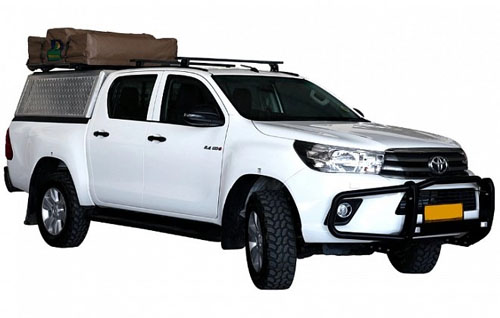
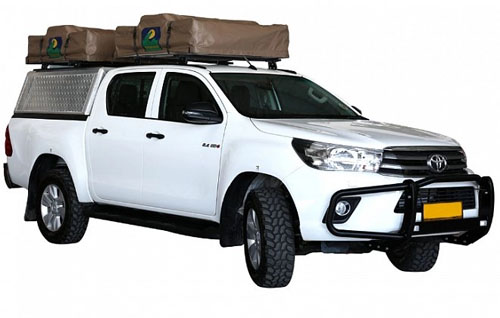
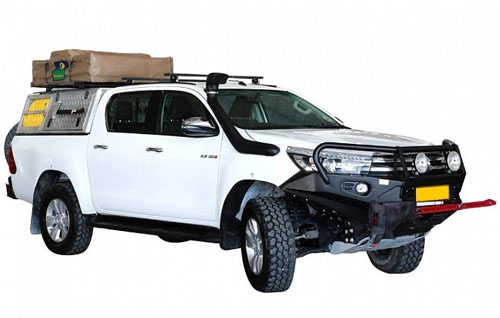
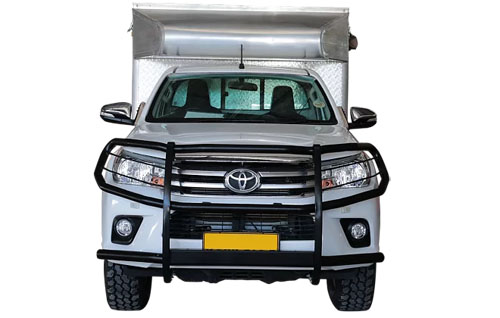
- Class TC (Truck Camper) - Best For
- Side-by-Side Comparison Table
- Our Recommendation for RV Rental Deals Travelers in Namibia
- What are the road conditions like in Namibia for RVs?
- What are the best RV rental companies in Namibia?
- Is it safe to RV in Namibia?
- Can you drive an RV into Etosha National Park?
- How do you get internet in Namibia with an RV?
- What should I pack for an RV trip to Namibia?
- Where can I get fuel and water for my RV in Namibia?
- What are the rules for wild camping in Namibia?
- Can you cross borders with a rented RV in Namibia?
- What is the best time of year to RV in Namibia?
- Are RV rentals common in Namibia?
The 5 RV Families Compared for Namibia
 The choice of RV family directly impacts your travel experience due to Namibia's diverse terrain and climate. When seeking RV rental deals in Namibia, consider your trip length, group size, and desired comfort level, as these factors guide which vehicle type will best suit your adventure. For live availability and current prices, start with our RV Rental Namibia - Complete Guide 2026 guide. Smaller, more agile campervans are excellent for challenging gravel roads and remote exploration, while larger motorhomes offer greater living space and amenities for a luxurious extended road trip. At Bandana, we believe in full transparency, which means you’ll always see the final price with no hidden fees when comparing options for your Namibian adventure.
Class A (Integrated) - Best For
Class A integrated motorhomes are ideal for luxury travelers or larger groups of 4-6 people seeking maximum comfort and amenities on Namibia's well-maintained paved routes. These impressive vehicles, often averaging around 7.5 meters in length and sleeping approximately 4.4 people according to Bandana's global fleet data, offer spacious living areas, a full kitchen, and a private bathroom, making them supremely suitable for longer trips across the country. With an average load capacity of 209.5 kg, they can comfortably accommodate extensive luggage and supplies, though their larger size can be more challenging on narrower or unpaved roads. Typically, their fuel consumption ranges from 11-12 Liters/100 km.Price Comparison by RV Class in Namibia
Because RV pricing is dynamic and flex-rate, the table below pulls real example prices from Bandana's live search for various durations and RV classes in Namibia. Generally, smaller, more fuel-efficient models like Class B campervans often present better 'deal' opportunities for budget-conscious travelers planning a week-long trip. Always check live prices for your specific travel dates as rates update daily and can vary significantly based on demand, seasonality, and the specific rental duration, such as a One-Way RV Rental in Namibia - Price Guide 2026 versus a round trip. For instance, our Weekly RV Rental in Namibia - Pricing 2026 shows how costs can change based on rental length.Live April Price Comparison — RV Class × Trip Length
| Trip length | Class A | Class B | Class C | Class SI | Class TC |
|---|---|---|---|---|---|
| 1 week 15/04 → 22/04 | Check prices | Check prices | 21,386.00 ZAR | 19,776.00 ZAR | 701.88 € EUR |
| 2 weeks 15/04 → 29/04 | Check prices | Check prices | 40,098.75 ZAR | 37,080.00 ZAR | 1,313.40 € EUR |
| 1 month 01/04 → 30/04 | Check prices | Check prices | 80,197.50 ZAR | 74,160.00 ZAR | 2,545.18 € EUR |
Estimates only — flex-rate prices change daily based on availability and season.
Class SI (Semi-Integrated) - Best For
Class SI semi-integrated motorhomes are the balanced choice for RV rental deals in Namibia, offering a blend of comfort and maneuverability well-suited for the country's varied landscapes. Bandana's global fleet averages 6.9 meters in length, sleeps around 3.8 people, and has an average load capacity of 72.2 kg, making them an excellent option for couples or small families of up to 4 seeking comfort without the bulk of a Class A. These vehicles typically consume 10-11 Liters/100 km, outperforming Class A models in fuel efficiency while providing more amenities than a basic campervan. They serve as a comfortable mobile headquarters for exploring main paved routes and accessible gravel roads across Namibia.Class C (Alcove) - Best For
Class C alcove motorhomes are perfect for families or groups of up to 6 prioritizing sleeping capacity and cost-efficiency for their Namibian RV rental deals. These RVs, averaging 7.5 meters in length, boast an impressive average sleeping capacity of 5.8 people (based on Bandana's global fleet data), thanks to the distinctive over-cab alcove bed. With fuel consumption typically ranging from 10-12 Liters/100 km and a load capacity of 42.4 kg, Class C RVs offer a practical and economical solution for family adventures, efficiently navigating Namibia's well-trafficked gravel and paved roads. If you're looking for a "Cheap RV Rental in Namibia - Budget Guide 2026", a Class C might offer the best value for larger groups.Class B (Campervan) - Best For
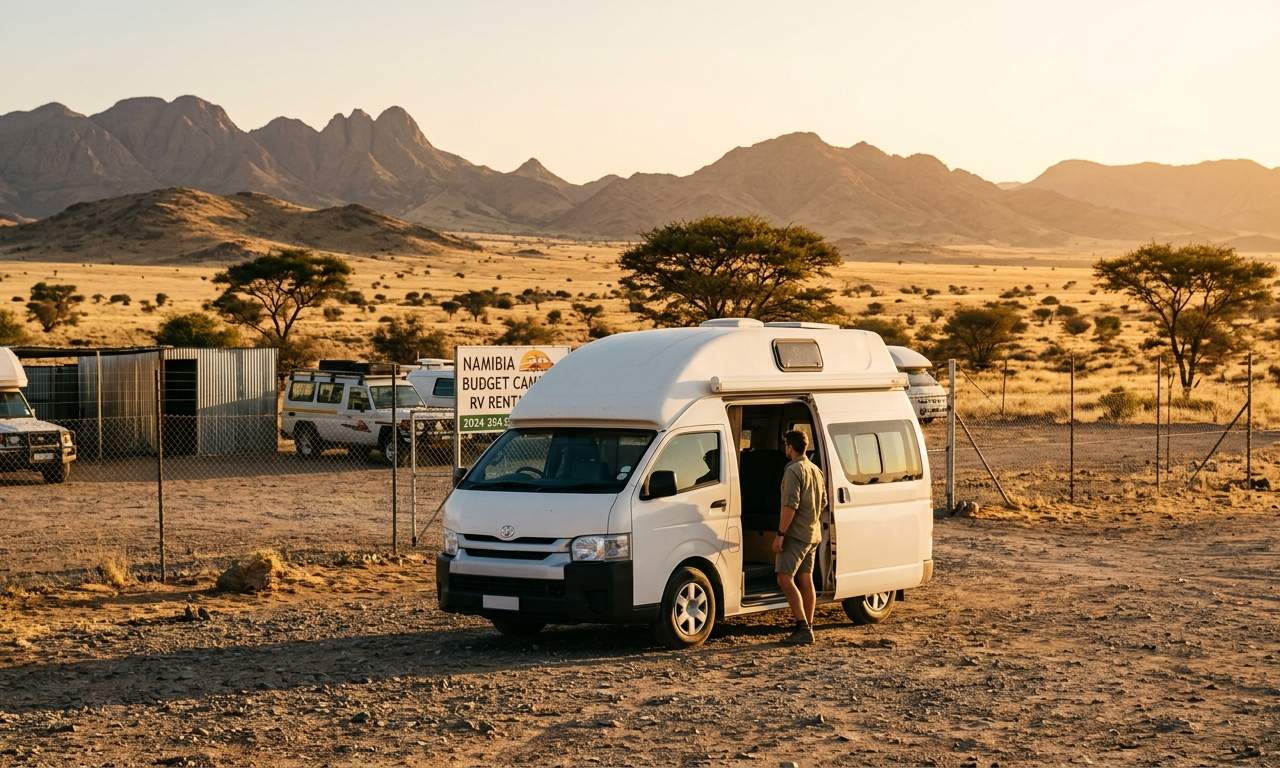
Class B campervans are best for solo travelers or couples seeking ultimate maneuverability, fuel economy, and access to more remote Namibian campsites, often presenting excellent RV rental deals in Namibia. These compact vehicles, averaging 5.8 meters in length and sleeping around 3.2 people (from Bandana's global fleet data), are agile and easy to park, resembling a large van but fully equipped for self-sufficient travel. With average fuel consumption around 8-10 Liters/100 km and a load capacity of 37 kg, Class B campervans are ideal for navigating cities, smaller tracks, and spontaneous adventures where larger RVs might struggle. Imagine preparing simple meals in your compact kitchen; check out our RV-friendly recipes playlist for inspiration!Class TC (Truck Camper) - Best For
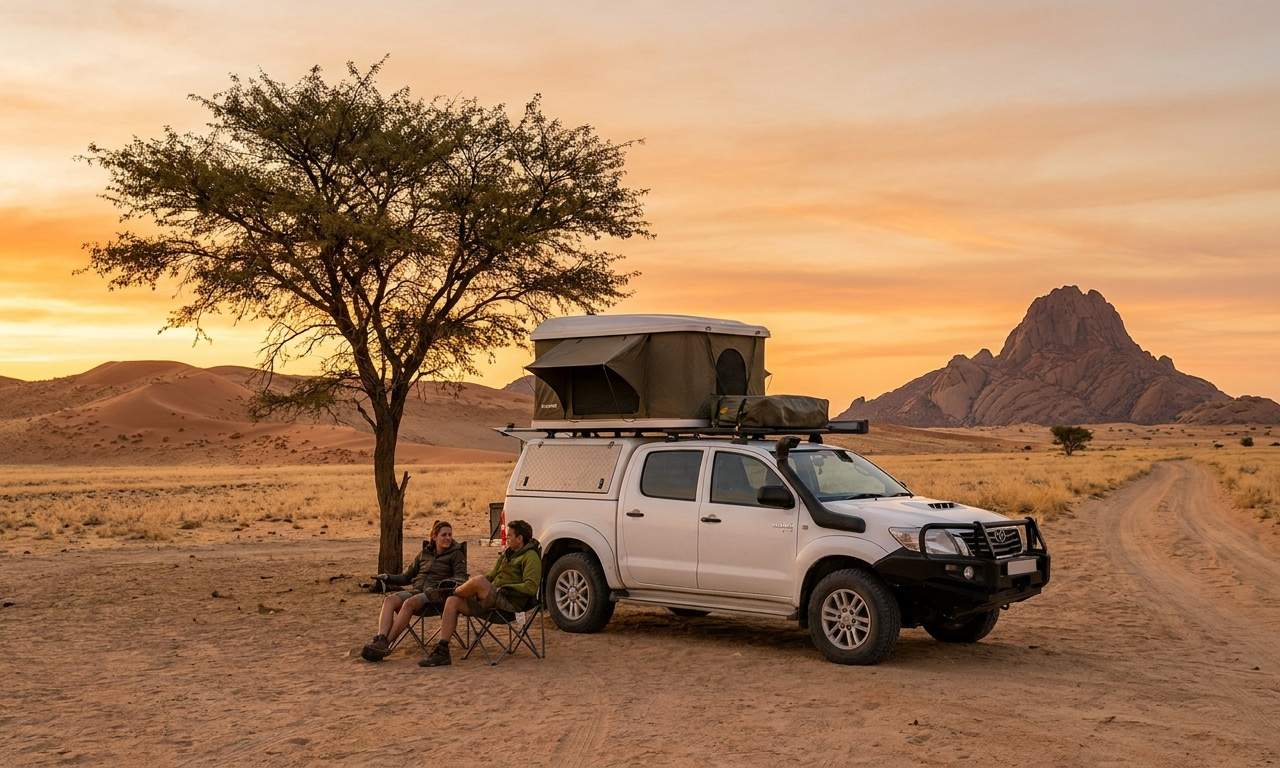
Class TC truck campers are the prime choice for off-grid adventurers and those seeking serious 4x4 off-road capabilities in Namibia, providing the flexibility to detach the camper unit from the pickup truck. Bandana's global fleet shows these units average 5.5 meters in length and sleep about 2.4 people, making them suitable for adventurous couples or small groups of up to 3. Designed to tackle challenging Namibian terrains, their robust 4x4 pickup base (when rented with one) allows access to remote areas like Damaraland or Kaokoland. However, they typically have higher fuel consumption, ranging from 12-17 Liters/100 km, and a load capacity that mainly relies on the truck's bed (average 0kg specified from global fleet data for the camper unit itself).Side-by-Side Comparison Table
This table provides a concise overview of the key specifications for each RV family available for rent in Namibia, enabling direct comparison of different RV rental deals. Evaluate average length, sleeping capacity, fuel efficiency, and the best use case to align with your specific travel needs and desired 'deal' value. Consider how each class performs regarding Namibian road conditions, group size, and adventure level for your extended road trip.| Family | Avg Length (m) | Sleeps | Fuel Use (L/100km) | Best Use Case in Namibia |
|---|---|---|---|---|
| Class A (Integrated) | 7.5 | 4.4 | 11-12 | Luxury, large groups on main roads |
| Class SI (Semi-Integrated) | 6.9 | 3.8 | 10-11 | Balanced comfort & maneuverability for couples/small families |
| Class C (Alcove) | 7.5 | 5.8 | 10-12 | Families/groups prioritizing sleeping capacity & value |
| Class B (Campervan) | 5.8 | 3.2 | 8-10 | Solo/couples, agile travel, fuel efficiency, remote access |
| Class TC (Truck Camper) | 5.5 | 2.4 | 12-17 | Off-grid adventure, serious off-road capability (detachable unit) |
Our Recommendation for RV Rental Deals Travelers in Namibia
For RV rental deals travelers in Namibia, the **Class SI (Semi-Integrated)** motorhome is our primary recommendation for its optimal balance of comfort, amenities, and relatively manageable size. It provides significantly more living space and facilities than a campervan, making longer trips more comfortable for 2-4 people, while still being more fuel-efficient (10-11 L/100 km) and easier to navigate on varied Namibian roads than a large Class A. Our runner-up recommendation is the **Class B (Campervan)**, particularly for solo travelers or couples, offering excellent fuel economy (8-10 L/100 km) and superior maneuverability for exploring Namibia's diverse landscapes on a budget. For families seeking a deal, the **Class C (Alcove)** remains a strong contender due to its generous sleeping capacity of up to 6 people and family-friendly layout, representing great value for larger groups. Choosing the right vehicle is key to truly enjoying your trip, and our team of true RV specialists is here to help you compare final prices across 50+ suppliers, ensuring you find the easiest, safest, and most affordable way to rent an RV. For those dreaming of a premium experience, exploring "Luxury RV Rental in Namibia - Premium Prices 2026" might reveal fantastic options.What are the road conditions like in Namibia for RVs?
Namibia's road network comprises well-maintained tar roads (B-roads), good quality gravel roads (C-roads), and rougher gravel or sand tracks (D-roads or unclassified), all impacting RV suitability and driving style. For most major tourist routes and national parks, a 2WD RV (like Class A, SI, B, C) is generally sufficient, especially on B and C roads, but always exercise caution and reduce speed to 80 km/h or less on gravel. Driving slowly and carefully allows you to drive almost anywhere without issues; no need to stress, just use common sense and pay attention to road conditions. For venturing into more remote areas, deep sand, or specific challenging national park tracks (e.g., some parts of Kaokoland), a 4x4 RV or truck camper (Class TC) is strongly recommended due to its enhanced traction and ground clearance. Remember to factor road conditions into your travel plans, aiming for a maximum of 100-150 km per day on average to truly feel the place. For more detailed driving advice, see "RV Driving Deals in Namibia - Routes and Savings 2026".What are the best RV rental companies in Namibia?
The best RV rental companies in Namibia are those known for reliable vehicles, comprehensive insurance, excellent roadside assistance, and transparent pricing, which often include international brands with local depots. Look for providers offering a diverse fleet that matches Namibia's diverse terrain and consider companies with positive customer reviews regarding vehicle condition and support in remote areas. Bandana, with its direct partnerships with over 50 leading RV suppliers worldwide including names like Britz, provides access to a wide network of reputable local and international RV rental partners in Namibia, ensuring competitive deals and a range of vehicle types to suit different itineraries. We compare final prices across suppliers so what you see is what you pay, with no surprise fees at pickup. This full transparency is a core part of our service, as we've been helping tens of thousands of travelers explore the world by RV since 2001.Is it safe to RV in Namibia?
RV travel in Namibia is generally safe, provided travelers adhere to basic safety precautions, plan routes carefully, and are prepared for remote conditions. Emergency preparedness for remote RV travel is critical and should include carrying extra water and fuel, a robust tire repair kit, a comprehensive first-aid kit, and having local emergency contacts readily available. While mobile reception is available in most towns and along major routes, a satellite phone is highly advisable for areas without mobile coverage. Solo RV travelers should prioritize itinerary planning with trusted contacts, share their route details, ensure their rented vehicle is well-maintained, and consider meeting fellow travelers at campsites for social interaction and added security. We're with travelers before, during, and after their booking, offering support and advice.Can you drive an RV into Etosha National Park?
Yes, RVs are permitted within Etosha National Park, offering a unique opportunity to experience wildlife from your mobile accommodation, though certain guidelines apply to ensure responsible tourism. When driving a rented RV in Etosha, it is crucial to stay on designated roads, adhere to speed limits (typically 60 km/h on main gravel roads and 20 km/h in camps), and respect wildlife viewing ethics by maintaining a safe distance (at least 25 meters from large animals) and never disturbing animals. Minimizing your environmental impact in sensitive ecosystems like Etosha involves properly disposing of all waste at designated facilities, avoiding off-road driving, and respecting the park's rules and local customs to preserve its natural beauty. You'll find a spot at one of the park's three main camps (Okaukuejo, Halali, Namutoni); if not at the first campground, then the next one, but call ahead before driving.How do you get internet in Namibia with an RV?
Internet connectivity in Namibia while RVing primarily relies on local SIM cards, Wi-Fi hotspots, or, for truly remote areas, satellite communication devices. Purchasing a local SIM card (e.g., MTC or TN Mobile) upon arrival at Windhoek Airport or in major towns like Swakopmund is the most common and cost-effective method for mobile data, offering reliable coverage in most towns and along major routes but limited connectivity in vast remote regions of the country. For offline navigation, download maps (e.g., Google Maps offline, Maps.me) before your trip, and consider public Wi-Fi spots at lodges or fuel stations in larger towns as supplementary options. Many campsites, particularly those in national parks, offer limited or no Wi-Fi, so planning for intermittent connectivity is essential.What should I pack for an RV trip to Namibia?
A specific packing list tailored for Namibian RVing includes essentials beyond typical travel items, focusing on self-sufficiency and preparation for diverse conditions. Key items should include a robust tire repair kit (e.g., puncture repair plugs, an air compressor, and a reliable tire pressure gauge), ample water filtration or purification tablets, high-SPF sun protection (wide-brimmed hats, reef-safe sunscreen, and UV-protective clothing), and dust covers for electronics and luggage due to gravel roads. Other vital additions are a headlamp with spare batteries, appropriate clothing layers for hot days and cool desert nights, sturdy closed-toe shoes for hiking, binoculars for exceptional wildlife viewing, and a comprehensive first-aid kit. Consider a cooler for extra drinks and fresh produce if your RV refrigerator has limited space.Where can I get fuel and water for my RV in Namibia?
Comprehensive logistics for long-distance RV travel in Namibia require careful planning for fuel, water, and waste management, particularly in remote regions where services are sparse. Fuel availability is generally good in major towns and along main routes (B-roads), with stations typically found every 100-200 km, but always top up your tank whenever possible, as distances between stations can be hundreds of kilometers in more remote areas. Carrying an extra jerry can (20-liter capacity) of diesel is highly advisable for Class SI, C, and TC motorhomes, as some smaller towns may only have petrol. Water sourcing can be done at most campsites, lodges, and larger towns, while grey/black water disposal and trash management should always be done at designated facilities to minimize environmental impact and respect local regulations.What are the rules for wild camping in Namibia?
Wild camping in Namibia is generally not permitted in national parks or private conservancies; instead, travelers should utilize designated campsites to ensure safety, minimize environmental impact, and adhere to responsible tourism guidelines. Many national and state parks reserve only 25-30% of spots for advanced bookings, with the rest available first-come, first-serve. For areas where wild camping might be tolerated (e.g., some communal lands), it is paramount to seek explicit permission from local authorities or landowners, leave no trace, avoid sensitive ecosystems, and respect local customs and property. Opportunities and etiquette for cultural interaction with local communities beyond just visiting attractions involve respectful engagement, asking permission before taking photos, and supporting local businesses responsibly.Can you cross borders with a rented RV in Namibia?
Crossing international borders with a rented RV from Namibia (e.g., into Botswana, South Africa, or Zambia) is often possible, but it requires prior arrangement and explicit written permission from the rental company. Rental companies typically charge a cross-border fee (e.g., $150-$300 USD per country) and require specific documentation, including a letter of authorization and potentially an International Driving Permit (IDP) for visitors from non-English-speaking countries. Therefore, confirm all requirements with your chosen supplier well in advance of your trip. Always check the specific visa and vehicle import regulations for each country you plan to visit, as these can vary and significantly impact your travel plans and the overall "RV Rental Africa - Complete Guide 2026".What is the best time of year to RV in Namibia?
The best time of year to RV in Namibia is generally during the dry season, from May to October, offering optimal wildlife viewing and more comfortable driving conditions. During these months, temperatures are milder (averaging 20-25°C during the day), rainfall is minimal, and vegetation is sparse, making it easier to spot animals congregating around waterholes in Etosha National Park and other reserves. The shoulder seasons (April, November) can also be good, offering fewer crowds and slightly lower prices for RV rental deals in Namibia, though temperatures may be hotter (up to 30°C) and rain more likely. Winter (June-August) offers cooler temperatures, particularly in the desert, and clearer skies for stargazing.Are RV rentals common in Namibia?
RV rentals are quite common and a highly popular way to explore Namibia, with a well-established infrastructure of rental companies and campsites catering to self-drive adventurers. The demand for renting motorhomes reflects Namibia's vast landscapes, excellent road network for independent travel, and the unique opportunities for self-guided safaris and adventures, making it a preferred mode of transport for many international visitors. Due to their popularity, especially during peak season (dry months from May to October), it is advisable to book RV rentals well in advance to secure the best deals and ensure availability of your preferred vehicle type. Booking 3-6 months ahead can often result in better selection and prices, for instance, compared to last-minute bookings.🎬 Video coming soon
What You Shouldn't Miss
- **Sossusvlei & Deadvlei:** Witness the towering red dunes of the Namib Desert at sunrise, including Dune 45, and explore the ancient, petrified trees of Deadvlei, a truly iconic Namibian landscape.
- **Etosha National Park:** Embark on a self-drive safari to see elephants, lions, rhinos, and diverse antelope species around Etosha Pan's numerous waterholes.
- **Swakopmund & Walvis Bay:** Experience the contrast of desert and ocean, with activities like quad biking, sandboarding, dolphin cruises, and exploring the Walvis Bay lagoon's flamingo populations.
- **Fish River Canyon:** Visit Africa's largest canyon and the second largest in the world, offering breathtaking panoramic views and hiking opportunities (seasonal, permit required).
- **Damaraland's Ancient Rock Art:** Discover the UNESCO World Heritage site of Twyfelfontein, home to thousands of ancient rock engravings and paintings.
- **Caprivi Strip (Zambezi Region):** Explore the lush riverine landscapes and national parks in the northeast, offering a different wildlife experience with rivers, floodplains, and dense woodlands.
Looking for expert insights from Avi Bandana? Top 5 Adventures - recommendations from Avi Bandana
Final Thoughts
An RV adventure through Namibia offers unparalleled freedom and immersion in one of Africa's most breathtaking countries. From navigating expansive gravel roads to stargazing in a designated International Dark Sky Reserve, your rented motorhome or campervan becomes your personal gateway to discovery. We understand the details matter, and our commitment to full transparency and supportive service means you can plan your trip with confidence, knowing we're here to help every step of the way. Remember to travel slowly, averaging no more than 100-150 km per day, allowing yourself the time to truly connect with the culture, the incredible food, and the awe-inspiring scenery. Whether you choose a nimble campervan for two or a spacious motorhome for the whole family, Namibia awaits. Get inspired for your next trip and plan an itinerary in advance with minimal effort and maximum enjoyment. Are you ready to embark on an unforgettable journey? Compare Motorhome Prices for Namibia today and find the perfect RV rental deal to start your adventure!On the routes offered through RV PLANET routes, you can itemize and track every expense along the way for easy budgeting.