For live availability and current prices, start with our RV Rental Canada - Complete Guide 2026 guide.
In This Guide
- The 5 RV Families Compared for Canada
- Class A (Integrated) - Best For
- Class SI (Semi-Integrated) - Best For
- Class C (Alcove) - Best For
- Class B (Campervan) - Best For
- Class TC (Truck Camper) - Best For
- Price Comparison by RV Class in Canada
- Our Recommendation for RV Rental Deals Travelers in Canada
- How much does it cost to rent an RV in Canada
- What is the best time to rent an RV in Canada
- What do I need to rent an RV in Canada
- Are RV rentals expensive in Canada
- Is it cheaper to rent an RV or stay in hotels in Canada
- Is it worth renting an RV in Canada
- What is the cheapest way to RV in Canada
- What are the best places to RV in Canada
The 5 RV Families Compared for Canada
RV family choice is critical for RV rental deals in Canada, significantly influencing your trip's cost, comfort, and ability to navigate Canada's incredibly diverse terrains and climates. Factors like your group size, the desired length of your adventure, and essential amenities directly impact which motorhome or campervan class offers the best value and experience. Different RV types handle Canada's vast landscapes, from rugged mountains and dense forests to expansive plains and coastal routes, as well as varying seasonal conditions, with differing levels of efficiency and ease. Bandana Caravan specializes exclusively in motorhome and campervan rentals, offering transparent pricing and expert guidance to help you find the perfect fit. For a comprehensive overview, start with our RV Rental Canada - Complete Guide 2024. Understanding the distinctions between Class A, Class SI, Class C, Class B, and Class TC motorhomes is key to unlocking the best RV rental deals in Canada. Each class provides a unique balance of space, amenities, and maneuverability, ensuring there's an ideal option for every type of traveler. Whether you're seeking a luxurious, spacious ride for a multi-week journey or a compact, agile campervan for spontaneous exploration, knowing these differences will empower your decision. We're here to provide the insights you need, backed by over two decades of expertise in RV travel.Class A (Integrated) - Best For
Class A integrated motorhomes, averaging 7.5 meters in length and sleeping around 4.4 people, are ideal for large groups or families seeking maximum comfort and luxury on longer trips across Canada. These impressive vehicles, often built on a commercial bus or truck chassis, offer spacious interiors, full-sized amenities, and ample storage, with Bandana's fleet averaging a generous 209.5 kg load capacity. They are perfect for extended stays or glamping-style adventures where fuel efficiency, typically around 11-12 L/100 km, is less of a concern than expansive living space. While offering a "home-away-from-home" experience, be aware that their size can make maneuverability challenging on smaller roads, in urban areas, and in some national park campgrounds. However, drive slowly and carefully, and you can drive almost anywhere without issues. No need to stress - just use common sense and pay attention.Class SI (Semi-Integrated) - Best For
Class SI semi-integrated motorhomes, typically 6.9 meters long and accommodating around 3.8 sleepers, strike an excellent balance between comfort and maneuverability for Canadian RV rental deals. These vehicles integrate the cab with the living area but retain the original vehicle chassis, often resulting in a more aerodynamic profile compared to Class C models. Bandana's fleet typically consumes 10-11 L/100 km, offering better fuel economy than Class A while providing substantial living space and amenities suitable for couples or small families. They are ideal for exploring Canada's national parks and scenic routes, outperforming Class A in accessibility to tighter spots and Class C in modern design, with an average load capacity of 72.2 kg for essentials. Their versatility makes them a popular choice for those wanting a comfortable journey without the imposing size of a Class A.Class C (Alcove) - Best For
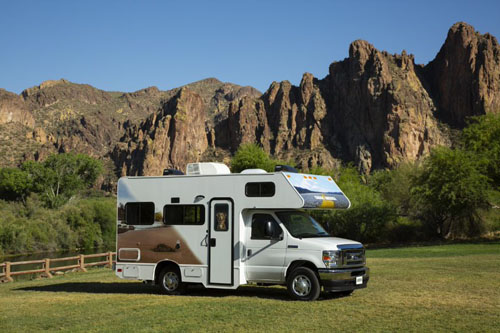
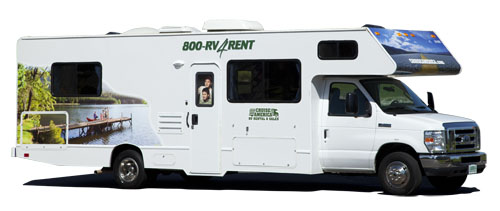
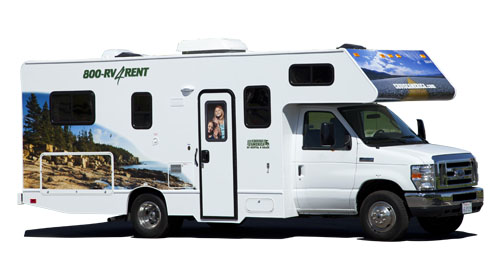
Class C alcove motorhomes, averaging 7.5 meters in length and sleeping up to 5.8 people, are a perennial favorite for families seeking RV rental deals in Canada due to their optimal blend of cost-efficiency and family-friendly design. The distinctive alcove over the cab provides extra sleeping space, making them perfect for families with children, and with typical fuel consumption of 10-12 L/100 km for Bandana's fleet, they offer a reasonable balance of space and economy. These versatile rented RVs handle Canada's diverse road conditions well and provide sufficient amenities, such as a well-equipped kitchen to prepare meals using ideas from our RV-friendly recipes playlist, for a comfortable, extended family adventure, with an average load capacity of 42.4 kg. Their familiar driving feel and robust build make them an accessible choice for first-time renters and seasoned RVers alike.Class B (Campervan) - Best For
Class B campervans, with an average length of 5.8 meters and sleeping around 3.2 people, are the top choice for couples or solo travelers prioritizing maneuverability, fuel economy, and spontaneous travel across Canada. Bandana's fleet typically consumes 8-10 L/100 km, making them the most fuel-efficient option, ideal for navigating city streets, winding national park roads, and finding stealth camping spots. While smaller in footprint, a rented campervan offers essential amenities for a comfortable journey. They are perfect for adventure-seekers or those looking for an RV rental deal that minimizes driving stress and maximizes access to remote or smaller Canadian locations, with an average load capacity of 37 kg. Their compact size often allows them to fit into standard parking spaces, adding to their urban and wilderness flexibility.Class TC (Truck Camper) - Best For
Class TC truck campers, averaging 5.5 meters in length and sleeping around 2.4 people, are the ultimate choice for Canadian RV rental deals focused on off-grid adventure and accessing rugged terrain. These versatile campers are designed to sit securely on the bed of a pickup truck, offering robust 4x4 capability when paired with the right vehicle. Their compact and robust nature makes them uniquely capable for boondocking and reaching remote campsites where larger motorhomes cannot go. Despite their higher fuel consumption (typically 12-17 L/100 km for Bandana's fleet), they provide unparalleled flexibility. A rented truck camper is best suited for experienced adventurers or small groups looking for extreme self-sufficiency, offering a compact living space that can go almost anywhere in Canada's vast wilderness. While the specific load capacity of the camper unit is highly dependent on the host truck, these vehicles are engineered to carry essential gear for extended off-grid travel.Price Comparison by RV Class in Canada
RV rental pricing in Canada is dynamic and flex-rate, meaning prices update daily based on availability, seasonality, and supplier marketing decisions. The final price for your rented camper or motorhome is always set at the actual booking time. To give you a realistic idea, the table below pulls real example prices from Bandana's live search for various durations and RV classes. Please note that these prices are estimates and update daily; for the most current numbers, use our comparison platform. For more detailed insights into costs, consult our "Cheap RV Rental in Canada - Budget Guide 2024" and "RV Rental in Canada - Prices and Best Deals 2024" to find the best offers.🎬 Video coming soon
| RV Class | 1-Week Rental (CAD/day est.) | 2-Week Rental (CAD/day est.) | 1-Month Rental (CAD/day est.) |
|---|---|---|---|
| Class A | $250 - $450 | $220 - $400 | $180 - $350 |
| Class SI | $180 - $350 | $160 - $320 | $140 - $280 |
| Class C | $150 - $300 | $130 - $270 | $110 - $240 |
| Class B | $100 - $250 | $90 - $220 | $80 - $190 |
| Class TC | $120 - $280 | $110 - $250 | $100 - $220 |
Our Recommendation for RV Rental Deals Travelers in Canada
For the majority of RV rental travelers exploring Canada, the Class C (Alcove) motorhome stands out as the primary recommendation due to its optimal balance of space, amenities, and cost-effectiveness for families. These rented motorhomes readily accommodate up to 5.8 sleepers for comfortable journeys across diverse Canadian landscapes. Its familiar driving experience makes it accessible, and it handles most road conditions well while offering reasonable fuel economy. Choosing a Class C often means finding excellent RV rental deals in Canada without compromising on the comforts needed for an extended road trip. A strong runner-up, especially for couples or smaller groups prioritizing flexibility and fuel savings, is the Class B (Campervan). Its exceptional maneuverability (average length 5.8m) and superior fuel efficiency (8-10 L/100 km) make it perfect for navigating both cities and national parks, offering a more agile and often more affordable Canadian adventure without sacrificing essential comforts. When planning your route and budget, remember that our RV PLANET routes allow travelers to itemize and track every expense along the way for easy budgeting.How much does it cost to rent an RV in Canada
The cost of renting an RV in Canada varies significantly based on RV class, rental duration, season, and pickup location, with Bandana's flex-rate pricing providing daily updates. Beyond the base rental fee, which can range from $100 CAD/day for a compact campervan to $450 CAD/day for a luxury Class A motorhome in peak season, expect additional costs. These commonly include fuel (e.g., a Class C motorhome typically consumes 10-12 L/100km, while a larger Class A might use 20-25 L/100km), campground fees (ranging from $30-70 CAD/night for serviced sites), national park permits ($10 CAD/day per person or a Parks Canada Discovery Pass for annual access), and groceries. Other potential expenses are insurance (often an optional add-on), convenience kits (bedding, kitchenware starting from $50 CAD), and one-way fees if applicable, which can be between $150 and $500 CAD. For comprehensive budgeting and planning, explore our "RV Rental in Canada - Prices and Best Deals 2024" guide.What is the best time to rent an RV in Canada
The best time to rent an RV in Canada generally depends on your desired activities and regions, with late spring (May-June) and early fall (September-October) often offering the best balance of good weather, fewer crowds, and potential rental deals. Summer (July-August) is peak season, ideal for exploring most regions, but it comes with higher prices and increased crowds; for popular spots like the Canadian Rockies, booking a rented motorhome far in advance is essential. Shoulder seasons (May-June, Sept-Oct) typically offer lower rental rates, fewer tourists, and pleasant temperatures, with early June potentially seeing cooler weather at higher elevations and September/October showcasing stunning fall foliage in Eastern Canada. Winter (November-April) is a niche option, requiring a winterized RV and experience with cold-weather driving for unique solitude and winter sports, though many services and campgrounds may be closed. Remember, you'll always find a spot; if not at the first campground, then the next one, just call ahead before driving. For insights on securing flexible bookings, check our "Last-Minute RV Rental in Canada - What to Expect 2024" article.What do I need to rent an RV in Canada
To rent an RV in Canada, you typically need a valid driver's license from your home country, a major credit card for deposit and payment, and to meet the minimum age requirement, which is 21 years old for most rental companies. A standard car driver's license is sufficient for all motorhome classes (Class A, B, C) and campervans; no special license, CDL, or additional permits are required. An International Driving Permit (IDP) is highly recommended for visitors from non-English/French speaking countries for translation purposes, though it is not mandatory in most cases. Rental companies offer various insurance packages, and understanding coverage limits and potentially purchasing additional collision damage waiver (CDW) is crucial, as personal car insurance or credit cards may not fully cover RVs. You can always upgrade to a top-level deductible reimbursement for extra peace of mind. For traveling with pets, always confirm the rental company's policy and any associated fees, ensuring all vaccination records (especially rabies) are up-to-date and accessible, and be aware of specific provincial park pet restrictions. Be prepared with appropriate RV winterization or heating if traveling in colder seasons, understand Canadian propane tank regulations, and familiarize yourself with local provincial driving laws, campground etiquette, waste disposal rules, and respect for Indigenous lands. Check our "RV Rental Deals in Canada - Latest Offers 2024" for current promotions.Are RV rentals expensive in Canada
RV rentals in Canada can range from budget-friendly options, like smaller campervans starting around $80-100 CAD/day in shoulder season, to luxurious Class A motorhomes exceeding $400 CAD/day in peak season, with prices fluctuating significantly by season and booking lead time. While initial rental costs may seem high, especially for a week-long trip during popular summer months, an RV can offer significant savings compared to combining hotel stays, frequent restaurant meals, and separate transportation for a family or group of 4-6 people. The overall cost efficiency largely depends on your travel style, the duration of your trip, and your ability to utilize the RV's kitchen for self-catering, which greatly reduces food expenses. Bandana Caravan offers full transparency on pricing, ensuring no hidden fees or surprises when you compare options. For long-term RV rental in Canada, explore our "Long-Term RV Rental in Canada - Monthly Rates 2024" guide for potential savings.Is it cheaper to rent an RV or stay in hotels in Canada
For families or groups of 4 or more, renting an RV in Canada is often more cost-effective than staying in hotels, especially for extended trips longer than a few days, primarily due to combined savings on accommodation, food, and transportation. An RV allows for convenient self-catering, drastically reducing dining out expenses, and eliminates the need for booking multiple hotel rooms. However, to make an accurate comparison, factor in all RV costs including the rental fees, fuel (which can be substantial given Canada's vast distances), campground fees, insurance, and potential add-ons like convenience kits. For long-term RV stays, renting can be substantially cheaper than extended hotel bookings, and while provincial residency implications usually apply after 3-6 months, shorter long-term trips (1-2 months) offer a mobile home solution without the burdens of property taxes or utility bills. We handle the details, you live the journey, ensuring a seamless booking experience that helps you compare costs effectively.Is it worth renting an RV in Canada
Renting an RV in Canada is highly worth it for travelers seeking unparalleled freedom, flexibility, and an immersive way to experience the country's vast natural beauty and diverse landscapes. Imagine waking up to a new, breathtaking view each day, preparing breakfast on board, and traveling at your own pace; this offers a unique and memorable adventure that hotels cannot replicate. Advanced safety preparations are crucial: be prepared for wildlife encounters (secure food in bear-proof containers, carry bear spray in wilderness areas), understand remote road etiquette (yield to larger vehicles, watch for logging trucks), and pack for rapidly changing weather, carrying extra water, fuel, and a first-aid kit. While cell service can be spotty in remote Canadian regions, consider a satellite messenger for emergencies, and note that campground Wi-Fi is often limited, with portable hotspots offering better connectivity in populated areas. Embracing slow travel, averaging a maximum of 100-150 km per day, allows you to truly feel the place, connect to the culture, the food, and the scenery.What is the cheapest way to RV in Canada
The cheapest way to RV in Canada involves booking smaller, more fuel-efficient campervans or Class C motorhomes, particularly during shoulder seasons like May or October for lower daily rates, and strategically utilizing free or low-cost camping options. Research legal boondocking sites on Crown land, particularly in Western Canada, or use apps like iOverlander for dispersed camping opportunities, always practicing Leave No Trace principles and being completely self-sufficient. Booking well in advance, typically 3-6 months out, can secure significantly better deals, saving up to 25% on peak-season rates. Additionally, looking for one-way specials can also save costs if your itinerary is flexible. Keep an eye on promotions for "One-Way RV Rental in Canada - Price Guide 2024" to snag a deal. We compare final prices across 50+ suppliers so you don't have to, ensuring you find the most affordable rental options.What are the best places to RV in Canada
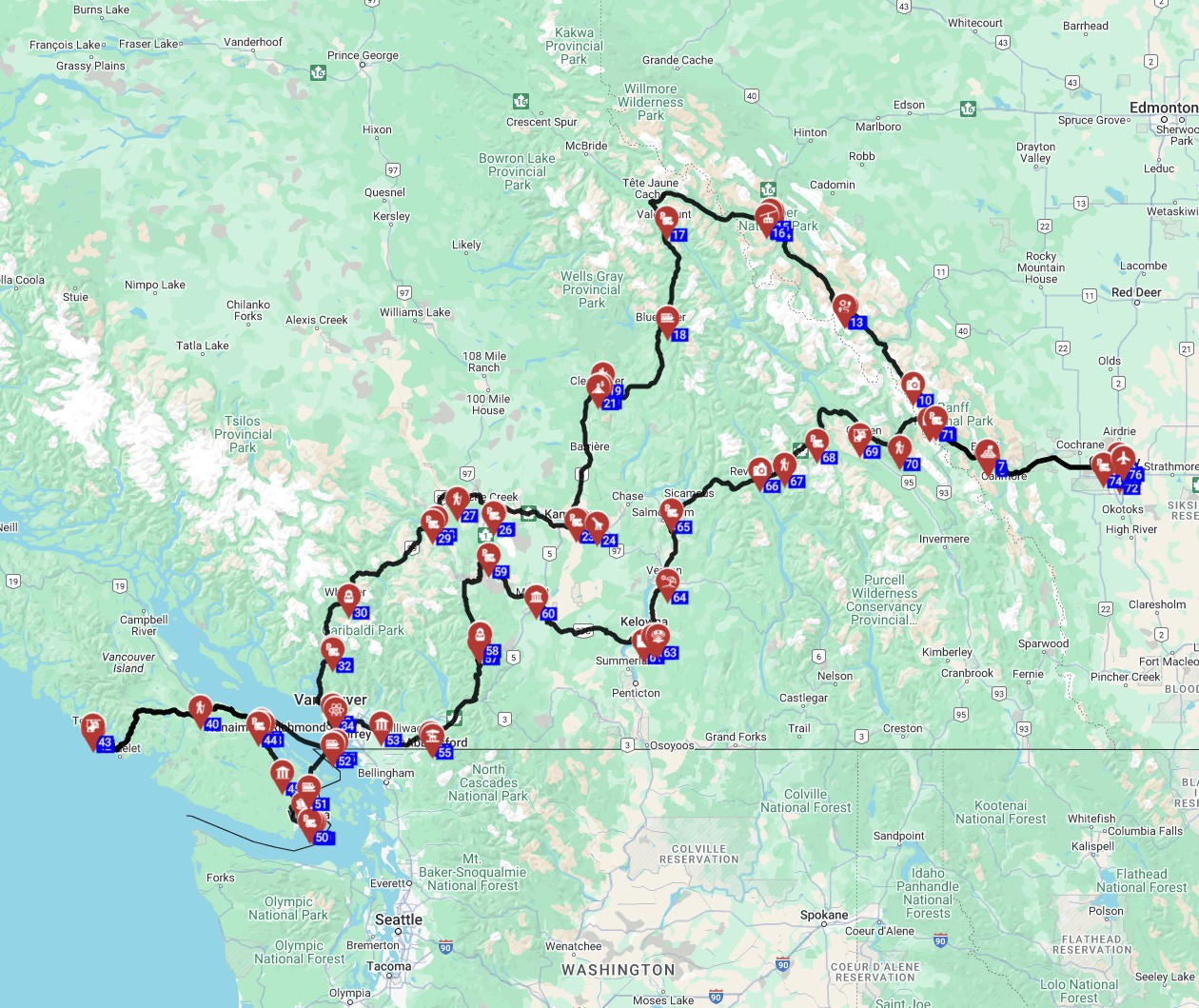
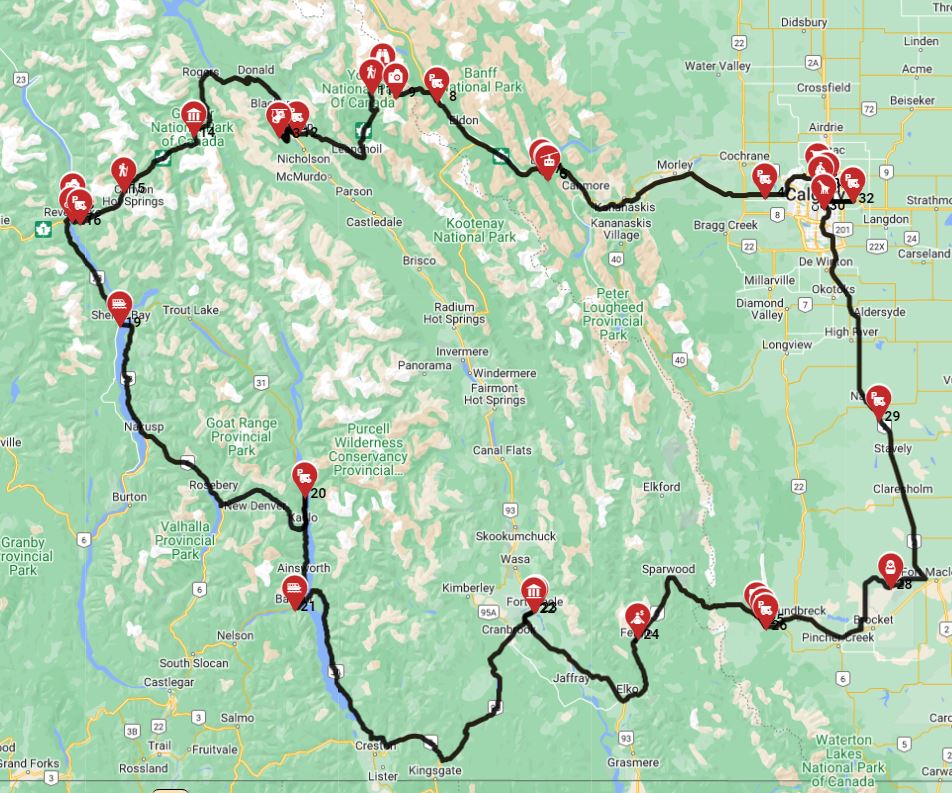
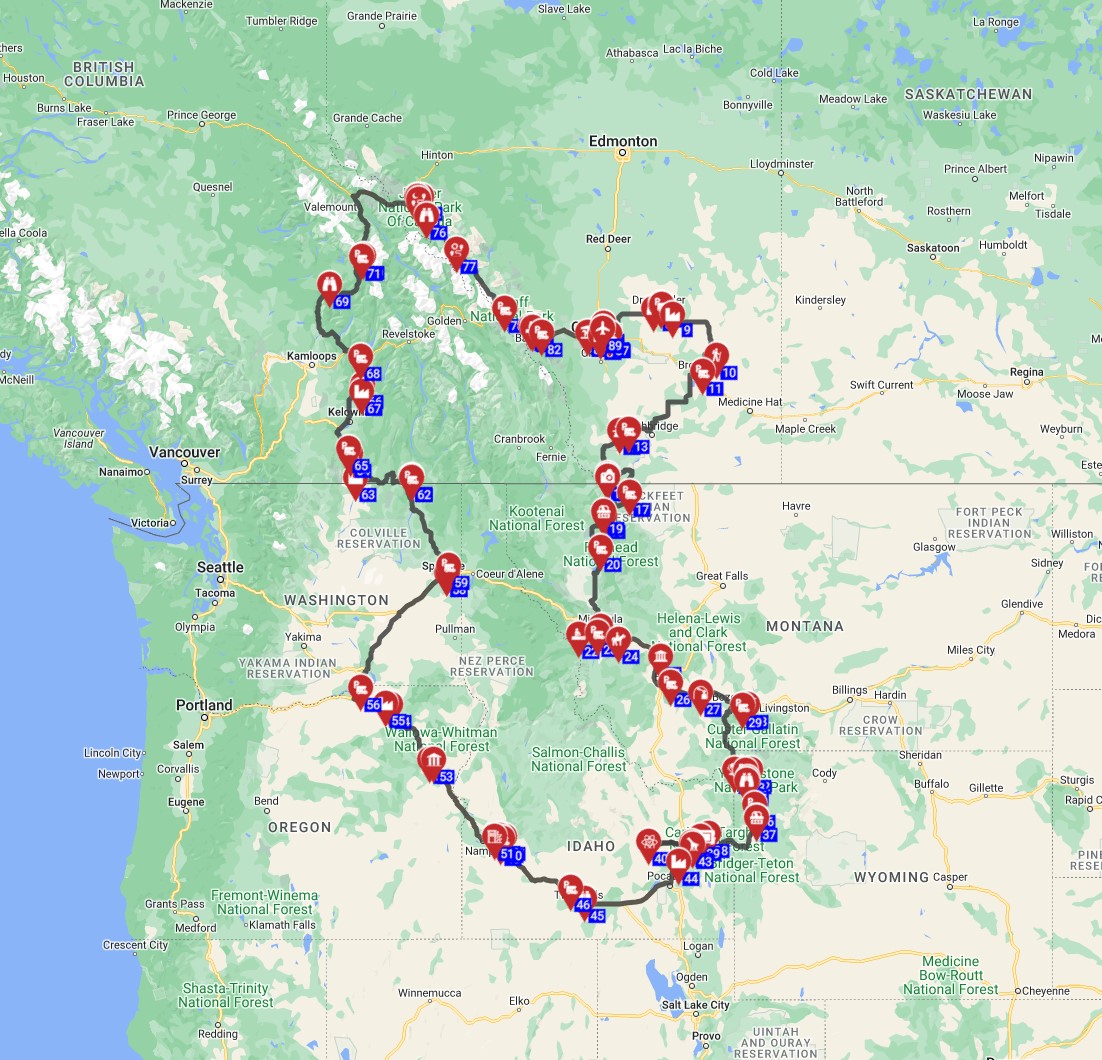
Canada offers countless incredible destinations for RV travel, with the majestic Canadian Rockies (including Banff, Jasper, and Waterton Lakes National Parks), the rugged beauty of Vancouver Island, the stunning coastal Cabot Trail in Nova Scotia, and the picturesque national and provincial parks of Quebec (like Mont-Tremblant) and Ontario (such as Algonquin) consistently ranking among the best. Each region presents unique landscapes, from the turquoise lakes and towering peaks of Alberta to the ancient rainforests of British Columbia and the maritime charm of the East Coast. For example, a "
Vancouver Round Trip - West Canada Cycling Adventure
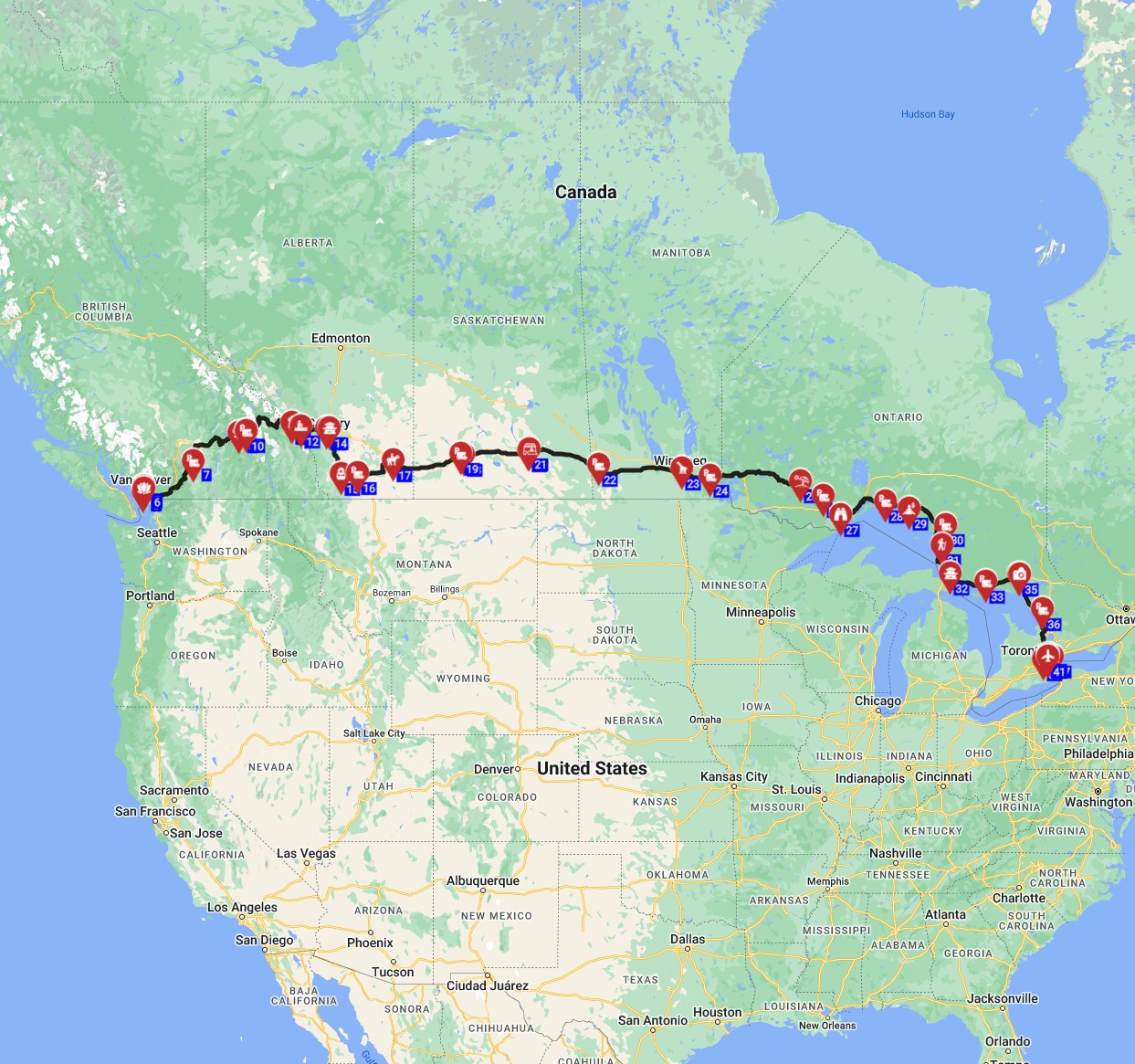
Vancouver to Toronto - Trans Canada West to East
What You Shouldn't Miss
- **Explore Banff National Park's Turquoise Lakes:** Witness the breathtaking beauty of Lake Louise and Moraine Lake in Alberta, offering stunning photographic opportunities and numerous hiking trails accessible from nearby RV campgrounds.
- **Drive the Cabot Trail in Nova Scotia:** Experience one of the world's most scenic drives, a 298 km loop around Cape Breton Island, with coastal vistas, charming fishing villages, and abundant wildlife viewing.
- **Discover Vancouver Island's Wild West Coast:** Take your rented motorhome to Tofino and Ucluelet for surfing, whale watching, and exploring ancient rainforests and expansive beaches.
- **Visit Old Quebec City's Historic Charm:** Immerse yourself in North America's only fortified city north of Mexico, a UNESCO World Heritage site with cobblestone streets, historic architecture, and vibrant culture.
- **Witness the Northern Lights in Yukon or Alberta:** Chase the spectacular Aurora Borealis, especially during the darker winter months, from remote camping spots accessible by a sturdy RV.
Looking for expert insights from Avi Bandana? Top 5 Adventures - recommendations from Avi Bandana
Final Thoughts
Embarking on a rented RV adventure in Canada promises unforgettable experiences, from the towering peaks of the Rockies to the vibrant coastlines of the Maritimes. With a variety of motorhome and campervan classes available, finding the perfect RV rental deal in Canada to suit your travel style and budget is entirely achievable. Remember, preparation and flexibility are your best allies in securing great rates and making the most of Canada's vast, beautiful landscapes. At Bandana Caravan, we are true RV specialists, not just a travel agency side department. We're passionate about helping you discover the joy of RV travel with complete peace of mind, from comparing transparent prices to offering 24/7 support during your booking process. Imagine yourself on the open road, the freedom to explore every hidden gem, and the comfort of your mobile home. Discover top destinations, planning tips, all in one place! So, whether you're a seasoned RVer or planning your first week-long trip, Canada awaits with open roads and stunning vistas. Plan a trip itinerary in advance with minimal effort and maximum enjoyment.On the routes offered through RV PLANET routes, you can itemize and track every expense along the way for easy budgeting.