In This Guide
- The 5 RV Families Compared for Switzerland
- Class A (Integrated) - Best For
- Price Comparison by RV Class in Switzerland
- Class SI (Semi-Integrated) - Best For
- Class C (Alcove) - Best For
- Class B (Campervan) - Best For
- Class TC (Truck Camper) - Best For
- Side-by-Side Comparison Table
- Our Recommendation for RV rental Travelers in Switzerland
- What RV size is best for Switzerland?
- How much does it cost to rent an RV in Switzerland?
- What are the driving conditions for RVs in Switzerland?
- Where can I park an RV in Swiss towns?
- What are the rules for wild camping in Switzerland?
- Where can I find unique experiences with an RV in Switzerland?
- How can I RV responsibly in Switzerland?
- What You Shouldn't Miss
- Why Book with Bandana Caravan
- Final Thoughts
- Frequently Asked Questions
Imagine waking up to the crisp alpine air, sipping your morning coffee with a panoramic view of snow-capped peaks, and then setting off to explore charming Swiss villages at your own pace. RV rental in Switzerland offers an unparalleled way to experience this stunning country, transforming your vacation into a flexible, intimate adventure. From the majestic Alps to serene lakeside towns, having your own motorhome or campervan provides the freedom to chase scenic routes and discover hidden gems far beyond the typical tourist paths. At Bandana, we believe in making this dream a reality with full transparency and dedicated support every step of the way. For live availability and current prices, start with our RV Rental Switzerland - Complete Guide 2026 guide.
The 5 RV Families Compared for Switzerland
Choosing the right RV family is critical for an optimal Swiss adventure, directly impacting maneuverability on narrow mountain roads, ease of parking in picturesque towns, and overall comfort given Switzerland's diverse terrain and climate. Considerations for your motorhome rental include your group size, desired level of luxury, overall budget, and the specific types of roads and destinations you plan to explore. Smaller RVs excel in accessibility, while larger models offer more living space and amenities for longer trips. Understanding the nuances of each class will help you tailor your Swiss road trip perfectly.
🎬 Video coming soon
Class A (Integrated) - Best For
Class A (Integrated) motorhomes are ideal for those seeking a luxurious and spacious RV experience in Switzerland, akin to a "home on wheels" with ample living space and comprehensive amenities. Bandana's fleet typically shows Class A motorhomes with an average length of 7.5 meters and comfortably sleeping 4-5 people (accommodating 4 adults), offering generous load capacity around 209.5 kg. These integrated units, commonly consuming 11-12 liters/100 km, are best suited for longer trips and larger groups prioritizing comfort over extreme maneuverability, navigating Switzerland's main highways and larger campsites. However, their size can be a trade-off in Switzerland's narrow mountain passes and for parking in smaller villages or city centers, requiring careful route planning for your rented RV.
Price Comparison by RV Class in Switzerland
Understanding the cost of an RV rental in Switzerland is crucial for effective budgeting, as prices fluctuate significantly based on the RV class, rental duration, season, and early booking. Since pricing is dynamic and subject to real-time availability and supplier marketing decisions, the actual price is set at the time of booking. For example, a budget-conscious traveler looking for a "Cheap RV Rental in Switzerland - Budget Guide 2026" might find smaller campervans starting around €100-€150 per day during off-peak seasons, while a premium Class A motorhome could exceed €300-€400 daily. Planning an extended trip? Check out our "Weekly RV Rental in Switzerland - Pricing 2026" guide. On the routes offered through RV PLANET routes, you can itemize and track every expense along the way for easy budgeting.
Live April Price Comparison — RV Class × Trip Length
| Trip length | Class A | Class B | Class C | Class SI | Class TC |
|---|---|---|---|---|---|
| 1 week 15/04 → 22/04 | Check prices | 925.51 $ CND | 661.23 $ CND | 850.88 $ CND | 318.81 $ CND |
| 2 weeks 15/04 → 29/04 | Check prices | 1,851.02 $ CND | 998.68 $ CND | 1,739.07 $ CND | 654.36 $ CND |
| 1 month 01/04 → 30/04 | Check prices | 3,777.10 $ CND | 1,740.35 $ CND | 3,777.10 $ CND | 1,220.46 $ CND |
Estimates only — flex-rate prices change daily based on availability and season.
These prices are estimates and update daily; for the most current rates, please use the live search box at the top of the page. Remember, Bandana offers full transparency with no hidden fees, ensuring what you see is what you pay when you compare final prices across suppliers. For comprehensive details on costs, our "RV Rental in Switzerland - Prices and Best Deals 2026" is a valuable resource.
Class SI (Semi-Integrated) - Best For
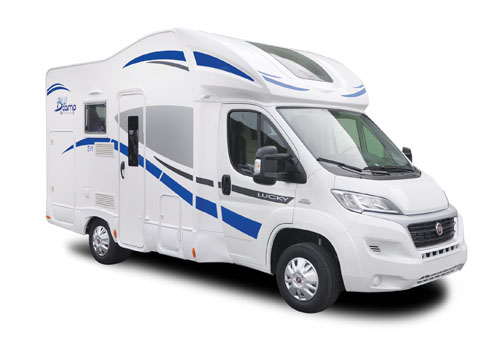
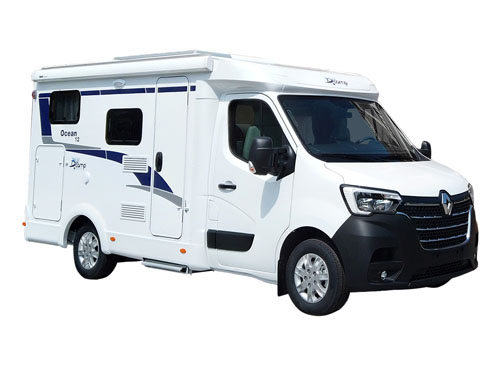
Class SI (Semi-integrated) motorhomes offer an excellent balance between spacious living and practical maneuverability, making them a highly versatile choice for RV travel in Switzerland. Bandana's fleet typically features Semi-integrated RVs with an average length of 6.9 meters, sleeping 3-4 people (accommodating 3.4 adults), and providing a load capacity of approximately 72.2 kg, consuming around 10-11 liters/100 km. They are ideal for couples or small families who desire modern comforts and amenities without the bulk of a full Class A, allowing easier navigation through Swiss villages and mountain roads while still providing ample living and storage space in your rented motorhome.
Class C (Alcove) - Best For
Class C (Alcove) motorhomes are perfectly suited for families or groups traveling with children in Switzerland, thanks to their distinctive over-cab sleeping area that maximizes space. Bandana's fleet typically shows Alcove models with an average length of 7.5 meters, comfortably sleeping 5-6 people (accommodating 4.4 adults), and offering a load capacity of about 42.4 kg, with fuel consumption typically 10-12 liters/100 km. These RVs combine substantial living space with a generally more robust build, offering a cost-efficient option for larger groups who need extra beds and storage for longer Swiss adventures. While driving your rented Class C motorhome, be aware of their height when navigating tunnels and low bridges, which are common in Switzerland.
Class B (Campervan) - Best For
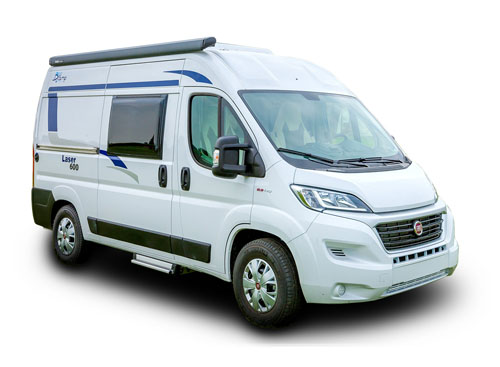
Class B (Campervan) models are the ultimate choice for adventurers and couples seeking maximum maneuverability and fuel efficiency for exploring Switzerland's winding roads and charming, often compact, towns. Bandana's fleet typically includes Campervans with an average length of 5.8 meters, sleeping 2-3 people (accommodating 2.7 adults), with a load capacity of around 37 kg, and notable for their 8-10 liters/100 km fuel economy. Their compact size allows easy navigation of narrow mountain passes, access to smaller parking spots near attractions, and a 'stealth camping' feel, making them ideal for spontaneous itineraries and reaching off-the-beaten-path destinations in Switzerland with your rented campervan.
Class TC (Truck Camper) - Best For
Class TC (Truck Camper) units, which are motorized RVs built onto a truck chassis, are designed for the adventurous traveler prioritizing flexibility and off-grid capabilities, making them an excellent choice for rugged Swiss terrain and exploring remote areas. Bandana's fleet typically presents Truck Campers with an average length of 5.5 meters, sleeping 2-3 people (accommodating 2.1 adults), with fuel consumption around 12-17 liters/100 km, offering a robust and often 4x4 capable base. These rented RVs excel in situations where a traditional motorhome might struggle, such as accessing remote trailheads or navigating unpaved roads in the Swiss Alps, providing the freedom to explore deeper into nature.
Side-by-Side Comparison Table
This comparison table provides a quick overview of the key characteristics of each RV family, helping you make an informed decision for your Swiss road trip:
| Family | Avg Length (m) | Sleeps (people) | Fuel Use (L/100 km) | Best Use Case in Switzerland |
|---|---|---|---|---|
| Class A (Integrated) | 7.5 | 4.4 | 11-12 | Luxury, large groups, main highways |
| Class SI (Semi-Integrated) | 6.9 | 3.8 | 10-11 | Couples/small families, balanced comfort and maneuverability |
| Class C (Alcove) | 7.5 | 5.8 | 10-12 | Families with children, budget-conscious groups |
| Class B (Campervan) | 5.8 | 3.2 | 8-10 | Couples/solo, maximum maneuverability, fuel efficiency, spontaneous travel |
| Class TC (Truck Camper) | 5.5 | 2.4 | 12-17 | Adventurers, off-grid exploration, rugged terrain |
Our Recommendation for RV rental Travelers in Switzerland
For most RV rental travelers exploring Switzerland, the **Class SI (Semi-integrated) motorhome** stands out as the primary recommendation due to its optimal balance of comfort, amenities, and maneuverability. Its average length of 6.9 meters allows for relatively easy navigation on mountain passes and through smaller towns, while still providing ample living space for couples or small families without feeling cramped. As a strong runner-up, the **Class B (Campervan)** is highly recommended for those prioritizing agility, fuel economy, and access to more remote or compact locations, perfectly suiting solo travelers or adventurous couples who value flexibility above all else when traveling with a rented campervan.
What RV size is best for Switzerland?
The best RV size for Switzerland largely depends on your travel style and route, with smaller campervans (Class B) and semi-integrated motorhomes (Class SI) generally being more practical for navigating the country's narrow mountain passes, tunnels, and quaint village roads. **Campervans (Class B)**, averaging 5.8 meters, offer unmatched maneuverability, fuel efficiency (8-10 L/100 km), and ease of parking, making them ideal for exploring both urban centers and remote alpine roads where larger vehicles would struggle. **Semi-integrated motorhomes (Class SI)**, typically 6.9 meters, provide a comfortable compromise, offering more living space and amenities than a campervan while still being manageable on most Swiss roads, suiting small families or couples seeking a balance of comfort and agility. Larger RVs like **Class A (Integrated)** and **Class C (Alcove)** (both around 7.5 meters) offer superior comfort and space but require careful planning for routes, especially avoiding smaller mountain roads, and demand vigilance for height restrictions in tunnels and overpasses. Remember, you can drive slowly and carefully, and you can drive almost anywhere without issues. No need to stress - just use common sense and pay attention.
How much does it cost to rent an RV in Switzerland?
Renting an RV in Switzerland typically costs between 100 CHF to over 300 CHF per day, with the total budget influenced by the RV class, rental duration (e.g., opting for a weekly RV rental in Switzerland - pricing changes with duration), season, and additional expenses like fuel, campsites, activities, and food. Rental costs vary significantly; smaller campervans are generally more affordable, while luxury Class A models command higher rates, as highlighted in our "Luxury RV Rental in Switzerland - Premium Prices 2026" guide. Fuel costs in Switzerland are relatively high, so expect to spend more with larger RVs (e.g., Class TC 12-17 L/100km, Class A 11-12 L/100km) compared to more economical campervans (8-10 L/100km). Official campsite fees range from 30-60 CHF per night, depending on location and amenities. Budget approximately 50-100 CHF per person per day for food (mixing cooking and dining out) and various activities such as cable cars, museum entries, or local tours. For finding campsites and campgrounds during your trip, we recommend using RV PLANET (rvplan.net) - a great resource for locating available spots along your route. Additionally, you can itemize and track every expense along the way for easy budgeting with RV PLANET routes. Account for comprehensive insurance (often required), navigation systems, or additional bedding, which can add to the daily rate. A detailed breakdown for a two-week mid-range trip (Class SI) could be ~2000-3000 CHF for rental, plus ~800-1200 CHF for fuel, ~400-800 CHF for campsites, and ~1000-1500 CHF for food and activities. Keep an eye out for "RV Rental Deals in Switzerland - Latest Offers 2026" to optimize your budget.
What are the driving conditions for RVs in Switzerland?
Driving an RV in Switzerland presents unique challenges and rewards due to its mountainous terrain, requiring preparedness for steep grades, winding roads, and specific alpine conditions. Many Swiss mountain passes feature significant inclines and sharp hairpin turns. RV drivers should be comfortable with manual gear shifting or utilizing engine braking on automatic transmissions to manage descent speeds effectively, and be mindful of road widths. At higher elevations, engine performance can decrease, and brakes may require more attention; regularly check brake fluid and ensure your rented RV is well-maintained for mountain driving. Switzerland has numerous tunnels and bridges, so always pay attention to clearly marked height and weight restrictions. Especially during shoulder seasons (spring/autumn) or for winter RVing, carrying snow chains (even if not immediately needed) is advisable, along with an emergency kit, reflective vests, and a warning triangle. A Swiss motorway vignette is mandatory for using highways and costs 40 CHF for a year; ensure your rental RV has one or purchase it at the border. Drive slowly and carefully, and you can drive almost anywhere without issues. No need to stress - just use common sense and pay attention.
Where can I park an RV in Swiss towns?
Parking an RV in Swiss towns requires careful planning, as many historic centers have restricted access and limited spaces, necessitating strategies like dedicated RV parks, 'Stellplätze', or park-and-ride options. Look for designated 'Wohnmobilparkplätze' or 'Camper parking' signs, often found on the outskirts of towns or near major attractions. 'Stellplätze' or 'Aires' are official overnight parking spots, often with basic amenities like water and waste disposal, providing a legal and convenient alternative to wild camping. Apps like Park4Night or Campercontact are invaluable for locating these. For larger cities like Zurich, Geneva, or Bern, utilizing park-and-ride facilities on the city's periphery and then taking public transport into the center is often the most practical solution for RVs. Most old town centers are not accessible or suitable for RVs due to narrow streets and pedestrian zones, so always check local signs for vehicle restrictions. While convenient for quick stops, overnight parking at supermarket car parks is generally not permitted unless explicitly stated, and should not be relied upon for extended stays.
What are the rules for wild camping in Switzerland?
Wild camping (or freedom camping) in Switzerland is generally prohibited or restricted at federal, cantonal, and communal levels, especially in national parks, nature reserves, and agricultural areas, making official campsites or designated 'Stellplätze' the safest and most legal options. While there isn't a blanket ban across the entire country, it's illegal in the Swiss National Park, federal hunting bans, and most nature reserves. Many cantons and municipalities also have specific prohibitions or require permits, often enforced with fines. For 'one-night stops' outside prohibited zones and above the tree line (around 2000m altitude), it might be tolerated if done discreetly and without setting up camp (e.g., tables/chairs). However, this is always at the discretion of local authorities and private landowners. A fantastic and legal alternative is staying overnight at a *Bauerhofcamping* (farm stay), often for a small fee, providing a unique cultural experience and access to fresh local produce. These designated parking spots (often found via apps like Park4Night or Campercontact) are specifically for RVs, sometimes offering basic services, and are a legal and responsible choice for overnight stays. If you find yourself in a tolerated grey area, always leave no trace, respect private property, avoid open fires, and minimize your environmental impact to maintain positive relations with locals and preserve Switzerland's pristine nature.
Where can I find unique experiences with an RV in Switzerland?
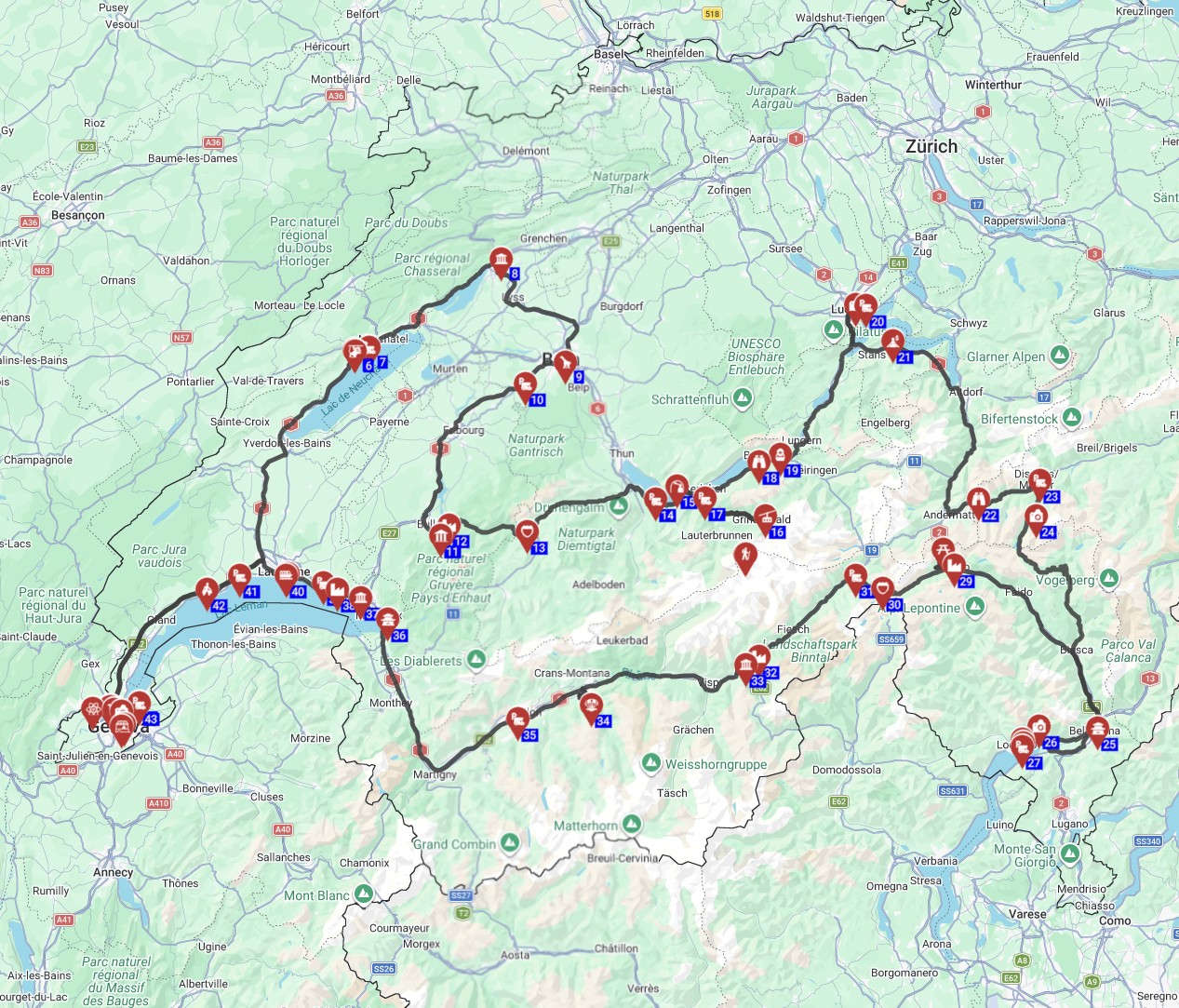
An RV allows for unparalleled freedom to discover Switzerland's unique, local, and off-the-beaten-path experiences, moving beyond mainstream tourist attractions to immerse in authentic culture and breathtaking landscapes. With your rented motorhome, seek out hidden alpine villages like Grimentz in Valais, or Guarda in Engadin, which offer authentic Swiss charm, traditional architecture, and fewer crowds than typical tourist spots. Staying at a *Bauerhofcamping* (farm stay) provides an immersive experience, allowing you to enjoy fresh local produce, artisanal cheeses, and direct interaction with Swiss farmers. Visit regional markets (e.g., farmers' markets in Gruyères or crafts markets in Appenzell) to discover local artisans, taste regional delicacies, and find unique souvenirs. Explore natural thermal baths like those in Leukerbad or Scuol, often situated in stunning alpine settings, offering relaxation away from the hustle. Drive to lesser-known lakes such as Lake Cauma near Flims or Lake Bachalpsee near Grindelwald (reachable via hike), where your RV allows you to stay nearby and enjoy early morning tranquility. Plan your trip around specific local festivals like Alpabzug (cattle descent from alpine pastures) or local wine festivals, which offer vibrant cultural insights and delicious food. If cooking delicious meals with local ingredients is part of your adventure, check out our RV-friendly recipes playlist for inspiration!
How can I RV responsibly in Switzerland?
RVing responsibly in Switzerland is paramount given the country's strong environmental ethos, requiring conscious effort to minimize impact, respect local regulations, and contribute positively to the communities visited. Always utilize designated disposal points for greywater and blackwater, and strictly adhere to waste separation rules for recycling and general trash, never leaving any litter behind in your rented camper. Drive efficiently to reduce fuel consumption, avoid excessive engine idling (which is often illegal and generates pollution), and stick to marked roads and parking areas to protect natural habitats. Support local economies by purchasing food, drinks, and souvenirs from regional farmers, small shops, and markets. Familiarize yourself with local rules regarding overnight parking, wild camping (generally discouraged or prohibited), and noise levels, especially in residential or sensitive natural areas. Be mindful of water usage, especially when off-grid or in areas with limited resources, as water is a precious commodity in Switzerland. Always follow the 'Leave No Trace' principles: pack out everything you pack in, respect wildlife, and leave natural areas as you found them for others to enjoy.
What You Shouldn't Miss
- **The Matterhorn & Zermatt:** While Zermatt is car-free, park your RV in nearby Tasch and take the train up. The views of the iconic Matterhorn are simply unforgettable.
- **Interlaken's Adventure Hub:** Station your RV at a nearby campground and dive into thrill-seeking activities like paragliding, canyoning, or white-water rafting in the adventure capital of Switzerland.
- **Lake Geneva & Montreux:** Drive your motorhome along the scenic shores of Lake Geneva, visiting the Chillon Castle and the vibrant jazz city of Montreux.
- **Swiss National Park:** Experience Switzerland's only national park near Zernez. Enjoy pristine nature and diverse wildlife on designated trails, but remember wild camping is strictly forbidden within its 170.3 square kilometer boundaries.
- **Jungfraujoch - "Top of Europe":** Take a scenic train journey from Grindelwald or Lauterbrunnen up to Europe's highest railway station at 3,454 meters for breathtaking glacier views.
- **Grimsel Pass (seasonal):** If traveling during summer or early autumn, conquer the Grimsel Pass in your rented RV for spectacular mountain landscapes, crystal-clear lakes, and impressive hydroelectric dams.
Looking for expert insights from Avi Bandana? Top 5 Adventures - recommendations from Avi Bandana
Final Thoughts
Exploring Switzerland by rented RV is an adventure that promises unparalleled freedom, breathtaking scenery, and unforgettable memories. Whether you envision navigating the majestic alpine passes in a nimble campervan or settling into a comfortable motorhome by a serene lakeside, the perfect vehicle for your journey awaits. Remember, planning is key, but so is embracing the spontaneity that RV travel offers. Travel slowly, max 100-150 km per day on average. Take time to feel the place, connect to the culture, the food, and the scenery.
At Bandana, we are committed to making your Swiss RV experience seamless and enjoyable. With our transparent pricing, dedicated support, and extensive range of vehicles, you can book with confidence, knowing every detail is handled. So, pack your bags, choose your ideal motorhome, and prepare to embark on a spectacular journey through the heart of Europe. The mountains are calling, and your Swiss RV adventure starts now!
Discover top destinations, planning tips, all in one place! Find RV Rentals in Switzerland.