In This Guide
- Is Namibia good for RV travel?
- Is Namibia easy to travel by car?
- What do you need to rent an RV in Namibia?
- Is it safe to drive a campervan in Namibia?
- The 5 RV Families Compared for Namibia
- Class A (Integrated) - Best For
- Class SI (Semi-Integrated) - Best For
- Class C (Alcove) - Best For
- Class B (Campervan) - Best For
- Class TC (Truck Camper) - Best For
- Price Comparison by RV Class in Namibia
- Side-by-Side Comparison Table
- Our Recommendation for rv rental Travelers in Namibia
- Do you need a 4x4 camper in Namibia?
- What is the best RV for Namibia?
- How much does it cost to rent an RV in Namibia?
- How much money do you need per day in Namibia?
- What You Shouldn't Miss
- Top Cities for RV Rental in Namibia
- Country-wide Practical Information
Is Namibia good for RV travel?
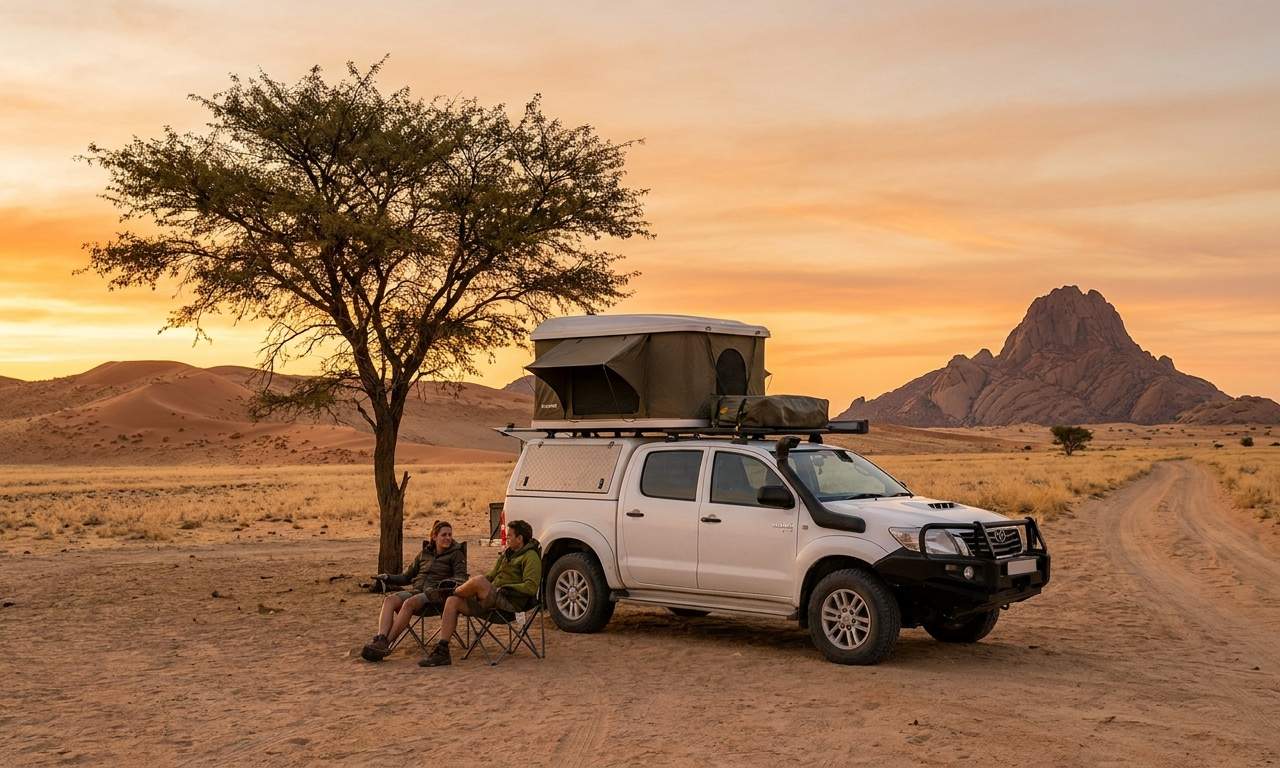
Yes, Namibia is an excellent destination for RV travel, offering unparalleled flexibility to explore its vast landscapes and unique attractions at your own pace. With a rented RV, you can venture deep into the desert, uncover ancient rock art, or wake up to the sounds of the African bush, all from the comfort of your mobile home. RV travel specifically allows access to remote community campsites and prime stargazing spots, enhancing the immersive experience, especially in areas like the NamibRand Nature Reserve, which was designated Africa's first International Dark Sky Reserve. This mode of travel also supports sustainable and responsible RV practices crucial to minimize environmental impact and support local communities by visiting local businesses and staying at diverse campsites. For live availability and current prices, start with our RV Rental Namibia - Complete Guide 2026 guide, designed by true RV specialists who genuinely understand the nuances of exploring this incredible country.
Is Namibia easy to travel by car?
While Namibia's main paved roads, such as the B1 and B2 highways, are generally well-maintained, much of the country's profound charm lies off these routes, accessible primarily via gravel and dirt tracks. Traveling by a standard car is feasible on major paved routes, connecting cities like Windhoek and Swakopmund, but an RV, particularly a 4x4 capable one, offers significantly greater comfort and access to diverse terrains. Preparation for corrugated roads and understanding local driving conditions are essential for any vehicle type in Namibia, as these unpaved roads can be challenging. Drive slowly and carefully, and you can drive almost anywhere without issues. No need to stress - just use common sense and pay attention to road conditions and warning signs. For detailed insights on road conditions and essential driving tips, explore our RV Driving Deals in Namibia - Routes and Savings 2026 itinerary.
What do you need to rent an RV in Namibia?
To rent an RV in Namibia, travelers typically require a valid international driving permit alongside their national driver's license, a major credit card for the security deposit, and often proof of comprehensive travel insurance. A standard car driver's license is sufficient for all motorhome classes, including Class A, Class B, and Class C. An International Driving Permit (IDP) is highly recommended for visitors from non-English-speaking countries but is generally not mandatory if your national license is in English. The minimum rental age for motorhomes in Namibia is 21 years across most suppliers, with no young driver surcharges or vehicle class restrictions based on age. Understanding local RV-specific logistics, such as designated black/grey water disposal points at larger campsites, reliable water refill stations suitable for RVs, and general power hookup details, is essential for a smooth trip. We pride ourselves on full transparency, ensuring no hidden fees or surprises throughout your booking process, so you know exactly what to expect.
Is it safe to drive a campervan in Namibia?
Driving a campervan or any rented motorhome in Namibia is generally safe, provided drivers adhere to local road rules, maintain vigilance for abundant wildlife, and prepare adequately for remote conditions. Namibia drives on the left-hand side of the road, and speed limits are typically 120 km/h on paved highways, 80 km/h on gravel roads, and 60 km/h in urban areas. Headlights are recommended at all times for increased visibility, especially on dusty gravel roads. Emergency preparedness is paramount, including carrying sufficient water, food, and fuel. Communication strategies for areas with limited cell service, such as renting a satellite phone for deep rural areas, and knowing specific first-aid considerations for RV travelers, are essential. Always plan routes with sufficient fuel stops, as distances between towns can be vast, especially in the northern and western regions. Familiarizing oneself with common RV mechanical issues on gravel roads, such as tire punctures (carrying two spare tires is often recommended by local suppliers), contributes significantly to safety. We’re here to support you before, during, and after your booking, providing peace of mind as you plan your adventure.
The 5 RV Families Compared for Namibia
Choosing the right RV family is critical for a Namibia adventure, as terrain, climate, trip length, and group size significantly impact suitability. Namibia's diverse landscapes, from smooth paved highways to challenging gravel roads and sandy desert tracks, necessitate careful consideration of an RV's capabilities. This section compares the five main RV families available through Bandana, highlighting their strengths and trade-offs for a Namibian journey. We are true RV specialists, not just a travel agency side department, ensuring our recommendations are backed by extensive experience. Our goal is to help you select a camper or motorhome that perfectly matches your travel aspirations for this incredible country.
Class A (Integrated) - Best For
Class A integrated motorhomes, typically averaging 7.5m in length and sleeping around 4.4 people, are best suited for large families or groups prioritizing luxurious comfort and spacious living on Namibia's main paved routes. These vehicles, like a 'Class A - Thor ACE 30' which offers 6 sleeping places, 7 seat belts, and a substantial 302-liter fuel tank, provide a generous load capacity (averaging 209.5kg) and a true home-like experience. Their fuel consumption typically ranges from 8-12 Liters/100 km from Bandana's global fleet. However, their large size can limit access to some remote campsites and make navigating narrower tracks challenging. If you’re considering the ultimate in comfort and space for your journey on well-maintained roads, exploring a Luxury RV Rental in Namibia - Premium Prices 2026 might be your ideal option.
Class SI (Semi-Integrated) - Best For
Class SI semi-integrated motorhomes, averaging 6.9m in length and accommodating around 3.8 sleepers, strike an excellent balance between comfort and maneuverability, making them ideal for couples or small families exploring Namibia's accessible attractions. With typical fuel consumption between 10-11 Liters/100 km from Bandana's global fleet, these RVs offer good fuel efficiency and sufficient space for extended trips, including a load capacity averaging 72.2kg. A model similar to a 'Cat B - Sky 25' provides 3 sleeping places and a 90-liter fuel tank, offering a practical yet comfortable setup. They generally outperform larger Class A models in flexibility on gravel roads while providing more amenities than a compact campervan. These motorhomes are a fantastic choice for those who want comfort and convenience without needing extreme off-road capabilities.
Class C (Alcove) - Best For
Class C alcove motorhomes are optimally designed for families or larger groups in Namibia, averaging 7.5m in length and providing ample sleeping for around 5.8 people, including the distinctive bed located over the cab. These RVs offer a comfortable and cost-efficient option, with Bandana's global fleet typically consuming 10-12 Liters/100 km and providing a load capacity of approximately 42.4kg. For instance, a '24' Class C Motorhome' can sleep 5 people and features a 166-liter fresh water tank and a rear double bed of 152/203cm, perfect for longer family adventures. Their robust build can handle Namibia's varied road conditions, prioritizing family suitability and practical living space. If you're planning a two-week adventure with kids, a rented Class C is often a smart and comfortable choice.
Class B (Campervan) - Best For
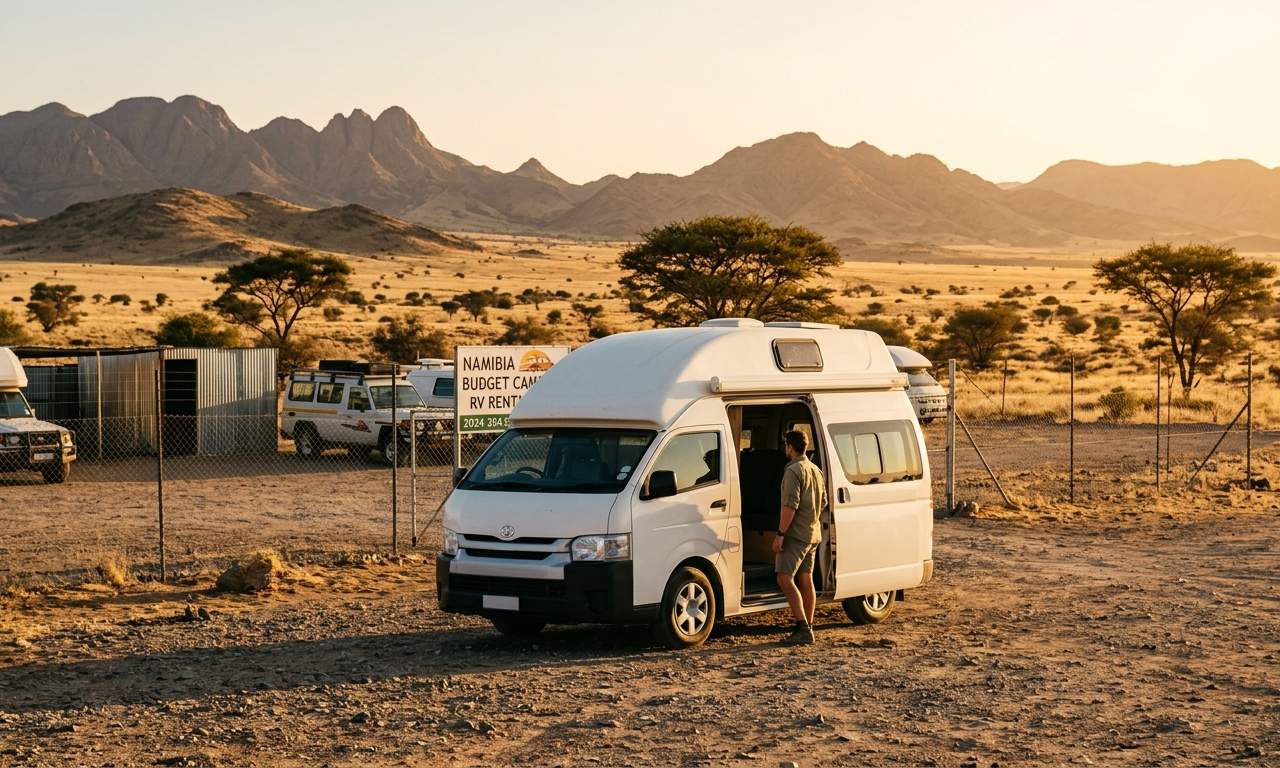
Class B campervans are perfectly suited for adventurous couples or small groups in Namibia, prized for their exceptional maneuverability, compact size (averaging 5.8m), and excellent fuel economy, typically 8-10 Liters/100 km from Bandana's global fleet. These agile vehicles, generally sleeping around 3.2 people with a load capacity of approximately 37kg, excel in navigating smaller tracks and offer greater flexibility for camping in remote, off-the-beaten-path locations. A '2 Berth Hi Top' campervan, for example, offers automatic transmission and front air conditioning, ideal for easy travel. Their smaller footprint makes them an ideal choice for those prioritizing quick setup, ease of driving, and a more intimate connection with Namibia's natural environment over extensive interior space. If you're seeking a more nimble rented Camper for your week-long trip, this is a great option.
Class TC (Truck Camper) - Best For
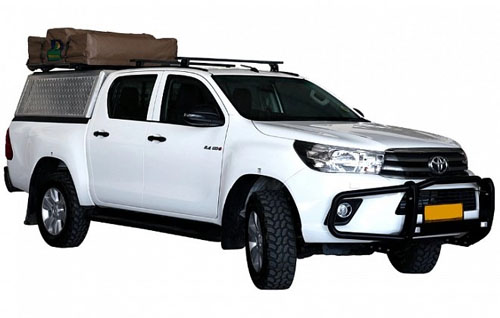
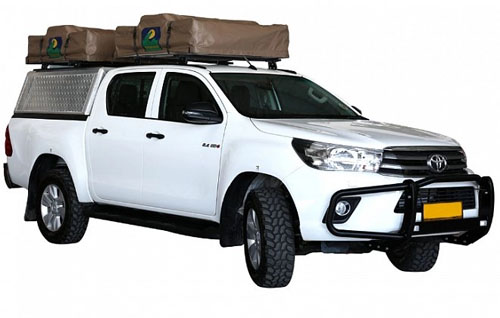
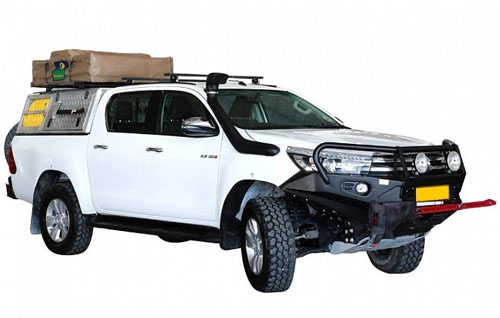
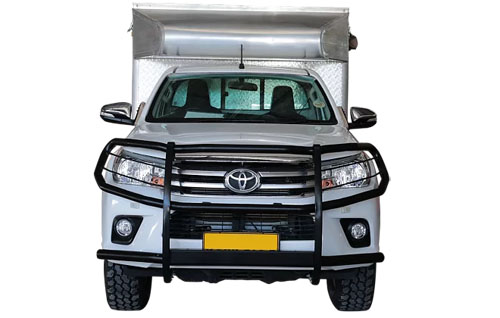
Class TC truck campers are the ultimate choice for intrepid travelers seeking unparalleled off-grid capability and access to Namibia's most remote and challenging terrains, averaging 5.5m in length and sleeping around 2.4 people. Distinguished by their detachable design, these units offer the flexibility of an off-road capable vehicle with the convenience of a compact living space, consuming approximately 12-17 Liters/100 km from Bandana's global fleet. For example, the 'Patagonia Camper 4x4 double cab' is a robust 4 Wheel Drive Class TC vehicle, perfect for couples. They are ideal for adventurers planning to explore deep into national parks or traverse significant gravel roads where a standard 2WD RV would struggle, providing a true wilderness adventure profile. Consider these for your journey when exploring places like Damaraland or Kaokoland.
Price Comparison by RV Class in Namibia
RV rental pricing in Namibia is dynamic, much like flight tickets, and varies significantly based on demand, season, rental duration, and the specific amenities included. The prices provided here are estimates, pulled from Bandana's live search for various RV classes in Namibia, and are subject to daily changes. For example, a budget campervan might start around $100/day in the low season, while a luxurious Class A motorhome could exceed $300/day during peak periods. The final price is always set at the actual booking time. For the most accurate and current figures on available motorhomes and campervans, we encourage you to use the search box at the top of the page. You can easily compare options for a Cheap RV Rental in Namibia - Budget Guide 2026 or explore the various offerings in RV Rental in Namibia - Prices and Best Deals 2026.
Check live pricesWhen budgeting for your trip, remember that fuel is a significant factor in Namibia, with distances between attractions being vast. For an efficient way to track all potential expenses and find routes that fit your budget, consider utilizing RV PLANET routes, which allow you to itemize and track every cost along your journey. On the routes offered through RV PLANET routes, you can itemize and track every expense along the way for easy budgeting.
Side-by-Side Comparison Table
This table provides a quick reference for the key specifications and ideal use cases for each RV family available for rent in Namibia. It summarizes average lengths, sleeping capacities, fuel consumption, and best-fit scenarios to help travelers make an informed decision for their Namibian adventure. Understanding these differences is crucial for matching your travel style and route plans with the most appropriate RV class, ensuring a comfortable and enjoyable experience.
| Family | Avg Length (m) | Sleeps (avg) | Fuel Use (L/100km) | Best Use Case in Namibia |
|---|---|---|---|---|
| Class A - Integrated | 7.5 | 4.4 | 8-12 | Large groups, luxury comfort on main roads |
| Class SI - Semi-integrated | 6.9 | 3.8 | 10-11 | Couples/small families, balanced comfort and maneuverability |
| Class C - Alcove | 7.5 | 5.8 | 10-12 | Families, cost-efficiency, more sleeping space |
| Class B - Camper Van | 5.8 | 3.2 | 8-10 | Adventurous couples/small groups, maneuverability, fuel economy |
| Class TC - Truck Camper | 5.5 | 2.4 | 12-17 | Off-grid adventurers, 4x4 capability for remote areas |
Our Recommendation for rv rental Travelers in Namibia
For the quintessential Namibian RV adventure that combines comfort with exceptional off-road capability, we primarily recommend a **Class TC (Truck Camper)**. This choice directly addresses the necessity for navigating Namibia's challenging gravel roads and accessing remote, off-the-beaten-path campsites, allowing for truly immersive experiences in areas such as Damaraland, where a robust vehicle is key. The durability and higher clearance of a truck camper, like a '4x4 Scout Adventure Truck Camper Gold', are invaluable when venturing beyond main highways and into more rugged terrains. As a strong runner-up, a **Class SI (Semi-integrated) motorhome** is ideal for travelers prioritizing a balance of comfort and maneuverability on slightly less demanding routes or for those exploring Namibia's main attractions with a small family, such as Etosha National Park or Sossusvlei. This ensures you still experience the freedom of RV travel without needing hardcore off-road capabilities. Ultimately, the best choice for your rented motorhome depends on your itinerary and how deep into the wilderness you plan to go.
Do you need a 4x4 camper in Namibia?
While not all of Namibia absolutely requires a 4x4 camper, a 4x4 RV significantly enhances the travel experience and is essential for accessing certain iconic destinations and off-grid campsites. Specific routes like parts of Damaraland, Kaokoland, or venturing into deep desert areas *absolutely require* a 4x4 vehicle due to sand, rocky tracks, and challenging gravel roads. These regions, known for their unique geology and wildlife, offer unparalleled wilderness experiences that would be inaccessible otherwise. For travelers sticking to main paved highways (like the B1 connecting Windhoek and Keetmanshoop) and well-maintained gravel roads (e.g., C27 leading to Sossusvlei), a 2WD RV can suffice, but a 4x4 provides greater peace of mind and more extensive exploration freedom. Our True RV Specialists can help you determine if a 4x4 is right for your specific Namibia route plans, ensuring you travel with confidence.
What is the best RV for Namibia?
The best RV for Namibia depends entirely on your planned itinerary, group size, and comfort preferences, but a **Truck Camper (Class TC)** offers the most versatility for adventure travelers seeking to explore off-pavement. These vehicles, such as the 'Truck Camper Slide-Dinette' from Fraserway RV, sleeping 4 people with a 142-liter fresh water tank, are built for rugged conditions. For families or small groups aiming for a balance of comfort and accessibility on varied terrain, a **Semi-integrated (Class SI)** or a robust **Alcove (Class C)** RV is highly recommended. These options, like the 'Comfort Standard' or 'MH23 Medium - Economy', provide a good compromise between living space and driving ease. Couples prioritizing maneuverability and fuel efficiency on main routes and well-maintained gravel roads will find a **Campervan (Class B)** to be the ideal choice for their RV rental in Namibia. Remember, travel slowly, max 100-150 km per day on average. Take time to feel the place, connect to the culture, the food, and the scenery, regardless of your chosen mobile home.
How much does it cost to rent an RV in Namibia?
The cost to rent an RV in Namibia varies significantly based on the RV class, rental duration, season, and included amenities, typically ranging from $100 to over $300 per day. For example, a week-long rental of a compact campervan during the low season could start around $700, while a larger, 4x4 capable truck camper during peak season might exceed $2100 for a seven-day period. A comprehensive cost breakdown for an RV rental in Namibia includes the daily rental rate, mandatory insurance (with the option to upgrade to a top-level deductible for extra peace of mind), estimated fuel costs for your planned routes, national park entry fees (e.g., approximately $10 per person per day for Etosha), and potential one-way rental fees if applicable (typically $150-$500). Prices are dynamic like flight tickets-they change daily based on availability, seasonality, and supplier marketing decisions. The final price is set at actual booking time. For exact costs and to compare various motorhome and campervan options, visit our RV Rental in Namibia - Prices and Best Deals 2026 guide.
How much money do you need per day in Namibia?
On average, beyond the RV rental itself, travelers should budget approximately $50-$150 per person per day for on-the-road expenses in Namibia, depending on their travel style. This daily budget typically covers significant fuel estimates (given Namibia's vast distances and potential 4x4 requirements, with fuel consumption often between 10-17 Liters/100 km), national park entry fees (e.g., $10-$20 per person per day), food and groceries for self-catering, and campsite fees (ranging from $15-$50 per night for a powered site). Many campsites offer basic facilities to cook meals on board, and checking out our RV-friendly recipes playlist can inspire your on-the-road culinary adventures. Additional expenses might include activities (e.g., guided safaris at Etosha, quad biking in Swakopmund), dining out occasionally in larger towns, and personal spending. For easy budgeting, you can itemize and track every expense along the way with RV PLANET routes. This tool is invaluable for detailed planning for your RV Rental in Namibia - Complete Guide 2026 adventure.
What You Shouldn't Miss
- Sossusvlei and Deadvlei: Witness the iconic towering red dunes and ancient camel thorn trees of the Namib Desert, best experienced at sunrise or sunset. This remote area is often a highlight for those with a capable rented RV.
- Etosha National Park: Enjoy self-drive safaris and unique nocturnal wildlife viewing from floodlit waterholes at camps like Okaukuejo, sometimes just a short walk from your rented RV. Our "RV Rental Africa - Complete Guide 2026" can provide more context on continent-wide wildlife viewing.
- Swakopmund: Experience this charming German colonial town offering adventure activities like quad biking, sandboarding, and scenic flights over the Skeleton Coast. Explore specific rental options in "RV Rental Swakopmund 2026".
- Damaraland: Explore the rugged, ancient landscapes, discover prehistoric rock engravings at Twyfelfontein, and search for desert-adapted elephants with your 4x4 camper.
- Fish River Canyon: Stand in awe at the sheer scale of Africa's largest canyon, offering breathtaking panoramic views and hiking opportunities.
- NamibRand Nature Reserve: Indulge in world-class stargazing as this reserve is Africa's first International Dark Sky Reserve, providing crystal-clear night skies for RV campers.
Looking for expert insights from Avi Bandana? Top 5 Adventures - recommendations from Avi Bandana
Top Cities for RV Rental in Namibia
Namibia offers several convenient locations for picking up your RV rental, making it easy to start your adventure no matter where you arrive. Each city serves as an excellent gateway to different regions of the country, ensuring a seamless start to your road trip.
- Windhoek: Namibia's vibrant capital and largest city, serving as the primary hub for RV rentals. It offers easy access to the country's central highlands and is a natural starting point for journeys to Etosha or Sossusvlei. You can find detailed information by searching for "RV Rental Windhoek - Complete Guide 2026".
- Windhoek - Airport: Ideal for international arrivals, providing convenient pickup options directly from Hosea Kutako International Airport (WDH), allowing you to start your RV adventure without delay. Explore options at "RV Rental Windhoek - Airport 2026".
- Swakopmund: A popular coastal town known for its unique German colonial architecture and adrenaline-pumping activities like sandboarding and skydiving. It's a great spot to pause or begin a coastal leg of your journey, offering a refreshing contrast to the desert. More details can be found via "RV Rental Swakopmund 2026".
- Swakopmund - Airport: Offers an alternative pickup point on the coast, perfect if you plan to explore the western parts of Namibia first. Check for rentals at "RV Rental Swakopmund - Airport 2026".
- Walvis Bay: Namibia's main port town, famous for its abundant birdlife, especially the vast flocks of flamingos in the lagoon. It's a short drive from Swakopmund and another potential RV rental hub for coastal explorations. Learn more at "RV Rental Walvis Bay 2026".
- Walvis Bay - Airport: Provides direct access to coastal adventures for those flying directly into Walvis Bay, offering motorhome and campervan rentals for immediate exploration of the Atlantic coast. Find rentals at "RV Rental Walvis Bay - Airport 2026".
Country-wide Practical Information
Embarking on an RV rental journey through Namibia requires some key practical knowledge to ensure a smooth and enjoyable experience. As true RV specialists, we believe in full transparency and providing you with the essential details for your trip.
- Road Rules: Namibia drives on the left side of the road. Seatbelts are mandatory for all occupants, and fines apply for non-compliance. Speed limits are generally 120 km/h on paved roads, 80 km/h on gravel roads, and 60 km/h in urban areas. Always be cautious of wildlife, particularly at dawn and dusk, as animals often roam freely across roads. Drive slowly and carefully, and you can drive almost anywhere without issues. No need to stress - just use common sense and pay attention.
- Fuel Types: Diesel is the most common fuel type and is widely available throughout Namibia. Petrol (gasoline) is also available but may be less consistently found in very remote areas. It's crucial to refuel at every opportunity, as distances between fuel stations can be hundreds of kilometers in sparsely populated regions. Most stations accept cash, and larger ones in towns usually take major credit cards.
- National Park Permits: Entry permits are required for all national parks and conservation areas, such as Etosha National Park and Namib-Naukluft Park (which includes Sossusvlei). These can usually be obtained directly at park gates upon entry, or through the Ministry of Environment, Forestry and Tourism offices in Windhoek or regional towns. Fees are typically charged per person per day, plus a separate vehicle entry fee.
- Camping Laws: While official campsites are abundant and highly recommended for their facilities and security, "bush camping" or wild camping is tolerated in many remote, unfenced areas outside of national parks and private reserves. This offers incredible solitude but requires a strict "leave no trace" policy to protect Namibia's fragile environment. Always ask for permission if you are on private land. Inside national parks and designated reserves, camping is strictly limited to official campsites for conservation and safety reasons. For finding campsites and campgrounds during your trip, we recommend using RV PLANET (rvplan.net) - a great resource for locating available spots along your route. You'll find a spot. If not at the first campground, then the next one. Call ahead before driving.
- Emergency Numbers: Keep these essential numbers handy: Police (10111), Ambulance (081122), Fire (061-211111 in Windhoek). It is also vital to have your RV rental company's 24/7 support contact information, as real people are behind you before and after your booking, ready to coordinate assistance.
- SIM Card/Connectivity: Local SIM cards are readily available from providers like MTC or Telecom Namibia in major towns like Windhoek and Swakopmund. While coverage is decent in populated areas and along main routes, it can be spotty or non-existent in very remote regions. Consider purchasing a pre-paid data bundle for communication and navigation. Offline maps (e.g., Maps.me or Google Maps offline) are highly recommended as a reliable backup.
🎬 Video coming soon
What You Shouldn't Miss
- Sossusvlei and Deadvlei: Witness the iconic towering red dunes and ancient camel thorn trees of the Namib Desert, best experienced at sunrise or sunset. This remote area is often a highlight for those with a capable rented RV.
- Etosha National Park: Enjoy self-drive safaris and unique nocturnal wildlife viewing from floodlit waterholes at camps like Okaukuejo, sometimes just a short walk from your rented RV. Our "RV Rental Africa - Complete Guide 2026" can provide more context on continent-wide wildlife viewing.
- Swakopmund: Experience this charming German colonial town offering adventure activities like quad biking, sandboarding, and scenic flights over the Skeleton Coast. Explore specific rental options in "RV Rental Swakopmund 2026".
- Damaraland: Explore the rugged, ancient landscapes, discover prehistoric rock engravings at Twyfelfontein, and search for desert-adapted elephants with your 4x4 camper.
- Fish River Canyon: Stand in awe at the sheer scale of Africa's largest canyon, offering breathtaking panoramic views and hiking opportunities.
- NamibRand Nature Reserve: Indulge in world-class stargazing as this reserve is Africa's first International Dark Sky Reserve, providing crystal-clear night skies for RV campers.
Looking for expert insights from Avi Bandana? Top 5 Adventures - recommendations from Avi Bandana
Final Thoughts
Namibia truly is a land of incredible contrasts and boundless adventure, and experiencing it from the freedom of a rented RV is an unforgettable way to travel. Imagine waking up to the vast silence of the desert, sharing a sunset with a herd of elephants at a waterhole, or stargazing under Africa's first International Dark Sky Reserve – these are the moments that RV travel in Namibia delivers.
Whether you choose a nimble campervan for two or a robust 4x4 truck camper for deeper exploration, the journey promises flexibility, intimacy with nature, and a unique perspective on this stunning country. Remember our advice: drive slowly, plan your fuel, and embrace the vastness. We're here to make sure your planning is as seamless as your road ahead.
Get inspired for your next trip! Discover top destinations and planning tips, all in one place. Plan a trip itinerary in advance with minimal effort and maximum enjoyment.