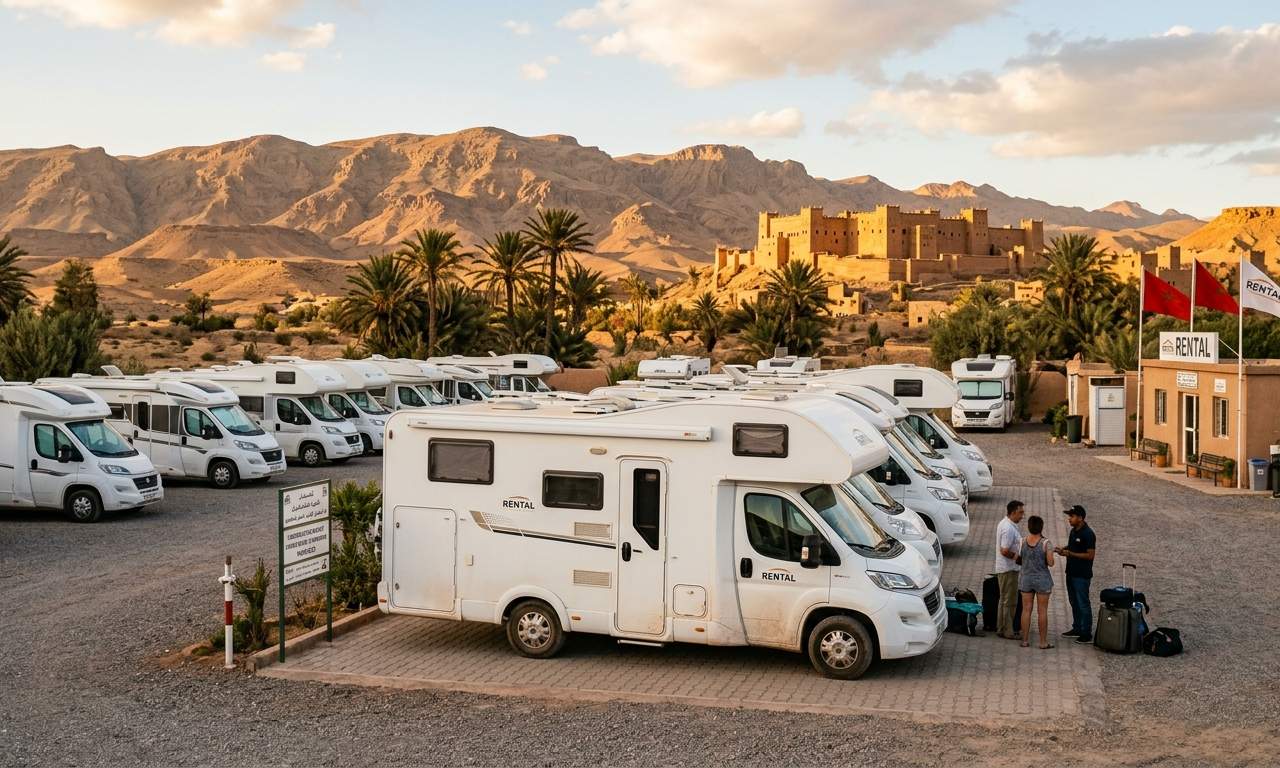
For live availability and current prices, start with our RV Rental Morocco - Complete Guide 2026 guide.
In This Guide
- The 5 RV Families Compared for Morocco
- Class A (Integrated) - Best For
- Price Comparison by RV Class in Morocco
- Class SI (Semi-Integrated) - Best For
- Class C (Alcove) - Best For
- Class B (Campervan) - Best For
- Class TC (Truck Camper) - Best For
- Side-by-Side Comparison Table
- Our Recommendation for RV Rental Travelers in Morocco
- What do I need to know about driving an RV in Morocco?
- Can I wild camp in Morocco with an RV?
- How do I find water and waste disposal sites in Morocco for an RV?
- What are the best routes for an RV trip in Morocco?
- How much does it cost to rent an RV in Morocco?
- Can I bring my own RV to Morocco from Europe?
- How can I ensure a culturally immersive and responsible RV trip in Morocco?
- What should I pack for an RV trip in Morocco?
- How do I stay connected on an RV trip in Morocco?
- Is it safe to travel in Morocco by RV?
- What documents do I need to rent an RV in Morocco?
- What is the best time of year for an RV trip to Morocco?
Morocco offers an incredible canvas for a motorhome adventure, blending ancient cultures with breathtaking natural landscapes. From the bustling souks of Marrakech to the serene Sahara Desert, exploring Morocco with a rented RV provides unparalleled freedom and flexibility. Our RV Rental Morocco - Complete Guide 2024 is your essential resource for planning a seamless journey, and here we'll dive into the different types of RVs available and what makes each suitable for this vibrant country.
The 5 RV Families Compared for Morocco
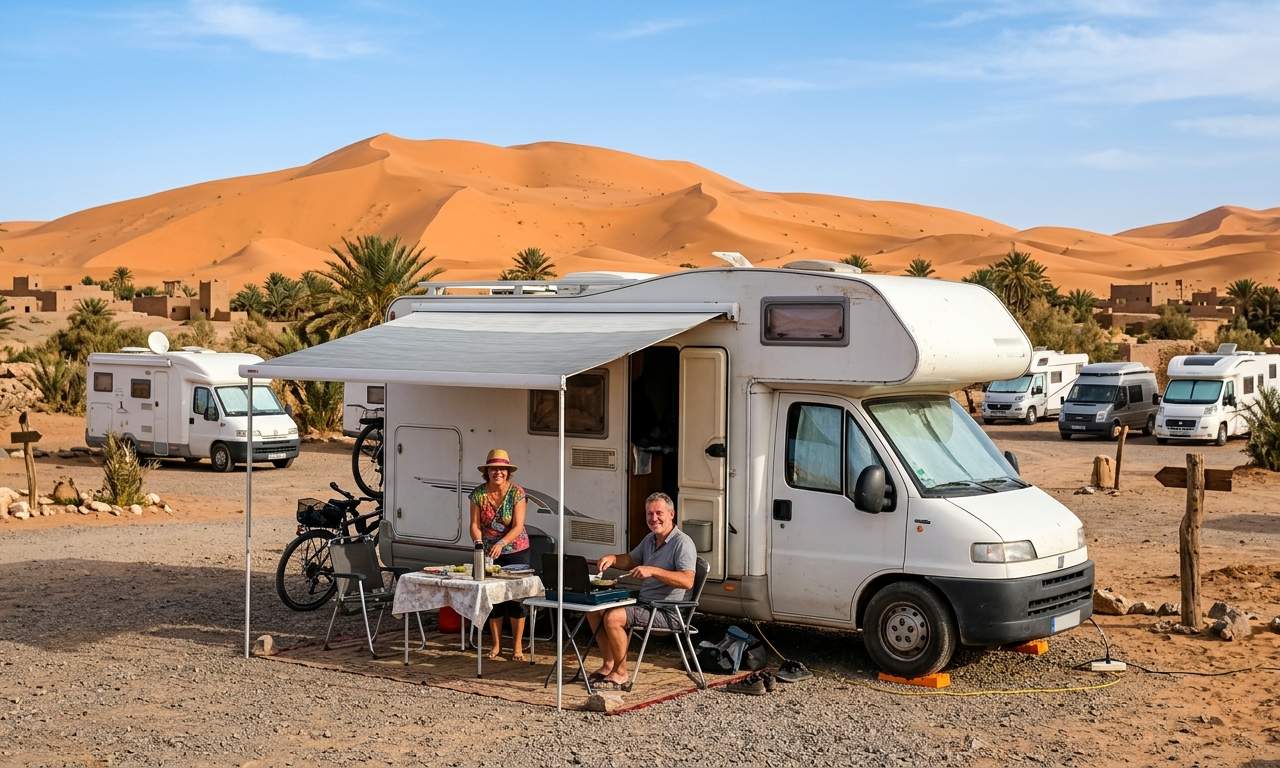
Choosing the right RV for your Morocco adventure depends heavily on your desired level of comfort, the number of travelers, and the types of roads you plan to explore. Consider vehicle maneuverability for winding mountain roads and navigating through towns and cities; remember, you can drive almost anywhere without issues if you proceed slowly and carefully, using common sense and paying attention. Assessing your self-sufficiency needs, particularly for water and waste management in remote areas, is also key to a stress-free trip. Bandana RV offers a range of motorhomes and campervans, ensuring there’s a perfect fit for every travel style.
Class A (Integrated) - Best For
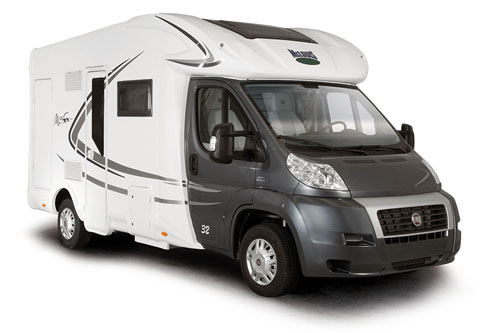
Class A motorhomes, often referred to as integrated RVs, provide the most spacious and luxurious experience for larger groups or those prioritizing comfort on their Moroccan journey. These vehicles, such as the `bunk bed, Class A - Integrated, Exclusive, Front Air condition, Ideal for 2 couples, Ideal for a big family / group of friends, Ideal for family of 2+2, Pet Friendly, RV size - Medium, Shower, Toilet, TV, Up to 3 years on the road, Winter Ready` model, offer expansive living areas, generous storage, and comprehensive amenities, making them ideal for extended road trips across diverse Moroccan landscapes. While they offer superior comfort, their larger size may require more careful navigation on narrower, less-traveled routes or in crowded city environments.
Price Comparison by RV Class in Morocco
RV rental prices in Morocco are dynamic and fluctuate significantly based on the vehicle class, seasonality, and rental duration. Smaller campervans, like a 2-berth model, can start from around $70-120 USD per day during off-peak seasons, offering a budget-friendly option for couples or solo travelers. Mid-sized Class C motorhomes, suitable for a family of four, generally range from $120-200 USD per day. Larger Class A luxury motorhomes or specialized 4x4 Truck Campers, often with features like automatic transmission, will command higher rates, potentially $200-350 USD per day or more, especially during peak travel periods like spring and autumn. Bandana provides full price transparency, comparing final prices across 50+ leading RV suppliers like Apollo, El Monte, Cruise America, and Britz, so you'll never encounter hidden fees or surprises. Early booking, typically 3-6 months ahead, can help secure better deals and wider availability.
Class SI (Semi-Integrated) - Best For
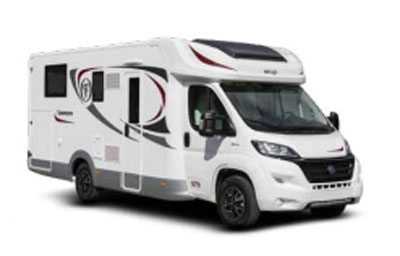
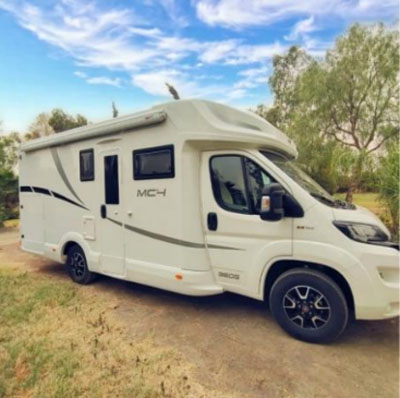
Class SI, or semi-integrated motorhomes, offer a balanced option for exploring Morocco, providing a good mix of comfort and improved maneuverability compared to larger Class A models. These vehicles, such as a `Class SI - Semi-integrated, Front Air condition, Ideal for a couple, Pet Friendly, Recent Model, RV size - Small, Shower, Toilet, Winter Ready, Young driver` are ideal for couples or small families seeking ample living space without the bulk of a fully integrated RV. With typically better fuel efficiency than Class A models, semi-integrated RVs are a practical choice for traversing Morocco's diverse landscapes, from coastal routes to mountain passes. Many models come equipped with showers, toilets, and kitchens, allowing for comfortable self-sufficient travel.
🎬 Video coming soon
Class C (Alcove) - Best For
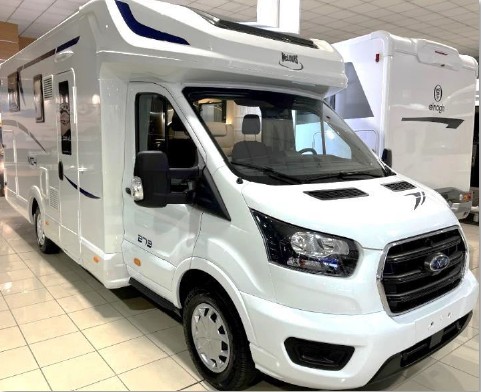
Class C motorhomes, identifiable by their distinctive over-cab sleeping area (alcove), are an excellent choice for families or groups of 4-6 travelers in Morocco. Models like the `3 double beds, Automatic transmission, Class C - Alcove, Front Air condition, Ideal for 2 couples, Ideal for a big family / group of friends, Ideal for family of 2+2, Roof Air condition, RV size - Large, Shower, Toilet, TV, Up to 3 years on the road, Winter Ready` combine practical living space with relatively manageable driving dimensions for Moroccan roads. These RVs often provide multiple sleeping berths, a functional kitchen for preparing meals (check out our RV-friendly recipes playlist for inspiration), and a bathroom, ensuring a comfortable and convenient base for your adventures. Their elevated driving position can also offer good visibility, helpful on Morocco's varied terrain.
Class B (Campervan) - Best For
Class B campervans offer the ultimate in maneuverability and agility for navigating Morocco's bustling cities, ancient medinas, and narrower rural roads. These compact vehicles, such as a `Class B - Camper Van, Front Air condition, Ideal for a couple, Pet Friendly, RV size - Small, Shower, Toilet, Up to 3 years on the road, Winter Ready`, are perfect for solo travelers or couples who value flexibility and the ability to access more secluded spots. Campervans are generally the most fuel-efficient option, consuming an average of 9-12 liters per 100 km, which is a significant advantage for longer journeys. While offering a more intimate living space, they still provide essential amenities like a sleeping area, a small kitchenette, and often a basic toilet and shower, making them a popular choice for adventurers. You can read more about options in "Cheap RV Rental in Morocco - Budget Guide 2024".
Class TC (Truck Camper) - Best For
Class TC, or Truck Campers, offer unrivaled off-road capability, making them ideal for adventurous travelers eager to explore Morocco's remote desert landscapes and rugged mountain areas. These units are specifically designed to be mounted onto a heavy-duty pickup truck chassis, forming a self-contained motorhome that can handle challenging terrains. A `4 Wheel Drive, Class TC - Truck Camper, Front Air condition, Ideal for a couple, Recent Model, RV size - Small, Winter Ready` is perfect for reaching hidden oases or traditional Berber villages off the beaten path. While smaller in living space compared to other classes, they provide essential comforts and the freedom to venture far beyond conventional tourist routes, giving you an authentic Moroccan experience. For those considering more specialized vehicle types, our "Luxury RV Rental in Morocco - Premium Prices 2024" guide may offer insights into upgraded options.
Side-by-Side Comparison Table
To help visualize the differences, here's a general comparison of RV classes for a typical rental in Morocco, focusing on key attributes:
| RV Class | Average Length (meters) | Sleeping Capacity | Fuel Consumption (L/100km) | Ideal Use in Morocco |
|---|---|---|---|---|
| Class A (Integrated) | 8-11 m | 4-8 people | 18-25+ | Luxury travel, established routes, larger groups, significant comfort |
| Class SI (Semi-Integrated) | 6-8 m | 2-5 people | 12-16 | Balanced comfort & maneuverability, couples/small families, diverse routes |
| Class C (Alcove) | 6-9 m | 4-7 people | 15-20 | Families with kids, groups prioritizing sleeping capacity, good road capability |
| Class B (Campervan) | 5-7 m | 1-3 people | 9-12 | Solo/couples, urban exploration, remote access, best fuel economy |
| Class TC (Truck Camper) | 5-7 m | 2-4 people | 12-18 (4x4) | Off-road adventures, remote deserts/mountains, rugged exploration |
This table provides a general overview, but specific vehicle models may vary in their exact specifications and features. Always check the details for your chosen rental motorhome.
Our Recommendation for RV Rental Travelers in Morocco
For most RV travelers in Morocco, a Class SI (Semi-integrated) RV or a Class C (Alcove) motorhome offers the best balance of comfort, space, and maneuverability. These classes provide ample living amenities for small families or couples while still being manageable on Morocco's diverse roads, from highways to provincial routes. A `Class SI - Semi-integrated, Front Air condition, Ideal for a couple, Pet Friendly, Recent Model, RV size - Small, Shower, Toilet, Winter Ready, Young driver` would offer excellent versatility. However, for adventurous couples or solo travelers prioritizing maximum flexibility and access to challenging off-road terrain, such as deep desert or high mountain tracks, a 4x4 Class TC (Truck Camper) is highly recommended for its rugged capability and compact size. For specific pricing on different vehicle classes, you might find our "Weekly RV Rental in Morocco - Pricing 2024" guide helpful.
What do I need to know about driving an RV in Morocco?
Driving a rented RV in Morocco requires awareness of varying road conditions, from well-maintained highways to unpaved rural tracks and often unpredictable local traffic. Speed bumps (often locally called "gendarmes couchés") are common and frequently unmarked, necessitating constant vigilance and slow speeds. While a 4x4 RV, such as a Truck Camper, is beneficial for reaching remote desert or mountain areas, it's not strictly necessary for most main tourist routes. Navigating medinas and older city centers with a large motorhome is generally not advised; instead, use designated parking areas or campsites located outside these bustling districts. In the rare event of minor breakdowns, local mechanics (mécaniciens) are often resourceful, but carrying basic tools and ensuring your rental includes a roadside assistance plan is always prudent. Drive slowly and carefully, and you can drive almost anywhere without issues. No need to stress - just use common sense and pay attention.
Can I wild camp in Morocco with an RV?
Wild camping with a rented RV in Morocco is technically not permitted under Moroccan law, but it is often tolerated in many rural and remote areas, especially for tourists demonstrating respect and discretion. For enhanced safety and cultural sensitivity, it is highly recommended to seek permission from local authorities or landowners, or to camp near villages to ensure security and foster community interaction. Designated campsites, auberges (traditional inns that often have basic camping spots), or even secured parking lots (such as those at some hotels or restaurants) are safer and more accepted alternatives, especially for overnight stays. Always prioritize personal safety by avoiding isolated spots, securing your vehicle, and trusting your instincts. Remember to practice "Leave No Trace" principles: pack out all trash, dispose of waste properly at designated points, and minimize your environmental impact to preserve Morocco's natural beauty.
How do I find water and waste disposal sites in Morocco for an RV?
Accessing fresh water and disposing of grey/black water for a rented RV in Morocco primarily relies on utilizing designated campsites, some petrol stations, and strategic planning in rural areas. Campsites, including "Camping Municipal" sites or private campgrounds, are the most reliable source for fresh water refills and proper grey and black water disposal points. For potable water in remote areas, filtering tap water or purchasing bottled water is highly recommended; water spigots (fontaines) found in villages may be available for non-potable refills for your tank. While grey water can sometimes be disposed of discreetly in natural areas away from water sources and settlements, black water absolutely requires chemical toilets and proper dump stations to avoid environmental harm. Consider carrying extra water containers and a portable waste tank for extended periods between official facilities, especially when venturing off main routes, to ensure self-sufficiency. On the routes offered through RV PLANET routes, you can itemize and track every expense along the way for easy budgeting.
What are the best routes for an RV trip in Morocco?
Optimized RV itineraries for Morocco often balance popular imperial cities with breathtaking natural wonders, while carefully considering road conditions and camping infrastructure. A classic two-week itinerary might include Marrakech - High Atlas Mountains (Ouarzazate) - Merzouga Desert - Fes - Chefchaouen, with numerous RV-friendly campsites along the way. For a week-long trip, travelers could focus on a specific region, such as the Atlantic Coast (Essaouira, Agadir) or the Imperial Cities circuit (Marrakech, Fes, Meknes, Rabat) to minimize driving and maximize immersion. Longer trips, perhaps a one-month adventure, allow for deeper exploration, encompassing the Anti-Atlas mountains, parts of the Western Sahara, and charming lesser-known coastal towns. Challenges include navigating urban traffic and ensuring fuel stops are accessible for larger vehicles in very remote areas, so planning is essential. For pre-planned routes and detailed itineraries, check out RV PLANET routes, which offers over 1,300 professionally designed routes across 5 continents, including many for Morocco.
How much does it cost to rent an RV in Morocco?
The overall cost of a rented RV trip in Morocco extends beyond the rental fee, encompassing daily expenses like fuel, groceries, campsite fees, and activity costs, which are crucial for comprehensive budgeting. Rental costs for a motorhome can vary significantly by RV class, season, and duration, with smaller campervans generally being the most budget-friendly, starting from around $70-$120 USD per day in off-peak. Mid-sized Class C motorhomes for a family might range from $120-$200 USD daily, while luxury Class A RVs or 4x4 Truck Campers can be $200-$350+ USD per day during high season. Fuel is a major expenditure; Bandana's fleet typically consumes 10-12 Liters/100km for smaller units and 15-25 Liters/100km for larger ones, so factor in your planned distances and current fuel prices. Campsite fees usually range from 50-150 MAD (approximately $5-$15 USD) per night, while groceries from local markets are significantly cheaper than supermarkets, allowing for cultural immersion and delicious RV-friendly recipes playlist. Always budget for unexpected expenditures like minor repairs, tolls, or entrance fees, and carry some Moroccan Dirham (MAD) cash for smaller vendors and emergencies. For detailed ancillary cost tracking on routes, RV PLANET routes allow you to itemize and track every expense.
Can I bring my own RV to Morocco from Europe?
Bringing your own RV or campervan to Morocco from Europe is a common and straightforward practice, typically involving a ferry crossing and specific border procedures. Ferries primarily depart from southern Spain (Tarifa, Algeciras) to Tangier Med or Tangier Ville, with longer crossings available from Sète (France) and Genoa (Italy); booking well in advance is advisable, especially for larger vehicles or during peak seasons. At the Moroccan border, you will need your passport, vehicle registration (carte grise), an International Driving Permit (IDP) (if your national license is not in French or English), and proof of insurance valid for Morocco. It's crucial to ensure your vehicle insurance covers Morocco, as standard European policies often exclude it; obtain an extension from your insurer or purchase temporary third-party liability insurance directly at the border. The temporary import document for your vehicle (D16ter) is essential and must be obtained at the border, allowing your RV to stay in Morocco for a maximum of 6 months within a 2024 calendar year.
How can I ensure a culturally immersive and responsible RV trip in Morocco?
Ensuring a culturally immersive and responsible RV trip in Morocco involves respectful interaction with locals, adherence to local etiquette, and minimizing environmental impact. Learn essential Arabic or Berber phrases like 'Salam Alaikum' (hello), 'Shukran' (thank you), and 'La, Shukran' (no, thank you) to facilitate interactions and show genuine respect. Dress modestly, particularly when visiting religious sites or rural areas; women should generally cover shoulders and knees. Support local businesses by purchasing goods from souks and small shops, eating at local restaurants, and hiring local guides for tours, ensuring your tourism directly benefits the community. Practice 'Leave No Trace' principles by disposing of all waste properly, conserving precious water resources, and avoiding disturbance to natural habitats or cultural sites. Remember, slow travel, averaging a maximum of 100-150 km per day, allows you to truly feel the place and connect with the culture, food, and scenery, which is how we at Bandana believe the world should be explored.
What should I pack for an RV trip in Morocco?
A specialized packing list for a rented RV trip in Morocco should include items tailored for varying climates, road conditions, and extended self-sufficiency. Essential vehicle-specific gear includes sand mats for potential desert areas, a comprehensive toolkit, a spare tire, and extra water filters for purification. For personal comfort, pack layers of clothing suitable for hot days and cool nights, modest attire for cultural sensitivity, a wide-brimmed hat, sunglasses, and reef-safe sunscreen. Connectivity essentials like a local prepaid SIM card (e.g., Maroc Telecom, Inwi, Orange) or a portable Wi-Fi hotspot are highly advisable, along with universal travel adapters. Don't forget a well-stocked first-aid kit, effective insect repellent, headlamps for evening excursions, and basic Arabic/Berber phrasebooks for cultural immersion and emergencies. Bandana ensures your rental motorhome is well-equipped with essential kitchenware and bedding, so you can focus on personal items.
How do I stay connected on an RV trip in Morocco?
Staying connected on an RV trip in Morocco is manageable with local SIM cards, mobile hotspots, and awareness of signal availability across different regions. The easiest way to get internet and make calls is to purchase a local prepaid SIM card from major providers like Maroc Telecom, Inwi, or Orange upon arrival at the airport or in any large city like Casablanca or Marrakech. Mobile data coverage is generally reliable in urban areas and along main routes but can become patchy or nonexistent in very remote desert or mountainous regions. Consider bringing a portable Wi-Fi hotspot device or utilizing your phone's hotspot feature with a local SIM for connecting multiple devices. It's always a good practice to download offline maps, such as Google Maps or Maps.me, and essential travel apps beforehand, as signal can be unreliable in secluded areas, ensuring you're never truly lost. RV PLANET offers excellent route planning tools accessible offline once downloaded.
Is it safe to travel in Morocco by RV?
Traveling by a rented RV in Morocco is generally considered safe, with the primary risks being petty crime, common road hazards, and extreme weather, rather than widespread violent crime. To enhance safety, always park your motorhome in designated campsites or secured areas, especially overnight, and avoid leaving valuables visible. Be particularly aware of common road hazards, including aggressive driving styles, often unmarked speed bumps, pedestrians, and animals (like donkeys or goats) on the road, particularly outside major cities. While natural disasters are rare, prepare for extreme heat in summer, occasional dust storms in desert areas, and heavy rain in winter that can affect road conditions. It is advisable to register your travel with your country's embassy or consulate, ensure you have comprehensive travel insurance, and stay informed about local conditions through reputable sources. Bandana offers the option to upgrade to a top-level deductible reimbursement for extra peace of mind, providing an additional layer of security for your adventure.
What documents do I need to rent an RV in Morocco?
To rent a motorhome in Morocco, travelers typically need a valid national driving license, an International Driving Permit (IDP), their passport, and a major credit card for the security deposit. A national driving license from your home country is usually accepted if it includes a photo and is in English or French, but an IDP is highly recommended and often required by rental companies and local authorities for foreign visitors. Ensure your passport is valid for at least six months beyond your intended departure date from Morocco. A major credit card is essential for the rental security deposit, which can range from 1,500€ to 2,500€ depending on the RV class and rental provider. The minimum rental age for all motorhome classes is 21, and there are no young driver surcharges or vehicle class restrictions based on age with Bandana's partners. For more details on the booking process, check our "One-Way RV Rental in Morocco - Price Guide 2024".
What is the best time of year for an RV trip to Morocco?
The best time of year for a rented RV trip to Morocco is typically during the spring (March to May) and autumn (September to November) when the weather is mild and most pleasant across all regions. During spring, temperatures are comfortable for exploring vibrant cities like Fes and Marrakech, hiking in the Atlas Mountains, and even venturing into the deserts, with landscapes often green and lush. Autumn offers similar favorable conditions, ideal for enjoying the coastal towns of Essaouira or Agadir without the intense summer heat. Summer (June to August) can be extremely hot, especially inland and in the Sahara, making RV travel less comfortable, though coastal areas remain more temperate. Winter (December to February) brings cooler temperatures, particularly at night and in the mountains where snow is possible, but it's an excellent time for desert trips or exploring the southern regions. For more specific seasonal pricing, consult our "Long-Term RV Rental in Morocco - Monthly Rates 2024" guide.
What You Shouldn't Miss
- Explore the Sahara Desert: Drive your RV to Merzouga or Zagora, then take a camel trek into the dunes for an unforgettable night under millions of stars.
- Wander the Blue City of Chefchaouen: Park your motorhome outside the city walls and explore the enchanting blue alleyways and vibrant markets on foot.
- Hike in the Atlas Mountains: Discover stunning landscapes and traditional Berber villages, perhaps parking your campervan near a trailhead for an immersive experience.
- Visit Aït Benhaddou: This UNESCO World Heritage site is a fortified village (ksar) that has appeared in many films. It's a fantastic historical stop on your route.
- Experience Essaouira's Coastal Charm: Enjoy fresh seafood, artisan crafts, and the breezy Atlantic air in this laid-back coastal city, perfect for a relaxing stop with your rented RV.
- Looking for expert insights from Avi Bandana? Top 5 Adventures - recommendations from Avi Bandana
Final Thoughts
Embarking on a motorhome adventure in Morocco is an extraordinary way to experience its rich culture, diverse landscapes, and warm hospitality. Whether you choose a nimble campervan for winding mountain roads or a spacious Class C for family comfort, the freedom of a rented RV allows you to craft a journey truly your own. Remember to travel slowly, averaging no more than 100-150 km per day, to fully absorb the sights, sounds, and flavors of this incredible country.
At Bandana, we're with you every step of the way, from comparing the best deals across top suppliers to ensuring you have all the information you need before, during, and after your booking. Our commitment to full transparency and personalized support means your Moroccan RV rental experience will be seamless and unforgettable. Discover top destinations, planning tips, all in one place, and let your Moroccan adventure begin!
Compare Motorhome Prices for Morocco now and start planning your dream North African road trip with Bandana.