For live availability and current prices, start with our RV Rental Japan - Complete Guide 2026 guide.
In This Guide
- The 5 RV Families Compared for Japan
- Class A (Integrated) — Best For
- Price Comparison by RV Class in Japan
- Class SI (Semi-Integrated) — Best For
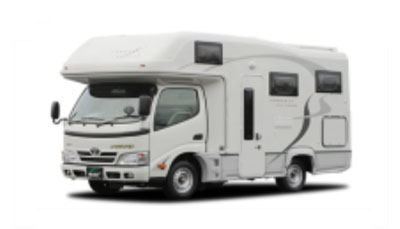
- Class C (Alcove) — Best For
- Class B (Campervan) — Best For
- Class TC (Truck Camper) — Best For
- Side-by-Side Comparison Table
- Our Recommendation for rv rental Travelers in Japan
- Is it worth renting an RV in Japan?
- What is the best way to travel Japan by RV?
- How much does it cost to rent an RV in Japan?
- What RVs can you drive with a normal license in Japan?
- Is Japan RV friendly?
- What are the rules for driving an RV in Japan?
- What kind of motorhome is best for Japan?
- Where can you park an RV in Japan?
- How do I use Michi-no-eki?
- What are the hidden costs of RV rental in Japan?
- Can foreigners rent an RV in Japan?
- Do I need an international driving permit for RV rental in Japan?
- Can I rent an RV for a month in Japan?
- Are RV parks common in Japan?
The 5 RV Families Compared for Japan
Choosing the right RV family is paramount for a successful Japan adventure. Factors like varying terrain, seasonal climates, trip durations, and group sizes significantly impact maneuverability, comfort, and accessibility on Japanese roads. Bandana Caravan helps you navigate these choices by breaking down the key characteristics of each RV type available for rental in Japan.
Class A (Integrated) — Best For
Class A (Integrated) motorhomes are best suited for groups prioritizing spacious luxury and ample living amenities on longer trips in Japan, though their larger size requires careful navigation. Bandana's global fleet typically shows these vehicles at an average length of 7.5 meters, sleeping 4.4 people, and accommodating 4 adults. With an average load capacity of 209.5 kg and common fuel consumption of 11-12 liters per 100 km, Class A RVs offer significant comfort and storage.
These are best for larger families or groups seeking hotel-like comfort, extended stays, and those less concerned about navigating Japan's narrower backroads or tight city parking. However, their considerable length can be challenging on smaller roads, in certain parking areas, and might incur higher fuel and toll costs compared to smaller models. On the routes offered through RV PLANET routes, you can itemize and track every expense along the way for easy budgeting.
Price Comparison by RV Class in Japan
Because pricing for RV rentals is dynamic and flex-rate, the table below pulls real example prices from Bandana's live search for various durations and RV classes in Japan. Please note that these prices are flex-rate estimates and may change daily; for the most accurate and current numbers, use the live search box at the top of this page.
| Family | Avg Length (m) | Sleeps | Fuel Use (L/100 km) | Best Use Case in Japan |
|---|---|---|---|---|
| Class A (Integrated) | 7.5 | 4.4 | 11-12 | Luxury for large groups on open roads, longer trips |
| Class SI (Semi-integrated) | 6.9 | 3.8 | 10-11 | Balanced comfort & maneuverability for couples/small families |
| Class C (Alcove) | 7.5 | 5.8 | 10-12 | Family-friendly with extra sleeping capacity, cost-effective |
| Class B (Campervan) | 5.8 | 3.2 | 8-10 | Nimble, fuel-efficient for couples, urban areas, narrow roads |
| Class TC (Truck Camper) | 5.5 | 2.4 | 12-17 | Adventurous, off-grid exploration for couples/solo travelers |
Class SI (Semi-Integrated) — Best For
Class SI (Semi-Integrated) motorhomes are an excellent balanced choice for RV travel in Japan, offering a good compromise between living space, maneuverability, and fuel efficiency. Bandana's global fleet generally features Class SI RVs with an average length of 6.9 meters, sleeping 3.8 people, and comfortable for 3.4 adults.
With an average load capacity of 72.2 kg and common fuel consumption around 10-11 liters per 100 km, these RVs provide practical amenities without the bulk of larger integrated models. They are best for couples or small families seeking a comfortable balance of space and ease of driving on Japan's diverse road network, from highways to scenic routes. They typically outperform Class A by being more agile for navigating smaller roads and parking, and often outperform Class C by offering a sleeker design and potentially better fuel economy due to a more integrated cabin.
Class C (Alcove) — Best For
Class C (Alcove) motorhomes are particularly well-suited for families traveling in Japan, providing additional sleeping capacity over the cab and a cost-effective approach to group travel. Globally, Bandana's fleet indicates Class C RVs have an average length of 7.5 meters, accommodating 5.8 sleepers and 4.4 adults.
With an average load capacity of 42.4 kg and common fuel consumption of 10-12 liters per 100 km, they offer ample space for a family vacation. These are best for families with children or larger groups who need extra beds, prioritizing sleeping capacity and a dedicated dining area while maintaining a reasonable footprint for Japanese road conditions. While on the larger side, their familiar driving profile and spacious interiors make them a popular choice for families venturing outside major city centers.
Class B (Campervan) — Best For
Class B (Campervan) models are ideal for RV travel in Japan due to their superior maneuverability and fuel economy, making them perfect for navigating narrow roads and city environments. Bandana's fleet shows Class B campervans with an average length of 5.8 meters, sleeping 3.2 people, and suitable for 2.7 adults.
With an average load capacity of 37 kg and excellent fuel economy of 8-10 liters per 100 km, these vans offer a nimble travel experience. They are best for solo travelers, couples, or small groups who prioritize ease of driving, parking accessibility (especially in urban areas and smaller villages), and experiencing Japan's intricate road network with maximum flexibility. They are favored for urban exploration, short trips, and accessing more remote, less-traveled areas where larger RVs might struggle.
Class TC (Truck Camper) — Best For
Class TC (Truck Camper) units are best for RV rental travelers in Japan seeking an adventurous, flexible, and potentially off-grid experience, leveraging their detachability and robust nature. Globally, Bandana's fleet reports Truck Campers with an average length of 5.5 meters, sleeping 2.4 people, and fitting 2.1 adults.
With common fuel consumption ranging from 12-17 liters per 100 km, they offer versatility. These are best for adventurous couples or solo explorers looking to venture off the beaten path, tackle more rugged terrain, or who appreciate the flexibility of detaching the camper to use the truck for day trips. Their adventure profile makes them well-suited for exploring mountainous regions, national parks, and remote coastal areas where a traditional RV might be less practical, providing a genuine sense of exploration.
Side-by-Side Comparison Table
To help visualize the differences, this table offers a side-by-side comparison of the key features of the RV families available for rental in Japan.
| Family | Avg Length (m) | Sleeps | Fuel Use (L/100 km) | Best Use Case in Japan |
|---|---|---|---|---|
| Class A (Integrated) | 7.5 | 4.4 | 11-12 | Luxury for large groups on open roads, longer trips |
| Class SI (Semi-integrated) | 6.9 | 3.8 | 10-1ung3 | Balanced comfort & maneuverability for couples/small families |
| Class C (Alcove) | 7.5 | 5.8 | 10-12 | Family-friendly with extra sleeping capacity, cost-effective |
| Class B (Campervan) | 5.8 | 3.2 | 8-10 | Nimble, fuel-efficient for couples, urban areas, narrow roads |
| Class TC (Truck Camper) | 5.5 | 2.4 | 12-17 | Adventurous, off-grid exploration for couples/solo travelers |
Our Recommendation for rv rental Travelers in Japan
For most RV rental travelers in Japan, the Class B (Campervan) emerges as the primary recommendation due to its exceptional maneuverability and fuel efficiency, perfectly aligning with Japan's often narrow roads and bustling urban centers. Its compact size (average length 5.8m) allows for easier parking and access to a wider range of destinations, from city sights to scenic, less-traveled routes.
A strong runner-up, especially for small families or those desiring more comfort without the bulk of a Class A, is the Class SI (Semi-integrated) motorhome. With an average length of 6.9m, it offers a great balance of living space and relative ease of driving, making it a versatile choice for exploring Japan's diverse landscapes.
Is it worth renting an RV in Japan?
Renting an RV in Japan can be highly worthwhile for travelers seeking unique freedom, flexibility, and deeper cultural immersion, offering a distinct advantage over traditional public transport for exploring diverse regions. RV travel allows for spontaneous itinerary changes, access to remote natural beauty, and the ability to combine various interests like onsen tours or historical sites at your own pace.
For groups or longer trips, an RV can be cost-effective compared to juggling multiple train tickets, accommodations, and restaurant meals, especially when cooking some of your own food. It enables a deeper dive into local culture through experiences like visiting local markets for groceries or respectful overnight stays at Michi-no-eki (roadside stations), which are unique to Japan. While Japan's public transport is efficient, RVs offer unparalleled access to less-traveled scenic routes and allow for more integrated cultural experiences beyond typical tourist paths. For ideas you can prep on the road, watch our RV-friendly recipes playlist on YouTube.
What is the best way to travel Japan by RV?
The best way to travel Japan by RV involves meticulous planning of a flexible itinerary, understanding local etiquette, and utilizing Japan's excellent road network while embracing the unique 'Michi-no-eki' system. Strategic itinerary planning is key; focus on regional or seasonal routes, such as Hokkaido's autumn foliage, Shikoku's pilgrimage, or Kyushu's onsen circuit, rather than trying to cover the entire country. Detailed, unique itineraries beyond generic road trips will enhance the experience.
Embrace local systems by familiarizing yourself with navigating toll roads using an ETC (Electronic Toll Collection) card, which simplifies payments and offers discounts. Understanding common Japanese road signs, even beyond international standards, is crucial. Cultural etiquette is paramount; respect local customs, especially regarding noise levels in shared spaces like Michi-no-eki and proper waste disposal (Japan has strict separation rules). Learning a few essential Japanese phrases for common situations (renting, asking directions, shopping) is invaluable for overcoming language barriers. When it comes to RV type, opt for a smaller RV, such a
How much does it cost to rent an RV in Japan?
The cost of renting an RV in Japan varies significantly based on factors like RV class, rental duration, season, and specific inclusions, with daily rates typically decreasing for longer rental periods. Flex-Rate Pricing means that RV rental prices are dynamic. As illustrated in the "Price Comparison by RV Class in Japan" section above, rates fluctuate based on demand and availability.
The Class impact is notable: smaller Class B campervans are generally more affordable than larger Class A or C motorhomes. Duration also plays a role; a one-month rental will typically have a lower daily rate than a one-week rental. Hidden Costs Consideration is crucial: beyond the base rental, remember to budget for fuel, tolls (an ETC card is highly recommended), campsite fees, insurance, and potential cleaning charges, which collectively contribute to the overall trip cost.
What RVs can you drive with a normal license in Japan?
Most RVs available for rental in Japan, including Class B, C, SI, and TC types, can typically be driven with a standard international driving permit corresponding to a normal passenger car license (Class B or equivalent from your home country). Standard License Coverage means the majority of rental RVs are designed to fall within the weight and size limits (usually under 3,500 kg gross vehicle weight) that a standard driver's license permits.
You typically won't need a special commercial or heavy vehicle endorsement for these common rental classes. However, Verification is Key: always confirm with your rental provider the specific license requirements for the RV you intend to rent to ensure full compliance.
Is Japan RV friendly?
Japan is increasingly RV-friendly, characterized by its extensive network of "Michi-no-eki" (roadside stations), numerous auto-campsites, and a culture of hospitality, though navigating narrow roads and understanding local etiquette are essential. Michi-no-eki are primary spots for overnight parking; they offer restrooms, local products, and often restaurants, serving as unofficial overnight stops for RVers, although camping facilities are typically minimal. Respectful conduct, including quiet hours and discreet waste disposal, is paramount.
Auto-Campsites provide full hookups (electricity, water, waste disposal), showers, and dedicated camping spaces, especially popular in scenic areas and near onsens. Road infrastructure is excellent on major highways, but smaller regional roads can be narrow, making compact RVs (like Class B campervans) advantageous. Japan is incredibly safe, but awareness of natural disaster preparedness (earthquakes, typhoons) is wise, and adherence to local waste separation rules and maintaining low noise levels in shared spaces are crucial aspects of cultural integration for RVers.
What are the rules for driving an RV in Japan?
Driving an RV in Japan requires adherence to Japanese traffic laws, which include driving on the left, observing specific speed limits, and navigating a sophisticated toll road system, alongside a strong emphasis on road safety and local customs. Vehicles drive on the left side of the road, and the steering wheel is on the right. Typical speed limits are 40 km/h in urban areas, 80 km/h on national roads, and 100 km/h on expressways, though these can vary, so always observe signage.
Japan's extensive expressway network is mostly tolled; using an ETC (Electronic Toll Collection) card, often available through rental companies, is highly recommended for convenience and potential savings. While major signs are often in English, familiarizing yourself with common Japanese road signs beyond international standards will enhance navigation. Designated parking areas (like Michi-no-eki or paid lots) are common, and overnight street parking is generally discouraged or illegal outside specific zones. Wild camping (boondocking) is generally not permitted or culturally accepted in Japan. Be aware of natural disaster protocols (earthquakes, typhoons); rental companies typically provide basic information. Navigating narrow roads and tight parking spaces requires extra caution.
What kind of motorhome is best for Japan?
The best kind of motorhome for Japan is typically a smaller, more maneuverable model like a Class B (Campervan) or a compact Class SI (Semi-integrated) RV, which are better suited for the country's narrower roads, tighter parking, and scenic regional routes. Japan's infrastructure, particularly outside major highways, often features narrow roads in towns, mountain passes, and historic areas, favoring smaller vehicles.
Finding suitable parking for larger RVs can be challenging, especially in popular tourist spots or urban centers; smaller RVs fit into standard parking spaces more easily. While not explicitly listed in Bandana's global fleet data, local "kei campers" (mini-RVs based on kei-class vehicles) are popular in Japan for their extreme compactness, highlighting the local preference for small vehicles. For international rentals, Class B campervans (average length 5.8m) provide similar benefits in terms of size. As highlighted in our "Side-by-Side Comparison Table," Class SI (average length 6.9m) offers a good compromise between interior space and external dimensions, ideal for couples or small families seeking more comfort while retaining reasonable agility.
Where can you park an RV in Japan?
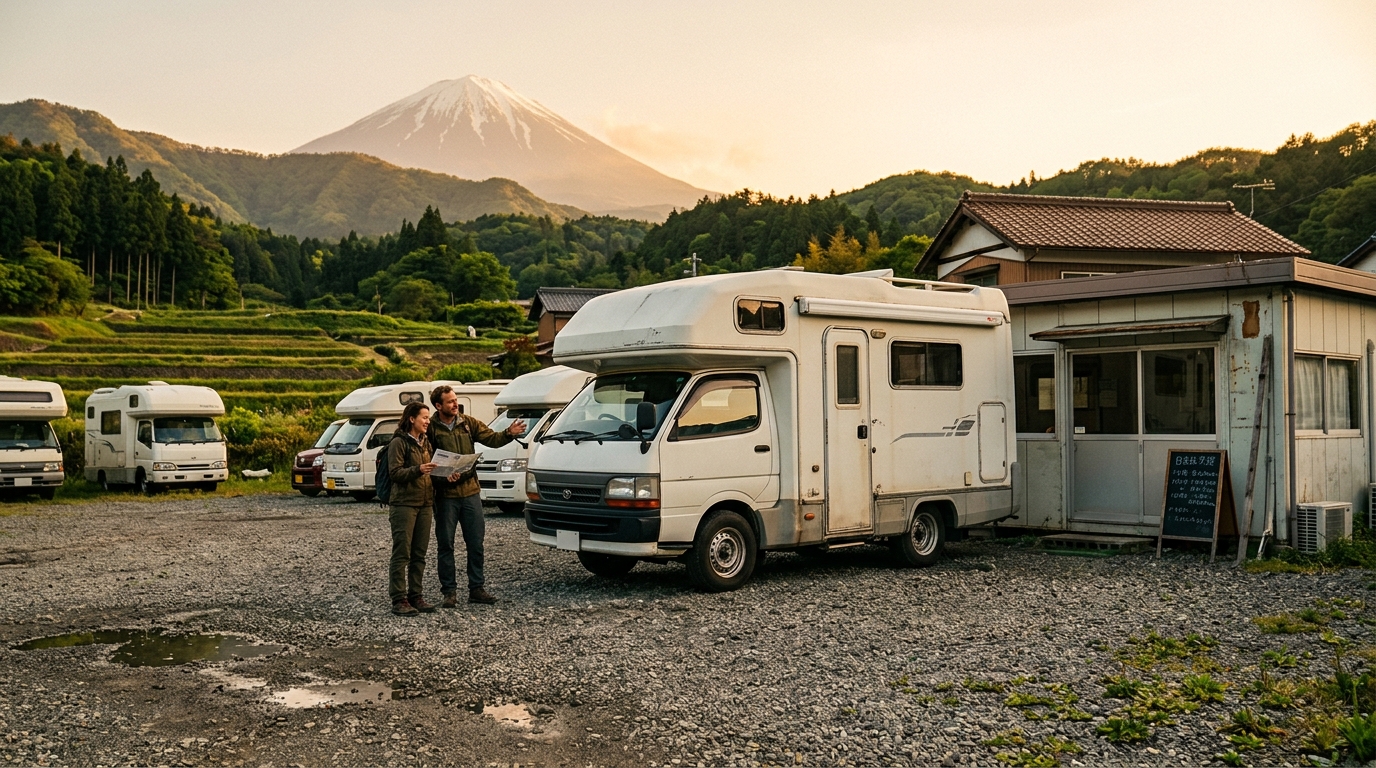
RV travelers in Japan primarily park at designated auto-campsites for full amenities or utilize the extensive network of "Michi-no-eki" (roadside stations) for convenient and free overnight stays, emphasizing respectful usage. These roadside stations are primary spots for overnight parking, offering restrooms, local products, and sometimes restaurants, but are not full campgrounds; they are resting areas. Etiquette dictates quiet hours (usually 9 PM to 6 AM), not setting up extensive outdoor camps, and proper waste disposal.
For full hookups (electricity, water, waste disposal), showers, and dedicated camping spaces, look for "auto-campsites" (オートキャンプ場, ōto kyanpu-jō). These are abundant in scenic and tourist areas and require reservations, especially during peak season. Public parking lots in tourist areas or cities may accommodate RVs for day use, but overnight parking is usually prohibited. Wild camping (boondocking) is generally not permitted or culturally accepted in Japan. Maintaining low noise levels in shared spaces and adhering to strict local waste separation rules are crucial aspects of respectful RV travel in Japan.
How do I use Michi-no-eki?
To effectively use a Michi-no-eki in Japan, recognize it as a roadside rest stop offering amenities and a safe place for overnight parking, not a full campground, and adhere strictly to local etiquette for a harmonious experience. Michi-no-eki (道の駅), or "roadside stations," are government-designated facilities providing travelers with restrooms, local information, shops selling regional produce and souvenirs, and sometimes restaurants.
While not official campsites, many RVers use them for free overnight parking. The key is to be discreet: do not set up chairs, awnings, or BBQs, and keep noise to a minimum, particularly at night. It's a parking spot, not a camping spot. Expect clean, modern restrooms (often 24-hour access). Some may have charging stations, onsen (hot springs) nearby, or even laundromats. Respect is paramount, including adhering to quiet hours, leaving no trace, separating trash according to complex Japanese rules, and generally acting as if you are a guest in a public space, not a private campsite.
What are the hidden costs of RV rental in Japan?
Beyond the base rental fee, hidden costs of RV rental in Japan can include fuel, expressway tolls, campsite fees, insurance deductibles, and cleaning charges, making it crucial to budget comprehensively. RVs generally consume more fuel than regular cars (e.g., Bandana's fleet Class C is 10-12 L/100 km; Class TC 12-17 L/100 km), and fuel prices in Japan can be higher than in some other countries.
Japan's extensive expressway network is mostly tolled; an ETC card is essential for convenience, but the tolls themselves add up. While Michi-no-eki are free for overnight parking, dedicated auto-campsites typically charge nightly fees for hookups and amenities. Understand your rental insurance coverage, including deductibles and what's not covered (e.g., damage to interior, tires). Some companies may charge a cleaning fee if the RV isn't returned in a satisfactory condition, or for minor damages not covered by insurance. Optional extras like GPS (though many phones work well), linens, kitchen kits, and child seats often incur extra charges.
Can foreigners rent an RV in Japan?
Yes, foreigners can rent an RV in Japan, provided they meet specific legal requirements, most notably possessing a valid international driving permit (IDP) issued in their home country. This IDP is universally required by law for non-Japanese residents to drive in Japan, translated into Japanese. It must be obtained in your home country before your departure to Japan; it cannot be issued in Japan.
You must also carry your original driver's license from your home country alongside the IDP. A valid passport is necessary for identification and rental agreement purposes. Most rental companies require drivers to be at least 20 or 21 years old, and some may have an upper age limit. While rental agencies often have English-speaking staff, having translation apps or essential phrases handy for communication during your trip is advisable.
Do I need an international driving permit for RV rental in Japan?
Yes, an international driving permit (IDP) is unequivocally mandatory for foreigners to legally rent and drive an RV in Japan, serving as an official translation of your domestic license. Japanese law strictly requires all non-residents to carry a valid IDP, issued under the 1949 Geneva Convention, in conjunction with their original national driver's license.
You must obtain your IDP in your home country through your local automobile association (e.g., AAA in the USA, RAC/AA in the UK) before your departure to Japan; it cannot be issued in Japan. The IDP is typically valid for one year from its issue date or until your domestic license expires, whichever comes first. Without a valid IDP, rental companies will refuse to rent you an RV, and you risk severe penalties if caught driving by authorities.
Can I rent an RV for a month in Japan?
Yes, renting an RV for a month in Japan is entirely possible and often recommended for a comprehensive exploration of the country, frequently resulting in a more cost-effective daily rate compared to shorter rentals. Many RV rental companies in Japan, including Bandana, offer monthly rental options, which are ideal for travelers planning extensive multi-regional trips or seasonal experiences like cherry blossom viewing or fall foliage tours.
As seen in the "Price Comparison by RV Class in Japan" section, longer rental durations typically come with reduced daily or weekly rates, maximizing your budget. A month-long rental provides ample time to explore specific regions in depth, immerse yourself in local culture, and integrate local food experiences, balancing cooking in your RV with dining out at local eateries. For such extended periods, especially during peak seasons, it is highly advisable to book your RV well in advance to ensure availability and secure your preferred vehicle type.
Are RV parks common in Japan?
While not as universally common or formatted as in North America or Australia, RV parks (referred to as "auto-campsites") are prevalent in scenic and tourist-heavy regions of Japan, complemented by a unique network of "Michi-no-eki" roadside stations for overnight stays. Auto-campsites are dedicated RV-friendly campgrounds offering amenities such as electrical hookups, fresh water, waste disposal, restrooms, and sometimes showers or onsen access.
Michi-no-eki, as detailed previously, are government-run rest stops, not traditional RV parks. They provide free parking, clean restrooms, and local markets, making them excellent for a free, no-frills overnight stop, but generally lack hookups and traditional camping facilities. Japan's RV culture is growing, with an increasing number of facilities catering to motorhome travelers. However, the emphasis often remains on respecting public spaces and minimal impact, especially at Michi-no-eki. The diversity of available options allows RVers to choose between fully equipped campgrounds for longer stays and convenient rest stops for quick overnights, depending on their itinerary and desired comfort level.
What You Shouldn't Miss
- Drive a Class B campervan through the scenic Hakone region, enjoying views of Mount Fuji and exploring the Hakone Open-Air Museum.
- Experience the vibrant culinary scene of Osaka, perhaps picking up fresh ingredients from Kuromon Ichiba Market for an RV dinner.
- Explore the historic streets of Kyoto, finding parking for your rented RV and then wandering through bamboo forests and ancient temples.
- Witness the natural beauty of Hokkaido in autumn, a spectacular display of fall foliage perfect for RV exploration.
- Soak in the therapeutic waters of various onsen (hot springs), a quintessential Japanese experience often found conveniently near campgrounds.
- Navigate the scenic coastal roads of the Izu Peninsula, stopping at charming fishing villages and enjoying ocean vistas from your RV.
Final Thoughts
Embarking on an RV adventure in Japan offers a unique perspective on this captivating country. By carefully selecting the right vehicle and embracing the local way of travel, you can unlock experiences that go far beyond the typical tourist trail.
Whether you're drawn to the convenience of a campervan for navigating bustling cities or the spaciousness of a larger motorhome for exploring the countryside, Bandana Caravan is here to help you find the perfect match. Let us assist you in planning your unforgettable Japanese road trip!
Get inspired for your next trip! Discover top destinations, planning tips, all in one place!