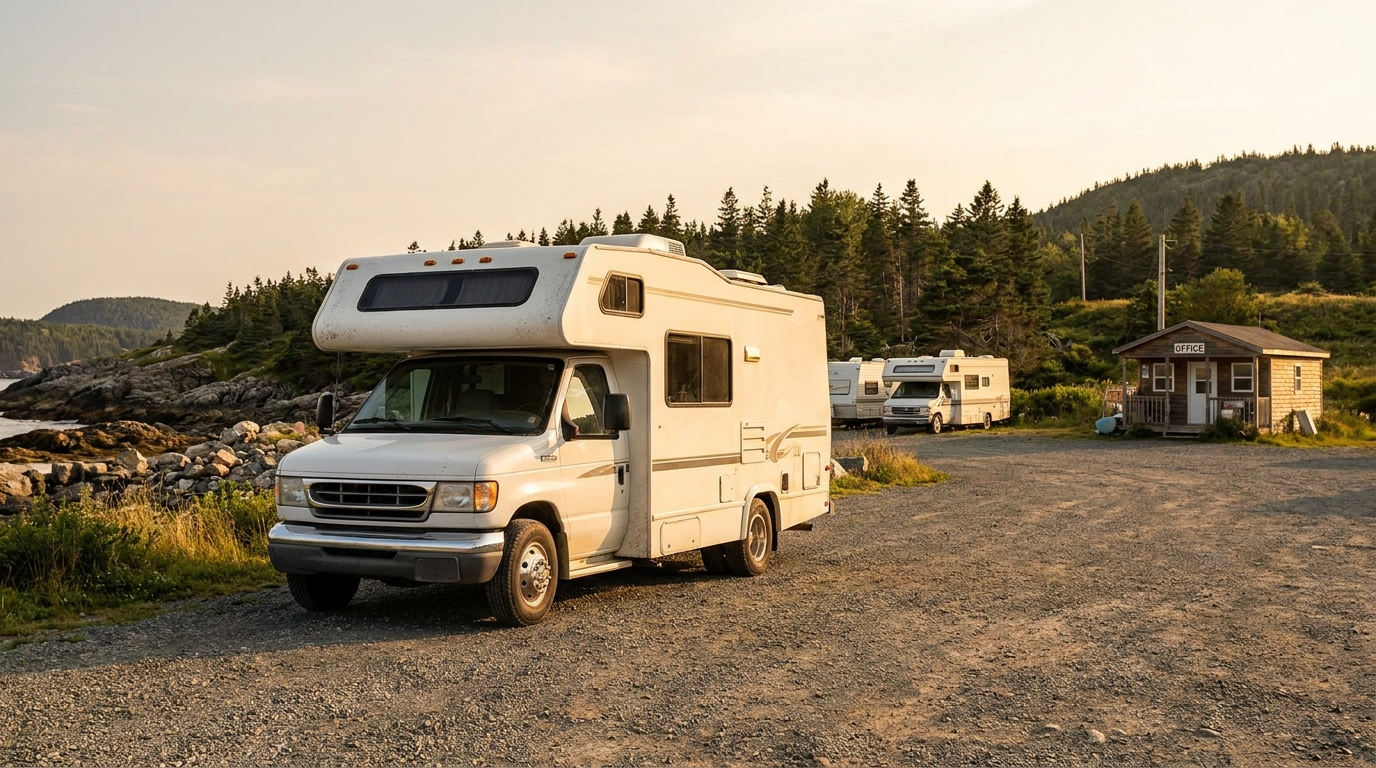
For live availability and current prices, start with our RV Rental East Canada - Complete Guide 2026 guide.
In This Guide
- The 5 RV Families Compared for East Canada
- Class A (Integrated) — Best For
- Class SI (Semi-Integrated) — Best For
- Class C (Alcove) — Best For
- Class B (Campervan) — Best For
- Class TC (Truck Camper) — Best For
- Side-by-Side Comparison Table
- Price Comparison by RV Class in East Canada
- Our Recommendation for RV Rental Travelers in East Canada
- Which Motorhome Rental Company is the Best in Canada?
- Which RV Rental Site is Best?
- What are the Drawbacks of Renting an RV?
- Is RV Rental Cheaper Than Hotel?
- What is the Best RV Route Planner App in Canada?
- What is the 3-3-3 Rule for RVs?
- Where is the Best Place to Live on the East Coast of Canada?
- What RVs to Stay Away From?
The 5 RV Families Compared for East Canada
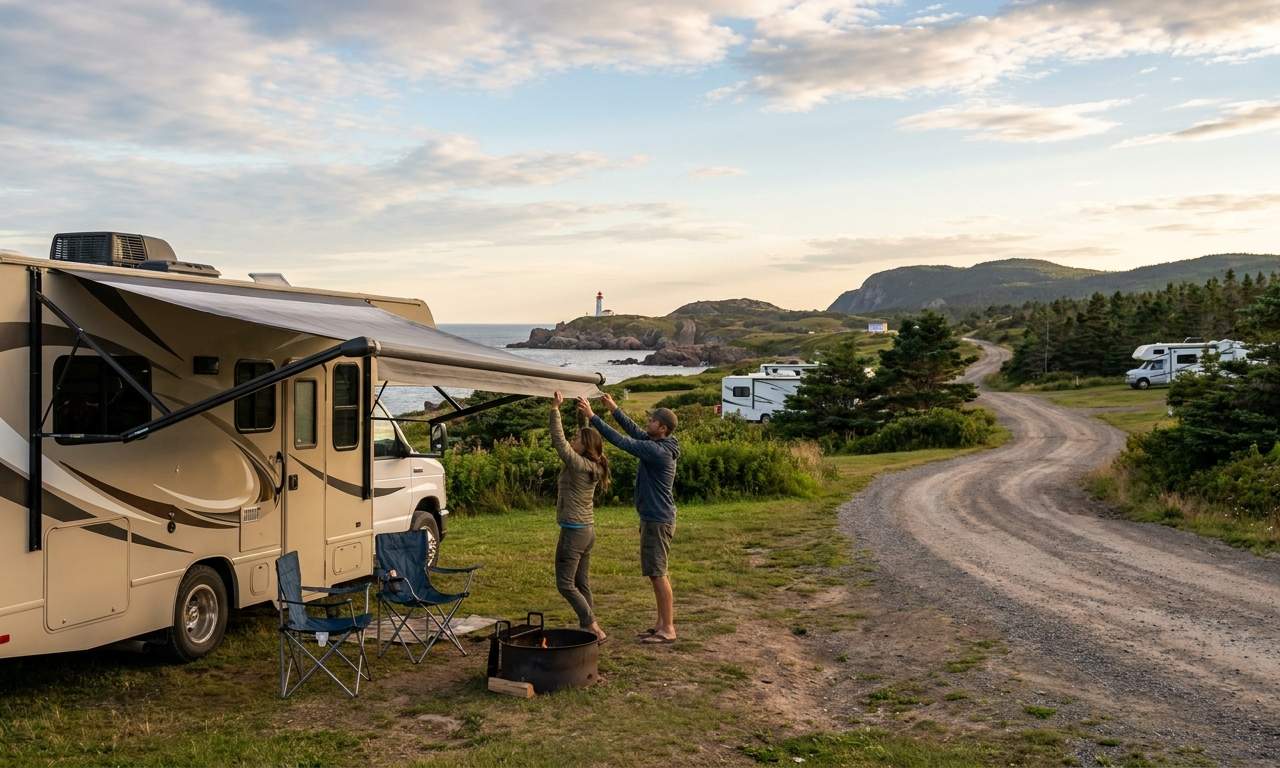
Selecting the right RV family is crucial for an enjoyable RV rental experience in East Canada. This region features diverse terrain, from the rugged coastlines of Newfoundland to the rolling hills of Prince Edward Island, and includes unique logistical considerations like ferry access to islands. Your choice impacts maneuverability on coastal roads, comfort for your group size, and suitability for different trip lengths and camping styles, whether you prefer secluded boondocking or utilizing full hookup campgrounds.
Understanding the pros and cons of each RV type ensures you select a vehicle that matches your specific East Canada adventure. From navigating winding scenic routes like the Cabot Trail to exploring the vastness of national parks, the right RV makes all the difference. Bandana RV simplifies this by offering a comprehensive comparison of popular RV families, allowing you to tailor your rental to your exact needs.
Class A (Integrated) — Best For
Class A integrated motorhomes, typically averaging 7.5 meters (about 24.6 feet) in length and sleeping around 4.4 people based on Bandana's global fleet data, are best suited for travelers prioritizing luxury and space on longer East Canada excursions. These RVs offer considerable load capacity, averaging 209.5 kg (approximately 462 lbs), and generous living space, making them ideal for larger families or groups who value comfort over extreme maneuverability.
While they provide a comfortable "home on wheels" experience, their larger dimensions can present challenges on narrower coastal roads or within smaller provincial park campgrounds, and they typically have higher fuel consumption, around 11-12 liters per 100 km (approximately 19-21 MPG). This makes them a fantastic choice for those who plan extensive stays in one area or have well-planned routes through East Canada's more accessible regions.
Class SI (Semi-Integrated) — Best For
Class SI semi-integrated motorhomes, averaging 6.9 meters (about 22.6 feet) in length and sleeping about 3.8 people according to Bandana's global fleet, represent an excellent balanced choice for couples or small families exploring East Canada. They offer a good blend of living comfort and improved maneuverability, often outperforming larger Class A units on the region's smaller provincial roads while providing more amenities than the compact Class B campervans.
With common fuel consumption around 10-11 liters per 100 km (approximately 21-23.5 MPG) and a decent load capacity averaging 72.2 kg (about 160 lbs), these semi-integrated motorhomes are versatile for various East Canadian terrains. They offer a comfortable travel experience without the excessive bulk of larger RVs, making them a popular choice for exploring the Maritime provinces and beyond.
Class C (Alcove) — Best For
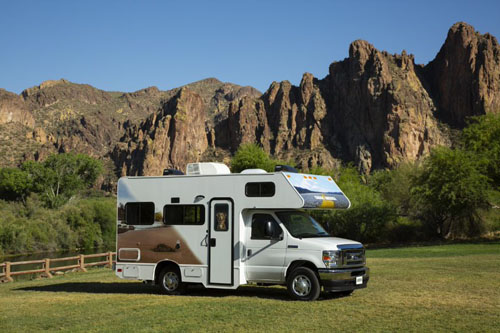
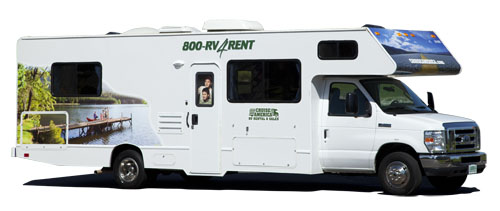
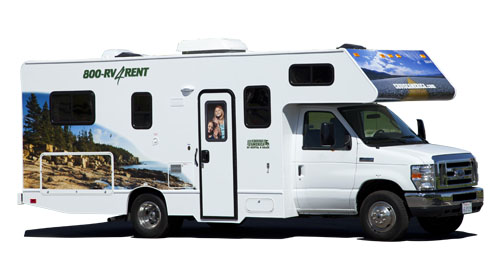
Class C alcove motorhomes are particularly ideal for families renting an RV in East Canada. They are renowned for their extra sleeping space, typically located above the cab (averaging 5.8 sleeping places in Bandana's fleet), and offer a great balance of comfort and cost-efficiency. These RVs are a staple for family adventures due to their practical layout and family-friendly features.
Class C motorhomes, generally around 7.5 meters (about 24.6 feet) in length, provide ample room for families with children and are often easier to drive than Class A models. With fuel consumption around 10-12 liters per 100 km (approximately 19-23.5 MPG), they represent a practical and economical option for family adventures, offering a comfortable base for exploring national parks, scenic drives, and charming coastal communities across East Canada.
Class B (Campervan) — Best For
Class B campervans, averaging a compact 5.8 meters (about 19 feet) in length and sleeping around 3.2 people from Bandana's global fleet, are best suited for solo travelers or couples prioritizing ultimate maneuverability and fuel economy in East Canada. Their compact size makes them perfect for navigating narrow coastal roads, finding parking in charming, often-crowded urban areas, and easily boarding essential ferry services to destinations like Prince Edward Island or Newfoundland.
Offering common fuel consumption around 10 liters per 100 km (approximately 23.5 MPG), campervans provide a nimble and efficient way to explore the diverse landscapes of East Canada. They favor a more minimalist travel style, enabling access to smaller, more secluded campgrounds and often allowing for more flexibility in spontaneous travel plans compared to larger RVs.
Class TC (Truck Camper) — Best For
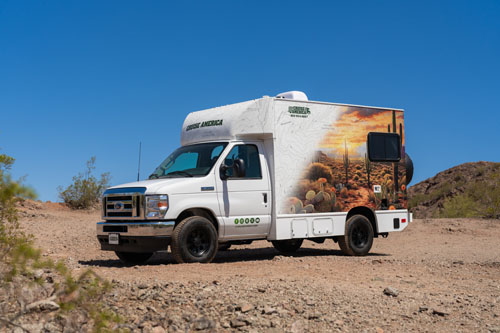
Class TC truck campers, averaging 5.5 meters (about 18 feet) in length and sleeping about 2.4 people according to Bandana's global fleet, are an excellent choice for adventurous couples who prioritize off-grid capability and flexible exploration in East Canada's more rugged areas. These units offer the unique advantage of being detachable from the truck, providing the freedom to set up camp and then use the truck for day trips on rougher terrains or accessing remote trailheads.
While their fuel consumption can be higher, ranging from 12-17 liters per 100 km (approximately 13.5-19.5 MPG) due to the truck base, their robust nature and versatility are unmatched for those looking to venture beyond paved roads and explore East Canada's wilderness areas, such as logging roads or access points to provincial parks. Their compact and rugged design makes them ideal for accessing remote locations.
Side-by-Side Comparison Table
Comparing the different RV families side-by-side provides a quick overview of their key characteristics, helping you choose the best RV rental for your East Canada trip based on your priorities and travel style.
| Family | Avg Length (m) | Sleeps | Fuel Use (L/100km) | Best Use Case in East Canada |
|---|---|---|---|---|
| Class A (Integrated) | 7.5 | 4.4 | 11-12 | Luxury, large groups, long trips, spacious living. |
| Class SI (Semi-Integrated) | 6.9 | 3.8 | 10-11 | Balanced comfort and maneuverability, couples/small families, varied terrain. |
| Class C (Alcove) | 7.5 | 5.8 | 10-12 | Families, cost-efficient, extra sleeping, general road conditions. |
| Class B (Campervan) | 5.8 | 3.2 | 10 | Solo/couples, maneuverability, fuel economy, coastal towns, ferries. |
| Class TC (Truck Camper) | 5.5 | 2.4 | 12-17 | Off-grid adventure, remote access, flexible exploration, rugged terrain. |
This table highlights how each RV type is uniquely suited for different travel styles and conditions encountered when renting an RV in East Canada, from the extensive coastlines to the national parks.
This table highlights how each RV type is uniquely suited for different travel styles and conditions encountered when renting an RV in East Canada.Price Comparison by RV Class in East Canada
Because pricing is flex-rate, the table below pulls real example prices from Bandana's live search for RV rentals in East Canada, showcasing how costs vary by RV class and rental duration. These figures are approximate and subject to change based on demand and seasonality.
Live April Price Comparison — RV Class × Trip Length
| Trip length | Class A | Class B | Class C | Class SI | Class TC |
|---|---|---|---|---|---|
| 1 week 15/04 → 22/04 | Check prices | 656.04 $ AU | 1,657.30 $ AU | 1,482.00 $ AU | 1,189.03 $ AU |
| 2 weeks 15/04 → 29/04 | Check prices | 1,086.42 $ AU | 2,800.89 $ AU | 2,590.24 $ AU | 1,986.21 $ AU |
| 1 month 01/04 → 30/04 | Check prices | 2,006.57 $ AU | 5,628.89 $ AU | 4,767.05 $ AU | 3,681.40 $ AU |
Estimates only — flex-rate prices change daily based on availability and season.
These prices update daily based on demand and availability; for the most accurate current numbers, please use the search tool on our platform.
Our Recommendation for RV Rental Travelers in East Canada
For the majority of RV rental travelers in East Canada, the Class C Alcove is our primary recommendation. This is due to its optimal balance of sleeping capacity, family-friendly design, and relative ease of driving on the diverse East Canadian roads, from major highways to provincial park access points. Its ability to comfortably accommodate 5-6 people (averaging 5.8 sleeping places) at a moderate fuel cost (10-12 Liter/100 km) makes it an excellent value for exploring the region's attractions and addresses the need for practical RV selection advice. On the routes offered through RV PLANET routes, you can itemize and track every expense along the way for easy budgeting.
As a strong runner-up, the Class B Campervan is highly recommended for couples or solo adventurers who prioritize maneuverability, fuel efficiency (around 10 Liter/100 km), and the flexibility to navigate charming, often-crowded coastal towns and utilize essential ferry services without hassle. Its compact nature is perfect for exploring the narrow streets of historic towns and accessing ferry terminals efficiently.
Which Motorhome Rental Company is the Best in Canada?
The "best" motorhome rental company in Canada is subjective and depends heavily on your specific travel needs and priorities. However, aggregator platforms like Bandana offer a superior experience by providing access to a vast inventory from multiple local and national providers, ensuring competitive pricing and a diverse selection of RVs for your East Canada trip. This allows you to compare options side-by-side, saving you time and potentially money.
Bandana helps renters compare options based on factors like price, RV type, amenities, and customer reviews, addressing the value gap often found in budget transparency by presenting a range of choices. When choosing a company, it's crucial to consider their insurance policies, the availability and quality of their 24/7 roadside assistance, and how they align with specific provincial driving laws and any unique campground regulations, especially if you're considering older RV models, to ensure a smooth and worry-free journey.
Which RV Rental Site is Best?
Bandana is widely considered one of the best RV rental sites because it functions as a comprehensive online marketplace, allowing users to effortlessly compare and book motorhomes directly from both professional fleets and private owners across East Canada. This aggregation model is invaluable for those seeking detailed practical advice on RV selection, as it presents a wide array of types (Class A, B, C, SI, TC) and prices, coupled with transparent details designed to match diverse travel styles and budgets.
A superior RV rental site should offer intuitive search filters, clear terms and conditions, reliable customer support, and robust insurance options. Bandana strives to provide all of these, streamlining the decision-making process for renters and ensuring you find the perfect RV for your East Canada adventure with confidence and ease.
What are the Drawbacks of Renting an RV?
Renting an RV for an East Canada adventure, while incredibly rewarding, does come with potential drawbacks that are important to consider. These include higher fuel costs, particularly for larger models that consume 10-25 liters per 100 km, the risk of unexpected mechanical issues requiring maintenance and potentially causing travel delays, and the logistical challenge of consistently finding suitable campgrounds and dump stations, especially during the peak summer season.
Other considerations involve the learning curve for driving and maneuvering a larger vehicle, potential difficulties with parking in smaller East Canadian towns or scenic overlooks, and the necessity of factoring in additional expenses beyond the base rental. These can include insurance premiums, mileage fees (if applicable), propane refills, dump station fees, and crucial ferry bookings for island destinations like Newfoundland or Prince Edward Island. Weather challenges, common on the East Coast, can also impact travel plans, and some older RVs might face issues with specific campground regulations or insurance policies, emphasizing the need for transparent advice when selecting your rental.
Is RV Rental Cheaper Than Hotel?
RV rental can indeed be cheaper than hotel stays for extended trips or larger groups traveling through East Canada, primarily because it consolidates accommodation and transportation costs while offering significant savings on food through the ability to self-cater. This makes it an attractive option for budget-conscious travelers seeking value.
However, a full budget comparison must encompass not just the base RV rental cost but also substantial additional expenses. These include fuel (especially for larger units with consumption rates between 10-25 liters/100 km), nightly campground fees which can range from basic sites to those with full hookups, insurance, propane, dump station fees, and critical ferry costs for island destinations. While initial RV rental prices might appear higher than a single night in a hotel, the cumulative savings on meals and the flexibility of having a mobile home often result in a more economical overall travel experience, particularly when avoiding multiple hotel rooms for families and ensuring budget transparency throughout the planning process. For ideas you can prep on the road, watch our RV-friendly recipes playlist on YouTube.
What is the Best RV Route Planner App in Canada?
For seamless RV travel across Canada, particularly in East Canada, highly-rated route planner apps like RV Trip Wizard, The Dyrt, iOverlander, and Togo RV offer comprehensive features. These include extensive campground databases, points of interest, fuel stations, and RV-specific navigation filters tailored to the unique needs of motorhome travel.
These apps are invaluable for detailed logistical planning, providing offline map capabilities essential for areas with limited cell service and helping users find suitable boondocking spots or campgrounds with full hookups. Many also incorporate user reviews and offer critical information on road conditions, elevation changes, and vehicle-specific restrictions, making them indispensable tools for navigating Canada's diverse landscapes and ensuring a smooth, well-planned RV journey.
What is the 3-3-3 Rule for RVs?
The "3-3-3 rule" for RV travel is a practical guideline recommending that drivers aim to drive no more than 300 miles (approximately 480 km) in a day, arrive at their destination by 3:00 PM, and ideally stay for a minimum of 3 nights at each location. This strategy is designed to enhance safety by preventing driver fatigue and allowing ample time for setting up and breaking down camp, as well as truly experiencing each destination rather than constantly being on the move.
Adopting the 3-3-3 rule for an East Canada RV trip is particularly beneficial for savoring the region's scenic beauty, exploring charming coastal towns, and fully enjoying the unique regional insights without feeling rushed or stressed. It aligns well with navigating unique Canadian RV rules and ensuring a more relaxed and immersive travel experience.
Where is the Best Place to Live on the East Coast of Canada?
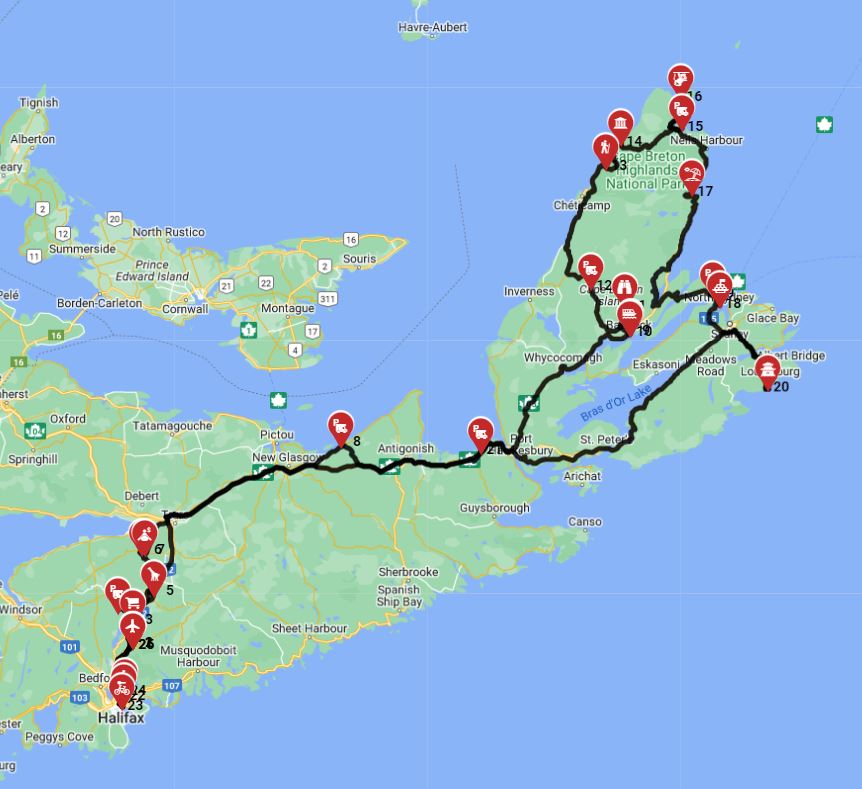
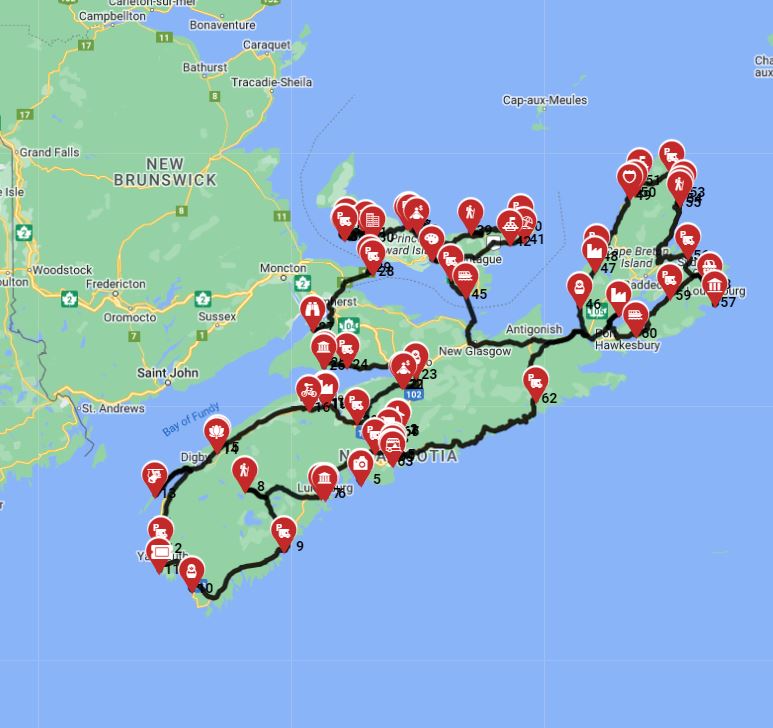
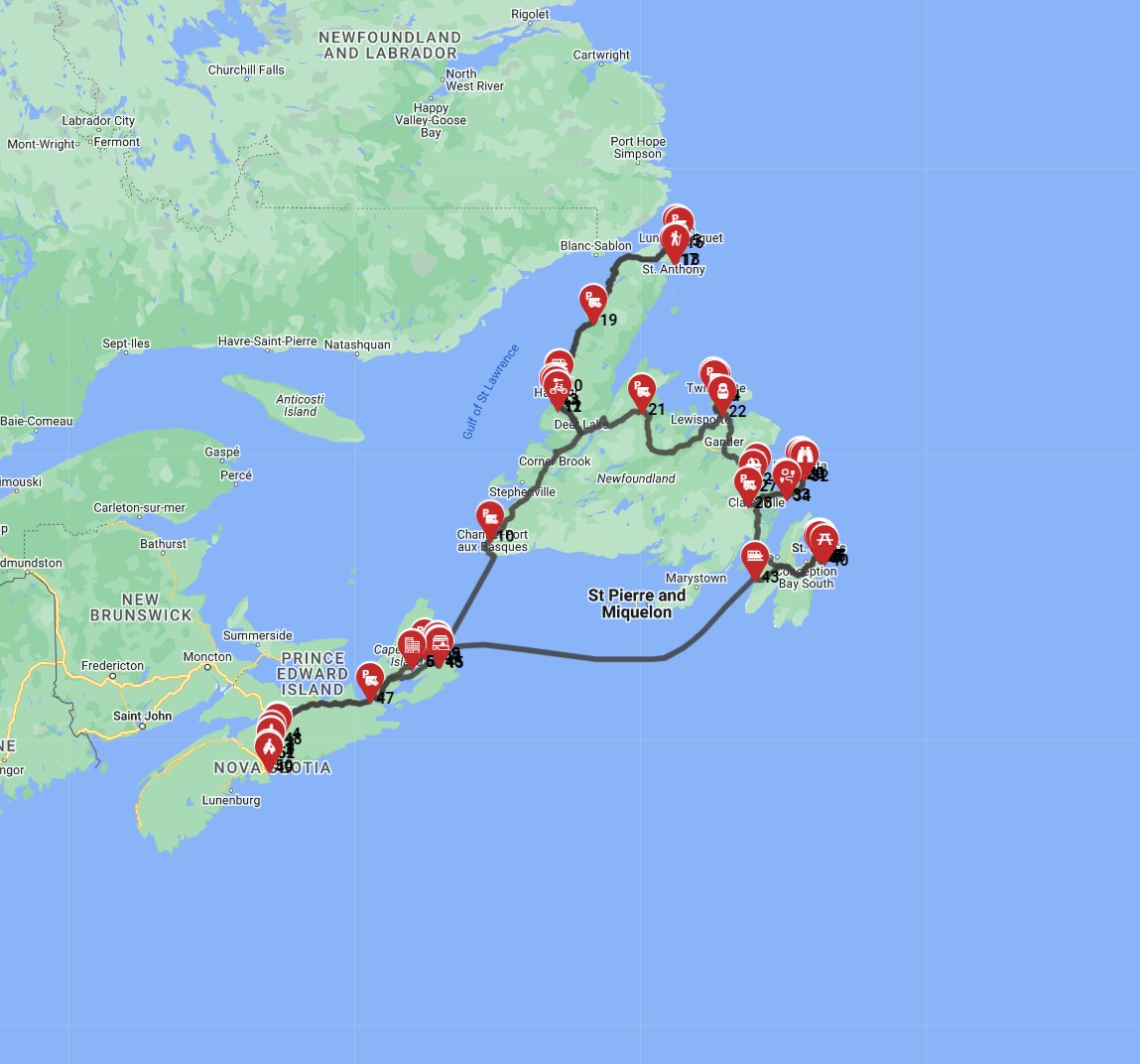
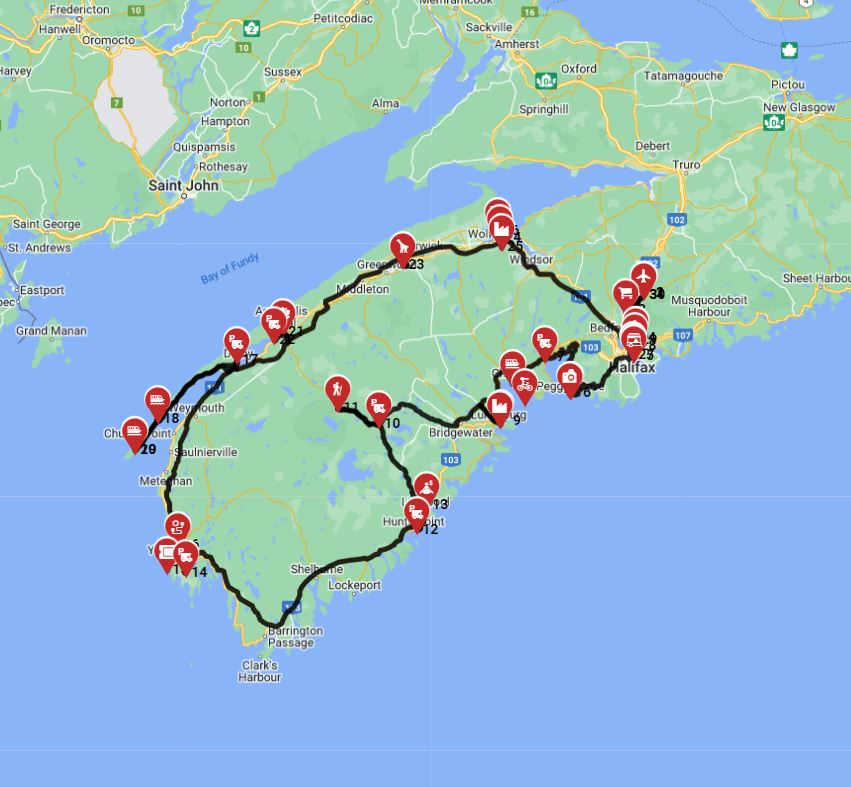
While this question typically pertains to residential living, for RV renters exploring the East Coast of Canada, the "best places to visit or set up camp" are often inspired by areas known for their exceptional natural beauty and RV-friendly infrastructure. These include Nova Scotia's iconic Cabot Trail, Prince Edward Island's picturesque coastal routes, and Newfoundland's dramatic Gros Morne National Park, all offering unique RV-specific experiences.
These celebrated regions provide stunning ocean vistas, access to national parks with well-maintained campgrounds, opportunities for whale watching, and immersion in distinct maritime cultures and local food scenes. When planning your trip, consider areas known for their natural beauty, accessible RV facilities suitable for various vehicle sizes, and seasonal events like fall foliage or specific wildlife viewing periods to enhance your unique regional experience and gather valuable insights into what makes East Canada a premier RV destination.
What RVs to Stay Away From?
When renting an RV for your East Canada adventure, it's wise to generally stay away from units that show a history of poor maintenance, exhibit obvious signs of neglect such as water damage or persistent odors, or are too old to reliably navigate the region's diverse terrain and meet specific regulations. Some campgrounds, for example, may have a "10-year rule" for the age of RVs allowed on their sites, so always check ahead.
It's also advisable to avoid RVs that are significantly underpowered for the expected travel conditions, excessively large for the planned routes (e.g., a Class A on narrow island roads), or lack essential safety features and amenities crucial for your group size. Prioritizing RVs with transparent rental histories, recent inspection reports, and positive renter reviews will minimize the risk of encountering breakdowns, unexpected maintenance costs, or inadequate insurance coverage that could detract from your East Canada RVing experience.
What You Shouldn't Miss
- Drive the Cabot Trail in Nova Scotia for unparalleled coastal mountain scenery and access to charming fishing villages.
- Explore the unique landscapes of Gros Morne National Park in Newfoundland, a UNESCO World Heritage site accessible by RV.
- Experience the world's highest tides at the Bay of Fundy, visiting Hopewell Rocks in New Brunswick.
- Cycle or drive the scenic coastal routes of Prince Edward Island, known for its red sand beaches and picturesque towns.
- Witness the breathtaking beauty of the Magdalen Islands in Quebec, accessible via ferry and offering unique coastal adventures for RV travelers.
- Discover the rugged beauty of Cape Breton Highlands National Park, a must-visit for any East Canada RV itinerary.
Final Thoughts
Embarking on an RV adventure in East Canada offers an unparalleled way to connect with breathtaking landscapes and vibrant local cultures. By understanding the nuances of different RV types and planning your route with tools like those available on rvplan.net, you can ensure a trip that perfectly balances adventure with comfort.
Remember that Bandana RV is here to support you every step of the way, from selecting the ideal vehicle to navigating the booking process. We believe in full transparency, meaning no hidden fees and no surprises, just pure, unadulterated road trip enjoyment. So, start planning your East Canadian escapade today and discover the freedom and flexibility that only an RV can provide!
Discover top destinations, planning tips, and inspiration all in one place! Get inspired for your next trip and plan your East Canada RV adventure with Bandana Caravan.