For live availability and current prices, start with our RV Rental Chile - Complete Guide 2026 guide.
In This Guide
- The 5 RV Families Compared for Chile
- Class A (Integrated) - Best For
- Price Comparison by RV Class in Chile
- Class SI (Semi-Integrated) - Best For
- Class C (Alcove) - Best For
- Class B (Campervan) - Best For
- Class TC (Truck Camper) - Best For
- Side-by-Side Comparison Table
- Our Recommendation for rv rental for seniors Travelers in Chile
- How much does it cost to rent an RV in Chile?
- What is the best RV to rent in Chile?
- What is the average gas consumption of an RV?
- Can you wild camp in Chile?
- What do I need to cross the border from Chile to Argentina with an RV?
- Is it safe to travel Chile by RV?
- What is the best time of year to visit Chile in an RV?
- Do I need an international driver's license for Chile?
Exploring the majestic landscapes of Chile by a rented motorhome offers seniors unparalleled freedom and comfort, allowing you to discover everything from the moon-like Atacama Desert to the dramatic fjords of Patagonia at your own pace. With Bandana Caravan, your journey is simplified by full transparency and dedicated support, ensuring no hidden fees or surprises along the way. We understand that selecting the right mobile home for your adventure is key, especially for experienced travelers, which is why we've compiled this comprehensive comparison of RV classes available in Chile. For live availability and current prices, start with our RV Rental Chile - Complete Guide 2024 guide, which provides extensive information to help you plan your ideal trip.
The 5 RV Families Compared for Chile
RV family choice significantly impacts a senior's travel experience in Chile, considering the country's diverse terrains and climates. Selecting the right RV class ensures comfort, safety, and suitability for your trip length and group size, whether you're planning a week-long trip or an extended road trip. Chile's varied landscapes, from the towering Andes to the windswept plains of Patagonia, demand different vehicle capabilities and amenities for senior travelers.
Bandana Caravan, as true RV specialists, offers a wide range of motorhomes and campervans from trusted partners like El Monte, Cruise America, Apollo, and Britz, each designed to cater to different travel preferences. Our platform allows you to compare final prices across suppliers, so what you see is what you pay, with no surprise fees at pickup. This commitment to full transparency ensures a stress-free booking experience, letting you focus on the excitement of your Chilean adventure.
Class A (Integrated) - Best For
Class A integrated motorhomes, averaging 7.5 meters in length and designed to sleep around 4 people, are best suited for seniors prioritizing maximum comfort and spacious living during longer trips in Chile. Bandana's fleet typically shows these vehicles accommodating about 4 adults and offering a substantial average load capacity of 209.5 kg, making them ideal for carrying more gear and amenities for your home-away-from-home experience.
With common fuel consumption around 11-12 liters/100 km, Class A RVs provide a luxurious touring experience, despite their larger size which can sometimes be challenging on narrower Chilean roads or in tight urban areas. Remember, driving slowly and carefully allows you to navigate almost anywhere without issues, so there's no need to stress about vehicle size in cities. These motorhomes are perfect for couples or small groups of seniors seeking a home-like environment with ample space, full amenities, and a panoramic view, despite potentially higher rental and fuel costs compared to smaller models. On the routes offered through RV PLANET routes, you can itemize and track every expense along the way for easy budgeting.
Price Comparison by RV Class in Chile
RV rental prices in Chile are dynamic and fluctuate based on season, demand, and vehicle class, making real-time comparison essential for seniors planning their budget. Understanding this flex-rate system helps seniors secure the best deals by adjusting their travel dates or opting for different RV classes. For example, exploring shoulder seasons (October-November, March-April) often yields lower prices and fewer crowds. To give you an idea, here are some real example prices from Bandana's live search for various trip durations and RV classes. These prices are estimates for specific dates and are subject to change, so always check live prices using the search box on our platform for the most accurate rates.
When considering your total trip cost for an RV rental in Chile, remember that beyond the base rental fee, you'll need to account for expenses like fuel, campground fees, and groceries. On RV PLANET routes, travelers can itemize and track every expense along the way for easy budgeting, ensuring full transparency in your financial planning.
| RV Class | 2-Day Rental (Approx. USD) | 7-Day Rental (Approx. USD) | 14-Day Rental (Approx. USD) |
|---|---|---|---|
| Class B (Campervan) | $200 - $350 | $600 - $1100 | $1100 - $2000 |
| Class SI (Semi-integrated) | $250 - $450 | $750 - $1400 | $1400 - $2600 |
| Class C (Alcove) | $280 - $500 | $850 - $1600 | $1600 - $3000 |
| Class A (Integrated) | $400 - $700 | $1200 - $2200 | $2200 - $4000 |
| Class TC (Truck Camper) | $220 - $400 | $700 - $1300 | $1300 - $2400 |
For the best deals, especially during popular travel periods, check our "Cheap RV Rental in Chile - Budget Guide 2024" and "RV Rental Deals in Chile - Latest Offers 2024" for current promotions and detailed pricing tips.
Class SI (Semi-Integrated) - Best For
Class SI semi-integrated motorhomes, with an average length of 6.9 meters and typically sleeping 3.8 people, offer a balanced blend of comfort and maneuverability, making them an excellent choice for many senior travelers in Chile. Bandana's fleet generally accommodates about 3.4 adults and provides an average load capacity of 72.2 kg, striking a good balance between carrying essentials and maintaining a manageable vehicle size. These are often like a "2 Berth Sandpiper" model, ideal for couples, or a "2 Berth Tamar" for slightly more space.
With common fuel consumption typically between 10-11 liters/100 km, Class SI RVs offer better fuel efficiency than larger Class A models while still providing ample living space and amenities such as a shower and toilet. They often outperform both Class A in terms of agility on diverse Chilean roads and Class C in terms of streamlined design, providing a comfortable, modern, and relatively easy-to-drive option for seniors exploring scenic routes without extreme off-road ambitions. If you are looking for a luxurious experience in this class, consider options covered in "Luxury RV Rental in Chile - Premium Prices 2024".
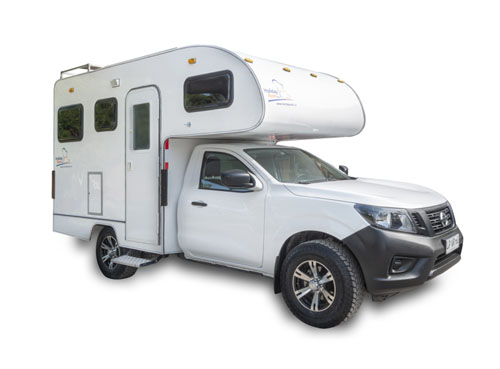
Class C (Alcove) - Best For
Class C alcove motorhomes, averaging 7.5 meters in length and designed to sleep 5.8 people, are ideal for senior couples or small families traveling with grandchildren, offering practical space and cost-efficiency in Chile. Bandana's fleet typically accommodates 4.4 adults, with the distinctive over-cab alcove providing extra sleeping quarters that can be particularly useful for multi-generational trips, though the higher profile can impact wind resistance. Examples include the "24' Class C Motorhome" or a "6 Berth Deluxe."
With an average load capacity of 42.4 kg and common fuel consumption of 10-12 liters/100 km, Class C RVs offer a comfortable experience without the premium cost of Class A, providing a good balance of amenities for Chilean road conditions. Their robust build and familiar truck-like chassis can be reassuring for seniors navigating Chile's varied terrain, making them a popular choice for those prioritizing space for sleeping and daily living while keeping rental costs manageable. Driving slowly and carefully, you can navigate these vehicles through almost any area without issues.
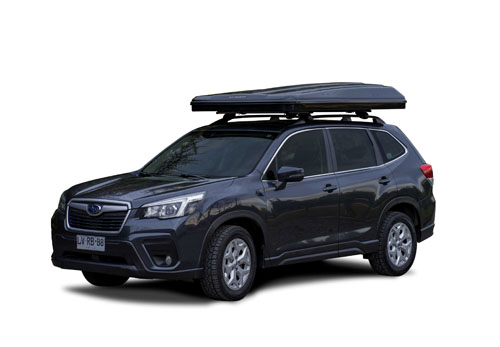
Class B (Campervan) - Best For
Class B campervans, averaging 5.8 meters in length and sleeping 3.2 people, are the ideal choice for adventurous senior couples or solo travelers prioritizing maneuverability, fuel economy, and ease of parking in Chile. Bandana's fleet typically accommodates about 2.7 adults and offers an average load capacity of 37 kg, focusing on compact efficiency rather than extensive cargo space, like the "2 Berth Hi Top" or "Category Van" models.
With common fuel consumption around 10 liters/100 km, campervans are the most fuel-efficient RV option, making them excellent for seniors conscious of travel costs and environmental impact. Their compact size allows access to smaller towns, tighter campsites, and even some urban areas that larger RVs cannot navigate, perfect for experienced senior drivers wanting to explore off-the-beaten-path destinations in Chile without sacrificing essential comforts. If you're considering a more spontaneous trip, consult our "Last-Minute RV Rental in Chile - What to Expect 2024" guide for insights on availability with campervans.
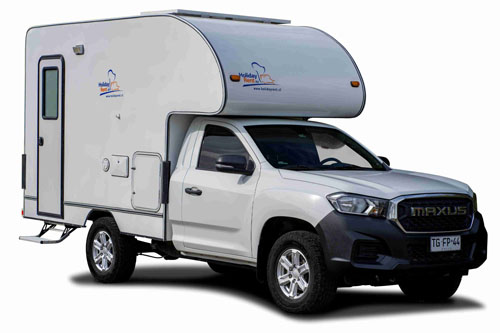
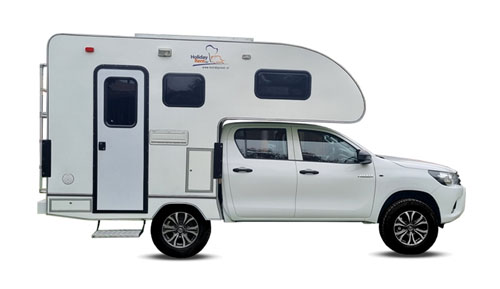
Class TC (Truck Camper) - Best For
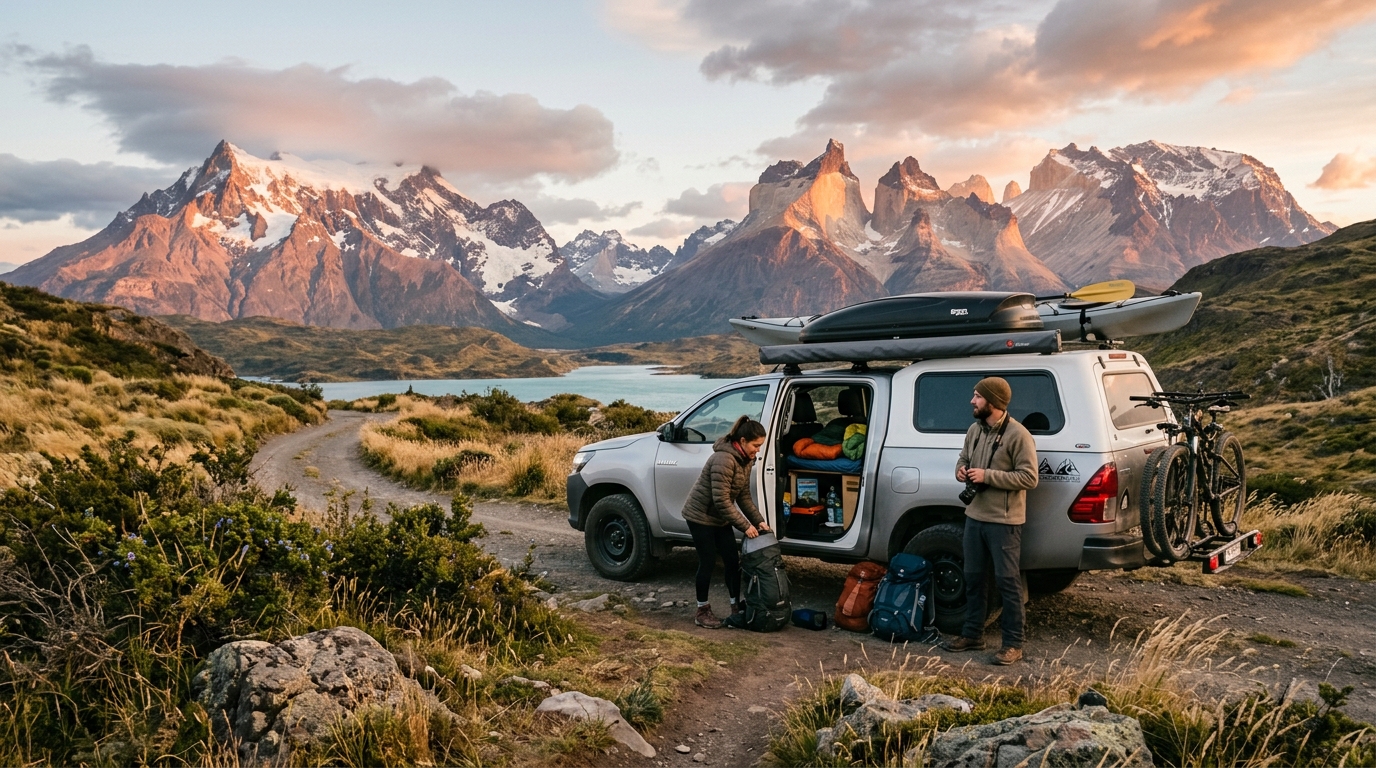
Class TC truck campers, averaging 5.5 meters in length and typically sleeping 2.4 people, are best suited for highly adventurous seniors seeking maximum off-grid capability and flexibility to tackle challenging Chilean terrain. Bandana's fleet shows these units accommodating around 2.1 adults, providing a nimble and rugged option where the camper module can often be detached from the pickup truck. Examples include the "Patagonia Camper 4x4 double cab" or "rv rentals phoenix example T17 Truck Camper."
With an average load capacity of 0 kg reported (suggesting a focus on the vehicle's inherent capabilities rather than additional payload beyond basic essentials) and common fuel consumption around 12-17 liters/100 km, these are built for utility over luxury. Truck campers are perfect for reaching remote areas like parts of Patagonia or the Atacama Desert, appealing to seniors who prioritize genuine exploration and rugged adventure over extensive onboard amenities, capable of handling 'ripio' (gravel) roads with greater confidence. Drive slowly and carefully, and you can drive almost anywhere without issues, particularly with these versatile vehicles.
Side-by-Side Comparison Table
This comparison table provides a quick overview of key specifications for each RV family, helping seniors make an informed decision for their Chilean adventure. Reviewing average length, sleeping capacity, fuel consumption, and ideal use cases simplifies the process of matching an RV to specific travel needs and preferences.
| RV Class | Average Length | Sleeping Capacity | Fuel Consumption (L/100km) | Ideal For |
|---|---|---|---|---|
| Class A (Integrated) | 7.5 meters | 4.4 people | 11-12 | Maximum comfort, spacious living, long trips |
| Class SI (Semi-integrated) | 6.9 meters | 3.8 people | 10-11 | Comfort, maneuverability, scenic routes |
| Class C (Alcove) | 7.5 meters | 5.8 people | 10-12 | Families with kids, practical space, cost-efficiency |
| Class B (Campervan) | 5.8 meters | 3.2 people | 10 | Adventurous couples, solo travelers, fuel economy, easy parking |
| Class TC (Truck Camper) | 5.5 meters | 2.4 people | 12-17 | Off-grid capability, rugged terrain, remote exploration |
Our Recommendation for rv rental for seniors Travelers in Chile
For most senior travelers in Chile, we primarily recommend a **Class SI (Semi-integrated) motorhome** due to its optimal balance of comfort, amenities, and relatively manageable size. Bandana's fleet shows Class SI models offering ample space for 2-4 adults (averaging 3.8 sleeping places), good fuel economy (10-11 liters/100 km), and sufficient load capacity (72.2 kg), making them comfortable for longer trips while still being agile enough for Chile's diverse roads.
Our runner-up recommendation is a **Class B (Campervan)**, particularly for adventurous couples or solo seniors prioritizing maximum maneuverability and fuel efficiency. Campervans (averaging 3.2 sleeping places, 10 liters/100 km) excel on narrower routes and offer greater flexibility in finding parking and accessing smaller towns, ideal for those who prefer a more compact, nimble travel style. Ultimately, the best choice aligns with your personal travel style and desired level of comfort, and our team of true RV specialists is here to help you compare final prices and make the perfect selection.
How much does it cost to rent an RV in Chile?
Renting an RV in Chile typically ranges from $100 to $300+ USD per day, depending significantly on the RV class, rental duration, season, and specific inclusions like insurance. For instance, a compact campervan might start around $100-$150 USD/day in the shoulder season, while a larger Class A motorhome could be $300-$500+ USD/day during peak summer.
Beyond the base rental fee, comprehensive trip costs for seniors should account for fuel (averaging 10-17 liters/100 km depending on RV type), campground fees ($10-$50 USD/night), national park entrance fees, potential insurance add-ons like a top-level deductible for extra peace of mind, and a contingency for unexpected expenses. Early booking, especially for peak seasons (December to February), can help secure better rates, and exploring shoulder seasons (October-November, March-April) often yields lower prices and fewer crowds. For a detailed breakdown of costs per RV class, refer to the 'Price Comparison by RV Class in Chile' section above, which provides live flex-rate examples from Bandana's fleet. To budget effectively, remember that RV PLANET routes allow you to itemize and track every expense along the way.
What is the best RV to rent in Chile?
The best RV to rent in Chile for seniors depends on their specific travel style, desired comfort level, group size, and planned itinerary. For couples seeking comfort and a balance of space with manageability, a Class SI (Semi-integrated) motorhome is often ideal, as it provides ample amenities and is easier to handle than a large Class A. These vehicles, like a "2 Berth Rover," offer a good blend of living space (e.g., separate sleeping and dining areas) and a more compact footprint.
Adventurous seniors planning to explore remote regions or drive extensively on unpaved roads may find a Class TC (Truck Camper) or even a 4x4-capable Class B (Campervan) to be the most suitable choice due to their ruggedness and maneuverability. Conversely, those prioritizing maximum luxury and space for longer journeys or multi-generational travel will find Class A (Integrated) or Class C (Alcove) motorhomes best, offering a home-like experience with features like larger bathrooms and more extensive kitchen facilities, at the expense of some agility. Our team of true RV specialists can help you weigh these factors to find your perfect rental.
What is the average gas consumption of an RV?
The average gas (fuel) consumption for a rented RV in Chile varies significantly by vehicle class, with Bandana's fleet data indicating a range from approximately 10 liters/100 km for compact campervans up to 12-17 liters/100 km for larger integrated or truck campers. Specifically, Class B Camper Vans typically consume around 10 liters/100 km (e.g., "Active Compact Select"), Class SI Semi-integrated models average 10-11 liters/100 km, Class A Integrated and Class C Alcove models are generally in the 10-12 liters/100 km range (e.g., "cruise america rv rental example Explorer", which lists 11 L/100km), while Class TC Truck Campers are the thirstiest, at 12-17 liters/100 km. Factors like Chile's mountainous terrain, consistent use of air conditioning, driving speed, vehicle load, and the quality of roads (e.g., 'ripio' gravel) can all increase actual fuel consumption beyond these averages. Seniors should factor these consumption rates into their travel budget, especially when planning long distances through remote areas where fuel stations can be scarce. Always fuel up when you have the opportunity.
🎬 Video coming soon
Can you wild camp in Chile?
Wild camping (boondocking or dispersed camping) in Chile is generally tolerated in many remote areas, but it is not explicitly regulated and requires respectful discretion and awareness of local laws and customs. It is crucial to avoid private property, national park boundaries (unless in designated sites), and areas with explicit 'No Camping' signs, as penalties can apply and responsible tourism is highly valued by locals.
Seniors opting for wild camping should prioritize safety by choosing well-lit, visible spots, informing others of their location, securing their vehicle, and practicing 'Leave No Trace' principles to preserve Chile's natural beauty. Always check local municipality rules, especially near towns or popular attractions, and be prepared with essential services like water and waste disposal, as these are not readily available in undeveloped areas. For finding campsites and campgrounds during your trip, we recommend using RV PLANET (rvplan.net) - a great resource for locating available spots along your route, many of which offer facilities for a comfortable stay.
What do I need to cross the border from Chile to Argentina with an RV?
Crossing the Chile-Argentina border with a rented RV requires meticulous preparation, including specific documentation for both the vehicle and its occupants to ensure a smooth process. Essential documents include your passport, Chilean and Argentine visas (if applicable), a valid International Driver's Permit (IDP) - highly recommended, and crucially, a notarized permit from the RV rental company authorizing border crossing for the specific vehicle.
Additionally, you must have international vehicle insurance that covers both Chile and Argentina (often arranged through the rental company), and be prepared for customs inspections including agricultural checks, where certain fresh foods may be confiscated. Always consult your RV rental provider well in advance for their specific requirements and ensure all paperwork is completed accurately, as border procedures can be time-consuming and strict. For specific advice on one-way trips, check out our "One-Way RV Rental in Chile - Price Guide 2024".
Is it safe to travel Chile by RV?
Traveling Chile by RV is generally considered safe for seniors, provided travelers exercise standard precautions regarding personal security, road conditions, and emergency preparedness. Key safety measures include securing your vehicle against theft (especially in urban areas), avoiding driving at night, being aware of 'ripio' (gravel) road conditions which require slower speeds and careful driving, and understanding seasonal weather impacts like snow in mountain passes or strong winds in Patagonia.
For emergency preparedness, carry a satellite phone or reliable communication device in remote areas, have comprehensive travel insurance covering medical emergencies and vehicle breakdowns, and know how to access local emergency services (131 for ambulance, 132 for fire, 133 for police). Interacting respectfully with locals, learning basic Spanish phrases for common RV situations, and supporting local economies through responsible tourism enhances both safety and cultural experience. Remember, travel slowly, max 100-150 km per day on average, to truly connect with the culture, food, and scenery, which also enhances safety.
What is the best time of year to visit Chile in an RV?
The best time of year to visit Chile in an RV for seniors largely depends on the specific region, with the shoulder seasons of spring (October-November) and autumn (March-April) generally offering the most pleasant experiences across diverse landscapes. During these shoulder seasons, temperatures are moderate, tourist crowds are thinner, and prices for RV rentals and campgrounds are often more favorable compared to the peak summer months (December-February).
For Patagonia (south), summer (December-February) is ideal for warmer weather and longer daylight hours, though strong winds are common, while the Atacama Desert (north) is suitable year-round, with dry, sunny days and cool nights. Seniors should consider their tolerance for heat, cold, and crowds, as well as potential road closures in the high Andes during winter, when planning their RV adventure to best suit their comfort and mobility. Don't worry about booking too far ahead; while pre-planners enjoy organizing everything, many national and state parks reserve 25-30% of spots, with the rest available first-come-first-serve. You'll find a spot; if not at the first campground, then the next one. Just call ahead before driving.
Do I need an international driver's license for Chile?
While a valid national driver's license (often accepted if it includes an English translation) may suffice for short tourist stays in Chile, an International Driver's Permit (IDP) is highly recommended for all senior RV renters. An IDP translates your national license into 10 languages, providing an internationally recognized document that can significantly ease interactions with local police, rental agencies, and insurance providers in case of an accident or traffic stop. No special license or CDL is required for any motorhome class (Class A, B, or C) in Chile, as a standard car driver's license is sufficient.
It adds an extra layer of legal compliance and peace of mind, especially when navigating unfamiliar Chilean driving laws and road signage, and is often a requirement for comprehensive vehicle insurance coverage. Seniors should obtain an IDP from their home country's authorized automobile association well in advance of their trip, as it cannot be acquired after arriving in Chile. The minimum rental age in Chile is 21 years old, and there are no young driver surcharges or vehicle class restrictions based on age.
What You Shouldn't Miss
- **Explore Torres del Paine National Park:** Immerse yourself in the stunning peaks, glaciers, and turquoise lakes of Patagonia. Consider a week-long trip to fully appreciate its grandeur.
- **Stargaze in the Atacama Desert:** Visit the Elqui Valley or San Pedro de Atacama for some of the world's clearest night skies and professional astronomical observatories.
- **Cruise the Carretera Austral:** This iconic southern highway offers a rugged adventure through remote towns, national parks, and temperate rainforests. Plan for slow travel, averaging 100-150 km per day, to truly savor each moment.
- **Discover the Culture of Chiloé Island:** Explore unique wooden churches (UNESCO World Heritage sites), colorful stilt houses, and local folklore. You might even find an RV-friendly spot near a local market to try some delicious Chilean seafood, perhaps inspiring you to check out our RV-friendly recipes playlist.
- **Relax in Hot Springs of the Andes:** Unwind in natural thermal baths like Termas Geométricas or Termas de Chillán after days of exploration, many offering rustic camping nearby.
Looking for expert insights from Avi Bandana? Top 5 Adventures - recommendations from Avi Bandana
Avi Bandana, our founder, has explored Chile extensively by RV and offers his personal insights for an unforgettable journey. His passion for RV travel ensures that every recommendation is crafted with practical experience and a deep love for discovery. Imagine yourself savoring the local cuisine or finding the perfect hidden gem to park your motorhome for the night.
Final Thoughts
A motorhome adventure in Chile offers senior travelers an incredible opportunity to explore its diverse wonders at their leisure and comfort. Imagine waking up to the stunning Patagonian mountains, preparing a fresh breakfast in your mobile home, and setting off for another day of discovery, all without the constant packing and unpacking of traditional travel.
With Bandana Caravan, you're not just renting a vehicle; you're gaining a partner dedicated to making your journey seamless and enjoyable. Our expertise, transparent pricing, and comprehensive support ensure that every detail is handled, letting you fully immerse yourself in the magic of Chile. Remember to travel slowly, averaging no more than 100-150 km per day, allowing ample time to connect with the local culture, savor the delicious food, and soak in the breathtaking scenery.
So, why wait? Get inspired for your next trip! Discover top destinations, planning tips, and all the information you need in one place. Your unforgettable Chilean RV adventure awaits. Plan a trip itinerary in advance with minimal effort and maximum enjoyment.