In This Guide
- Best West Europe RV Itinerary for rv rental — Overview
- 7-Day Classic Route in West Europe
- 14-Day Extended Journey in West Europe
- Recommended RVPlan Trip for West Europe
- Must-See Stops Along the Way (Avi Bandana Picks)
- Daily Driving Distances & Drive Times in West Europe
- Best RV Class for This Itinerary — Couple & Family Picks
- Is it worth it to RV in Europe?
- Which country is best for RV in Europe?
- What is the best month to RV in Europe?
- What do you need for RVing in Europe?
- What are the rules for RVing in Europe?
- Where can I sleep in an RV in Europe?
- Can you RV in Europe without a reservation?
- How much does it cost to rent an RV in Europe?
- How much is camping in Europe RV?
Best West Europe RV Itinerary for rv rental — Overview
An RV rental in West Europe offers unparalleled freedom to explore diverse landscapes and cultures, from the historic cities of Germany to the majestic Swiss Alps and charming French villages. This journey provides a unique perspective, allowing you to tailor your experience to your interests. For live availability and current prices, start with our RV Rental West Europe - Complete Guide 2026 guide.
A recommended journey typically spans 1,500-2,000 kilometers over 14 days, though a minimum of 7 days is suggested for a classic route. This allows ample time to savor each destination without feeling rushed, truly embracing the slow travel philosophy that Bandana Caravan champions. The ideal season for an RV trip in West Europe is late spring (May-June) or early autumn (September-October), providing pleasant weather, fewer crowds, and vibrant scenery, making it the perfect time to discover the region's charm at your own pace.
7-Day Classic Route in West Europe
For those with limited time but a desire for a quintessential West European experience, this 7-day itinerary offers a taste of the region's diverse beauty and cultural richness.
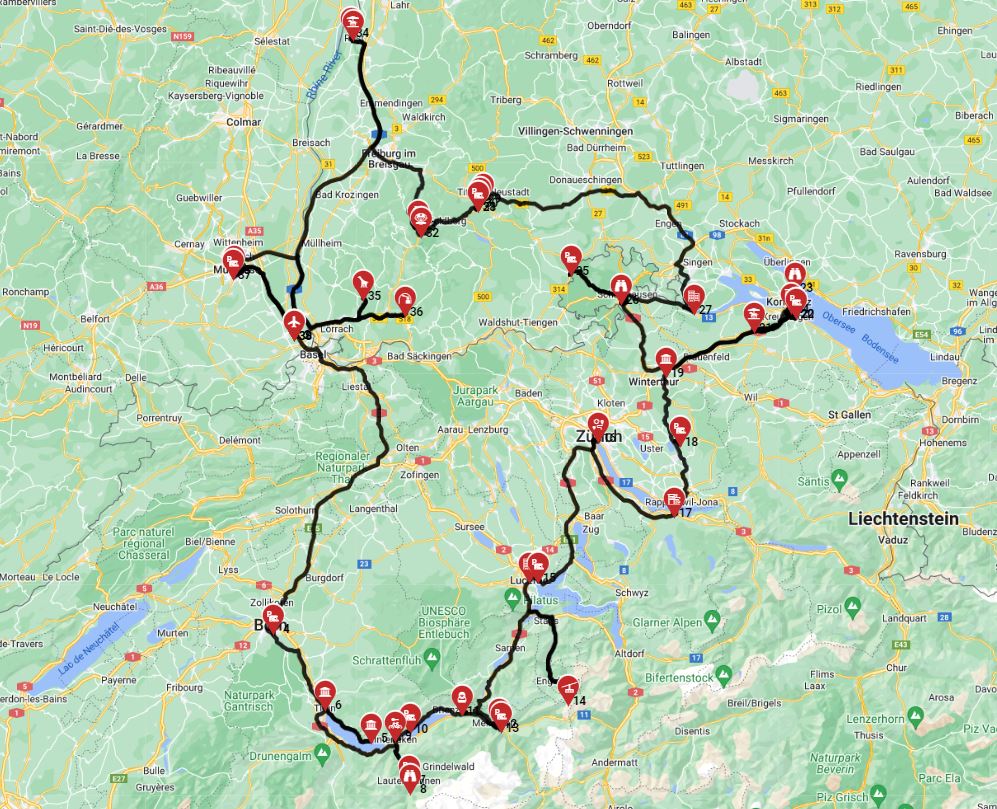
- Day 1: Frankfurt, Germany → Heidelberg, Germany (80 km / 50 miles): Pick up your RV in Frankfurt, then drive to Heidelberg. Explore the iconic Heidelberg Castle and the charming Old Town. Sleep at Camping Heidelberg.
- Day 2: Heidelberg, Germany → Colmar, France (180 km / 110 miles): Journey through the picturesque Black Forest before crossing into France to discover the fairytale town of Colmar. Sleep at Camping de l'Ill - Colmar.
- Day 3: Colmar, France → Lucerne, Switzerland (200 km / 125 miles): Head south into the heart of Switzerland. Enjoy the stunning views of Lake Lucerne and the surrounding mountains. Sleep at Camping Lido Luzern.
- Day 4: Lucerne, Switzerland → Interlaken, Switzerland (70 km / 45 miles): A short, incredibly scenic drive brings you to Interlaken, the adventure capital nestled between two lakes. Sleep at Camping Manor Farm 1.
- Day 5: Interlaken, Switzerland → Annecy, France (200 km / 125 miles): Cross back into France and arrive in beautiful Annecy, known as the 'Venice of the Alps.' Enjoy its canals and lake. Sleep at Camping Le Belvédère.
- Day 6: Annecy, France → Lyon, France (150 km / 95 miles): Drive to Lyon, a UNESCO World Heritage site celebrated for its gastronomy and historical architecture. Sleep at Camping International de Lyon.
- Day 7: Lyon, France → Return/Drop-off: This route can conclude with an RV drop-off in a major city like Geneva (150 km / 95 miles) or a longer drive back to Frankfurt (approx. 500 km / 310 miles, best split over two days) depending on your rental agreement.
This itinerary covers approximately 950 km (590 miles), allowing ample time for exploration and a relaxed pace, aligning with Bandana Caravan's philosophy of slow travel. For more detailed route planning options, consider exploring the diverse offerings in our RV Rental West Europe - Prices and Best Deals 2026 guide.
14-Day Extended Journey in West Europe
For those who prefer a more in-depth exploration, this 14-day itinerary allows for a deeper dive into the culture and landscapes of West Europe, incorporating more stops and opportunities for spontaneous discovery.
Days 1-3: German & French Delights
- Day 1: Frankfurt, Germany → Rhine Valley (100 km / 60 miles): Collect your RV and explore the UNESCO-listed Middle Rhine Valley, dotted with castles. Overnight near Bacharach.
- Day 2: Rhine Valley → Heidelberg, Germany (100 km / 60 miles): Visit Heidelberg Castle and its charming old town. Overnight at Camping Heidelberg.
- Day 3: Heidelberg, Germany → Strasbourg, France (140 km / 85 miles): Cross into France to discover Strasbourg’s unique Franco-German culture and cathedral. Overnight at Camping de Strasbourg.
Days 4-7: Alpine Majesty in Switzerland
- Day 4: Strasbourg, France → Colmar, France (70 km / 45 miles): Immerse yourself in the picturesque canals and half-timbered houses of Colmar. Overnight at Camping de l'Ill - Colmar.
- Day 5: Colmar, France → Interlaken, Switzerland (220 km / 135 miles): Drive to the heart of the Swiss Alps, experiencing stunning mountain vistas. Overnight at Camping Manor Farm 1.
- Day 6: Interlaken, Switzerland (Explore): Enjoy a day of hiking, paragliding, or a boat trip on Lake Thun. Overnight at Camping Manor Farm 1.
- Day 7: Interlaken, Switzerland → Lucerne, Switzerland (70 km / 45 miles): Discover Lucerne’s iconic Chapel Bridge and take a scenic boat tour. Overnight at Camping Lido Luzern.
Days 8-11: French Alpine & Gastronomic Wonders
- Day 8: Lucerne, Switzerland → Annecy, France (200 km / 125 miles): Head to Annecy, relax by its pristine lake and explore the historic old town. Overnight at Camping Le Belvédère.
- Day 9: Annecy, France (Explore): Cycle around the lake, enjoy water sports, or simply soak in the ambiance. Overnight at Camping Le Belvédère.
- Day 10: Annecy, France → Chamonix-Mont-Blanc, France (100 km / 60 miles): Journey to the iconic Alpine town at the foot of Mont Blanc. Take the Aiguille du Midi cable car. Overnight at Camping Les Arolles.
- Day 11: Chamonix → Lyon, France (200 km / 125 miles): Drive to Lyon, renowned as France's culinary capital. Explore its traboules and Bouchon restaurants. Overnight at Camping International de Lyon.
Days 12-14: German Black Forest & Cities (Return loop)
- Day 12: Lyon, France → Freiburg, Germany (450 km / 280 miles): A longer driving day (consider splitting or planning for an early start) to reach the vibrant Black Forest city of Freiburg. Overnight at Camping Hirzberg.
- Day 13: Freiburg, Germany → Stuttgart, Germany (150 km / 95 miles): Visit the Mercedes-Benz or Porsche Museum, or explore Stuttgart’s green parks. Overnight at Camping Canstatter Wasen.
- Day 14: Stuttgart, Germany → Frankfurt, Germany (200 km / 125 miles): Conclude your journey by returning the RV to Frankfurt, or extend your adventure further.
This extended itinerary covers approximately 2,000 km (1,240 miles), offering a rich and varied experience of West Europe. For travelers seeking more specific route suggestions, our platform RV PLANET (rvplan.net) offers an extensive library of pre-planned itineraries to suit every taste and duration. Consider exploring our Luxury RV Rental in West Europe - Premium Prices 2026 guide for elevated experiences.
Recommended RVPlan Trip for West Europe
While no specific RVPlan trip perfectly matched 'rv rental in West Europe' at this precise moment, Bandana's 'Rent & Plan' service provides a curated collection of expertly designed itineraries across Europe, tailored to offer seamless exploration.
These comprehensive RVPlan trips offer detailed day-by-day routes, highlighted points of interest, pre-vetted campsite recommendations, and real-time navigation support, streamlining your travel preparation. You can find inspiration for your journey in our RV Rental Europe - Complete Guide 2026 overview. For travelers looking for the most budget-friendly options, our RV Rental Deals in West Europe - Latest Offers 2026 guide can provide valuable insights.
Users are encouraged to explore Bandana's dedicated RVPlan section, where they can discover a variety of pre-planned West Europe adventures that align with specific interests, durations, and desired experiences, ensuring a hassle-free and enriching journey.
Must-See Stops Along the Way (Avi Bandana Picks)
Avi Bandana's personal picks for a West Europe RV journey prioritize immersive cultural experiences and breathtaking natural beauty, moving beyond generic tourist spots to truly capture the essence of each region.
- Heidelberg Castle, Germany: This grand, partially ruined castle is not just a landmark but a window into centuries of German history, offering spectacular views of the Neckar River and Heidelberg's Old Town. Avi especially recommends exploring the massive wine barrel within its walls.
- Colmar's 'Little Venice' (La Petite Venise), France: Beyond the postcard-perfect canals and colorful half-timbered houses, Avi suggests finding a traditional Alsatian winstub to savor local wines and a classic choucroute.
- The Chapel Bridge (Kapellbrücke) in Lucerne, Switzerland: Europe's oldest wooden covered bridge, adorned with intricate paintings, is a symbol of Lucerne. Avi recommends taking a leisurely evening stroll across it, followed by a visit to a lakeside café.
- Annecy's Old Town and Palais de l'Isle, France: This island prison turned museum, nestled in the Thiou River, is iconic. Avi advises exploring the narrow, flower-lined streets of the Old Town, which buzz with local markets offering regional cheeses and crafts.
- Les Halles Paul Bocuse in Lyon, France: For culinary enthusiasts, this indoor gourmet market is a true highlight. Avi suggests sampling a selection of local industry delicacies, from artisanal sausages to exquisite pastries, directly from the producers.
- A Vineyard Tour in the Middle Rhine Valley, Germany: Instead of just viewing castles, Avi encourages stopping at a local winery to experience a wine tasting and learn about the region's famous Riesling production, often with stunning river views.
These curated selections promise to enrich your RV adventure, offering authentic experiences that go beyond the typical tourist trail. For more destination-specific advice, check out our RV Travel Guide to West Europe - Tips and Top Spots 2026 for video content.
Daily Driving Distances & Drive Times in West Europe
To truly embrace the spirit of RV travel and avoid exhaustion, Avi Bandana recommends a slower pace, emphasizing that the journey is as important as the destination. This approach allows for spontaneous stops and deeper engagement with the surroundings.
Avi Bandana recommends a maximum average of 100 miles or 150 km per day for an RV trip in West Europe, allowing travelers to fully immerse themselves in each location and prevent the trip from feeling rushed. This commitment to slow travel ensures you can truly feel the place, connect with the culture, the food, and the scenery.
This slower pace encourages discovery of hidden gems, supports local economies, and ensures sufficient time for navigating new areas, setting up camp, and enjoying sightseeing. For example, a drive from Frankfurt to Heidelberg is roughly 80 km (50 miles), taking about 1 hour and 15 minutes, which is an ideal relaxed start to any itinerary.
A mid-range drive like Annecy to Lyon, covering approximately 150 km (95 miles), typically takes around 1 hour and 45 minutes, leaving much of the day free for exploration. Even longer legs, such as Colmar to Interlaken at 220 km (135 miles), can be managed in about 2 hours and 30 minutes of driving, but should be balanced with shorter driving days to maintain the recommended average and allow for scenic stops. For detailed pricing on various rental durations, our Weekly RV Rental in West Europe - Pricing 2026 guide is a great resource.
Best RV Class for This Itinerary — Couple & Family Picks
Selecting the appropriate RV class is crucial for an enjoyable West Europe itinerary, and Bandana's global fleet offers specific models perfectly suited for different traveler groups, complementing the 'Rent & Plan' service.
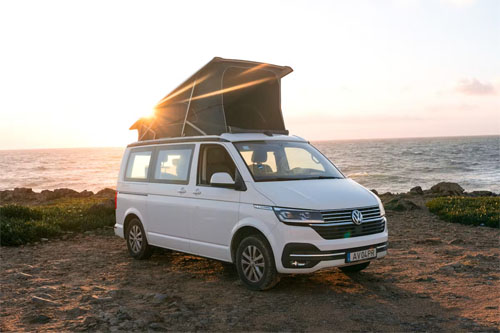
For Couples, the Class B - Camper Van is highly recommended for its exceptional maneuverability and fuel efficiency, making it ideal for navigating Europe's smaller roads and historic towns. Bandana's Class B Camper Vans typically average 5.8 meters in length, providing comfortable sleeping for up to 3.2 people and an average adult capacity of 2.7, with common fuel consumption ranging from 8-10 Liters/100 km. These compact yet well-equipped vehicles offer a true sense of freedom.
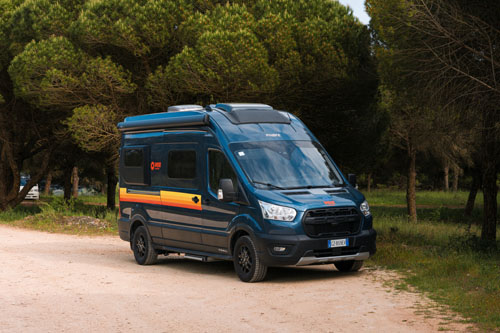
For Families, the Class C - Alcove offers significantly more space and dedicated sleeping areas, ensuring comfort and privacy for everyone on a longer journey. Bandana's Class C Alcove RVs typically average 7.5 meters in length, comfortably sleeping up to 5.8 people and accommodating an average of 4.4 adults, with a common fuel consumption rate of 10-12 Liters/100 km. These larger motorhomes are perfect for family adventures, providing ample room for everyone.
To remove planning headaches, Bandana's 'Rent & Plan' service bundles your RV rental with a ready-made itinerary crafted by travel experts, providing full access to trip-planning software for a seamless adventure. You can compare specific vehicle classes further in our RV Rental West Europe - Prices and Best Deals 2026 guide.
Is it worth it to RV in Europe?
Yes, RVing in Europe is highly worth it for travelers seeking unparalleled freedom, flexibility, and an immersive way to experience diverse cultures and landscapes at their own pace. It offers a unique travel style that connects you directly with the environment and local life.
The 'van life' experience provides a unique blend of adventure and comfort, allowing you to wake up to new stunning views daily, from the rugged coastlines to the majestic Alpine peaks, and discover quaint villages often missed by conventional tours, fostering a deep dive into local life. This immersive approach allows for genuine connections with the places you visit.
While navigating local customs, finding suitable parking (parking etiquette), and securing the RV (comprehensive safety and security guide) are part of the day-to-day realities and unique challenges, the ability to create your own schedule, cook fresh local food, and connect with other travelers at aires or campgrounds builds a strong sense of community on the road. Exploring detailed planning resources can help mitigate these challenges. For ideas you can prep on the road, watch our RV-friendly recipes playlist on YouTube.
Practical considerations like finding showers, laundry services, reliable internet access for digital nomads, and efficient mail solutions are easily managed through dedicated apps and services available across West Europe, making the experience accessible and rewarding. Discovering these practicalities can be simplified by consulting guides such as our RV Rental Europe - Complete Guide 2026.
Which country is best for RV in Europe?
The 'best' country for an RV trip in West Europe often comes down to individual preferences, but France, Germany, and Switzerland are consistently top contenders due to their well-developed infrastructure, diverse scenery, and RV-friendly environments. Each offers a distinct, yet equally rewarding, RV experience.
France is a favorite among RVers for its extensive network of aires de service (dedicated RV parking and service areas, often free or low-cost), varied landscapes from the Atlantic to the Alps, and rich gastronomic culture. The country's commitment to supporting motorhome tourism makes it an excellent choice for first-time renters.
Germany boasts excellent road conditions, a plethora of historic castles, charming towns along routes like the Romantic Road, and numerous Stellplätze (designated RV parking spots) equipped with services. Its efficient infrastructure and well-maintained roads contribute to a smooth and enjoyable journey.
Switzerland offers breathtaking mountain vistas, pristine lakes, and an efficient transport system, although it can be more expensive and has stricter regulations on wild camping. The sheer beauty of the Swiss Alps and the clarity of its lakes are unparalleled for RV explorers.
Other notable countries include Italy for its historical sites and culinary delights, and Spain for its sunny coasts and vibrant culture, each providing a unique RV adventure with distinct camping cultures. For a broader overview, consult our RV Rental Europe - Complete Guide 2026.
What is the best month to RV in Europe?
The best months for RVing in West Europe are typically late spring (May-June) and early autumn (September-October), offering a balance of pleasant weather, fewer tourist crowds, and full availability of attractions and campgrounds, aligning perfectly with the slow travel ethos.
Late Spring (May-June) provides blossoming landscapes, comfortable temperatures perfect for outdoor activities, and longer daylight hours before the peak summer rush fully begins, often with lower prices. The scenery is particularly vibrant during these months.
Early Autumn (September-October) features stunning fall foliage, crisp air, and a more relaxed atmosphere as summer tourists depart, frequently with better deals on campsites and reduced queues at popular sites. The changing colors of the landscape add a unique charm to your journey.
July and August are popular for family holidays but bring higher temperatures, significantly more crowded destinations, and peak season pricing for rentals and campgrounds. While vibrant, these months can be more challenging for spontaneous travel. Consider our RV Rental Deals in West Europe - Latest Offers 2026 for navigating pricing.
Winter travel (November-April) is feasible for specific interests like skiing or Christmas markets, but requires a winterized RV and readiness for colder weather, shorter days, and potential road closures in mountainous regions.
What do you need for RVing in Europe?
For a successful RV trip in Europe, a comprehensive planning and packing list is crucial, covering essential documents, specific equipment, and reliable connectivity solutions to ensure a smooth and enjoyable journey.
Detailed Planning and Packing Lists: Essential documents include your passport, International Driving Permit (if needed), RV rental agreement, and comprehensive travel and RV insurance; a granular breakdown of items should cover specific adapters for electrical hookups (e.g., CEE 7/4 'Schuko' or Euro plug for 230V, 50Hz) and water hoses, necessary apps for navigation and services, and cooking essentials adapted for European travel. Being prepared ensures you can focus on the experience.
Connectivity and Utilities: Obtaining reliable mobile data through a local SIM card or eSIM is vital; understand different electrical hookups (230V voltage, various plugs), and know precise water refill and waste disposal points/methods across various countries, often found at aires or campsites. Resources for finding these services are readily available through specialized RV apps.
RV-Specific Navigation and Apps: Use GPS systems or dedicated RV apps like Park4night, Campercontact, or Promobil that account for RV dimensions (height/width restrictions, low bridges), locate gas stations suitable for larger vehicles, and identify aires or designated overnight spots. These tools are invaluable for navigating West Europe's diverse road networks.
Accessibility and Specific Needs: If traveling with pets, research country-specific rules, necessary vaccinations, and local vets; for children, identify family-friendly campgrounds and activities; and for individuals with mobility challenges, confirm RV accessibility and plan routes accordingly. We want to ensure everyone can enjoy the RV experience.
What are the rules for RVing in Europe?
RVing in Europe necessitates understanding and adhering to a range of national and regional rules, encompassing traffic laws, parking regulations, cultural etiquette, environmental responsibilities, and specific safety measures that vary by country, ensuring a respectful and compliant journey.
Traffic & Road Safety: Familiarize yourself with country-specific speed limits, road signs, and mandatory equipment, which can include reflective vests, warning triangles, and headlamp beam deflectors; some urban areas have low emission zones requiring specific vehicle stickers (e.g., Crit'Air in France) to avoid fines. Driving slowly and carefully, and you can drive almost anywhere without issues – no need to stress, just use common sense and pay attention.
Cultural Nuances and Etiquette: Always interact politely with locals, learning basic greetings in the local language; observe specific parking etiquette, such as not blocking views or access points, and be mindful of noise considerations, especially in residential areas or quiet campgrounds; camping culture differences between countries mean some areas are more communal, while others value quiet solitude and unwritten rules. Embracing local customs enhances the travel experience.
Comprehensive Safety and Security: Beyond common sense, specific tips for securing the RV include locking all doors and windows, using additional security measures for valuables, and choosing well-lit, designated overnight spots; always have local emergency numbers (112 for all EU countries) readily available and be aware of regional safety nuances. You can upgrade to a top-level deductible for extra peace of mind.
Environmental Impact and Responsible Travel: Adhere to guidelines on how to be an eco-conscious RV traveler by managing waste responsibly at designated disposal points, minimizing your environmental footprint through conscious consumption, and supporting local economies ethically by purchasing from small businesses and artisans. Responsible travel ensures these beautiful destinations remain pristine for future visitors.
Where can I sleep in an RV in Europe?
In West Europe, RVers primarily sleep at official campsites, designated motorhome aires (in France) or Stellplätze (in Germany), and occasionally in legally sanctioned wild camping spots, always prioritizing safety and adherence to local regulations for a smooth journey.
Campsites: These offer the most comprehensive facilities, including electrical hookups, fresh water, gray and black water disposal, showers, laundry, and often Wi-Fi, providing a secure and comfortable base for overnight stays and longer visits, and fostering camping culture. For finding campsites and campgrounds during your trip, we recommend using RV PLANET (rvplan.net) — a great resource for locating available spots along your route.
Aires de Service / Stellplätze: These are dedicated motorhome parking areas, widely available in countries like France and Germany, offering various levels of service from basic parking to full hookups, often for a minimal fee or free, and are excellent for convenient overnight stops. They are a key part of the RV infrastructure across much of Western Europe.
RV-Specific Navigation and Apps: Apps like Park4night, Campercontact, and Promobil are invaluable resources, offering real-time information on pitch availability, user reviews, and often direct booking or contact options for sites, which can aid spontaneous planning. These apps are essential for modern RV travel.
Wild Camping: While generally restricted or illegal in many parts of West Europe, especially within protected areas or private land without permission, some regions do permit it; always research local regulations meticulously as fines can be substantial, and prioritize dealing with emergencies by having local emergency numbers readily available. Always check the specific regulations for the area you plan to visit.
Can you RV in Europe without a reservation?
While it is generally possible to RV in Europe without extensive pre-booking, especially during off-peak seasons, relying solely on spontaneity requires significant flexibility, particularly for popular destinations or specific facilities, to ensure you always find a spot.
Peak Season (July-August): During these months, campgrounds, especially in coastal regions, national parks, and major tourist areas, fill up rapidly; reservations are highly advisable to guarantee a spot, particularly for larger RVs or specific pitch requirements. This is where pre-planning can save a lot of stress.
Off-Peak Season (May-June, September-October): Outside the busiest periods, you'll find more availability at campsites and aires, allowing for greater spontaneity and easier last-minute bookings or use of first-come, first-served sites. Traveling in the shoulder seasons often provides a better balance of good weather and fewer crowds.
Utilizing Apps: RV-specific apps like Park4night and Campercontact are invaluable resources, offering real-time information on pitch availability, user reviews, and often direct booking or contact options for sites, which can aid spontaneous planning. These apps are essential for flexible RV travel.
Flexibility is Key: If you prefer not to book ahead, be prepared to have alternative overnight spots in mind, and be willing to drive a bit further if your initial choice is full; smaller, privately-run sites or less-known aires often have more openings than large holiday parks. This flexibility is part of the adventure!
How much does it cost to rent an RV in Europe?
The cost to rent an RV in Europe varies significantly based on factors such as the RV class, rental duration, season, and the specific country of pickup, typically ranging from €80 to €250+ per day, with Bandana Caravan offering transparent pricing.
Vehicle Class: Smaller camper vans (Class B) are generally the most affordable, often starting around €80-€120 per day during off-peak seasons, while larger, more luxurious integrated RVs (Class A) can command €150-€250+ per day. Comparing options through Bandana ensures you find the best value for your needs.
Seasonality: Peak season (July-August) sees the highest prices, sometimes doubling off-peak rates, whereas shoulder seasons (May-June, September-October) offer a favorable balance of good weather and better value. Booking well in advance for peak times is advisable.
Rental Duration: Longer rentals often benefit from a lower per-day rate; a 14-day rental will typically have a more attractive daily cost than a 7-day trip. Bandana's platform facilitates easy comparison of different rental durations.
Pickup Location: Rental prices can fluctuate by country, with locations in Germany and France often being more competitively priced compared to regions like Switzerland or Scandinavia. For more specific cost breakdowns by duration and group type, consult our RV Rental West Europe - Prices and Best Deals 2026 guide. On the routes offered through RV PLANET routes, you can itemize and track every expense along the way for easy budgeting.
Inclusions and Extras: Always clarify what is included in the base price; additional costs may apply for insurance, mileage limits, bedding, kitchen kits, one-way fees, and comprehensive roadside assistance. Bandana ensures full transparency on all potential costs.
How much is camping in Europe RV?
Camping costs for RVs in Europe can range from free to over €50 per night, depending heavily on the type of site, its location, the season, and the amenities provided, offering a wide spectrum of options to suit every budget.
Free Options: Many French aires de service and German Stellplätze offer free overnight parking, though these typically provide limited services, such as basic water refill and waste disposal points without electricity. These are great for a simple overnight stop.
Budget-Friendly (€5-€20/night): Numerous aires and basic campsites charge a modest fee, generally including fresh water, waste disposal, and sometimes electricity, appealing to those seeking a cost-effective option. This range offers a good balance of services and affordability.
Mid-Range Campsites (€20-€40/night): Standard campgrounds, particularly in popular tourist regions during shoulder season, offer electric hookups, showers, toilets, and often additional facilities like laundromats or Wi-Fi. These provide a comfortable and convenient base for exploration.
Premium Campsites (€40-€70+/night): Luxury resorts, holiday parks, or prime locations (e.g., beachfront, near major attractions) during peak season can incur higher prices, providing extensive amenities such as swimming pools, restaurants, entertainment programs, and spacious, serviced pitches. These offer a resort-like experience.
Factor in Extras: Costs frequently increase with the number of occupants, pet fees, or specific services like premium pitch locations or extended Wi-Fi access; always confirm all inclusions and potential additional charges when booking. For travelers planning their budget, our RV Rental Europe - Complete Guide 2026 offers comprehensive cost considerations.
What You Shouldn't Miss
- Immerse yourself in history at Heidelberg Castle, Germany, with its stunning views and the Great Barrel.
- Wander through the charming canals of Colmar's 'Little Venice' in France, a truly fairytale experience.
- Stroll across Lucerne's iconic Chapel Bridge in Switzerland, soaking in the atmosphere and historic art.
- Explore the picturesque Old Town of Annecy, France, often called the 'Venice of the Alps.'
- Indulge in Lyon's renowned culinary scene at Les Halles Paul Bocuse, a gourmet food market.
- Experience a wine tasting at a vineyard in Germany's Middle Rhine Valley for a taste of local culture.
Final Thoughts
Embarking on an RV adventure through West Europe is an incredible way to experience the continent's diverse beauty and rich culture. With Bandana Caravan, planning your perfect itinerary is made simple and transparent.
From the historic streets of Germany to the majestic Alps of Switzerland and the charming villages of France, a rented RV provides the ultimate freedom and flexibility. Embrace the slow travel philosophy, savor the local flavors, and create unforgettable memories on the open road.
Get inspired for your next trip! Discover top destinations, planning tips, all in one place! Plan a trip itinerary in advance with minimal effort and maximum enjoyment.