In This Guide
- Best West Canada RV Itinerary for Seniors — Overview
- 7-Day Classic Route in West Canada
- 14-Day Extended Journey in West Canada
- Must-See Stops Along the Way (Avi Bandana Picks)
- Daily Driving Distances & Drive Times in West Canada
- Best RV Class for This Itinerary — Couple & Family Picks
- How much does an RV rental cost for seniors in West Canada?
- What are the best times to RV in West Canada for seniors?
- What are essential road safety tips for RVing in West Canada's mountains?
- What wilderness safety precautions are needed for RVing in remote West Canada?
- Can seniors boondock their RV in West Canada and what are the rules?
- How is cell service and internet connectivity for RVs in remote West Canada?
Best West Canada RV Itinerary for Seniors — Overview
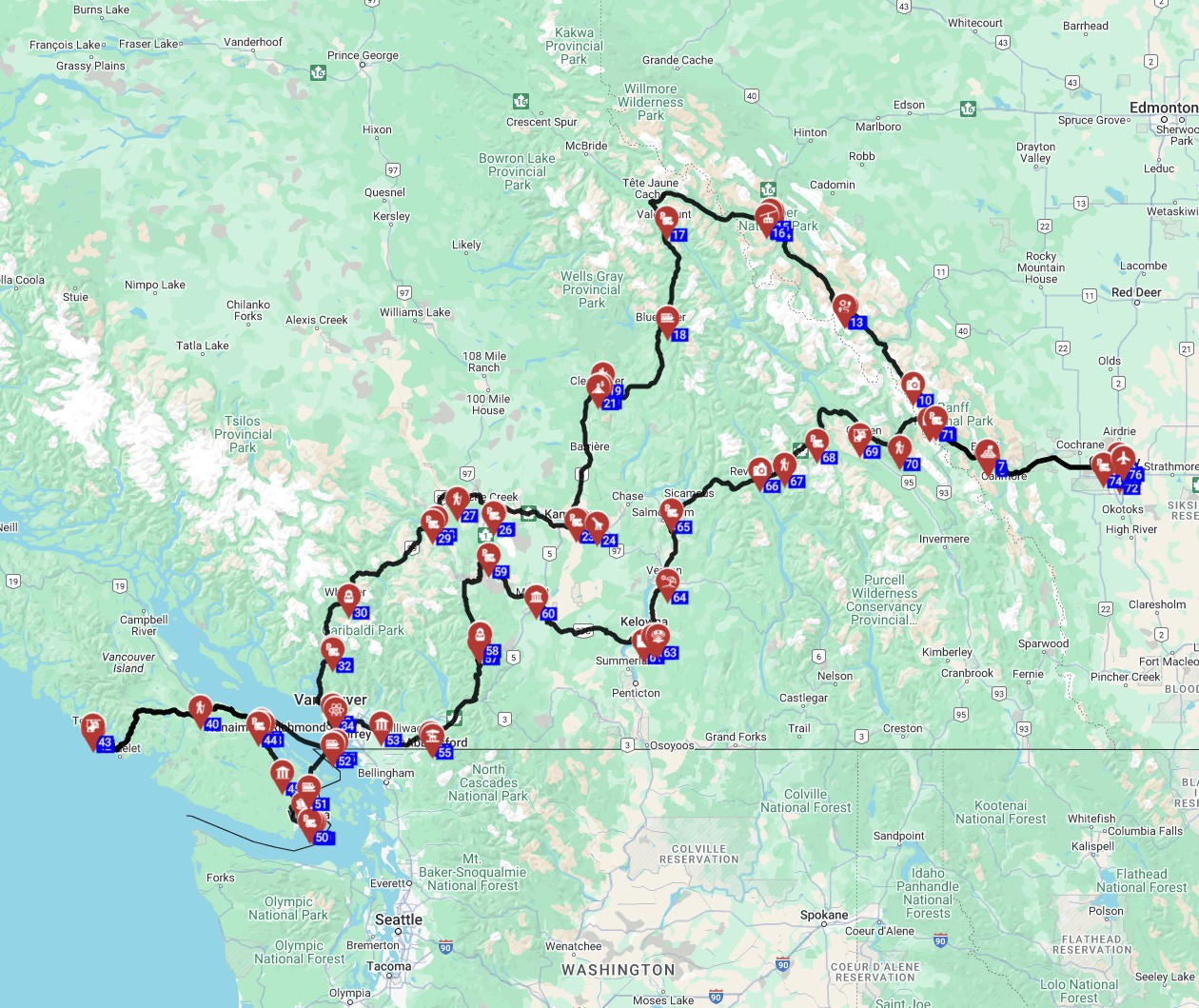
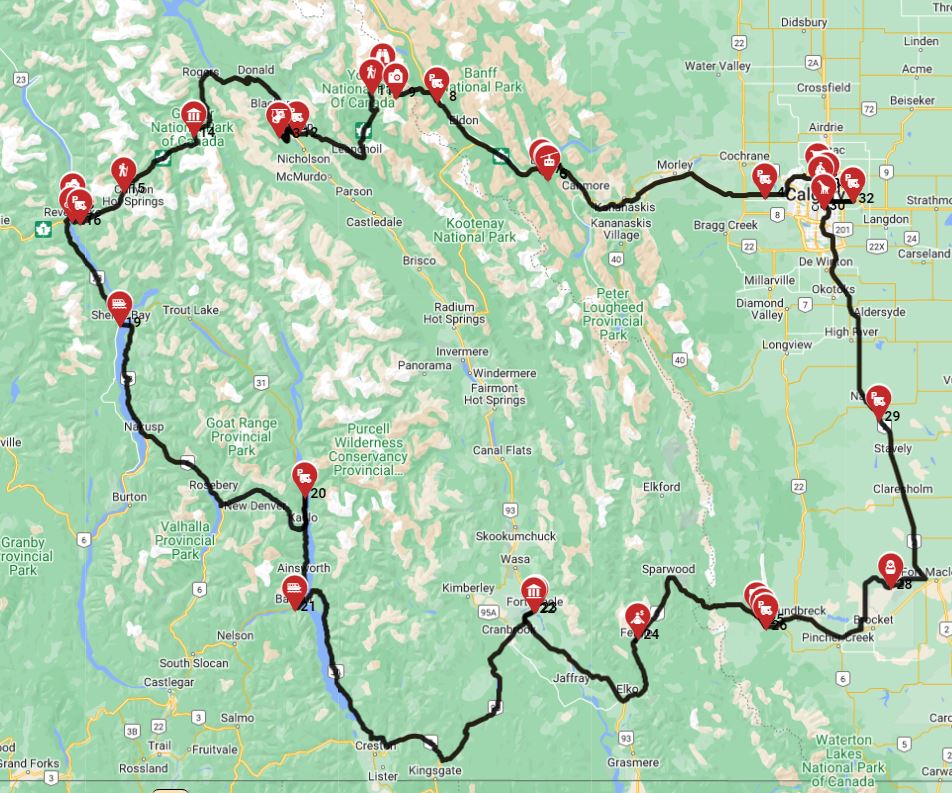
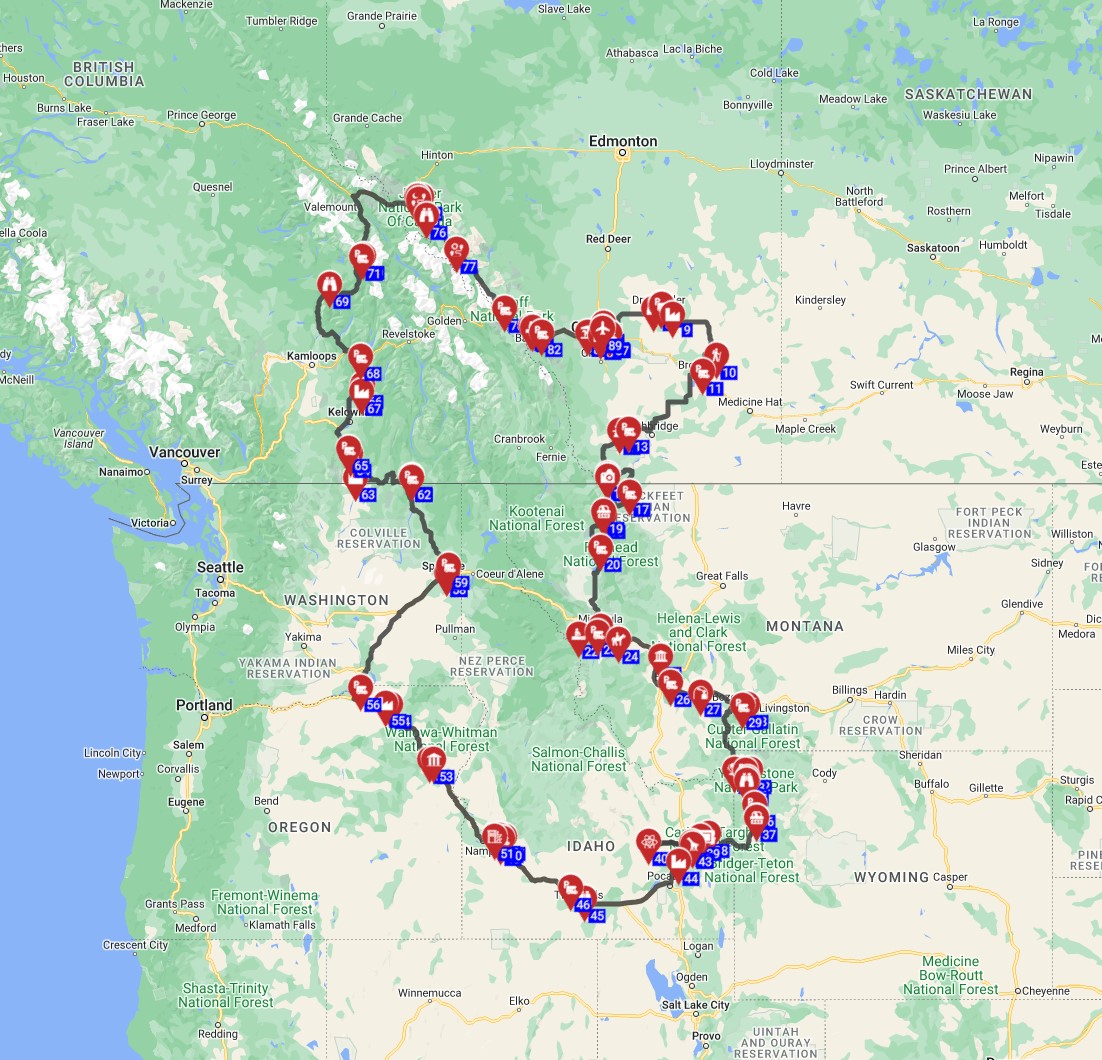
For seniors seeking a comfortable and scenic RV adventure, West Canada offers unparalleled natural beauty and well-maintained routes. Typically, an ideal itinerary covers the stunning coastal British Columbia to the majestic Rocky Mountains, providing a diverse range of experiences. The recommended duration for a comprehensive exploration is a minimum of 7 days, but for a truly immersive journey, aiming for 14 to 19 days is ideal. The prime season for RV travel in West Canada, particularly for seniors, is from late spring to early fall, specifically May through October, when the weather is most agreeable and most attractions are accessible. Trips can range from manageable local loops covering around 1000 km to extended cross-provincial adventures reaching approximately 2600 km, allowing for flexibility based on individual preferences and available time.
7-Day Classic Route in West Canada
A 7-day classic RV route in West Canada offers a delightful introduction to the region's highlights, balancing scenic drives with ample time for relaxation and exploration. This itinerary is designed with seniors in mind, keeping daily driving distances manageable and including comfortable overnight stays.
Day 1: Vancouver → Squamish (approx. 65 km). Begin your journey by exploring Vancouver's vibrant Stanley Park before embarking on the breathtaking Sea to Sky Highway. Your first overnight will be at the Squamish Valley Campground, offering a serene introduction to coastal BC.
Day 2: Squamish → Whistler (approx. 60 km). Enjoy a short, scenic drive to the world-renowned Whistler. Explore the charming Whistler Village and consider a ride on the Peak 2 Peak Gondola for spectacular mountain vistas. Riverside RV Resort is a recommended stop for the night.
Day 3: Whistler → Lillooet (approx. 140 km). Traverse the stunning Duffey Lake Road, renowned for its dramatic mountain views and pristine alpine lakes, as you make your way to Lillooet. Settle in for the night at Lillooet Seton Lake Campground.
Day 4: Lillooet → Cache Creek/Ashcroft (approx. 80 km). Discover the unique arid landscapes of British Columbia's interior, perhaps visiting the historic Hat Creek Ranch. Ashcroft River RV Park offers a convenient place to rest.
Day 5: Cache Creek → Kamloops (approx. 80 km). Continue your journey to Kamloops, a city nestled in the heart of the Thompson Valley. Immerse yourself in local culture and history at the Secwepemc Museum & Heritage Park. Kamloops Exhibition Association Campground is a suitable option for your stay.
Day 6: Kamloops → Hope (approx. 150 km). Drive towards the Fraser Valley, making a stop at Coquihalla Canyon Provincial Park to marvel at the engineering feat of the Othello Tunnels. The Hope Campground provides a peaceful end to the day.
Day 7: Hope → Vancouver (approx. 150 km). Enjoy the agricultural richness of the Fraser Valley on your return journey to Vancouver. Conclude your trip by returning your RV, filled with memories of West Canada's diverse landscapes.
14-Day Extended Journey in West Canada
For a more in-depth experience, a 14-day RV journey through West Canada allows for a relaxed pace and deeper exploration of the diverse attractions. This extended itinerary is perfect for seniors who wish to savor the scenery and enjoy a variety of activities without feeling rushed.
Days 1-3: Vancouver & Sea-to-Sky (Vancouver → Squamish → Whistler). Dedicate your first few days to the urban delights of Vancouver, including a visit to Stanley Park and Granville Island. Then, embark on the iconic Sea-to-Sky Highway, with stops at Shannon Falls and the vibrant Whistler Village. This segment allows ample time to acclimatize and enjoy the coastal mountain scenery.
Days 4-6: Interior BC & Mountain Gateway (Whistler → Lillooet → Kamloops → Revelstoke). Journey into the interior of British Columbia, experiencing dramatic arid landscapes that gradually transition into lush forests as you approach the mountains. Be prepared for a longer travel day on Day 4, from Whistler to Kamloops via Lillooet, so an early start is advisable. Revelstoke serves as your gateway to the Rockies, offering a charming mountain town atmosphere.
Days 7-10: Heart of the Rockies (Revelstoke → Golden → Banff → Lake Louise → Canmore). Immerse yourself in the unparalleled beauty of the Canadian Rockies. Visit Banff and Jasper National Parks, marvel at glacial lakes like Lake Louise and Moraine Lake, and enjoy the hospitality of towns like Banff and Canmore. This section of the trip is about breathtaking scenery and iconic Canadian experiences.
Days 11-14: Okanagan Valley & Return (Canmore → Revelstoke → Kelowna → Hope → Vancouver). Begin your journey back west, perhaps revisiting Revelstoke for a different perspective. Then, head into the sunny Okanagan Valley, celebrated for its beautiful lakes, vineyards, and orchards. Consider a stop in Kelowna for wine tasting or to enjoy the lakeside scenery. The final leg takes you back through the scenic Hope and Fraser Valley to Vancouver, concluding your memorable West Canada RV adventure. Note that Day 11, from Canmore to Revelstoke, is another longer driving day, so plan for breaks and enjoy the changing landscapes.
Must-See Stops Along the Way (Avi Bandana Picks)
To truly capture the essence of West Canada, here are a few curated stops that offer a blend of history, culture, and local flavour, recommended by RV travel expert Avi Bandana himself.
- Fort Langley National Historic Site: Step back in time at this beautifully preserved Hudson's Bay Company fur trading post. Explore Canadian history through interactive displays, costumed interpreters, and engaging re-enactments. It’s a fantastic way to connect with the region's past.
- Canadian Country Music Hall of Fame (Merritt): Located in the heart of BC's interior, this hall of fame celebrates Canada's rich country music heritage. It’s a unique cultural stop, especially for those who appreciate the genre.
- Desert Hills Ranch Farm Market: As you travel through the Okanagan Valley, known for its sunny climate and vineyards, make a stop at a local farm market like Desert Hills Ranch. Sample fresh, regional produce and discover local specialties – a true taste of the Okanagan.
- Local Industries: Beyond the major attractions, seek out the unique character of each town by visiting local breweries, artisan workshops, or craft studios. These often provide authentic experiences and insights into the local economy and creative spirit.
- Traditional Restaurants: Indulge in the diverse culinary scene of West Canada. From fresh Pacific seafood on the coast to hearty farm-to-table dining in the interior, seeking out traditional restaurants will enhance your RV adventure with delicious local flavours.
Daily Driving Distances & Drive Times in West Canada
To ensure a relaxed and enjoyable RV journey, particularly for seniors, Avi Bandana recommends a mindful approach to daily driving distances. Aiming for an average of no more than 100 miles (approximately 150 km) of driving per day allows for ample time to appreciate the scenery, make spontaneous stops, and avoid fatigue. This measured pace transforms the road trip from a race to a leisurely exploration.
For instance, the drive from Vancouver to Squamish, BC, covers about 65 km (40 miles) and typically takes between 1 to 1.5 hours, offering plenty of time to enjoy the coastal views. Similarly, the iconic stretch from Banff to Lake Louise in Alberta is only around 60 km (37 miles), taking about 45 minutes to an hour, perfect for soaking in the grandeur of the Rockies. Even a longer segment like Kelowna to Osoyoos, BC, is about 120 km (75 miles), taking 1.5 to 2 hours, allowing for stops at wineries or scenic viewpoints. This focus on shorter driving days makes RVing in West Canada exceptionally comfortable and accessible for seniors.
Best RV Class for This Itinerary — Couple & Family Picks
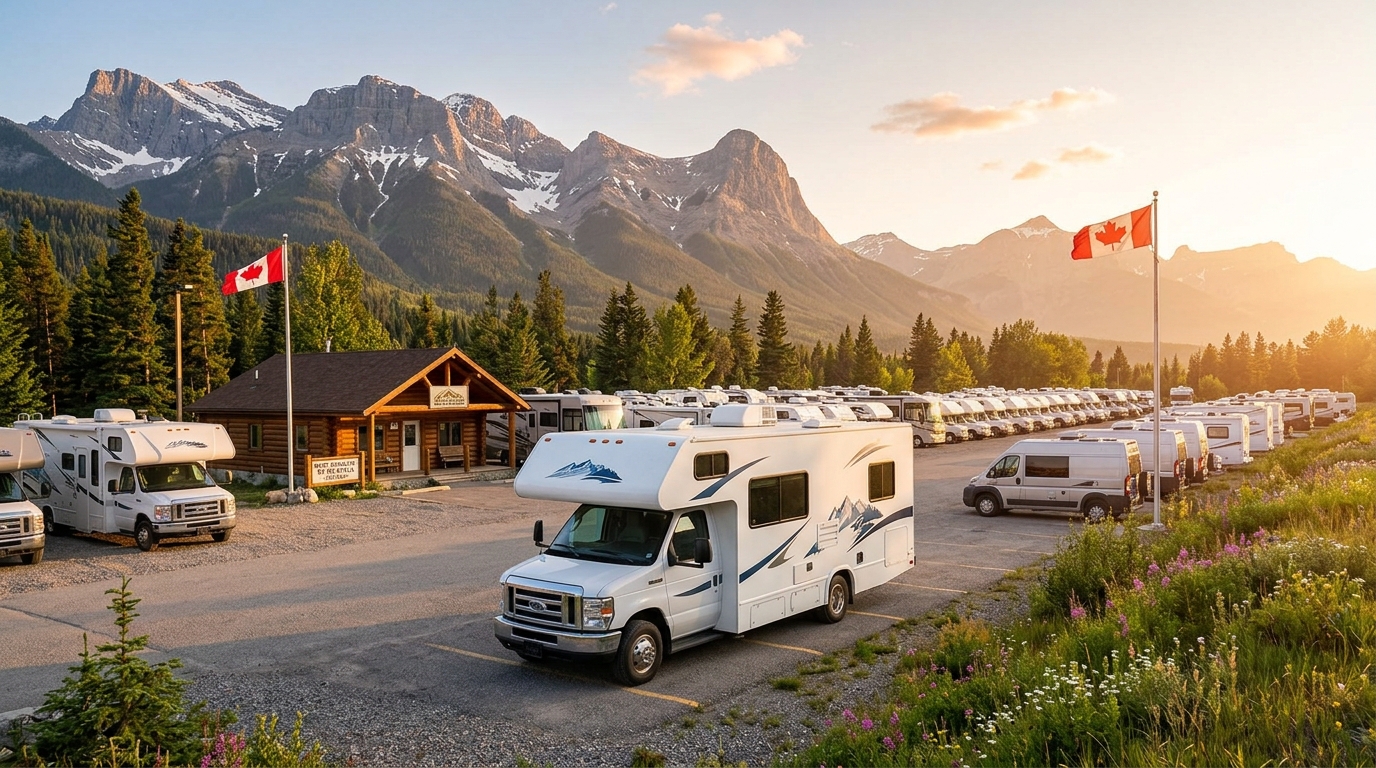
Choosing the right RV is crucial for a comfortable senior RV trip in West Canada. For couples or seniors who prioritize ease of handling and fuel efficiency, a Class B camper van is often the ideal choice. These compact yet well-equipped vehicles offer surprising comfort and maneuverability, making them perfect for navigating scenic routes and accessing various campgrounds.
Bandana's Class B camper vans, such as the "Category Van," typically measure around 5.8 meters in length. They are designed to comfortably sleep approximately 3.2 people (ideal for 2-3 adults) and offer an average fuel consumption of 8-10 liters per 100 km, contributing to a more budget-friendly journey.
For families or larger senior groups who might need more space and amenities, a Class C motorhome, particularly an alcove model, provides excellent comfort and separation of living areas. These are a popular choice for those who appreciate a bit more room to spread out.
Bandana's Class C alcove RVs, like the "Comfort Class," typically average 7.5 meters in length, offering ample space for approximately 5.8 sleeping places (comfortable for 4-5 adults). They generally have an average fuel consumption of 10-12 liters per 100 km, which is still quite reasonable for the space and amenities provided.
To simplify your planning process, consider utilizing Bandana's "Rent & Plan" service. This integrated offering combines your RV rental with expertly designed itineraries, like the ones detailed in this guide, and provides access to user-friendly trip-planning software, making your West Canada adventure seamless from start to finish.
How much does an RV rental cost for seniors in West Canada?
Understanding the costs associated with RV rental is key for seniors planning their West Canada adventure. Average RV rental costs for seniors in West Canada typically range from approximately CAD $150 to $400 per night. This price point is influenced by several factors, including the class of RV (Class B camper vans being generally more affordable than larger Class C motorhomes), the duration of your rental, and the season of travel.
Peak season, which usually falls between July and August, often sees higher rates due to increased demand and consequently, more limited availability for both RVs and popular campsites. To potentially secure better rates and ensure your preferred vehicle is available, booking in advance is highly recommended, especially during the shoulder seasons. The shoulder seasons, generally from May to June and September to early October, offer a sweet spot with milder weather, fewer crowds, and often more favorable pricing.
Beyond the nightly rental cost, seniors should budget for additional expenses. These include fuel, which can be a significant variable given the vast distances in West Canada, insurance options, campground fees (which can range from CAD $30 to $80 per night), national park passes, and the cost of activities and attractions you plan to enjoy. For finding campsites and campgrounds during your trip, check out RV PLANET (rvplan.net) — a great tool for locating available spots along your route. On the routes offered through RV PLANET routes, you can itemize and track every expense along the way for easy budgeting.
What are the best times to RV in West Canada for seniors?
For seniors planning an RV trip in West Canada, the shoulder seasons—late May to mid-June and September to early October—offer the most advantageous combination of pleasant weather, fewer crowds, and often more competitive pricing. During these periods, temperatures are generally milder, making sightseeing and outdoor activities more comfortable. Furthermore, major attractions and campgrounds are typically still open and accessible, ensuring a smooth and enjoyable experience.
While peak summer (July-August) boasts the warmest weather, it also presents the highest demand, leading to crowded conditions and elevated prices for both RV rentals and campsites. Early bookings are essential for those targeting these months. Traveling in the off-season (winter) is generally not recommended for seniors due to potential road closures, especially in mountain passes, limited availability of park facilities, and more challenging driving conditions that require specific expertise and preparation.
What are essential road safety tips for RVing in West Canada's mountains?
Navigating West Canada's stunning mountain terrain in an RV requires a focus on safety, especially for seniors. Essential road safety tips include practicing defensive driving at all times, understanding your RV's weight and braking capabilities, and mastering the use of lower gears when descending steep grades to prevent brake fade. This proactive approach ensures a safer journey on winding mountain roads.
It's crucial to monitor weather forecasts and road conditions diligently. Resources like DriveBC for British Columbia and 511 Alberta for Alberta provide real-time updates and advisories, as mountain passes can experience sudden weather changes or even temporary closures. Always be vigilant for wildlife, particularly at dawn and dusk, and maintain a safe following distance from other vehicles, as sudden stops can occur on any road. Taking frequent breaks to combat fatigue is also vital, especially on long, challenging mountain routes.
What wilderness safety precautions are needed for RVing in remote West Canada?
RVing in the remote wilderness areas of West Canada offers incredible freedom, but it necessitates a strong emphasis on wilderness safety, particularly for seniors. It's highly advisable to carry bear spray and be knowledgeable about proper bear safety protocols, especially when hiking or walking pets away from the RV. Additionally, consider carrying emergency communication devices like a satellite messenger, as cell service is frequently unavailable in these vast, undeveloped areas.
When it comes to food storage, always use bear-proof containers or secure items inside your RV, never feed wildlife, and remain aware of your surroundings at all times. Informing a trusted contact of your detailed itinerary and expected return time is a critical safety measure due to the potential lack of communication options. Always carry a comprehensive first-aid kit, extra water and non-perishable food supplies, and an adequate supply of any essential medications.
Can seniors boondock their RV in West Canada and what are the rules?
Seniors looking to experience the freedom of boondocking or dispersed camping in West Canada will find ample opportunities, particularly on Crown land in British Columbia and Alberta. However, it's essential to be aware of and adhere to specific provincial and municipal regulations. These rules ensure responsible use of public lands and protect natural resources.
In British Columbia, many Forest Service Roads (FSRs) offer free dispersed camping on Crown land, often with a 14-day stay limit in one location. However, specific regulations can vary by region, and some areas may require a permit from Recreation Sites and Trails BC. Alberta also permits random camping on Public Lands, frequently requiring a Public Lands Camping Pass in designated zones, while dispersed camping is generally prohibited within National Parks and most Provincial Parks, where designated campsites must be utilized. Regardless of location, always practice Leave No Trace principles, be mindful of fire bans, and ensure your RV is self-sufficient in managing waste and water.
How is cell service and internet connectivity for RVs in remote West Canada?
When RVing in remote areas of West Canada, seniors should anticipate unreliable or non-existent cell service and internet connectivity. While major highways and populated towns generally offer decent coverage, national parks like Banff and Jasper, and more remote routes such as the Icefields Parkway, frequently have significant dead zones. Planning for intermittent service is crucial.
To mitigate connectivity challenges, it's advisable to download offline maps of your intended routes before embarking on your trip. Consider carrying a satellite messenger or satellite phone for emergencies, as even RV-specific cell boosters may offer limited improvement in truly remote areas. For essential services like fuel and propane, plan your stops carefully in advance, as availability can be sparse in less-traveled regions; if venturing deep into wilderness areas, carrying extra fuel is a prudent measure.
What You Shouldn't Miss
- Explore the vibrant Granville Island Market in Vancouver for local artisan crafts, fresh produce, and delicious food stalls, offering a true taste of the city's culinary scene.
- Drive the Sea to Sky Highway between Vancouver and Whistler, stopping at viewpoints like Cypress Provincial Park for stunning vistas of Howe Sound.
- Take a scenic gondola ride in Whistler to access high-alpine hiking trails or simply enjoy the panoramic mountain views, even for those with limited mobility.
- Visit Banff National Park and Jasper National Park in the Canadian Rockies, experiencing iconic sites like Lake Louise and the Columbia Icefield. Consider a guided tour for easier access to glacier views.
- Explore the Okanagan Valley's renowned wineries and orchards, perhaps taking a guided wine tour that includes RV-friendly stops and transportation.
- Discover the unique geological formations and rich paleontological history in the Alberta badlands near Drumheller, including a visit to the Royal Tyrrell Museum.
Final Thoughts
Renting an RV for your West Canada adventure as a senior offers an unparalleled blend of freedom, comfort, and immersion in nature. From the scenic coastlines of British Columbia to the majestic peaks of the Rockies, the journey provides opportunities for relaxation and discovery at your own pace. With careful planning, focusing on manageable daily drives and comfortable accommodations, the experience can be truly unforgettable.
We encourage you to explore the variety of RVs available and consider the itineraries that best suit your travel style. Remember that Bandana Caravan is here to help you navigate the rental process with full transparency and support, ensuring your focus remains on the incredible experiences awaiting you in West Canada. Discover top destinations, planning tips, all in one place, and get inspired for your next trip!