In This Guide
- Best Tokyo RV Itinerary for rv rental — Overview
- Information on RV rental options in or near Japan for international travelers, and what types of RVs are commonly available
- 7-Day Classic Route in Tokyo
- 14-Day Extended Journey in Tokyo
- RV-friendly road trip itineraries from Tokyo that highlight unique Japanese experiences beyond the immediate urban core
- Must-See Stops Along the Way (Avi Bandana Picks)
- Daily Driving Distances & Drive Times in Tokyo
- Best RV Class for This Itinerary - Couple & Family Picks
- Specific challenges and regulations for RVs (not just cars) navigating and parking in Tokyo, including size restrictions and designated areas
- Practical guidance on waste disposal (grey/black water) for RVs, which is a significant logistical difference from Western RV travel
- Strategies for integrating RV travel with Tokyo's extensive public transport system (e.g., where to park an RV and easily access public transit into the city center)
- Actual overnight RV parking and camping options in or near Tokyo, including the suitability and etiquette for Michi-no-Eki (roadside stations) for RVers
- Comprehensive cost breakdown specific to RV travel around Tokyo, including RV-class toll rates, fuel consumption for larger vehicles, and specific RV parking fees
Best Tokyo RV Itinerary for rv rental — Overview
An RV rental in Tokyo offers unparalleled flexibility to explore both the vibrant city and Japan's stunning natural landscapes, with a minimum recommended duration of 7 days to truly appreciate the region. This type of journey focuses on a unique blend of urban exploration and scenic drives, covering approximately 800-1500 km depending on your chosen route and pace. For live availability and current prices, start with our RV Rental Tokyo - Complete Guide 2026 guide. The best seasons for RV travel around Tokyo are typically spring (March-May) for breathtaking cherry blossoms and autumn (September-November) for vibrant fall foliage, both offering pleasant weather and picturesque scenery perfect for a rented motorhome adventure. As true RV specialists, Bandana Caravan, founded in 2001, ensures full transparency with no hidden fees or surprises, making your planning straightforward and stress-free. If you are looking to explore beyond the Tokyo area, consider our comprehensive RV Rental Japan - Complete Guide 2026 for broader context and options.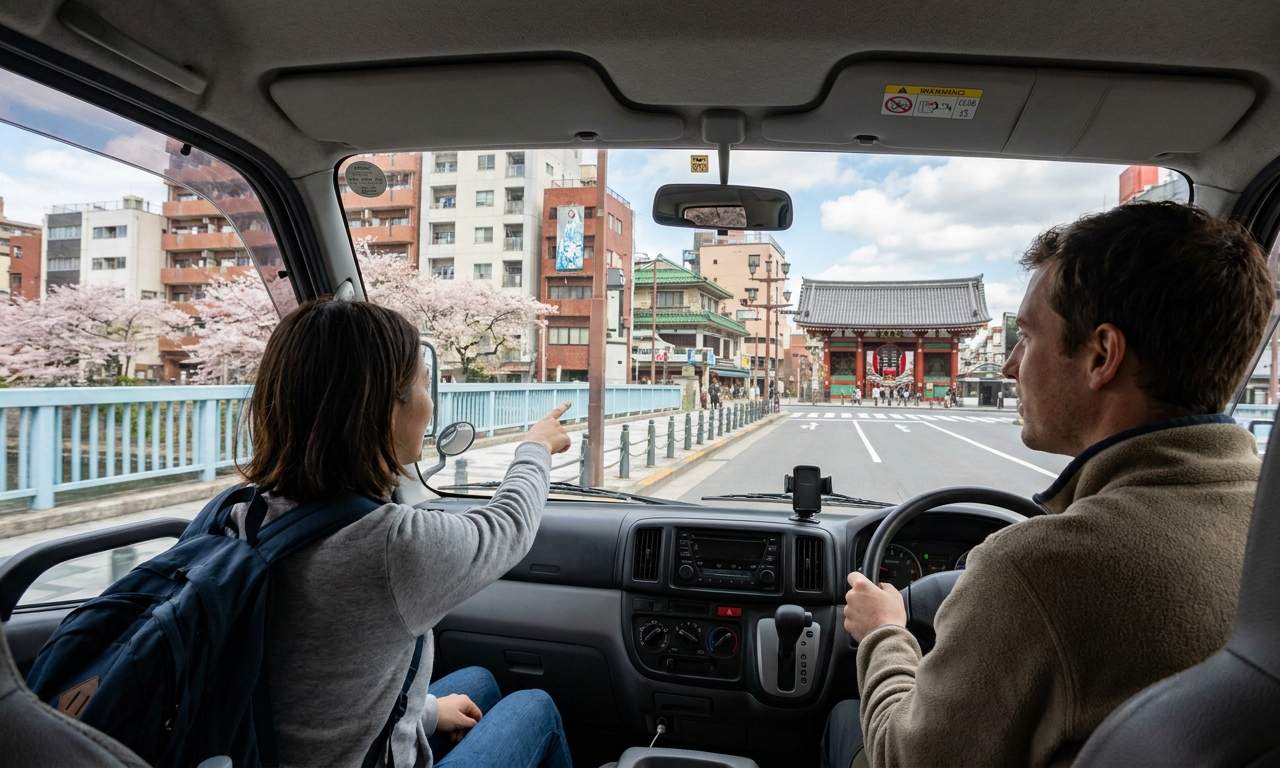
Information on RV rental options in or near Japan for international travelers, and what types of RVs are commonly available
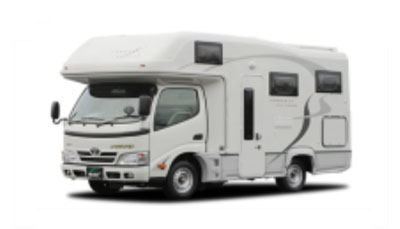
International travelers can easily rent RVs in Japan, with major rental hubs conveniently located near international airports such as Narita (NRT) or Haneda (HND) for seamless access to Tokyo. Bandana Caravan offers a streamlined rental process catering specifically to global visitors, providing clear pre-booking comparison, booking support, and post-booking coordination, often including English support and guidance on local driving regulations. With direct partnerships with over 50 leading RV suppliers worldwide, including trusted names like Apollo, we compare final prices so you don't have to. The most commonly available RV type in Japan, as reflected in Bandana's Tokyo fleet, is the Class C - Alcove motorhome, which expertly balances compactness with sufficient living space for couples and families. These models typically feature an average length of 5 meters, offer comfortable sleeping for up to 6 people (ideally suited for 3 adults), and are equipped with essential amenities like a small kitchenette and dining area for a truly comfortable rented motorhome experience.7-Day Classic Route in Tokyo
This 7-day classic RV itinerary in Tokyo offers a balanced exploration of urban highlights and stunning natural beauty.- Day 1: Tokyo Arrival & Set-up (0 km): Pick up your rented RV near Tokyo (e.g., at a depot accessible from Narita Airport). Spend the day getting acquainted with your vehicle and provisioning at a local supermarket. Overnight at an RV-friendly parking area on the outskirts of Tokyo, such as one in Chiba Prefecture.
- Day 2: Tokyo City Highlights (50 km): Park your motorhome at a designated suburban lot (e.g., in Chiba or Saitama) that offers easy access to public transport. Use Tokyo's efficient train system to explore iconic spots like Shibuya Crossing, the serene Shinjuku Gyoen National Garden, and the historic Asakusa district with Senso-ji Temple. Return to your RV park in the evening.
- Day 3: Hakone – Mount Fuji Views (100 km): Drive your campervan to Hakone, a scenic town renowned for its captivating views of Mount Fuji, relaxing hot springs, and impressive art museums. Enjoy a picturesque cruise on Lake Ashi, surrounded by lush landscapes. Overnight at a campground or a local Michi-no-Eki in Hakone.
- Day 4: Fuji Five Lakes Exploration (80 km): Continue your journey around the breathtaking Fuji Five Lakes region, visiting popular sites like Chureito Pagoda for those iconic Mount Fuji postcard shots and further exploring the shores of Lake Kawaguchiko. Engage in light hiking or simply soak in the tranquil atmosphere. Overnight near Lake Kawaguchiko at an RV park with amenities.
- Day 5: Izu Peninsula Coastline (120 km): Head south to the beautiful Izu Peninsula, celebrated for its dramatic coastline, inviting beaches, and numerous Onsen resorts. Explore the rugged Jogasaki Coastline, known for its suspension bridge, or visit the historic port town of Shimoda. Enjoy fresh local seafood for dinner. Overnight at a seaside RV park on the Izu Peninsula.
- Day 6: Kamakura & Yokohama (100 km): Drive towards Kamakura, Japan's ancient capital, to see the majestic Great Buddha and explore its historic temples. Afterward, proceed to the vibrant port city of Yokohama, exploring modern attractions like Minato Mirai and its stunning bay views, and perhaps the bustling Chinatown. Overnight at an RV park in Yokohama.
- Day 7: Return to Tokyo (50 km): Enjoy a final Japanese breakfast in your mobile home before driving back to your RV rental drop-off location near Tokyo, concluding your memorable week-long journey. For easy budgeting on fuel, tolls, and campground fees, remember that RV PLANET routes allow you to itemize and track every expense along the way.
14-Day Extended Journey in Tokyo
A 14-day RV itinerary in Tokyo provides ample time for a deeper, more immersive exploration of the Kanto region and beyond, allowing for a relaxed pace and discovery of hidden gems.- Days 1-3: Tokyo Urban & Suburbs (approx. 100 km total): Similar to the 7-day itinerary, dedicate the initial days to RV pickup, provisioning, and exploring central Tokyo using convenient park-and-ride strategies. Enjoy two comfortable nights on the Tokyo periphery, perhaps in areas like Chiba or Saitama.
- Days 4-6: Hakone & Fuji Five Lakes Serenity (approx. 180 km): Immerse yourselves longer in Hakone's calming Onsen and world-class art museums. Then, dedicate two full days to the majestic Fuji Five Lakes area, indulging in scenic hikes, peaceful boat tours, and enjoying the tranquility away from bustling crowds. Consider staying at different campgrounds around Mount Fuji for varied perspectives.
- Days 7-9: Southern Izu & Beaches (approx. 150 km): Explore the southern parts of the Izu Peninsula in more depth, venturing to less-traveled beaches, secluded hot springs, and charming seaside towns such as Shimoda or Ito. Savor the freshest local seafood from the Pacific Ocean, preparing some meals in your campervan kitchen.
- Days 10-11: Central Honshu Mountain Escape (approx. 180 km): Head inland towards the beautiful prefectures of Yamanashi or Nagano, exploring local fruit farms, picturesque vineyards, or undertaking scenic mountain drives. Depending on the season, you might visit historical sites like castles or enjoy outdoor activities such as forest walks. Overnight at welcoming Michi-no-Eki or mountain campgrounds.
- Days 12-13: Kamakura & Yokohama Culture (approx. 100 km): Return towards the Kanto region, dedicating a full day to Kamakura's ancient capital charm, visiting its iconic Great Buddha and numerous temples. Spend another day soaking in Yokohama's modern cityscape, exploring areas like Minato Mirai and the vibrant Chinatown. Secure well-located RV parks for these nights.
- Day 14: Tokyo Departure (approx. 50 km): Conclude your comprehensive two-week adventure by driving back for your RV drop-off near Tokyo. This extended journey provides a rich and varied experience of Japan with your rented RV. If you're looking for organized travel, consider Rent a Motorhome in Tokyo - Prices and Best Deals 2026 which offers a range of options, or explore our Rent&Plan service for pre-planned routes by professionals, earning you a 25% Planning Discount when using rvplan.net.
RV-friendly road trip itineraries from Tokyo that highlight unique Japanese experiences beyond the immediate urban core
RV-friendly road trip itineraries from Tokyo are thoughtfully designed to extend beyond the city's immediate hustle, offering immersive experiences into Japan's diverse landscapes and rich cultural heritage. Beyond the detailed 7-day and 14-day itineraries outlined above, popular extensions include exploring the ancient temples and natural beauty of Nikko, situated north of Tokyo, or discovering the dramatic coastal scenery and abundant hot springs of the Izu Peninsula to the south. For those seeking alpine grandeur, venturing further inland to the Japanese Alps promises breathtaking mountain views and opportunities to visit traditional villages. These routes prioritize access to scenic drives, local culinary delights, and unique opportunities to connect with regional Japanese culture, always emphasizing a slower pace to fully appreciate each destination. With over 1,300 pre-planned routes across 5 continents via RV PLANET (rvplan.net), our sister company, you’ll find tailored itineraries to make your journey unforgettable. You might also want to look into RV Rental Deals in Tokyo - Latest Offers 2026 for cost-effective options on these extended trips.🎬 Video coming soon
Must-See Stops Along the Way (Avi Bandana Picks)
When planning your RV journey around Tokyo, Avi Bandana recommends seeking out unique local experiences that go beyond typical tourist spots to truly connect with the heart of Japan.- Local Markets (traditional_market): Look for vibrant local morning markets, especially those outside of central Tokyo, to sample fresh produce, regional delicacies, and interact with local vendors. Think roadside vegetable stands in rural areas of Yamanashi or small fish markets along the Izu Peninsula. This is where you'll find the freshest ingredients to whip up meals in your RV kitchen, and for some inspiration, check out our RV-friendly recipes playlist.
- Traditional Eateries (traditional_restaurant): Step into small, family-run restaurants ('shokudo' or 'izakaya' outside of peak hours) in smaller towns to savor authentic Japanese home cooking. These often offer a deeper insight into local culture and flavors than larger, more commercial establishments.
- Artisan Workshops & Craft Stores (local_industry): Keep an eye out for areas known for traditional crafts, such as pottery, woodworking, or textile production. Visiting a workshop or local shop allows for unique souvenir purchases and a glimpse into Japan's enduring artisan heritage.
- Scenic Viewpoints (traditional_visit): Beyond the famously crowded viewpoints, Avi recommends finding lesser-known scenic spots that offer tranquility and breathtaking views, often accessible via short, enjoyable drives with your campervan. These hidden gems provide a more personal connection to Japan's natural beauty.
Daily Driving Distances & Drive Times in Tokyo
Avi Bandana recommends a maximum of 100-150 km per day on average when RVing around Tokyo and Japan, encouraging a slower travel pace to truly immerse yourself in the culture and scenery rather than rushing between destinations. Japanese roads, especially outside major highways and in rural areas, can be narrower and windier than those in many Western countries, making slower driving essential for safety and enjoyment. Drive slowly and carefully, and you can drive almost anywhere without issues. No need to stress - just use common sense and pay attention.Example Drive-Time Estimates:
- Tokyo (outskirts) to Hakone: Approximately 80-100 km, taking about 1.5-2.5 hours, excluding potential urban traffic congestion.
- Hakone to Lake Kawaguchiko: A shorter drive of approximately 50-70 km, requiring 1-1.5 hours of scenic travel.
- Lake Kawaguchiko to Izu Peninsula (e.g., Ito): This segment is about 80-100 km, and typically takes 2-2.5 hours, navigating coastal roads.
Best RV Class for This Itinerary - Couple & Family Picks
Choosing the right RV class significantly enhances your travel experience around Tokyo, balancing maneuverability with comfort.- For a Couple: Class C - Alcove: While capable of sleeping more, the Class C - Alcove is an excellent choice for a couple, providing generous space and comfort for two travelers. With an average length of 5 meters, according to Bandana's Tokyo fleet data, it offers a roomy interior, a comfortable separate sleeping area, and ample storage for luggage and provisions, ensuring a relaxed and enjoyable journey through Tokyo and its scenic surrounds. The relatively compact size makes it manageable on narrower Japanese roads. If you are a couple seeking a more premium experience, consider Luxury RV Rental in Tokyo - Premium Prices 2026 for high-end options.
- For a Family: Class C - Alcove: The Class C - Alcove is highly recommended for families exploring Tokyo, comfortably sleeping up to 6 people and ideally suited for 3 adults, based on Bandana's local fleet specifications. Its average 5-meter length provides sufficient living and sleeping areas, ensuring a comfortable experience for everyone, from children to adults, on longer journeys. After selecting your ideal RV, Bandana's "Rent & Plan" service offers a seamless solution by combining your RV rental with a ready-made itinerary, expertly designed to remove the complexities of trip planning and give you full access to specialized trip-planning software at rvplan.net.
Specific challenges and regulations for RVs (not just cars) navigating and parking in Tokyo, including size restrictions and designated areas
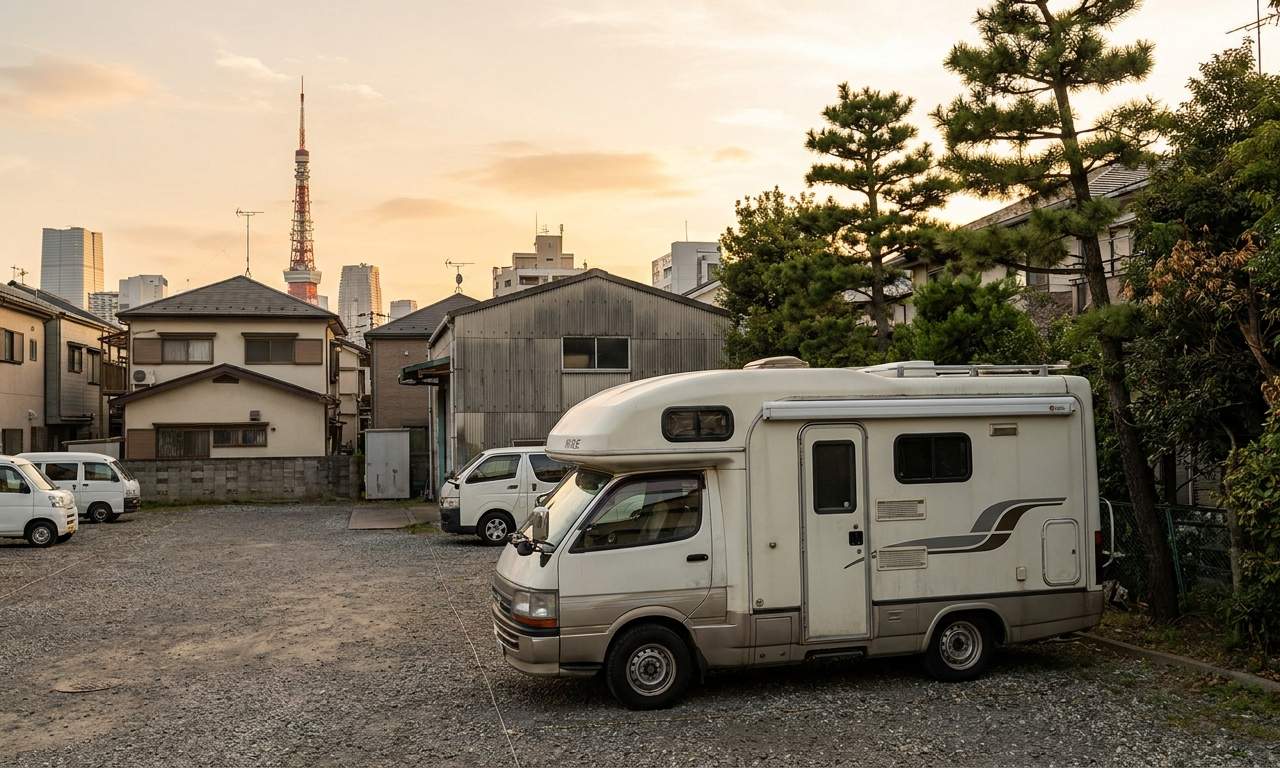
Navigating Tokyo in a rented RV presents unique challenges, primarily due to narrower streets and limited large vehicle parking, requiring careful planning beyond standard car travel. Size restrictions are a key consideration: while many Japanese RVs are relatively compact (e.g., a 5-meter Class C), Tokyo's urban infrastructure includes numerous height and width restrictions in older districts and underground parking garages. It is crucial to be fully aware of your RV's specific dimensions. Parking regulations are strict, with overnight parking on city streets generally prohibited. Designated RV-friendly parking, often found on the city outskirts or near major attractions like theme parks or train stations, must be utilized, and some may have specific opening/closing times and fees. For driving in Tokyo itself, it is highly recommended to avoid taking your RV into the absolute city center; instead, park at a peripheral RV park or a "Park & Ride" facility and use Tokyo's world-class public transport for central exploration. Remember, you can easily compare options for Cheap RV Rental in Tokyo - Budget Guide 2026 through Bandana.Practical guidance on waste disposal (grey/black water) for RVs, which is a significant logistical difference from Western RV travel
RV waste disposal in Japan differs considerably from Western practices, as dedicated dump stations for grey and black water are not as widespread as in North America or Europe. Travelers with a rented RV must plan their routes meticulously to include stops at suitable facilities. Designated disposal points are available at many campgrounds (referred to as "Auto Camps") and some larger Michi-no-Eki (roadside stations), though these might be fewer in number than expected. Managing waste often necessitates the use of smaller, easily manageable portable waste containers if full disposal facilities are not immediately available along your route. Always adhere strictly to local rules and etiquette, ensuring waste is disposed of only in designated areas to maintain Japan's high environmental standards and respect local customs. When considering booking options, it's worth checking One-Way RV Rental in Tokyo - Price Guide 2026 to see how such logistical differences might influence your trip planning.Strategies for integrating RV travel with Tokyo's extensive public transport system (e.g., where to park an RV and easily access public transit into the city center)
Integrating your rented RV trip with Tokyo's world-class public transport is essential for hassle-free city exploration, allowing you to effectively avoid urban driving and parking stress. The most effective strategy is to utilize "Park & Ride" facilities: park your motorhome at designated RV parks or larger parking facilities located on the periphery of Tokyo, such as those found in Chiba, Saitama, or Kanagawa prefectures. From these peripheral parking spots, you can easily access Tokyo's extensive train or subway lines, which will efficiently transport you directly into the city's various vibrant districts like Shinjuku, Shibuya, or Ueno. For seamless travel on trains and buses, it is highly recommended to purchase a Suica or Pasmo IC card, which can be easily recharged as needed and are valid across most major urban transit networks throughout Japan.Actual overnight RV parking and camping options in or near Tokyo, including the suitability and etiquette for Michi-no-Eki (roadside stations) for RVers
Overnight RV parking and camping options near Tokyo primarily involve dedicated campgrounds and Michi-no-Eki, each with distinct features and etiquette for a rented campervan. Campgrounds, known as "Auto Camps," are the best option for full-service overnight stays, offering designated RV spots, electrical hookups (though not always 50-amp, typically 15-20 amp), clean restrooms, and sometimes showers and laundry facilities. Michi-no-Eki are government-designated roadside stations that provide rest areas, local produce shops, and often restaurants. While many RVers use them for informal overnight parking, locally known as 'parking-nighting', it's crucial to understand they are not official campgrounds and do not offer hook-ups or dedicated waste disposal in most cases. The general Michi-no-Eki etiquette is to "sleep in your vehicle, not camp beside it"—meaning no setting up awnings, outdoor tables, or engaging in loud activities. Arrive late, leave early, and support the station by purchasing local goods. Always check for specific "no overnight parking" signs, as rules can vary by location. Reassurance: "You'll find a spot. If not at the first campground, then the next one. Call ahead before driving." For finding campsites and campgrounds during your trip, we recommend using RV PLANET (rvplan.net) - a great resource for locating available spots along your route.Comprehensive cost breakdown specific to RV travel around Tokyo, including RV-class toll rates, fuel consumption for larger vehicles, and specific RV parking fees
A comprehensive cost breakdown for RV travel around Tokyo includes several key categories that differ significantly from car travel. RV rental costs for a Class C - Alcove RV typically range from ¥15,000 to ¥30,000 per day, varying by season, rental duration, and specific model. Japan's expressways operate a robust toll system, and RVs, especially larger motorhomes, may fall into higher vehicle classifications than standard cars, resulting in increased toll charges (e.g., medium-sized or special vehicle categories). Budgeting several thousand yen per day for active expressway use is a realistic estimate. Fuel consumption for larger RVs like the 5-meter Class C - Alcove will be higher than smaller vehicles; expect an average of 6-10 km/liter (14-23 MPG), which significantly impacts costs given Japan's dynamic fuel prices. Dedicated RV parks or campgrounds can cost ¥1,000-¥5,000 per night, depending on amenities and location, while Michi-no-Eki are generally free for overnight stops but lack amenities. Additionally, budget for public transport within Tokyo (approximately ¥1,000-¥2,000 per person per day), groceries (which can be cost-effective if cooking in your RV), and attraction fees. Bandana offers bookings in over 30 currencies with full price transparency, ensuring no hidden fees or conversion commissions. For comprehensive planning, our RV Rental Deals in Tokyo - Latest Offers 2026 provides up-to-date pricing information.Final Thoughts
Embarking on an RV adventure around Tokyo is an incredible way to experience the diverse facets of Japan, from its bustling metropolises to its serene natural landscapes. With the flexibility of your own mobile home, you truly dictate your pace, allowing for deep cultural immersion and spontaneous discoveries. Remember to plan for urban navigation and waste disposal, but don't let these details deter you. The reward of waking up to Mount Fuji views or savoring local delicacies from your private rented campervan is simply unparalleled. At Bandana Caravan, we are dedicated to making your RV rental in Tokyo as smooth and enjoyable as possible. We take care of the small details, ensuring you have peace of mind from the moment you start planning until you return your vehicle. So, why wait? Discover your perfect route and unlock the freedom of RV travel in Japan. Find Motorhome Rentals in TokyoOn the routes offered through RV PLANET routes, you can itemize and track every expense along the way for easy budgeting.