In This Guide
- Best Tokyo RV Itinerary for rv rental deals — Overview
- 7-Day Classic Route in Tokyo
- 14-Day Extended Journey in Tokyo
- Recommended RVPlan Trip for Tokyo
- Daily Driving Distances & Drive Times in Tokyo
- Best RV Class for This Itinerary — Couple & Family Picks
- How much does it cost to rent an RV in Tokyo
- What is the best time of year to visit Tokyo Japan
- Is it easy to drive an RV in Japan
- Can you sleep in an RV in Japan
- Is it safe to travel in Japan in an RV
Best Tokyo RV Itinerary for rv rental deals — Overview
A Tokyo RV adventure offers a unique blend of exhilarating urban exploration with serene road trips into the surrounding Kanto region. For those seeking the best value RV rental deals in Tokyo, planning a loop that extends beyond the immediate city center is highly recommended. To truly immerse yourself in the diverse landscapes and cultural richness accessible by motorhome, a minimum of a 7-day loop is advised to explore beyond central Tokyo. The most picturesque times for an RV trip in this region are spring, from March to May, coinciding with the stunning cherry blossom season, and autumn, from September to November, when the foliage transforms the landscape into a vibrant spectacle. Across a 7 to 14-day journey, you can expect to comfortably cover between 700 to 1000 kilometers, allowing for a balanced pace that savorsthe experience without feeling rushed. If you're looking for expert insights from Avi Bandana, he often emphasizes the joy of slow travel, allowing ample time to connect with the local culture and scenery.
7-Day Classic Route in Tokyo
Embark on a classic 7-day RV itinerary starting from Tokyo, designed to offer a taste of Japan's diverse beauty and convenience for RV rental deals. Your journey begins on Day 1 with arrival and preparation in Tokyo, covering 0 km, with an overnight stay recommended at Michi-no-Eki Hachioji Takiyama, a perfect introduction to Japan's roadside station culture. Day 2 takes you approximately 90 km to Hakone, a renowned mountain resort town. Here, explore the serene Lake Ashi and the captivating Hakone Open-Air Museum before settling in at a campground within Fuji-Hakone-Izu National Park. On Day 3, a short 60 km drive leads to the Fuji Five Lakes region, offering iconic views of Mount Fuji and the breathtaking Chureito Pagoda; an overnight stay at a lakeside RV park is ideal. Day 4 covers about 80 km to Atami, a coastal city famous for its hot springs and historic Atami Castle, with an overnight stop at a coastal Michi-no-Eki. Day 5, a 70 km drive brings you to Yokohama, where you can explore the modern Minato Mirai 21 district and vibrant Chinatown, parking your RV on the city's periphery for the night. Day 6 involves a 60 km scenic drive to the Chiba Peninsula, perhaps visiting Nokogiriyama Temple, and parking overnight at Michi-no-Eki Tateyama. Finally, Day 7 completes the loop with an 80 km drive back to Tokyo for RV return, completing a fulfilling week of exploration. For travelers planning a broader trip, our guide to RV Rental Japan - Complete Guide 2026 offers further insights.
14-Day Extended Journey in Tokyo
For a more in-depth experience, consider this 14-day extended journey that truly allows you to appreciate the variety of the regions surrounding Tokyo. Days 1-3 can be dedicated to exploring Tokyo and its immediate surroundings, utilizing convenient RV parking on the city's periphery and public transport for urban immersion. Days 4-6 are perfect for soaking in the serenity of Fuji and Hakone, enjoying hot springs, unparalleled Mount Fuji views, and invigorating hikes. Days 7-8 offer a chance to explore the rugged coastlines and savor fresh seafood along the Izu Peninsula. Venture inland to the Nagano Mountains for Days 9-10, experiencing alpine scenery, rejuvenating hot springs, and charming historic towns. Days 11-12 can be spent in Gunma and Tochigi, visiting Nikko's UNESCO World Heritage sites and the natural beauty of Oze National Park. Finally, Days 13-14 allow for a relaxed return to Tokyo via the scenic Chiba coastline, with ample time for RV drop-off. This extended itinerary maintains a leisurely pace, ensuring you encounter diverse landscapes and rich cultural experiences. If you're looking for more itinerary ideas, our article on RV Rental Deals in Tokyo - Latest Offers 2026 might be helpful.
Recommended RVPlan Trip for Tokyo
To simplify your Japanese RV adventure, Bandana highly recommends exploring our curated RVPlan trips for Tokyo. These meticulously designed itineraries are crafted by local travel experts, offering detailed routes, recommended stops, and practical overnight parking suggestions tailored for RV travelers. By utilizing Bandana's 'Rent & Plan' service, you can ensure a seamless and enriching experience, focusing on discovery rather than logistics. Our sister company, RV PLANET (rvplan.net), also provides a wealth of resources for finding campsites and campgrounds along your chosen route, making planning even easier. For those interested in the financial aspects, our guide to Cheap RV Rental in Tokyo - Budget Guide 2026 provides valuable cost-saving tips.
Daily Driving Distances & Drive Times in Tokyo
When planning your RV itinerary in Tokyo and its surroundings, it's wise to keep daily driving distances manageable. Avi Bandana recommends averaging no more than 100 miles or 150 km per day to truly savor the journey. Navigating Japanese roads, especially within cities, requires careful attention due to their density; a compact 5-meter RV, like some of Bandana's offerings such as the V3 or the M2, can be advantageous. For example, typical drive times might include Tokyo to Hakone (90 km, 1.5-2 hours), Fuji Five Lakes to Atami (80 km, 1.5-2 hours), or Yokohama to the Chiba Peninsula (60 km, approximately 1 hour). Be aware that toll roads are prevalent and can accumulate significant costs; an ETC card (Electronic Toll Collection) is highly recommended to streamline payments. When driving larger RVs, always check urban parking garages for low-clearance restrictions that might affect RV height. Utilizing a reliable GPS system with up-to-date Japanese maps is crucial for navigating local roads effectively and planning routes to avoid peak traffic. For those looking to compare prices on different vehicle sizes, our article on RV Rental Tokyo - Prices and Best Deals 2026 offers detailed information. On the routes offered through RV PLANET routes, you can itemize and track every expense along the way for easy budgeting.
Best RV Class for This Itinerary — Couple & Family Picks
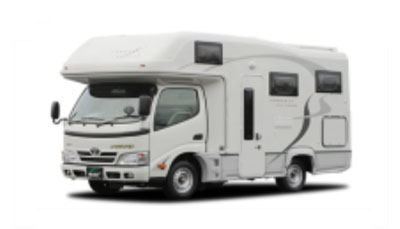
Selecting the right RV class is key to a comfortable Tokyo road trip. For couples seeking a balance of comfort and maneuverability, Bandana's fleet includes excellent small RV options, such as the Category Van or the M2, both offering essential amenities without being overly large for Japanese roads. For families or groups, the Class C - Alcove models, like the cruise america rv rental example Explorer (7.1m length, 4 sleeping places) or the larger 29' Class C Motorhome (larger capacity and sleeping spaces), are ideal. These Class C motorhomes, often around 5 meters in length, provide ample living and sleeping space, comfortably accommodating 3 adults or a small family. Bandana's 'Rent & Plan' service can help you pair the perfect RV with expertly designed itineraries for a truly seamless Japanese RV adventure. For further guidance on vehicle selection, check out our guide on RV Rental Japan - Complete Guide 2026.
How much does it cost to rent an RV in Tokyo
Estimating the cost for an RV rental in Tokyo involves several factors beyond the daily rate. Typically, RV rental costs can range from ¥15,000 to ¥35,000 per day (approximately $100-$240 USD), varying by vehicle class, season, and rental duration. When budgeting for your trip, remember to account for additional expenses such as fuel, which averages ¥170-¥190 per liter in Japan. Expressway tolls can be significant; a round trip to the Fuji Five Lakes area might cost ¥5,000 - ¥10,000. Parking fees vary widely, from free at Michi-no-Eki to ¥1,000 - ¥3,000 per night at dedicated RV parks or paid urban lots. Campground fees for full-service sites generally range from ¥2,000 - ¥5,000 per night. For food, budgeting approximately ¥2,000 - ¥4,000 per person daily is realistic if you plan to cook most meals onboard. For more detailed cost breakdowns based on trip duration, explore our article on RV Rental in Tokyo - Prices and Best Deals 2026. For ideas you can prep on the road, watch our RV-friendly recipes playlist on YouTube.
What is the best time of year to visit Tokyo Japan
The most favorable times for an RV trip in Tokyo and its surrounding regions are generally spring (March to May) and autumn (September to November). Spring is renowned for the breathtaking cherry blossom season, offering pleasant temperatures ideal for exploration, though it can also be a crowded period. Autumn provides stunning fall foliage with comfortable, crisp temperatures, often with fewer crowds than in spring. Summer (June to August) is characterized by heat, humidity, and the risk of typhoons, which can disrupt travel plans. Winter (December to February) offers cool, clear days with excellent visibility, especially for Mount Fuji, but be aware that access to some mountain roads and campgrounds may be limited by snow. For those seeking budget-friendly options, our guide to Cheap RV Rental in Tokyo - Budget Guide 2026 offers practical advice.
Is it easy to drive an RV in Japan
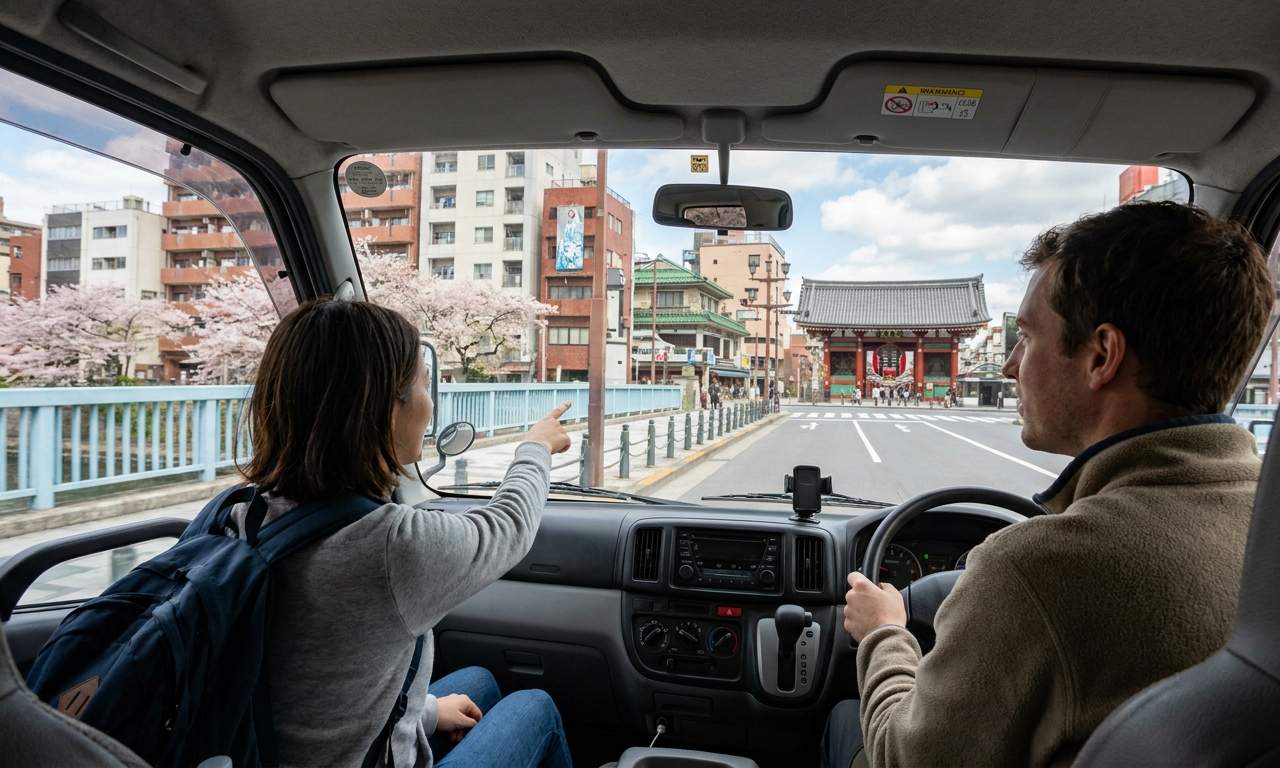
Driving an RV in Japan is manageable with careful planning, particularly when venturing outside major urban centers like Tokyo. Key challenges to consider include navigating narrow rural roads, where a more compact RV, such as Bandana's M2 or the V3, proves advantageous. Be prepared for the prevalence and cost of toll roads; an ETC card is highly recommended for convenience. Tokyo's navigation can be particularly demanding due to heavy traffic, complex interchanges, and limited parking for larger vehicles; always check urban parking garages for RV height restrictions. While major routes typically have English signage, a reliable GPS is essential for rural and local roads. Specialized RVer services like dump stations and potable water sources require planning, with Michi-no-Eki and private campgrounds being primary options. Always consult your rental provider for information on RV repair assistance, as specialized shops are less common outside major cities.
Can you sleep in an RV in Japan
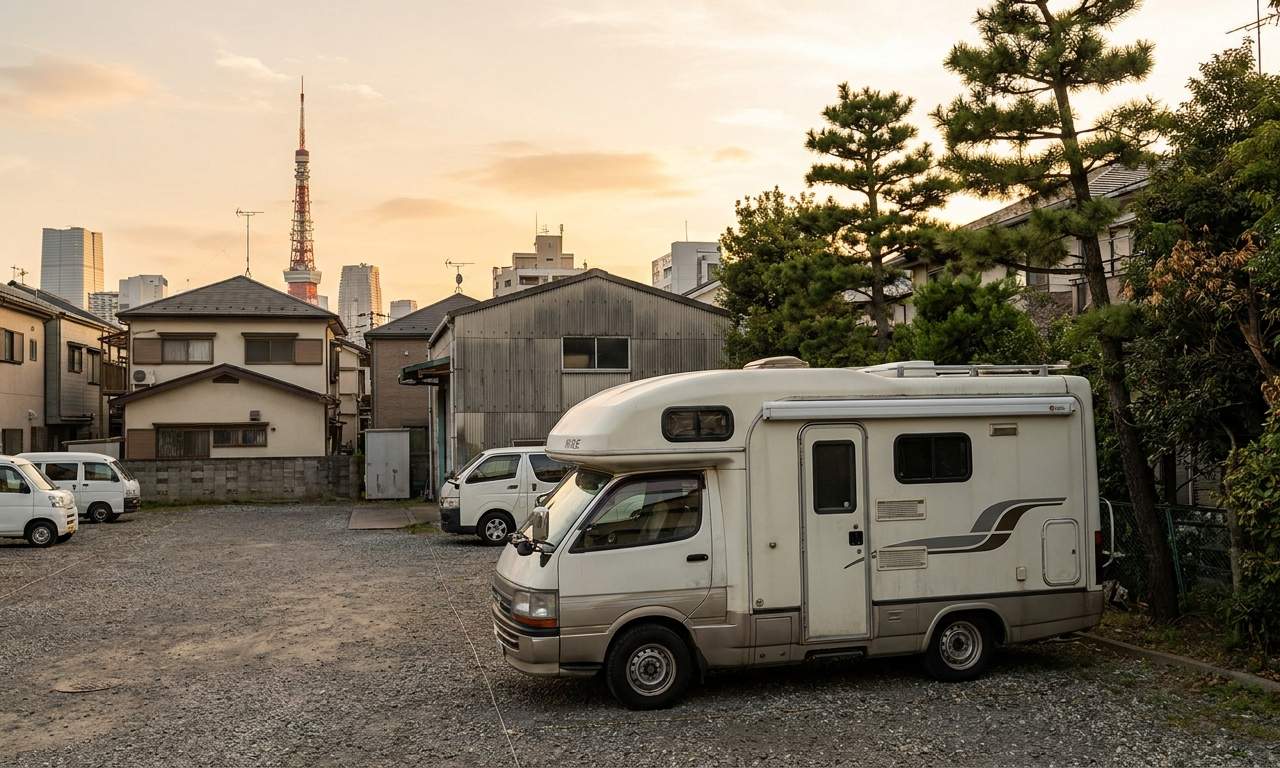
Overnight RV parking in Japan is primarily permitted at designated Michi-no-Eki (roadside stations) and dedicated RV parks or campgrounds, with many of these offering free parking. Popular options near Tokyo include Michi-no-Eki like Hachioji Takiyama and Ichihara, which provide 24-hour restrooms and amenities, often with local markets. Dedicated RV parks and private campgrounds typically offer more services, such as electrical hookups, but will charge a nightly fee. Wild camping or general roadside overnight parking is generally discouraged and often illegal, so it’s best to stick to designated areas. For urban access, consider parking on the city's periphery and utilizing Tokyo's efficient public transport, as central Tokyo RV parking is scarce and expensive. It's crucial to adhere to cultural etiquette: maintain low noise levels, avoid setting up camp outside your RV, dispose of waste properly, and never dump grey or black water outside designated facilities. For more itinerary ideas that consider parking, check out our guide to RV Rental Tokyo - Complete Guide 2026.
Is it safe to travel in Japan in an RV
Traveling by RV in Japan is exceptionally safe, reflecting the country's globally recognized low crime rates and highly organized society. You can expect a secure environment for both yourself and your belongings. Japanese roads are generally well-maintained, and drivers are known for adhering to traffic laws, contributing to a safe driving experience. Emergency services are efficient and reliable, though it's always advisable for renters to have emergency contact information readily available. The primary safety consideration involves natural events like earthquakes or typhoons; however, Japan's infrastructure is robust, and timely warnings are typically issued. Staying informed about local news and weather forecasts is a prudent practice for any traveler exploring Japan in an RV. To compare rental prices across different suppliers, our article on RV Rental Deals in Tokyo - Latest Offers 2026 can be very useful.
What You Shouldn't Miss
- Seek out less crowded local temples and shrines for moments of quiet reflection and authentic cultural immersion.
- Dine at family-run eateries in smaller towns to savor authentic regional dishes and experience local hospitality.
- Explore morning markets (asaichi) for a vibrant display of local produce, artisanal crafts, and unique souvenirs.
- Discover traditional crafts or participate in agricultural experiences like fruit picking or visiting sake breweries for a hands-on cultural encounter.
- Experience the unique Umihotaru Parking Area on the Tokyo Bay Aqua-Line for unparalleled ocean views from an artificial island, offering shops and dining.
- Take advantage of the compact nature of Kei Campers to explore narrow streets and find convenient parking in and around Tokyo.
Final Thoughts
An RV journey through Tokyo and its surroundings offers an unparalleled way to experience Japan's diverse beauty, from bustling cityscapes to serene natural landscapes. By planning your route, choosing the right vehicle, and embracing the spirit of slow travel, you're set for an unforgettable adventure. Bandana Caravan is here to help you navigate every step, ensuring your rental process is transparent and stress-free.
Get inspired for your next trip and discover top destinations, planning tips, all in one place! Plan a trip itinerary in advance with minimal effort and maximum enjoyment. We are true RV specialists, not just a side department of a travel agency, dedicated to making your RV rental dreams a reality.
Find Motorhome Rentals in Tokyo