In This Guide
- Best Spain RV Itinerary for RV Rental - Overview
- 7-Day Classic Route in Spain
- 14-Day Extended Journey in Spain
- Recommended RVPlan Trip for Spain
- Must-See Stops Along the Way (Avi Bandana Picks)
- Daily Driving Distances & Drive Times in Spain
- Best RV Class for This Itinerary - Couple & Family Picks
- What are the legal requirements and regulations for RV rental in Spain?
- How much does an RV rental trip in Spain cost?
- What are key cultural tips and etiquette for RV travel in Spain?
- How to ensure safety and handle emergencies during an RV trip in Spain?
- How do I choose the best RV for Spain's roads and maintain it?
- Where can I find unique and authentic experiences with an RV in Spain?
- What is the best time of year for an RV trip in Spain?
- What are the best connectivity and tech options for RV travel in Spain?
Best Spain RV Itinerary for RV Rental - Overview
A classic RV trip in Spain typically involves 7-14 days to explore a region thoroughly, allowing for a deep dive into its unique culture and landscapes. This suggested duration promotes leisurely travel, with approximately 100-150 km (60-90 miles) of driving daily, ensuring you have ample time to soak in every destination. Optimal seasons for RV travel in Spain are spring (April-May) and autumn (September-October) to comfortably avoid both extreme summer heat and large tourist crowds. An ideal itinerary, such as exploring the cultural heart of Andalusia, might span roughly 1,000 to 2,000 km depending on your desired depth of exploration. For live availability and current prices, start with our RV Rental Spain - Complete Guide 2026 guide. We've been helping tens of thousands of travelers explore the world by rented RV since 2001, offering direct partnerships with over 50 leading RV suppliers worldwide, including trusted names like El Monte and Apollo.7-Day Classic Route in Spain
A captivating 7-day RV itinerary in Spain can immerse you in the rich history and vibrant culture of Andalusia, a region perfect for motorhome adventures. Starting your rented motorhome journey in Málaga, Day 1 takes you to Ronda (approx. 100 km), where you can marvel at the Puente Nuevo bridge and visit the historic Plaza de Toros before settling at Camping El Sur. Day 2 moves you to Seville (approx. 130 km), a city famed for its stunning Alcázar and majestic Seville Cathedral; Area Camper Sevilla provides a convenient overnight spot. On Day 3, dedicate your time to exploring Seville further, perhaps the charming Triana neighborhood or the grand Plaza de España. Day 4 involves a scenic drive to Córdoba (approx. 140 km), home to the awe-inspiring Mezquita-Cathedral and the winding streets of the Jewish Quarter, with Parking La Victoria as a suggested overnight stop. Continue your adventure on Day 5 to Granada (approx. 160 km), ensuring you book tickets for the iconic Alhambra well in advance, and make Camping Granada your base. Day 6 allows for a full exploration of Granada's Albaicín and Sacromonte districts, absorbing the local atmosphere. Finally, Day 7 brings you back to Málaga (approx. 130 km) to return your rented campervan, concluding your week-long trip with memories of coastal charm and delicious Spanish tapas. Our offerings include options like the `cruise america example EX-Group A` campervan, which boasts a comfortable double bed (150/195cm) and a 100 Liter fresh water tank, making it an ideal choice for couples exploring this route.14-Day Extended Journey in Spain
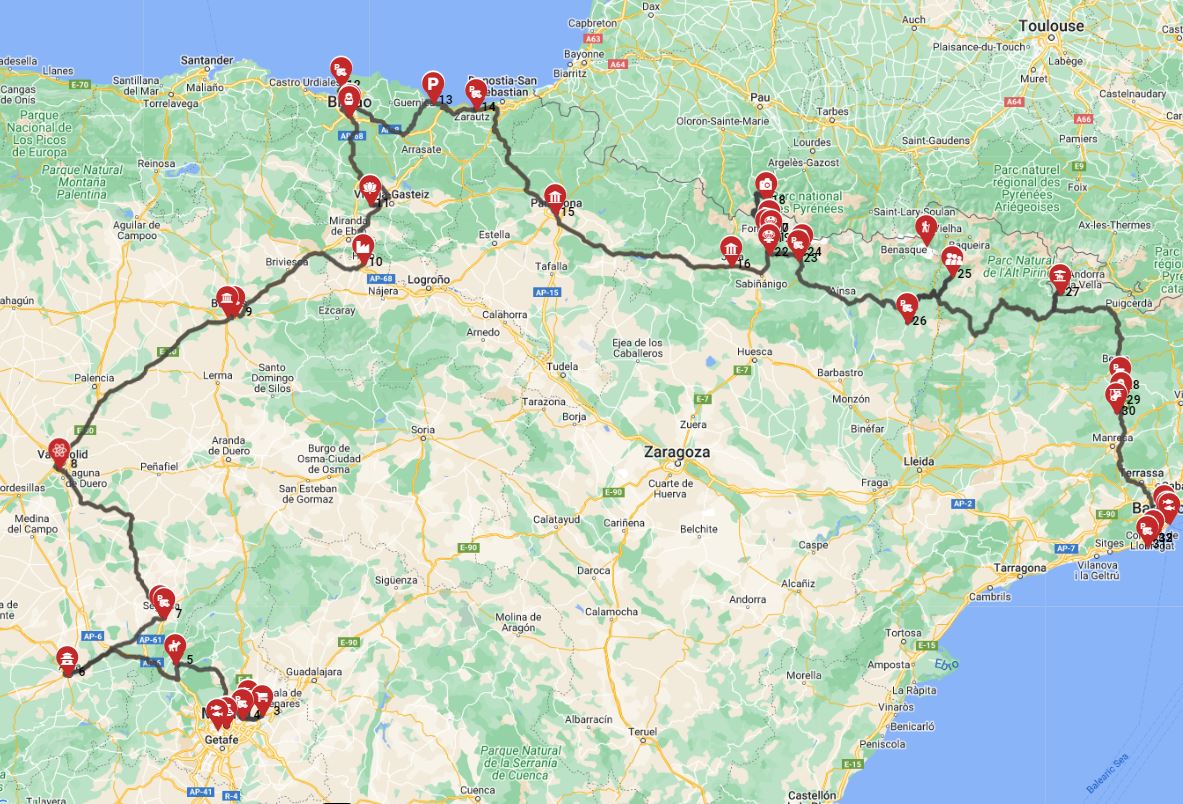
An extended 14-day RV journey in Spain allows for a more comprehensive exploration, venturing beyond a single region to uncover diverse landscapes and cultural treasures. Your adventure could begin with Days 1-3 in Catalonia, driving from Barcelona to Tarragona and then to Valencia (approx. 450 km total), where you can discover Gaudí's architecture, ancient Roman ruins, and Valencia's futuristic City of Arts and Sciences, finding campsites near each city. For finding campsites and campgrounds during your trip, we recommend using RV PLANET (rvplan.net) - a great resource for locating available spots along your route. Days 4-6 can lead you along the Eastern Coast and into the mountains, from Valencia to Teruel and then Zaragoza (approx. 400 km total), where you'll find unique Mudéjar architecture, dinosaur remains, and the Basilica del Pilar, with rural campsites providing serene overnight stays. The journey continues with Days 7-9 into the Basque Country, spanning Zaragoza, Pamplona, and the culinary capital of San Sebastián (approx. 350 km total), offering the thrilling running of the bulls route, stunning coastal views, and world-renowned Basque cuisine. For Days 10-12, head into Central Spain, traveling from San Sebastián to Burgos and then to Madrid (approx. 600 km total), allowing you to visit the magnificent Burgos Cathedral before immersing yourself in Madrid's vibrant city life and world-class museums, opting for campsites outside Madrid with good transport links. The final stretch, Days 13-14, takes you from Madrid to the historic 'City of Three Cultures,' Toledo, before a short return drive to Madrid (approx. 150 km total) to return your rented motorhome. This journey perfectly exemplifies the freedom of RV travel across Europe, as detailed in our "RV Rental Europe - Complete Guide 2026".Recommended RVPlan Trip for Spain
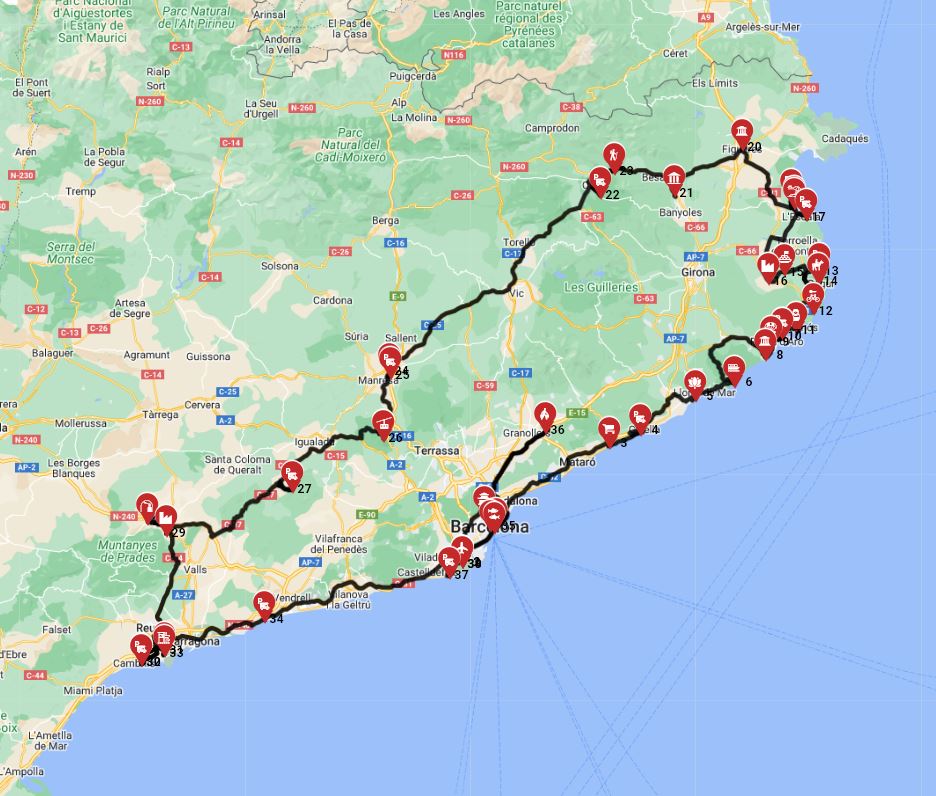
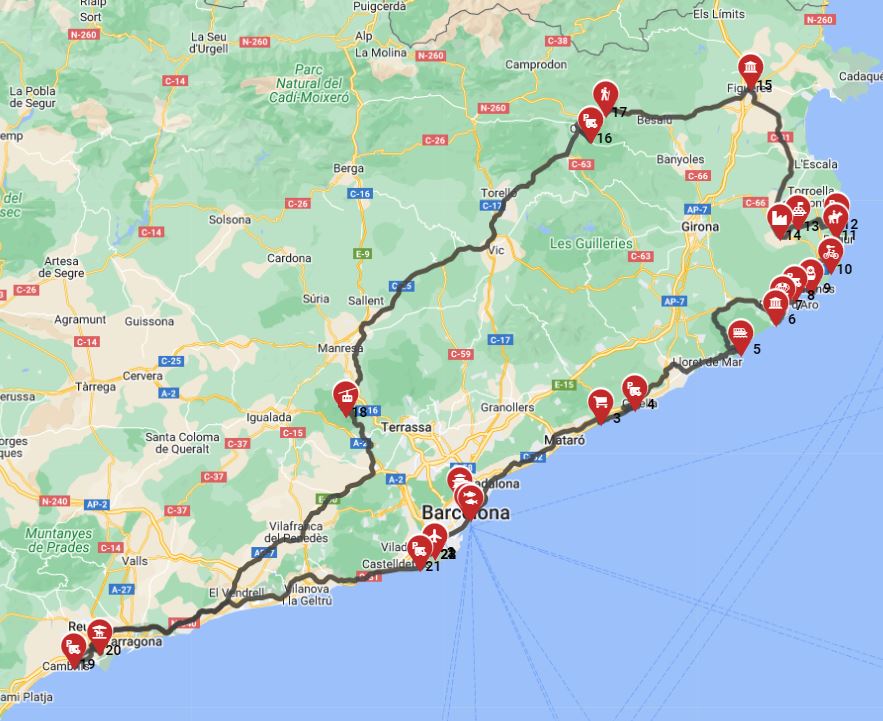
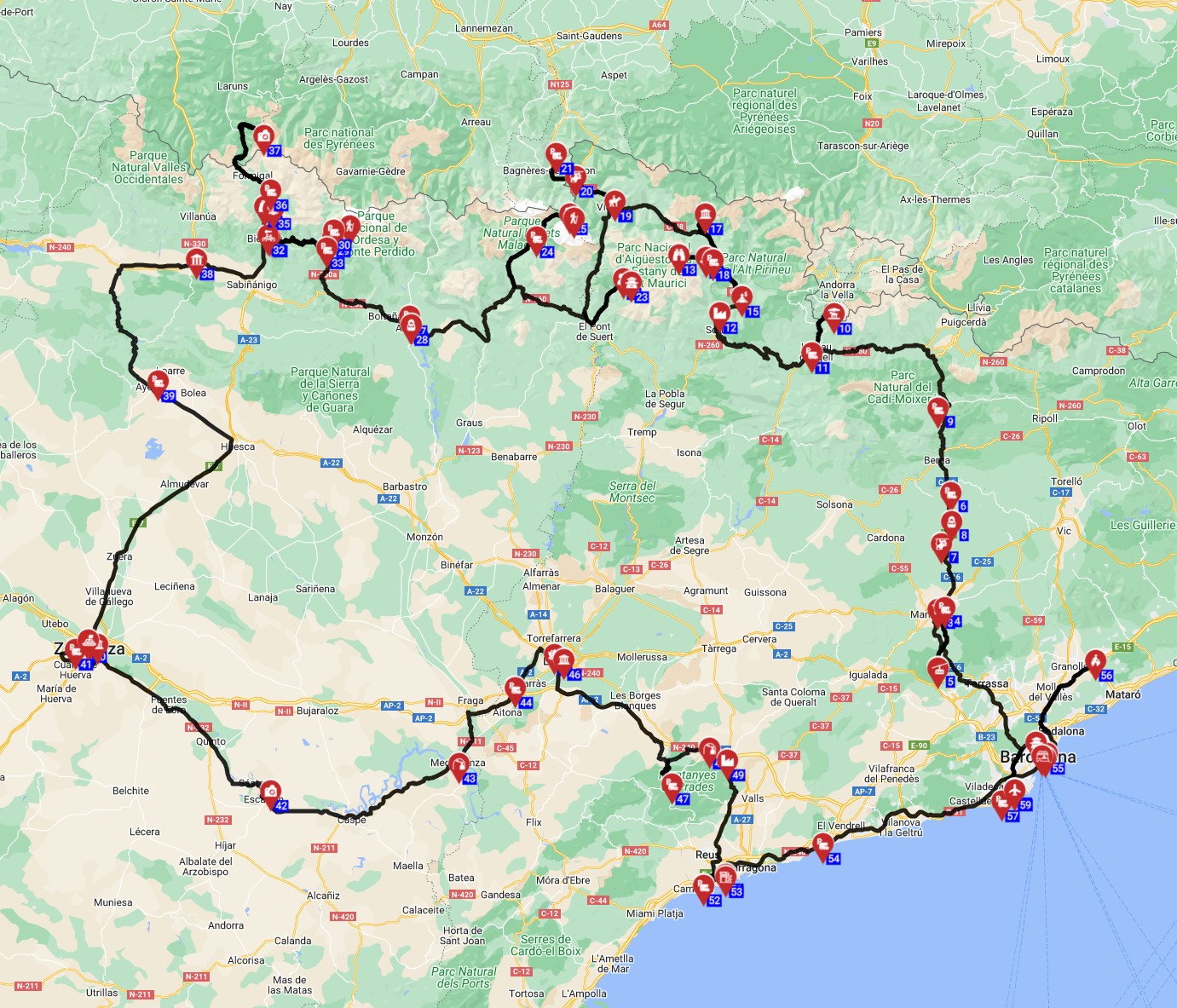
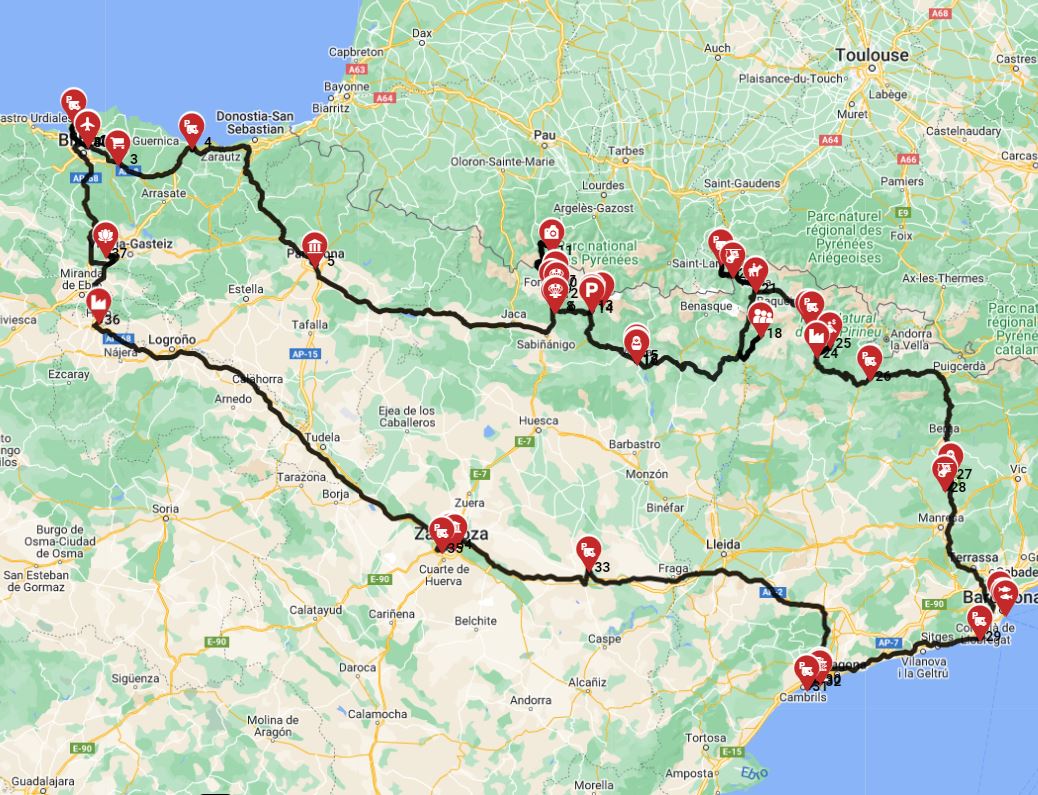
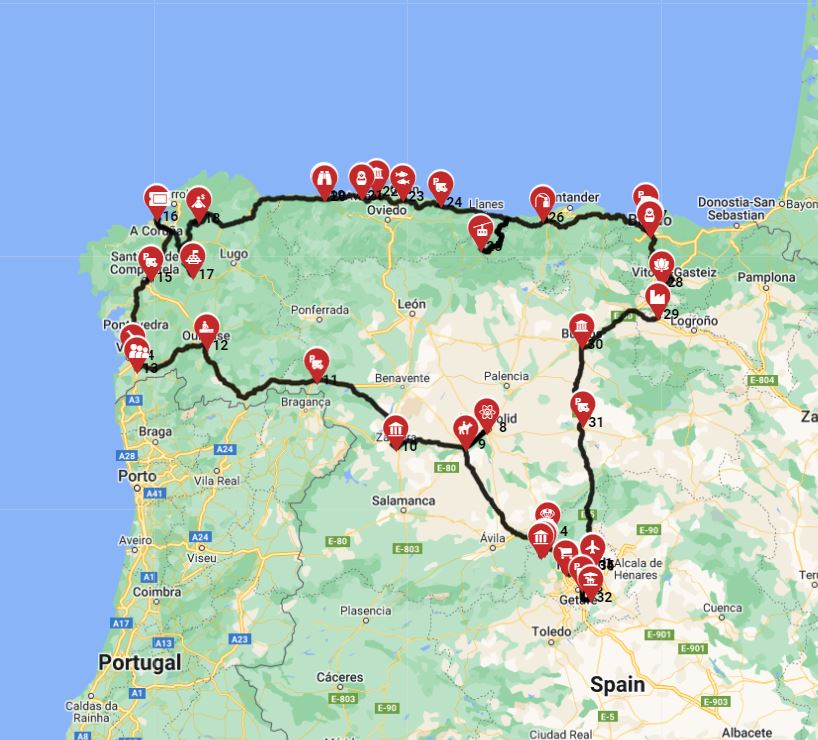
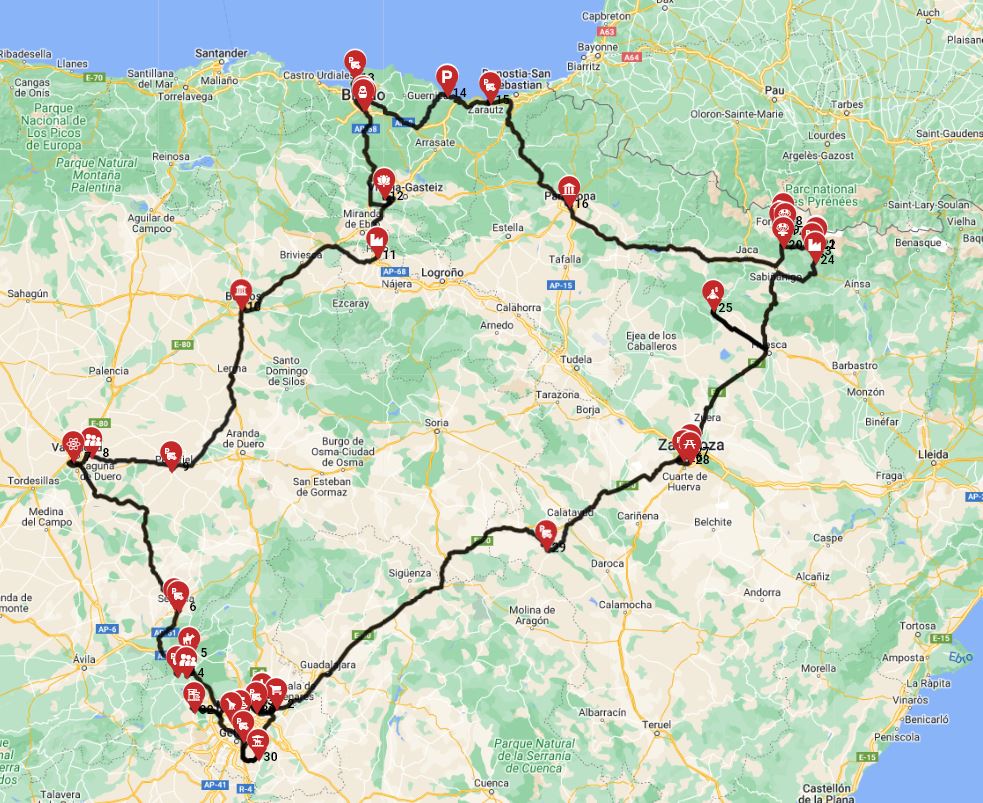
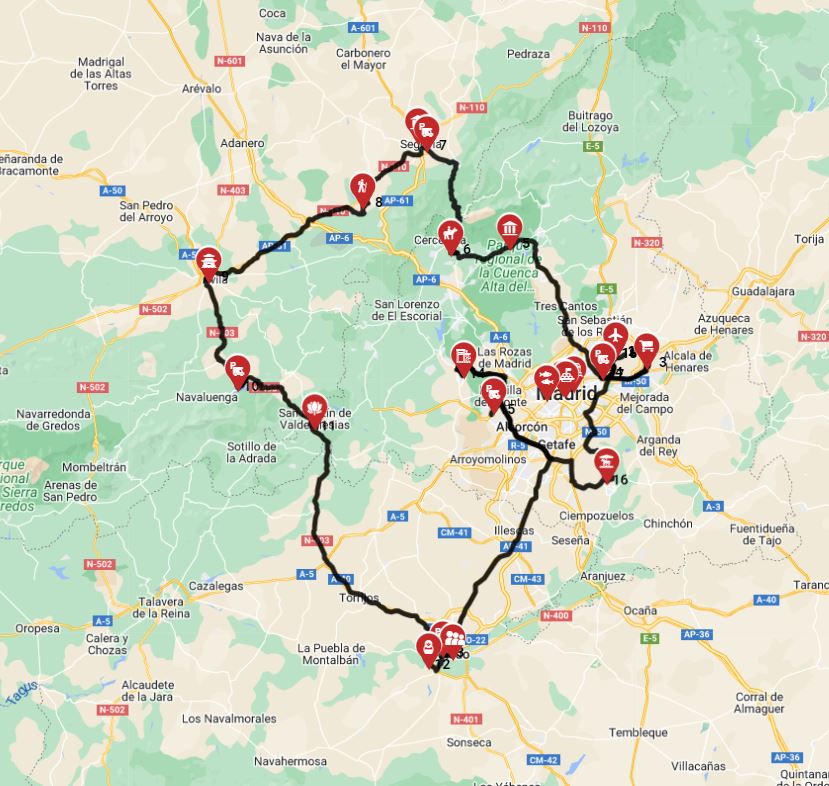
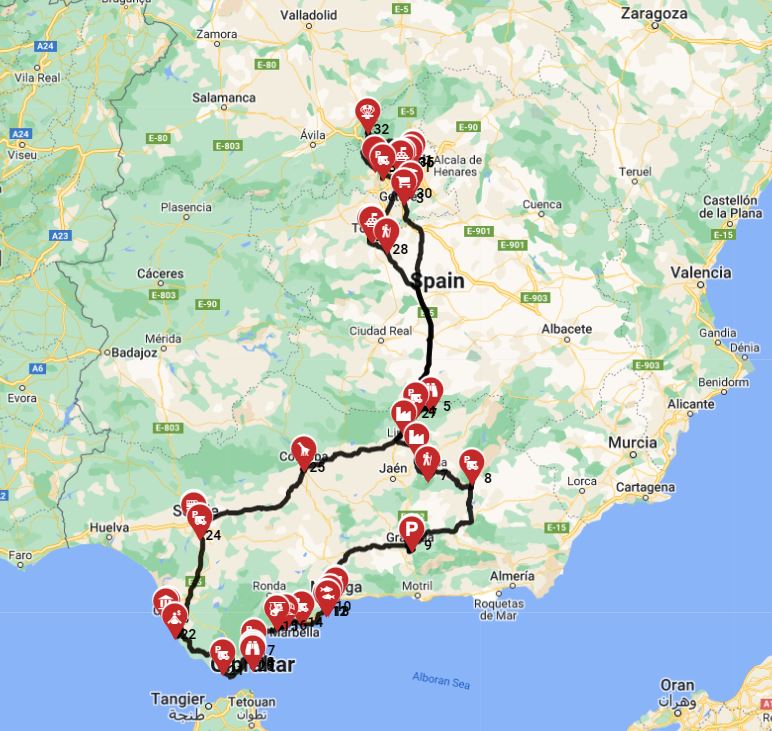
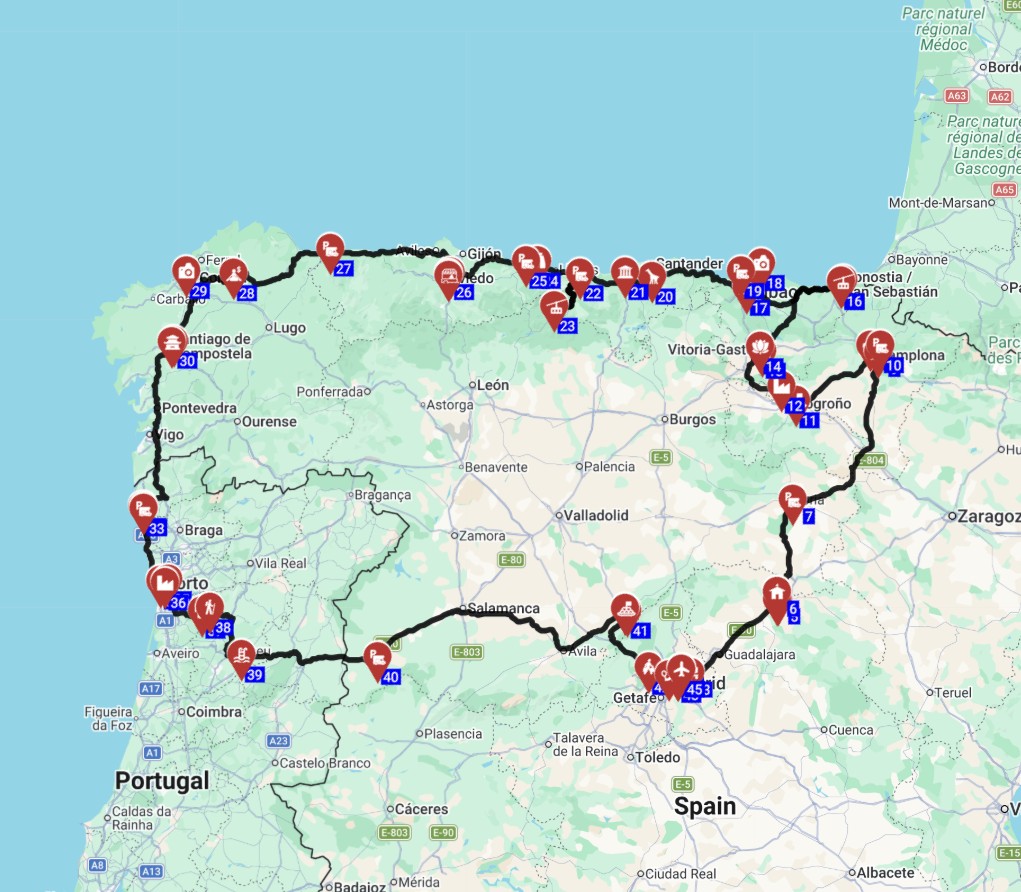
For an immersive journey that perfectly balances cultural exploration with scenic drives, Avi Bandana recommends the 'Faro Roundtrip - South Portugal & South Spain - Including Algarve, Seville, Lisbon' trip available on rvplan.net. This meticulously planned 11-day itinerary covers a total distance of approximately 1,542 km, originating and concluding in Faro, Portugal, but deeply exploring the rich landscapes and cities of Southern Spain like Seville. Access this detailed plan, complete with pre-vetted stops and expert recommendations, at RV route planner for a Motorhome road trip from Faro and visualize your adventure with this compelling image: . Our Rent&Plan service simplifies your adventure, offering pre-planned routes by professionals, and using rvplan.net for your planning can also earn you a 25% planning discount.Must-See Stops Along the Way (Avi Bandana Picks)
Looking for expert insights from Avi Bandana? Top 5 Adventures - recommendations from Avi Bandana emphasize cultural immersion and local flavor for your RV trip in Spain. First, a **Traditional Visit** to the majestic National Palace of Pena (Portugal) offers a glimpse into historical grandeur, while the Muelle de las Carabelas in Huelva provides a unique historical immersion. Next, exploring a **Local Industry**, such as a traditional olive oil mill in Andalusia, allows you to understand Spain's agricultural heritage and taste regional products firsthand. Third, immerse yourself in the vibrant atmosphere of a **Traditional Market** to discover local produce, artisanal goods, and the true pulse of Spanish daily life, perhaps in a city like Granada or Seville. Fourth, indulge in an exquisite meal at a **Traditional Restaurant or Fine Dining** establishment, savoring regional specialties and understanding Spain's culinary prowess. Finally, ensure you dedicate time to a scenic drive through Spain's diverse landscapes, from the coastal beauty of Alicante to the mountainous vistas near Andorra, truly connecting with the scenery. Remember, with a rented motorhome, your itinerary is flexible; you can always extend your stay in a place you love.Daily Driving Distances & Drive Times in Spain
Avi Bandana recommends a maximum of 100 miles or 150 km per day on average when RVing in Spain to ensure a relaxed pace and ample time for exploration. This approach allows travelers to truly savor the journey, discover hidden gems, and avoid the rush of hurried travel, making the experience more enjoyable and less stressful. For example, driving from Seville to Córdoba (approx. 140 km) typically takes around 1 hour 45 minutes, while a journey from Madrid to Toledo (approx. 70 km) is about 1 hour, demonstrating that even short distances can connect major attractions. Allowing for stops, breaks, and navigating city approaches, these distances usually translate to a comfortable half-day of travel, leaving the rest for sightseeing and cultural engagement. This slow travel philosophy helps you connect to the culture, the food, and the scenery, ensuring your week-long trip or extended road trip through Spain is rich and memorable. You can easily adapt these driving distances whether you choose to rent a campervan in Barcelona - Airport or a larger motorhome in Alicante - Airport.Best RV Class for This Itinerary - Couple & Family Picks
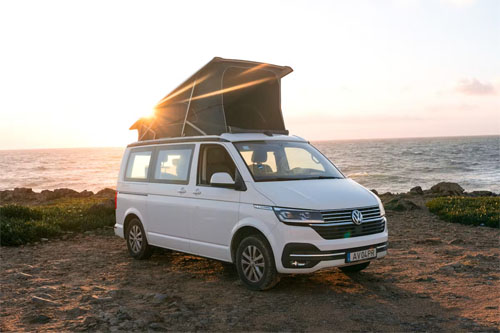
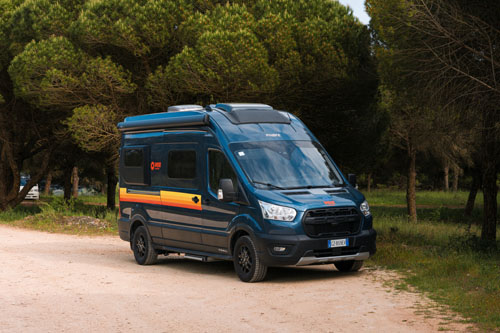
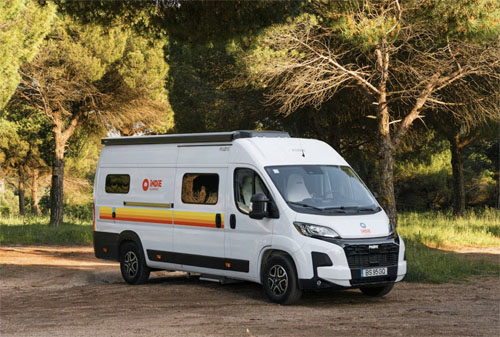
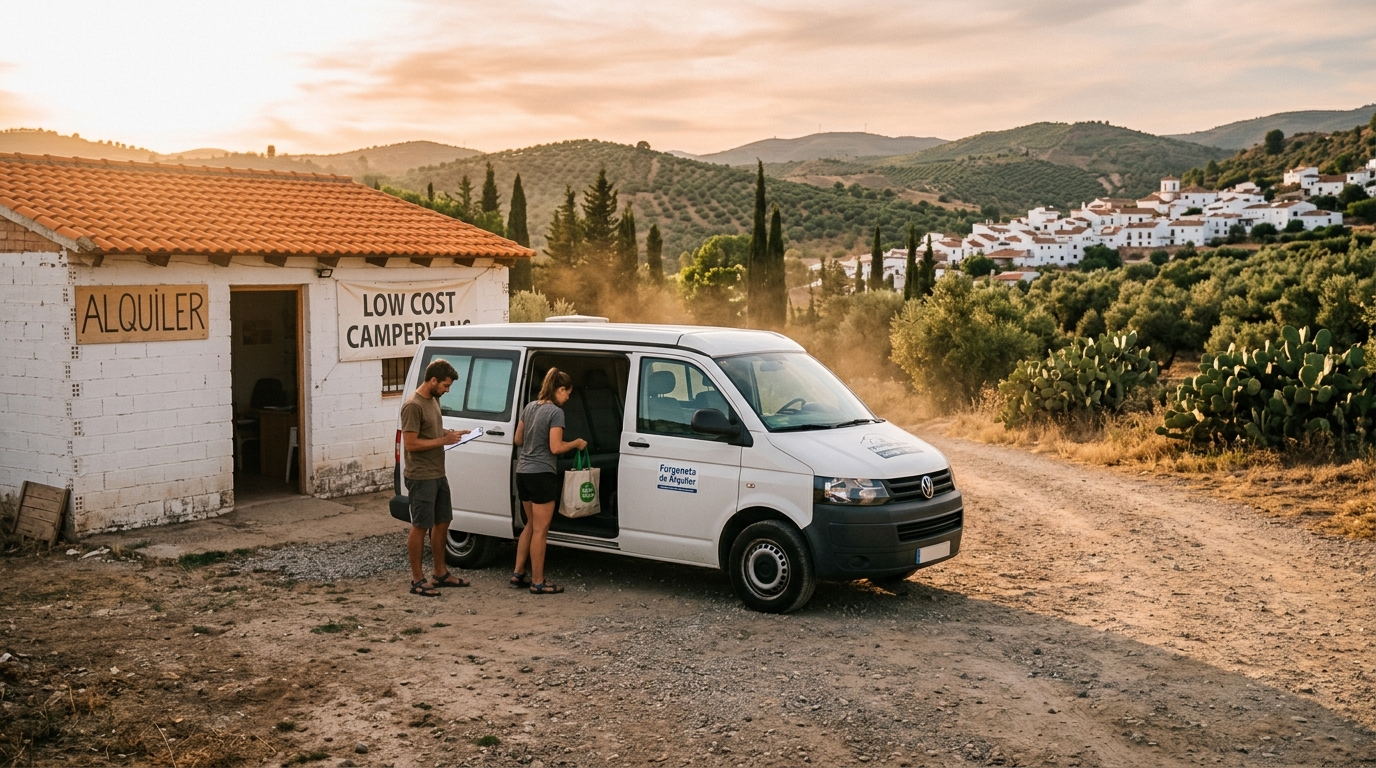
Choosing the right RV class for your Spanish adventure enhances comfort and maneuverability, especially on diverse Spanish roads. For couples, the Class B - Camper Van is highly recommended, offering an average length of 5.8 meters and sleeping places for 3.2, perfectly suiting two adults. Its compact size, exemplified by models like the `cruise america example EX-Group A` with its 5.99-meter length, makes it agile for navigating narrower village streets and city parking, while its fuel efficiency of 8-10 Liters/100 km (Bandana's fleet typically) is ideal for budget-conscious travel. You'll find such options when you compare Motorhome Prices for Spain. For families, a Class C - Alcove motorhome is an excellent choice, providing more space with an average length of 7.5 meters and 5.8 sleeping places, easily accommodating 4-5 family members. Models like `MHC24` offer a double bed over the cab (147/190cm) and a rear double bed (132/188cm), making it perfect for families seeking dedicated sleeping zones and more storage, with Bandana's fleet averaging 10-12 Liters/100 km in fuel consumption. Bandana also offers a 'Rent & Plan' service, combining RV rental with expert-designed itineraries and trip-planning software, eliminating planning headaches for both couples and families. Drive slowly and carefully, and you can drive almost anywhere without issues. No need to stress - just use common sense and pay attention, even with a larger RV.What are the legal requirements and regulations for RV rental in Spain?
Renting a motorhome in Spain requires specific documentation, including your national driver's license and an International Driving Permit (IDP) if your license is not from an EU/EEA country. Understanding Spain's `pernocta` rules is crucial; overnight parking is generally permitted where other vehicles can park, provided you are not 'camping' (e.g., deploying awnings, tables, or leveling jacks outside the vehicle). Mandatory safety gear for RVs in Spain includes a reflective safety vest for all occupants and at least two warning triangles, which must be accessible in case of a breakdown. Be aware of Environmental Zones (Zonas de Bajas Emisiones - ZBE) in Spanish cities like Madrid and Barcelona, which restrict vehicle access based on emission labels; ensure your rental RV complies or plan alternative transportation for city centers. Always research specific municipal bylaws, as local regulations can vary regarding parking and overnight stays in different towns and natural parks. Remember, a standard car driver's license is sufficient for all motorhome classes (Class A, Class B, and Class C) in Spain.How much does an RV rental trip in Spain cost?
A realistic budget for an RV trip in Spain extends beyond just rental fees, encompassing fuel, tolls, campsite fees, groceries, and activity costs. Fuel costs, typically 8-12 Liters/100 km for most RVs, are a significant expense; planning routes to avoid tolls or utilizing apps like Waze or Google Maps with 'avoid tolls' enabled can lead to substantial savings. Expect to budget €20-€40 per night for campsites, while 'pernocta' in designated overnight parking areas (often free or low-cost) can reduce accommodation expenses. Grocery spending for two people can range from €50-€80 per week if cooking most meals, offering a significant saving compared to dining out, though enjoying local tapas is highly recommended. For those looking for inspiration on RV-friendly meals, explore our RV-friendly recipes playlist. Activity costs vary widely but can be managed by balancing paid attractions with free natural parks, hiking trails, and city explorations; look for museum free entry days. Overall, a comfortable 7-day RV trip for a couple in Spain might range from €1000-€1800, including rental, fuel, and daily expenses. For detailed budgeting tools that track every expense, consider using RV PLANET routes. For more financial insights, check our "RV Rental in Spain - Prices and Best Deals 2026" guide.What are key cultural tips and etiquette for RV travel in Spain?
Navigating Spanish culture with an RV involves understanding local customs such as `siestas`, which typically mean shops and businesses close in the early afternoon, so plan your errands accordingly. Dining etiquette often involves later meal times than many visitors are accustomed to, with lunch usually between 2-4 PM and dinner starting after 9 PM; embrace the relaxed pace. Learning a few basic Spanish phrases, such as 'Hola' (hello), 'Gracias' (thank you), 'Por favor' (please), '¿Dónde está?' (Where is?), and 'Agua, por favor' (Water, please), greatly enhances interactions with locals. When interacting with local communities, always show respect for private property, noise levels, and cleanliness, especially when parked in non-designated areas. Tipping is appreciated but not mandatory; a few euros for good service in restaurants or for campground staff is a kind gesture. This cultural immersion is a highlight of RV travel in Europe, allowing you to connect to the culture, the food, and the scenery at your own pace.How to ensure safety and handle emergencies during an RV trip in Spain?
Ensuring road safety while RVing in Spain includes being prepared for diverse road conditions, from narrow mountain passes to bustling city streets, and always adhering to posted speed limits. The national speed limit for motorhomes weighing under 3,500 kg is 120 km/h on motorways and dual carriageways, 90 km/h on conventional roads, and 50 km/h in urban areas. For motorhomes over 3,500 kg, these limits are typically 90 km/h on motorways and dual carriageways, 80 km/h on conventional roads, and 50 km/h in urban areas. In case of an RV breakdown or flat tire, immediately put on your reflective vest, place warning triangles, and contact your rental company's emergency roadside assistance, as well as accessing local emergency services by dialing 112. To prevent theft, always secure your rented RV, avoid leaving valuables visible, park in well-lit and official RV areas or campsites whenever possible, and be vigilant in tourist hotspots. For medical emergencies, dial 112 for an ambulance; having travel insurance with medical coverage and carrying a basic first-aid kit are essential precautions. Keep important documents (passport, IDP, rental agreement, insurance details) organized and easily accessible, ideally in a secure but separate location from your main wallet.How do I choose the best RV for Spain's roads and maintain it?
Choosing the right RV size for Spain's roads is critical; smaller campervans (e.g., Class B, avg length 5.8m) like the `V2L` which is 5.99m long, are ideal for navigating narrow village streets and easier parking, while larger motorhomes (e.g., Class C, avg length 7.5m) offer more comfort on main highways and are suitable for a family of 2+2, such as the `Category Family 5`. For basic on-road maintenance, regularly check tire pressure, fluid levels (oil, coolant), and ensure all lights are functional before long drives, as these simple checks can prevent common issues. Familiarize yourself with the rental RV's waste disposal systems (grey and black water tanks) and fresh water tank, as proper management is key to a comfortable trip and environmental responsibility. In case of a mechanical issue, your rental company is the first point of contact, but it's helpful to know that larger towns and cities across Spain have garages (`taller mecánico`) that can assist with general vehicle repairs. Consider the number of travelers and amount of gear when selecting your RV; Bandana's fleet offers options like the `rent a campervan example Matrix M 670 SL Platinum`, which has an average load capacity of 520 kg and comfortably sleeps 5, providing ample space for essentials. Drive slowly and carefully, and you can drive almost anywhere without issues. No need to stress - just use common sense and pay attention.Where can I find unique and authentic experiences with an RV in Spain?
To discover off-the-beaten-path RV destinations in Spain, venture away from the main coastal resorts and explore lesser-known regions like Extremadura, Castilla y León, or the inland areas of Andalusia. Seek out opportunities to visit local wineries (`bodegas`) in La Rioja, engage in traditional cooking classes, or explore hidden natural parks like Sierra Norte de Sevilla. Authentic local festivals (`fiestas locales`) offer deep cultural immersion; research regional tourism boards for schedules of smaller, community-focused events beyond the major tourist attractions. Utilize apps like Park4night or Campercontact to find remote and scenic `pernocta` spots often near small villages or natural landscapes, providing direct access to local life. Engage with locals at `mercados` (markets) or small `tabernas` (taverns) to gain insights into regional customs, culinary traditions, and perhaps even discover a spontaneous local gathering. One-way RV rentals in Spain also offer great flexibility to explore different regions without backtracking. For those interested in more specialized routes, you might find inspiration in our "Pet-Friendly RV Rental in Spain - Pricing 2026" or "Luxury RV Rental in Spain - Premium Prices 2026" guides, tailored for distinct travel preferences.🎬 Video coming soon
What is the best time of year for an RV trip in Spain?
The best time of year for an RV trip in Spain is generally spring (April to May) or autumn (September to October), offering pleasant temperatures, fewer crowds, and lush landscapes. These shoulder seasons provide ideal conditions for sightseeing, hiking, and enjoying outdoor activities without the intensity of summer heat. Summer travel (June to August) brings extreme heat, especially in inland southern Spain, potentially impacting comfort, RV fuel efficiency due to constant AC use, and campsite availability in popular coastal areas. During summer, preparing for extreme heat means prioritizing campsites with electric hook-ups for AC, seeking shade, and planning activities for early mornings or late evenings. Winter travel (November to March) can be mild in southern Spain but colder and potentially snowy in mountain regions, which may lead to road closures and fewer open campsites, especially outside peak season. Consider regional climate variations: the north (e.g., Galicia, Basque Country) is greener and wetter year-round, while the south (e.g., Andalusia) is dry and hot in summer but enjoys mild winters, impacting your packing essentials. Whether you're a pre-planner or a spontaneous traveler, remember that many national/state parks reserve only 25-30% of spots, with the rest being first-come-first-serve. You'll find a spot. If not at the first campground, then the next one. Call ahead before driving to ensure availability.What are the best connectivity and tech options for RV travel in Spain?
For reliable mobile data during an RV trip in Spain, consider purchasing a local SIM card from providers like Vodafone, Orange, or Movistar upon arrival, offering affordable data packages for navigation and staying connected. Many campsites and some public areas offer Wi-Fi, but quality and speed can vary, so having a mobile data plan or portable Wi-Fi device is often more reliable for consistent connectivity. Essential apps for RVers in Spain include `Park4night` or `Campercontact` for finding campsites, `pernocta` spots, and service areas, with user reviews and offline map capabilities. Navigation apps like `Google Maps` or `Waze` provide real-time traffic updates and route planning, often allowing you to input RV dimensions to avoid unsuitable roads. Language translation apps like `Google Translate` are invaluable for communicating with locals, reading signs, and understanding menus, especially in less touristy areas. Don't forget power banks for your devices, as reliable power access can be crucial when enjoying a week-long trip through different parts of Spain.What You Shouldn't Miss
- Explore the stunning architecture of the Alhambra in Granada- a true masterpiece of Moorish design, best visited with pre-booked tickets.
- Drive a rented motorhome along Spain's Atlantic coast in Galicia to witness dramatic cliffs and the ancient Tower of Hercules lighthouse in A Coruña.
- Immerse yourself in the vibrant `tapas` culture in Seville or San Sebastián, savoring local flavors in traditional taverns.
- Discover the unique desert landscapes of the Tabernas Desert in Andalusia, offering a distinct experience from Spain's lush northern regions.
- Venture into the Cantabrian Mountains in Northern Spain for a chance to spot wild Cantabrian brown bears and enjoy breathtaking natural beauty.
- Experience a historic RV journey along the Vía de la Plata, exploring Roman ruins and thermal baths, which is a fantastic alternative to popular coastal routes.
Final Thoughts
Spain truly offers an unparalleled experience for motorhome travelers, from the sun-drenched beaches of Andalusia to the dramatic mountains of the north. With the freedom of your own rented camper, you can craft an itinerary that perfectly suits your pace and interests, whether that's a week-long immersion in a single region or an extended road trip across diverse landscapes. The beauty of RV travel lies in its flexibility, allowing you to chase stunning sunsets, explore historic towns, and savor delicious local cuisine on your own terms. Remember, planning is part of the fun, but Bandana is here to make the booking process as smooth as possible. With our transparent pricing and extensive selection of quality motorhomes and campervans, your Spanish adventure is just a few clicks away. Imagine waking up to a new view every morning, with the freedom to change your plans on a whim. That's the magic of renting an RV in Spain. Get inspired for your next trip! Discover top destinations, planning tips, all in one place! Find rv Rentals in Spain today and embark on an unforgettable journey.In This Guide
- Best Spain RV Itinerary for RV Rental - Overview
- 7-Day Classic Route in Spain
- 14-Day Extended Journey in Spain
- Recommended RVPlan Trip for Spain
- Must-See Stops Along the Way (Avi Bandana Picks)
- Daily Driving Distances & Drive Times in Spain
- Best RV Class for This Itinerary - Couple & Family Picks
- What are the legal requirements and regulations for RV rental in Spain?
- How much does an RV rental trip in Spain cost?
- What are key cultural tips and etiquette for RV travel in Spain?
- How to ensure safety and handle emergencies during an RV trip in Spain?
- How do I choose the best RV for Spain's roads and maintain it?
- Where can I find unique and authentic experiences with an RV in Spain?
- What is the best time of year for an RV trip in Spain?
- What are the best connectivity and tech options for RV travel in Spain?
Best Spain RV Itinerary for RV Rental - Overview
A classic RV trip in Spain typically involves 7-14 days to explore a region thoroughly, allowing for a deep dive into its unique culture and landscapes. This suggested duration promotes leisurely travel, with approximately 100-150 km (60-90 miles) of driving daily, ensuring you have ample time to soak in every destination. Optimal seasons for RV travel in Spain are spring (April-May) and autumn (September-October) to comfortably avoid both extreme summer heat and large tourist crowds. An ideal itinerary, such as exploring the cultural heart of Andalusia, might span roughly 1,000 to 2,000 km depending on your desired depth of exploration. For live availability and current prices, start with our RV Rental Spain - Complete Guide 2026 guide. We've been helping tens of thousands of travelers explore the world by rented RV since 2001, offering direct partnerships with over 50 leading RV suppliers worldwide, including trusted names like El Monte and Apollo.7-Day Classic Route in Spain
A captivating 7-day RV itinerary in Spain can immerse you in the rich history and vibrant culture of Andalusia, a region perfect for motorhome adventures. Starting your rented motorhome journey in Málaga, Day 1 takes you to Ronda (approx. 100 km), where you can marvel at the Puente Nuevo bridge and visit the historic Plaza de Toros before settling at Camping El Sur. Day 2 moves you to Seville (approx. 130 km), a city famed for its stunning Alcázar and majestic Seville Cathedral; Area Camper Sevilla provides a convenient overnight spot. On Day 3, dedicate your time to exploring Seville further, perhaps the charming Triana neighborhood or the grand Plaza de España. Day 4 involves a scenic drive to Córdoba (approx. 140 km), home to the awe-inspiring Mezquita-Cathedral and the winding streets of the Jewish Quarter, with Parking La Victoria as a suggested overnight stop. Continue your adventure on Day 5 to Granada (approx. 160 km), ensuring you book tickets for the iconic Alhambra well in advance, and make Camping Granada your base. Day 6 allows for a full exploration of Granada's Albaicín and Sacromonte districts, absorbing the local atmosphere. Finally, Day 7 brings you back to Málaga (approx. 130 km) to return your rented campervan, concluding your week-long trip with memories of coastal charm and delicious Spanish tapas. Our offerings include options like the `cruise america example EX-Group A` campervan, which boasts a comfortable double bed (150/195cm) and a 100 Liter fresh water tank, making it an ideal choice for couples exploring this route.14-Day Extended Journey in Spain
An extended 14-day RV journey in Spain allows for a more comprehensive exploration, venturing beyond a single region to uncover diverse landscapes and cultural treasures. Your adventure could begin with Days 1-3 in Catalonia, driving from Barcelona to Tarragona and then to Valencia (approx. 450 km total), where you can discover Gaudí's architecture, ancient Roman ruins, and Valencia's futuristic City of Arts and Sciences, finding campsites near each city. For finding campsites and campgrounds during your trip, we recommend using RV PLANET (rvplan.net) - a great resource for locating available spots along your route. Days 4-6 can lead you along the Eastern Coast and into the mountains, from Valencia to Teruel and then Zaragoza (approx. 400 km total), where you'll find unique Mudéjar architecture, dinosaur remains, and the Basilica del Pilar, with rural campsites providing serene overnight stays. The journey continues with Days 7-9 into the Basque Country, spanning Zaragoza, Pamplona, and the culinary capital of San Sebastián (approx. 350 km total), offering the thrilling running of the bulls route, stunning coastal views, and world-renowned Basque cuisine. For Days 10-12, head into Central Spain, traveling from San Sebastián to Burgos and then to Madrid (approx. 600 km total), allowing you to visit the magnificent Burgos Cathedral before immersing yourself in Madrid's vibrant city life and world-class museums, opting for campsites outside Madrid with good transport links. The final stretch, Days 13-14, takes you from Madrid to the historic 'City of Three Cultures,' Toledo, before a short return drive to Madrid (approx. 150 km total) to return your rented motorhome. This journey perfectly exemplifies the freedom of RV travel across Europe, as detailed in our "RV Rental Europe - Complete Guide 2026" guide, and can be customized with our Rent&Plan itineraries.Recommended RVPlan Trip for Spain
For an immersive journey that perfectly balances cultural exploration with scenic drives, Avi Bandana recommends the 'Faro Roundtrip - South Portugal & South Spain - Including Algarve, Seville, Lisbon' trip available on rvplan.net. This meticulously planned 11-day itinerary covers a total distance of approximately 1,542 km, originating and concluding in Faro, Portugal, but deeply exploring the rich landscapes and cities of Southern Spain like Seville. Access this detailed plan, complete with pre-vetted stops and expert recommendations, at RV route planner for a Motorhome road trip from Faro and visualize your adventure with this compelling image: . Our Rent&Plan service simplifies your adventure, offering pre-planned routes by professionals, and using rvplan.net for your planning can also earn you a 25% planning discount.Must-See Stops Along the Way (Avi Bandana Picks)
Looking for expert insights from Avi Bandana? Top 5 Adventures - recommendations from Avi Bandana emphasize cultural immersion and local flavor for your RV trip in Spain. First, a **Traditional Visit** to the majestic National Palace of Pena (Portugal) offers a glimpse into historical grandeur, while the Muelle de las Carabelas in Huelva provides a unique historical immersion. Next, exploring a **Local Industry**, such as a traditional olive oil mill in Andalusia, allows you to understand Spain's agricultural heritage and taste regional products firsthand. Third, immerse yourself in the vibrant atmosphere of a **Traditional Market** to discover local produce, artisanal goods, and the true pulse of Spanish daily life, perhaps in a city like Granada or Seville. Fourth, indulge in an exquisite meal at a **Traditional Restaurant or Fine Dining** establishment, savoring regional specialties and understanding Spain's culinary prowess. Fifth, ensure you dedicate time to a scenic drive through Spain's diverse landscapes, from the coastal beauty of Alicante to the mountainous vistas near Andorra, truly connecting with the scenery. Remember, with a rented motorhome, your itinerary is flexible; you can always extend your stay in a place you love.Daily Driving Distances & Drive Times in Spain
Avi Bandana recommends a maximum of 100 miles or 150 km per day on average when RVing in Spain to ensure a relaxed pace and ample time for exploration. This approach allows travelers to truly savor the journey, discover hidden gems, and avoid the rush of hurried travel, making the experience more enjoyable and less stressful. For example, driving from Seville to Córdoba (approx. 140 km) typically takes around 1 hour 45 minutes, while a journey from Madrid to Toledo (approx. 70 km) is about 1 hour, demonstrating that even short distances can connect major attractions. Allowing for stops, breaks, and navigating city approaches, these distances usually translate to a comfortable half-day of travel, leaving the rest for sightseeing and cultural engagement. This slow travel philosophy helps you connect to the culture, the food, and the scenery, ensuring your week-long trip or extended road trip through Spain is rich and memorable. You can easily adapt these driving distances whether you choose to rent a campervan in Barcelona - Airport or a larger motorhome in Alicante - Airport.Best RV Class for This Itinerary - Couple & Family Picks
Choosing the right RV class for your Spanish adventure enhances comfort and maneuverability, especially on diverse Spanish roads. For couples, the Class B - Camper Van is highly recommended, offering an average length of 5.8 meters and sleeping places for 3.2, perfectly suiting two adults. Its compact size, exemplified by models like the `cruise america example EX-Group A` with its 5.99-meter length, makes it agile for navigating narrower village streets and city parking, while its fuel efficiency of 8-10 Liters/100 km (Bandana's fleet typically) is ideal for budget-conscious travel. You'll find such options when you compare Motorhome Prices for Spain. For families, a Class C - Alcove motorhome is an excellent choice, providing more space with an average length of 7.5 meters and 5.8 sleeping places, easily accommodating 4-5 family members. Models like `MHC24` offer a double bed over the cab (147/190cm) and a rear double bed (132/188cm), making it perfect for families seeking dedicated sleeping zones and more storage, with Bandana's fleet averaging 10-12 Liters/100 km in fuel consumption. Bandana also offers a 'Rent & Plan' service, combining RV rental with expert-designed itineraries and trip-planning software, eliminating planning headaches for both couples and families. Drive slowly and carefully, and you can drive almost anywhere without issues. No need to stress - just use common sense and pay attention, even with a larger RV.What are the legal requirements and regulations for RV rental in Spain?
Renting a motorhome in Spain requires specific documentation, including your national driver's license and an International Driving Permit (IDP) if your license is not from an EU/EEA country. Understanding Spain's `pernocta` rules is crucial; overnight parking is generally permitted where other vehicles can park, provided you are not 'camping' (e.g., deploying awnings, tables, or leveling jacks outside the vehicle). Mandatory safety gear for RVs in Spain includes a reflective safety vest for all occupants and at least two warning triangles, which must be accessible in case of a breakdown. Be aware of Environmental Zones (Zonas de Bajas Emisiones - ZBE) in Spanish cities like Madrid and Barcelona, which restrict vehicle access based on emission labels; ensure your rental RV complies or plan alternative transportation for city centers. Always research specific municipal bylaws, as local regulations can vary regarding parking and overnight stays in different towns and natural parks. Remember, a standard car driver's license is sufficient for all motorhome classes (Class A, Class B, and Class C) in Spain.How much does an RV rental trip in Spain cost?
A realistic budget for an RV trip in Spain extends beyond just rental fees, encompassing fuel, tolls, campsite fees, groceries, and activity costs. Fuel costs, typically 8-12 Liters/100 km for most RVs, are a significant expense; planning routes to avoid tolls or utilizing apps like Waze or Google Maps with 'avoid tolls' enabled can lead to substantial savings. Expect to budget €20-€40 per night for campsites, while 'pernocta' in designated overnight parking areas (often free or low-cost) can reduce accommodation expenses. Grocery spending for two people can range from €50-€80 per week if cooking most meals, offering a significant saving compared to dining out, though enjoying local tapas is highly recommended. For those looking for inspiration on RV-friendly meals, explore our RV-friendly recipes playlist. Activity costs vary widely but can be managed by balancing paid attractions with free natural parks, hiking trails, and city explorations; look for museum free entry days. Overall, a comfortable 7-day RV trip for a couple in Spain might range from €1000-€1800, including rental, fuel, and daily expenses. For detailed budgeting tools that track every expense, consider using RV PLANET routes. For more financial insights, check our "RV Rental in Spain - Prices and Best Deals 2026" guide.What are key cultural tips and etiquette for RV travel in Spain?
Navigating Spanish culture with an RV involves understanding local customs such as `siestas`, which typically mean shops and businesses close in the early afternoon, so plan your errands accordingly. Dining etiquette often involves later meal times than many visitors are accustomed to, with lunch usually between 2-4 PM and dinner starting after 9 PM; embrace the relaxed pace. Learning a few basic Spanish phrases, such as 'Hola' (hello), 'Gracias' (thank you), 'Por favor' (please), '¿Dónde está?' (Where is?), and 'Agua, por favor' (Water, please), greatly enhances interactions with locals. When interacting with local communities, always show respect for private property, noise levels, and cleanliness, especially when parked in non-designated areas. Tipping is appreciated but not mandatory; a few euros for good service in restaurants or for campground staff is a kind gesture. This cultural immersion is a highlight of RV travel in Europe, allowing you to connect to the culture, the food, and the scenery at your own pace.How to ensure safety and handle emergencies during an RV trip in Spain?
Ensuring road safety while RVing in Spain includes being prepared for diverse road conditions, from narrow mountain passes to bustling city streets, and always adhering to posted speed limits. The national speed limit for motorhomes weighing under 3,500 kg is 120 km/h on motorways and dual carriageways, 90 km/h on conventional roads, and 50 km/h in urban areas. For motorhomes over 3,500 kg, these limits are typically 90 km/h on motorways and dual carriageways, 80 km/h on conventional roads, and 50 km/h in urban areas. In case of an RV breakdown or flat tire, immediately put on your reflective vest, place warning triangles, and contact your rental company's emergency roadside assistance, as well as accessing local emergency services by dialing 112. To prevent theft, always secure your rented RV, avoid leaving valuables visible, park in well-lit and official RV areas or campsites whenever possible, and be vigilant in tourist hotspots. For medical emergencies, dial 112 for an ambulance; having travel insurance with medical coverage and carrying a basic first-aid kit are essential precautions. Keep important documents (passport, IDP, rental agreement, insurance details) organized and easily accessible, ideally in a secure but separate location from your main wallet.How do I choose the best RV for Spain's roads and maintain it?
Choosing the right RV size for Spain's roads is critical; smaller campervans (e.g., Class B, avg length 5.8m) like the `V2L` which is 5.99m long, are ideal for navigating narrow village streets and easier parking, while larger motorhomes (e.g., Class C, avg length 7.5m) offer more comfort on main highways and are suitable for a family of 2+2, such as the `Category Family 5`. For basic on-road maintenance, regularly check tire pressure, fluid levels (oil, coolant), and ensure all lights are functional before long drives, as these simple checks can prevent common issues. Familiarize yourself with the rental RV's waste disposal systems (grey and black water tanks) and fresh water tank, as proper management is key to a comfortable trip and environmental responsibility. In case of a mechanical issue, your rental company is the first point of contact, but it's helpful to know that larger towns and cities across Spain have garages (`taller mecánico`) that can assist with general vehicle repairs. Consider the number of travelers and amount of gear when selecting your RV; Bandana's fleet offers options like the `rent a campervan example Matrix M 670 SL Platinum`, which has an average load capacity of 520 kg and comfortably sleeps 5, providing ample space for essentials. Drive slowly and carefully, and you can drive almost anywhere without issues. No need to stress - just use common sense and pay attention.Where can I find unique and authentic experiences with an RV in Spain?
To discover off-the-beaten-path RV destinations in Spain, venture away from the main coastal resorts and explore lesser-known regions like Extremadura, Castilla y León, or the inland areas of Andalusia. Seek out opportunities to visit local wineries (`bodegas`) in La Rioja, engage in traditional cooking classes, or explore hidden natural parks like Sierra Norte de Sevilla. Authentic local festivals (`fiestas locales`) offer deep cultural immersion; research regional tourism boards for schedules of smaller, community-focused events beyond the major tourist attractions. Utilize apps like Park4night or Campercontact to find remote and scenic `pernocta` spots often near small villages or natural landscapes, providing direct access to local life. Engage with locals at `mercados` (markets) or small `tabernas` (taverns) to gain insights into regional customs, culinary traditions, and perhaps even discover a spontaneous local gathering. One-way RV rentals in Spain also offer great flexibility to explore different regions without backtracking. For those interested in more specialized routes, you might find inspiration in our "Pet-Friendly RV Rental in Spain - Pricing 2026" or "Luxury RV Rental in Spain - Premium Prices 2026" guides, tailored for distinct travel preferences.🎬 Video coming soon
What is the best time of year for an RV trip in Spain?
The best time of year for an RV trip in Spain is generally spring (April to May) or autumn (September to October), offering pleasant temperatures, fewer crowds, and lush landscapes. These shoulder seasons provide ideal conditions for sightseeing, hiking, and enjoying outdoor activities without the intensity of summer heat. Summer travel (June to August) brings extreme heat, especially in inland southern Spain, potentially impacting comfort, RV fuel efficiency due to constant AC use, and campsite availability in popular coastal areas. During summer, preparing for extreme heat means prioritizing campsites with electric hook-ups for AC, seeking shade, and planning activities for early mornings or late evenings. Winter travel (November to March) can be mild in southern Spain but colder and potentially snowy in mountain regions, which may lead to road closures and fewer open campsites, especially outside peak season. Consider regional climate variations: the north (e.g., Galicia, Basque Country) is greener and wetter year-round, while the south (e.g., Andalusia) is dry and hot in summer but enjoys mild winters, impacting your packing essentials. Whether you're a pre-planner or a spontaneous traveler, remember that many national/state parks reserve only 25-30% of spots, with the rest being first-come-first-serve. You'll find a spot. If not at the first campground, then the next one. Call ahead before driving to ensure availability.What are the best connectivity and tech options for RV travel in Spain?
For reliable mobile data during an RV trip in Spain, consider purchasing a local SIM card from providers like Vodafone, Orange, or Movistar upon arrival, offering affordable data packages for navigation and staying connected. Many campsites and some public areas offer Wi-Fi, but quality and speed can vary, so having a mobile data plan or portable Wi-Fi device is often more reliable for consistent connectivity. Essential apps for RVers in Spain include `Park4night` or `Campercontact` for finding campsites, `pernocta` spots, and service areas, with user reviews and offline map capabilities. Navigation apps like `Google Maps` or `Waze` provide real-time traffic updates and route planning, often allowing you to input RV dimensions to avoid unsuitable roads. Language translation apps like `Google Translate` are invaluable for communicating with locals, reading signs, and understanding menus, especially in less touristy areas. Don't forget power banks for your devices, as reliable power access can be crucial when enjoying a week-long trip through different parts of Spain.What You Shouldn't Miss
- Explore the stunning architecture of the Alhambra in Granada- a true masterpiece of Moorish design, best visited with pre-booked tickets.
- Drive a rented motorhome along Spain's Atlantic coast in Galicia to witness dramatic cliffs and the ancient Tower of Hercules lighthouse in A Coruña.
- Immerse yourself in the vibrant `tapas` culture in Seville or San Sebastián, savoring local flavors in traditional taverns.
- Discover the unique desert landscapes of the Tabernas Desert in Andalusia, offering a distinct experience from Spain's lush northern regions.
- Venture into the Cantabrian Mountains in Northern Spain for a chance to spot wild Cantabrian brown bears and enjoy breathtaking natural beauty.
- Experience a historic RV journey along the Vía de la Plata, exploring Roman ruins and thermal baths, which is a fantastic alternative to popular coastal routes.
Final Thoughts
Spain truly offers an unparalleled experience for motorhome travelers, from the sun-drenched beaches of Andalusia to the dramatic mountains of the north. With the freedom of your own rented camper, you can craft an itinerary that perfectly suits your pace and interests, whether that's a week-long immersion in a single region or an extended road trip across diverse landscapes. The beauty of RV travel lies in its flexibility, allowing you to chase stunning sunsets, explore historic towns, and savor delicious local cuisine on your own terms. Remember, planning is part of the fun, but Bandana is here to make the booking process as smooth as possible. With our transparent pricing and extensive selection of quality motorhomes and campervans, your Spanish adventure is just a few clicks away. Imagine waking up to a new view every morning, with the freedom to change your plans on a whim. That's the magic of renting an RV in Spain. Get inspired for your next trip! Discover top destinations, planning tips, all in one place! Find rv Rentals in Spain today and embark on an unforgettable journey.On the routes offered through RV PLANET routes, you can itemize and track every expense along the way for easy budgeting.