For live availability and current prices, start with our RV Rental South Europe - Complete Guide 2026 guide.
In This Guide
- Best South Europe RV Itinerary for rv rental — Overview
- 7-Day Classic Route in South Europe
- 14-Day Extended Journey in South Europe
- Recommended RVPlan Trip for South Europe
- Must-See Stops Along the Way (Avi Bandana Picks)
- Daily Driving Distances & Drive Times in South Europe
- Best RV Class for This Itinerary — Couple & Family Picks
- What do you need to RV in Europe?
- Is it safe to RV in Southern Europe?
- What is the best way to travel around Southern Europe?
- Can you wild camp in Southern Europe?
- How much does it cost to RV in Southern Europe?
- Is it worth RVing in Europe?
- What are the RV rules in Europe?
Best South Europe RV Itinerary for rv rental — Overview
An RV journey through Southern Europe promises scenic coastal drives, historic city explorations, and truly authentic cultural immersion. This region, encompassing stunning coastlines and ancient wonders, is perfectly suited for exploration in a rented motorhome. This guide outlines routes ranging from a minimum of 7 days (approximately 500-700 km) to an extended two-week adventure (approximately 1000-1400 km), best enjoyed during the pleasant weather of spring (April-May) or autumn (September-October) to avoid summer crowds and heat. Traveling with a rented RV allows unparalleled flexibility to discover hidden gems and picturesque landscapes at your own pace, covering diverse regions like the French Riviera, the rolling hills of Tuscany, or the vibrant Iberian Peninsula. For live availability and current prices, start with our RV Rental South Europe - Complete Guide 2024 guide.7-Day Classic Route in South Europe
This classic 7-day itinerary focuses on the picturesque Provence and French Riviera, respecting a maximum daily driving distance of 150 km to ensure a relaxed pace and plenty of time for exploration. We believe in slow travel, allowing you to truly connect with the culture and scenery.- Day 1: Nice, France → Cannes, France (approx. 35 km / 22 mi). Upon picking up your rented campervan in Nice, head west along the stunning coastline. Explore the iconic Promenade de la Croisette and the charming old town of Le Suquet. Settle in at a municipal campsite near Cannes.
- Day 2: Cannes → Saint-Tropez, France (approx. 70 km / 43 mi). Drive along the beautiful coastal roads to the glamorous Saint-Tropez. Enjoy the famous harbor, browse the boutiques, and relax on the beaches. Find an RV park near Saint-Tropez for the night.
- Day 3: Saint-Tropez → Gorges du Verdon, France (approx. 100 km / 62 mi). Head inland to the breathtaking Gorges du Verdon, often called Europe's grand canyon. Spend the afternoon hiking, kayaking, or simply marveling at the turquoise waters. Overnight at a designated RV parking area or a nearby campsite.
- Day 4: Gorges du Verdon → Aix-en-Provence, France (approx. 90 km / 56 mi). Journey to the elegant city of Aix-en-Provence, known for its fountains and Cezanne's artistic legacy. Wander through its bustling markets and historic streets. A city campsite awaits your motorhome.
- Day 5: Aix-en-Provence → Arles, France (approx. 80 km / 50 mi). Discover the impressive Roman ruins of Arles, including its arena and amphitheater, and walk in the footsteps of Van Gogh. Stay at a municipal campsite here.
- Day 6: Arles → Avignon, France (approx. 45 km / 28 mi). A short drive takes you to Avignon, home to the magnificent Palais des Papes. Explore this UNESCO World Heritage site and the famous Pont d'Avignon. An RV park in Avignon will be your stop for the night.
- Day 7: Avignon → Nîmes, France (approx. 40 km / 25 mi). Conclude your week-long trip by exploring the impressive Roman Arena of Nîmes, another spectacular Roman engineering feat, before preparing for departure or continuing your adventure. Camping near Nîmes offers a final comfortable stay.
14-Day Extended Journey in South Europe
This extended two-week journey traverses Spain and Portugal, offering a deeper dive into their rich cultures and diverse landscapes, while maintaining relaxed daily driving limits of no more than 150 km. For more detailed plans, consider exploring "RV Travel Guide to South Europe - Tips and Top Spots 2024" which provides many options.- Days 1-3: Catalonia, Spain (e.g., Barcelona → Girona → Costa Brava). Begin your adventure in vibrant Barcelona with its architectural marvels and lively atmosphere. Then, drive north to explore the medieval city of Girona and the scenic Costa Brava coastline. Each day's drive will be no more than 150 km, allowing ample time for exploration. Sleep at well-equipped campgrounds.
- Days 4-5: Valencia & Central Spain (e.g., Valencia → Cuenca). Head south to experience the futuristic architecture of Valencia's City of Arts and Sciences. From there, venture inland to the unique 'hanging houses' of Cuenca, a UNESCO World Heritage site. Maintain daily drives under 150 km. Campgrounds are available for your mobile home.
- Days 6-7: Andalusia, Spain (e.g., Granada → Seville). Drive to the heart of Andalusia. Discover the breathtaking Alhambra palace in Granada and soak in the historic charm of Seville, visiting its majestic cathedral and Alcázar. Limit your daily travel to 150 km to fully immerse yourself. Secure spots at local campgrounds.
- Days 8-9: Algarve Coast, Portugal (e.g., Faro → Lagos). Cross into Portugal and immediately unwind on the stunning beaches and dramatic cliffs of the Algarve. Enjoy the coastal beauty and charming towns. Again, keep your daily driving to a maximum of 150 km. Stay at well-appointed campgrounds or RV parks.
- Days 10-11: Central Portugal (e.g., Lisbon → Sintra). Explore Portugal's vibrant capital, Lisbon, with its historic neighborhoods and Fado music. Then, take a short drive to the fairytale palaces and lush gardens of Sintra. Daily driving remains under 150 km. Plenty of campings are available around these popular areas.
- Days 12-13: Porto & Douro Valley, Portugal (e.g., Porto → Douro Valley). Journey north to discover the charming city of Porto, famous for its Port wine cellars. Indulge in a scenic drive through the world-renowned Douro Valley wine region, one of Europe's oldest demarcated wine regions. Drive no more than 150 km per day. Stay at campings or explore 'quintas' (wine estates with RV facilities). Cooking a meal with local ingredients from the Douro Valley in your rented campervan is a wonderful experience; check out our RV-friendly recipes playlist for inspiration!
- Day 14: Departure or further exploration. Conclude your journey in Porto, allowing time to prepare for departure or continue your adventure further north.
Recommended RVPlan Trip for South Europe
For travelers who prefer to minimize planning stress and maximize enjoyment, RVPLAN (rvplan.net) offers expertly crafted itineraries. While a specific 'South Europe' RVPlan trip is not highlighted here as a single package, you can explore the diverse range of pre-planned route options available on the platform, each designed by professionals to guide your journey. RVPLAN provides detailed routes, points of interest, and campsite suggestions tailored to various preferences and durations, removing the common headaches of itinerary creation. Utilizing RVPLAN ensures a well-organized and stress-free journey, allowing you to focus on enjoying the beautiful landscapes and cultures of Southern Europe. Plus, with a 25% planning discount, it's a rewarding way to enhance your adventure.Must-See Stops Along the Way (Avi Bandana Picks)
Avi Bandana recommends seeking out authentic experiences rather than just popular tourist spots, focusing on opportunities for genuine local immersion during your RV rental trip in South Europe.- Traditional Markets: Visit local 'mercados' in Spain and Portugal, 'marchés' in France, or 'mercati' in Italy (e.g., La Boqueria in Barcelona, Cours Saleya in Nice, Mercato Centrale in Florence). These vibrant hubs offer a true taste of local life, where you can sample regional produce, cheeses, cured meats, and artisanal goods. This is a fantastic way to gather fresh ingredients for meals prepared in your rented motorhome.
- Local Craft Workshops: Look for opportunities to observe or even participate in local crafts. In Portugal's Alentejo region, you might find cork product workshops. In Tuscany, Italy, explore ceramic studios or olive oil production tours. Provence, France, is famous for its lavender distillation, offering fragrant insights into local industries. These experiences offer a deeper connection to the local culture.
- Hidden Coastal Villages: To truly uncover the soul of South Europe, veer off the main tourist routes to discover less-frequented fishing villages or mountain hamlets. Places like Cadaqués in Catalonia, Spain, or tiny villages along Italy's Cinque Terre (accessible from nearby RV parking) offer glimpses where cultural traditions often remain strong and the pace of life is wonderfully slower.
- Local Industry Tours: Explore vineyards in regions like Rioja in Spain or Bordeaux in France, olive groves in Crete, or small family-run farms in rural Italy that offer tours and tastings. These provide invaluable insight into the region's agricultural heritage and culinary traditions. It’s an enriching way to support local businesses and taste the authentic flavors of your journey.
Daily Driving Distances & Drive Times in South Europe
Avi Bandana consistently recommends a maximum of 100 miles or 150 km per day on average to truly embrace the slow travel philosophy. This mindful approach allows ample time for spontaneous exploration, relaxation, and deeper engagement with each destination, preventing the rush often associated with trying to cover too much ground in a rented motorhome. Prioritizing shorter drives ensures you can savor charming towns, enjoy scenic views, and discover hidden gems at your leisure. For example, a drive from Nice to Cannes (approx. 35 km) typically takes 45 minutes to 1 hour, offering a leisurely start to your day. Traveling from Seville to Cordoba (approx. 140 km) usually takes approximately 1.5 to 2 hours, leaving the majority of your day free for sightseeing. Similarly, a journey from Florence to Siena (approx. 70 km) usually takes 1 to 1.5 hours, providing a relaxed pace to soak in Tuscany's beauty. Drive slowly and carefully, and you can drive almost anywhere without issues. No need to stress - just use common sense and pay attention.Best RV Class for This Itinerary — Couple & Family Picks
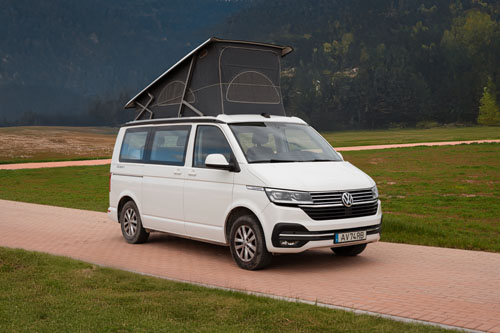
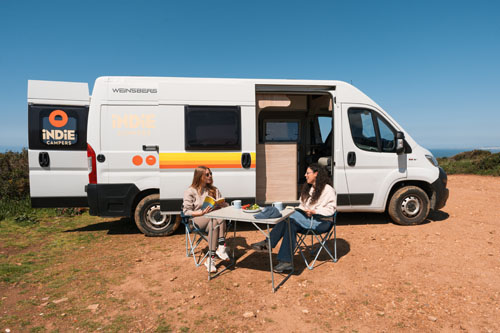
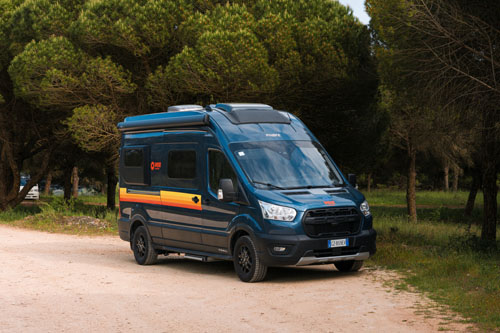
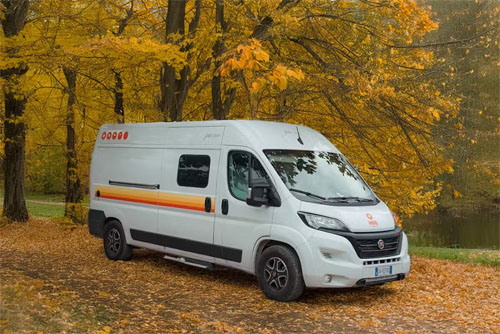
Choosing the right RV class significantly enhances your Southern European adventure, balancing comfort, maneuverability, and space for your travel party. Bandana RV offers a wide selection from its direct partnerships with over 50 leading RV suppliers worldwide, including renowned names like Apollo and Britz. For Couples: Avi Bandana highly recommends the **Class B - Camper Van**. These compact motorhomes, with an average length of 5.8 meters, are ideal for navigating Southern Europe's narrower roads and bustling city centers. Their smaller footprint makes parking in towns and cities much simpler. Our fleet of Class B campervans typically offers around 3.2 sleeping places and comfortably accommodates an average of 2.7 adults, making them perfect for two travelers seeking agility and ease of parking without sacrificing essential amenities like a shower and toilet. Vehicles like the "Class I Van" or "Van" offer features such as a 65-liter fridge and 80-liter fresh water tank, making them perfect for couples. For Families: The **Class C - Alcove** is Avi Bandana's top pick for families, especially those with 2 adults and 2-3 children. With an average length of 7.5 meters, these RVs provide ample living and sleeping space, featuring an average of 5.8 sleeping places and comfortably accommodating 4.4 adults from Bandana's global fleet. The overhead alcove bed is a favorite among kids, while convertible dinettes and rear beds ensure comfort for everyone. This class also offers more storage for family essentials, larger refrigerators (like the 145-liter, three-way fridge in our "MIC" model), and typically features a full shower and enclosed chemical toilet, ensuring privacy and convenience. Our "Category Family 5" model provides 6 sleeping places, 100 liters of fresh water, and a 103-liter fridge, perfect for a family adventure. To simplify your trip planning even further, consider our 'Rent&Plan' service. This offers not only your ideal RV rental in South Europe but also a ready-made itinerary crafted by travel experts, providing full access to trip-planning software and removing the common headaches of itinerary creation.What do you need to RV in Europe?
To RV in Southern Europe, travelers primarily need a valid driving license (your national license is sufficient for all motorhome classes, but an International Driving Permit, or IDP, is often recommended alongside your national license for visitors from non-English-speaking countries), comprehensive insurance, and proper vehicle documentation (registration, green card). A standard car driver's license is sufficient for all motorhome classes (Class A, Class B, and Class C). Specific gear recommendations unique to Southern Europe include European-specific electrical adaptors for campsite hookups, reflective vests for all occupants in case of roadside stops, a warning triangle for emergencies, and reliable navigation apps that account for narrow roads, ZTLs (Limited Traffic Zones), and historic center restrictions. Connectivity solutions are crucial; consider purchasing a local SIM card upon arrival for affordable data, exploring Wi-Fi options at campsites, and downloading offline maps to ensure reliable navigation even without signal. We are true RV specialists, ready to assist with pre-booking comparison and post-booking coordination.Is it safe to RV in Southern Europe?
RVing in Southern Europe is generally safe, offering incredible freedom and beauty, but travelers should prioritize vehicle and personal security, especially in urban areas, popular tourist spots, and less-populated rural areas, by employing common-sense precautions. Always lock your rented RV, especially overnight, and never leave valuables visible or unattended. Utilize secure campsites or designated RV parks ('aires' or 'agricampeggi') overnight, which offer amenities and a safer environment. For additional peace of mind, consider extra locks on your RV doors or even portable alarms. Be aware of common scams targeting tourists, such as distraction thefts, particularly in crowded city centers. Always carry emergency contacts, including local police (112 in most EU countries), roadside assistance, and your embassy's information, readily available. Research the safety reputation of specific regions or cities you plan to visit, as conditions can vary. You can upgrade to a top-level deductible for extra peace of mind, which is an optional upgrade that many of our renters choose for their RV rental in South Europe.What is the best way to travel around Southern Europe?
Traveling by RV offers unparalleled freedom and flexibility to explore Southern Europe's diverse landscapes, from sun-drenched coastal routes to historic towns and mountainous interiors, allowing for a more immersive and personalized experience than fixed itineraries. With a rented motorhome, you can wake up to a different scenic view each day, following your own schedule. For cultural etiquette and local immersion, engage with locals respectfully by learning basic phrases in Spanish, Portuguese, French, or Italian, observing local meal times (e.g., late dinners in Spain), and dressing modestly when visiting religious sites. To find authentic, off-the-beaten-path experiences, seek out local festivals or village markets (which you can find by checking local tourism boards online), visit smaller, less-touristy villages, and dine at family-run 'trattorias' or 'tabernas' away from main squares, where genuine regional cuisine and hospitality thrive. This approach not only provides unique memories but also supports local communities.Can you wild camp in Southern Europe?
Wild camping regulations in Southern Europe vary significantly by country and even by region or municipality, and while generally discouraged or illegal in many areas, specific nuances, tolerated spots, and designated 'aires' or 'agricampeggi' often provide viable alternatives. For instance, wild camping is largely prohibited in Portugal and Spain, with strict fines, though some remote rural areas might tolerate discreet overnight parking for fully self-contained RVs. Italy also has strict rules against wild camping, but offers unique 'Agricampeggi,' which allow RVers to camp on farms, providing access to fresh produce, wine tastings, and authentic rural experiences for a small fee. France, however, offers a more lenient approach with its extensive network of 'Aires de services pour camping-cars' (motorhome service areas), many of which are free or low-cost for overnight stays, often including water and waste disposal facilities. Ethical considerations are paramount when seeking overnight spots: always leave no trace, pack out all trash, respect private property and local signage, and avoid overcrowding sensitive natural areas. Utilizing established waste disposal points for greywater and blackwater is critical to environmental protection. Alternatives like officially designated 'aires' or farm stays often provide legal, safe, and more environmentally friendly options, enhancing your RV Rental Europe - Complete Guide 2024 adventure without conflict. Always call ahead before driving to confirm availability and rules for campgrounds or 'aires.'How much does it cost to RV in Southern Europe?
The cost of a rented RV trip in Southern Europe varies widely but typically includes rental fees (ranging from €70-€200+ per day depending on RV class, model year, and season), fuel, tolls, campsite charges, and food, with careful budgeting allowing for a range of travel styles. A comprehensive budget breakdown should factor in fuel costs, which are variable by country (typically higher in Italy and France than in Spain and Portugal, averaging €1.80-€2.00 per liter for diesel as of 2026). Tolls can be significant on many Southern European motorways, especially in France and Italy, so plan accordingly by checking specific country toll systems or seeking alternative routes. Food budgeting can be optimized by cooking more from local markets (a great way to sample regional specialties and save money) versus dining out at restaurants, although enjoying local cuisine is part of the experience. We compare final prices across 50+ suppliers so you don't have to, ensuring full transparency with no hidden fees, no surprises. Potential hidden costs include ferry fees for island excursions, specific parking fees in popular tourist areas (which can be €10-€30 per day), potential fines for ZTL violations in cities, and unexpected repairs, so budgeting an extra 10-15% for incidentals is advisable. For tracking all these costs and planning your expenses effectively, explore our RV PLANET routes, which allow travelers to itemize and track every expense along the way for easy budgeting. You can find more detailed cost insights in "Cheap RV Rental in South Europe - Budget Guide 2024" or "RV Rental in South Europe - Prices and Best Deals 2024".Is it worth RVing in Europe?
RVing in Europe is highly recommended for its unmatched flexibility, the ability to discover hidden gems off the main tourist trails, and the unique experience of slow travel that allows for deeper cultural immersion. Imagine waking up to a new vista every day, from a vineyard in Tuscany to a coastal cliff in Portugal. The freedom to change plans, stay longer in favorite spots, and cook your own meals using fresh, local produce significantly enhances the travel experience, often making it more personal and cost-effective than traditional touring. This type of travel fosters a sense of adventure and independence that is hard to match. To maximize the worth of your trip and minimize environmental impact, adopt sustainable RV travel practices such as using designated waste disposal points, conserving water and energy, supporting local businesses, and respecting natural and cultural sites, especially in popular or sensitive Southern European regions. This ensures your unforgettable adventure leaves a positive footprint. Looking for the easiest, safest, and most affordable way to rent an RV in South Europe? We compare final prices across 50+ suppliers so you don't have to.What are the RV rules in Europe?
RV rules in Europe encompass general traffic laws (e.g., driving on the right side of the road in most Southern European countries, adherence to speed limits which vary by vehicle size and road type), specific parking and overnight stay regulations (which can vary significantly by country and even municipality), and environmental zones (like ZTLs, or Limited Traffic Zones, in Italy or Crit'Air vignettes in France). Speed limits for motorhomes often differ from cars; for example, in France, larger motorhomes might have lower speed limits on certain roads. Always carry necessary documents, including your national driver's license, an International Driving Permit (recommended), vehicle registration, comprehensive insurance certificate (often a "Green Card" is required for international travel), and a valid ID. Roadside checks are common, so having these documents readily accessible is important. Be particularly mindful of ZTLs in many Southern European cities, which restrict vehicle access to historic centers and can result in hefty fines; utilize specific navigation apps that highlight these zones and plan parking outside them. Adhering to these rules ensures a smooth and enjoyable RV rental experience in South Europe.🎬 Video coming soon
What You Shouldn't Miss
- Drive Portugal's N2: Experience Europe's answer to Route 66, the Estrada Nacional 2 (EN2), a 738km journey from Chaves to Faro, traversing diverse landscapes and offering incredible regional food experiences with your rented camper.
- Explore Italian 'Agricampeggi': Discover charming farm stays in regions like Tuscany or Puglia, where you can park your motorhome, enjoy farm-to-table meals, and sample local wines and olive oils directly from producers.
- Navigate the French 'Aires': Take advantage of France's extensive network of motorhome service areas, many free, offering convenient and scenic overnight stops across the country's diverse regions.
- Wander Andalusia's White Villages: Drive your RV through the picturesque "Pueblos Blancos" (White Villages) of Andalusia, Spain, like Ronda or Grazalema, experiencing authentic local life and stunning mountain views.
- Kayak the Gorges du Verdon: Witness the breathtaking turquoise waters of Europe's grand canyon in Provence, France, by parking your RV at a nearby spot and spending a day kayaking or hiking in this natural wonder.
- Indulge in Mediterranean Cuisine: Stop at local markets and family-run eateries throughout South Europe. Use your RV's kitchen to prepare meals with fresh, regional ingredients, tasting the true essence of each country.
Final Thoughts
Embarking on a rented RV adventure through South Europe is more than just a vacation; it's an opportunity to create unforgettable memories, discover charming landscapes, and immerse yourself in rich cultures. With the freedom of your own mobile home, every day brings new possibilities, from ancient ruins to sun-kissed beaches. Remember to embrace the spirit of slow travel, allowing yourself to truly savor each moment and connect with the heart of this incredible region. We at Bandana RV are here to support you every step of the way, from comparing the best rental deals to helping you plan your perfect route. Our commitment to full transparency and genuine RV expertise means you can book with confidence, knowing you're in capable hands. So, pack your bags, choose your ideal motorhome, and get ready for the journey of a lifetime. Life is now - let your South European RV adventure begin! Compare Motorhome Prices for South EuropeOn the routes offered through RV PLANET routes, you can itemize and track every expense along the way for easy budgeting.