For live availability and current prices, start with our RV Rental South Europe - Complete Guide 2026 guide.
In This Guide
- Best South Europe RV Itinerary for rv rental deals — Overview
- 7-Day Classic Route in South Europe
- 14-Day Extended Journey in South Europe
- Recommended RVPlan Trip for South Europe
- Daily Driving Distances & Drive Times in South Europe
- Best RV Class for This Itinerary — Couple & Family Picks
- What are the best RV rental deals in South Europe
- What are the best RV routes in South Europe
- How much does it cost to rent an RV in South Europe
- What documents do I need to rent an RV in South Europe
- Can I wild camp with an RV in South Europe
- What are the best RV parks in South Europe
- Is RV travel safe in South Europe
- What are the driving laws for RVs in South Europe
- What is the best time of year to RV in South Europe
- Can I take an RV on a ferry in South Europe
- Are pets allowed in RV rentals in South Europe
- What kind of RV is best for South Europe
- How to find cheap RV rentals in South Europe
- What are common scams for RV travelers in South Europe
Best South Europe RV Itinerary for rv rental deals — Overview
A captivating RV journey through South Europe offers a blend of historical cities, stunning coastlines, and delicious cuisine, typically spanning at least 7 days and covering around 700-1000 km. Spring (April-June) and autumn (September-October) are the ideal seasons for travel, providing pleasant temperatures and fewer crowds than the peak summer months. Embrace the philosophy of slow travel, averaging 100-150 km per day to maximize exploration and cultural immersion. You'll encounter diverse landscapes, from Portugal's rugged Atlantic shores to the idyllic Aegean islands of Greece. When budgeting, remember to account for the RV rental itself, fuel costs, potential road tolls (which can be significant in some countries), and either paid campsites or the nuances of wild camping alternatives. When planning your adventure, consider leveraging resources like RV PLANET routes to discover expertly curated itineraries that can simplify your planning process. For those seeking the most value, booking your RV rental well in advance, typically 3-6 months ahead, can secure early bird discounts of up to 25%, especially crucial for peak season travel. To make the most of your trip, aim for rental durations of at least one week or longer, as this often unlocks better daily rates and allows for a more relaxed pace. For instance, comparing RV rental prices in South Europe reveals that a 1-week trip might cost between €560-€1400 for a Class C motorhome, depending on the season and model. Families might find that a larger RV, like a 6-berth model, is more cost-effective per person than two smaller vehicles. Remember to check the availability of one-way rentals, which often come with a relocation fee ranging from €150 to €500, depending on the route and season. On the routes offered through RV PLANET routes, you can itemize and track every expense along the way for easy budgeting.
7-Day Classic Route in South Europe
This classic 7-day itinerary offers a taste of coastal and cultural highlights in a manageable loop, perfect for first-time RVers exploring South Europe. The focus is on experiencing diverse landscapes and historical richness without excessive daily mileage.
- Day 1: Lisbon, Portugal → Évora (130 km) - Explore the historic city of Évora, a UNESCO World Heritage site, and its ancient Roman Temple. Sleep: Local campsite or designated RV park near Évora.
- Day 2: Évora → Lagos, Algarve (220 km) - Drive south to the stunning Algarve coast, known for its dramatic cliffs and golden beaches. Sleep: Campsite near Lagos or Faro.
- Day 3: Lagos → Seville, Spain (190 km) - Cross into Spain and head to the vibrant city of Seville, home to the Alcázar and Seville Cathedral. Sleep: RV parking outside the city center, accessible by public transport.
- Day 4: Seville → Ronda (130 km) - Journey through Andalusia to the dramatic clifftop town of Ronda, famous for its Puente Nuevo bridge. Sleep: RV park or designated area in Ronda.
- Day 5: Ronda → Granada (180 km) - Continue to Granada, a city rich in Moorish history, dominated by the magnificent Alhambra palace. Sleep: Campsite near Granada (book Alhambra tickets in advance).
- Day 6: Granada → Valencia (490 km) - (Longer drive, consider breaking it up or starting early). Head towards the Mediterranean coast to the modern city of Valencia. Sleep: Campsite near Valencia.
- Day 7: Valencia → Barcelona (350 km) - Conclude your journey in Barcelona, offering Gaudi architecture and bustling city life. Sleep: RV park outside Barcelona with easy metro access.
14-Day Extended Journey in South Europe
For a more in-depth experience of South Europe's diverse regions, this 14-day itinerary allows for a more leisurely pace, covering Portugal and Spain with a focus on cultural heritage and coastal beauty.
Portugal's Historic Heart & Coast
- Day 1: Lisbon → Sintra & Cascais (50 km) - Explore the fairy-tale palaces of Sintra and the coastal charm of Cascais. Sleep: Campsite near Sintra/Cascais.
- Day 2: Sintra → Nazaré (110 km) - Visit the famous big-wave surfing town of Nazaré and its stunning viewpoints. Sleep: Campsite in Nazaré.
- Day 3: Nazaré → Porto (210 km) - Drive north to Porto, known for its port wine cellars and historic Ribeira district. Sleep: RV park outside Porto.
- Day 4: Porto → Douro Valley (100 km) - Immerse yourself in the picturesque Douro Valley, tasting local wines. Sleep: Quinta or designated RV area in Douro Valley.
- Day 5: Douro Valley → Coimbra (150 km) - Visit Coimbra, home to one of Europe's oldest universities. Sleep: Campsite in Coimbra.
- Day 6: Coimbra → Algarve Coast (280 km) - Head south to the sun-drenched beaches and cliffs of the Algarve. Sleep: Campsite near Albufeira or Faro.
Andalusia's Moorish Legacy & Mediterranean Charm
- Day 7: Algarve Coast → Seville, Spain (190 km) - Cross into Spain to the cultural capital of Seville. Sleep: RV parking outside city center.
- Day 8: Seville → Córdoba (140 km) - Explore Córdoba's Mezquita-Cathedral and charming Jewish Quarter. Sleep: Campsite near Córdoba.
- Day 9: Córdoba → Granada (200 km) - Journey to Granada and marvel at the Alhambra. Sleep: Campsite near Granada.
- Day 10: Granada → Málaga (130 km) - Descend to the coastal city of Málaga, Picasso's birthplace. Sleep: RV park in Málaga.
- Day 11: Málaga → Gibraltar (UK) / Tarifa (160 km) - Visit Gibraltar (park RV outside) or head to Tarifa, Europe's southernmost point, for ferry views. Sleep: Campsite near Tarifa.
Coastal Beauty & Roman History
- Day 12: Tarifa → Cádiz (100 km) - Discover the ancient port city of Cádiz, rich in history. Sleep: RV parking or campsite in Cádiz.
- Day 13: Cádiz → Jerez de la Frontera (35 km) - Explore Jerez, famous for sherry wine and equestrian art. Sleep: Campsite in Jerez.
- Day 14: Jerez de la Frontera → Seville (90 km) - Return to Seville for departure, or extend your stay.
Recommended RVPlan Trip for South Europe
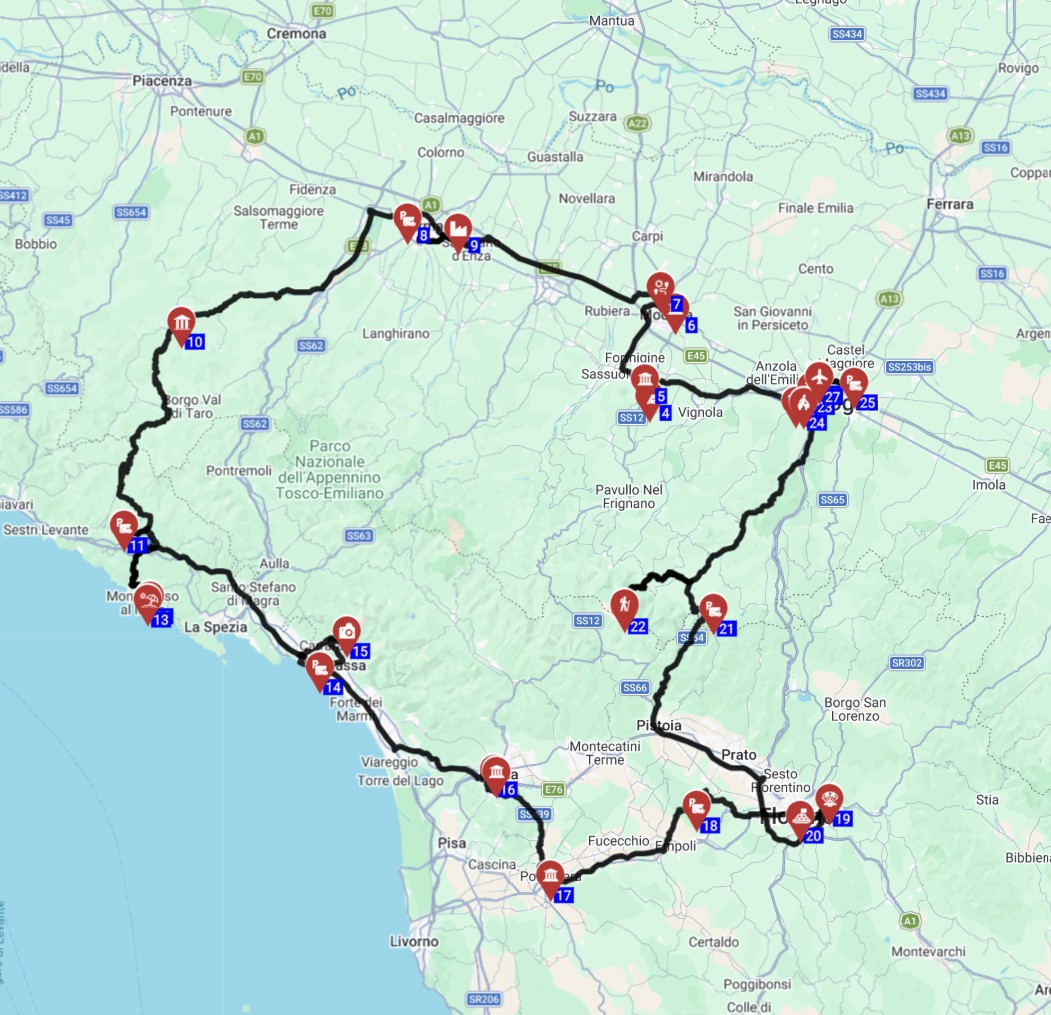
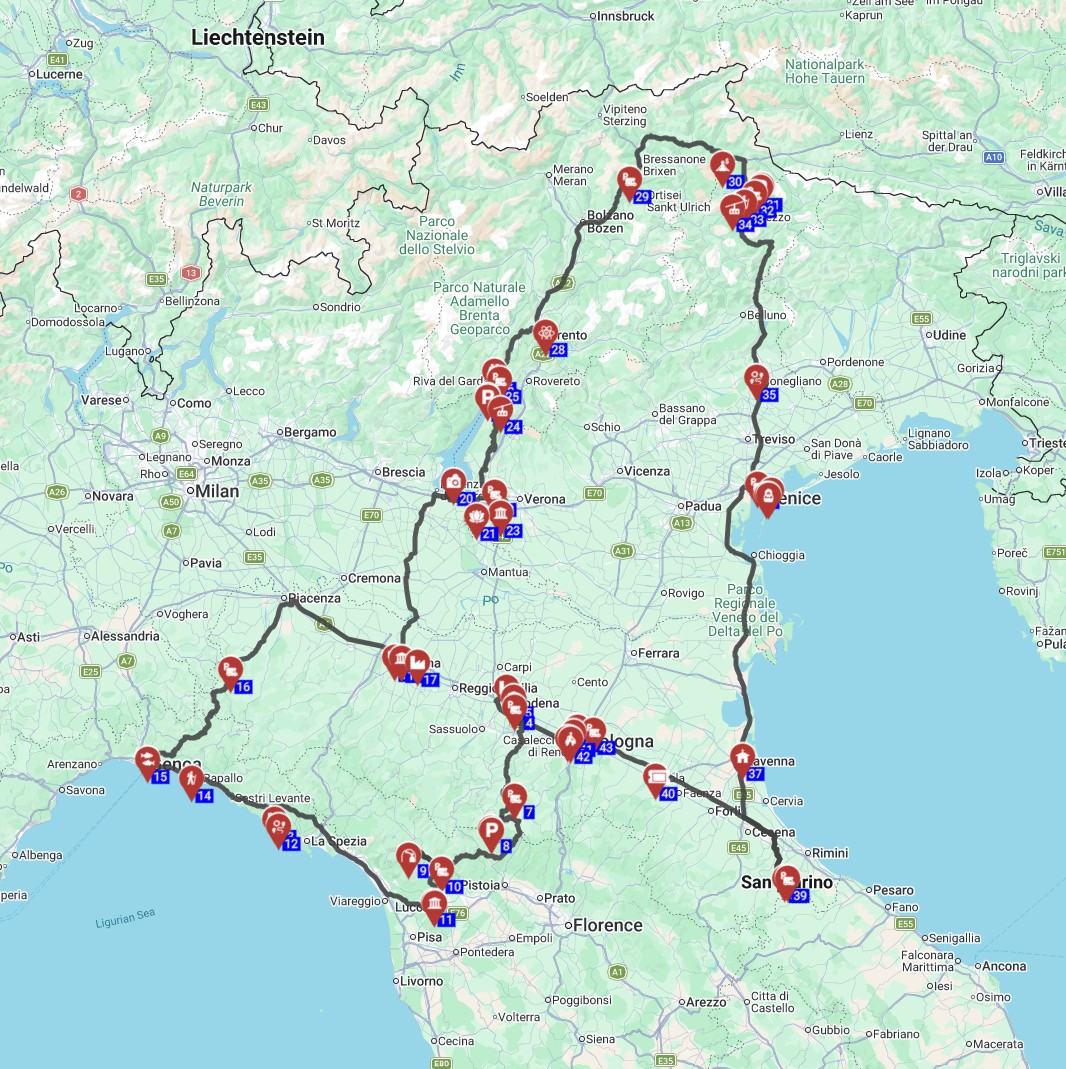
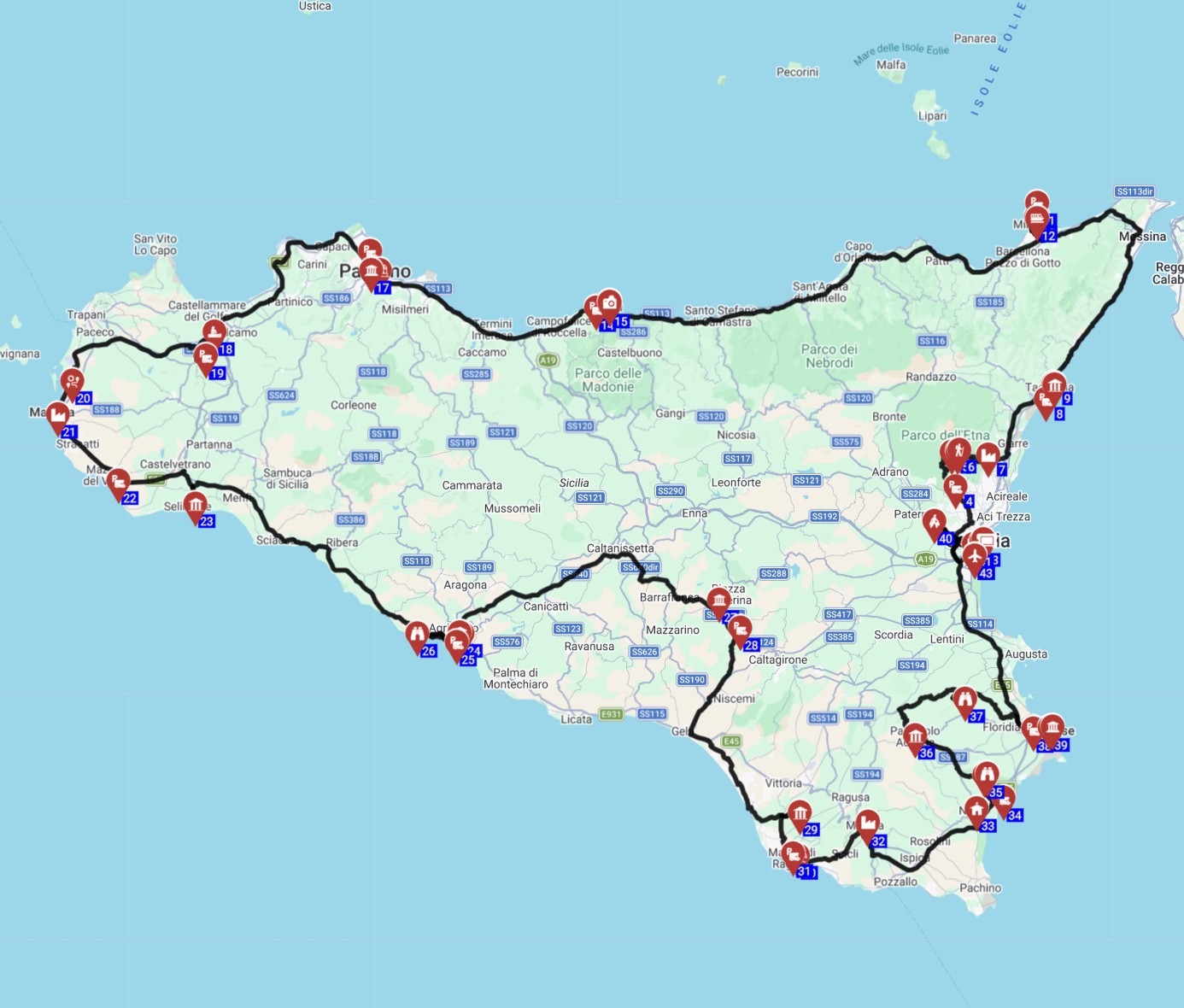
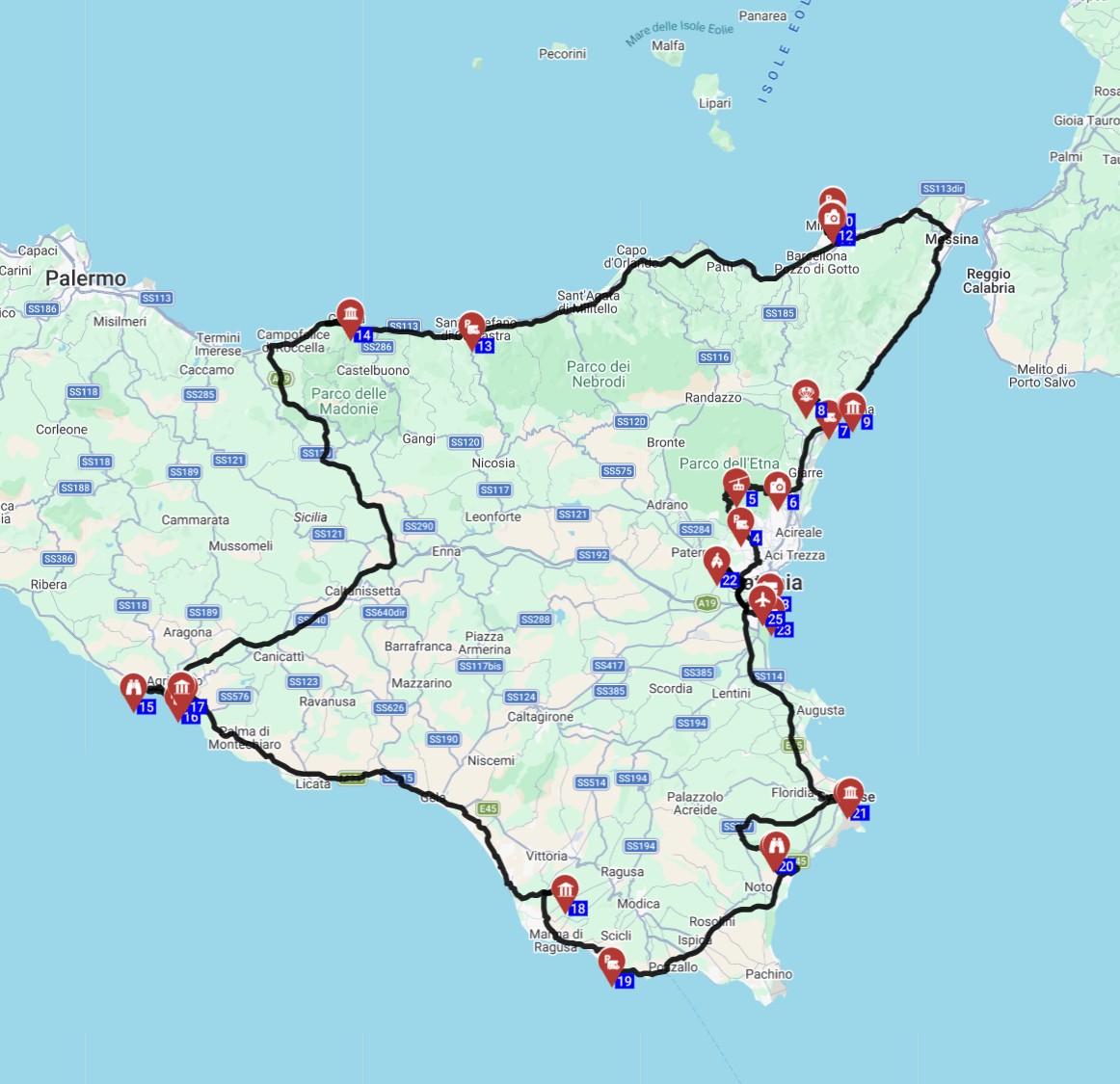
For those seeking an expertly curated adventure without the hassle of planning, exploring the diverse range of RVPlan trips is highly recommended. These pre-designed itineraries offer comprehensive routes, detailed stops, and practical advice, ensuring a seamless and enriching South European experience tailored to various preferences and durations. You can discover trips for coastal drives, mountain adventures, or cultural immersions, all crafted by travel experts. Utilizing these plans can help you save time and discover hidden gems, offering a truly optimized RV journey.
Daily Driving Distances & Drive Times in South Europe
To fully savor the journey and minimize travel stress when RVing through South Europe, it's highly recommended to maintain an average daily driving distance of no more than 100 miles (150 km). This approach allows ample time for exploration, unexpected detours, and relaxation at each destination, ensuring the journey itself is a cherished part of the vacation. For example, the drive from Lisbon to Évora (130 km) typically takes around 1.5 to 2 hours, allowing significant exploration time upon arrival. Similarly, the route from Seville to Ronda (130 km) can take about 2 hours due to winding roads, making it crucial to factor in terrain. Longer distances, such as Granada to Valencia (490 km), highlight the need to plan for an early start or consider an overnight stop halfway, especially if adhering to the recommended daily maximum.
Best RV Class for This Itinerary — Couple & Family Picks
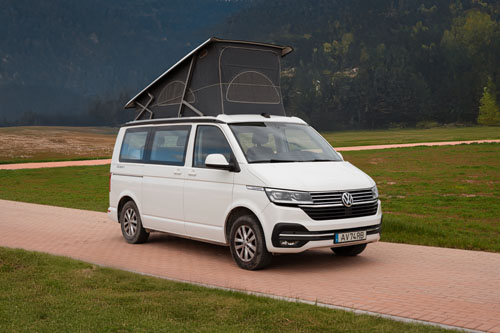
Choosing the right RV class for your South European adventure is crucial for both comfort and maneuverability. Bandana's 'Rent & Plan' service can bundle your ideal vehicle with a pre-made itinerary, simplifying your travel preparations. For couples, the Class B - Camper Van is an excellent choice due to its compact size and agility. Bandana's fleet typically features Class B camper vans with an average length of 5.8 meters, providing 3.2 sleeping places and suitability for 2.7 adults, making them ideal for navigating narrow European streets, finding parking, and offering better fuel efficiency. These are great for exploring smaller towns and scenic routes. For families, the Class C - Alcove motorhome offers a comfortable balance of space and practicality. Bandana's fleet typically includes Class C alcove models averaging 7.5 meters in length, providing 5.8 sleeping places and suitability for 4.4 adults. These offer ample living and sleeping areas for a family while still being manageable on most Southern European roads. These larger vehicles often come equipped with more amenities, making longer trips more comfortable.
What are the best RV rental deals in South Europe
The best RV rental deals in South Europe are typically found by booking well in advance (3-6 months), opting for shoulder seasons (spring and autumn), and utilizing comparison websites like Bandana Caravan, which aggregates offers from various providers. Early booking often secures early bird discounts and a wider selection of vehicles, especially for popular models. Traveling in late spring (April-June) or early autumn (September-October) avoids peak summer prices and crowds, while still offering pleasant weather. Look for special promotions, longer rental discounts, and consider picking up or dropping off at less conventional locations if your itinerary allows, which can sometimes reduce costs. Be sure to factor in all potential costs beyond the daily rental rate, including fuel, tolls, insurance, and campsite fees, as detailed in our budgeting sections. When searching for deals, consider that RV rental costs in South Europe can typically range from €80 to €200 per night. A compact camper van (Class B) might start from €80-€120/night in the shoulder season, while a larger, family-friendly alcove (Class C) could be €150-€200+/night in peak season. Don't forget insurance, which might be an additional cost or involve a higher deductible with basic rental insurance.
What are the best RV routes in South Europe
The best RV routes in South Europe often combine scenic coastal drives with historical inland journeys. Popular choices include Portugal's Algarve to Alentejo, Italy's Tuscan vineyards to the Amalfi Coast, or Croatia's Dalmatian coast, all offering diverse landscapes and rich cultural immersion. For example, a route through Spain's Andalusian wonders connects Seville, Córdoba, Granada, and Ronda, showcasing Moorish architecture, flamenco culture, and dramatic landscapes. Italy's Tuscany offers rolling hills famous for vineyards and art cities, which can be extended south to explore the stunning Amalfi Coast or Puglia's unique trulli houses.
Consider using apps like Park4Night or iOverlander to discover authentic, less-touristy spots and ensure you're aware of country-specific road conditions. This is particularly important for navigating narrow mountain passes or city restrictions, which are more prevalent in countries like Greece or Italy. For those who prefer a structured approach, exploring pre-planned routes through RV PLANET routes can provide excellent guidance and save planning time.
How much does it cost to rent an RV in South Europe
The cost to rent an RV in South Europe typically ranges from €80 to €200 per night. This price varies significantly based on RV class, rental duration, season, and any additional services chosen. A comprehensive budget should also include fuel (e.g., Bandana's Class SI semi-integrated RVs typically consume 10-11 Liters/100 km), potentially significant road tolls (especially in France, Italy, and Portugal, where specific RV toll categories can apply), and campsite fees, which can range from free wild camping alternatives to €30-€60 per night for full-service parks. Remember to factor in groceries, activities, and a contingency fund for unexpected expenses.
What documents do I need to rent an RV in South Europe
To rent an RV in South Europe, travelers typically need a valid national driving license. For non-EU licenses, an International Driving Permit (IDP) is often recommended or legally required in countries like Italy and Spain. You'll also need your passport or national ID, and a credit card for the security deposit, which can range from €1,000 to €3,000. Some companies might also ask for proof of address or a secondary form of ID. It's always prudent to carry copies of all documents and have your travel insurance details readily accessible for emergencies.
Can I wild camp with an RV in South Europe
Wild camping with an RV in South Europe is generally restricted or outright illegal in many areas. There are significant legal nuances between 'parking' (often permitted for short periods if not designated 'no camping') and 'camping' (deploying awnings, chairs, etc.). It's crucial to understand the local regulations for each country and region. Many Southern European countries, like Portugal and Croatia, have stricter laws against wild camping. Spain, for instance, distinguishes between 'parking' (where the vehicle is self-contained and not extending its footprint) and 'camping' (which is often forbidden outside designated areas).
Ethical considerations include leaving no trace, respecting local communities, and ensuring you're not on private land without permission. For safety and to find legal overnight spots, utilize dedicated apps like Park4Night and iOverlander, which list 'aires' (service areas), informal parking spots, and small farm stays that welcome RVs, often for a minimal fee or free. Always prioritize safety; never park in isolated or poorly lit areas overnight.
What are the best RV parks in South Europe
The best RV parks in South Europe are characterized by their excellent facilities, prime locations, and positive reviews. These often include amenities like full hook-ups (electricity, fresh water), grey/black water disposal, laundry services, and proximity to attractions, with popular options found along coastlines and near major cultural sites. Look for campsites that offer full service pitches, which typically include electrical hook-ups, fresh water, and waste disposal points, ensuring maximum convenience for your rental RV. Many parks also provide reliable Wi-Fi, essential for planning, communication, and entertainment, as well as amenities like showers, toilets, and even swimming pools. Consider 'agricampings' in Italy or farm stays in other regions for a unique, often quieter, experience with local produce. Use apps like Campercontact, Park4Night, and iOverlander to find and review suitable RV parks, 'aires de services', and secure overnight parking, which also list essential service points for refilling fresh water, emptying grey/black water, and finding LPG/propane.
Is RV travel safe in South Europe
RV travel in South Europe is generally considered safe, but like any region, it requires vigilance, especially regarding vehicle security, personal belongings, and awareness of local risks. Proactive measures can significantly enhance your travel experience. Implement strong vehicle security measures: always lock doors, close windows, use internal alarms if available, and keep valuables out of sight or secured in a hidden compartment. Be aware of your surroundings, especially in crowded tourist areas or at secluded rest stops, where opportunistic theft or distraction scams can occur. Keep emergency numbers readily accessible, and understand basic emergency protocols for your rented RV. Stay informed about local risks, such as specific crime types (e.g., quick grabs at traffic lights) or natural hazards like summer heatwaves and wildfires, which can impact travel plans; apps and local news can provide real-real-time updates.
What are the driving laws for RVs in South Europe
Driving an RV in South Europe requires adherence to specific local laws concerning speed limits (often lower for RVs), toll systems (which can be complex and expensive for larger vehicles), parking regulations, and sometimes low-emission zones. These laws vary widely by country. Speed limits for motorhomes are typically lower than for cars, especially on highways and rural roads; always check local signage upon entering a new country. Toll systems vary widely: countries like France, Italy, and Portugal often have electronic tolls or toll booths that charge based on vehicle height and axles, which can be significantly more expensive for RVs than cars. Be aware of ZTLs (Limited Traffic Zones) in Italian cities and similar restrictions in other urban centers, which can incur heavy fines if entered without permission. Mandatory safety equipment (e.g., high-visibility vests, warning triangles, spare bulb kits) varies by country, so ensure your rental RV is properly equipped for all countries on your itinerary.
What is the best time of year to RV in South Europe
The best time of year to RV in South Europe is typically during the shoulder seasons—late spring (April-June) and early autumn (September-October). During these periods, the weather is pleasant, crowds are thinner, and rental prices are generally more favorable than the peak summer months of July and August. Spring offers blossoming landscapes and comfortable temperatures for outdoor activities, often with lower rental and campsite prices before the main tourist rush. Autumn provides warm seas, harvest festivals, and beautiful fall foliage, with fewer crowds and generally settled weather. Winter (November-March) can be challenging due to colder temperatures, limited campsite availability in some regions, and potential road closures in mountainous areas, although it can be ideal for city breaks or skiing trips if you are prepared for cold-weather RVing.
Can I take an RV on a ferry in South Europe
Yes, you can take an RV on ferries in South Europe, particularly to islands like Sicily, Sardinia, or the Greek Isles. However, this requires pre-booking, careful measurement of your RV's length and height (including any roof-mounted accessories), and understanding that costs increase significantly with vehicle size. Pre-booking ferry tickets is highly recommended, especially during peak season, as space for larger vehicles is limited. It is crucial to provide accurate dimensions when booking, as misrepresenting your RV's size can lead to additional charges or even refusal to board. Ferry costs are often calculated per linear meter or by vehicle class, with larger RVs falling into higher price categories. Popular routes include Italy to Sicily or Sardinia, various Greek island connections, and from mainland Spain to the Balearic Islands; always check specific ferry operator requirements and restrictions.
Are pets allowed in RV rentals in South Europe
Many RV rental companies in South Europe do allow pets, though often with an additional cleaning fee and specific restrictions on pet size or number. It is essential to confirm the rental company's pet policy before booking to avoid any surprises. Always clarify the specific pet policy with your chosen rental company, as some may have breed restrictions or limits on the number of animals. An extra cleaning fee, typically ranging from €50 to €150, is common to cover potential pet-related wear and tear or allergens. For international travel within the EU, ensure your pet has an up-to-date EU Pet Passport, microchip, and required vaccinations (especially rabies) as per EU regulations. Remember to research pet-friendly campsites and attractions in advance, and always carry a pet first-aid kit, food, water, and waste bags.
What kind of RV is best for South Europe
The best kind of RV for South Europe often depends on your travel style and group size. However, smaller, more agile Class B camper vans or Class SI semi-integrated motorhomes are generally preferred for navigating narrow village roads, city parking, and mountain passes, offering better fuel efficiency. For couples or solo travelers, a Class B camper van (averaging 5.8m in length in Bandana's fleet) is ideal due to its compact size, making it easy to maneuver on winding roads, find parking, and access areas where larger vehicles might struggle.
For small families or groups up to four, a Class SI semi-integrated motorhome (averaging 6.9m in length in Bandana's fleet) offers a good balance of living space and maneuverability, providing more comfort than a camper van without the bulk of a full-sized motorhome. Larger Class C alcove models (averaging 7.5m in length in Bandana's fleet) provide ample space for bigger families (sleeping 5.8 people on average) but require more caution on narrow roads and in city centers. When choosing, consider the typical road conditions of your chosen destination; countries like Greece and Italy have more challenging roads and smaller parking spaces compared to the main highways in Spain or Portugal.
How to find cheap RV rentals in South Europe
Finding cheap RV rentals in South Europe involves a combination of strategic timing, flexible travel dates, comparing prices across multiple platforms, and considering smaller, local rental companies during the off-peak or shoulder seasons. Booking well in advance (3-6 months) is key to securing early bird discounts and a wider selection of more affordable vehicles. Being flexible with your travel dates, opting for shoulder seasons (April-June, September-October) instead of peak summer, can significantly reduce rental costs. Utilize comparison websites like Bandana Caravan to compare prices from various providers simultaneously, but also check individual local rental company websites, as they sometimes offer exclusive deals. Consider a longer rental period, as many companies offer discounted daily rates for rentals exceeding 10-14 days. Always be mindful of hidden costs; scrutinize what's included in the rental price (insurance, mileage limits, additional drivers, cleaning fees) versus what's an extra charge, to avoid surprises.
What are common scams for RV travelers in South Europe
Common scams targeting RV travelers in South Europe often involve opportunistic theft at rest stops or campsites, staged breakdowns to lure drivers out of their vehicles, or individuals posing as officials. This highlights the importance of vigilance and securing your vehicle. Be aware of "distraction theft" at service stations: while one person distracts you (e.g., asking for directions, pointing out a 'flat tire'), another quickly opens unsecured doors or windows to grab bags or valuables. Avoid "staged breakdowns/accidents," where criminals might intentionally cause a minor collision or signal a 'problem' with your RV to get you to stop, then rob you when you exit the vehicle. Never trust "fake officials" who may try to fine you for fabricated infractions or demand to see passports/money. In crowded tourist areas or markets, always keep wallets, phones, and passports secured and out of easy reach. To mitigate risks, always lock your RV, even when inside or briefly stepping away; be suspicious of unsolicited help on the roadside; verify credentials of officials; and never leave valuables visible.
What You Shouldn't Miss
- Embrace Local Markets: Focus on authentic local experiences, such as visiting traditional markets for fresh produce and sampling regional specialties at family-run trattorias or tavernas.
- Seek Out Festivals: Look for local 'ferias' (festivals) or 'sagre' (food festivals) for genuine cultural immersion and unique interactions.
- Explore Hidden Villages: Venture into small, less-known villages for unique photo opportunities and authentic cultural experiences away from tourist crowds.
- Discover Agriturismos/Quintas: Seek out 'agriturismos' in Italy or 'quintas' in Portugal for farm stays that offer local products and often provide quiet, scenic overnight spots.
- Experience Historic Roads: Drive sections of the ancient Via Appia Antica near Rome, Italy, to travel on millennia-old cobblestones past Roman ruins.
- Navigate Croatia's Islands Mindfully: If planning island hopping in Croatia, be aware of ferry size restrictions for RVs and book in advance, as capacity for larger vehicles is often limited.
Final Thoughts
Embarking on an RV adventure through South Europe is an incredible way to experience the diverse cultures, breathtaking landscapes, and rich history this region has to offer. By planning your route, choosing the right vehicle, and being mindful of local regulations, you can ensure a smooth and unforgettable journey. Remember to travel slowly, savor the moments, and embrace the freedom that comes with having your accommodation and transport all in one!
Whether you're drawn to the sun-drenched beaches of Portugal, the historic cities of Spain, or the charming villages of Italy, an RV rental provides the perfect base for exploration. For those seeking to simplify their planning, consider utilizing services like RV PLANET for pre-planned itineraries, which can save you time and offer valuable insights. Get inspired for your next trip and discover top destinations and planning tips all in one place!
We're here to support you every step of the way, from comparing final prices across suppliers to ensuring you have all the information you need. For finding campsites and campgrounds during your trip, we recommend using RV PLANET (rvplan.net) — a great resource for locating available spots along your route. Plan a trip itinerary in advance with minimal effort and maximum enjoyment!