In This Guide
- Best Morocco RV Itinerary for RV Rental for Seniors — Overview
- 7-Day Classic Route in Morocco
- 14-Day Extended Journey in Morocco
- Recommended RVPlan Trip for Morocco
- Must-See Stops Along the Way (Avi Bandana Picks)
- Daily Driving Distances & Drive Times in Morocco
- Best RV Class for This Itinerary — Couple & Family Picks
- What are the essential safety protocols for RV travel in Morocco?
- How much does an RV trip to Morocco cost, including hidden fees?
- What cultural etiquette should RVers observe in Morocco?
- What type of RV is best for different Moroccan terrains?
- How do RVers manage connectivity and utilities in Morocco?
- What are the border crossing requirements for RVs entering Morocco?
- Are there any current travel restrictions or road conditions to know for RVing in Morocco?
Best Morocco RV Itinerary for RV Rental for Seniors — Overview
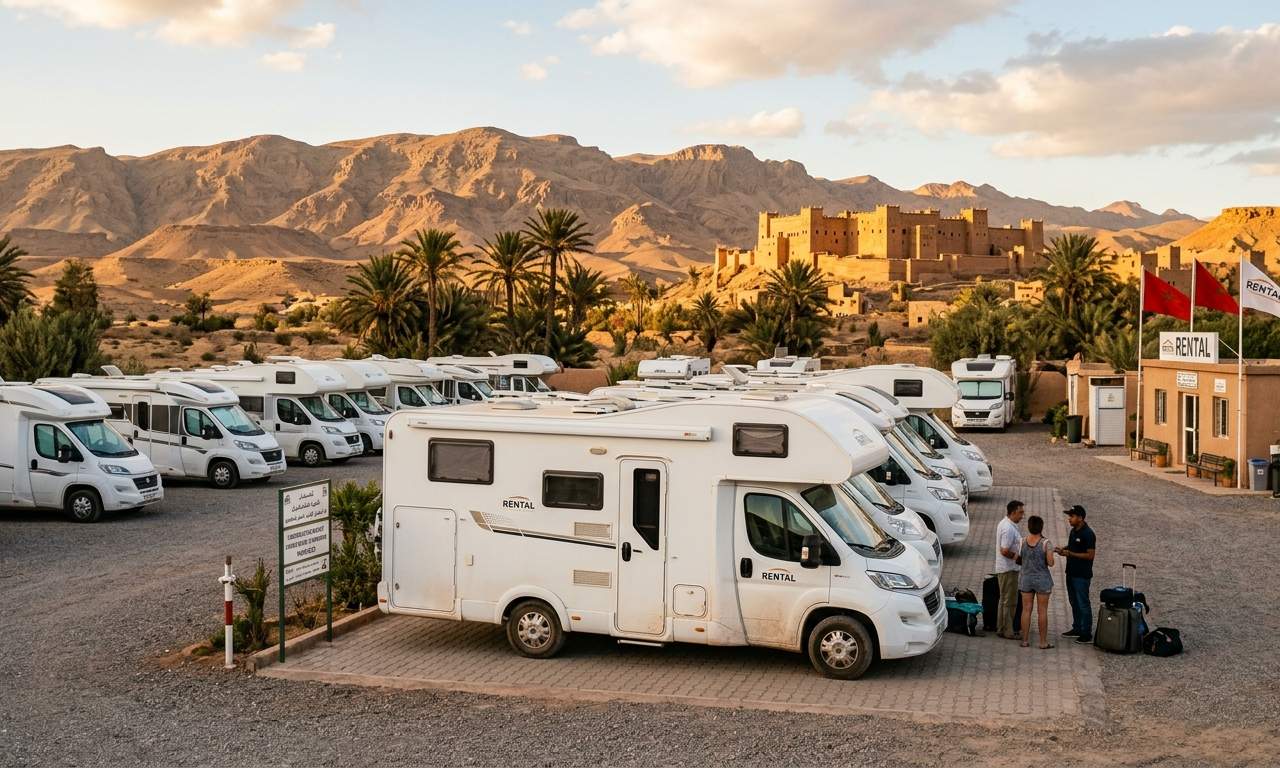
Embarking on an RV adventure through Morocco offers seniors a unique and comfortable way to experience the country's rich culture, diverse landscapes, and warm hospitality. A senior-friendly RV trip in Morocco is designed to balance cultural immersion and scenic beauty with a relaxed pace. For those looking to truly soak in the Moroccan atmosphere without feeling rushed, Avi Bandana recommends a minimum 7-day journey. However, for a more in-depth experience that allows for spontaneous detours and deeper exploration, a 14-day itinerary is ideal.
The optimal season for RV travel in Morocco, particularly for seniors, is Spring (March to May) and Autumn (September to November). During these periods, the weather is pleasantly mild, making it comfortable for exploring cities and the outdoors, and visitor numbers are generally lower than in the peak summer months.
Adhering to a slow travel philosophy, Avi Bandana recommends an average daily driving distance of no more than 100 miles (approximately 150 km). This mindful approach allows ample time for enjoying local experiences, resting, and adapting to the unique driving conditions in Morocco. For instance, a 7-day sample itinerary might cover approximately 700-900 km, focusing on the vibrant heart of Marrakech and its surrounding regions or a scenic coastal loop.
7-Day Classic Route in Morocco
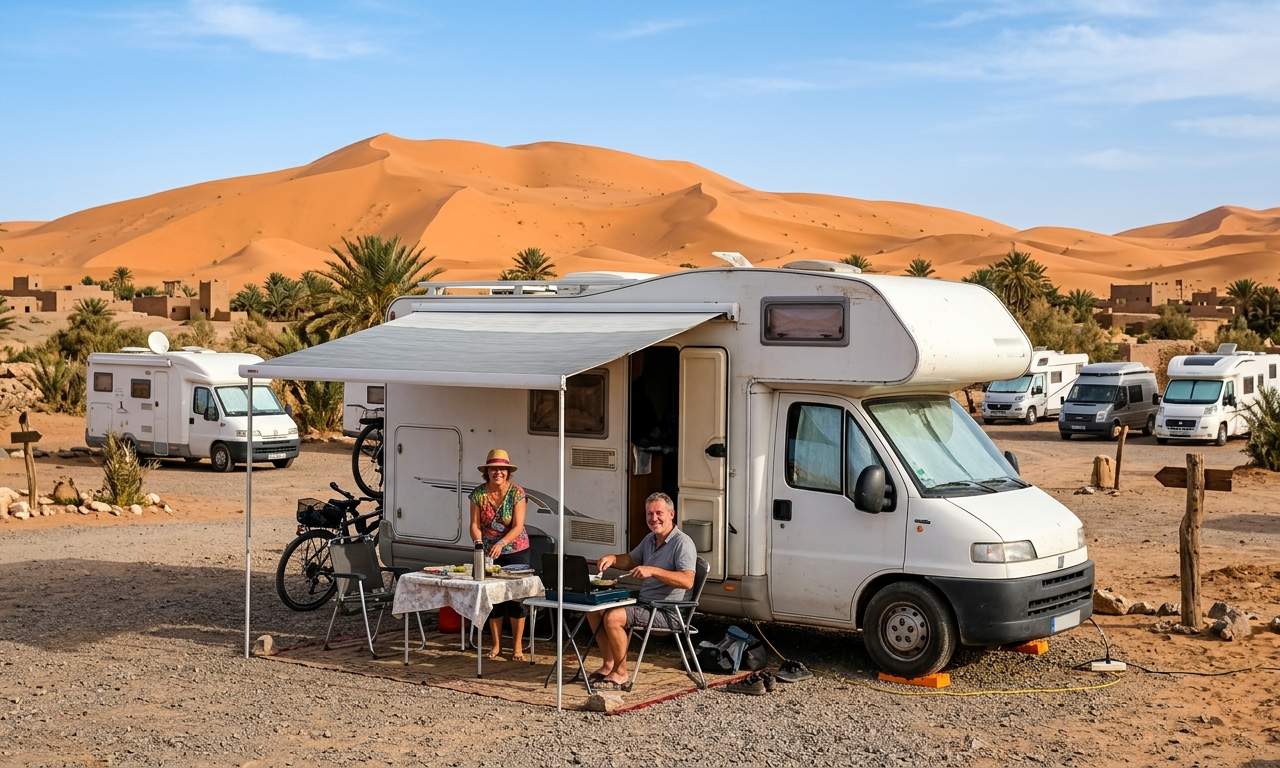
This classic 7-day RV route in Morocco is meticulously crafted for seniors, centering on the captivating city of Marrakech and extending into the picturesque Atlas foothills and charming coastal towns. The itinerary prioritizes comfort by ensuring daily drives remain comfortably under 150 km, allowing for a relaxed and immersive experience.
Day 1: Marrakech Arrival & Local Exploration (0 km). Upon arrival, you'll pick up your rented RV, settle in, and begin your Moroccan adventure by exploring the vibrant Djemaa el-Fna square. Consider staying at Camping Ourika Marrakech for your first night.
Day 2: Marrakech → Chichaoua (approx. 80 km). Enjoy a gentle introduction to Moroccan driving with a scenic drive to Chichaoua. You might find RV-friendly parking at a local establishment like Auberge Le Relais de Chichaoua.
Day 3: Chichaoua → Essaouira (approx. 90 km). Continue your journey to the Atlantic coast and the charming, windy city of Essaouira. Spend the day exploring its historic medina, bustling port, and ancient ramparts. Camping Le Calme is a popular choice for RVs here.
Day 4: Essaouira & Sidi Kaouki (approx. 30 km return). Dedicate this day to further exploration of Essaouira or take a short, pleasant drive to the nearby surf beach of Sidi Kaouki. Your accommodation remains Camping Le Calme.
Day 5: Essaouira → Ounara / Inland Villages (approx. 50 km). Head slightly inland to discover traditional Berber villages and learn about argan oil cooperatives. Auberge Ounara could offer suitable parking for your RV.
Day 6: Ounara → Marrakech (approx. 150 km). Enjoy the final scenic return drive to Marrakech, allowing ample time for last-minute souvenir shopping or a relaxing hammam experience. Your final night can be at Camping Ourika Marrakech.
Day 7: Marrakech Departure. Drop off your RV and depart, or extend your stay in Marrakech to further explore its treasures.
14-Day Extended Journey in Morocco
For a more comprehensive immersion into Morocco's diverse beauty, this extended 14-day RV journey offers seniors the opportunity to explore from the majestic Atlas Mountains to serene coastal stretches. The itinerary meticulously maintains a relaxed pace, with daily driving distances strictly capped at 150 km to ensure comfort and enjoyment.
Days 1-2: Marrakech Arrival & Exploration (0 km). Upon picking up your rented RV, settle into Marrakech. Immerse yourself in its historical sites and lively souks. Camping Ourika Marrakech is a convenient base.
Day 3: Marrakech → Ourika Valley (approx. 60 km). Venture into the scenic Atlas foothills, visiting traditional Berber villages. Camping Ourika Tnine Ourika is a recommended stop.
Day 4: Ourika Valley → Ijoukak (approx. 70 km). Continue deeper into the mountains, enjoying breathtaking vistas and tranquility. Look for RV-friendly parking at Auberge Ijoukak.
Day 5: Ijoukak → Ouirgane / Asni (approx. 30 km). Relax by the serene Lake Ouirgane, surrounded by picturesque olive groves. Camping Ouirgane is a good option.
Day 6: Ouirgane → Takerkoust Lake (approx. 50 km). Enjoy leisurely activities by the lake or simply unwind in the peaceful surroundings. Camping Takerkoust is available for RVs.
Day 7: Takerkoust Lake → Essaouira (approx. 150 km). Experience a scenic drive from the mountains to the Atlantic coast, arriving in Essaouira. Camping Le Calme is a popular choice.
Day 8: Essaouira (Exploration, Relaxation). Dedicate a full day to exploring Essaouira's vibrant medina, art galleries, and enjoying its famous fresh seafood. Stay another night at Camping Le Calme.
Day 9: Essaouira → Oualidia (approx. 120 km). Travel north along the coast to the charming lagoon town of Oualidia, renowned for its delicious oysters. Camping Oualidia provides a pleasant stop.
Day 10: Oualidia → El Jadida (approx. 70 km). Visit the UNESCO-listed Portuguese City of El Jadida and its impressive underground cisterns. Camping International El Jadida offers RV facilities.
Day 11: El Jadida → Azemmour (approx. 20 km). Explore the historic walled city of Azemmour and admire its vibrant street art. Check for RV-friendly parking at Auberge Azemmour.
Day 12: Azemmour → Sidi Bouzid (approx. 10 km). Enjoy a relaxing day at the beach or take gentle coastal walks. Camping Sidi Bouzid is a suitable option.
Day 13: Sidi Bouzid → Marrakech (approx. 150 km). Complete the final leg of your journey, returning to Marrakech. Camping Ourika Marrakech is a convenient final stop.
Day 14: Marrakech Departure. Drop off your RV and depart, or perhaps extend your stay to savor more of Marrakech's magic.
Recommended RVPlan Trip for Morocco
While there isn't a specific pre-matched RVPlan trip currently available for Morocco that perfectly aligns with every senior traveler's needs, Bandana's 'Rent & Plan' service offers an excellent and flexible alternative. This service provides users with a comprehensive RV rental alongside access to professional trip-planning software, empowering you to craft an itinerary tailored precisely to your preferences and pace.
By leveraging expert travel knowledge through our planning tools, you can customize your Moroccan adventure, removing the headache of organization and focusing on the joy of discovery. This ensures your journey through Morocco is as comfortable and enriching as possible.
Must-See Stops Along the Way (Avi Bandana Picks)
Avi Bandana, our founder and a seasoned RV traveler, encourages seniors to embrace Morocco's authentic culture by seeking out traditional local experiences beyond the usual tourist hotspots. These curated stops offer a deeper connection to the heart of Moroccan life.
- Traditional Markets (Souks): Immerse yourself in the vibrant sensory experience of local souks. Places like Marrakech's Djemaa el-Fna, or the smaller markets in Fes and various villages, are perfect for discovering spices, intricate crafts, and colorful textiles.
- Traditional Restaurants (Riads & Local Eateries): Venture beyond the main tourist squares to discover authentic Moroccan cuisine. Dining in local riads or small, family-run restaurants for traditional tagines, couscous, and pastilla offers a true taste of Morocco.
- Local Artisan Workshops: Visit workshops to witness traditional crafts firsthand. Explore pottery in Safi, leather tanneries in Fes, or argan oil cooperatives in the Essaouira region to appreciate the skill and heritage of Moroccan artisans.
- Historical Kasbahs & Ksars: Step back in time by exploring ancient fortified villages. Sites like the UNESCO World Heritage site of Aït Benhaddou, or the lesser-known kasbahs found in the Draa Valley, provide a captivating glimpse into Morocco's rich and storied history.
Daily Driving Distances & Drive Times in Morocco
For a relaxed and enjoyable RV journey through Morocco, especially for seniors, Avi Bandana recommends a maximum of 100 miles (approximately 150 km) per day on average. This commitment to slow travel prioritizes savoring the journey over rushing to the destination.
Adhering to this daily limit allows ample time for spontaneous stops at interesting points, deeper exploration of towns and villages, and adapting comfortably to local road conditions, which can sometimes be slower than anticipated due to traffic or road quality variations. Planning shorter driving days ensures you can truly connect with the places you visit.
To give you an idea of the travel times involved (these are approximate and do not include stops):
- Marrakech to Ourika Valley (60 km): Approximately 1.5 hours.
- Essaouira to Oualidia (120 km): Approximately 2.5 hours.
- Aït Benhaddou to Ouarzazate (30 km): Approximately 45 minutes.
These manageable distances allow for a pleasant and stress-free travel experience throughout your Moroccan RV adventure.
Best RV Class for This Itinerary — Couple & Family Picks
Selecting the right RV class is crucial for seniors embarking on an RV adventure in Morocco, balancing comfort, ease of driving, and maneuverability through diverse Moroccan landscapes. Avi Bandana offers these recommendations for RVs suitable for couples and those needing a bit more space.
For a couple: Class B - Camper Van
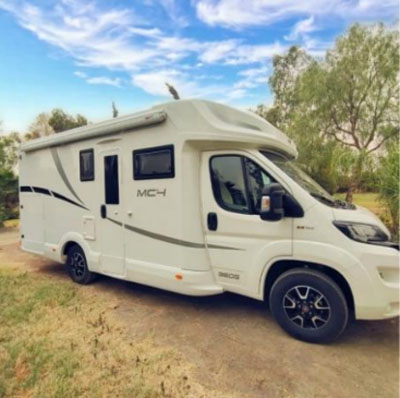
A Class B Camper Van, typically around 5.8 meters (from Bandana's global fleet average), is an excellent choice for couples. Its compact size makes it highly agile, simplifying navigation through bustling medina outskirts and narrower roads. With an average capacity to sleep 3 and accommodate 2-3 adults, it offers sufficient comfort and good fuel efficiency (often around 8-10 Liters/100 km) without the bulk of larger vehicles.
For a small family or more spacious couple: Class SI - Semi-integrated
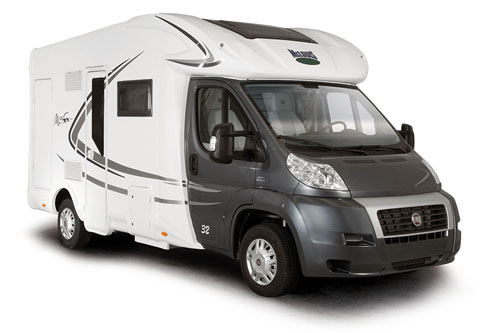
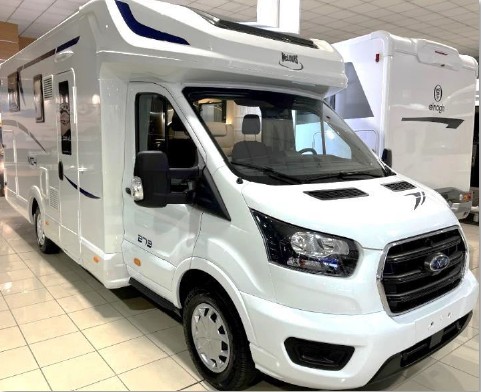
A Class SI Semi-integrated RV provides a more generous living space and greater storage capacity, making it ideal for a couple seeking extra comfort or a small family. Bandana's global fleet averages around 6.9 meters in length for this class, comfortably sleeping 3-4 people and accommodating a similar number of adults. This offers a good balance between interior amenities and manageable driving dimensions, with common fuel consumption around 10-11 Liters/100 km.
Consider utilizing Bandana's 'Rent & Plan' service to combine your RV rental with an expertly designed itinerary and access to intuitive trip-planning software, which can streamline the organization of your Moroccan adventure.
What are the essential safety protocols for RV travel in Morocco?
Essential safety protocols for RV travel in Morocco are paramount for a secure and enjoyable trip. This includes exercising significant caution on roads, understanding reliable breakdown procedures, implementing effective theft prevention strategies for your RV, and knowing how to respond to medical emergencies, particularly in more remote areas.
It's advisable to avoid driving at night whenever possible due to potentially poor lighting, unmarked obstacles, and the presence of pedestrian and animal traffic on roads. Familiarize yourself with local emergency numbers for the Gendarmerie Royale and local police. Considering international roadside assistance plans can also provide an extra layer of security.
Always secure your RV by locking doors, closing windows, and parking in well-lit, reputable campsites or guarded areas. Avoid isolated wild camping spots, especially if you are unfamiliar with the area. Carry a well-stocked first-aid kit, know the locations of the nearest medical facilities, and ensure your travel insurance covers medical evacuations from remote regions.
Keep valuables out of sight and utilize any available safes within your RV to deter theft.
How much does an RV trip to Morocco cost, including hidden fees?
A detailed cost breakdown for an RV trip to Morocco should meticulously account for RV rental fees, potential ferry costs if traveling from Europe, diverse fuel expenses that vary by region and vehicle type, varying campsite fees, local food pricing, and potential unexpected expenditures like temporary vehicle import taxes, road tolls, or border administration fees. On the routes offered through RV PLANET routes, you can itemize and track every expense along the way for easy budgeting.
RV rental costs fluctuate significantly based on the season, RV class (e.g., Class B Camper Van or Class SI Semi-integrated), and rental duration. Booking well in advance is often key to securing better rates. If arriving from Spain or other European countries, factor in ferry tickets for both passengers and the RV, as these costs can vary widely.
Fuel costs are another significant consideration; diesel (Gazoil) is generally more affordable than gasoline, but prices can fluctuate. Budget for an average consumption of around 8-12 Liters/100 km for vehicles in Bandana's fleet. Campsite options range from basic facilities to those with full amenities, typically costing between 50-150 MAD per night.
Eating at local markets (souks) or small, authentic eateries is very affordable, offering a taste of local life, while tourist-oriented restaurants will naturally be more expensive. Be prepared for potential minor expenditures such as tips (baksheesh) and occasional administrative fees at borders or local offices.
What cultural etiquette should RVers observe in Morocco?
RV travelers in Morocco should diligently observe local cultural etiquette to foster positive and respectful interactions. This includes practicing respectful wild camping when permitted, dressing modestly when interacting with locals or visiting villages, and understanding the nuances of bargaining in markets.
When it comes to wild camping, while it is possible in certain areas, always seek permission from landowners or local authorities. Choose discreet, non-intrusive spots, and crucially, leave no trace whatsoever. Respecting the local environment is paramount.
Regarding dress code, both men and women should dress modestly, covering shoulders and knees, particularly when visiting religious sites or smaller villages. This shows respect for local customs and traditions. When bargaining in souks and markets, remember that haggling is an expected part of the experience; approach it as a friendly negotiation, starting lower than the asking price and aiming for a fair compromise.
Always ask for permission before photographing people, especially women and children, as some may expect a small tip in return. Learning a few basic Arabic or Berber greetings, such as 'Salam Alaikum,' can make a positive impression and greatly facilitate interactions with locals.
What type of RV is best for different Moroccan terrains?
The best RV type for Moroccan terrains largely depends on your planned itinerary and desired level of adventure. While most main roads connecting major cities are suitable for standard 2WD vehicles, choosing smaller and more maneuverable RVs is generally recommended. For those seeking true off-road exploration into the Sahara's fringes, specific 4x4 options may be considered.
For journeys between imperial cities, along the coastal routes, and to major tourist sites, a standard 2WD RV such as a Class B Camper Van (average 5.8m length) or a Class SI Semi-integrated (average 6.9m length) is perfectly adequate. These vehicles offer easier handling and better fuel efficiency, making them ideal for most of Morocco's paved road network.
When planning to navigate mountain passes, such as those in the Atlas Mountains, which can be winding and narrow, a more compact RV ensures easier navigation and reduces driving stress. While most larger RVs can manage these routes if driven carefully, smaller vehicles offer an added advantage.
For desert fringes like Merzouga or Zagora, most standard RVs can reach the edges of the towns. However, for actual dune driving or navigating very rough tracks, a purpose-built 4x4 RV or a specialized truck camper (like Bandana's Class TC - Truck Camper, averaging 5.5m in length) with true off-road capabilities would be necessary. For rural and unpaved roads connecting smaller villages, smaller RVs with good ground clearance will fare better, but always exercise caution to prevent vehicle damage.
How do RVers manage connectivity and utilities in Morocco?
RV travelers in Morocco can effectively manage connectivity and utility needs by utilizing readily available local SIM cards for mobile data and by strategically locating designated facilities for replenishment. Ensuring utility management is key to a smooth journey.
For connectivity, purchasing a local SIM card upon arrival from providers like Maroc Telecom, Inwi, or Orange offers affordable and reliable mobile data, which is essential for navigation, communication, and staying connected. Consider using an unlocked phone or a portable Wi-Fi hotspot for added convenience.
Managing potable water is crucial. Always ensure your water supply is safe for drinking and cooking. Refill your RV's water tanks at official campsites, trusted gas stations, or by purchasing bottled water. Carrying water treatment tablets can serve as a useful backup. Dump stations for grey and black water are commonly found at official campsites throughout Morocco; plan your route to include regular stops at these designated sites. For ideas you can prep on the road, watch our RV-friendly recipes playlist on YouTube.
Propane (gaz) refills are available in various sizes at larger gas stations and hardware stores in bigger towns. It's advisable to carry an adapter for European-standard bottles or utilize local bottle exchange services if readily available, ensuring you remain self-sufficient on your travels.
What are the border crossing requirements for RVs entering Morocco?
Border crossing into Morocco with an RV necessitates specific documentation for both the travelers and the vehicle, typically including valid passports, an International Driving Permit, vehicle registration, proof of ownership, and a temporary import declaration (D16ter form). Mandatory Moroccan vehicle insurance is also required.
Ensure your passports are valid for at least six months beyond your intended stay and check visa requirements based on your nationality. An International Driving Permit (IDP), presented alongside your national driving license, is usually required for non-Moroccan license holders.
Carry your RV's original registration certificate, proof of ownership, and your vehicle's green card if your existing insurance policy covers Morocco. However, it's often mandatory to obtain local third-party liability insurance for your vehicle, which can typically be purchased at the border, though arranging it in advance can streamline the process.
The Temporary Import (D16ter form) is a crucial document that allows temporary vehicle import and is obtained at the border. This form must be stamped upon both entry and exit, and you must exit Morocco with the same vehicle you entered. Be prepared for vehicle inspections and questions from customs officials regarding your travel intentions and duration of stay.
Are there any current travel restrictions or road conditions to know for RVing in Morocco?
Before embarking on an RV trip to Morocco, it is crucial for seniors to verify any current travel restrictions and health guidelines, as well as stay informed about evolving road conditions or infrastructure projects that could impact planned routes and overall travel accessibility.
Regularly consult your home country's government travel advisory websites for the latest information on entry requirements, health protocols, and general safety recommendations for Morocco. Stay updated on any specific health requirements, such as vaccination mandates or testing protocols, which can change without much notice.
Moroccan road conditions can vary significantly; check local news sources, online forums, or consult with your RV rental provider for the most current information on road works, seasonal closures (especially for mountain passes in winter), or areas prone to flooding. Large-scale infrastructure developments can sometimes lead to detours or unexpected delays, making real-time local information invaluable.
Upon arrival, engaging with locals or your RV rental company for their insights into road safety, regional conditions, and any unforeseen issues can significantly enhance your travel experience and safety.
What You Shouldn't Miss
- Explore the vibrant souks and Djemaa el-Fna square in Marrakech, experiencing the city's bustling energy and rich culture.
- Drive through the scenic Atlas Mountains, stopping in traditional Berber villages and discovering local crafts and argan oil cooperatives.
- Wander through the historic blue city of Essaouira, enjoying its relaxed coastal atmosphere, art galleries, and fresh seafood.
- Visit the impressive Portuguese City of El Jadida and its unique underground cisterns for a dose of history and stunning architecture.
- Seek out local riads or small eateries for an authentic taste of Moroccan cuisine, savoring traditional tagines and other regional specialties.
- Embrace the slow travel philosophy by enjoying spontaneous stops, connecting with local culture, and appreciating the diverse Moroccan landscapes at a leisurely pace.
Final Thoughts
Renting an RV in Morocco offers an unparalleled sense of freedom and flexibility, allowing you to explore at your own pace and discover hidden gems off the beaten path. The blend of vibrant culture, stunning landscapes, and the convenience of your own mobile accommodation makes for a truly unforgettable travel experience.
Remember to embrace the Moroccan way of life by traveling slowly, savoring each moment, and connecting with the local culture. With a little planning and our expert guidance, your senior RV adventure in Morocco promises to be both comfortable and deeply enriching.
Get inspired for your next trip! Discover top destinations, planning tips, and everything you need for an unforgettable RV journey, all in one place. Plan your trip itinerary in advance with minimal effort and maximum enjoyment!