In This Guide
- Best Greece RV Itinerary for rv rental - Overview
- 7-Day Classic Route in Greece
- 14-Day Extended Journey in Greece
- Recommended RVPlan Trip for Greece
- Must-See Stops Along the Way (Avi Bandana Picks)
- Daily Driving Distances & Drive Times in Greece
- Best RV Class for This Itinerary - Couple & Family Picks
- What are the safety and security considerations for RVing in Greece?
- What cultural nuances and etiquette should RVers know in Greece?
- What is the best season for RVing in Greece, considering regional weather and crowds?
- What is the best RV type for navigating Greek roads and ferries?
- What off-the-beaten-path experiences can an RV provide in Greece?
- How can I RV sustainably and responsibly in Greece?
- What are the connectivity and tech challenges for RVers in Greece?
- What should I consider for a long-term RV trip in Greece?
Best Greece RV Itinerary for rv rental - Overview
A classic 7-day RV itinerary covering the Peloponnese and a more extensive 14-day journey, spanning approximately 800-1500 km respectively, offer an unparalleled way to explore Greece. For live availability and current prices, start with our RV Rental Greece - Complete Guide 2026 guide. A minimum of 7 days is recommended to fully experience key highlights without rushing, allowing you to truly connect with the culture, food, and scenery. The shoulder seasons (April-May and September-October) are ideal for an RV trip, providing pleasant weather with average temperatures ranging from 18-25°C and fewer crowds than the peak summer months. Opting for a rented motorhome allows you the freedom to discover ancient ruins, stunning coastlines, and charming villages at your own pace, creating a flexible and unforgettable adventure.7-Day Classic Route in Greece
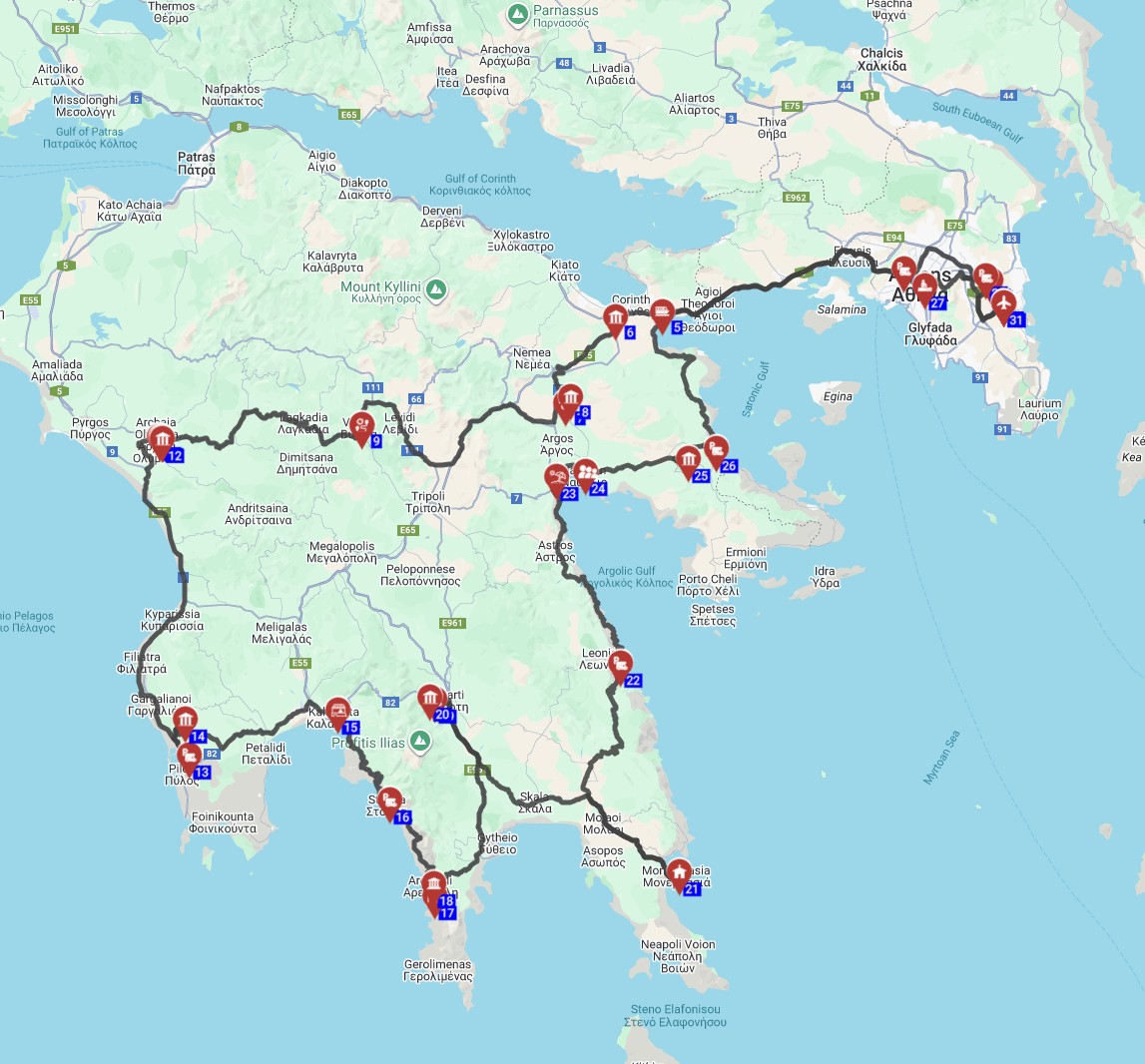
This 7-day classic route focuses on the Peloponnese, offering a balanced mix of ancient history, picturesque towns, and scenic drives, covering approximately 800 km.- Day 1: Athens (Arrival) → Corinth Canal & Mycenae (approx. 100 km): Pick up your rented RV in Athens, then head west to marvel at the impressive Corinth Canal before exploring the ancient ruins of Mycenae, a UNESCO World Heritage site. Overnight near Nafplio, a charming coastal town.
- Day 2: Nafplio → Epidaurus → Monemvasia (approx. 150 km): Discover the charming town of Nafplio, visit the remarkably preserved ancient theatre of Epidaurus, then drive south to the stunning medieval fortress town of Monemvasia. Overnight near Monemvasia.
- Day 3: Monemvasia → Mystras → Sparta (approx. 100 km): Explore Monemvasia thoroughly, a car-free Byzantine wonder, then journey inland to the Byzantine ghost city of Mystras. Head to Sparta for the night.
- Day 4: Sparta → Kalamata → Ancient Olympia (approx. 150 km): Drive through the scenic Taygetos mountains to Kalamata, famous for its olives, then proceed to the birthplace of the Olympic Games, Ancient Olympia. Overnight in Olympia.
- Day 5: Ancient Olympia → Delphi (approx. 180 km): Explore Ancient Olympia in the morning, then make your way north towards the sacred site of Delphi. This day slightly exceeds the recommended daily distance to connect essential historical sites, but the landscapes make it worthwhile. Overnight near Delphi.
- Day 6: Delphi → Galaxidi → Arachova (approx. 60 km): Discover the oracle and archaeological site of Delphi, then descend to the picturesque coastal town of Galaxidi before heading up to the mountain village of Arachova. Overnight in Arachova or nearby.
- Day 7: Arachova → Athens (Departure) (approx. 150 km): Enjoy a final Greek breakfast in your rented camper, then drive back to Athens for your RV drop-off and departure, carrying memories of ancient wonders and Mediterranean beauty.
14-Day Extended Journey in Greece
This 14-day extended journey offers a more immersive experience, covering approximately 1500 km and delving deeper into Greece's diverse landscapes and rich history.- Days 1-3: Athens & Peloponnese South (approx. 300 km): Start in Athens by picking up your motorhome rental, then explore the Corinth Canal, Mycenae, Nafplio, and Epidaurus. Continue south to Monemvasia and Gytheio, enjoying coastal drives and vibrant local life. Overnight at campsites or designated spots.
- Days 4-6: Mani Peninsula & Taygetos Mountains (approx. 250 km): Dive deep into the rugged Mani Peninsula, with its unique tower houses and secluded coves like Limeni. Explore the stunning Diros Caves and drive through the dramatic Taygetos mountains towards Kalamata.
- Days 7-9: Ancient Olympia & Western Peloponnese (approx. 200 km): Visit the historic site of Ancient Olympia, the birthplace of the Olympic Games, then explore the less-touristed western coast of the Peloponnese, known for its long sandy beaches and charming towns like Kyparissia. This segment provides a refreshing break from historical sites.
- Days 10-11: Delphi & Parnassus Region (approx. 200 km): Head north to Delphi, exploring the ancient oracle and archaeological museum. Spend time in the picturesque mountain villages around Mount Parnassus, such as Arachova, enjoying stunning views and traditional Greek hospitality.
- Days 12-14: Meteora & Return to Athens (approx. 350 km): Journey to the awe-inspiring monasteries of Meteora, perched atop giant rock pillars. Allow ample time (at least two days) to explore these magnificent sites. On the final day, make your way back towards Athens for your RV return, perhaps with a stop in Thermopylae for a glimpse into ancient battlefields. For detailed pricing information on longer trips, refer to our "RV Rental in Greece - Prices and Best Deals 2026" guide.
Recommended RVPlan Trip for Greece
For those seeking a hassle-free RV adventure in Greece, Avi Bandana recommends exploring the pre-designed RVPlan trips for Greece. These expertly curated itineraries provide detailed routes, points of interest, and campsite suggestions, allowing you to fully immerse yourself in the Greek experience without the stress of planning every detail. You can find comprehensive RVPlan options on rvplan.net, designed to cater to various durations and interests across Greece, and enjoy a 25% planning discount when utilizing these professional route plans. Utilizing RV PLANET routes also allows travelers to itemize and track every expense along the way for easy budgeting. This means less time worrying about logistics and more time soaking in the Mediterranean sun and history.Must-See Stops Along the Way (Avi Bandana Picks)
When RVing through Greece, Avi Bandana suggests looking for unique local experiences that truly showcase the country's heart, going beyond generic tourist attractions.- Seek out traditional market experiences in local towns like Nafplio or Kalamata for fresh produce, local cheeses, and artisan goods, allowing for authentic culinary discoveries. Preparing meals with these ingredients in your rented camper is an experience in itself, and you can find inspiration in our RV-friendly recipes playlist.
- Engage in traditional visit opportunities at lesser-known ancient sites or Byzantine churches off the main tourist trail for a deeper historical perspective and fewer crowds. Consider the ancient Messene in the Peloponnese as a less-visited alternative to Olympia.
- Don't miss traditional restaurant tavernas in small, unassuming villages, where you can savor authentic Greek cuisine prepared with local ingredients, often far superior to tourist-centric establishments. Locals will often welcome you with open arms.
- Consider visiting a local industry spot, such as an olive oil press in the Peloponnese during harvest season or a pottery workshop, to understand Greek agricultural heritage and craftsmanship firsthand. These experiences offer a true glimpse into daily Greek life.
- Explore coastal stretches accessible only by RV, offering secluded beaches and stunning sea views, away from the more crowded tourist spots. These hidden gems are often the most rewarding discoveries.
Daily Driving Distances & Drive Times in Greece
To truly savor the beauty and diverse landscapes of Greece, Avi Bandana recommends a maximum of 100-150 km (60-90 miles) per day on average when planning your RV itinerary. This slower pace allows for spontaneous stops, unhurried exploration of charming villages, and ample time to enjoy stunning vistas without feeling rushed. Driving in Greece often involves winding roads, mountainous terrain, and navigating through towns, so actual travel times can be longer than anticipated. Drive slowly and carefully, and you can drive almost anywhere without issues. No need to stress - just use common sense and pay attention.- Example 1: Athens to Nafplio: Approximately 140 km (87 miles), taking around 1.5 to 2 hours of direct driving. This is a manageable distance for your first day.
- Example 2: Olympia to Delphi: Approximately 200 km (124 miles), taking roughly 3.5 to 4 hours due to mountainous roads and elevation changes. This is one of the longer single-day drives but connects two essential sites.
- Example 3: Meteora to Athens: Approximately 350 km (217 miles), a longer stretch that can take 4-5 hours, best managed with an early start or split into two half-days if time allows.
Best RV Class for This Itinerary - Couple & Family Picks
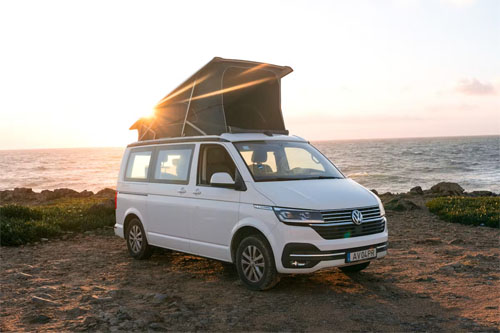
Choosing the right RV size is crucial for navigating Greece's diverse roads, from narrow village streets to mountain passes and ferry routes.For couples, a Class B - Camper Van is highly recommended for its agility and ease of parking, making it ideal for two travelers exploring Greece. Bandana's global fleet of Class B Camper Vans typically averages 5.8 meters in length, comfortably sleeping around 3.2 people and accommodating 2.7 adults, with an average load capacity of 37 kg. Their compact size is perfect for maneuvering through bustling cities like Athens and reaching secluded beaches, offering flexibility without sacrificing essential amenities. If you're looking for something more premium, consider exploring "Luxury RV Rental in Greece - Premium Prices 2026". For families, a Class C - Alcove provides ample space and comfort while remaining manageable on Greek roads. Bandana's global fleet of Class C Alcove RVs averages 7.5 meters in length, comfortably sleeping 5.8 people and accommodating 4.4 adults, with an average load capacity of 42.4 kg. The distinctive over-cab sleeping area offers extra room, making it a great choice for families with children. You'll find a comfortable living area, kitchen facilities, and a private bathroom, making longer trips enjoyable. To simplify your travel preparations, consider Bandana RV's "Rent&Plan" service, which combines your RV rental with a ready-made itinerary designed by travel experts, offering full access to trip-planning software and removing the headache of detailed organization. This ensures your chosen RV is perfectly suited for your Greek adventure.
What are the safety and security considerations for RVing in Greece?
RVing in Greece generally offers a safe and memorable experience, but understanding specific road safety challenges, secure parking options, and emergency protocols is crucial for a worry-free trip. Greek roads can be narrow, especially in villages and older city centers, and some city drivers can be aggressive; defensive driving is advised, particularly for larger RVs. For secure overnight parking, prioritize official campsites or designated free camping spots (always check local regulations, as wild camping rules vary); utilize apps like iOverlander or Park4Night for vetted locations, and avoid isolated spots at night. While serious crime against RVers is rare, standard precautions like locking your vehicle, not leaving valuables visible, and using common sense apply. In emergencies, call the European emergency number 112 for roadside assistance or medical help, and ensure you have comprehensive travel insurance that covers RV travel.What cultural nuances and etiquette should RVers know in Greece?
Understanding Greek cultural nuances enhances your RV journey, fostering respectful interactions and deeper integration into local life during your rental motorhome adventure. Greeks are renowned for 'filoxenia' (hospitality); embracing this means being open to invitations, engaging in conversation, and perhaps offering a small gift of appreciation if hosted. When driving a rented campervan in villages, slow down, be patient, and acknowledge pedestrians; honking is often used as a warning rather than an aggressive gesture. For camping, always seek permission if planning to stay outside official campsites, especially on private land, and maintain discretion and cleanliness to respect the environment and local communities. When purchasing goods, especially in local markets, a polite greeting ('kalimera' for good morning, 'kalispera' for good evening) and a smile go a long way, and don't be surprised by late dining habits; join in to experience local life fully.What is the best season for RVing in Greece, considering regional weather and crowds?
The best seasons for RVing in Greece are typically the shoulder seasons-April to May and September to October-offering pleasant temperatures, fewer crowds, and more readily available campsites compared to peak summer. During these months, average temperatures range from 18-25°C, ideal for outdoor activities, though regional microclimates mean coastal areas remain warmer than mountainous interiors. The peak summer (July-August) brings high temperatures (often exceeding 30°C), crowded popular sites, and full campsites, though this is the best time for swimming and beach holidays. The off-season (November-March) presents pros like deserted historical sites and authentic local experiences, but cons include cooler weather (with snow in mountainous regions like the Pindus), limited campsite openings, and reduced ferry services; winter RVing in mountainous areas requires preparedness for cold and potentially icy roads. If you're looking for the most affordable rates, consider booking your RV rental in Greece during these off-peak periods.What is the best RV type for navigating Greek roads and ferries?
The best RV type for navigating Greek roads and ferries largely depends on your comfort with vehicle size and the specific areas you plan to visit, with smaller campervans generally offering the most versatility for a rental. Small campervans (Class B), averaging 5.8 meters in length, are highly recommended due to Greece's often narrow, winding roads, limited parking in ancient towns, and easier maneuverability on ferries, usually resulting in lower ferry costs. While larger motorhomes (Class C or A), such as a "cruise america rv rental example Explorer" with a length of 7.1 meters, provide more living space, they can prove challenging on some mountain passes, tight village streets, and in crowded city areas; precise driving skills and careful route planning are essential for bigger vehicles. When booking ferries for your rented RV, it is critical to know your vehicle's exact length and height, as prices are calculated by dimensions, and advance booking is advisable, especially in peak season. Drive slowly and carefully, and you can drive almost anywhere without issues. No need to stress - just use common sense and pay attention.What off-the-beaten-path experiences can an RV provide in Greece?
An RV provides unparalleled access to Greece's hidden gems and unique local experiences, allowing you to venture beyond standard tourist routes and discover the authentic heart of the country. With a rented RV, you can discover secluded, often deserted beaches along the Peloponnese or Chalkidiki peninsulas, accessible only by dirt tracks or quiet coastal roads, offering private escapes and breathtaking views. Explore remote, traditional villages in areas like Zagori or the Mani Peninsula, where you can overnight in stunning natural settings and wake up to picturesque vistas, engaging directly with local life and unhurried charm. Seek out specific local festivals (panigiria) during summer, where communities celebrate with food, music, and dance, offering a genuine glimpse into Greek culture and traditions. Consider farm stays (agrotourism) where you can park your rented motorhome, interact with local producers, and even participate in activities like olive harvesting or wine making, creating truly experiential travel memories that last a lifetime.How can I RV sustainably and responsibly in Greece?
RVing sustainably and responsibly in Greece involves a commitment to minimizing your ecological footprint and supporting local communities, ensuring the country's beauty is preserved for future travelers. Practice responsible waste disposal by using designated bins, recycling where possible, and never leaving trash in natural areas; always take out what you bring in to maintain Greece's pristine landscapes. Conserve water, a precious resource in Greece, by taking shorter showers, being mindful of your usage when washing dishes in your rented camper, and utilizing efficient water systems. Minimize your ecological impact in sensitive areas like coastal zones, national parks, and archaeological sites by sticking to designated roads and camping areas, respecting wildlife, and avoiding disruption to natural habitats. Support local eco-tourism initiatives by choosing eco-friendly campsites, purchasing goods from local markets, and participating in activities that benefit the local economy and environment. When planning your route, remember that RV PLANET routes offer comprehensive tools to itemize and track every expense, helping you budget for a truly sustainable adventure.What are the connectivity and tech challenges for RVers in Greece?
RVers in Greece may encounter some connectivity and tech challenges, particularly in remote areas, making preparation key for staying connected and navigating effectively during their motorhome rental trip. While major cities and tourist areas generally have good 4G/5G mobile data coverage, signals can be unreliable or non-existent in mountainous regions, secluded beaches, and very remote villages. Investing in a local SIM card from providers like Cosmote, Vodafone, or Wind (now Nova) is highly recommended for affordable data access, often offering better coverage than international roaming. GPS reliability is generally good on main roads, but offline maps (e.g., Google Maps offline, Maps.me, or dedicated RV navigation apps) are essential for areas with poor signal. Useful apps for RVers in Greece include iOverlander or Park4Night for finding campsites and wild camping spots, and translation apps for communicating with locals, especially outside major tourist hubs, enhancing your overall experience with a rented RV.What should I consider for a long-term RV trip in Greece?
Planning a long-term RV trip in Greece involves specific considerations beyond a typical week-long vacation, focusing on logistics like extended stays, vehicle maintenance, and local integration. For non-EU citizens, understanding Schengen visa requirements and limitations (typically 90 days within any 180-day period) is paramount, while EU citizens enjoy unrestricted movement. Access to vehicle maintenance for your rented motorhome is generally good in larger towns, but locating specialized RV service centers may require research; knowing basic maintenance and having spare parts for common issues is advisable for extended journeys. Mail services can be challenging; consider using post office boxes (Poste Restante) in larger cities or arranging deliveries to reliable campsites for long-term stays. For community engagement, joining local Facebook groups for expats or RVers in Greece can provide valuable advice, meet-ups, and a sense of belonging for extended stays. For considerations regarding longer trips and potential cost savings, refer to our "One-Way RV Rental in Greece - Price Guide 2026" to plan your perfect extended adventure.🎬 Video coming soon
What You Shouldn't Miss
- Explore the ancient Acropolis in Athens, a timeless symbol of Western civilization, before heading out in your rented RV.
- Witness the spectacular monasteries of Meteora, an architectural and natural wonder where ancient monasteries perch precariously on colossal rock formations.
- Wander through the charming Venetian alleys of Nafplio, and climb to the Palamidi Fortress for panoramic views of the Argolic Gulf.
- Discover the mythical birthplace of the Olympic Games at Ancient Olympia, walking amongst the ruins where athletic history was made.
- Experience the unique landscape and tower houses of the Mani Peninsula in the Peloponnese, a rugged and remote region offering stunning coastal drives.
- Indulge in authentic Greek cuisine at a traditional taverna in a small village, savoring local flavors and experiencing genuine hospitality.
- Enjoy a sunset from a secluded beach on the Peloponnese coast, accessible only with the flexibility of a rented campervan.
- Looking for expert insights from Avi Bandana? Top 5 Adventures - recommendations from Avi Bandana.
Final Thoughts
Embarking on a rented RV adventure through Greece is more than just a trip; it's an immersive journey into ancient history, vibrant culture, and breathtaking natural beauty. Imagine waking up to the Aegean sun, preparing a fresh breakfast in your motorhome, and setting off to explore a new archaeological wonder or a secluded beach. It's about the freedom to choose your path, linger longer where you wish, and truly connect with the heart of Greece. Remember our advice to travel slowly, averaging 100-150 km per day, allowing time to savor every moment. We at Bandana RV are here to support you every step of the way, making sure your booking process is as transparent and straightforward as possible.Ready to chart your own course through the land of myths and legends? Whether you opt for a compact campervan for agile exploration or a spacious motorhome for family comfort, Greece awaits. Plan your trip with confidence, knowing you have a dedicated team of RV specialists behind you. Get inspired for your next trip! Discover top destinations, planning tips, all in one place!
Compare Motorhome Prices for Greece and start building your unforgettable Greek RV itinerary today!
On the routes offered through RV PLANET routes, you can itemize and track every expense along the way for easy budgeting.