In This Guide
- What rv rental RV Rental Costs in Greece (2026)
- Seasonal Pricing - Peak vs. Shoulder vs. Off-Season in Greece
- What's Included vs. What's an Add-On
- Hidden Costs to Budget For in Greece
- How to Save on rv rental RV Rental in Greece
- What types of RV are best suited for Greek roads and ferries?
- How much does it cost to take an RV on a ferry in Greece?
- Are there pet-friendly RV rentals and campsites in Greece?
- What is the average cost of campsites in Greece?
- Can you wild camp in Greece with an RV?
- Top Cities for RV Rental in Greece
- Essential Road Rules and Local Driving Tips in Greece
- Connectivity and Emergency Information for RVers in Greece
What rv rental RV Rental Costs in Greece (2026)
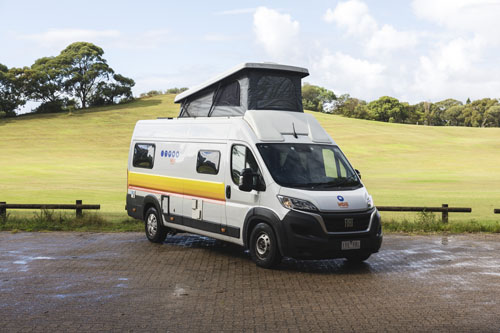
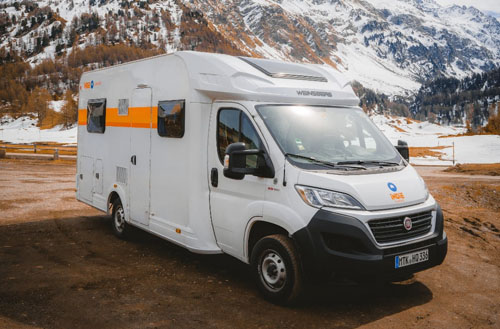
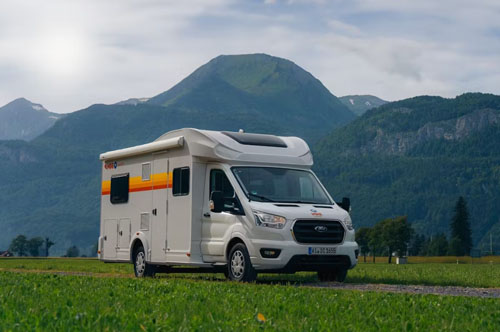
RV rental prices in Greece vary significantly, typically ranging from €50 per day for a compact campervan in the off-season to over €300 per day for a large, luxurious motorhome during the peak summer months of July and August. These prices are dynamic, changing daily based on availability, demand, and supplier marketing decisions, similar to flight tickets. For live availability and current prices, start with our RV Rental Greece - Complete Guide 2026 guide. For couples, a cozy campervan or a smaller Class C motorhome like the "Camper Van" is usually the most economical option, often falling in the €60-€120 per day range outside of peak season for a week-long trip. Families with kids, especially those with 4-6 people, might opt for a larger Class C motorhome such as the "Euro Deluxe" which offers more sleeping spaces and amenities, averaging €100-€250 per day. For an extended road trip of one month, daily rates generally decrease, providing better value than shorter, week-long rentals. It's always best to compare options for various durations to find the best value for your group, keeping in mind that the final price is set at the actual booking time.Seasonal Pricing - Peak vs. Shoulder vs. Off-Season in Greece
RV rental prices in Greece fluctuate considerably throughout the year, with significant differences between seasons. During the peak season, which spans July and August, demand is highest, leading to rental rates that can be 50% to 100% higher than off-peak times, and availability becomes very limited. A "Comfort Family" motorhome, for instance, might cost €250+ per day in August, whereas in April it could be €150. Shoulder seasons, typically April to June and September to October, present an excellent balance of pleasant weather and more moderate pricing. During these months, you can enjoy temperatures ideal for outdoor exploration without the intense crowds, with average daily rates for a medium-sized motorhome often 20-40% lower than peak season. The off-season, from November to March, offers the most budget-friendly options, with rates sometimes as low as €50-€80 per day for smaller campervans. While some tourist services might be reduced, this period is perfect for those seeking tranquility and significant savings. Booking 90+ days in advance for shoulder season travel can often secure discounts of up to 25% on these already favorable rates.What's Included vs. What's an Add-On
Basic insurance coverage (usually third-party liability) and essential vehicle equipment are typically included with RV rentals in Greece, ensuring you have a road-ready motorhome or campervan. However, what constitutes "essential" can vary among suppliers, so always check the specifics for each model. For instance, a "Category Van" might include basic kitchenware, while a "Luxury Small" model could have a more comprehensive setup. Common add-ons that travelers often choose to purchase for an enhanced trip experience include comprehensive insurance tiers with lower deductibles, unlimited mileage packages, kitchen kits with cooking utensils and tableware, bedding and linen sets, and outdoor furniture like tables and chairs. Some rental platforms, like Bandana, offer comparison toggles where you can easily see what items such as kitchen utensils, tableware, and bedding are included or available as paid extras. You can upgrade to a top-level deductible for extra peace of mind, knowing you are covered beyond basic protection. When planning your route and meals, remember our RV-friendly recipes playlist to make the most of your onboard kitchen.Hidden Costs to Budget For in Greece
Travelers should budget for additional expenses beyond the RV rental fee to ensure a truly transparent trip cost in Greece, where full transparency is a core value. These ancillary costs typically include highway tolls, campground fees, fuel, propane for cooking and heating, and any dump station fees. In Greece, tolls are present on major highways, and while some RVs might include a pre-payment option through Bandana partner suppliers to avoid fines, it's wise to carry small Euro denominations. Campsite fees generally range from €15 to €40 per night, depending on location (e.g., popular coastal areas versus remote mainland sites) and amenities. Fuel is a significant variable cost; a larger motorhome like the "Denali Searcher 30 - Gold" with its larger fuel tank will consume more than a compact campervan like the "Active Original." Some suppliers offer fuel discount cards or options to pre-purchase fuel. For easy budgeting and tracking every expense along the way, we recommend checking RV PLANET routes, where you can itemize costs. Don't forget groceries if you plan to utilize your onboard kitchen for meals.How to Save on rv rental RV Rental in Greece
Finding the cheapest RV rental in Greece involves a few smart strategies, and Bandana is here to help you navigate them with confidence. Firstly, booking during the shoulder season (April, May, September, October) can significantly reduce rental costs by an average of 20-40% compared to the peak months of July and August. Secondly, opting for longer rental durations often results in a better daily rate; a two-week adventure typically offers a lower per-day cost than a week-long trip. Consider choosing a smaller RV class, such as a nimble campervan (like the "Hi5 Camper") or a compact Class C motorhome if it suits your group size, as these are generally more affordable to rent and consume less fuel. We compare final prices across 50+ suppliers so you don't have to worry about hidden fees, making it easy to find the most affordable option. Being flexible with your travel dates, even by a few days, can also unlock better deals. Utilize comparison tools on Bandana to filter by price, vehicle size, and features to identify the best value. Planning a trip itinerary in advance with minimal effort and maximum enjoyment can further help manage overall expenses effectively.What types of RV are best suited for Greek roads and ferries?
Smaller RV types, such as campervans (Class B) and compact motorhomes (Class C), are generally best suited for navigating Greece's narrow, winding roads and crowded towns, as well as for ferry travel. Their compact size makes them much easier to park and maneuver, which is crucial for accessing charming smaller villages, ancient sites, and idyllic coastal areas. For instance, a "Combi Van" or a "Duo" is ideal for couples or small families, fitting more easily onto local ferries and navigating historic city centers. Drive slowly and carefully, and you can drive almost anywhere without issues. No need to stress - just use common sense and pay attention, even with a larger Class C. Ferry travel, a quintessential Greek experience, is also more affordable and less complicated with smaller vehicles, as costs are often determined by vehicle length and height. While larger motorhomes (Class A), like the "MHLUX" or "Class A - Thor ACE 30", offer significantly more comfort and space, they can be challenging on specific routes, especially those leading to islands or through very tight urban areas, and they typically incur substantially higher ferry fees. When considering a longer, comprehensive itinerary through Europe, don't forget to check our RV Rental Europe - Complete Guide 2026 for broader insights.How much does it cost to take an RV on a ferry in Greece?
The cost of transporting an RV on a Greek ferry typically ranges from €50 to over €200 for inter-island routes, depending on several factors including the vehicle's dimensions, the specific route (e.g., mainland to Cyclades), the season, and the ferry company. During peak season (July-August), prices can be at the higher end of this scale due to increased demand. It is crucial to accurately measure your RV, including any roof-mounted accessories like an air conditioning unit or bicycle rack, as ferry companies base their pricing strictly on vehicle length and height categories. Booking RV ferry tickets well in advance, especially for popular routes to islands like Crete or Santorini during peak season, is highly recommended to secure space and potentially benefit from lower fares. There are numerous ferry operators, and comparing prices between them for the same route can lead to significant savings. Some companies may also offer package deals for multiple crossings or for vehicles combined with passenger tickets. Remember that the vehicle must be parked on the designated car deck, and access to it during the journey might be restricted.Are there pet-friendly RV rentals and campsites in Greece?
Yes, many RV rental companies in Greece offer pet-friendly vehicles, and an increasing number of campsites across the country welcome pets, but confirming specific policies and any associated fees before booking is essential for a smooth trip. Bandana's platform allows you to filter for "Pet Friendly" vehicles such as the "Adventure Camper" or "Caravan 6 berth - Automatic". Rental companies typically require a pet deposit or an additional cleaning fee, ranging from €50 to €150, for pet-friendly RVs to cover any potential extra cleaning. On Greek ferries, pets usually travel in designated pet areas on deck or in special pet cabins, which may cost an additional small fee, typically €10-€30 per pet. Muzzles and leashes are often required in public areas on ferries and within campsites for the safety and comfort of all travelers. Pet-friendly campsites often have specific rules regarding leashing, designated pet exercise areas, and waste disposal; always check a campsite's pet policy in advance to ensure a hassle-free stay. Greece offers many opportunities for outdoor adventures with your furry friends, from exploring ancient ruins to hiking scenic trails.What is the average cost of campsites in Greece?
Campsite fees in Greece typically range from €15 to €40 per night for an RV pitch, with prices varying based on the season, location, and the amenities provided. Coastal campsites and those on popular islands like Crete, Santorini, or Corfu, particularly during peak summer, tend to be at the higher end of this spectrum, costing €30-€40 per night. On the mainland or in less frequented areas, you might find spots for as low as €15-€25. Basic pitches usually include space for the rented RV, electricity hook-up, and access to shared facilities such as showers and toilets. Higher-priced campsites often offer additional amenities including swimming pools, restaurants, mini-markets, laundry facilities, and direct beach access, providing a more luxurious experience. Utilizing campground discount cards, sometimes available through Bandana or partner suppliers, can help reduce nightly rates, especially for longer stays or during shoulder seasons. For finding campsites and campgrounds during your trip, we recommend using RV PLANET (rvplan.net) - a great resource for locating available spots along your route.Can you wild camp in Greece with an RV?
Wild camping, also known as free camping, with a rented RV is generally prohibited by law across Greece, with local authorities empowered to impose fines for non-compliance, which can range from €150 to €300 per incident. The prohibition aims to protect Greece's fragile natural environment, manage tourist impact, and ensure public safety, aligning with 'Leave No Trace' principles. While enforcement can vary by region and season, it is safest and legally advisable to use designated campsites or authorized overnight parking areas. However, there is a cultural nuance sometimes referred to as "tolerated" informal camping, particularly in less populated areas or outside peak tourist zones, where local discretion may allow for quiet, respectful overnight stays if you ask permission from private landowners. This is not a guarantee and should always be approached with extreme caution and respect for local communities. Choosing official campsites, like those easily found on RV PLANET (rvplan.net), ensures access to necessary facilities (fresh water, dump stations), enhances personal security, and avoids potential legal issues or difficult interactions with locals.Top Cities for RV Rental in Greece
Greece offers several excellent starting points for your RV adventure, with many Bandana partner suppliers operating in key cities and airports. When planning your journey through "Driving an RV in Greece - Complete Guide 2026", consider these top cities for picking up your motorhome or campervan. * **Athens:** As the capital and largest city, Athens (and Athens - Airport) provides the widest selection of RV rental options, including various Class B and Class C motorhomes. It’s an ideal hub for starting a trip through mainland Greece or catching a ferry to the islands. * **Thessaloniki:** Located in northern Greece, Thessaloniki (and Thessaloniki - Airport) is a fantastic starting point for exploring the diverse landscapes of Macedonia and Thrace, including the Chalkidiki peninsula and the Pindus Mountains. * **Crete:** The largest Greek island, Crete offers RV rental pick-up options in cities like Heraklion (and Heraklion - Airport) and Chania (and Chania - Airport). Renting directly on the island allows for immersive exploration of its stunning beaches, ancient ruins, and rugged interior without the hassle of ferry transport from the mainland. * **Pallini:** A municipality east of Athens, Pallini offers convenient RV rental depots, often providing an easier pick-up and drop-off experience away from the city center bustle. * **Rethimno:** Another charming city on Crete, Rethimno is a great choice for picking up a campervan if you plan to focus your island exploration on the western and central parts of Crete.Essential Road Rules and Local Driving Tips in Greece
Driving a rented RV in Greece is a truly liberating experience, but understanding local road rules and customs is key to a smooth journey. In Greece, you drive on the **right side of the road**, and speed limits are generally 50 km/h in urban areas, 90 km/h on rural roads, and 120 km/h on highways. Always be mindful of local signage and variable speed limits, especially near towns or schools. A standard car driver's license is sufficient for all motorhome classes, but an International Driving Permit (IDP) is recommended for visitors from non-English-speaking countries, although not strictly mandatory in all cases. Navigating cities like Athens or Thessaloniki can be busy, but drive slowly and carefully, and you can drive almost anywhere without issues. No need to stress - just use common sense and pay attention. Parking can be challenging in crowded areas, so always look for designated RV parking or campsites. Fuel stations are readily available, with petrol (benzin) and diesel widely stocked. Credit cards are accepted, but having some cash is advisable, especially in remote villages. For inspiration on your route, exploring RV Driving Deals in Greece - Routes and Savings 2026 can highlight scenic drives that capture the essence of Greek culture and landscapes. Remember our advice: travel slowly, aiming for a maximum of 100-150 km per day on average, to truly connect with the culture, food, and scenery.Connectivity and Emergency Information for RVers in Greece
Staying connected and being prepared for emergencies are crucial aspects of RV travel in Greece, ensuring both convenience and safety. Mobile data coverage is generally good in urban areas and along major routes, with local SIM cards from providers like Vodafone, Cosmote, or Wind offering affordable data packages starting from €10-€20 for several gigabytes. This allows you to use navigation apps, stay in touch with loved ones, and access online resources like RV PLANET (rvplan.net) to find available campsites. Wi-Fi is common in most organized campsites and cafes, but can be spotty in very remote or mountainous regions. In case of an emergency, the general European emergency number is **112** for police, fire, or ambulance services. For roadside assistance, many RV rental suppliers provide a 24/7 emergency contact number, which you should save before your trip. Always keep essential documents like your driver's license, IDP, and rental agreement readily accessible. Medical facilities are excellent in major cities, but more basic in rural areas. Having travel insurance is always a good idea. Looking for expert insights from Avi Bandana? Top 5 Adventures - recommendations from Avi Bandana are available to help you plan your next unforgettable trip.What You Shouldn't Miss
- **Island Hopping in the Cyclades:** Explore the iconic white-washed villages and azure waters of Santorini and Mykonos with a nimble campervan.
- **The Monasteries of Meteora:** Drive your RV to the base of these incredible rock formations and hike up to the monasteries perched impossibly high, offering breathtaking views.
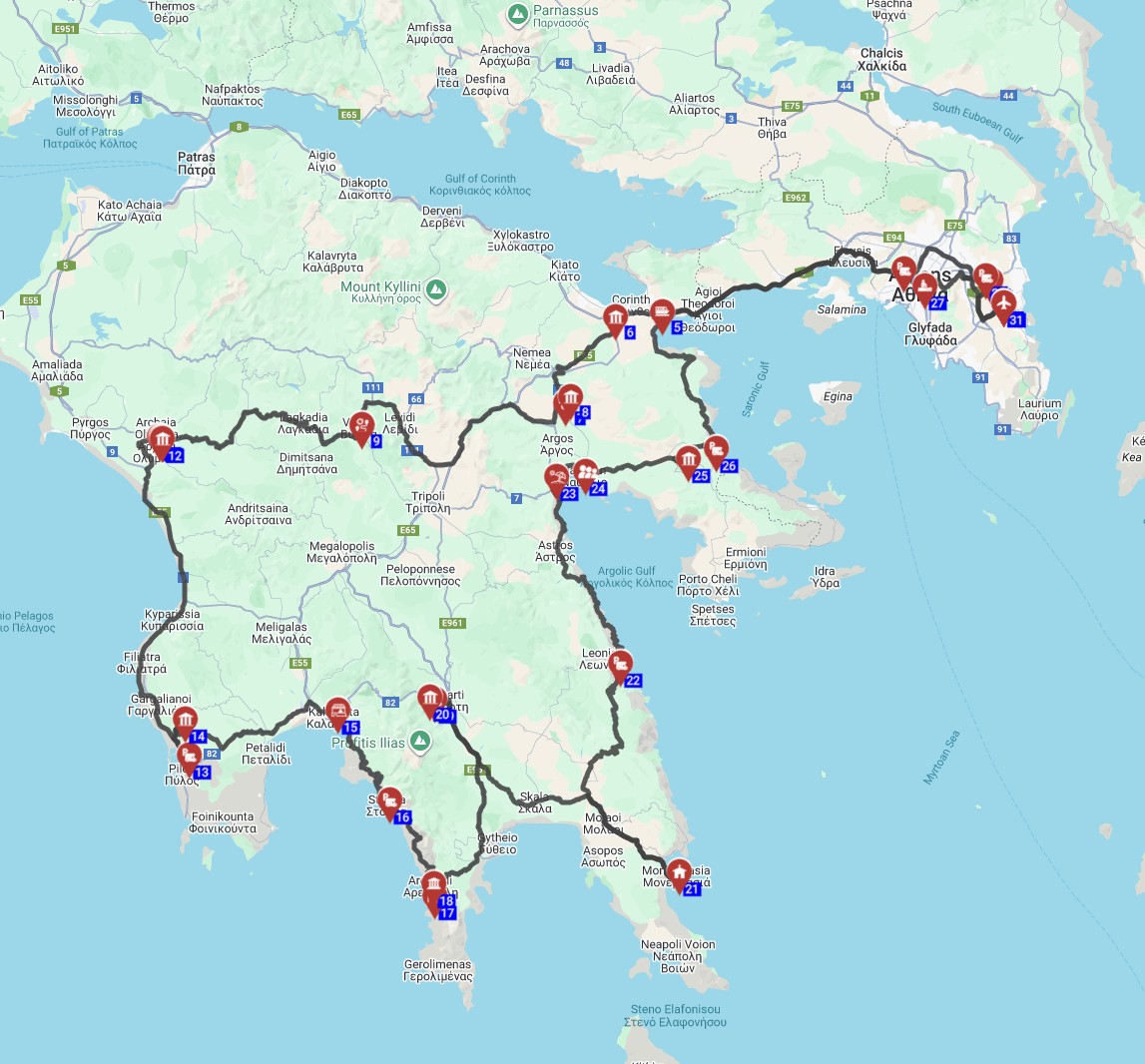
- **The Ancient Wonders of the Peloponnese:** Journey through sites like Olympia, Mycenae, and Epidaurus, combining history with stunning coastal drives and picturesque towns. Consider our Luxury RV Driving in Greece - Scenic Routes 2026 guide for a premium experience.
- **High-Altitude Escapes in the Pindus Mountains:** Experience cooler temperatures and dramatic landscapes in northern Greece, finding unique camping spots near traditional villages and pristine rivers.
- **Foodie Road Trip through Northern Greece:** Discover hidden tavernas and local producers of olives, wine, and honey on a culinary adventure, particularly around Thessaloniki and the Chalkidiki region.