In This Guide
- Best Europe RV Itinerary for RV rental deals — Overview
- 7-Day Classic Route in Europe
- 14-Day Extended Journey in Europe
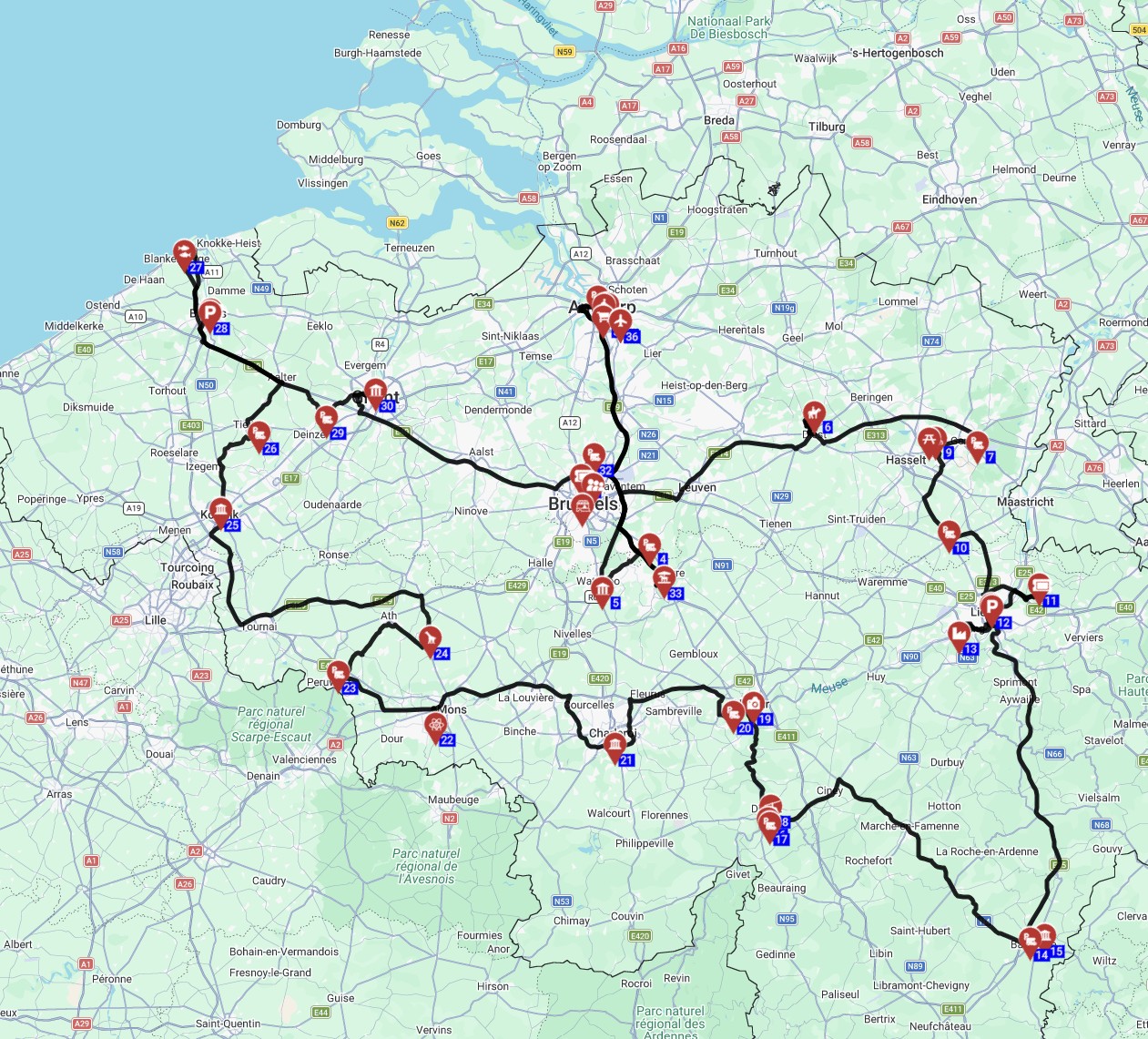
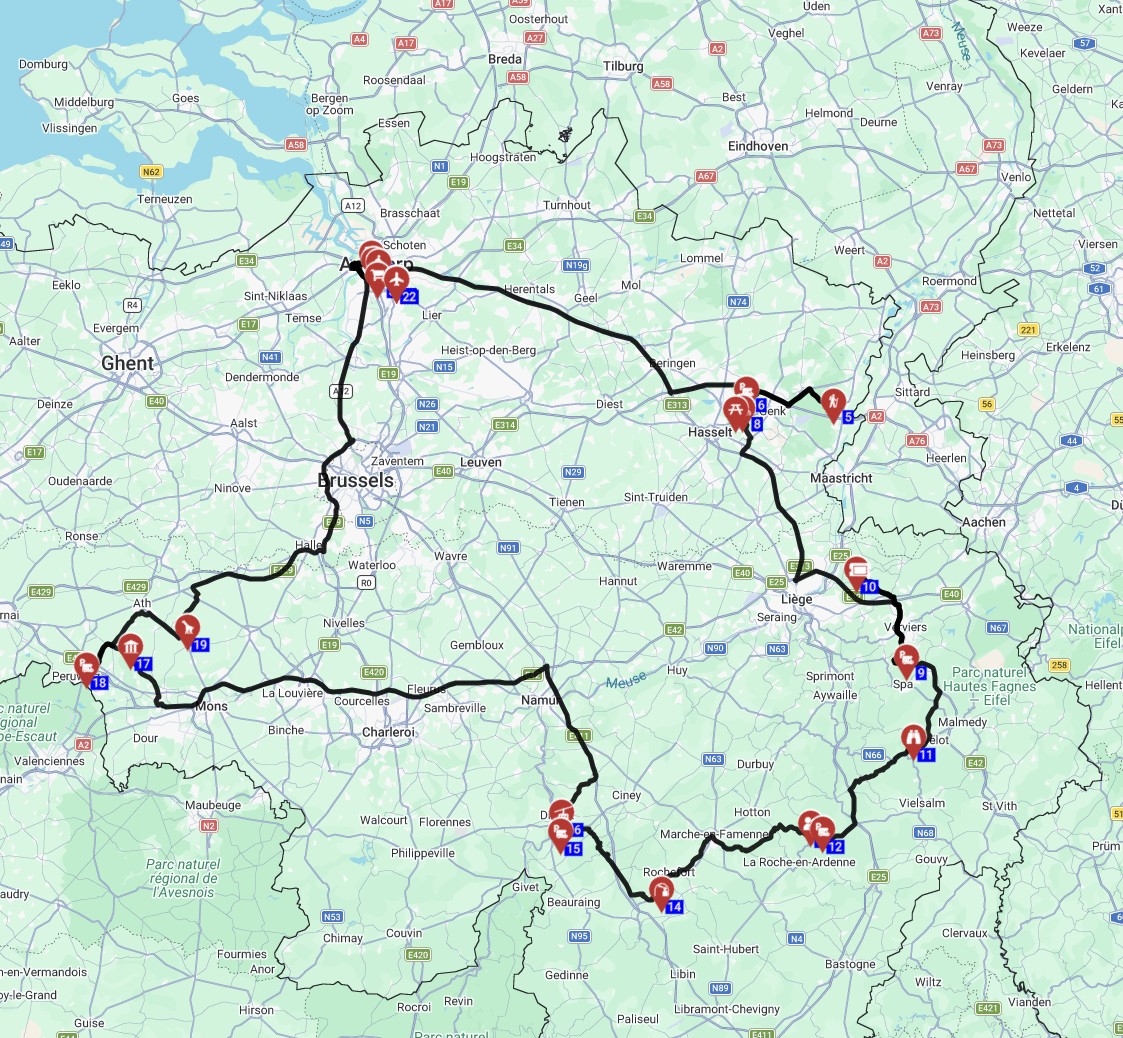
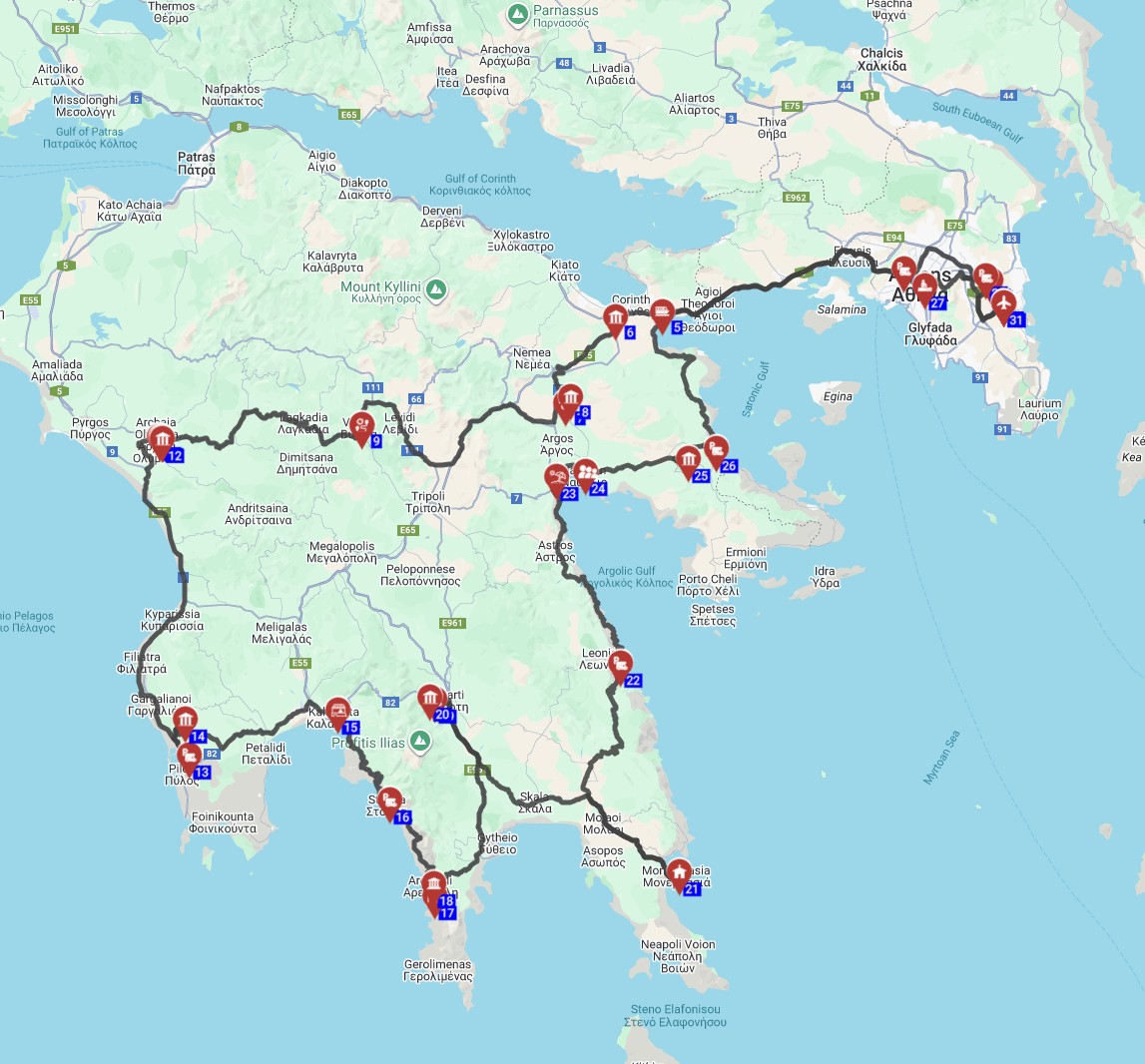
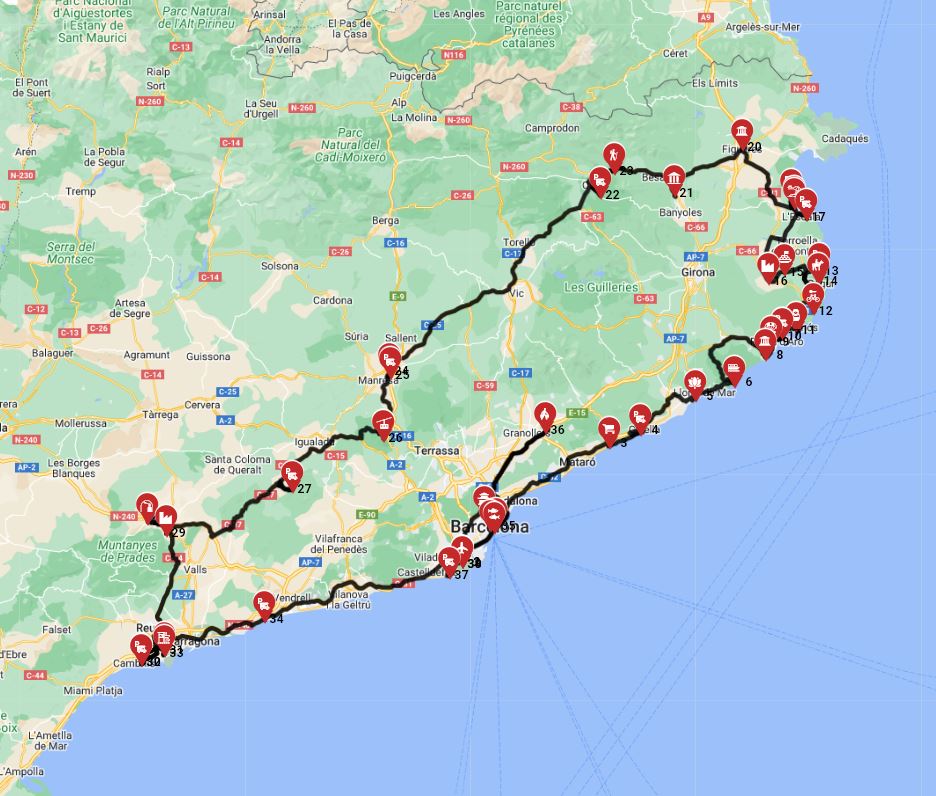
- Recommended RVPlan Trip for Europe
- Must-See Stops Along the Way (Avi Bandana Picks)
- Daily Driving Distances & Drive Times in Europe
- Best RV Class for This Itinerary — Couple & Family Picks
- What is the 333 rule for campervan?
- How much does it cost to rent an RV in Europe?
- How easy is it to travel around Europe in a motorhome?
- Which RV rental site is best?
- What is the 444 rule for RV?
- What are some good RV trips in Europe?
- What is the most beautiful road trip in Europe?
- Can you rent a campervan to drive around Europe?
- Can you sleep anywhere in a campervan in Europe?
Best Europe RV Itinerary for RV rental deals — Overview
Europe offers an unparalleled RV travel experience, boasting diverse landscapes, rich cultures, and a well-developed network of campsites and services. Renting an RV provides exceptional flexibility, allowing you to craft an itinerary that perfectly suits your interests, whether you prefer short, focused explorations or extended, immersive journeys. Many travelers opt for the convenience of pre-planned routes, which often cover significant distances to showcase the best of the continent.
For example, the "
7-Day Classic Route in Europe
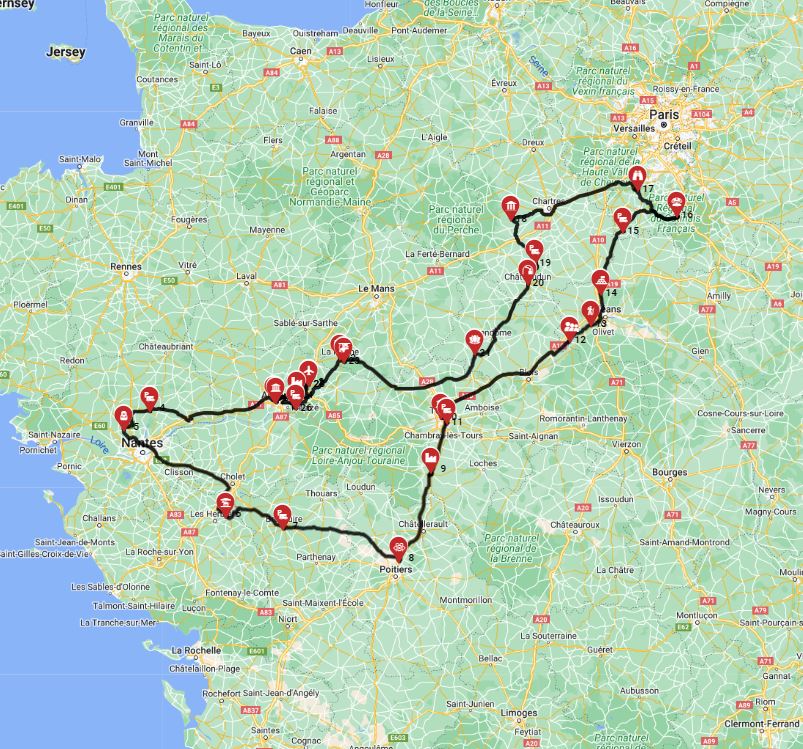
A classic 7-day RV itinerary in Europe can offer a delightful blend of cultural landmarks and natural beauty, focusing on a single region to maximize exploration time. For instance, a route through the French Loire Valley is ideal for a week-long adventure, allowing ample opportunity to visit historic châteaux and charming towns without feeling rushed. This approach aligns perfectly with the slow travel philosophy, ensuring you can truly soak in the atmosphere of each location.
An example itinerary might look like this: Day 1: Depart from Paris and drive to Chartres (approximately 90 km), visiting the magnificent Chartres Cathedral. Day 2: Continue to Amboise (120 km) to explore the Château d'Amboise. Day 3: A short drive to Tours (30 km) to wander through its Old Town. Day 4: Head to Saumur (65 km) to see the Château de Saumur. Day 5: Drive to Angers (75 km) to visit the Château d'Angers. Day 6: Travel to Le Mans (90 km), known for its cathedral. Day 7: Return to Paris (200 km), concluding your journey. Throughout this trip, daily driving distances are kept under 100 miles (150 km) to ensure a relaxed pace, with overnight stays recommended at designated campgrounds or RV parks. For finding such perfect spots, we recommend using RV PLANET (rvplan.net) — a great resource for locating available spots along your route.
14-Day Extended Journey in Europe
An extended 14-day RV journey through Europe allows for a more in-depth exploration, potentially spanning multiple countries or diverse regions within a larger nation. Consider a loop through Germany and Austria, for example, which offers a rich tapestry of landscapes, from the Bavarian Alps to the picturesque Austrian lakes and historic cities.
A possible 14-day itinerary could include: Days 1-3: Explore the Bavarian Alps in Germany, perhaps driving from Munich to Garmisch-Partenkirchen and Füssen, highlighting Neuschwanstein Castle and the Zugspitze. Days 4-6: Transition into Austria, driving from Füssen to Innsbruck and then to the stunning village of Hallstatt, experiencing the Olympic city and UNESCO-listed sites. Days 7-9: Journey to Salzburg, Austria, immersing yourself in Mozart's birthplace and the Salzkammergut Lake District. Days 10-12: Discover Germany's Romantic Road, traveling from Salzburg towards Rothenburg ob der Tauber and Würzburg, with its medieval towns and vineyards. Days 13-14: Conclude your journey through the Rhine Valley, perhaps driving from Würzburg to Frankfurt for RV return, enjoying castles and river cruises along the way. As with shorter trips, maintaining daily driving distances below 100 miles (150 km) is key to maximizing your time for exploration and preventing fatigue.
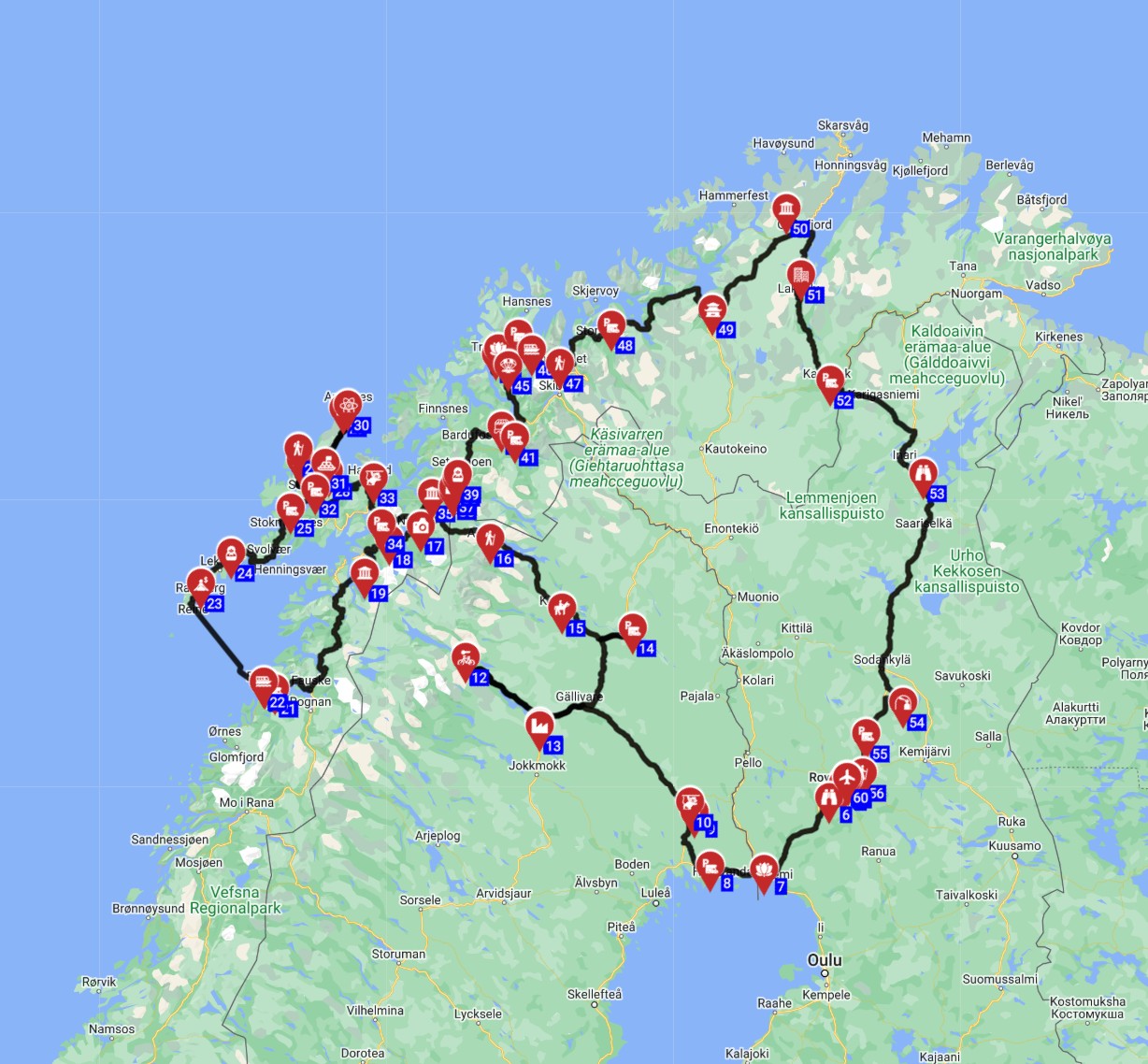
For an immersive and meticulously planned RV adventure in Europe, consider the "Rovaniemi Roundtrip - End of Europe scenic roads" from RVPlan. This exceptional itinerary is named Rovaniemi Roundtrip - End of Europe scenic roads. Explore the detailed route here: Visualize your journey with this image: motorhome trip in europe from rovaniemi finland to lapland and norway _id-1140_main_0c11.jpg. The trip covers a total distance of 3,579 kilometers and is designed as an 18-day adventure, starting and ending in Rovaniemi, Finland, and venturing into Norway.
Must-See Stops Along the Way (Avi Bandana Picks)
When planning your European RV adventure, incorporating stops that offer unique cultural, historical, and local experiences can truly elevate your journey. Avi Bandana's personal picks often focus on these authentic encounters, especially when exploring routes like the extensive "Rovaniemi Roundtrip" which offers incredible diversity.
Avi strongly recommends seeking out traditional visits, such as the Alta Museum – World Center for Rock Art in Norway, to marvel at ancient rock carvings, or immersing yourself in the festive magic of Santa Claus Village in Rovaniemi, Finland. For those interested in the region's industrial heritage, exploring the Porjus Hydroelectric Power Station Museum in Sweden (if your route extends that way) provides fascinating insights into engineering marvels. Beyond major attractions, always make time to explore local markets to sample regional produce, discover unique crafts, and truly experience the authentic pulse of European towns. Finally, no RV trip is complete without indulging in local culinary delights, whether it's hearty Lappish cuisine in Finland or fresh seafood along the Norwegian coast, ensuring a true taste of your travel destinations.
Daily Driving Distances & Drive Times in Europe
For an enjoyable and unhurried RV experience in Europe, a key recommendation from seasoned travelers, including Avi Bandana, is to adhere to a maximum daily driving distance of around 100 miles (150 km) on average. This approach allows ample time for exploration, spontaneous scenic stops, and relaxation, preventing driver fatigue and encouraging deeper engagement with each destination.
Adhering to this guideline translates into manageable drive times. For example, a drive from Paris to Chartres in France (approximately 90 km) takes about 1.5 to 2 hours of driving. Similarly, covering the distance from Munich to Salzburg in Germany/Austria (around 145 km) is roughly a 1.5 to 2-hour drive, allowing for leisurely exploration of the surroundings. Even a journey from Florence to Orvieto in Italy (about 120 km) can be completed in around 1.5 hours, leaving plenty of time to appreciate the scenic routes and discover charming villages along the way.
Best RV Class for This Itinerary — Couple & Family Picks
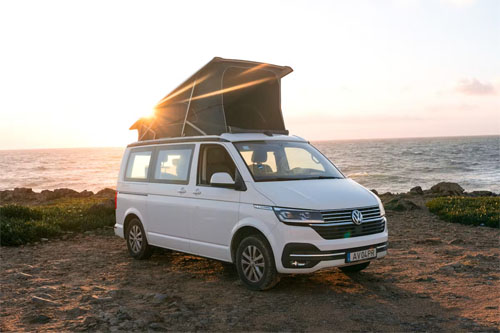
Selecting the right RV class for your European adventure is crucial for comfort and practicality. For couples seeking agility and ease of access, especially in narrower European roads or historic city centers, a compact Class B Camper Van is often the ideal choice. Bandana's fleet typically features Class B camper vans averaging 5.8 meters in length, comfortably sleeping 2-3 adults with an average fuel consumption of around 10 Liters/100 Km.
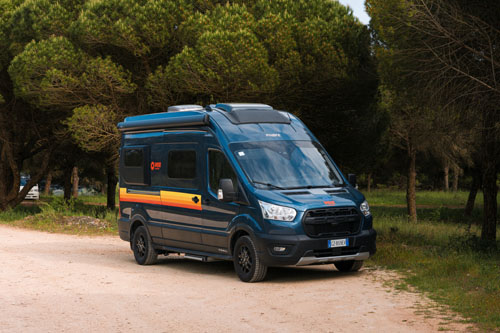
For families, the extra living and sleeping space offered by a Class C Alcove motorhome makes it a superior choice for longer trips with children. Bandana's Class C Alcove units usually average 7.5 meters in length, providing sleeping places for up to 5-6 people (average 4.4 adults) with common fuel consumption around 10-12 Liters/100 km. These vehicles ensure family comfort and practical living spaces, making the journey more enjoyable for everyone. Furthermore, Bandana's 'Rent & Plan' service can simplify the process by combining RV rental with expertly curated itineraries and trip-planning software, removing the planning headache for both couples and families.
Choosing between a nimble Camper Van and a spacious Motorhome depends on your travel style. A V3, for instance, is a fantastic option for couples, offering a compact design with essential amenities. For families, a larger vehicle like the cruise america rv rental example Explorer provides ample space and sleeping accommodations for up to four people, ensuring everyone has a comfortable experience. Bandana offers a wide range of vehicles, each detailed with specific features to help you make the best choice for your needs.
What is the 3-3-3 rule for campervan?
The 3-3-3 rule for campervan travel is a popular guideline suggesting a balanced pace: drive no more than 300 miles (approximately 480 km) per day, aim to arrive at your destination by 3 PM to secure a good spot and settle in, and stay for at least 3 nights in one location to allow for deeper exploration.
While the "300 miles" aspect might be ambitious for many European routes due to road conditions and the density of attractions, the core principles of arriving by 3 PM and staying for a minimum of 2-3 nights remain highly beneficial for experiencing Europe without constant rushing. This adapted approach allows for a more relaxed and immersive travel pace, preventing driver fatigue and enabling you to truly connect with each area you visit. It's all about savoring the journey, not just reaching the destination.
How much does it cost to rent an RV in Europe?
The cost to rent an RV in Europe can vary significantly, typically ranging from €70 per day for smaller campervans in the off-season to over €200 per day for larger motorhomes during the peak summer months. The overall budget, however, is heavily influenced by factors beyond the daily rental fee, including fuel, tolls, and campground expenses. On the routes offered through RV PLANET routes, you can itemize and track every expense along the way for easy budgeting.
When budgeting, consider these key cost components: Rental Fees (€70-€200+ per day), which fluctuate based on vehicle class, season, duration, and rental company. Insurance (basic is often included, but additional waivers are recommended, especially for cross-border travel, adding to the cost). Fuel Costs are a significant ongoing expense; Bandana's fleet averages 10-12 Liters/100 km (e.g., Class B: ~10 L/100km, Class C: ~10-12 L/100km), with prices varying by European country. Tolls & Vignettes are required for motorway use in many countries (e.g., Austria, Switzerland, Czech Republic), adding variable costs. Campground Fees can range from €20-€60+ per night for designated RV parks or campgrounds, which offer essential amenities. Lastly, miscellaneous expenses like groceries, dining out, and activity fees should be factored in, along with a contingency for unexpected costs. For a comprehensive cost breakdown of your chosen route, we recommend using RV PLANET (rvplan.net) where you can itemize and track every expense along the way for easy budgeting.
How easy is it to travel around Europe in a motorhome?
Traveling around Europe in a motorhome is generally a highly rewarding experience, offering unparalleled freedom and immersion in local cultures and landscapes. However, it requires careful planning to navigate the continent's diverse challenges, including varying road sizes, parking limitations in historic cities, and differing local driving regulations and cultural norms.
European roads can range from wide motorways to incredibly narrow rural lanes and challenging mountain passes. Larger RVs may find historic city centers particularly difficult due to size restrictions (ZTLs - Limited Traffic Zones) and limited parking. A reliable GPS with RV-specific routing capabilities, accounting for vehicle height, weight, and width, is crucial for avoiding restricted areas and unsuitable roads. Understanding cultural nuances and etiquette is also vital; be mindful of local customs regarding noise levels, waste disposal, and interactions at campgrounds or local businesses to ensure smooth and respectful journeys. Safety and security are paramount, especially in urban areas, so always choose secure campgrounds, avoid leaving valuables visible, and be aware of local emergency procedures and contacts. For detailed, destination-specific advice on driving customs, fuel stations, and parking, explore country-specific guides, which often include tips on navigating these very aspects.
Which RV rental site is best?
Determining the "best" RV rental site depends on individual priorities, but platforms that offer a wide range of vehicles, transparent pricing, comprehensive insurance options, and clear cross-border travel policies generally provide the most reliable and convenient experience. Sites like Rent-Motorhome (Bandana) excel by focusing exclusively on RV travel with unmatched personal experience and attention to detail.
When evaluating rental sites, look for diverse fleet options, from compact Class B campervans to larger family-friendly Class C and A motorhomes, to match your group size and travel style. Transparent pricing is key – the best sites provide upfront, clear breakdowns of all fees, including rental, mileage, insurance, cleaning, and any potential cross-border surcharges, avoiding unexpected costs. Evaluate the included insurance and consider additional coverage for a worry-free trip, inquiring about specifics for cross-border travel. A crucial factor for European travel is understanding the rental company's policy on driving into different countries, including any required permissions, additional fees, or documentation. Finally, assess the quality of customer support and any value-added services, such as Rent-Motorhome’s 'Rent & Plan' service for integrated itinerary planning, which can significantly enhance your trip preparation.
What is the 4-4-4 rule for RV?
The 4-4-4 rule for RV travel is a guideline that suggests an even more relaxed pace: drive no more than 400 miles, arrive at your destination by 4 PM, and stay for a minimum of 4 nights in one spot.
The intent behind this rule is to further reduce travel fatigue and allow for extensive, in-depth exploration of each chosen location, minimizing the stress of constant setup and packing. In the European context, while the "400 miles" driving distance might be too ambitious or impractical for many routes due to road conditions and attraction density, the principles of "arrive by 4 PM" to secure a spot and "stay for 4 nights" are highly applicable. Adopting the longer stay aspect particularly enhances the immersive experience, enabling deeper cultural engagement and more relaxed sightseeing in Europe's diverse regions.
What are some good RV trips in Europe?
Europe offers an incredible array of good RV trips catering to all interests, from the dramatic fjords and arctic landscapes of Norway on routes like the "Rovaniemi Roundtrip," to the historic castles of Germany's Romantic Road, the sun-drenched coasts of Portugal, or the culinary delights of Italy.
Nordic Adventures are spectacular, allowing you to explore Norway's stunning fjords and Northern Lights, or venture into Finland's Lapland on an arctic route. Central European Charm is abundant, with Germany's historic Romantic Road, the scenic Black Forest, or the imperial cities and alpine landscapes of Austria and Switzerland offering diverse experiences. For Southern European Delights, consider cruising Italy's picturesque Tuscany region or the challenging but rewarding Amalfi Coast, exploring France's Loire Valley châteaux, or soaking up the sun along the Portuguese coast. Eastern European Gems also await, with the natural beauty of Slovenia's lakes and mountains or the stunning Adriatic coastline of Croatia providing memorable RV journeys. For a meticulously planned adventure, the RVPlan "Rovaniemi Roundtrip" offers an 18-day immersion into the scenic roads of Northern Europe.
What is the most beautiful road trip in Europe?
While beauty is subjective and depends greatly on personal preference, consistently acclaimed contenders for Europe's most beautiful RV road trips include Norway's Atlantic Ocean Road with its dramatic coastal bridges, the majestic Grossglockner High Alpine Road in Austria offering panoramic alpine views, and the scenic routes through the Scottish Highlands.
Norway's Atlantic Ocean Road is renowned for its breathtaking bridges that leap from islet to islet across the ocean, providing unparalleled coastal vistas. Austria's Grossglockner High Alpine Road offers a spectacular drive through the heart of the Hohe Tauern National Park, boasting glaciers, panoramic alpine views, and exhilarating winding mountain passes. The Scottish Highlands in the UK are characterized by rugged mountains, historic castles, deep lochs (including the famous Loch Ness), and expansive wilderness. Other notable mentions for stunning RV journeys include the dramatic Amalfi Coast in Italy (though challenging for larger RVs), the towering peaks of the Dolomites, and the remote, scenic roads covered by the RVPlan "Rovaniemi Roundtrip" through Lapland and Norway, which provides a truly unique Arctic driving experience.
Can you rent a campervan to drive around Europe?
Absolutely! Renting a campervan or motorhome to drive extensively around Europe is a popular and well-supported travel option. Most major rental companies, including those partnered with Bandana, facilitate cross-border journeys, provided you obtain the necessary permissions and appropriate insurance.
You'll find widespread availability across Europe, with numerous rental companies offering extensive fleets in various countries, making it easy to find a suitable vehicle for your needs. It is crucial to inform your rental provider about all countries you plan to visit, as cross-border travel often requires specific permissions, additional insurance, or an international travel permit. Generally, a standard B-category driving license (for vehicles up to 3.5 tonnes) is sufficient, but an International Driving Permit (IDP) is recommended or legally required in some countries outside the EU/EEA. Ensure your rental vehicle is equipped with the necessary safety gear (e.g., reflective vests, warning triangle, first-aid kit) and suitable tires (e.g., winter tires for certain seasons/regions) for your planned itinerary.
Can you sleep anywhere in a campervan in Europe?
Generally, wild camping or sleeping just anywhere in a campervan is not permitted across most of Europe due to varying national and local regulations. The recommended and legal options for overnight stays are designated campgrounds, 'stellplatz' (motorhome parking areas in Germany/Austria), or 'aires' (service areas in France).
Regulations vary significantly by country; wild camping is strictly prohibited in places like the Netherlands, Portugal, and Croatia. However, it might be tolerated for a single night in Germany (to avoid driver fatigue) or permitted with restrictions (e.g., away from populated areas) in parts of Scandinavia and France. Utilizing official campgrounds, 'stellplatz,' or 'aires de service' provides safe, legal, and often amenity-rich options for overnight parking. Remember to adhere to 'leave no trace' principles, properly disposing of all waste, including greywater and blackwater, to ensure sustainable and eco-friendly RV travel and respect for Europe's diverse environments. Illegally wild camping can lead to substantial fines, and designated sites also offer better security and services, providing greater peace of mind.
Final Thoughts
Renting an RV for your European adventure opens up a world of possibilities, allowing you to travel at your own pace and truly connect with the diverse cultures and stunning landscapes the continent has to offer. From the historic charm of France's Loire Valley to the rugged beauty of Norway's fjords, there's an itinerary for every traveler.
Remember that planning is key, but flexibility can lead to unexpected discoveries. Utilizing resources like RV PLANET (rvplan.net) can streamline the process, helping you find the perfect vehicle and the ideal route, complete with insights into campgrounds and points of interest. Embrace the freedom of the open road and prepare for an unforgettable journey through Europe!
Get inspired for your next trip! Discover top destinations, planning tips, and more, all in one place. Plan a trip itinerary in advance with minimal effort and maximum enjoyment.