In This Guide
- Best Asia RV Itinerary for rv rental deals — Overview
- 7-Day Classic Route in Asia
- 14-Day Extended Journey in Asia
- Recommended RVPlan Trip for Asia
- Must-See Stops Along the Way (Avi Bandana Picks)
- Daily Driving Distances & Drive Times in Asia
- Best RV Class for This Itinerary — Couple & Family Picks
- What is the minimum driver age for rv rental rental in Asia?
- Can I pick up a rv rental in Asia and return it in a different city?
- What is the 3-3-3 rule for RV travel?
- Can I rent an RV for a road trip?
- What is the 4-4-4 rule for RV?
- Which countries are best for taking RV trips in Asia?
- What is the 2-2-2 rule for RV travel?
- What is the best RV route planner for Asia?
- What I wish I knew before renting an RV in Asia?
- Which RV rental site is best for Asia?
Best Asia RV Itinerary for rv rental deals — Overview
An RV adventure in Asia offers unparalleled freedom to discover diverse cultures and landscapes, with a recommended duration of at least 7 days, and ideally 14 days or more for a truly immersive experience. The best season for RV travel in most of Asia is typically during spring (March-May) and autumn (September-November), avoiding the intense heat of summer, heavy monsoon rains, or harsh winters in some northern regions. This type of travel emphasizes scenic drives and cultural immersion, with recommended daily driving distances carefully capped to maximize enjoyment and allow for spontaneous exploration. For live availability and current prices, start with our RV Rental Asia - Complete Guide 2026 guide. Imagine waking up to new horizons each day, with the flexibility to chase vibrant city lights or serene mountain vistas. A rented motorhome, campervan, or mobile home provides a comfortable base from which to explore, giving you direct access to local markets, hidden gems, and breathtaking natural parks. The freedom of the open road across Asia truly transforms a vacation into an unforgettable journey.7-Day Classic Route in Asia
A compact yet enriching 7-day RV itinerary across Japan can offer a taste of Asia's charm, focusing on the Kansai region for easy logistics. On Day 1, travelers arrive in Osaka, Japan, picking up their rented motorhome and driving approximately 50 km (30 miles) to Kyoto to explore iconic sites like Kiyomizu-dera Temple before settling at Fushimi-no-Mori Campground. Day 2 takes you from Kyoto to Nara (approximately 40 km / 25 miles) to visit Nara Park and its famous deer, with an overnight stay at Nara City Campground. Day 3 involves a scenic drive from Nara to Lake Biwa (approximately 70 km / 45 miles) to enjoy Japan's largest freshwater lake and camp at Lake Biwa Happy Campground. The journey continues on Day 4 from Lake Biwa to Koya-san (approximately 90 km / 55 miles) for a unique experience in this sacred mountain temple town, camping at Koya-san Camping Ground. Day 5 involves driving from Koya-san to Wakayama (approximately 60 km / 37 miles) to visit Wakayama Castle and a local beach, with an overnight stay at Marina City Auto Campground. On Day 6, return from Wakayama to Osaka (approximately 70 km / 45 miles) to explore Osaka's vibrant Dotonbori district, staying at Osaka Maishima Seaside Autocamp. Day 7 is dedicated to departure from Osaka, completing a total route of approximately 380 km (235 miles), demonstrating how slow travel allows for deep cultural engagement in a week.14-Day Extended Journey in Asia
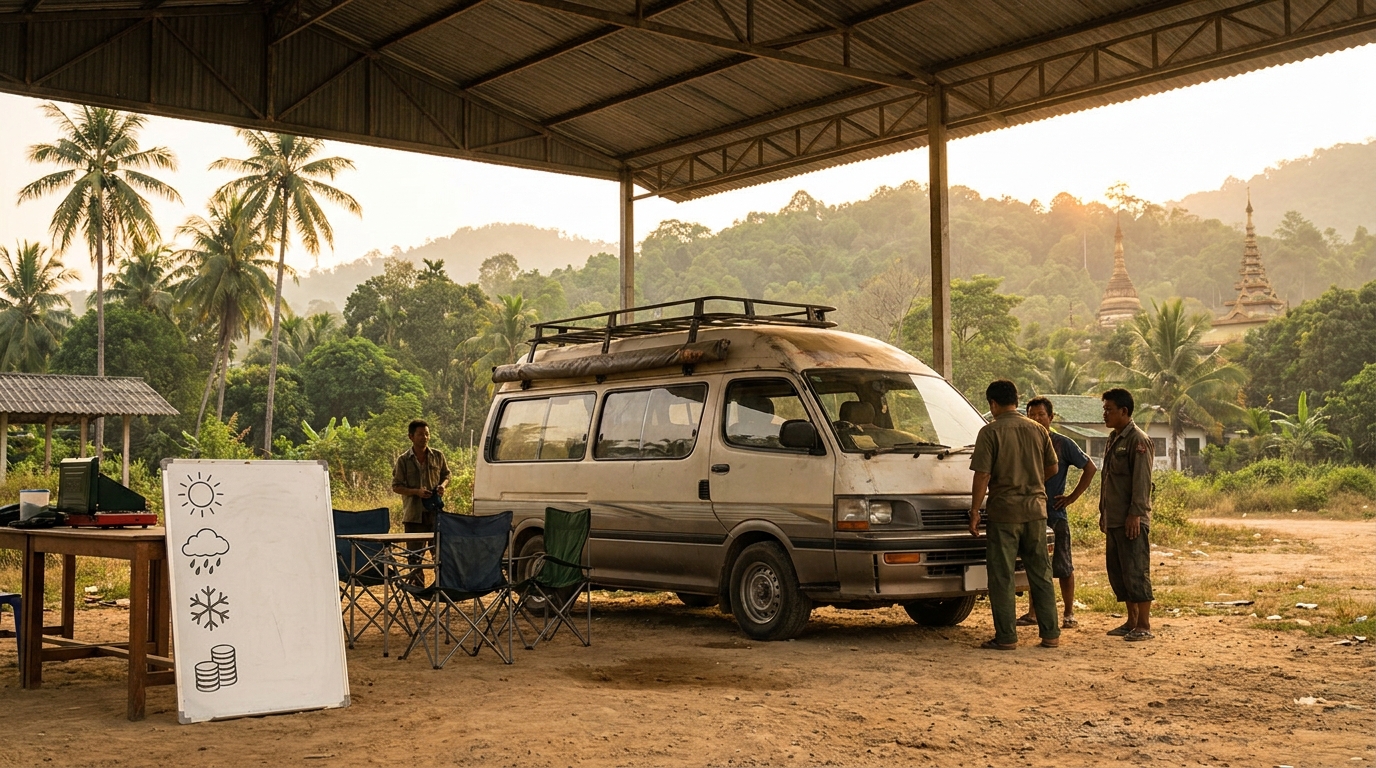
An extended 14-day RV journey across parts of Southeast Asia, such as Thailand and Vietnam, offers a deeper exploration of dynamic cultures and breathtaking landscapes. Days 1-3 can be spent in Central Thailand, traveling from Bangkok to Ayutthaya and Khao Yai National Park (approximately 200 km / 125 miles total) to explore ancient ruins and wildlife, staying at designated national park campsites or private RV parks. Days 4-6 then shift to Northern Thailand; this segment typically involves a longer journey to Chiang Mai (approximately 600 km / 370 miles), which some RVers might prefer to split into two driving days, perhaps via Sukhothai, or consider an internal flight/train connection and a new RV pick-up for comfort. Once in Chiang Mai, you can immerse yourself in Lanna culture and temples, camping at local sites near the city. Days 7-9 are perfect for exploring Northern Thailand further, with a scenic drive from Chiang Mai to Pai and the Mae Hong Son Loop (approximately 250 km / 155 miles), featuring mountainous roads, hot springs, and hill tribe villages, with camping available near the Pai River or Mae Hong Son Lake. For Days 10-12, transition to Southern Vietnam (Ho Chi Minh City to Mekong Delta - approximately 150 km / 90 miles) to discover vibrant markets, floating villages, and historical sites. Be aware that dedicated RV parks are scarce here; wild camping with local permission or relying on guesthouses are common options for campervan travelers in Vietnam. The final Days 13-14 involve a Southern Vietnam coastal drive from the Mekong Delta to Mui Ne (approximately 200 km / 125 miles) for relaxing on beaches and visiting sand dunes, before returning your RV to Ho Chi Minh City or a pre-arranged drop-off point. The total approximate driving for this comprehensive itinerary, excluding potential flight or train jumps, is around 1400 km (870 miles). When planning for fuel, tolls, and campground fees on such an extensive trip, remember that RV PLANET routes allow you to itemize and track every expense for easy budgeting.Recommended RVPlan Trip for Asia
While a specific pre-designed RVPlan trip for Asia may not be immediately available in our extensive database for every region, Bandana RV encourages users to explore our global itineraries and leverage our powerful trip-planning tools. Our platform provides the flexibility to create custom trips and connect with local rental providers who can offer invaluable insights into unique Asian routes. Rent&Plan is our way of giving you the best of both worlds- a professional plan and the freedom of an RV. Consider contacting our travel experts for personalized recommendations tailored to your RV travel opportunities in Asia, especially in countries like Japan, South Korea, and Thailand where RV infrastructure is developing. If you're looking for more general options, browsing "RV Rental Deals in Asia - Latest Offers 2026" can give you a great starting point for your dream trip.Must-See Stops Along the Way (Avi Bandana Picks)
When planning an RV trip in Asia, Avi Bandana suggests prioritizing stops that offer unique cultural immersion and authentic local experiences. One key recommendation is to seek out traditional markets, such as Bangkok's Chatuchak Weekend Market or Kyoto's Nishiki Market, where you can sample local delicacies, discover unique ingredients, and interact with friendly vendors. For those passionate about preparing meals on the go, these markets are a treasure trove for your RV kitchen; find inspiration for your next meal on our RV-friendly recipes playlist. Further enriching your journey, look for local industry tours, like a tea plantation visit in Sri Lanka or a silk weaving workshop in Vietnam, for a deeper understanding of regional craftsmanship and traditions. Don't miss the opportunity for profound historical and spiritual visits to ancient temples (e.g., Borobudur in Indonesia or a serene Japanese shrine) or other significant historical sites that offer a glimpse into Asia's rich and complex past. To truly connect with the heart of each destination, engage with local communities by dining at family-run restaurants rather than larger tourist traps, ensuring you experience authentic culinary traditions and support local businesses.Daily Driving Distances & Drive Times in Asia
Avi Bandana, drawing from extensive experience, recommends maintaining a maximum of 100 miles or 150 km per day on average to truly savor your RV journey through Asia, allowing ample time for unexpected stops and immersive local exploration. Driving slowly and carefully is paramount in Asia, where road conditions can vary significantly, traffic density can be high, and diverse driving etiquettes necessitate extra attention. No need to stress-just use common sense and pay attention. You can drive almost anywhere without issues. For example, an average drive of 100 km (60 miles) in Asian urban or semi-rural areas can easily consume 2-3 hours due to factors like heavy traffic, winding roads, and frequent stops at intersections or local markets. To illustrate, the approximately 40 km journey from Kyoto to Nara in Japan might take 1 hour of driving, leaving a full day for sightseeing and cultural activities. Conversely, the roughly 130 km drive from Chiang Mai to Pai in Thailand, with its winding mountainous roads, could easily take 3-4 hours, often requiring an early start to enjoy the scenery safely and arrive at your destination before dusk. Remember to check local road signs and conditions, which can change rapidly with weather or local events.Best RV Class for This Itinerary — Couple & Family Picks
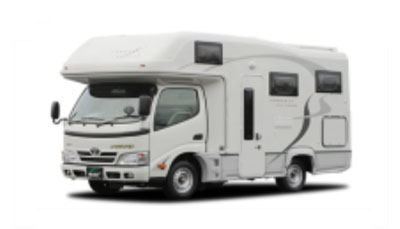
Selecting the right RV class significantly enhances your travel experience in Asia, balancing comfort with maneuverability for diverse road conditions. For couples, a Class B Camper Van is an ideal choice due to its excellent maneuverability and fuel efficiency, making it perfect for navigating both bustling city streets and scenic backroads. Bandana's global fleet of Class B Camper Vans typically average 5.8 meters in length, comfortably sleep around 3.2 people, and accommodate 2.7 adults, with common fuel consumption around 8-10 Liters/100 km. These compact yet capable vehicles, like a "Patagonia Camper 4x4 double cab" or a "camper van hire example Super Deluxe Camper", often come with essential amenities like a front air condition, toilet, and shower, ensuring comfort on the go. For families or larger groups, a Class C Alcove motorhome provides the necessary space and amenities for a comfortable extended journey. These vehicles, such as an "Explorer" model from Cruise America or a "24 Class C Motorhome," offer multiple sleeping areas and a more spacious living environment. Bandana's global fleet of Class C Alcove models average 7.5 meters in length, comfortably sleep approximately 5.8 people, and can accommodate 4.4 adults, typically consuming 10-12 Liters/100 km. Opting for our Rent&Plan service seamlessly combines your chosen RV rental with a pre-designed itinerary crafted by travel professionals, giving you full access to our trip-planning software and eliminating the stress of organizing your route. This ensures that whether you choose a cozy campervan or a spacious motorhome, your adventure begins with ease and confidence.What is the minimum driver age for rv rental rental in Asia?
The minimum driver age for an RV rental in Asia is typically 21 years old across most of our partner suppliers. Unlike some regions, there are generally no young driver surcharges and no vehicle class restrictions based on age in Asia, meaning a 21-year-old can rent most available motorhomes or campervans. It's always advisable to verify the specific terms with your chosen supplier during the booking process, but a standard car driver's license is sufficient for all motorhome classes (Class A, Class B, and Class C). An International Driving Permit (IDP) is recommended for visitors from non-English-speaking countries for ease of identification, though it is not strictly mandatory in many cases.Can I pick up a rv rental in Asia and return it in a different city?
Yes, one-way RV rentals are indeed available with most suppliers across various countries in Asia, offering excellent flexibility for travelers who prefer not to loop back to their starting point. A drop-off fee typically applies for these one-way options, with the cost varying depending on the distance between the pickup and drop-off locations and the specific supplier's policies. For example, a one-way rental might incur a relocation fee ranging from $150 to $500 USD. When booking with Bandana, our platform allows you to easily compare pricing for one-way options, ensuring full transparency with no hidden fees or surprises at pickup. For detailed pricing on such flexible trips, exploring options like "One-Way RV Rental in Asia - Price Guide 2026" can be very helpful.What is the 3-3-3 rule for RV travel?
The 3-3-3 rule for RV travel is a widely recognized guideline designed to promote relaxed travel and prevent driver fatigue, making your journey more enjoyable. This practical rule advises travelers to drive no more than 300 miles (approximately 480 km) in a single day. It also suggests arriving at your chosen destination campground by 3 PM, allowing ample time to set up, relax, and explore your surroundings before dusk. Finally, the rule recommends staying at least 3 nights in each location before moving on, encouraging deeper exploration of the area and a more settled pace of travel.Can I rent an RV for a road trip?
Yes, renting an RV for a road trip in Asia is increasingly accessible, with growing markets and infrastructure in several key destinations across the continent. Availability varies significantly by country, with Japan and South Korea offering particularly established rental markets and numerous RV-friendly facilities. While less developed, countries like Thailand and New Zealand (often grouped for broader Asia-Pacific RV travel searches) also present viable options for self-drive tours. You can find a range of RVs, motorhomes, and campervans through international platforms like Bandana. We pride ourselves on being true RV specialists, not just a travel agency side department, ensuring you get expert advice for your rental. Confirm driver's license requirements, insurance coverage, and any cross-border travel rules specific to your chosen Asian destination before booking.What is the 4-4-4 rule for RV?
The 4-4-4 rule for RV travel is another practical guideline, sometimes used interchangeably with the 3-3-3 rule, aimed at maximizing comfort and safety on the road. This rule suggests traveling no more than 400 miles (approximately 640 km) in a single day, or for a maximum of 4 hours, ensuring drivers remain alert and well-rested. It also recommends arriving at your campground or chosen stopping point by 4 PM, which provides ample daylight for setting up camp and navigating unfamiliar surroundings. Furthermore, the 4-4-4 rule advises staying at least 4 nights in each location, allowing for a thorough exploration of the area's attractions without feeling rushed.Which countries are best for taking RV trips in Asia?
For RV trips in Asia, Japan, South Korea, and Thailand offer the most developed infrastructure and rental options, along with stunning diverse landscapes. Japan provides an excellent RV experience with its extensive network of over 1,100 '道の駅' (Michi-no-Eki - roadside stations) which offer convenient parking, clean restrooms, and sometimes even hot springs or local markets. Thailand's northern regions, such as the Chiang Mai area, boast scenic routes, though dedicated RV parks are less common, requiring travelers to rely more on private campsites or accommodations that permit RV parking. While geographically distinct, Australia and New Zealand also feature robust RV industries with extensive networks of caravan parks, making them prime destinations frequently considered by travelers exploring the broader Asia-Pacific region. Emerging destinations for the more adventurous include Malaysia, Indonesia (particularly Bali), and parts of Central Asia, which require more meticulous planning due to varying road conditions and infrastructure. Bringing your own RV into countries like China or Pakistan involves complex permit requirements, such as a Carnet de Passage en Douane, specific customs procedures, and often necessitates engaging a local guide or tour operator for border crossings and internal travel logistics.What is the 2-2-2 rule for RV travel?
The 2-2-2 rule for RV travel is a highly conservative guideline focused on maximizing relaxation and significantly reducing driving stress, especially beneficial for first-time RV renters or those seeking a very leisurely pace. This rule recommends driving no more than 200 miles (approximately 320 km) in a single day, ensuring that journeys are short and manageable. It further suggests arriving at your destination by 2 PM, providing ample afternoon daylight for settling in, exploring the local area, or simply unwinding. Lastly, the rule advises staying at least 2 nights at each stop, allowing for a good balance between seeing multiple places and truly experiencing them without the constant pressure of packing up and moving.What is the best RV route planner for Asia?
The best RV route planner for Asia depends on your specific needs, but platforms like RV Trip Wizard and CoPilot GPS are popular for their comprehensive features. RV Trip Wizard is highly regarded for its detailed functionalities tailored to RVers, including extensive campground directories, fuel stops, and the ability to factor in RV dimensions and weight for safe navigation. Google Maps is excellent for general navigation and real-time traffic updates, but it may not always route for RV-friendly roads or low clearances without careful manual input. For Asia-specific planning, local apps and advice directly from your rental company or experienced travelers are invaluable, as digital mapping for RV-specific infrastructure (like dump stations, fresh water, and dedicated parks) can be less developed outside major tourist areas, particularly compared to North America or Europe. Consider Bandana's integrated trip planning software, which is included with our Rent&Plan services, offering expert-curated itineraries and detailed mapping tailored specifically to your RV adventure in Asia. We believe in providing the easiest, safest, and most affordable way to rent an RV, and our planning tools reflect that commitment.What I wish I knew before renting an RV in Asia?
Before renting an RV in Asia, a critical insight is that infrastructure and driving conditions can differ significantly from Western countries, demanding careful preparation. Road conditions vary drastically, from pristine highways in Japan and South Korea to narrow, winding, or poorly maintained roads in more rural Southeast Asian regions, often accompanied by challenging traffic and less predictable driving etiquette. Drive slowly and carefully, and you can drive almost anywhere without issues. No need to stress-just use common sense and pay attention. Fuel availability and quality might be inconsistent in remote areas; always plan your fuel stops carefully and verify the correct fuel type for your rented motorhome or campervan. Dedicated RV infrastructure, such as campgrounds, dump stations, and fresh water access, is not as widespread as in Europe or North America outside of Japan and New Zealand; researching wild camping legality and alternative overnight parking options is essential. Cultural considerations are paramount; learning basic phrases, being mindful of local customs, and understanding specific rules regarding vehicle size or parking near religious sites are crucial for a respectful journey. Safety and security considerations vary by region; research political stability, common road hazards (e.g., livestock, unmarked speed bumps), and natural disaster risks (like monsoons or earthquakes) for your chosen region, always securing your belongings. Realistic cost breakdowns should include rental fees, insurance, fuel, tolls (which can be significant), permits, and budgeting for groceries and potential alternative accommodation where RV facilities are lacking. For these ancillary trip costs, know that RV PLANET routes allow you to itemize and track every expense for easy budgeting, ensuring no hidden surprises.Which RV rental site is best for Asia?
The "best" RV rental site ultimately depends on your specific destination, desired RV type, and budget, but platforms like Bandana.com offer a wide selection and global reach, including excellent options for Asia. Bandana specializes in connecting travelers with a diverse global fleet from over 50 leading RV suppliers worldwide, including trusted names like El Monte, Cruise America, Apollo, and Britz. Our platform provides full price transparency, comparing final prices across suppliers so you see exactly what you pay, with no surprise fees at pickup. For Asian destinations, it's particularly beneficial to use platforms that partner with local rental providers, as they often have the most up-to-date fleet information and specific regional knowledge about local driving conditions and available amenities. We ensure comprehensive insurance options are presented, and our commitment as true RV specialists means we offer unmatched personal experience and attention to the smallest details throughout your booking process. We aim to be with travelers before, during (via booking support), and after their booking, making the rental experience as smooth and enjoyable as possible.🎬 Video coming soon
What You Shouldn't Miss
- **Japan's Cherry Blossom Routes:** Plan an RV trip during spring (March-April) to witness the breathtaking cherry blossoms (sakura) along scenic routes like those around Mount Fuji or the historical sites of Kyoto, immersing yourself in one of Asia's most iconic natural spectacles.
- **Thai Street Food Markets:** Drive your campervan to a vibrant night market in Bangkok or Chiang Mai and indulge in an incredible array of fresh, flavorful, and affordable street food, a true highlight of Southeast Asian culture.
- **South Korea's Coastal Drives:** Explore the beautiful eastern coastline of South Korea, stopping at charming fishing villages, dramatic cliffs, and pristine beaches with your rented motorhome, especially around Gangneung or Sokcho.
- **Sacred Temples of Asia:** Dedicate time to visit ancient and sacred sites like Borobudur in Indonesia or a majestic Buddhist temple in Thailand, experiencing the spiritual heart of Asia and marveling at architectural wonders.
- **Rural Village Immersion in Vietnam:** Venture off the main highways in your RV to discover small, traditional villages in the Mekong Delta or central highlands of Vietnam, interacting with local communities and learning about their unique way of life.
- **Roadside Onsen in Japan:** Seek out public hot springs (onsen) in Japan, often found near Michi-no-Eki, for a relaxing and culturally authentic experience after a day of driving and exploring.
Final Thoughts
Embarking on an RV adventure through Asia offers a truly unique way to experience its breathtaking diversity, from the bustling cities of Japan to the tranquil landscapes of Thailand. With careful planning and the right rented motorhome or campervan, you unlock a level of freedom and immersion that traditional travel simply can't match. Remember to embrace the local pace, drive slowly, and savor every moment of your journey, knowing that each day brings new discoveries. At Bandana, we're passionate about making your RV travel dreams a reality, providing you with transparent pricing, expert planning tools, and dedicated support every step of the way. We encourage you to plan your route, pack your bags, and get ready for an unforgettable experience exploring the wonders of Asia from the comfort of your mobile home. Discover top destinations and planning tips all in one place-your Asian adventure awaits!In This Guide
- Best Asia RV Itinerary for rv rental deals — Overview
- 7-Day Classic Route in Asia
- 14-Day Extended Journey in Asia
- Recommended RVPlan Trip for Asia
- Must-See Stops Along the Way (Avi Bandana Picks)
- Daily Driving Distances & Drive Times in Asia
- Best RV Class for This Itinerary — Couple & Family Picks
- What is the minimum driver age for rv rental rental in Asia?
- Can I pick up a rv rental in Asia and return it in a different city?
- What is the 3-3-3 rule for RV travel?
- Can I rent an RV for a road trip?
- What is the 4-4-4 rule for RV?
- Which countries are best for taking RV trips in Asia?
- What is the 2-2-2 rule for RV travel?
- What is the best RV route planner for Asia?
- What I wish I knew before renting an RV in Asia?
- Which RV rental site is best for Asia?
Best Asia RV Itinerary for rv rental deals — Overview
An RV adventure in Asia offers unparalleled freedom to discover diverse cultures and landscapes, with a recommended duration of at least 7 days, and ideally 14 days or more for a truly immersive experience. The best season for RV travel in most of Asia is typically during spring (March-May) and autumn (September-November), avoiding the intense heat of summer, heavy monsoon rains, or harsh winters in some northern regions. This type of travel emphasizes scenic drives and cultural immersion, with recommended daily driving distances carefully capped to maximize enjoyment and allow for spontaneous exploration. For live availability and current prices, start with our RV Rental Asia - Complete Guide 2026 guide. Imagine waking up to new horizons each day, with the flexibility to chase vibrant city lights or serene mountain vistas. A rented motorhome, campervan, or mobile home provides a comfortable base from which to explore, giving you direct access to local markets, hidden gems, and breathtaking natural parks. The freedom of the open road across Asia truly transforms a vacation into an unforgettable journey.7-Day Classic Route in Asia
A compact yet enriching 7-day RV itinerary across Japan can offer a taste of Asia's charm, focusing on the Kansai region for easy logistics. On Day 1, travelers arrive in Osaka, Japan, picking up their rented motorhome and driving approximately 50 km (30 miles) to Kyoto to explore iconic sites like Kiyomizu-dera Temple before settling at Fushimi-no-Mori Campground. Day 2 takes you from Kyoto to Nara (approximately 40 km / 25 miles) to visit Nara Park and its famous deer, with an overnight stay at Nara City Campground. Day 3 involves a scenic drive from Nara to Lake Biwa (approximately 70 km / 45 miles) to enjoy Japan's largest freshwater lake and camp at Lake Biwa Happy Campground. The journey continues on Day 4 from Lake Biwa to Koya-san (approximately 90 km / 55 miles) for a unique experience in this sacred mountain temple town, camping at Koya-san Camping Ground. Day 5 involves driving from Koya-san to Wakayama (approximately 60 km / 37 miles) to visit Wakayama Castle and a local beach, with an overnight stay at Marina City Auto Campground. On Day 6, return from Wakayama to Osaka (approximately 70 km / 45 miles) to explore Osaka's vibrant Dotonbori district, staying at Osaka Maishima Seaside Autocamp. Day 7 is dedicated to departure from Osaka, completing a total route of approximately 380 km (235 miles), demonstrating how slow travel allows for deep cultural engagement in a week.14-Day Extended Journey in Asia
An extended 14-day RV journey across parts of Southeast Asia, such as Thailand and Vietnam, offers a deeper exploration of dynamic cultures and breathtaking landscapes. Days 1-3 can be spent in Central Thailand, traveling from Bangkok to Ayutthaya and Khao Yai National Park (approximately 200 km / 125 miles total) to explore ancient ruins and wildlife, staying at designated national park campsites or private RV parks. Days 4-6 then shift to Northern Thailand; this segment typically involves a longer journey to Chiang Mai (approximately 600 km / 370 miles), which some RVers might prefer to split into two driving days, perhaps via Sukhothai, or consider an internal flight/train connection and a new RV pick-up for comfort. Once in Chiang Mai, you can immerse yourself in Lanna culture and temples, camping at local sites near Chiang Mai. Days 7-9 are perfect for exploring Northern Thailand further, with a scenic drive from Chiang Mai to Pai and the Mae Hong Son Loop (approximately 250 km / 155 miles), featuring mountainous roads, hot springs, and hill tribe villages, with camping available near the Pai River or Mae Hong Son Lake. For Days 10-12, transition to Southern Vietnam (Ho Chi Minh City to Mekong Delta - approximately 150 km / 90 miles) to discover vibrant markets, floating villages, and historical sites. Be aware that dedicated RV parks are scarce here; wild camping with local permission or relying on guesthouses are common options for campervan travelers in Vietnam. The final Days 13-14 involve a Southern Vietnam coastal drive from the Mekong Delta to Mui Ne (approximately 200 km / 125 miles) for relaxing on beaches and visiting sand dunes, before returning your RV to Ho Chi Minh City or a pre-arranged drop-off point. The total approximate driving for this comprehensive itinerary, excluding potential flight or train jumps, is around 1400 km (870 miles). When planning for fuel, tolls, and campground fees on such an extensive trip, remember that RV PLANET routes allow you to itemize and track every expense for easy budgeting.Recommended RVPlan Trip for Asia
While a specific pre-designed RVPlan trip for Asia may not be immediately available in our extensive database for every region, Bandana RV encourages users to explore our global itineraries and leverage our powerful trip-planning tools. Our platform provides the flexibility to create custom trips and connect with local rental providers who can offer invaluable insights into unique Asian routes. Rent&Plan is our way of giving you the best of both worlds- a professional plan and the freedom of an RV. Consider contacting our travel experts for personalized recommendations tailored to your RV travel opportunities in Asia, especially in countries like Japan, South Korea, and Thailand where RV infrastructure is developing. If you're looking for more general options, browsing "RV Rental Deals in Asia - Latest Offers 2026" can give you a great starting point for your dream trip.Must-See Stops Along the Way (Avi Bandana Picks)
When planning an RV trip in Asia, Avi Bandana suggests prioritizing stops that offer unique cultural immersion and authentic local experiences. One key recommendation is to seek out traditional markets, such as Bangkok's Chatuchak Weekend Market or Kyoto's Nishiki Market, where you can sample local delicacies, discover unique ingredients, and interact with friendly vendors. For those passionate about preparing meals on the go, these markets are a treasure trove for your RV kitchen; find inspiration for your next meal on our RV-friendly recipes playlist. Further enriching your journey, look for local industry tours, like a tea plantation visit in Sri Lanka or a silk weaving workshop in Vietnam, for a deeper understanding of regional craftsmanship and traditions. Don't miss the opportunity for profound historical and spiritual visits to ancient temples (e.g., Borobudur in Indonesia or a majestic Buddhist temple in Thailand) or other significant historical sites that offer a glimpse into Asia's rich and complex past. To truly connect with the heart of each destination, engage with local communities by dining at family-run restaurants rather than larger tourist traps, ensuring you experience authentic culinary traditions and support local businesses.Daily Driving Distances & Drive Times in Asia
Avi Bandana, drawing from extensive experience, recommends maintaining a maximum of 100 miles or 150 km per day on average to truly savor your RV journey through Asia, allowing ample time for unexpected stops and immersive local exploration. Driving slowly and carefully is paramount in Asia, where road conditions can vary significantly, traffic density can be high, and diverse driving etiquettes necessitate extra attention. No need to stress-just use common sense and pay attention. You can drive almost anywhere without issues. For example, an average drive of 100 km (60 miles) in Asian urban or semi-rural areas can easily consume 2-3 hours due to factors like heavy traffic, winding roads, and frequent stops at intersections or local markets. To illustrate, the approximately 40 km journey from Kyoto to Nara in Japan might take 1 hour of driving, leaving a full day for sightseeing and cultural activities. Conversely, the roughly 130 km drive from Chiang Mai to Pai in Thailand, with its winding mountainous roads, could easily take 3-4 hours, often requiring an early start to enjoy the scenery safely and arrive at your destination before dusk. Remember to check local road signs and conditions, which can change rapidly with weather or local events.Best RV Class for This Itinerary — Couple & Family Picks
Selecting the right RV class significantly enhances your travel experience in Asia, balancing comfort with maneuverability for diverse road conditions. For couples, a Class B Camper Van is an ideal choice due to its excellent maneuverability and fuel efficiency, making it perfect for navigating both bustling city streets and scenic backroads. Bandana's global fleet of Class B Camper Vans typically average 5.8 meters in length, comfortably sleep around 3.2 people, and accommodate 2.7 adults, with common fuel consumption around 8-10 Liters/100 km. These compact yet capable vehicles, like a "Patagonia Camper 4x4 double cab" or a "camper van hire example Super Deluxe Camper", often come with essential amenities like a front air condition, toilet, and shower, ensuring comfort on the go. For families or larger groups, a Class C Alcove motorhome provides the necessary space and amenities for a comfortable extended journey. These vehicles, such as an "Explorer" model from Cruise America or a "24 Class C Motorhome," offer multiple sleeping areas and a more spacious living environment. Bandana's global fleet of Class C Alcove models average 7.5 meters in length, comfortably sleep approximately 5.8 people, and can accommodate 4.4 adults, typically consuming 10-12 Liters/100 km. Opting for our Rent&Plan service seamlessly combines your chosen RV rental with a pre-designed itinerary crafted by travel professionals, giving you full access to our trip-planning software and eliminating the planning headache. This ensures that whether you choose a cozy campervan or a spacious motorhome, your adventure begins with ease and confidence.What is the minimum driver age for rv rental rental in Asia?
The minimum driver age for an RV rental in Asia is typically 21 years old across most of our partner suppliers. Unlike some regions, there are generally no young driver surcharges and no vehicle class restrictions based on age in Asia, meaning a 21-year-old can rent most available motorhomes or campervans. It's always advisable to verify the specific terms with your chosen supplier during the booking process, but a standard car driver's license is sufficient for all motorhome classes (Class A, Class B, and Class C). An International Driving Permit (IDP) is recommended for visitors from non-English-speaking countries for ease of identification, though it is not strictly mandatory in many cases.Can I pick up a rv rental in Asia and return it in a different city?
Yes, one-way RV rentals are indeed available with most suppliers across various countries in Asia, offering excellent flexibility for travelers who prefer not to loop back to their starting point. A drop-off fee typically applies for these one-way options, with the cost varying depending on the distance between the pickup and drop-off locations and the specific supplier's policies. For example, a one-way rental might incur a relocation fee ranging from $150 to $500 USD. When booking with Bandana, our platform allows you to easily compare pricing for one-way options, ensuring full transparency with no hidden fees or surprises at pickup. For detailed pricing on such flexible trips, exploring options like "One-Way RV Rental in Asia - Price Guide 2026" can be very helpful.What is the 3-3-3 rule for RV travel?
The 3-3-3 rule for RV travel is a widely recognized guideline designed to promote relaxed travel and prevent driver fatigue, making your journey more enjoyable. This practical rule advises travelers to drive no more than 300 miles (approximately 480 km) in a single day. It also suggests arriving at your chosen destination campground by 3 PM, allowing ample time to set up, relax, and explore your surroundings before dusk. Finally, the rule recommends staying at least 3 nights in each location before moving on, encouraging deeper exploration of the area and a more settled pace of travel.Can I rent an RV for a road trip?
Yes, renting an RV for a road trip in Asia is increasingly accessible, with growing markets and infrastructure in several key destinations across the continent. Availability varies significantly by country, with Japan and South Korea offering particularly established rental markets and numerous RV-friendly facilities. While less developed, countries like Thailand and New Zealand (often grouped for broader Asia-Pacific RV travel searches) also present viable options for self-drive tours. You can find a range of RVs, motorhomes, and campervans through international platforms like Bandana. We pride ourselves on being true RV specialists, not just a travel agency side department, ensuring you get expert advice for your rental. Confirm driver's license requirements, insurance coverage, and any cross-border travel rules specific to your chosen Asian destination before booking.What is the 4-4-4 rule for RV?
The 4-4-4 rule for RV travel is another practical guideline, sometimes used interchangeably with the 3-3-3 rule, aimed at maximizing comfort and safety on the road. This rule suggests traveling no more than 400 miles (approximately 640 km) in a single day, or for a maximum of 4 hours, ensuring drivers remain alert and well-rested. It also recommends arriving at your campground or chosen stopping point by 4 PM, which provides ample daylight for setting up camp and navigating unfamiliar surroundings. Furthermore, the 4-4-4 rule advises staying at least 4 nights in each location, allowing for a thorough exploration of the area's attractions without feeling rushed.Which countries are best for taking RV trips in Asia?
For RV trips in Asia, Japan, South Korea, and Thailand offer the most developed infrastructure and rental options, along with stunning diverse landscapes. Japan provides an excellent RV experience with its extensive network of over 1,100 '道の駅' (Michi-no-Eki - roadside stations) which offer convenient parking, clean restrooms, and sometimes even hot springs or local markets. Thailand's northern regions, such as the Chiang Mai area, boast scenic routes, though dedicated RV parks are less common, requiring travelers to rely more on private campsites or accommodations that permit RV parking. While geographically distinct, Australia and New Zealand also feature robust RV industries with extensive networks of caravan parks, making them prime destinations frequently considered by travelers exploring the broader Asia-Pacific region. Emerging destinations for the more adventurous include Malaysia, Indonesia (particularly Bali), and parts of Central Asia, which require more meticulous planning due to varying road conditions and infrastructure. Bringing your own RV into countries like China or Pakistan involves complex permit requirements, such as a Carnet de Passage en Douane, specific customs procedures, and often necessitates engaging a local guide or tour operator for border crossings and internal travel logistics.What is the 2-2-2 rule for RV travel?
The 2-2-2 rule for RV travel is a highly conservative guideline focused on maximizing relaxation and significantly reducing driving stress, especially beneficial for first-time RV renters or those seeking a very leisurely pace. This rule recommends driving no more than 200 miles (approximately 320 km) in a single day, ensuring that journeys are short and manageable. It further suggests arriving at your destination by 2 PM, providing ample afternoon daylight for settling in, exploring the local area, or simply unwinding. Lastly, the rule advises staying at least 2 nights at each stop, allowing for a good balance between seeing multiple places and truly experiencing them without the constant pressure of packing up and moving.What is the best RV route planner for Asia?
The best RV route planner for Asia depends on your specific needs, but platforms like RV Trip Wizard and CoPilot GPS are popular for their comprehensive features. RV Trip Wizard is highly regarded for its detailed functionalities tailored to RVers, including extensive campground directories, fuel stops, and the ability to factor in RV dimensions and weight for safe navigation. Google Maps is excellent for general navigation and real-time traffic updates, but it may not always route for RV-friendly roads or low clearances without careful manual input. For Asia-specific planning, local apps and advice directly from your rental company or experienced travelers are invaluable, as digital mapping for RV-specific infrastructure (like dump stations, fresh water, and dedicated parks) can be less developed outside major tourist areas, particularly compared to North America or Europe. Consider Bandana's integrated trip planning software, which is included with our Rent&Plan services, offering expert-curated itineraries and detailed mapping tailored specifically to your RV adventure in Asia. We believe in providing the easiest, safest, and most affordable way to rent an RV, and our planning tools reflect that commitment.What I wish I knew before renting an RV in Asia?
Before renting an RV in Asia, a critical insight is that infrastructure and driving conditions can differ significantly from Western countries, demanding careful preparation. Road conditions vary drastically, from pristine highways in Japan and South Korea to narrow, winding, or poorly maintained roads in more rural Southeast Asian regions, often accompanied by challenging traffic and less predictable driving etiquette. Drive slowly and carefully, and you can drive almost anywhere without issues. No need to stress-just use common sense and pay attention. Fuel availability and quality might be inconsistent in remote areas; always plan your fuel stops carefully and verify the correct fuel type for your rented motorhome or campervan. Dedicated RV infrastructure, such as campgrounds, dump stations, and fresh water access, is not as widespread as in Europe or North America outside of Japan and New Zealand; researching wild camping legality and alternative overnight parking options is essential. Cultural considerations are paramount; learning basic phrases, being mindful of local customs, and understanding specific rules regarding vehicle size or parking near religious sites are crucial for a respectful journey. Safety and security considerations vary by region; research political stability, common road hazards (e.g., livestock, unmarked speed bumps), and natural disaster risks (like monsoons or earthquakes) for your chosen region, always securing your belongings. Realistic cost breakdowns should include rental fees, insurance, fuel, tolls (which can be significant), permits, and budgeting for groceries and potential alternative accommodation where RV facilities are lacking. For these ancillary trip costs, know that RV PLANET routes allow you to itemize and track every expense for easy budgeting, ensuring no hidden surprises.Which RV rental site is best for Asia?
The "best" RV rental site ultimately depends on your specific destination, desired RV type, and budget, but platforms like Bandana.com offer a wide selection and global reach, including excellent options for Asia. Bandana specializes in connecting travelers with a diverse global fleet from over 50 leading RV suppliers worldwide, including trusted names like El Monte, Cruise America, Apollo, and Britz. Our platform provides full price transparency, comparing final prices across suppliers so you see exactly what you pay, with no surprise fees at pickup. For Asian destinations, it's particularly beneficial to use platforms that partner with local rental providers, as they often have the most up-to-date fleet information and specific regional knowledge about local driving conditions and available amenities. We ensure comprehensive insurance options are presented, and our commitment as true RV specialists means we offer unmatched personal experience and attention to the smallest details throughout your booking process. We aim to be with travelers before, during (via booking support), and after their booking, making the rental experience as smooth and enjoyable as possible.🎬 Video coming soon
What You Shouldn't Miss
- Japan's Cherry Blossom Routes: Plan an RV trip during spring (March-April) to witness the breathtaking cherry blossoms (sakura) along scenic routes like those around Mount Fuji or the historical sites of Kyoto, immersing yourself in one of Asia's most iconic natural spectacles.
- Thai Street Food Markets: Drive your campervan to a vibrant night market in Bangkok or Chiang Mai and indulge in an incredible array of fresh, flavorful, and affordable street food, a true highlight of Southeast Asian culture.
- South Korea's Coastal Drives: Explore the beautiful eastern coastline of South Korea, stopping at charming fishing villages, dramatic cliffs, and pristine beaches with your rented motorhome, especially around Gangneung or Sokcho.
- Sacred Temples of Asia: Dedicate time to visit ancient and sacred sites like Borobudur in Indonesia or a majestic Buddhist temple in Thailand, experiencing the spiritual heart of Asia and marveling at architectural wonders.
- Rural Village Immersion in Vietnam: Venture off the main highways in your RV to discover small, traditional villages in the Mekong Delta or central highlands of Vietnam, interacting with local communities and learning about their unique way of life.
- Roadside Onsen in Japan: Seek out public hot springs (onsen) in Japan, often found near Michi-no-Eki, for a relaxing and culturally authentic experience after a day of driving and exploring.
Final Thoughts
Embarking on an RV adventure through Asia offers a truly unique way to experience its breathtaking diversity, from the bustling cities of Japan to the tranquil landscapes of Thailand. With careful planning and the right rented motorhome or campervan, you unlock a level of freedom and immersion that traditional travel simply can't match. Remember to embrace the local pace, drive slowly, and savor every moment of your journey, knowing that each day brings new discoveries. At Bandana, we're passionate about making your RV travel dreams a reality, providing you with transparent pricing, expert planning tools, and dedicated support every step of the way. We encourage you to plan your route, pack your bags, and get ready for an unforgettable experience exploring the wonders of Asia from the comfort of your mobile home. Discover top destinations and planning tips all in one place-your Asian adventure awaits!On the routes offered through RV PLANET routes, you can itemize and track every expense along the way for easy budgeting.