In This Guide
- Best Alaska RV Itinerary for rv rental - Overview
- 7-Day Classic Route in Alaska
- 14-Day Extended Journey in Alaska
- Recommended RVPlan Trip for Alaska
- Must-See Stops Along the Way (Avi Bandana Picks)
- Daily Driving Distances & Drive Times in Alaska
- Best RV Class for This Itinerary - Couple & Family Picks
- What is the 3-3-3 rule for RV travel?
- What is the best route to Alaska by RV?
- What is the best time of year to RV to Alaska?
- What is the 4-4-4 rule for RV travel?
- What should I not miss in Alaska?
- Can I park my RV anywhere in Alaska?
Exploring Alaska with a rented motorhome offers an unparalleled sense of freedom, especially for seniors seeking comfort and a relaxed pace amidst breathtaking natural beauty. As true RV specialists, we understand that a successful Alaskan adventure requires careful planning, transparency, and reliable support. Our commitment to full transparency means you'll encounter no hidden fees or surprises throughout your booking process. For live availability and current prices, start with our RV Rental Alaska - Complete Guide 2026 guide.
Best Alaska RV Itinerary for rv rental - Overview
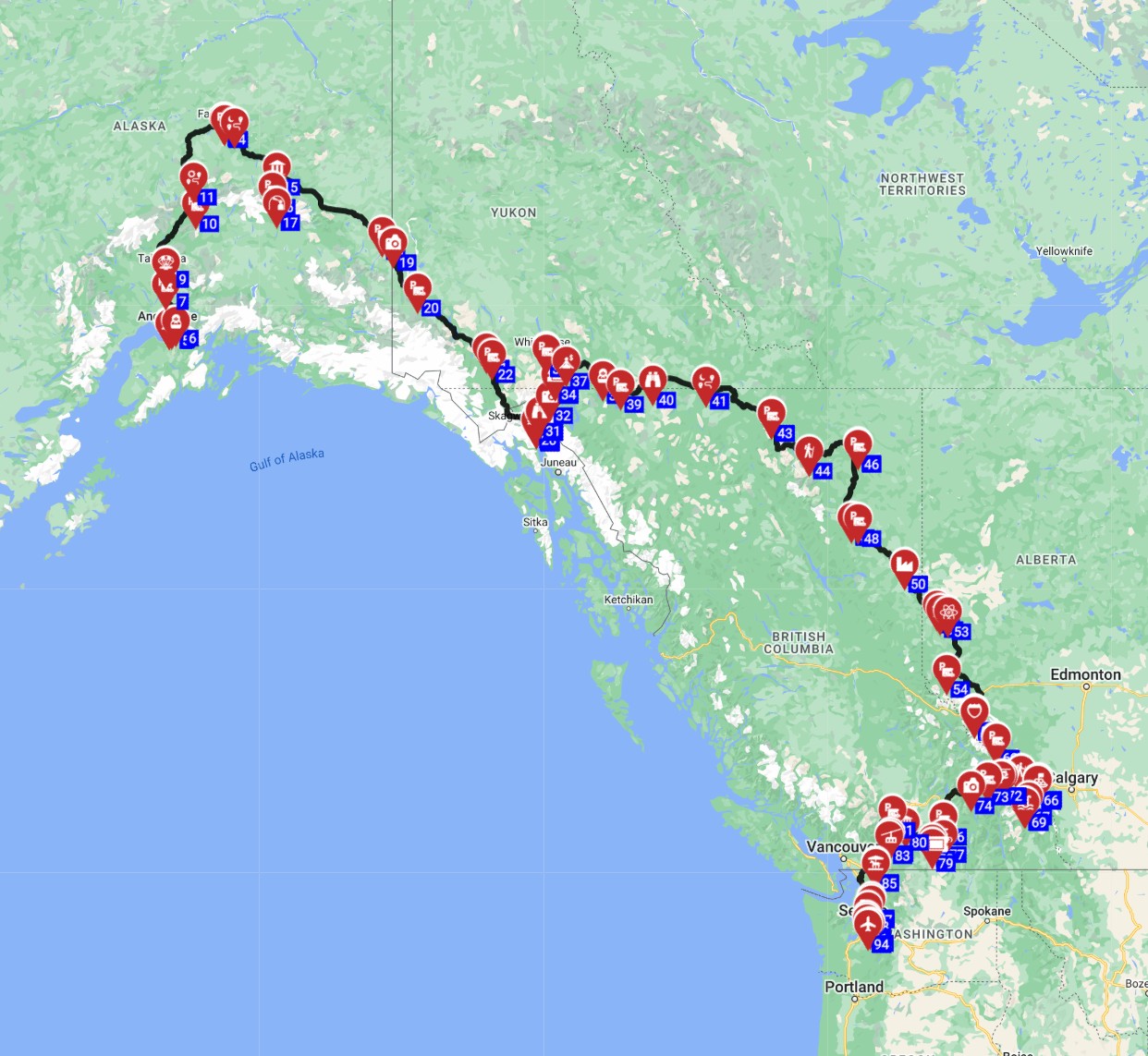
A well-planned RV itinerary for seniors in Alaska focuses on a comfortable blend of iconic sights and immersive wilderness experiences, ensuring ample time for relaxation and enjoyment. We recommend a minimum duration of 7 days for a taste of Alaska, but ideally 14 or more days allow for a truly comprehensive adventure without feeling rushed.
The best season for rented motorhome travel in Alaska is typically from June through August, when the weather is mild, all services are fully operational, and daylight hours are incredibly long, allowing for extended exploration. Total trip distance can comfortably range from around 1,500 km (930 miles) for a 7-day loop, extending to over 3,500 km (2,175 miles) for more expansive, multi-week journeys. Remember our philosophy: travel slowly, averaging a maximum of 100-150 km (60-90 miles) per day to truly absorb the stunning scenery, connect with local culture, and enjoy the diverse food options. This pace is particularly beneficial for seniors, reducing driving fatigue and increasing leisure time.
For those who appreciate having all the details handled, our Rent&Plan service combines your RV rental with expertly pre-planned route itineraries, removing the guesswork and enhancing your travel experience. You can enjoy a 25% planning discount when using rvplan.net to craft your perfect Alaskan motorhome vacation.
7-Day Classic Route in Alaska
A classic 7-day RV itinerary in Alaska provides a fantastic introduction to the state's iconic landscapes and attractions, designed for a comfortable pace perfect for seniors.
- Day 1: Anchorage → Talkeetna (185 km / 115 miles) - Start your rented motorhome journey from Anchorage, heading north to Talkeetna. This charming historic town offers stunning views of Denali (weather permitting) and unique local shops. Consider an optional flightseeing tour. Sleep comfortably at Talkeetna RV Park, offering good amenities.
- Day 2: Talkeetna → Denali National Park entrance (240 km / 150 miles) - Continue your adventure to the Denali area. After settling into your campsite, take an introductory park bus tour into Denali National Park to begin soaking in the vast wilderness and look for wildlife. Stay at Riley Creek Campground (within the park) or a nearby private campground.
- Day 3: Denali National Park - Dedicate a full day to exploring Denali National Park. Opt for a longer shuttle bus deeper into the park for prime wildlife viewing and access to hiking trails suitable for various activity levels. Many park bus tours are designed with comfort in mind, allowing you to relax and observe.
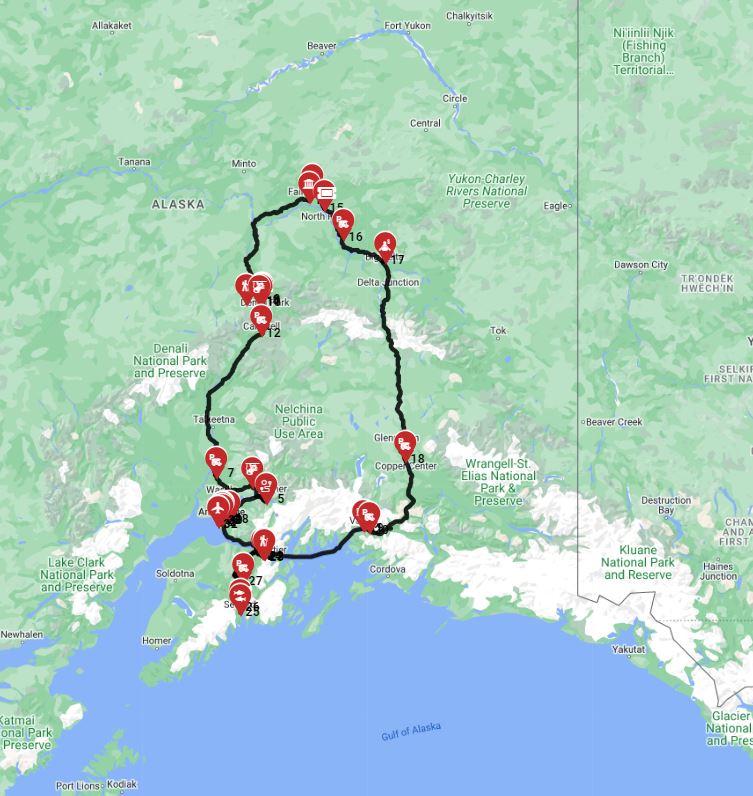
- Day 4: Denali → Fairbanks (200 km / 125 miles) - Drive north to Fairbanks, often called the "Golden Heart City." Explore its rich gold rush history at Pioneer Park or take a scenic cruise on the Chena River. Overnight at Chena River Wayside or another well-equipped private campground.
- Day 5: Fairbanks → Denali Highway (partially paved, gravel sections) or Paxson (290 km / 180 miles) - Experience a taste of remote Alaska. The Denali Highway offers incredible scenic beauty and wildlife viewing; drive slowly and carefully on its gravel sections. If seeking a fully paved route, head towards Paxson. Tangle Lakes Campground (Denali Highway) or Paxson Lake Campground provide serene overnight spots.
- Day 6: Denali Highway/Paxson → Glennallen (160 km / 100 miles) - Continue your comfortable journey through the scenic foothills of Wrangell-St. Elias National Park. This drive offers continuous stunning views and photo opportunities. Northern Nights Campground is a welcoming stop for the night.
- Day 7: Glennallen → Anchorage (300 km / 185 miles) - Conclude your loop by returning to Anchorage via the breathtaking Glenn Highway. Enjoy the final vistas of glaciers and mountains before preparing for your rented RV return or further exploration of the city.
This itinerary balances driving with plenty of time for sightseeing and relaxation, a key consideration for senior travelers. For ideas on what to prepare in your RV kitchen, check our RV-friendly recipes playlist.
14-Day Extended Journey in Alaska
An extended 14-day RV journey through Alaska offers a deeper dive into its diverse regions, allowing for a more immersive and leisurely experience, which is particularly suitable for seniors. This itinerary covers approximately 3,500 km (2,175 miles) and focuses on experiencing coastal wonders, interior wilderness, and cultural highlights at a comfortable pace.
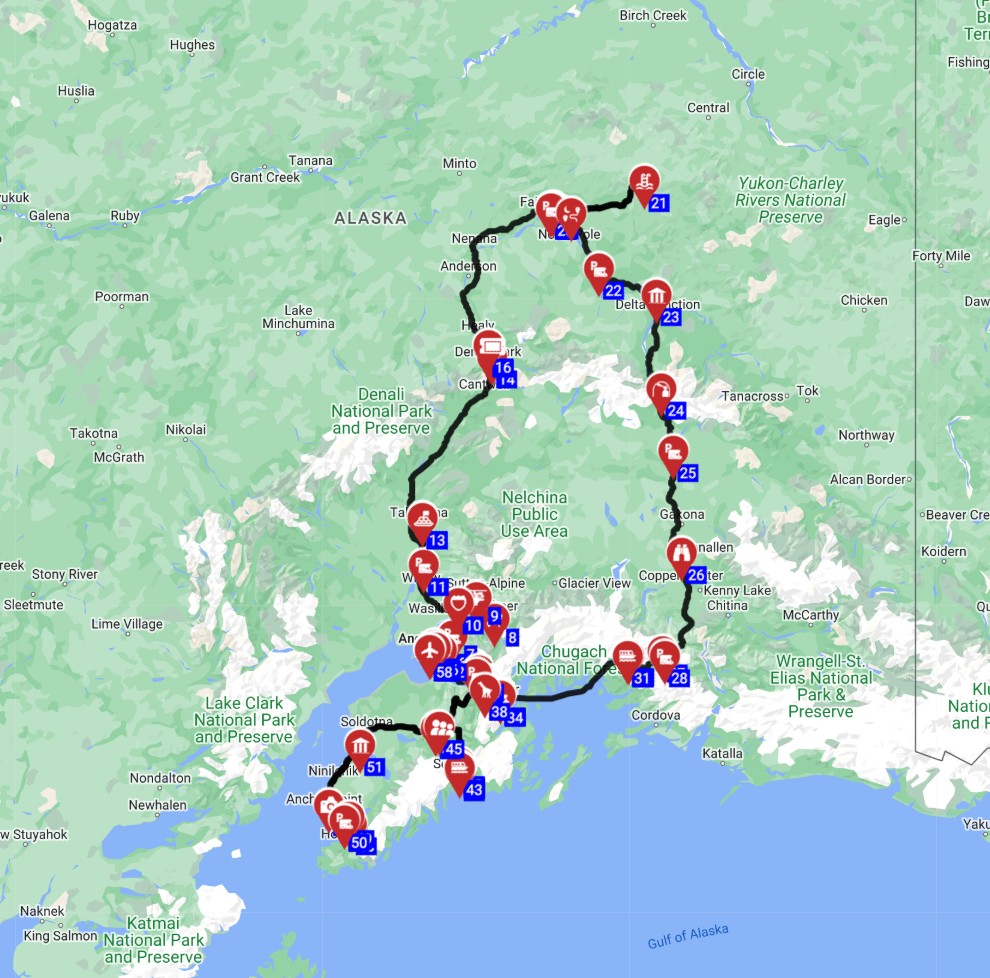
- Days 1-3: Anchorage & Kenai Peninsula - Begin by exploring Anchorage, then drive south with your rented mobile home to Seward (200 km / 125 miles). Enjoy glacier cruises and marine wildlife watching in Resurrection Bay. Continue to Homer (180 km / 112 miles) on the Kachemak Bay, known for fishing and its vibrant arts scene. Designate comfortable nights at campgrounds in Anchorage, Seward, and Homer.
- Days 4-6: Kenai Peninsula to Valdez - From Homer, head north and then east towards Valdez (480 km / 300 miles) via the scenic Richardson Highway. Take your time to stop at picturesque viewpoints and discover the impressive Worthington Glacier. In Valdez, consider a fjord cruise to see more glaciers and sea life. Allocate ample time for restful overnights at campgrounds in Valdez.
- Days 7-9: Valdez to Denali National Park - Travel north from Valdez to Denali National Park (390 km / 240 miles) over two days, enjoying extended views of Wrangell-St. Elias National Park and Preserve. Dedicate a full day within Denali for wildlife viewing and easy hiking opportunities, ensuring you capture the grandeur of the park. Plan your stays at en route campgrounds and then near Denali National Park.
- Days 10-11: Denali to Fairbanks - Continue your rented caravan trip to Fairbanks (200 km / 125 miles). Explore the city's gold rush past at Pioneer Park and consider a relaxing visit to Chena Hot Springs, offering soothing waters. Camp at well-appointed campgrounds in Fairbanks.
- Days 12-13: Fairbanks to Mat-Su Valley - Drive south towards the Mat-Su Valley, making a meaningful stop at the Alaska Wildlife Conservation Center near Girdwood (430 km / 267 miles) to observe Alaskan animals up close. Enjoy the scenic drives through this fertile valley, with overnight stays in the Palmer/Wasilla area.
- Day 14: Mat-Su Valley to Anchorage - Conclude your grand Alaskan adventure with a short final drive back to Anchorage (80 km / 50 miles) for your RV return. This allows plenty of time for any last-minute sightseeing or souvenir shopping before your departure.
This extended itinerary allows for deeper immersion, reflecting our belief in slow travel and savoring every moment. For finding campsites and campgrounds during your trip, we recommend using RV PLANET (rvplan.net) - a great resource for locating available spots along your route. You can also track and itemize every expense along the way on RV PLANET routes for easy budgeting, ensuring full transparency in your trip costs. On the routes offered through RV PLANET routes, you can itemize and track every expense along the way for easy budgeting.
Recommended RVPlan Trip for Alaska
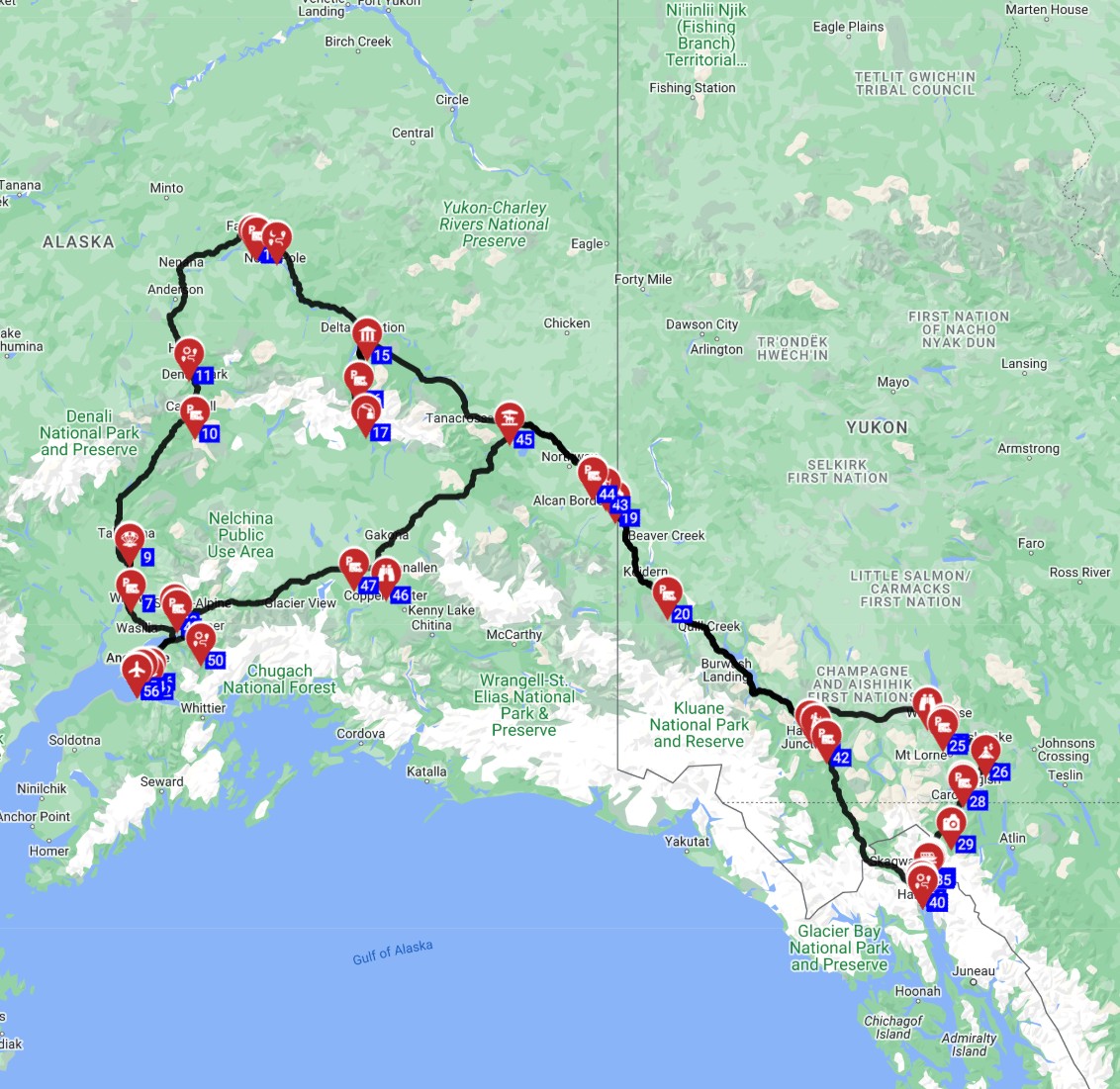
For an extensive Alaskan RV adventure, consider the "
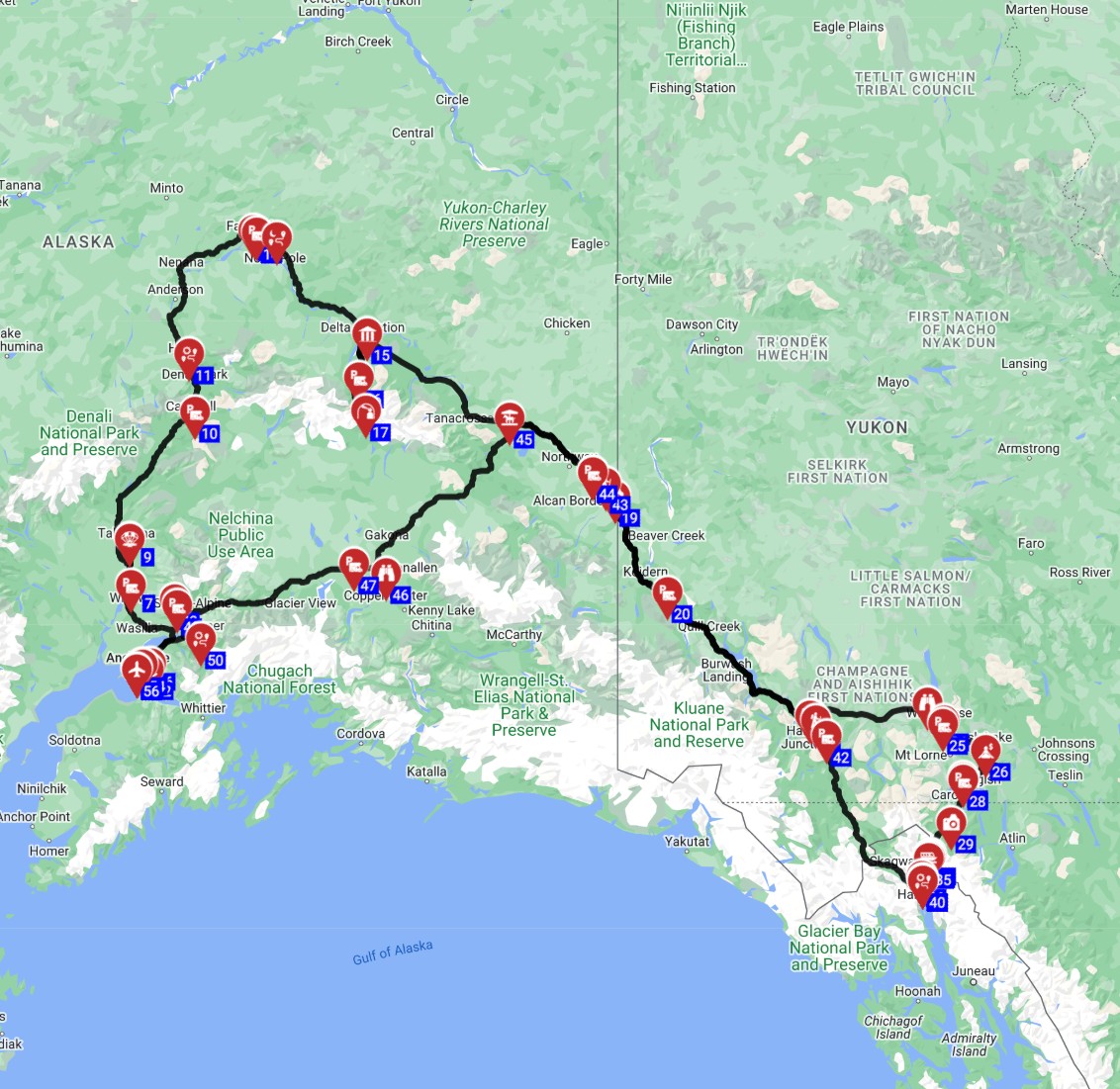
This carefully curated route, perfect for those seeking a longer, more immersive journey with their rented camper, starts and ends in Anchorage, guiding travelers through diverse landscapes and rich cultural experiences. It features 1 amusement park, 1 botanical garden, 1 canoe/kayak/rafting opportunity, 1 cave, 3 cruise terminal/sailing experiences, 3 day tours, 1 extreme activity, 1 family activity, 1 heritage site, 3 hiking areas, 1 historical site, 3 museums, 2 natural features, 1 night tour, 1 park, 3 points of interest, 1 science site, 1 tourist attraction, 1 traditional restaurant/fine dining, and 1 traditional visit. This makes it an ideal choice for seniors who appreciate variety and comfort on their travels.
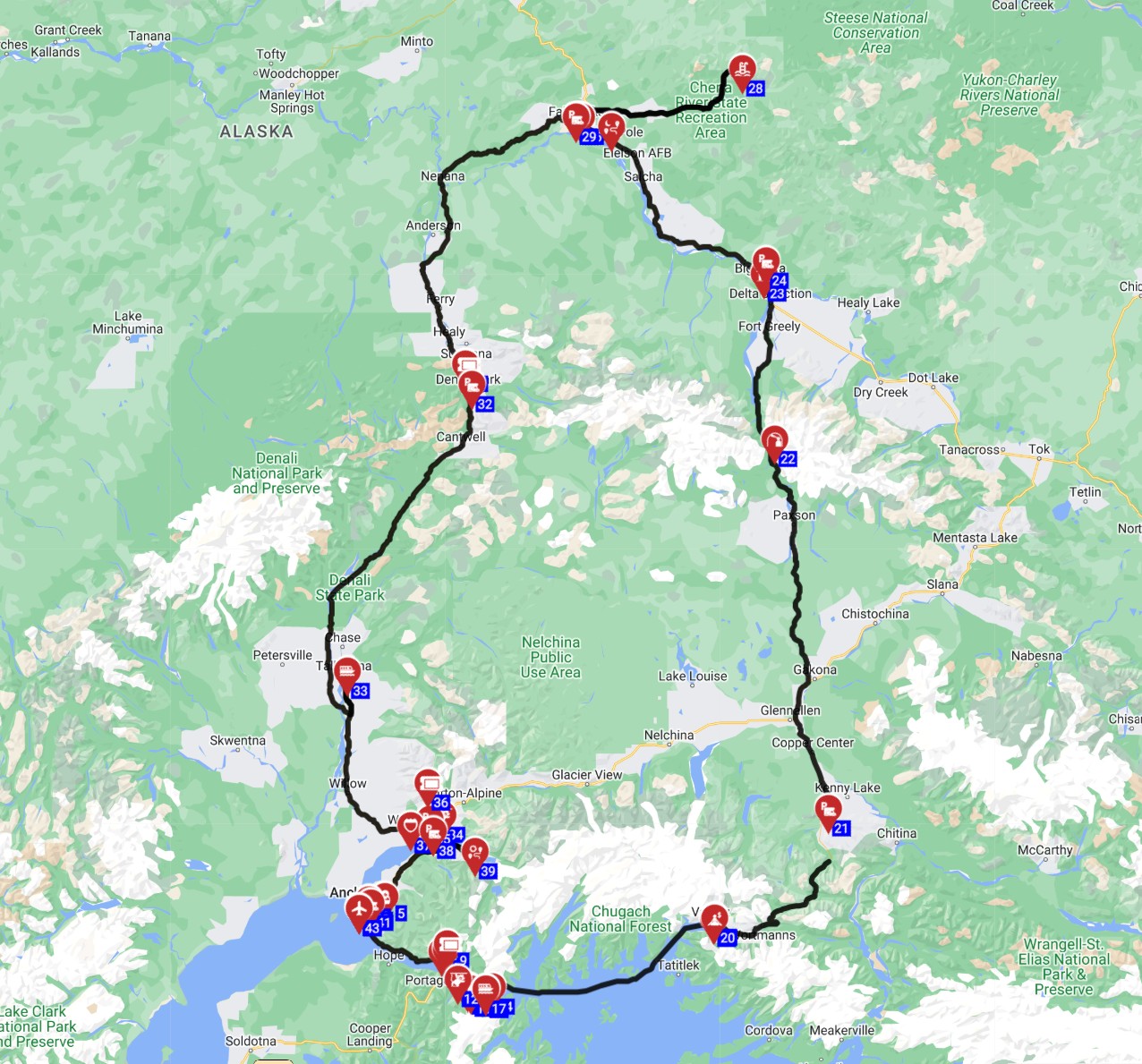
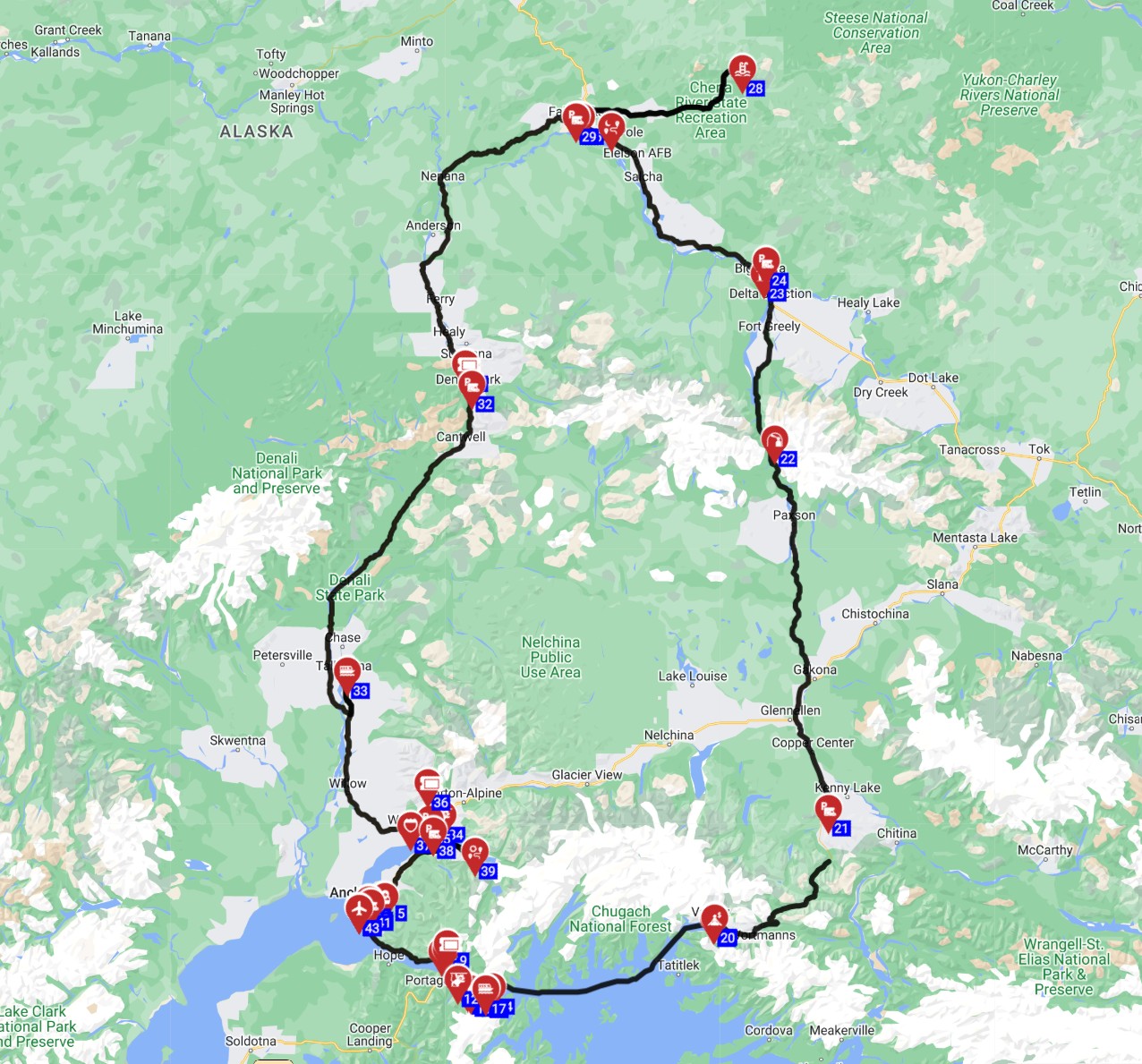
Another excellent option for exploring the region is the "Anchorage Roundtrip - Alaska" route plan, spanning 11 days and 1928.5 km, focusing on Anchorage's surrounding natural beauty and wildlife. For a slightly different experience, the "
Must-See Stops Along the Way (Avi Bandana Picks)
When embarking on an RV adventure through Alaska, some stops truly stand out for their unique blend of natural beauty, cultural significance, and accessibility for a comfortable pace. Here are Avi Bandana's top recommendations:
- Alaska Native Heritage Center (Traditional Visit): Located conveniently in Anchorage, this center offers a profound insight into Alaska's diverse indigenous cultures. Explore traditional dwellings, witness engaging demonstrations, and enjoy vibrant performances. This stop is enriching and easily accessible with your rented campervan.
- Independence Mine State Historical Park (Traditional Visit): Near Palmer, this fascinating historical site provides a vivid glimpse into Alaska's gold mining past. Seniors will appreciate the preserved buildings and informative guided tours, which are perfect for a leisurely exploration of history.
- S.S. Klondike National Historic Site (Heritage): While technically situated in Whitehorse, Yukon, this site is an integral part of the extended 'Alaska-Yukon Discovery Trail' itinerary. It magnificently showcases the sternwheeler era, pivotal for transportation during the historic Klondike Gold Rush, and is a comfortable stop on a longer route.
- Alaska Botanical Garden (Botanical Garden): A serene and beautifully maintained spot in Anchorage, perfect for a peaceful stroll. The garden showcases Alaska's unique flora, which is particularly vibrant in the summer months, offering a tranquil escape.
- Auriol Trail (Hiking Area): Found in the Yukon, this trail provides spectacular vistas and an immersive experience in pristine wilderness. While some trails can be challenging, there are often shorter, more accessible sections that allow for gentle walks to enjoy the views, ideal for those seeking active outdoor exploration at a manageable level.
🎬 Video coming soon
Daily Driving Distances & Drive Times in Alaska
Avi Bandana, drawing on years of RV travel expertise, consistently recommends limiting daily driving to a maximum of 100 miles or 150 km per day on average when exploring Alaska with a rented motorhome. This slower pace is crucial to ensure a relaxed journey, allowing ample time for exploration, photography, and truly soaking in Alaska's stunning scenery without rushing.
Traveling slowly is particularly beneficial in Alaska, as it allows for spontaneous stops at countless viewpoints, unexpected wildlife sightings, and charming roadside attractions that are abundant along the scenic highways. Driving too quickly risks missing these magical moments. Here are some typical driving segments:
- Anchorage to Seward: This journey covers approximately 200 km (125 miles). While pure driving time is about 2.5-3 hours, planning for 4-5 hours or more with scenic pull-offs, short walks, and wildlife viewing opportunities along the Seward Highway is realistic and highly recommended.
- Fairbanks to Denali National Park entrance: This segment is roughly 200 km (125 miles). The direct drive takes about 2-2.5 hours, but extending it to 3-4 hours or more allows for stops at small towns or simply enjoying the transition from urban to wilderness landscapes.
- Valdez to Glennallen: Spanning around 190 km (118 miles), the actual driving time is about 2-2.5 hours. However, travelers should plan for 3-4 hours to fully appreciate the dramatic mountain and glacier views along the Richardson Highway, which is one of Alaska's most scenic routes.
By adopting this leisurely pace, you'll maximize both safety and enjoyment of your Alaskan RV rental. When considering the total cost of your trip, remember to account for ancillary expenses beyond the rental, such as fuel, campground fees, and groceries. On RV PLANET (rvplan.net), you can utilize our routes to itemize and track every expense along the way, ensuring transparent budgeting for your Alaskan adventure.
Best RV Class for This Itinerary - Couple & Family Picks
Choosing the right rented motorhome or campervan for your Alaskan adventure significantly enhances your comfort and overall experience. Different RV classes offer unique benefits tailored to various travel styles, especially for seniors and families.
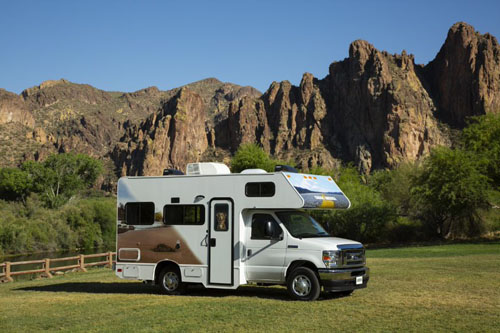
For a couple planning an Alaskan adventure focused on comfort and maneuverability, the **Class B - Camper Van** is an excellent choice. Bandana's fleet typically offers Class B camper vans with an average length of 5.8 meters and sleeping places for up to 3.2 individuals, comfortably accommodating 2-3 adults. Its compact size and agility make it ideal for navigating Alaska's diverse roads, including occasional gravel sections, and offer easier parking in towns or smaller, more intimate campgrounds. These campervans are well-equipped with essential amenities, including a shower and toilet, ensuring a cozy and convenient journey. Consider a fully equipped option like the Class B Camper Van with a fresh water tank of 100 liters, for comfortable self-sufficiency.
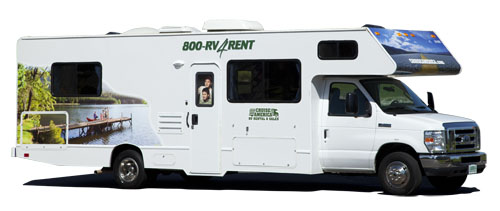
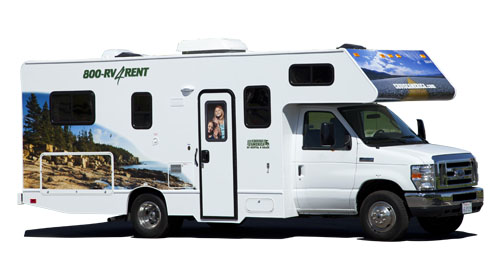
For families seeking more space and amenities for their extended road trip, the **Class C - Alcove** RV is highly recommended. Bandana's Class C vehicles typically average 7.5 meters in length and are designed with 5.8 sleeping places, suitable for 4-5 adults or a family with kids. This class provides significantly more living space, a popular separate sleeping area over the cab (the alcove) perfect for children, and larger storage capacity for family gear. Features often include a 3-burner gas stove, a refrigerator with freezer (e.g., 170 liters), and a full bathroom, making longer trips through Alaska more comfortable and enjoyable. One such option is the Class C motorhome which offers beds for 5 and features an oven and a large refrigerator.
To remove the headache of planning, consider our "Rent&Plan" service. This convenient option combines your rented RV with a ready-made itinerary, crafted by travel experts who truly know RV travel, and full access to our trip-planning software at rvplan.net, ensuring a seamless and well-organized Alaskan journey with maximum enjoyment.
What is the 3-3-3 rule for RV travel?
The 3-3-3 rule for RV travel in Alaska, a widely adopted guideline, recommends that RVers drive no more than 300 miles (approximately 480 km) per day, arrive at their destination campground by 3 PM, and stay for a minimum of 3 nights. This rule is specifically designed to prevent driver fatigue, particularly important on Alaska's often-remote roads, allowing ample time for setting up and breaking down camp.
Adhering to this rule in Alaska also encourages travelers to fully explore each location rather than merely rushing through their journey. While 300 miles might be ambitious on some Alaskan roads, which can include extensive gravel sections and variable conditions, the principle of arriving by 3 PM and staying 3 nights is crucial for safety and enjoying the remote Alaskan wilderness without feeling rushed. This approach ensures you maximize time for wildlife viewing, hiking, and unique local activities, given Alaska's often-limited camping infrastructure and distances between services.
What is the best route to Alaska by RV?
The best route to Alaska by RV for most travelers is generally considered to be the iconic Alaska Highway (ALCAN Highway), offering a well-established path through scenic wilderness. This legendary route, starting near Dawson Creek, British Columbia, guides travelers through northern BC and the Yukon Territory before crossing into Alaska, providing a comprehensive journey through diverse landscapes and numerous points of interest.
An alternative route for those seeking a more remote and often more scenic journey is the Cassiar Highway (Highway 37) in British Columbia, which connects to the Alaska Highway near Watson Lake. This option is appealing for those desiring less traffic and more wildlife viewing opportunities, though it can feature more gravel sections and limited services. The Alaska Highway is mostly paved and well-maintained, suitable for all motorhome classes, while the Cassiar can be a better fit for more adventurous travelers in smaller, more agile rented RVs like Class B campervans. The main entry points into Alaska directly from Canada are Beaver Creek (Yukon) into Tok, Alaska, or through Haines or Skagway (Yukon) via ferry connections, which can be an excellent scenic alternative, especially for those who prefer coastal views.
For more route ideas and detailed trip plans, check out the "RV Travel Guide to Alaska - Tips and Top Spots 2026" available on our RV PLANET resources.
What is the best time of year to RV to Alaska?
The best time of year to take an RV rental to Alaska for most visitors is during the summer months, specifically from mid-June through August, when temperatures are mild and daylight hours are incredibly long. This period provides the warmest weather, minimizes road closures due to snow, and maximizes the likelihood of wildlife sightings, ensuring all services, attractions, and campgrounds are fully operational.
Shoulder seasons, such as late May-early June and September, offer a more tranquil balance with fewer crowds and potentially lower costs for your rented campervan. However, some services may have limited hours or be closed, and weather can be unpredictable with chances of snow, particularly in May and late September. Late May and early June bring vibrant spring wildflowers and active glacier melt, while September delivers stunning fall foliage and increased opportunities for aurora borealis viewing, making these times attractive for specific interests. Travelers should always be prepared for changing conditions and ensure their rented RV is well-equipped for varied temperatures.
Planning ahead for your Alaska motorhome rental, especially for peak season, is wise. Bandana RV offers 24/7 support for pre-booking inquiries and post-booking coordination, ensuring you have real people behind you every step of the way to select the best time for your trip.
What is the 4-4-4 rule for RV travel?
The 4-4-4 rule for RV travel is a variation of the 3-3-3 rule, typically recommending driving no more than 4 hours per day, covering a maximum of 400 kilometers (or 250 miles), and stopping by 4 PM to allow sufficient time to set up camp and relax. This guideline is often adopted by those who prefer an even more relaxed pace than the 3-3-3 rule, making it particularly appealing for seniors, longer trips, or those traveling with children or pets.
In Alaska, where distances can be vast and road conditions occasionally unpredictable, the 4-4-4 rule can be highly practical. Limiting driving hours helps mitigate fatigue on long, remote stretches of road and ensures arrival at a campsite before twilight, which can be very late in summer due to extended daylight. Adhering to this rule helps prevent issues like arriving at full campgrounds, dealing with wildlife encounters in low light, or simply feeling rushed through the stunning Alaskan scenery, ultimately enhancing both safety and enjoyment of your rented motorhome journey.
What should I not miss in Alaska?
When RVing in Alaska, certain experiences are truly essential and should not be missed, providing a memorable and comfortable adventure. Firstly, exploring Denali National Park and Preserve is paramount for its stunning landscapes and abundant wildlife, including grizzlies, moose, and caribou, often spotted from the park's convenient shuttle buses. Next, a visit to the Kenai Peninsula is a must, particularly the towns of Seward, offering incredible glacier and marine wildlife cruises in Resurrection Bay, and Homer, renowned as the 'Halibut Fishing Capital of the World' with its iconic Spit.
Driving the scenic Glenn Highway offers breathtaking views of the Chugach Mountains and provides access to Matanuska Glacier for unique guided ice trekking experiences, connecting Anchorage to interior Alaska. Additionally, consider visiting Wrangell-St. Elias National Park and Preserve, North America's largest national park, which is accessible by rented RV to McCarthy-Kennecott for historic copper mine tours and unparalleled wilderness immersion. Finally, don't overlook cultural experiences at the Alaska Native Heritage Center in Anchorage, or the opportunity to witness the spectacular salmon run and potentially see bears feeding in season, particularly in accessible areas with proper viewing platforms. These highlights ensure a rich and varied motorhome trip.
Can I park my RV anywhere in Alaska?
No, you cannot park your RV just anywhere in Alaska; while public lands do offer many boondocking opportunities, specific regulations, local ordinances, and private property restrictions apply, requiring travelers to be mindful of where they set up camp. Within National Parks, Preserves, and State Parks, parking and overnight stays are generally restricted to designated campgrounds, often requiring reservations or permits, with strict rules against dispersed camping within park boundaries.
However, on Bureau of Land Management (BLM) and National Forest lands, dispersed camping (boondocking) is often permitted for up to 14 days in undeveloped areas. When utilizing these areas, it is critical to follow Leave No Trace principles, camp at least 200 feet from water sources, and always check for specific fire restrictions or area closures. Parking on private land without explicit permission is considered trespassing, and many cities and towns in Alaska have ordinances prohibiting overnight street parking for RVs.
For safety and respect for the environment, always be aware of wildlife, especially bears, by properly storing food and waste in bear-resistant containers. Practicing responsible tourism and leaving no trace helps protect Alaska's fragile ecosystems and ensures respectful engagement with Indigenous cultures. For specific regulations and campsite information along your route, remember to check resources like RV PLANET (rvplan.net).
Final Thoughts
Embarking on an RV adventure through Alaska is truly a dream come true for many, especially for seniors seeking comfort and a slower pace to fully absorb the wonders of the Last Frontier. We hope these itineraries and tips have inspired you and provided the confidence to plan your perfect rented motorhome escape.
Remember that a well-planned trip, coupled with the freedom of your own mobile home, allows for unforgettable experiences. We are here to support you every step of the way, ensuring every detail is handled so you can focus on living the journey. Discover top destinations, planning tips, all in one place with Bandana RV.
Ready to explore Alaska's majestic landscapes and abundant wildlife at your own comfortable pace? Start comparing motorhome prices for Alaska today and let us help you craft the adventure of a lifetime. The open road and incredible vistas of Alaska await!