In This Guide
- Best Alaska RV Itinerary for rv rental - Overview
- 7-Day Classic Route in Alaska
- 14-Day Extended Journey in Alaska
- Recommended RVPlan Trip for Alaska
- Must-See Stops Along the Way (Avi Bandana Picks)
- Daily Driving Distances & Drive Times in Alaska
- Best RV Class for This Itinerary - Couple & Family Picks
- What is the 3-3-3 rule for RV travel?
- What is the best route to Alaska by RV?
- What is the best time of year to RV to Alaska?
- What is the 4-4-4 rule for RV travel?
- What should I not miss in Alaska?
- Can I park my RV anywhere in Alaska?
Best Alaska RV Itinerary for rv rental - Overview
Planning an RV trip to Alaska promises an unforgettable adventure through vast wilderness and stunning landscapes. Most rented RV itineraries in Alaska range from a 7-day minimum to a comprehensive 23-day exploration, allowing travelers to truly immerse themselves in the Last Frontier. The best season for RV travel in Alaska is typically between June and August, when daylight hours are longest, temperatures are mildest, and most attractions and campgrounds are fully open. For live availability and current prices, start with our RV Rental Alaska - Complete Guide 2026 guide. An Alaskan RV journey offers incredible flexibility to explore at your own pace, whether you're chasing the midnight sun or spotting wildlife. With a rented motorhome, you have a mobile headquarters to venture out to national parks, glaciers, and coastal towns. Bandana RV specializes in connecting you with the perfect vehicle for your Alaskan escapade, ensuring full transparency with no hidden fees and providing dedicated support from your first inquiry until your booking is confirmed. You’ll be confident knowing exactly what to expect, as what you see is what you pay.7-Day Classic Route in Alaska
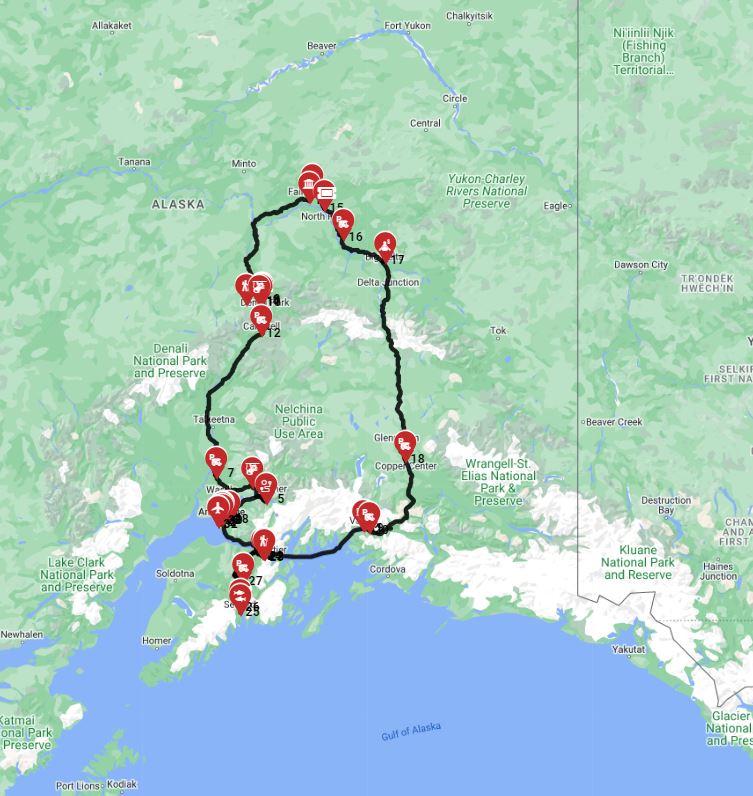
A 7-day classic RV itinerary in Alaska often focuses on a loop from Anchorage to Denali National Park, offering a taste of the state's most iconic scenery and wildlife. This route ensures you travel slowly, averaging a maximum of 100-150 km per day, allowing ample time for exploration and connection with the unique Alaskan environment.Here's a suggested 7-day itinerary:
- **Day 1: Anchorage to Talkeetna (185 km / 2 hours)** - Pick up your rented motorhome in Anchorage. Drive north to the quirky town of Talkeetna, a base for Denali mountaineers. Explore the historic main street and enjoy views of Denali on a clear day. Overnight at Talkeetna Campground.
- **Day 2: Talkeetna to Denali National Park entrance (240 km / 3 hours)** - Continue north to the Denali National Park entrance. Settle into a campground near the park entrance, such as Riley Creek Campground, which often has first-come, first-serve spots available. Prepare for your park tour the next day.
- **Day 3: Denali National Park exploration** - Take a park shuttle bus into Denali National Park (private vehicles are generally restricted beyond mile 15). Focus on wildlife viewing, hoping to spot moose, caribou, grizzly bears, and wolves. The RV PLANET routes for Alaska can help you identify various excursions and estimate associated costs, making budgeting easier.
- **Day 4: Denali National Park to Fairbanks (200 km / 2.5 hours)** - Drive further north to Fairbanks, Alaska's second-largest city. Visit the University of Alaska Museum of the North or take a cruise on the Chena River. Overnight at a campground in Fairbanks.
- **Day 5: Fairbanks to Glennallen (300 km / 4 hours)** - Begin your scenic drive south on the Richardson Highway, heading towards Glennallen. This route offers stunning views of the Alaska Range and Wrangell-St. Elias National Park and Preserve. Secure a spot at a campground in Glennallen.
- **Day 6: Glennallen to Matanuska Glacier (160 km / 2 hours)** - Travel west towards the Matanuska Glacier, the largest road-accessible glacier in North America. Take a guided hike on the ice for an incredible experience. Overnight at a nearby RV park.
- **Day 7: Matanuska Glacier to Anchorage (160 km / 2 hours)** - Enjoy a final scenic drive back to Anchorage, where you'll return your rented motorhome. Reflect on the expansive beauty of your Alaskan adventure.
14-Day Extended Journey in Alaska
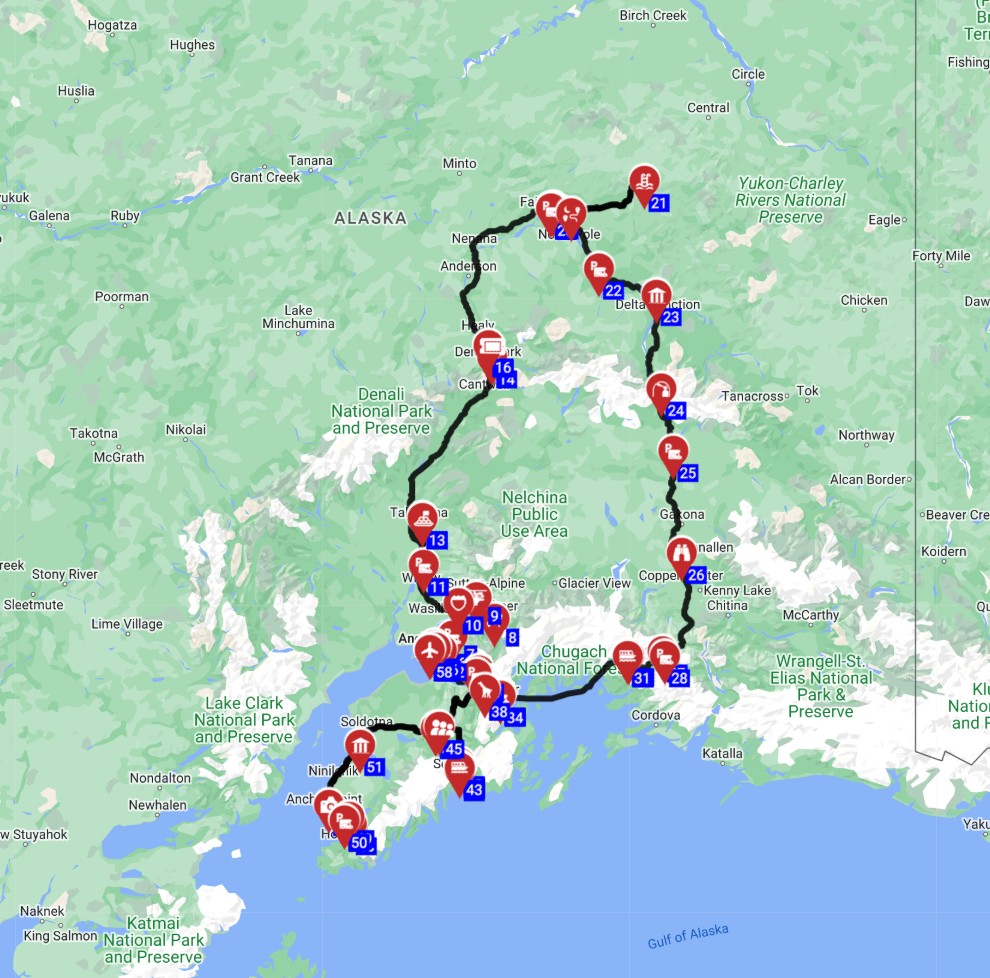
For those with more time, a 14-day extended RV journey allows for deeper exploration of Alaska, including the breathtaking Kenai Peninsula, and still respects the recommended slow travel pace of max 100-150 km per day. This itinerary offers diverse Alaskan experiences, from rugged mountains to coastal fjords. This extended route typically starts and ends in Anchorage, delving into the interior before heading south to the coast. You’ll find that suppliers such as Cruise America, El Monte, Apollo, and Britz offer a range of motorhome and campervan rentals suitable for longer trips. Remember, booking 90-180 days ahead often provides access to more choices and better rates.Here’s a suggested 14-day itinerary:
- **Days 1-4: Anchorage & Denali Region** - Follow the first three days of the 7-day itinerary, picking up your rented RV in Anchorage, heading to Talkeetna (185 km), and then exploring Denali National Park. On Day 4, perhaps enjoy a more leisurely morning or an additional short hike before moving to an RV park closer to the park entrance for a second night.
- **Days 5-6: Denali to Fairbanks & Chena Hot Springs (200 km + 100 km loop)** - Drive to Fairbanks on Day 5 (200 km). On Day 6, take a side trip to Chena Hot Springs (100 km round trip) for a relaxing soak and to visit the Ice Museum, before returning to Fairbanks for the night.
- **Day 7: Fairbanks to Paxson (290 km / 3.5 hours)** - Head south on the Richardson Highway, enjoying the vast interior landscapes. Paxson offers a serene overnight stop by a lake.
- **Day 8: Paxson to Valdez (270 km / 3.5 hours)** - Continue on the Richardson Highway, marveling at the scenery as you descend towards the coastal town of Valdez. This drive, passing Worthington Glacier, is one of Alaska's most beautiful.
- **Day 9: Valdez Exploration** - Explore Valdez, known as the "Switzerland of Alaska." Consider a glacier cruise into Prince William Sound to see tidewater glaciers and marine wildlife. If you're interested in cooking on board your rented RV, you can find inspiration on our RV-friendly recipes playlist to prepare fresh Alaskan seafood!
- **Day 10: Valdez to Seward (Ferry + 140 km drive)** - Take the Alaska Marine Highway ferry from Valdez to Whittier (reservations essential for RVs). From Whittier, drive south through the scenic Seward Highway (140 km) to Seward, the gateway to Kenai Fjords National Park.
- **Day 11: Seward Exploration** - Discover Seward. Take a Kenai Fjords National Park boat tour to see massive glaciers, sea lions, puffins, and whales. Visit the Alaska SeaLife Center.
- **Day 12: Seward to Homer (270 km / 3.5 hours)** - Continue south on the Sterling Highway to Homer, a vibrant fishing town at the end of the road. Known for its Homer Spit and world-class halibut fishing.
- **Day 13: Homer Exploration** - Enjoy Homer. Walk the Homer Spit, visit art galleries, or take a bear-viewing flightseeing tour.
- **Day 14: Homer to Anchorage (360 km / 4.5 hours)** - Drive back to Anchorage to return your rented motorhome, concluding your two-week Alaskan expedition.
Recommended RVPlan Trip for Alaska
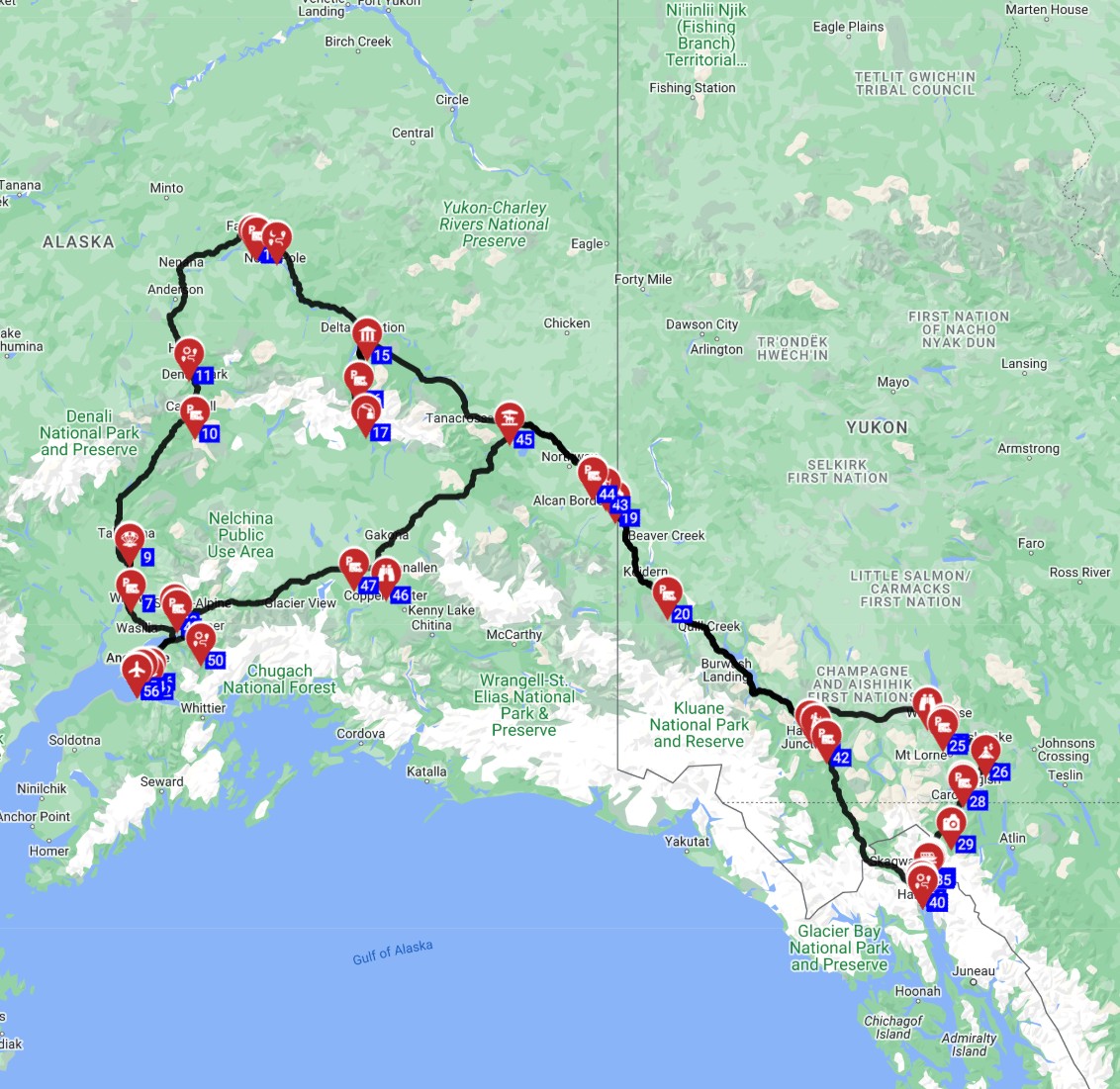
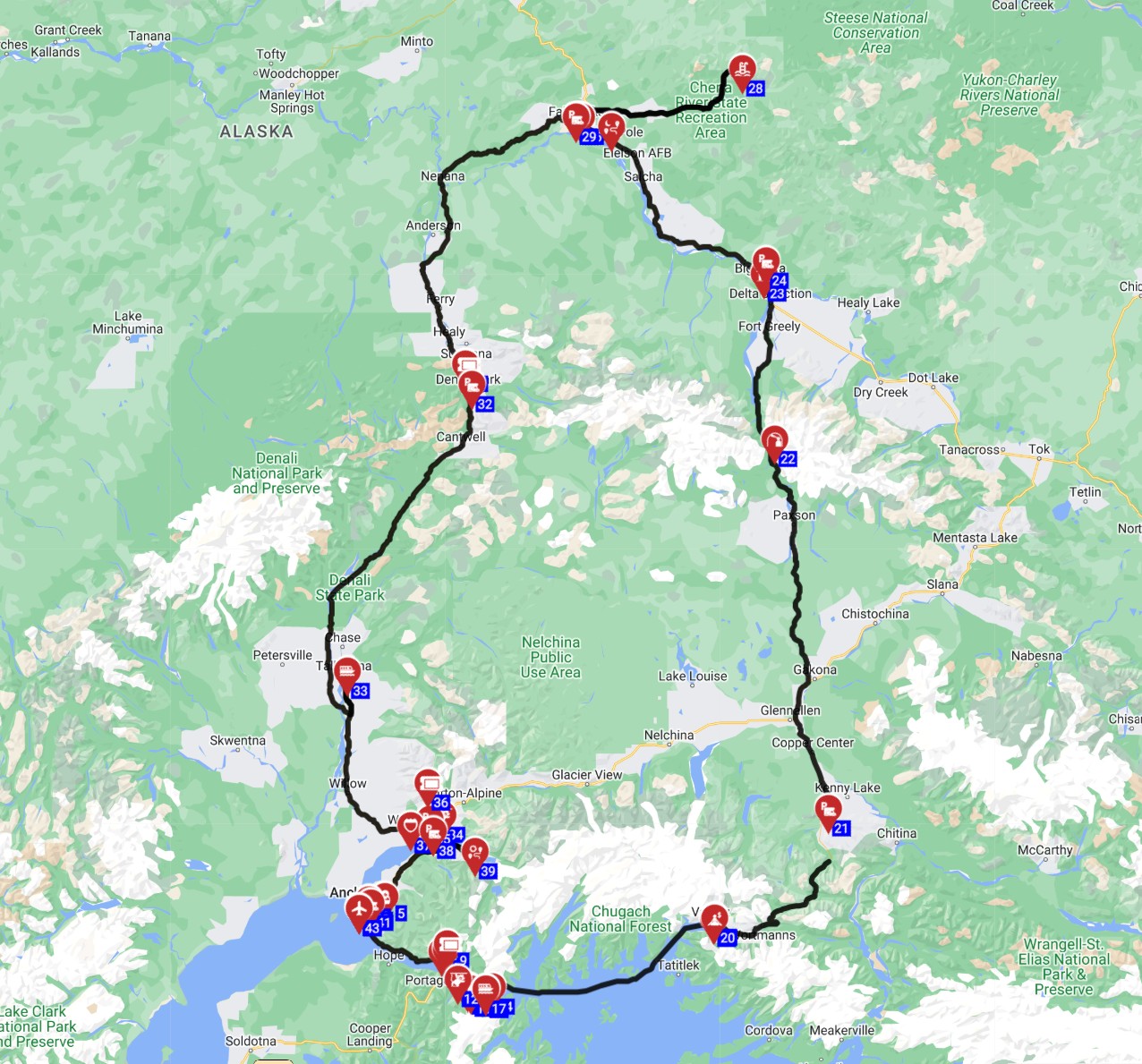
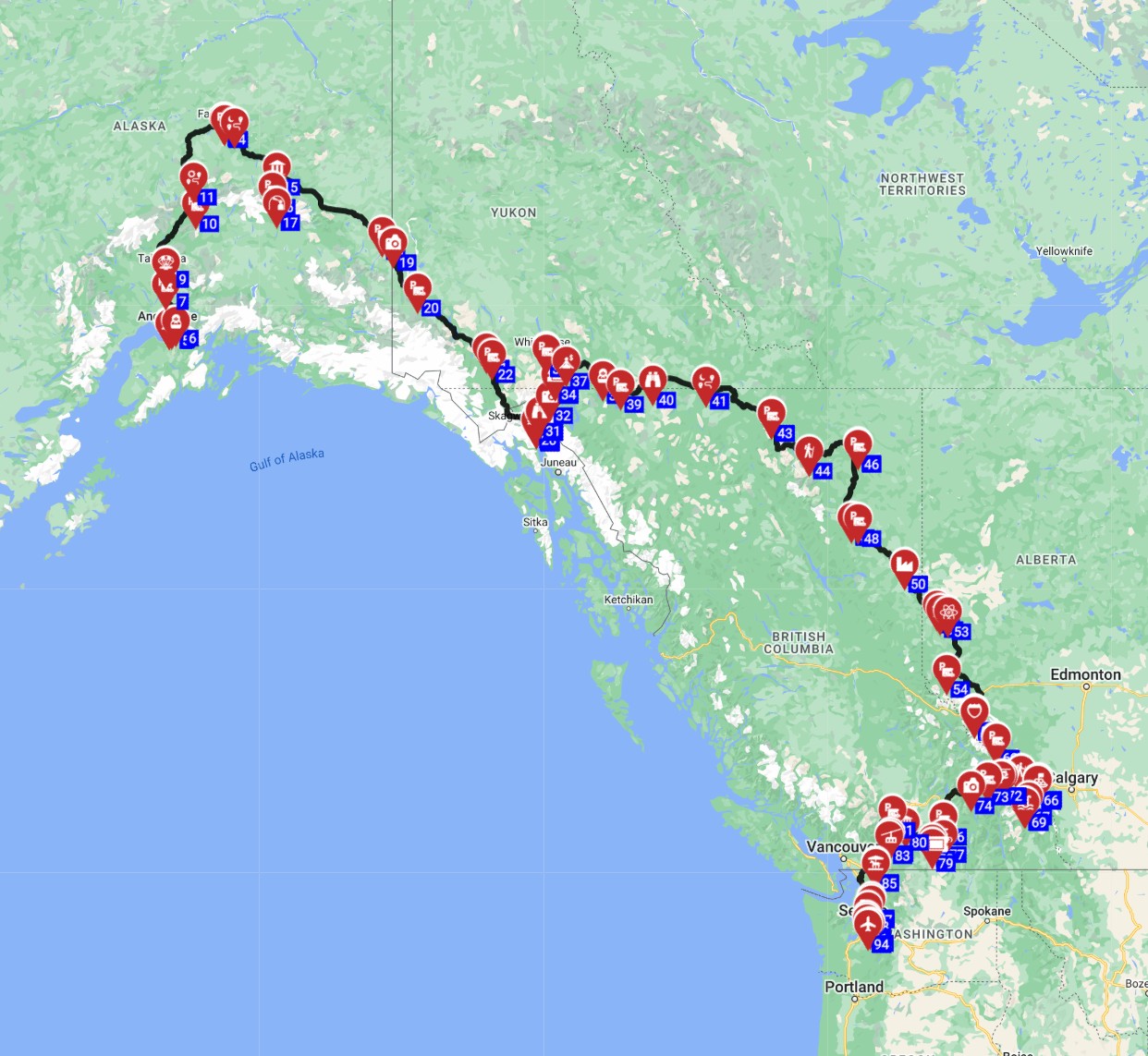
To truly elevate your Alaskan RV adventure, consider one of the expertly crafted route plans available through RV PLANET (rvplan.net). These professionally designed itineraries take the guesswork out of planning, ensuring you hit all the highlights while enjoying the freedom of a rented motorhome or campervan. Our Rent&Plan service is designed for both seasoned RVers and first-timers, providing detailed day-by-day suggestions and points of interest. Plus, Bandana RV customers receive a 25% planning discount when using rvplan.net to create their perfect trip! For instance, the "Anchorage Round Trip - Alaska-Yukon Discovery Trail" is an expansive 23-day journey covering 3,539 km (2,199 miles) that begins and ends in Anchorage. This route plan is packed with experiences, including visits to 1 amusement park, 1 botanical garden, 1 cave, 3 cruise terminals/sailing excursions, 3 day tours, 1 extreme activity, 1 family activity, 1 heritage site, 3 hiking areas, 1 historical site, 3 museums, 2 natural features, 1 night tour, 1 park, 3 points of interest, 1 science site, 1 tourist attraction, 1 traditional restaurant/fine dining experience, and 1 traditional visit. It’s an ideal way to explore both Alaska's interior and a slice of the Canadian Yukon. Another popular option is the "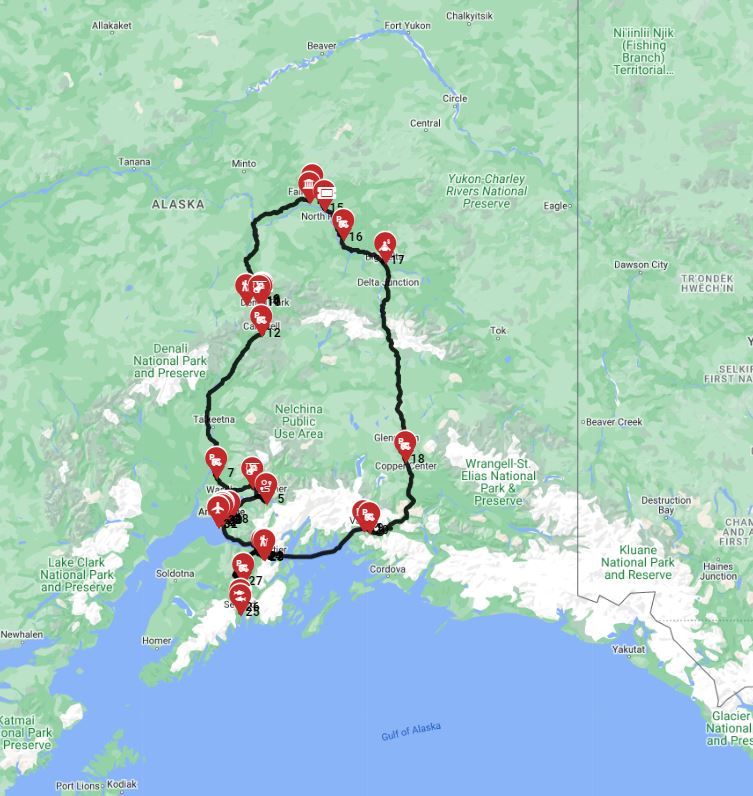
Anchorage Roundtrip - Alaska
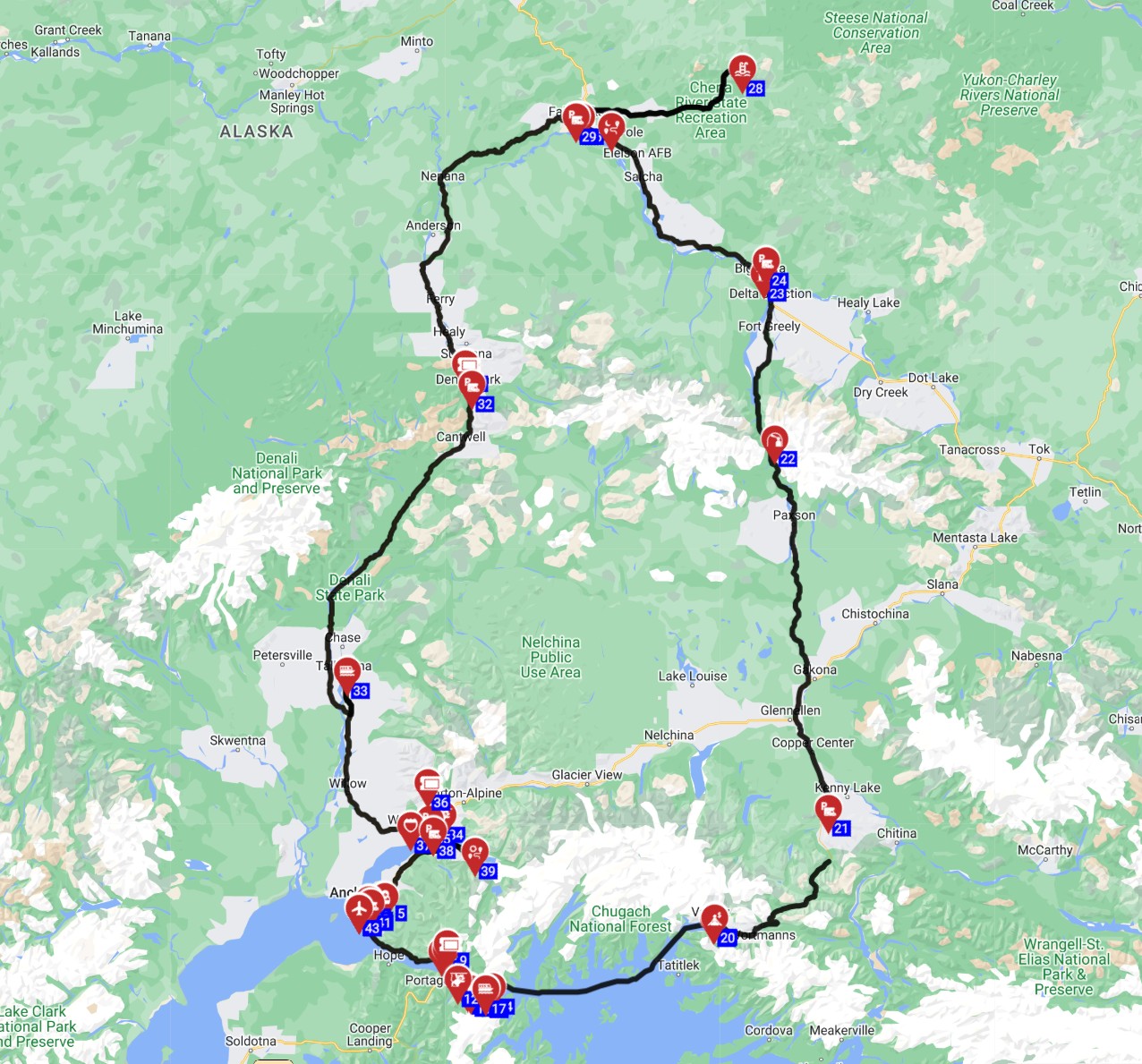
Anchorage Roundtrip Heading North - The Great Alaskan Wilderness Road Trip
Must-See Stops Along the Way (Avi Bandana Picks)
Looking for expert insights from Avi Bandana? Top 5 Adventures - recommendations from Avi Bandana:- **Denali National Park and Preserve:** A visit here is paramount for wildlife viewing and stunning vistas of North America's tallest peak. Access beyond the initial 15 miles requires a park bus, offering incredible chances to see grizzly bears, moose, and caribou from your seat.
- **Kenai Fjords National Park:** Located near Seward, this park is best experienced by boat. Cruising through the fjords reveals tidewater glaciers calving into the ocean, alongside abundant marine life like humpback whales, orcas, sea otters, and puffins.
- **The scenic drive on the Seward Highway:** This 200 km (125 mile) stretch between Anchorage and Seward is a designated All-American Road, offering breathtaking views of Turnagain Arm, towering mountains, and glaciers. Keep an eye out for beluga whales in the Arm and dall sheep on the cliffs.
- **Fairbanks and the Northern Lights:** While summer is prime for RVing, if your trip extends into late August or September, Fairbanks is an excellent spot to chase the aurora borealis, especially with its specialized aurora viewing tours. In summer, enjoy the midnight sun and local gold rush history.
- Valdez and Prince William Sound: This dramatic fjord landscape offers incredible glacier viewing, kayaking, and fishing opportunities. Taking a glacier cruise or even a short hike to Worthington Glacier gives you a true sense of Alaska's icy grandeur.
Daily Driving Distances & Drive Times in Alaska
When planning an RV itinerary in Alaska, adhering to a maximum daily driving distance of 100-150 km (approximately 60-90 miles) is crucial for a relaxed and fulfilling experience. Alaska's roads, while scenic, can be winding, sometimes unpaved, and often involve slower speeds due to wildlife, frost heaves, or construction. Traveling slowly, as Bandana RV always recommends, allows you to truly feel the place, connect to the culture, the food, and the scenery, rather than just rushing through it. For example, the drive from Anchorage to Talkeetna is about 185 km and takes around 2-2.5 hours, excluding stops. From Talkeetna to the Denali National Park entrance is another 240 km, roughly 3 hours of driving. While these seem short, frequent stops for photos, wildlife sightings, and small town exploration will extend your actual travel time considerably. Factor in extra time for fuel stops, as stations can be scarce in remote areas, and for checking into campgrounds. Proper planning and flexible scheduling will ensure you savor every moment of your Alaskan RV adventure.Best RV Class for This Itinerary - Couple & Family Picks
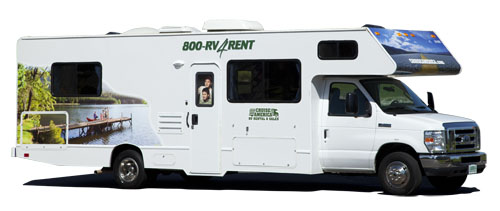
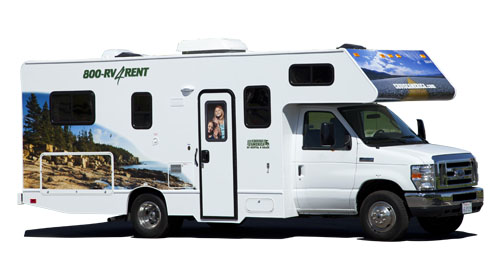
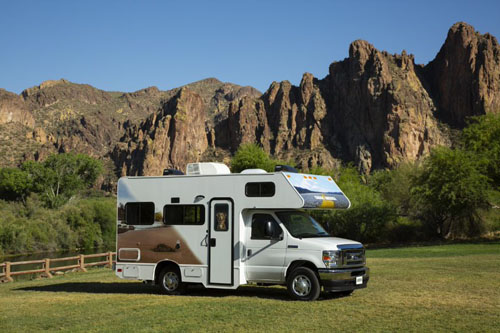
Choosing the right RV class for your Alaska itinerary depends heavily on your group size and desired comfort level. For couples seeking an intimate and nimble adventure, a Class B campervan, often called a camper or mobile home, is an excellent choice due to its compact size and fuel efficiency. Vehicles like the "alaska rv rental example Paradise S/T" or "rv rental denver example Category Van" provide essential amenities like a shower and toilet, while being easy to maneuver on Alaska's varied roads. Families with kids, or groups of 4-6 people, will typically find a Class C motorhome to be the most comfortable option. These larger rented RVs offer more living and sleeping space, and typically include a full kitchen and bathroom. Models such as the "cruise america rv rental example Explorer" (7.1 meters long, sleeping 4, with an 82-liter fresh water tank) or the "rv rentals utah example Sunrise Escape" (7.6 meters long, sleeping 5) are popular, providing ample room for everyone to relax after a day of exploration. For instance, the "alaska rv rental example Category C" features three double beds and is ideal for big families, offering comfortable sleeping arrangements for larger groups. Bandana RV's Rent&Plan service can help match your group size and preferences with the perfect motorhome or campervan, ensuring a seamless and enjoyable journey through Alaska.What is the 3-3-3 rule for RV travel?
The 3-3-3 rule for RV travel recommends driving no more than 300 miles (approximately 480 km) in a day, arriving at your campground by 3 PM, and staying at least 3 nights in each spot. While this rule offers a useful guideline for relaxed RV travel, its practical application for a rented RV in Alaska requires significant adaptation due to the state's vast distances and unique conditions. For example, 300 miles can be a very long and strenuous drive on unpaved or winding Alaskan roads, where average speeds are often much lower than on standard highways. In Alaska, it’s more realistic to aim for significantly less daily mileage, perhaps closer to 150-200 km (90-120 miles) per day on average, especially when traversing routes like the Alaska Highway or Cassiar Highway where services are sparse. Arriving by 3 PM is still a great idea, as many national and state park campgrounds operate on a first-come, first-serve basis for 70-75% of their spots, and arriving early improves your chances of securing a good site. Staying 3 nights can be ideal in popular areas like Denali or the Kenai Peninsula, allowing you to settle in and fully explore a region without constant packing and unpacking your rented motorhome. However, in more remote areas with fewer attractions, a 1-2 night stay might be more practical.What is the best route to Alaska by RV?
The best route to Alaska by RV for most travelers involves either the Alaska Highway (often called the Alcan Highway) or the Cassiar Highway. The Alaska Highway is the more famous and frequently used option, stretching approximately 2,232 km (1,387 miles) from Dawson Creek, British Columbia, to Delta Junction, Alaska. This route is mostly paved, though you should expect gravel stretches, frost heaves, and construction zones, especially in remote areas. The Cassiar Highway (Highway 37) offers a slightly shorter and more rugged alternative, branching off in northern British Columbia and rejoining the Alaska Highway further north. It's renowned for its stunning scenery, including glaciers and abundant wildlife, but it is more remote with fewer services. Whichever route you choose for your rented motorhome adventure, it is critical to prepare your vehicle with fresh tires, a full spare, and a basic repair kit, as services can be hundreds of miles apart. Always carry plenty of water and food, and consider extra fuel tanks for peace of mind, as fuel consumption for a large Class C motorhome can be around 20-25 liters per 100 km (for models like the "rv rentals utah example Sunrise Escape"). For specific pre-trip vehicle preparation tips tailored to these routes, consult detailed RV itineraries on RV PLANET.What is the best time of year to RV to Alaska?
The best time of year to RV to Alaska for most visitors is during the peak summer months, from mid-June to mid-August. During this period, Alaska experiences its warmest weather, longest daylight hours (up to 19-24 hours of daylight, especially north of the Arctic Circle), and all major roads, attractions, and campgrounds are open. The abundance of daylight provides more time for sightseeing, hiking, and wildlife viewing, making it ideal for rented motorhome exploration. However, the shoulder seasons also offer unique advantages. May and early June present fewer crowds, potentially lower RV rental prices, and excellent opportunities to see spring wildlife and budding landscapes. September offers stunning fall foliage, a greater chance of viewing the Northern Lights as nights grow longer, and fewer mosquitoes, though some services and campgrounds may begin to close after Labor Day. While temperatures can drop significantly, the vivid colors and crisp air make September a truly magical time. Always pack layers and be prepared for variable weather conditions, regardless of the season, as Alaskan weather can change quickly.What is the 4-4-4 rule for RV travel?
The 4-4-4 rule for RV travel suggests driving no more than 400 miles (approximately 640 km) in a day, stopping by 4 PM, and staying at least 4 nights in each location. For a rented RV trip in Alaska, this rule, similar to the 3-3-3 rule, needs careful consideration and adaptation due to the challenging road conditions and vast distances. Driving 400 miles in a day in Alaska is often impractical and unsafe; it would mean spending most of your daylight hours behind the wheel, missing out on the very experiences you came to enjoy. Instead, prioritize shorter driving days, ideally under 200 km (125 miles), to ensure safety, allow for spontaneous stops, and arrive at campgrounds before dark, which can be critical for securing a spot in popular areas where 70-75% of sites are first-come, first-serve. The "arrive by 4 PM" aspect is particularly important in Alaska due to the long distances between towns and the need to find a secure campsite before dusk, especially in areas with active wildlife. While staying 4 nights can offer deep immersion in a region, adapting this to 2-3 nights per major destination might provide a more balanced itinerary, allowing you to cover more ground while still traveling slowly and experiencing the diverse Alaskan landscapes without feeling rushed. Always call ahead to campgrounds before driving long distances to confirm availability.What should I not miss in Alaska?
Beyond the iconic Denali National Park, there are many incredible experiences and destinations in Alaska that should not be missed during your rented RV adventure. The **Kenai Peninsula** offers a microcosm of Alaska's beauty, featuring stunning fjords, abundant marine wildlife, and world-class fishing. Seward, gateway to Kenai Fjords National Park, is a must-visit for glacier cruises. Homer, at the end of the Homer Spit, provides unique cultural experiences and exceptional opportunities for halibut fishing charters. Another essential stop is **Prince William Sound**, accessible via Valdez. This region is a pristine marine wilderness, perfect for kayaking among icebergs and spotting sea otters, seals, and various bird species. For unparalleled wildlife viewing, consider a bear-viewing flightseeing tour from towns like Homer or Talkeetna, offering a safe and responsible way to observe brown bears in their natural habitat. Always maintain a respectful distance from wildlife, whether on the road or in campgrounds, and never feed animals. During your rented motorhome journey, you might also want to seek out traditional Alaskan food experiences, savoring fresh salmon, king crab, or locally sourced game, connecting with the rich local culture.Can I park my RV anywhere in Alaska?
Parking your rented RV anywhere in Alaska is generally not permitted, but dispersed camping (also known as boondocking or wild camping) is legal and widely practiced on many federal lands, including National Forests and Bureau of Land Management (BLM) areas. However, this comes with important responsibilities and specific guidelines, especially in Alaska's fragile ecosystems. It is crucial to always check local regulations and signage before parking for the night, as rules can vary by jurisdiction and land management agency. When dispersed camping with your motorhome or campervan, always follow "Leave No Trace" principles to minimize your impact. This means packing out all trash, including food scraps, and properly disposing of human waste. In remote areas, this might involve using a portable toilet and packing out waste. Fresh water sourcing can be challenging, so ensure your rented RV's fresh water tank (e.g., the "cruise america rv rental example Explorer" has an 82-liter tank) is full whenever possible. Connectivity is another concern, as vast sections of Alaska have no cell service; carrying a satellite communicator for emergencies is highly recommended. Always prioritize safety, especially when in bear country, by storing food securely and making noise while hiking. For finding designated campgrounds and tracking all your trip expenses, from fuel to campsite fees, we recommend utilizing the detailed RV PLANET routes.What You Shouldn't Miss
- **Flightseeing Tour over Denali:** Experience the sheer scale of Denali from above on a scenic flight, with options to land on a glacier for an unforgettable experience.
- **Alaskan Halibut Fishing in Homer:** Join a charter from the Homer Spit for a chance to catch a trophy halibut, followed by a delicious fresh seafood meal cooked in your rented RV.
- **Glacier Hiking at Matanuska Glacier:** Strap on some crampons and take a guided walk on the Matanuska Glacier, the largest road-accessible glacier in North America.
- **Wildlife Cruise in Prince William Sound:** Witness tidewater glaciers calving and observe marine wildlife like sea otters, harbor seals, and possibly whales on a cruise from Valdez or Whittier.
- **Chasing the Northern Lights near Fairbanks:** If traveling in the shoulder seasons (late August or September), dedicate a night or two north of Fairbanks to experience the magical aurora borealis.
- **Driving the Denali Park Road (as far as allowed):** Even if you don't take the shuttle, driving the accessible portion of the Denali Park Road offers incredible views and potential roadside wildlife sightings.
Final Thoughts
An RV adventure through Alaska offers an unparalleled opportunity to connect with nature's raw beauty, discover local cultures, and create lasting memories. Whether you opt for a week-long whirlwind or an extended two-week expedition, planning your itinerary with a rented motorhome gives you the flexibility and comfort to truly experience this magnificent state. Remember to embrace slow travel, allowing 100-150 km per day on average, to fully savor each moment and unexpected discovery. At Bandana RV, we’re dedicated to making your Alaskan dreams a reality, with full transparency on pricing and dedicated support before, during, and after your booking. Imagine yourself traversing scenic highways, spotting majestic wildlife from your window, and waking up to breathtaking views each morning. It’s more than just a trip; it’s an adventure of a lifetime. Get inspired for your next trip!Compare Campervan Prices for Alaska
On the routes offered through RV PLANET routes, you can itemize and track every expense along the way for easy budgeting.