In This Guide
- Best West Europe RV Itinerary for airport rv rental — Overview
- 7-Day Classic Route in West Europe
- 14-Day Extended Journey in West Europe
- Recommended RVPlan Trip for West Europe
- Must-See Stops Along the Way (Avi Bandana Picks)
- Daily Driving Distances & Drive Times in West Europe
- Best RV Class for This Itinerary — Couple & Family Picks
- What are the specific RV driving regulations and tolls in West Europe by country?
- How can I find authentic cultural experiences and local festivals during an RV trip in West Europe?
- What are the rules and tips for traveling with pets in an RV across West Europe?
- How do I ensure reliable internet and power while RVing in West Europe?
- What should I know about safety and emergency preparedness for an RV rental in West Europe?
- How can I practice sustainable RV travel in West Europe?
- What are common challenges when RVing in West Europe and how can I overcome them?
- What specialized RV gear is essential for a West Europe road trip?
- How do I manage food provisioning and cooking on an RV trip through West Europe?
Best West Europe RV Itinerary for airport rv rental — Overview
A typical West Europe RV itinerary focusing on airport pick-up offers diverse landscapes and cultural immersion. Recommended duration is a minimum of 7 days for a focused regional trip, extending to 14 days or more for a broader multi-country exploration. Optimal seasons for RV travel in West Europe are spring (April-May) and autumn (September-October) to avoid summer crowds and enjoy mild weather. For example, a 7-day loop from Frankfurt could cover approximately 500-600 km, while a 14-day journey starting in Munich could encompass around 1300-1400 km. For live availability and current prices, start with our RV Rental West Europe - Complete Guide 2026 guide.
7-Day Classic Route in West Europe
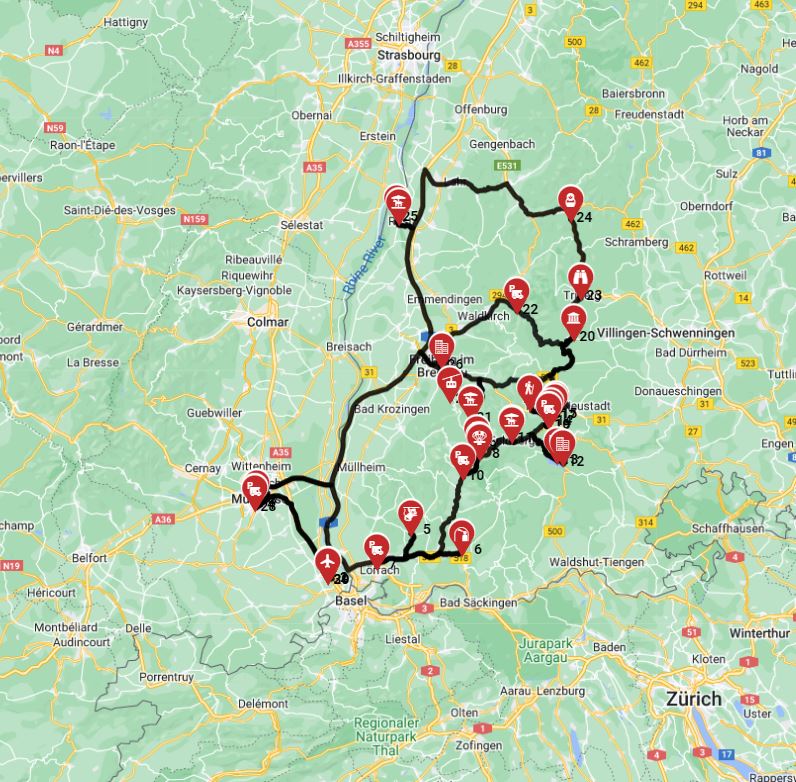
This 7-day itinerary focuses on the picturesque Rhine Valley and Alsace region, starting and ending near a major airport like Frankfurt, Germany, respecting the 100 miles/150 km per day driving limit for leisurely travel.
Day 1: Frankfurt (Germany) → Rüdesheim am Rhein (Germany) (Approx. 70 km / 43 miles). Pick up your RV from a Frankfurt area airport rental and head straight to the charming wine town of Rüdesheim. Settle into a campsite like Campingplatz Rüdesheim.
Day 2: Rüdesheim am Rhein (Germany). Explore the Drosselgasse, take a cable car to Niederwald Monument, enjoy a Rhine River cruise, and partake in wine tasting at local vineyards. Sleep at Campingplatz Rüdesheim.
Day 3: Rüdesheim am Rhein (Germany) → Heidelberg (Germany) (Approx. 90 km / 56 miles). Drive south along the Rhine to the romantic city of Heidelberg. Visit Heidelberg Castle and stroll through the Old Town. Park your RV at Camping Haide or a local stellplatz.
Day 4: Heidelberg (Germany) → Strasbourg (France) (Approx. 140 km / 87 miles). Cross the border into France and the heart of Alsace. Explore the stunning Strasbourg Cathedral and Petite France quarter. Stay at Camping de Strasbourg.
Day 5: Strasbourg (France). Immerse yourself in Strasbourg's unique Franco-German culture, perhaps taking a canal boat tour. Sleep at Camping de Strasbourg.
Day 6: Strasbourg (France) → Baden-Baden (Germany) (Approx. 60 km / 37 miles). Return to Germany and visit the elegant spa town of Baden-Baden. Indulge in thermal baths or explore the casino. Find an RV park near the town center.
Day 7: Baden-Baden (Germany) → Frankfurt (Germany) (Approx. 150 km / 93 miles). Enjoy a final scenic drive back to Frankfurt for your RV return, having experienced a taste of two distinct West European cultures.
14-Day Extended Journey in West Europe
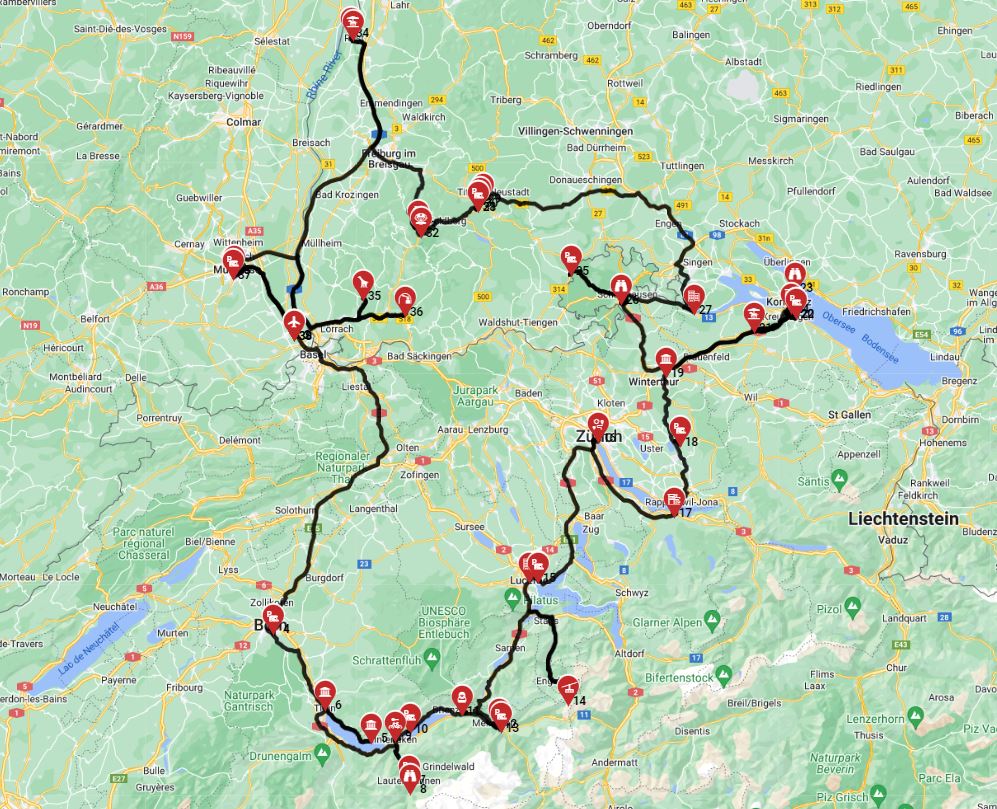
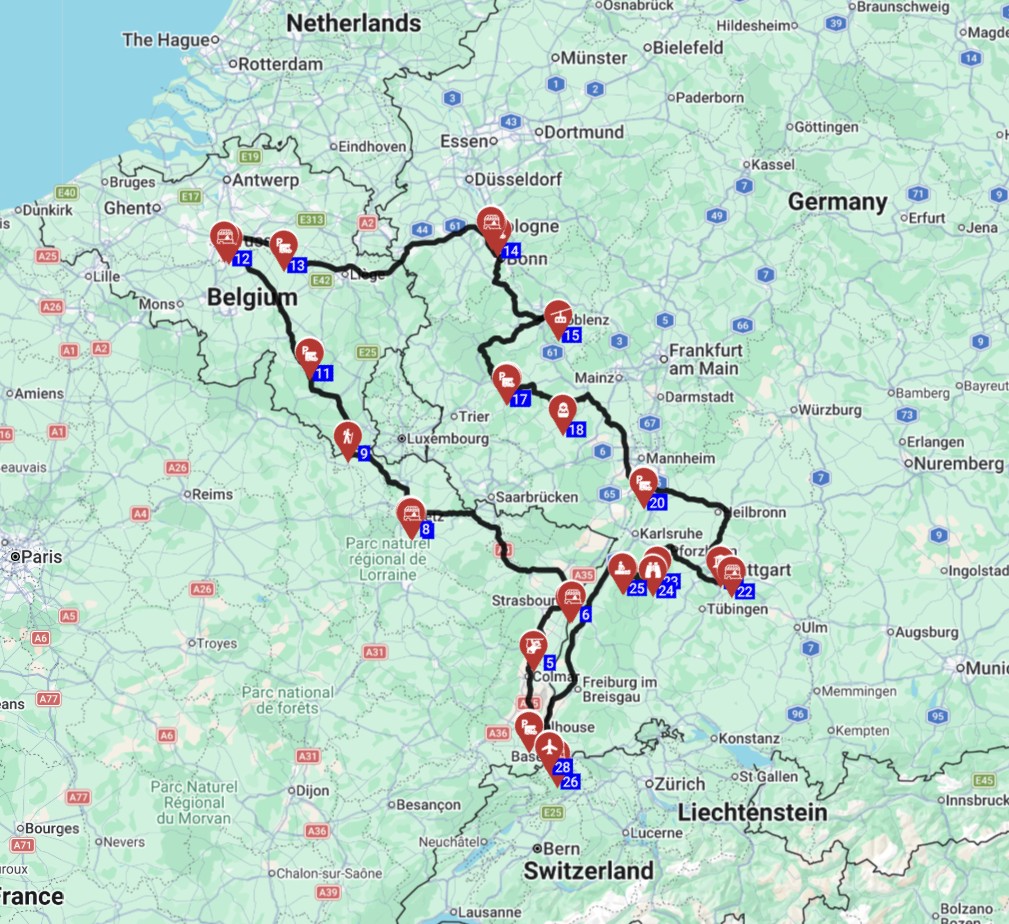
This 14-day itinerary offers a comprehensive loop through Germany, France, and Switzerland, starting and ending near a major hub like Munich, adhering strictly to the 100 miles/150 km per day max driving guideline for a relaxed pace.
Days 1-2: Munich (Germany) & Bavarian Alps. (Day 1: Munich pickup → Füssen ~130 km). Explore Neuschwanstein Castle and Hohenschwangau Castle. Stay at Camping Hopfensee.
Days 3-4: Lake Constance & Black Forest (Germany). (Day 3: Füssen → Konstanz ~100 km). Enjoy the lake and cross into the heart of the Black Forest. (Day 4: Konstanz → Triberg ~100 km). See Germany's highest waterfalls. Camp at Camping Klausenhorn or Campingplatz Triberg.
Days 5-7: Alsace Region (France). (Day 5: Triberg → Strasbourg ~120 km). Explore the European capital and its stunning cathedral. (Day 6: Strasbourg). Enjoy local cuisine and canals. (Day 7: Strasbourg → Colmar ~70 km). Wander the 'Little Venice' of Colmar and enjoy the Alsace Wine Route. Stay at Camping de Strasbourg, Camping de l'Ill Colmar.
Days 8-10: Swiss Alps & Lakes (Switzerland). (Day 8: Colmar → Basel ~70 km). A brief stop in Switzerland's cultural capital. (Day 9: Basel → Interlaken/Lauterbrunnen ~150 km). Immerse yourself in the breathtaking Alps. (Day 10: Interlaken/Lauterbrunnen). Hike, paraglide, or visit Jungfraujoch. Camp at Camping Jungfrau or Camping Bönigen.
Days 11-12: Central Switzerland (Switzerland). (Day 11: Interlaken → Lucerne ~70 km). Explore the picturesque lakeside city and Chapel Bridge. (Day 12: Lucerne → Zurich ~50 km). Discover Switzerland's largest city. Stay at Camping International Lido Luzern, Camping Zürich Seebach.
Days 13-14: Return to Bavaria (Germany). (Day 13: Zurich → Garmisch-Partenkirchen ~150 km). Enjoy the Alpine scenery. (Day 14: Garmisch-Partenkirchen → Munich ~90 km). Drive back to Munich for RV return, reflecting on your multi-country adventure. Camp at Camping Erlebnis Zugspitze, Camping München Thalkirchen.
Recommended RVPlan Trip for West Europe
While specific RVPlan trip data is not available, we highly recommend exploring the curated itineraries offered by Bandana to simplify your West Europe RV adventure. If you're planning a broader trip, our guide RV Rental in West Europe - Prices and Best Deals 2026 covers everything you need to know about the region.
Bandana’s RVPlan trips are designed by travel experts, offering detailed routes, recommended campsites, and points of interest tailored to various durations and interests. These pre-planned itineraries remove the headache of extensive research, allowing you to focus on enjoying the journey and experiencing West Europe's diverse landscapes and cultures with ease. Travelers exploring the region may also enjoy RV Travel Guide to West Europe - Tips and Top Spots 2026 for further insights.
Must-See Stops Along the Way (Avi Bandana Picks)
Avi Bandana recommends prioritizing authentic local experiences over just ticking off major tourist landmarks when RVing in West Europe.
Seek out 'traditional_visit' opportunities like local castles (e.g., in the Rhine Gorge), historic town centers (e.g., Bruges, Colmar, Trier), and lesser-known natural parks for breathtaking scenery.
Immerse yourself in 'traditional_restaurant' experiences by trying local eateries ('Gasthaus' in Germany, 'Brasserie' in France) that serve regional specialties, often found off the main tourist routes.
Don't miss the chance to visit 'traditional_market' settings, like bustling farmers' markets ('Marchés' in France, 'Wochenmärkte' in Germany), where you can purchase fresh, local produce, cheeses, and artisanal goods directly from producers for your RV kitchen.
Explore 'local_industry' sites such as vineyards in Alsace or the Mosel Valley for wine tasting, or small-scale craft workshops that provide insight into regional heritage and offer unique souvenirs.
Daily Driving Distances & Drive Times in West Europe
Avi Bandana recommends a maximum of 100 miles or 150 km per day on average to truly savor the West European experience, allowing ample time for exploration, cultural immersion, and unexpected discoveries. Adhering to slower travel helps manage travel fatigue, ensures you can find suitable RV parking, and prevents rushing through stunning landscapes.
For example, a drive from Strasbourg, France, to Colmar, France (approximately 70 km / 43 miles), takes about 1 hour and allows for a full day of wine route exploration. Traveling from Munich to Füssen, Germany (around 130 km / 80 miles), typically takes about 1.5 to 2 hours, leaving the afternoon free for castle visits. A journey from Interlaken to Lucerne, Switzerland (approximately 70 km / 43 miles), is a scenic 1.5-hour drive, including potential stops for photos.
Best RV Class for This Itinerary — Couple & Family Picks
Choosing the right RV class significantly impacts your West European road trip experience, balancing comfort with navigability on narrower roads.
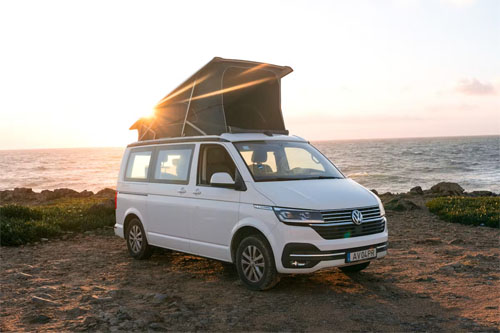
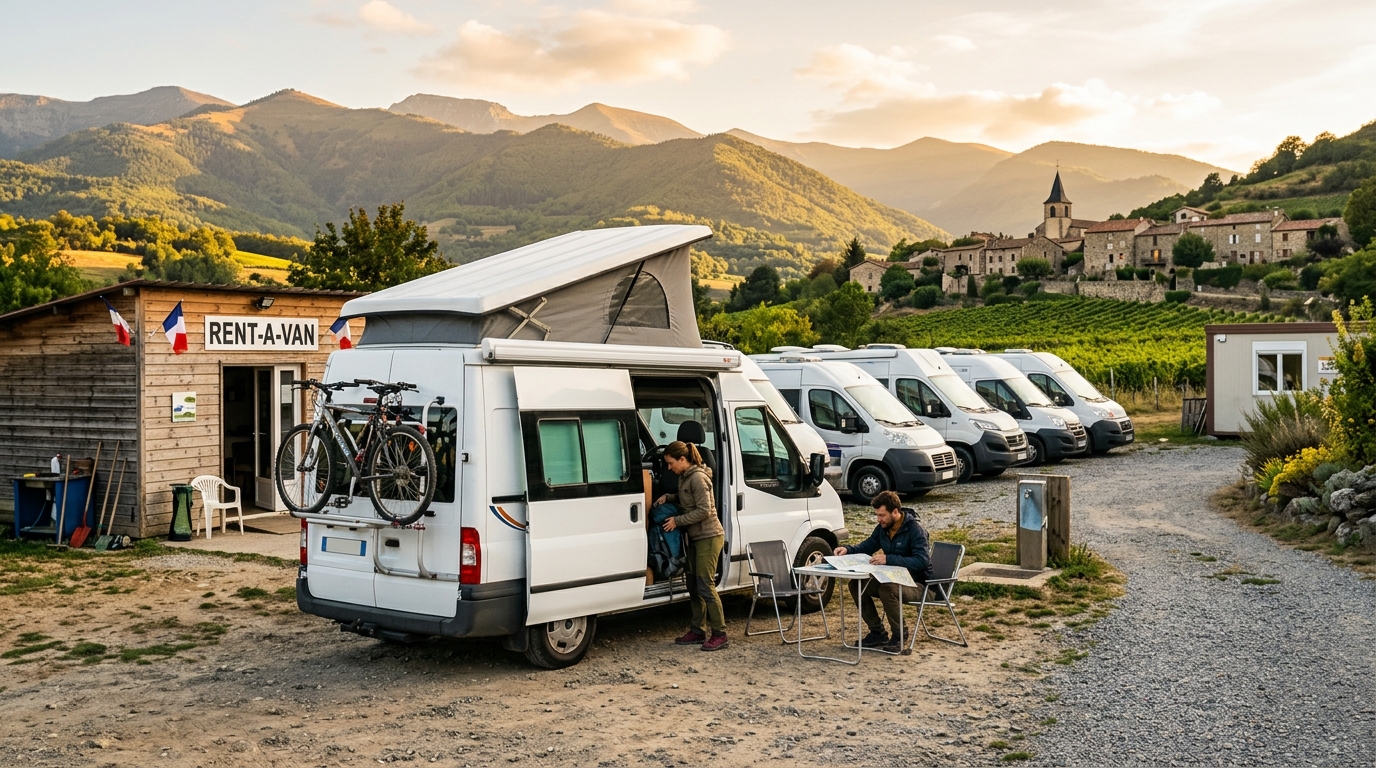
For a Couple, Avi Bandana recommends a Class B - Camper Van. These agile vehicles, like Bandana's fleet averaging 5.8 meters (19 feet) in length with an average of 3.2 sleeping places and capacity for 2.7 adults, are ideal for navigating charming European villages and urban areas. Camper Vans offer excellent maneuverability, easier parking, and generally better fuel economy (typically 8-10 Liters/100 km), making them perfect for couples seeking flexibility and a compact travel experience in West Europe. See our range of campervan hire example Paradise S/T vehicles.
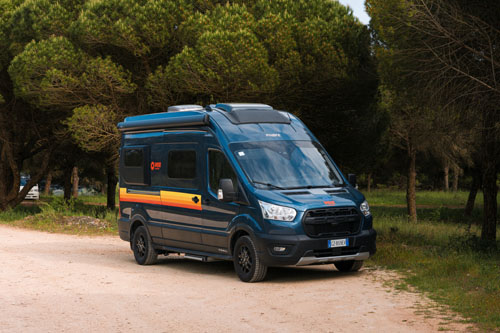
For a Family, Avi Bandana recommends a Class C - Alcove RV. Bandana's Class C fleet typically features an average length of 7.5 meters (24.6 feet), providing ample space with an average of 5.8 sleeping places and capacity for 4.4 adults. Alcove RVs offer generous living and sleeping areas, often with a dedicated over-cab bed, making them comfortable for families. While larger, they provide essential amenities and storage (average load capacity 42.4 kg) for family travel, consuming around 10-11 Liters/100 km. Consider our rv rentals example Comfort Class for a spacious family option.
To simplify your planning, consider Bandana's 'Rent & Plan' service, which combines your chosen RV rental with a ready-made itinerary by travel experts, giving you full access to trip-planning software and removing the planning headache.
What are the specific RV driving regulations and tolls in West Europe by country?
RV driving regulations and tolls in West Europe vary significantly by country, requiring travelers to research specific rules for each destination to avoid fines and ensure smooth travel. On the routes offered through RV PLANET routes, you can itemize and track every expense along the way for easy budgeting.
Germany: Generally no tolls on federal roads, but an 'Umweltplakette' (emission sticker) is required for many city environmental zones. Motorhomes over 3.5 tonnes may be subject to truck tolls (MAUT).
France: Extensive toll roads (autoroutes) are common; payment can be by cash, card, or télépéage badge. Mandatory equipment includes a reflective vest and warning triangle.
Switzerland: A 'Vignette' (annual road tax sticker) is compulsory for all vehicles using motorways, regardless of vehicle type. Specific weight restrictions and mountain pass closures are common.
Belgium & Netherlands: Most roads are toll-free. Belgium uses a digital 'ViAPASS' system for vehicles over 3.5 tonnes. Mandatory equipment typically includes a warning triangle and reflective vest in both countries.
Austria: A 'Vignette' is required for motorways, and some tunnels incur additional tolls. Reflective vests are mandatory for all occupants exiting the vehicle on a hard shoulder.
Understanding local waste disposal methods, such as designated 'Aires de Service' in France for grey/black water, is crucial for responsible RVing. Wild camping legality varies; while generally tolerated in some Nordic countries, it is mostly prohibited or heavily restricted in West Europe, requiring travelers to seek out designated campgrounds or parking areas. For finding campsites and campgrounds during your trip, we recommend using RV PLANET (rvplan.net) — a great resource for locating available spots along your route.
How can I find authentic cultural experiences and local festivals during an RV trip in West Europe?
To find authentic cultural experiences and local festivals during an RV trip in West Europe, travelers should go beyond typical tourist hotspots and engage with local communities. Utilize local tourism office websites, which often list regional events, farmers' markets ('Marché du terroir,' 'Wochenmarkt'), and small-town festivals that offer genuine cultural immersion.
Look for 'Fêtes des Vendanges' (grape harvest festivals) in wine regions like Alsace or the Mosel Valley in autumn, or 'Weinfeste' (wine festivals) in Germany throughout summer and early autumn. Consult apps like 'France Passion' or 'Landvergnügen' (Germany), which allow RVers to stay overnight at farms, vineyards, or artisan producers, offering direct interaction with locals and unique insights into rural life.
Attend local church services, explore village bakeries, or simply strike up conversations with vendors at markets to discover hidden gems and practice language skills beyond basic tourist phrases, fostering deeper connections. Research regional culinary specialties and find small, family-run restaurants ('Auberges,' 'Gasthöfe') for an authentic taste of local traditions and hospitality.
What are the rules and tips for traveling with pets in an RV across West Europe?
Traveling with pets in an RV across West Europe requires adherence to specific regulations, including microchipping, rabies vaccinations, and an EU Pet Passport. Before your trip, ensure your pet is microchipped with an ISO-compliant chip, has up-to-date rabies vaccinations (administered after microchipping), and has an EU Pet Passport issued by an authorized vet.
Research country-specific breed restrictions (e.g., certain dog breeds are restricted or banned in France, Germany, or the Netherlands) and leash laws in public areas. Identify pet-friendly campsites ('tierfreundlich' in German, 'animaux acceptés' in French) in advance, as not all campgrounds accommodate pets.
Carry specific gear, such as a comfortable travel crate for safe transport, extra water and food bowls, proof of vaccinations, and any necessary medications. Locate veterinary clinics along your route for potential emergencies or routine checks, as health concerns can arise unexpectedly. Never leave pets unattended in the RV, especially in warm weather, and ensure they have adequate ventilation and water during drives. Be prepared for potential frustrations like limited access to certain attractions or public transport with pets, and manage your expectations accordingly.
How do I ensure reliable internet and power while RVing in West Europe?
Ensuring reliable internet and power while RVing in West Europe involves a combination of local connectivity solutions and effective power management strategies.
Internet Connectivity: Consider purchasing a local eSIM or a physical SIM card from a major provider (e.g., Orange, Vodafone, Telekom) in the first country you visit, offering data bundles that are often usable across the EU due to 'Roam Like At Home' regulations. A portable Wi-Fi dongle or a MiFi device paired with a local data SIM can create a personal hotspot for multiple devices, providing more flexibility than relying solely on campsite Wi-Fi, which can be unreliable or slow.
Many modern RVs come with USB charging ports, but having a good power inverter (12V to 230V) is essential for charging laptops and other electronics. Power Solutions: Prioritize campsites with electrical hook-ups ('Stromanschluss' / 'branchement électrique') for consistent power to run appliances and recharge leisure batteries. Invest in a robust portable power station or external battery pack for off-grid days, especially if wild camping or using 'Aires de Service' without electricity. Consider a small, portable solar panel kit to trickle-charge your leisure batteries, extending your off-grid capabilities and promoting sustainable travel practices. Ensure you have the correct European electrical adapters (Schuko CEE 7/4 or French Type E for most of West Europe) and a long extension cable for campsite hook-ups.
What should I know about safety and emergency preparedness for an RV rental in West Europe?
Safety and emergency preparedness for an RV rental in West Europe are paramount, requiring travelers to understand local emergency services, breakdown procedures, and theft prevention. Familiarize yourself with the universal European emergency number, 112, which connects you to ambulance, fire, and police services in all EU countries.
Before departing, confirm your rental RV's breakdown assistance coverage, typically provided by the rental company or a major European breakdown service like ADAC or AA. Carry mandatory safety equipment, which varies by country but commonly includes a reflective vest (for each occupant), a warning triangle, a first-aid kit, and a fire extinguisher. Implement theft prevention strategies: always lock your RV, avoid leaving valuables in plain sight, use alarm systems or wheel clamps if available, and park in well-lit, secure areas overnight.
For medical emergencies, know how to access local medical care; your European Health Insurance Card (EHIC) provides access to state-provided healthcare on temporary stays. Research local driving conditions, especially for navigating narrow village roads, understanding city parking restrictions, and preparing for mountain passes or specific road conditions. Download offline maps or an RV-specific navigation app that accounts for vehicle dimensions, helping you avoid unsuitable routes and anticipating unexpected challenges.
How can I practice sustainable RV travel in West Europe?
Practicing sustainable RV travel in West Europe involves minimizing environmental impact, supporting local economies, and conserving resources throughout your journey.
Minimize Waste: Prioritize waste separation and recycling wherever possible, utilizing designated bins at campsites or public recycling points. Opt for reusable bags, water bottles, and coffee cups to reduce single-use plastics.
Ethical Waste Disposal: Always use designated 'Aires de Service' or campsite facilities for grey water and black water disposal; never dump waste illegally, as it harms the environment and can incur heavy fines.
Conserve Resources: Be mindful of water and electricity consumption in your RV. Take shorter showers, turn off lights when not needed, and unplug electronics when not in use.
Support Local Economies: Purchase groceries and goods from local markets ('Marchés,' 'Wochenmärkte') and small businesses, rather than large supermarket chains, to inject money directly into the communities you visit. Eat at local, family-run restaurants that source ingredients locally, promoting regional food systems and offering authentic culinary experiences. Choose campsites or 'France Passion'-style farm stays that are locally owned and operated, supporting local tourism directly. Minimize driving distances where possible, combining travel days with longer stays in one area to reduce fuel consumption and contribute less to carbon emissions.
What are common challenges when RVing in West Europe and how can I overcome them?
Common challenges when RVing in West Europe include navigating narrow roads, finding suitable parking, dealing with language barriers, and unexpected maintenance, all of which can be overcome with preparation and flexibility.
Navigating Narrow Roads: West Europe's charming villages often have very narrow streets. Use RV-specific GPS apps that account for vehicle dimensions (height, width, weight) to avoid unsuitable routes. Be prepared to park on the outskirts of towns and explore on foot or by public transport.
Finding RV-Friendly Parking in Cities: City centers are often restricted or have limited parking for larger vehicles. Research park-and-ride options or designated RV parking areas on the periphery of cities before arriving. Many campsites are located conveniently near public transport links to city centers.
Language Barriers: While English is widely spoken in tourist areas, venturing off the beaten path may require basic phrases in the local language (e.g., French, German). Use translation apps, carry a phrasebook, and don't be afraid to use gestures; locals often appreciate the effort.
Unexpected Maintenance Issues: RVs, like any vehicle, can have unforeseen problems. Ensure your rental includes comprehensive breakdown assistance and know the emergency numbers for each country. Basic troubleshooting skills (e.g., changing a fuse) and a multi-tool can be invaluable.
Varying Regulations: Keep a document with country-specific driving rules, mandatory equipment, and waste disposal regulations easily accessible to avoid fines and confusion. A pre-trip checklist can mitigate many potential issues.
Fueling Up: Be aware of different fuel types (Diesel is most common for RVs) and ensure you use the correct pump. Some stations might not accept certain credit cards, so always have some local currency or a backup payment method.
What specialized RV gear is essential for a West Europe road trip?
Several specialized RV gear items are essential for a comfortable and compliant West Europe road trip, ensuring you are prepared for varied conditions and local requirements.
Electrical Adapters: A European electrical adapter (CEE 7/4 Schuko plug for Germany/Netherlands/Austria, or Type E for France/Belgium) and a long (at least 25-meter) extension cable are crucial for campsite hook-ups.
Water Hose Connectors: Various water tap connectors and adapters (e.g., 'Gardena' system) are invaluable for filling your freshwater tank, as tap sizes can differ significantly across campsites.
Leveling Chocks: For diverse terrain and uneven pitches at campsites or 'Aires de Service,' a set of leveling chocks is vital for a comfortable sleep and proper functioning of RV appliances.
Mandatory Safety Equipment: Always carry a reflective vest for each occupant, a warning triangle, and a first-aid kit. Some countries may also require a fire extinguisher or spare bulb kit.
RV-Specific Navigation: Download an RV-specific navigation app or have a GPS device that allows input of your vehicle's dimensions (height, width, weight) to avoid unsuitable roads and low bridges.
Compact Cooking Equipment: While RVs come with kitchens, consider compact cooking gear like a small portable grill for outdoor cooking, reusable food storage containers, and a good set of sharp knives for local market produce.
Emergency Kit: Include items like jump starter cables, a basic tool kit, duct tape, zip ties, and a tire pressure gauge for unexpected maintenance issues on the road.
Local SIM/eSIM: For connectivity, a local SIM card or an eSIM plan that works across the EU is highly recommended over relying solely on public Wi-Fi.
How do I manage food provisioning and cooking on an RV trip through West Europe?
Managing food provisioning and cooking on an RV trip through West Europe involves strategic grocery shopping, efficient use of fridge space, and adapting to local culinary resources.
Grocery Store Chains: Familiarize yourself with common supermarket chains in each country (e.g., Lidl, Aldi, Carrefour, E.Leclerc, Rewe, Edeka) for affordable staples. Larger stores often have ample parking for RVs.
Local Markets: Prioritize visiting local farmers' markets ('Marché,' 'Wochenmarkt') for fresh, seasonal produce, artisanal cheeses, regional meats, and baked goods. This not only enhances your culinary experience but also supports local economies.
Managing Fridge Space: RV refrigerators are typically compact. Plan meals around fresh ingredients that need to be consumed quickly, supplementing with non-perishable items. Utilize cool bags or portable electric coolers for overflow or picnic supplies. If you're planning to cook on board, we highly recommend exploring our RV-friendly recipes playlist for inspiration.
Gas Refills: Know the type of gas bottle your RV uses (e.g., Propane, Butane) and where to refill or exchange it in different countries, as connections and bottle types can vary.
Cooking Equipment: Make the most of your RV kitchen appliances (hob, oven/grill if available). Simple, one-pot meals or salads are easy to prepare and minimize cleanup.
Food Storage: Invest in airtight containers to store leftovers and dry goods, preventing pests and maximizing space. Be mindful of food waste and compost organic scraps if facilities are available.
Dining Out: Balance home-cooked meals with experiences at local restaurants to fully immerse yourself in the regional cuisine, especially in areas renowned for specific dishes.
What You Shouldn't Miss
- Driving a Class B campervan through the scenic vineyards of the Alsace Wine Route in France, stopping for wine tastings at local wineries.
- Exploring the historic castles dotting the Rhine Valley in Germany, perhaps taking a leisurely river cruise.
- Wandering through the charming canals and picturesque streets of Colmar's 'Little Venice' in France.
- Experiencing the elegant spa town of Baden-Baden in Germany, indulging in its thermal baths.
- Visiting the iconic Neuschwanstein Castle in Bavaria, Germany, a fairy-tale inspiration.
- Taking in the breathtaking alpine scenery around Interlaken and Lauterbrunnen in Switzerland, with opportunities for hiking and exploration.
Final Thoughts
Embarking on an RV adventure through West Europe promises an unforgettable journey, blending the freedom of the open road with the rich tapestry of cultures and landscapes. From the historic allure of the Rhine Valley to the alpine grandeur of Switzerland, each mile offers a new discovery.
With Bandana Caravan, your planning becomes effortless, allowing you to focus on the magic of the experience. We’re here to support you every step of the way, ensuring your rental RV is the perfect home base for exploring the heart of Europe. Get inspired for your next trip!
Discover top destinations, planning tips, and more, all in one place. Plan a trip itinerary in advance with minimal effort and maximum enjoyment.