In This Guide
- Best West Canada RV Itinerary for airport rv rental — Overview
- 7-Day Classic Route in West Canada
- 14-Day Extended Journey in West Canada
- Recommended RVPlan Trip for West Canada
- Must-See Stops Along the Way (Avi Bandana Picks)
- Daily Driving Distances & Drive Times in West Canada
- Best RV Class for This Itinerary — Couple & Family Picks
- What are the best RV trips in Western Canada?
- How much does it cost to rent an RV in Western Canada?
- What is the best month to RV in Western Canada?
- Where can you RV camp in Western Canada?
- How long do you need to RV in Canada?
- What do I need to know before RVing in Canada?
Best West Canada RV Itinerary for airport rv rental — Overview
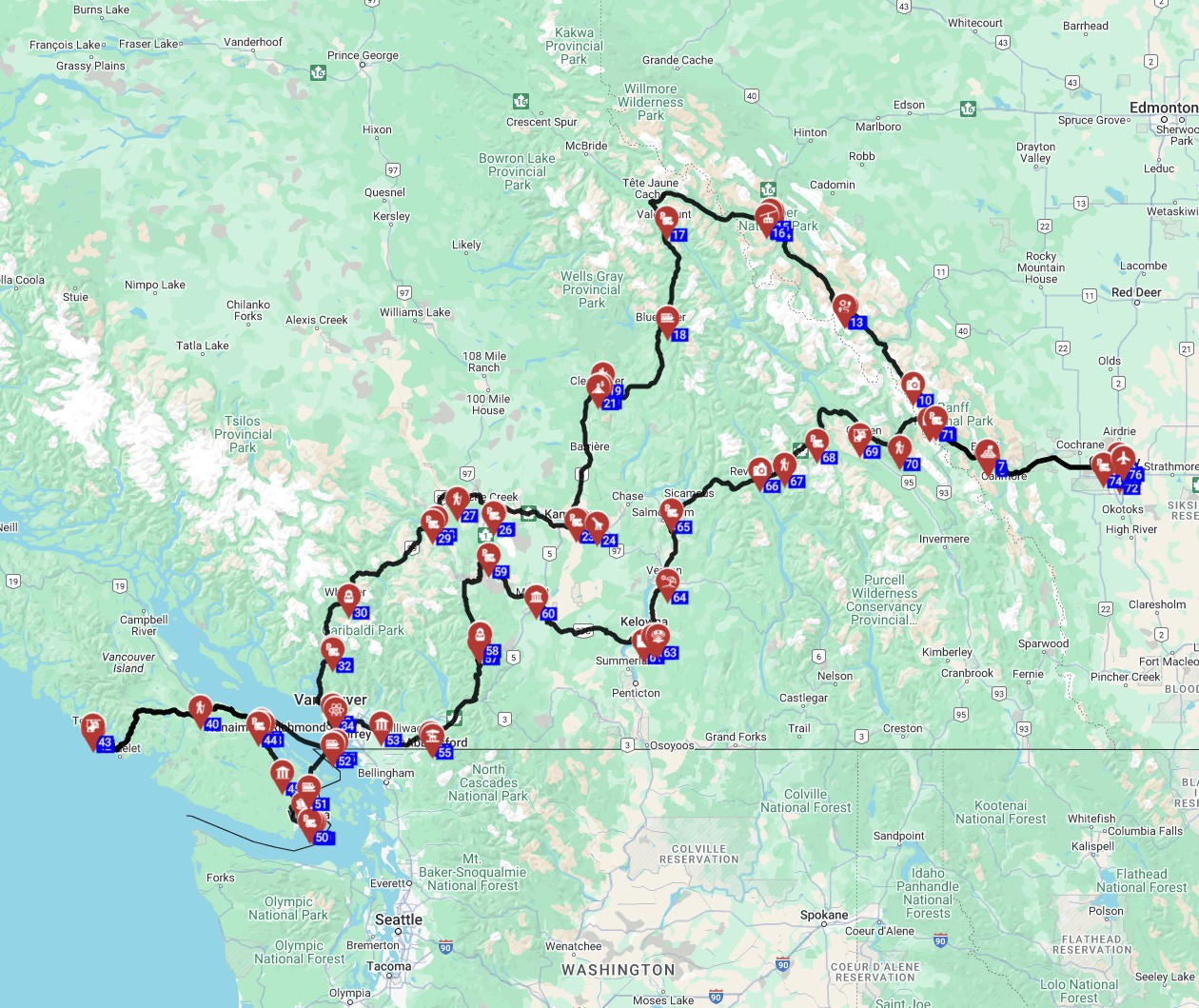
Embarking on an RV adventure in West Canada offers unparalleled access to stunning natural beauty and diverse landscapes. A West Canada RV adventure typically spans 7 to 14 days, covering iconic areas like the Canadian Rockies, the picturesque Okanagan Valley, and British Columbia's varied terrain. For instance, a classic 7-day trip often covers around 900-1000 km, while a 14-day extended journey can comfortably range from 1800-2200 km, emphasizing leisurely travel over speed. The ideal season for an RV rental in West Canada is generally late spring (May-June) or early fall (September-early October) to enjoy pleasant weather and fewer crowds.
This itinerary prioritizes maximizing scenic beauty and cultural experiences. Avi Bandana recommends maintaining recommended average daily driving distances of 150 km (100 miles) or less to truly immerse yourself in each location. This approach ensures you can fully appreciate the journey, not just the destination. If you're planning a broader trip, our guide RV Rental West Canada - Complete Guide 2026 provides comprehensive details to help you navigate the region.
7-Day Classic Route in West Canada
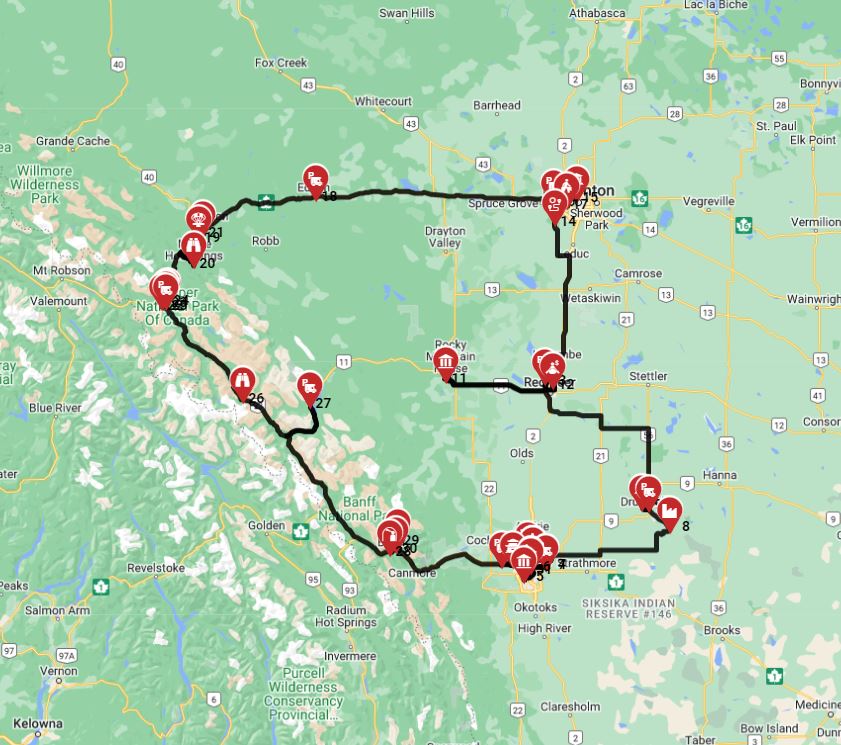
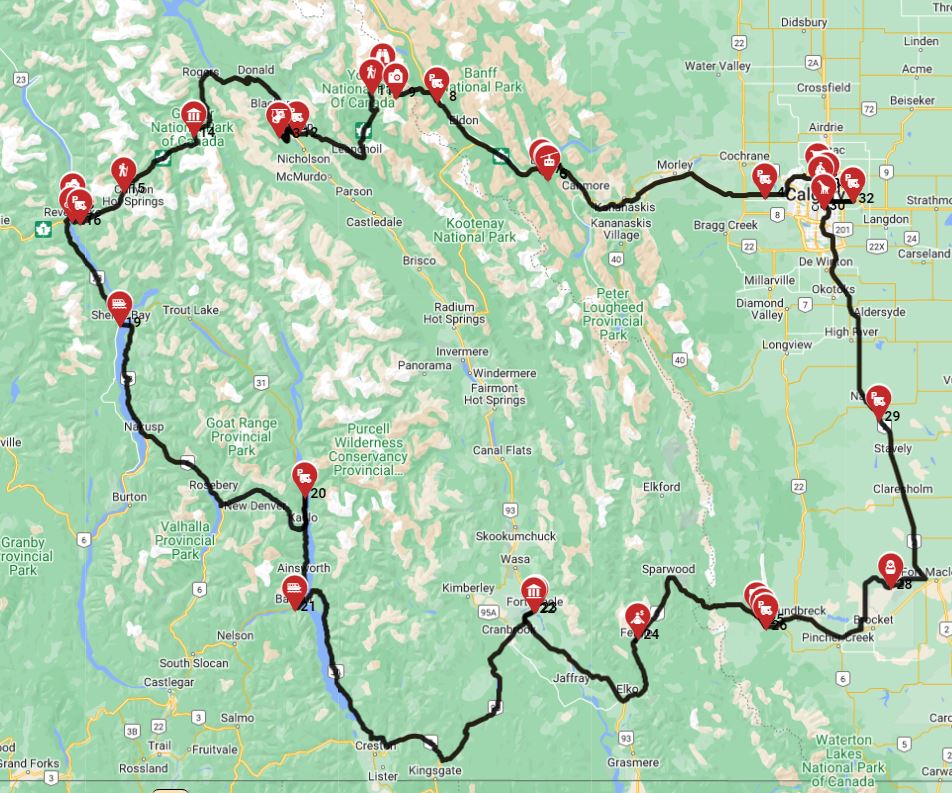
A fantastic 7-day RV itinerary starting from Calgary airport can immerse you in the heart of the Canadian Rockies and surrounding beauty. This route is designed for a relaxed pace, ensuring you soak in the stunning scenery without feeling rushed.
- **Day 1: Calgary Airport → Canmore (100 km)**. This first leg takes you to the gateway of the Canadian Rockies. Consider camping at Bow Valley Provincial Park Campground to settle in.
- **Day 2: Canmore → Banff (30 km)**. Explore the charming town of Banff, ride the Sulphur Mountain Gondola, and relax at the Upper Hot Springs. Overnight at Tunnel Mountain Village II Campground.
- **Day 3: Banff → Lake Louise (60 km)**. Visit the iconic Lake Louise, enjoy canoeing, and explore hiking trails. Stay at Lake Louise Campground for breathtaking views.
- **Day 4: Lake Louise → Yoho National Park (50 km)**. Discover the natural wonders of Yoho National Park, including Emerald Lake, Takakkaw Falls, and the Natural Bridge. Kicking Horse Campground is a great overnight option.
- **Day 5: Yoho National Park → Radium Hot Springs (120 km)**. Enjoy a scenic drive through Kootenay National Park before relaxing in the Radium Hot Springs. Radium Hot Springs Campground is conveniently located.
- **Day 6: Radium Hot Springs → Kananaskis Country (150 km)**. Experience the beauty of Peter Lougheed Provincial Park with its scenic drives and hiking opportunities. Peter Lougheed Provincial Park Campground offers a serene setting.
- **Day 7: Kananaskis Country → Calgary Airport (100 km)**. Enjoy final mountain views before returning your RV at Calgary Airport.
14-Day Extended Journey in West Canada
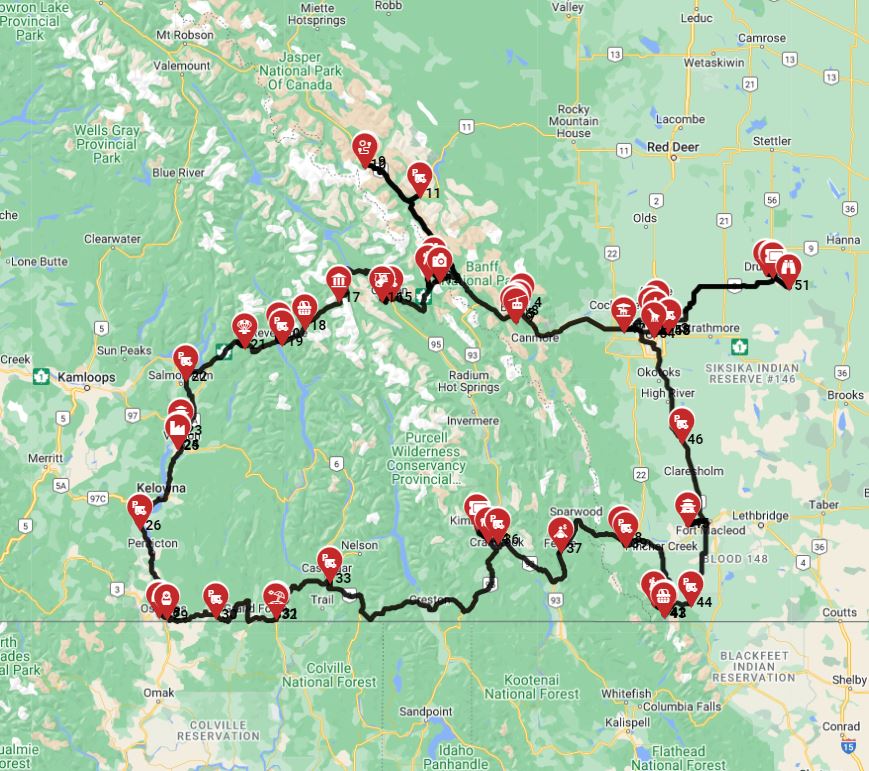
For a more in-depth exploration, a 14-day RV itinerary allows for deeper immersion into West Canada's diverse landscapes, from the majestic Rockies to the interior of British Columbia.
Days 1-2: Calgary & Banff Area
- **Day 1: Calgary Airport → Canmore (100 km)**. Pick up your rented RV and begin your Rockies adventure. Stay at Bow Valley Provincial Park.
- **Day 2: Canmore → Banff (30 km)**. Explore Banff townsite and take in the scenic drives. Overnight at Tunnel Mountain Village II.
Days 3-5: Lake Louise & Icefields Parkway
- **Day 3: Banff → Lake Louise (60 km)**. Experience the iconic lakes and consider canoeing. Lake Louise Campground is your base.
- **Day 4: Lake Louise → Saskatchewan Crossing (120 km)**. Journey along the Icefields Parkway, stopping at Bow Lake and Peyto Lake. Rampart Creek Campground is a classic stop.
- **Day 5: Saskatchewan Crossing → Jasper (110 km)**. Continue north, visiting Athabasca Falls and Maligne Canyon. Whistlers Campground in Jasper awaits.
Days 6-7: Jasper National Park
- **Day 6: Jasper Exploration**. Discover Maligne Lake and hike the Valley of the Five Lakes. Whistlers Campground remains a convenient choice.
- **Day 7: Jasper → Mount Robson Provincial Park (80 km)**. Enjoy views of the highest peak in the Canadian Rockies and explore hiking trails. Mount Robson Provincial Park Campground offers a stunning location.
Days 8-10: Interior BC & Shuswap
- **Day 8: Mount Robson → Valemount (40 km)**. Experience small-town charm and local crafts. Valemount Pines Golf & RV Park is a good option.
- **Day 9: Valemount → Clearwater (150 km)**. Visit Wells Gray Provincial Park with its impressive Helmcken Falls and Dawson Falls. Clearwater Campsite is a great base.
- **Day 10: Clearwater → Kamloops (120 km)**. See the BC Wildlife Park or enjoy the South Thompson River. Kamloops RV Park provides amenities.
Days 11-12: Okanagan & Kootenays
- **Day 11: Kamloops → Revelstoke (150 km)**. Explore the Revelstoke Dam and Railway Museum. Revelstoke Campground offers a comfortable stay.
- **Day 12: Revelstoke → Golden (150 km)**. Visit Kicking Horse Mountain Resort and the Northern Lights Wolf Centre. Golden Municipal Campground is a convenient stop.
Days 13-14: Return to Calgary
- **Day 13: Golden → Canmore (150 km)**. Enjoy a final scenic drive through Yoho and Kananaskis before returning to Canmore. Bow Valley Provincial Park is an excellent final camping spot.
- **Day 14: Canmore → Calgary Airport (100 km)**. Depart for your flight after returning your rented RV, filled with memories.
Recommended RVPlan Trip for West Canada
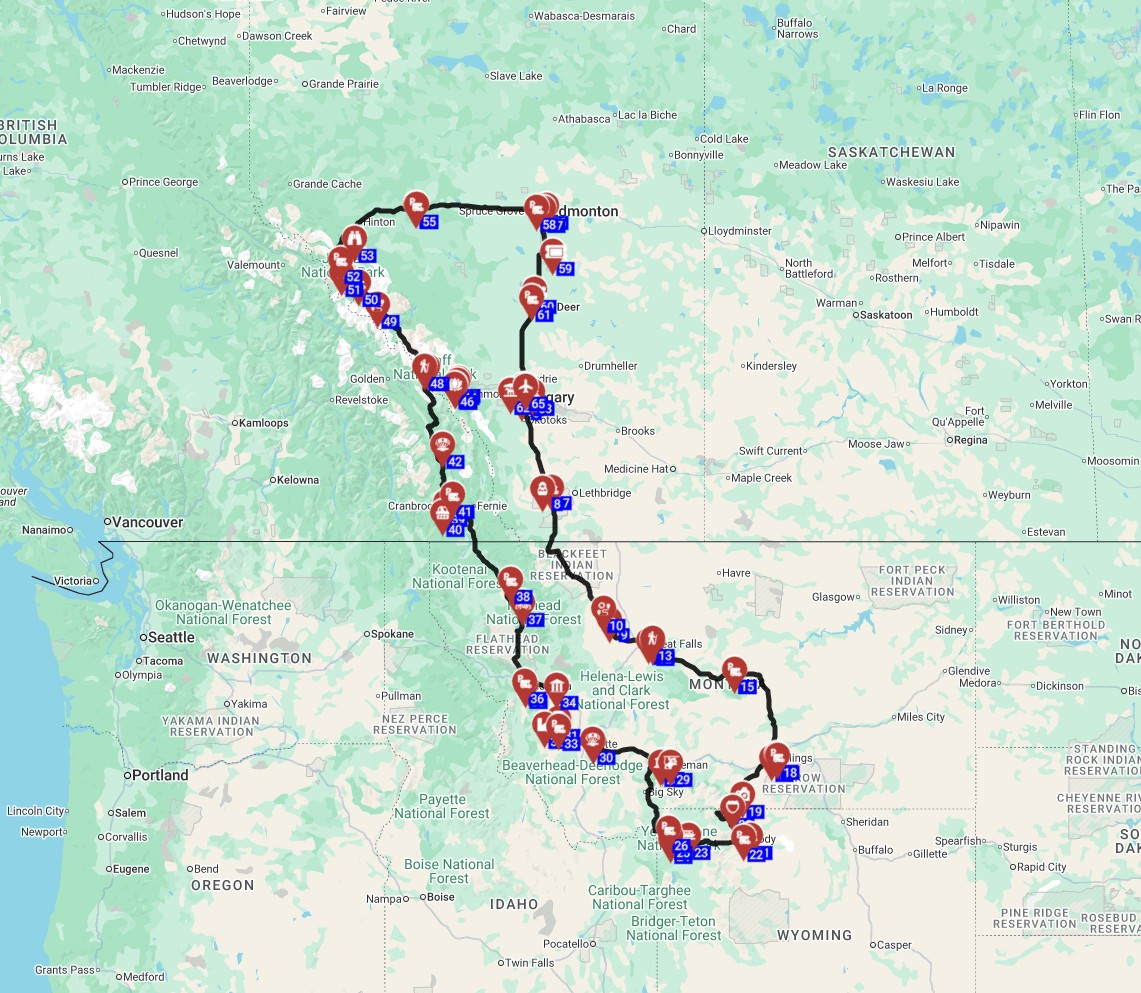
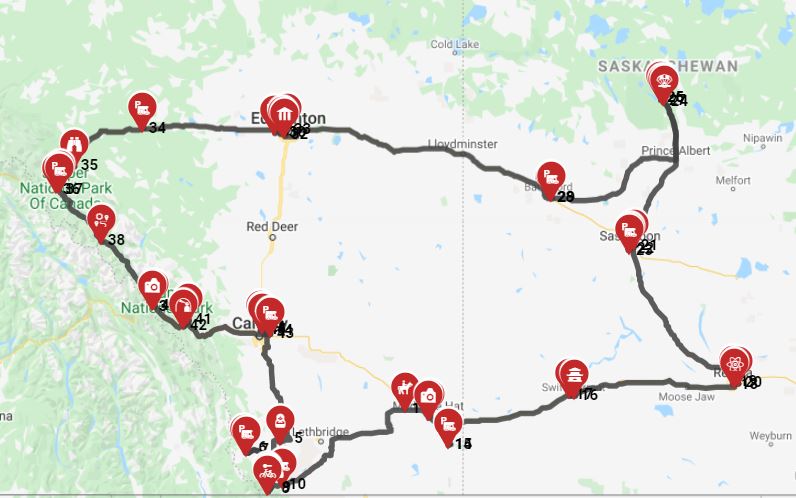
For a meticulously planned West Canada RV adventure, consider the "

Alternatively, explore the "Rent & Plan" service. This valuable option bundles your RV rental with a pre-designed itinerary crafted by travel experts, freeing you from planning stress and granting full access to intuitive trip-planning software for a seamless journey. This service ensures your adventure is well-structured and enjoyable from the start.
Must-See Stops Along the Way (Avi Bandana Picks)
Avi Bandana, our resident RV travel expert, highlights several must-see stops that offer a rich blend of history, local flavor, and natural beauty. These selections are highly recommended for an authentic West Canada RV experience.
- Fort Langley National Historic Site: This site offers a fascinating glimpse into Canada's fur trade history. It's an ideal 'traditional visit' for families and history enthusiasts, as noted in RVPlan's trip descriptions.
- Desert Hills Ranch Farm Market: As a top 'traditional market' pick, this location provides an excellent opportunity to sample fresh, local produce and regional specialties. It's perfect for stocking your rented RV's kitchen with delicious, locally sourced items.
- Okanagan Wineries: Representing a vibrant 'local industry', the Okanagan Valley offers numerous wineries. You’ll find plenty of chances to explore vineyards, taste award-winning wines, and enjoy stunning lake views, making it a memorable stop.
- Icefields Parkway: Avi Bandana considers this stretch between Lake Louise and Jasper an essential stop. While categorized as a 'scenic route' and 'natural feature', its unparalleled views of glaciers, turquoise lakes, and towering peaks make it a 'traditional visit' for nature lovers and an absolute highlight of any West Canada RV journey.
Daily Driving Distances & Drive Times in West Canada
To truly savor the West Canada RV experience, Avi Bandana strongly recommends a relaxed pace. He advises a maximum of 100 miles or 150 km per day on average. This approach allows ample time to enjoy the scenery and attractions without feeling rushed, ensuring a more immersive journey.
Traveling slowly is key to an enjoyable RV experience in West Canada. Mountain roads, potential for wildlife encounters, and the desire to stop at numerous scenic viewpoints can significantly extend travel times beyond basic mapping estimates. For example, the drive from Calgary to Banff is approximately 130 km, typically a 1.5 to 2-hour drive, but many travelers spend a full day exploring viewpoints along the way.
Similarly, the journey from Banff to Lake Louise covers about 60 km, usually a 1-hour drive. However, to fully appreciate the stunning vistas, it’s wise to allocate an entire day for this relatively short distance. The legendary Icefields Parkway, stretching roughly 230 km (3-4 hours of pure driving) from Lake Louise to Jasper, is a prime example where Avi Bandana strongly advises dedicating a full day, or even two, to truly experience its numerous breathtaking stops and maintain a comfortable daily driving limit.
Best RV Class for This Itinerary — Couple & Family Picks
Choosing the right RV class is crucial for comfort and enjoyment. Bandana Caravan offers a range of vehicles to suit different needs:
For Couples: Class B - Camper Van
Avi Bandana recommends the Class B - Camper Van for couples. Its compact size, ease of driving, and fuel efficiency make it an excellent choice for exploring West Canada. Bandana's fleet typically features Class B Camper Vans with an average length of 5.8 meters, comfortably sleeping around 3.2 people (ideal for 2 adults), and achieving fuel consumption rates around 10 Liters/100 km. Their maneuverability is perfect for navigating smaller towns and national park roads.
For Families: Class C - Alcove
For families, the Class C - Alcove is the preferred choice, providing more living and sleeping space. Bandana's fleet of Class C Alcove RVs typically has an average length of 7.5 meters and accommodates around 5.8 sleeping places (ideal for 4 adults with children), offering separate sleeping areas like the overhead alcove bed. With an average fuel consumption of 10-12 Liters/100 km, these RVs balance comfort, space, and practicality for family adventures.
Rent & Plan Service: Regardless of your RV choice, consider Bandana's 'Rent & Plan' service. It bundles your RV rental with a professionally designed itinerary, taking the planning stress out of your trip and providing access to expert trip-planning software.
What are the best RV trips in Western Canada?
Western Canada is brimming with incredible RV trip opportunities. Iconic routes include the breathtaking Icefields Parkway, connecting Banff and Jasper, and the scenic Sea-to-Sky Highway from Vancouver to Whistler. The Okanagan Valley's renowned wine routes and the diverse beauty of Vancouver Island also present fantastic RVing experiences.
Beyond these popular destinations, Avi Bandana also suggests exploring less-traveled paths. Consider the remote provincial parks in the Kootenays, such as Mount Assiniboine Provincial Park (though access requires specific planning), or the unique natural wonders around Wells Gray Provincial Park. These lesser-known spots offer tranquil RVing experiences for those seeking a more secluded adventure.
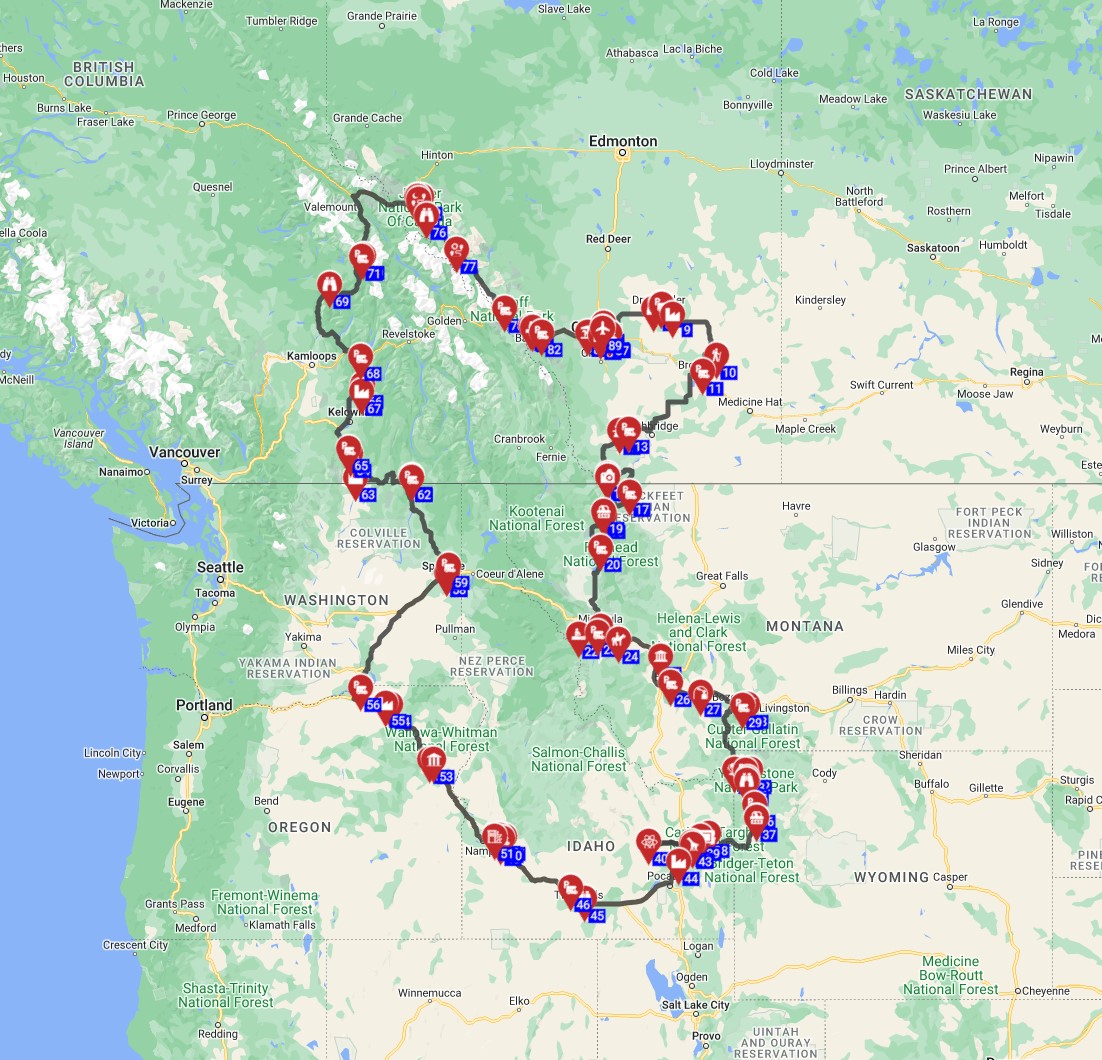
Referencing the detailed 7-day and 14-day itineraries provided earlier offers specific examples of well-loved and curated routes suitable for various trip durations. For an all-encompassing and active journey, the "Vancouver Round Trip - West Canada Cycling Adventure" from RVPlan is a highly recommended option, expertly blending scenic drives with cycling opportunities for a truly memorable exploration.
How much does it cost to rent an RV in Western Canada?
The cost to rent an RV in Western Canada varies significantly, typically ranging from CAD$150 to CAD$400+ per night. This price is influenced by several factors, including the RV class, the season of travel, rental duration, how far in advance you book, and the included amenities. It's important to remember that these base rental fees are just one part of the overall trip budget.
Beyond the rental, you should budget for essential operational costs. Fuel, for instance, is a key consideration; for Bandana's fleet, expect average fuel consumption of 10-12 Liters/100 km for a Class B Camper Van and similarly 10-12 Liters/100 km for a Class C Alcove RV. Campsite costs are also a factor and vary by type: National and Provincial Parks often range from CAD$20-40 per night for unserviced sites, while private campgrounds offering full hookups and amenities can cost CAD$40-80+ per night. Don't forget additional expenses like National Park entry passes (e.g., the Discovery Pass is approximately CAD$145.25 annually per vehicle), potential mileage packages (as some rentals include limited kilometers), insurance, one-way rental fees if applicable, and your personal spending on activities, food, and any unexpected maintenance. On the routes offered through RV PLANET routes, you can itemize and track every expense along the way for easy budgeting.
What is the best month to RV in Western Canada?
The most recommended months for RV travel in Western Canada are generally late spring (May-June) and early fall (September-early October). These periods offer an optimal balance of pleasant weather, fewer tourist crowds, and ensure that most facilities and attractions are open and accessible.
Summer (July-August) is peak season, boasting the warmest weather and full access to all roads and attractions. However, it also comes with the highest prices, largest crowds, and the necessity to book campsites and activities well in advance. Conversely, Spring (May-June) brings blooming landscapes and active wildlife, but higher elevation roads or trails might still be closed due to snow. Temperatures can be cooler, so packing varied layers is essential.
Fall (September-early October) is a fantastic time for stunning autumn foliage, cooler temperatures, fewer insects, and excellent wildlife viewing opportunities. However, some services may begin to close for the season, and early winter snowfall can sometimes affect higher mountain passes. Traveling in Early Winter (late October-November) is generally not recommended for casual RV travel due to challenging road conditions, significant road closures (like parts of the Icefields Parkway), and the need for specialized cold-weather RV gear and experience.
Where can you RV camp in Western Canada?
Western Canada offers a rich tapestry of RV camping options, from well-equipped National Parks and numerous Provincial Parks to private campgrounds boasting extensive amenities. For those seeking a more rustic experience, there are also opportunities for dispersed camping (boondocking) on Crown land in designated areas, requiring a high degree of self-sufficiency.
National Parks, such as Banff, Jasper, and Yoho, provide incredibly scenic campsites. However, these often require booking up to a year in advance (reservations typically open in January for the summer season), come with strict rules regarding wildlife and campfires, and amenities vary from unserviced to full hookups. Provincial Parks across British Columbia and Alberta are another excellent choice, frequently offering a slightly quieter experience than National Parks. They provide good value and a range of services from basic to electric-only, with booking windows typically opening 2-4 months in advance.
Private Campgrounds are your go-to for the most amenities, often including full hookups (water, sewer, electricity), laundry facilities, pools, and recreational areas. These are ideal for families or those prioritizing comfort, though they typically come at a higher price point and also require reservations, especially in popular tourist towns. For the truly adventurous, Boondocking/Dispersed Camping is permitted on vast tracts of Crown land in certain parts of Western Canada. This offers free, rustic camping without services but demands careful adherence to 'leave no trace' principles and thorough research into local regulations to find legal spots suitable for your RV size.
How long do you need to RV in Canada?
To truly immerse yourself in the West Canada RV experience and avoid feeling rushed, Avi Bandana recommends a minimum of 7 days. However, he strongly suggests that 10-14 days allows for a significantly more comprehensive journey, comfortably minimizing daily driving pressure and enabling deeper exploration.
A 7-day trip, like the Calgary-based Rockies loop outlined earlier, offers a fantastic taste of a specific region, focusing on core highlights with manageable daily driving distances of 100-150 km. Extending your trip to 10-14 days, as seen in the suggested 14-day Calgary-Jasper-Loop, opens up opportunities to explore multiple regions. This extended timeframe allows for more spontaneous stops, reduces the need for long driving days, and comfortably adheres to Avi Bandana’s philosophy of traveling slowly and appreciating the journey.
Longer durations are also beneficial for exploring off-the-beaten-path destinations, dedicating more time to activities like hiking or cycling, and better adapting to potential weather changes or unexpected events without feeling the pressure of a tight schedule.
What do I need to know before RVing in Canada?
Before embarking on your RV adventure in Canada, familiarize yourself with crucial aspects of driving, wildlife safety, and border crossing procedures. Being prepared will ensure a smoother and more enjoyable trip.
In-depth Safety Guide: Wildlife encounters are a significant consideration in Western Canada. It's essential to carry bear spray and know how to use it. Always store food securely to avoid attracting animals like bears, moose, and elk. Be particularly aware of wildlife on roads, especially at dusk and dawn. Always have emergency contacts and a well-stocked first-aid kit, especially when venturing into remote areas.
Detailed Driving Challenges & Skills: Western Canada presents diverse terrain. Prepare for mountain passes, such as Rogers Pass and Kicking Horse Pass, which require slower speeds and cautious driving, particularly with larger RVs. Practice driving your rented RV in various conditions before you go. Consider carrying chains or winter tires if traveling during the shoulder seasons. Understanding road signs, especially those for steep grades and winding roads, is also essential.
Border Crossing Specifics: For U.S. travelers, a passport is required. Be prepared to declare all items, especially food, alcohol, and tobacco, and be aware of prohibited items like firearms. Ensure you have your RV rental agreement and Canadian insurance proof readily accessible. Always purchase a National Park Pass if you plan to visit parks like Banff or Jasper. Ensure your cellular coverage extends to remote areas, and remember to book popular campsites well in advance, particularly for summer travel.
What You Shouldn't Miss
- Drive the Icefields Parkway: This stunning stretch between Jasper and Banff offers glaciers, turquoise lakes, and dramatic mountain vistas – a quintessential Canadian Rockies experience.
- Explore Banff and Lake Louise: Iconic for a reason, spend time hiking, canoeing, or simply marveling at the vibrant colours of the lakes.
- Hike in Yoho National Park: Discover the natural beauty of Emerald Lake, the powerful Takakkaw Falls, and the unique Natural Bridge.
- Relax in Radium Hot Springs: After days of driving and hiking, a soak in the natural hot springs is the perfect way to unwind.
- Sample local flavours in the Okanagan Valley: While wineries are a highlight, don't miss the chance to visit local markets and taste regional produce.
- Visit Fort Langley National Historic Site: Step back in time and explore Canada's fur trade history for a dose of culture and heritage.
Final Thoughts
Renting an RV and exploring West Canada is an incredible way to experience the vast, natural beauty of this region. The flexibility of an RV allows you to craft your own adventure, stopping at scenic overlooks, embarking on hikes, and truly connecting with the stunning landscapes.
Remember to embrace the slow travel philosophy – take your time, savor the journey, and allow for spontaneous discoveries along the way. With careful planning and the right vehicle, your West Canada RV road trip promises to be an unforgettable experience.
Get inspired for your next trip! Discover top destinations, planning tips, and create lasting memories with Bandana RV.
For ideas you can prep on the road, watch our RV-friendly recipes playlist on YouTube.