For live availability and current prices, start with our RV Rental Tokyo - Complete Guide 2026 guide.
In This Guide
- Best Tokyo RV Itinerary for airport RV rental - Overview
- 7-Day Classic Route in Tokyo
- 14-Day Extended Journey in Tokyo
- Recommended RVPLAN Trip for Tokyo
- Must-See Stops Along the Way (Avi Bandana Picks)
- Daily Driving Distances & Drive Times in Tokyo
- Best RV Class for This Itinerary - Couple & Family Picks
- What kind of RV is best for Japan?
- How much does it cost to rent an RV in Japan?
- What are the best RV rental companies in Japan?
- Do I need an international driving permit for Japan RV rental?
- What is a Michi-no-eki in Japan?
- Is RV camping allowed in Japan?
- What are the driving rules in Japan for RVs?
- How do I navigate Japan with an RV?
- How long does it take to drive around Japan in an RV?
- What are the best seasons for RV travel in Japan?
Best Tokyo RV Itinerary for airport RV rental - Overview
The best Tokyo RV itinerary for an airport RV rental will explore central Japan's highlights, including iconic destinations like Mount Fuji, Hakone, and picturesque coastal areas, covering approximately 700-1500 km (435-930 miles). A minimum of 7 days is recommended for a focused trip, while 14 days allows for a more comprehensive and relaxed journey. Spring (March-May), with its famous cherry blossoms and mild weather, or Autumn (September-November), offering vibrant foliage and comfortable temperatures, are generally the best seasons for this adventure. For live availability and current prices, start with our RV Rental Tokyo - Complete Guide 2024 guide, which provides comprehensive information for your planning needs. With full price transparency and no hidden fees, Bandana RV makes comparing motorhome prices for Tokyo straightforward and stress-free.7-Day Classic Route in Tokyo
A 7-day classic RV itinerary for Tokyo offers a compact yet immersive experience, focusing on key attractions outside the bustling city center. On Day 1, pick up your RV near Tokyo airport and drive approximately 80 km (50 miles) to Hakone, where you can explore Lake Ashi and the Hakone Open-Air Museum before staying at Michi-no-eki Hakone Toge. Day 2 takes you 60 km (37 miles) to Kawaguchiko in the Fuji Five Lakes region, providing breathtaking views of Mount Fuji and an overnight stay at a local campground. Traveling approximately 100 km (62 miles) on Day 3, you'll reach the Izu Peninsula, known for its coastal hot springs, with a night spent at Michi-no-eki Ito Marine Town. Day 4 involves a 90 km (56 miles) drive to historic Kamakura via Enoshima, where ancient temples and the Great Buddha await, followed by a stay at a designated RV park. Day 5 sees you heading 50 km (31 miles) to Yokohama to explore Minato Mirai and Chinatown, parking at a city-adjacent RV spot. On Day 6, return to the outskirts of Tokyo, about 30 km (19 miles), for some light exploration or souvenir shopping before preparing for your RV drop-off. Day 7 marks your RV drop-off and departure from Tokyo, concluding your week-long adventure.14-Day Extended Journey in Tokyo
For a truly comprehensive RV experience, a 14-day extended journey from Tokyo allows for deeper exploration and slower travel through central Japan. Days 1-3 involve picking up your rented motorhome near Narita or Haneda Airport and exploring the urban fringes of Greater Tokyo and Yokohama, including spots like TeamLab Planets or the Ghibli Museum area, then moving to Yokohama for its port charm and bustling Chinatown. Always drive slowly and carefully, and you can drive almost anywhere without issues. No need to stress—just use common sense and pay attention, even with a larger RV. Days 4-6 are dedicated to the stunning Fuji and Hakone Volcanic Region, where you can hike around Lake Kawaguchiko, photograph Chureito Pagoda, and relax in Hakone's famous hot springs with panoramic views of Mount Fuji. Imagine cooking breakfast with this view from your rented RV! RV-friendly recipes playlist. Days 7-9 bring you to the Izu Peninsula for a breathtaking coastal drive, visiting towns like Atami and Shimoda to enjoy their beaches, marine activities, and fresh seafood. Head west into Shizuoka Prefecture for Days 10-11, immersing yourself in the famous green tea plantations and enjoying scenic drives along the Pacific Coast, perhaps visiting a tea farm. Days 12-13 include a return drive towards Tokyo, with a significant stop in historic Kamakura to explore its ancient temples and the Great Buddha, spending a final night at an RV park closer to the airport pickup location. On Day 14, you'll drop off your RV at Tokyo airport and depart, having experienced a rich and varied Japanese adventure. For planning every detail of your journey and estimating costs, refer to the RV PLANET routes, which allow you to itemize and track every expense along the way for easy budgeting. If you're looking for cheap RV Rental in Tokyo - Budget Guide 2024, flexible dates can help secure better rates.Recommended RVPlan Trip for Tokyo
While a specific RVPlan trip may not be immediately available for every niche destination like Tokyo at this moment, Bandana Caravan offers a powerful resource to help you craft your perfect adventure. Avi Bandana encourages travelers to explore our extensive range of pre-designed RV itineraries available globally on rvplan.net. These expertly crafted route plans offer detailed routes, recommended stops, and insights to maximize your RV adventure. You can leverage the 25% Planning Discount by using rvplan.net to create a customized Tokyo trip tailored to your preferences, removing the planning headache and ensuring full access to specialized trip-planning software. We are true RV specialists, not a travel agency side department, meaning our advice and tools are genuinely geared towards RV travel. You'll find that planning a trip itinerary in advance with minimal effort and maximum enjoyment is entirely possible.Must-See Stops Along the Way (Avi Bandana Picks)
When planning your RV itinerary from Tokyo, Avi Bandana recommends a few truly unique stops that capture the essence of central Japan. First, Owakudani in Hakone is a volcanic valley featuring active sulfur vents, offering dramatic landscapes and the unique opportunity to try a 'black egg' said to prolong life by seven years. Imagine pulling up in your rented motorhome and experiencing this geological wonder. Second, don't miss the Nippon-Daira Tea Plantation in Shizuoka, where you can overlook vast green tea fields with the majestic Mt. Fuji as a backdrop, providing a quintessential Japanese scenic experience. This is a perfect spot for memorable photos and to connect with local culture. Third, Enoshima Island in Kanagawa, accessible by a bridge, offers charming shrines, mystical caves, and panoramic ocean views, making it ideal for a leisurely stroll and enjoying fresh local seafood. Finally, Michi-no-eki Fuji Yoshida provides an authentic roadside station experience, offering local produce, unique snacks, and often cultural exhibits or even hot springs, giving you a wonderful glimpse into regional life. These spots are not just destinations, but opportunities to truly feel the place, connect to the culture, the food, and the scenery during your RV adventure. Discover top destinations, planning tips, all in one place!Daily Driving Distances & Drive Times in Tokyo
Avi Bandana recommends maintaining a maximum average of 100-150 km (approximately 60-90 miles) per day to ensure a relaxed travel pace and ample time for exploration around Tokyo. This allows for spontaneous stops at scenic points, local eateries, and Michi-no-eki (roadside stations) that might otherwise be missed. For instance, driving from Narita International Airport to Hakone typically takes around 2-3 hours for approximately 80-100 km (50-62 miles), factoring in potential traffic on the expressways and local roads. Another example: a journey from scenic Lake Kawaguchiko to the Izu Peninsula's coast, such as Ito, covers about 100-120 km (62-75 miles) and can take 2.5-3.5 hours, depending on mountainous roads and how many times you stop to admire the views. Remember, the goal is to travel slowly and deeply, not rush through the landscapes.Best RV Class for This Itinerary - Couple & Family Picks
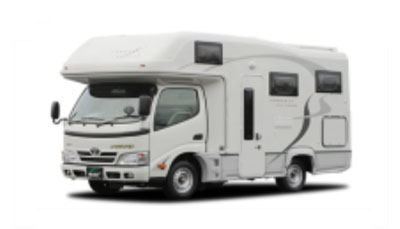
For couples embarking on an RV adventure from Tokyo, a Class C - Alcove RV is an excellent choice, providing a balance of comfort and maneuverability on Japan's roads. Bandana’s Tokyo fleet often includes Class C - Alcove RVs averaging 5 meters (approximately 16.4 feet) in length, which are manageable for navigating local streets while offering ample living and sleeping space for two. These models, like a "rental RV example A1" are designed to feel spacious yet compact enough for Japan. For families, the Class C - Alcove motorhome is highly recommended due to its practical design and generous sleeping capacity. These vehicles in Bandana's Tokyo fleet typically offer sleeping arrangements for up to 6 people, with a comfortable capacity often ideal for 3 adults, making them a versatile and comfortable base for a Japanese family adventure. The compact size of approximately 5 meters in length also aids significantly in navigating Japan's narrower roads and finding parking, especially at popular attractions or Michi-no-eki. Avi Bandana's 'Rent & Plan' service further streamlines your trip by combining your RV rental with a professionally designed itinerary, removing the planning headache and giving you full access to specialized trip-planning software, ensuring peace of mind throughout your journey.What kind of RV is best for Japan?
For RV travel in Japan, a compact Class C - Alcove or a smaller campervan is generally best, as Japan's roads and parking spaces can be narrower than in many Western countries. Smaller RVs, such as Class C - Alcove models averaging 5 meters (16.4 feet) in length found in Bandana's Tokyo fleet, offer superior maneuverability for navigating cities and accessing smaller towns, while still providing ample sleeping capacity for up to 6 people and essential amenities like a shower and toilet. Travelers should consider an RV with good fuel efficiency, as expressway tolls and fuel costs can be significant, and one equipped with a reliable English-friendly navigation system. Smaller models are also significantly easier to park at Michi-no-eki (roadside stations) and designated RV parks, which are crucial for comfortable overnight stays.How much does it cost to rent an RV in Japan?
The cost to rent an RV in Japan can vary widely based on the RV class, rental duration, season, and included amenities, typically ranging from ¥15,000 to ¥35,000 (approximately $100-$230 USD) per day. This pricing is dynamic, much like flight tickets, changing daily based on availability, seasonality, and supplier marketing decisions. A detailed cost breakdown for RV travel in Japan includes the base rental fee, which is highest during peak seasons like cherry blossom season (March-May) or autumn foliage (September-November), and substantial expressway tolls, often paid via an ETC (Electronic Toll Collection) card. Fuel costs can also add up quickly, with an average fuel consumption of a Class C motorhome being around 10-14 liters per 100 km. Additional expenses include campsite fees (ranging from ¥1,000-¥5,000 per night), insurance, and potential add-ons like Wi-Fi or bedding. When planning your trip, remember to budget for food, sightseeing, and public bath (onsen/sento) use, as many RVs have limited shower facilities. For detailed budgeting and tracking ancillary costs, we recommend checking RV PLANET routes, where you can itemize every expense. Compare Motorhome Prices for Tokyo now.What are the best RV rental companies in Japan?
Several reputable RV rental companies operate in Japan, including local specialists and branches of international providers, offering a diverse range of vehicles suitable for the Japanese road network. Bandana Caravan partners with leading global suppliers like El Monte and Apollo, who often have local Japanese partners providing excellent service. Key players frequently offer various Class C motorhomes and smaller campervan options, tailored to navigate Japan's unique infrastructure. When choosing a company through our platform, prioritize those that offer comprehensive insurance, clear English support, and transparent pricing structures, ensuring no hidden fees or surprises. Bandana Caravan, founded in 2001, has over 23 years of experience helping tens of thousands of travelers explore the world by RV, and we work with 50+ leading RV suppliers worldwide. You can explore options for an RV Rental Japan - Complete Guide 2024 to get a broader perspective on suppliers and vehicles.Do I need an international driving permit for Japan RV rental?
Yes, an International Driving Permit (IDP) issued under the 1949 Geneva Convention is strictly required for foreigners to legally drive an RV in Japan. Your home country's driver's license alone is not sufficient; the IDP must be obtained in your home country before you travel to Japan, as it cannot be issued upon arrival. Ensure your IDP is valid for the entire duration of your rental, as Japanese law is very strict on this requirement, and rental companies will not release an RV without it. For visitors from specific countries like Germany, France, Switzerland, Belgium, Monaco, and Taiwan, special agreements exist that may require an official Japanese translation of their national driver's license instead of or in addition to an IDP. This is a crucial step in preparing for your airport RV rental in Tokyo.What is a Michi-no-eki in Japan?
Michi-no-eki, translating to 'Roadside Stations,' are government-designated rest areas across Japan that offer parking, clean restrooms, local product shops, and often restaurants, acting as key overnight parking and amenity points for RVers. These stations are distinct from typical highway service areas by actively promoting local tourism and produce, making them excellent spots to experience regional Japanese culture and cuisine. While generally allowing overnight parking (referred to as 'staying the night' rather than 'camping'), proper etiquette dictates not setting up awnings or external furniture, and always using the facilities respectfully. Many Michi-no-eki, especially around Tokyo and central Japan, also feature unique amenities like onsen (hot springs), showers, laundromats, or charging stations, making them incredibly convenient and a cultural highlight for RV travelers.Is RV camping allowed in Japan?
While wild camping is generally discouraged and often illegal in Japan, dedicated RV parks and the extensive network of Michi-no-eki (roadside stations) offer legal and convenient options for overnight stays. RV parks, similar to auto-campsites, provide full hookups (electricity, water) and amenities for a fee, offering a traditional camping experience. Michi-no-eki, on the other hand, allow 'staying the night' (parking overnight), but generally not full 'camping' (setting up extensive outdoor gear); they are perfect for self-contained RVs needing a safe place to sleep and access to restrooms. It's essential to respect local rules and cultural etiquette, especially regarding trash disposal (always take your trash with you or use designated facilities) and noise levels to ensure a pleasant experience for everyone and maintain harmonious travel. When considering Luxury RV Rental in Tokyo - Premium Prices 2024, ensure the chosen vehicle is fully self-contained for maximum flexibility at these spots.What are the driving rules in Japan for RVs?
Driving in Japan for RVs adheres to standard Japanese road rules, which include driving on the left side of the road and always giving way to pedestrians. Key rules for RVers, especially around Tokyo, involve strictly observing speed limits (generally 100 km/h on expressways, 60 km/h on national roads, and 30-40 km/h in urban areas), being mindful of narrow roads, especially in rural areas, and low overhead clearances in some city passages or parking garages. Drive slowly and carefully, and you can drive almost anywhere without issues. No need to stress - just use common sense and pay attention. You also need to strictly adhere to parking regulations, particularly in metropolitan areas like central Tokyo, where RV parking can be challenging. Many Japanese GPS systems are primarily in Japanese; therefore, having a reliable English-friendly navigation app like Google Maps or Waze on your smartphone is highly recommended. Pay close attention to road signs, which have English translations on major routes, and be aware of the 'Stop' sign (a red inverted triangle). Understand that tolls can be significant on expressways and are often best managed with an ETC card, available at some rental depots.How do I navigate Japan with an RV?
Navigating Japan with an RV is most effectively done by utilizing a combination of in-vehicle GPS, often available in English, and modern mobile navigation applications for real-time data around Tokyo. While many rental RVs come with built-in GPS, it's highly recommended to also use mobile apps like Google Maps, Apple Maps, or Waze, which offer real-time traffic updates, English directions, and often better coverage for smaller roads and points of interest, including Michi-no-eki. For finding campsites and campgrounds during your trip, we recommend using RV PLANET (rvplan.net) - a great resource for locating available spots along your route. Always be aware of your RV's height and width, especially when entering tunnels, parking garages near Shibuya or Shinjuku, or navigating through older towns in the Izu Peninsula, as overhead clearance and road width can be limited. Pre-planning your route with RV PLANET routes can highlight potential challenges like narrow roads or low bridges. For more insights, consult the RV Travel Guide to Tokyo - Tips and Top Spots 2024.How long does it take to drive around Japan in an RV?
Driving around Japan in a rented RV can take anywhere from 7 days for a focused regional trip, such as exploring the Kanto area (including Tokyo, Fuji, and Hakone) or Central Honshu, to 3-4 weeks for a more comprehensive exploration of multiple islands. This emphasizes slow travel, a philosophy we strongly advocate at Bandana Caravan, to truly experience the country's diverse landscapes and rich culture. A typical 7-day itinerary focusing on the Tokyo area, Mt. Fuji, and Hakone covers approximately 500-700 km (310-435 miles) of driving, allowing for ample sightseeing and immersion. Compared to the Shinkansen (bullet train) for speed or local trains for deep dives into specific cities, RV travel offers unparalleled flexibility to access rural areas, national parks, and numerous Michi-no-eki not easily reached by public transport. Factor in slower average driving speeds due to potentially narrow roads, occasional traffic, and the desire to stop frequently, making a shorter daily driving distance (e.g., 100-150 km) ideal for enjoyment. Consider a One-Way RV Rental in Tokyo - Price Guide 2024 for extended journeys across the country.What are the best seasons for RV travel in Japan?
The best seasons for RV travel in Japan are generally Spring (March to May) and Autumn (September to November), offering mild weather and iconic natural beauty. Spring is famous for cherry blossoms (Sakura), which bloom at different times across the country, making an RV ideal for chasing the bloom front from warmer southern regions towards the cooler north. Autumn provides stunning fall foliage (Koyo), comfortable temperatures averaging 15-20°C (59-68°F), and fewer weather-related challenges compared to other seasons. Summer (June-August) can be hot and humid, with a rainy season (Tsuyu) in June and the risk of typhoons later in the season, particularly impacting coastal areas around Tokyo. Winter (December-February) can bring heavy snow to northern regions like Hokkaido and mountainous areas, requiring specialized RVs, winter tires, and confident driving skills, though some southern regions remain mild. Planning your RV Rental Deals in Tokyo - Latest Offers 2024 according to these seasons can significantly enhance your experience.What You Shouldn't Miss
- Hike around Lake Ashi, Hakone: Enjoy serene views of Mount Fuji and the Torii gate in the water, especially beautiful on clear days after picking up your airport RV rental in Tokyo.
- Explore the historic streets of Kawaguchiko: Discover local craft shops and eateries near Lake Kawaguchiko, offering a charming glimpse into traditional Japanese life.
- Relax at a coastal onsen on the Izu Peninsula: Immerse yourself in therapeutic hot springs with ocean views, a perfect way to unwind in your rental motorhome.
- Visit the Great Buddha of Kamakura: Stand before the colossal bronze statue, a powerful symbol of Japan's rich Buddhist heritage, easily accessible by RV from Tokyo.
- Wander through Yokohama's Minato Mirai: Experience the futuristic cityscape and waterfront attractions, including the Cosmo Clock 21 Ferris wheel.
- Looking for expert insights from Avi Bandana? Top 5 Adventures - recommendations from Avi Bandana
Final Thoughts
An RV adventure starting from Tokyo airport offers an incredible way to experience Japan beyond its bustling cities, immersing you in natural beauty, rich history, and unique culture at your own pace. With our transparent pricing, extensive range of vehicles, and expert route plans, Bandana Caravan is dedicated to making your journey as smooth and enjoyable as possible. Remember to embrace the slow travel philosophy, allowing yourself the freedom to discover hidden gems and create unforgettable memories. From the iconic views of Mount Fuji to the serene coastal towns and the convenience of Michi-no-eki, a rented RV provides the ultimate flexibility. We're here to support you every step of the way, from comparing options to ensuring you have all the necessary information for a fantastic trip. Get inspired for your next trip and embark on a Japanese road trip that promises freedom, discovery, and joy. Find Motorhome Rentals in Tokyo🎬 Video coming soon
On the routes offered through RV PLANET routes, you can itemize and track every expense along the way for easy budgeting.