In This Guide
- Best Japan RV Itinerary for rv rental - Overview
- 7-Day Classic Route in Japan
- 14-Day Extended Journey in Japan
- Recommended RVPlan Trip for Japan
- Must-See Stops Along the Way (Avi Bandana Picks)
- Daily Driving Distances & Drive Times in Japan
- Best RV Class for This Itinerary - Couple & Family Picks
- How Much Does RV Rental in Japan Cost - Beyond Rental Fees
- What Size RV is Best for Navigating Japan's Roads and Parking
- What Cultural Etiquette is Important for RV Travel in Japan
- How to Manage Daily RV Logistics in Japan - Water, Waste, and Groceries
- How to Prepare for Emergencies and Natural Disasters on an RV Trip in Japan
- When is the Best Time to Rent an RV in Japan - Seasonal Considerations
Embarking on an RV adventure in Japan offers a unique blend of ancient traditions, vibrant cities, and breathtaking natural landscapes, all from the comfort and flexibility of your own rented mobile home. Japan is an island nation with an efficient road network, providing endless opportunities for discovery. For live availability and current prices, start with our RV Rental Japan - Complete Guide 2026 guide. We're here to help you every step of the way, providing full transparency on pricing and support before, during, and after your booking.
Best Japan RV Itinerary for rv rental - Overview
A comprehensive RV rental itinerary in Japan is best enjoyed over 7 to 14 days, allowing ample time to immerse yourself in the culture and scenery. The ideal seasons for an unforgettable trip are spring (March-May) for spectacular cherry blossoms, or autumn (September-November) for stunning fall foliage, both offering mild and comfortable weather. Our suggested route plans focus on scenic drives and deep cultural engagement, recommending daily driving distances of no more than 100 miles (150 km) to prevent rushing and ensure you genuinely feel each place you visit.
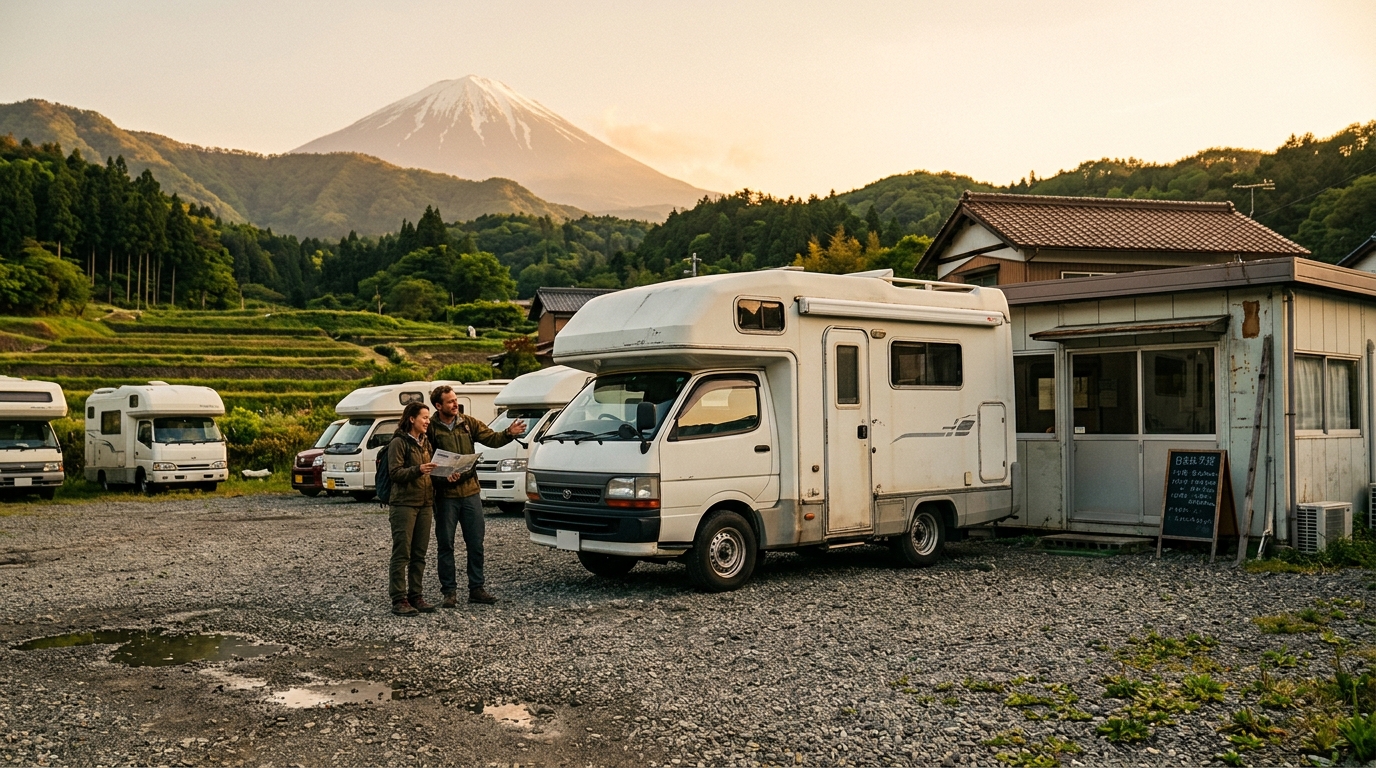
Imagine waking up surrounded by tranquil mountains or beside a serene lake, preparing your own breakfast in your rented camper, and then setting off to explore a historic village or a bustling local market. Popular regions for RV travel include Hokkaido, known for its vast wilderness and national parks; the Japan Alps, offering dramatic mountain vistas and hot springs; or a classic journey connecting major cultural hubs like Tokyo and Kyoto, giving you a taste of both urban and rural Japan. With a rented motorhome, you're not just traveling; you're living the adventure, with the freedom to adjust your plans as you go. For more in-depth planning, consider exploring our RV PLANET routes for Japan.
7-Day Classic Route in Japan
A classic 7-day RV itinerary in Japan offers a delightful blend of urban highlights and natural beauty, perfect for a week-long adventure. This route typically starts and ends near a major city for convenient pickup and drop-off of your rented motorhome. An example itinerary might look like this:
- Day 1: Tokyo → Hakone (approx. 95 km / 60 miles). After picking up your RV near Tokyo, drive to Hakone, famous for its breathtaking views of Mount Fuji and rejuvenating hot springs. Overnight in a designated RV park near Lake Ashi.
- Day 2: Hakone → Nagoya (approx. 210 km / 130 miles). Visit the Hakone Open-Air Museum before heading to Nagoya, a vibrant city with historical sites like Nagoya Castle. An intermediate stop could be considered to keep within the recommended 150 km daily driving distance. Park at a Michi-no-Eki or campground near Nagoya.
- Day 3: Nagoya → Kyoto (approx. 130 km / 80 miles). Drive to Kyoto, Japan's cultural heart, and explore iconic sites such as the Fushimi Inari Shrine with its thousands of red torii gates and the serene Arashiyama Bamboo Grove. Secure your RV at an RV-friendly campsite just outside Kyoto.
- Day 4: Explore Kyoto. Dedicate a full day to discover Kyoto's wonders, including Kinkaku-ji (Golden Pavilion), the historic Gion district, and various temples. Enjoy cooking your own meals in your rented camper, perhaps trying some RV-friendly recipes playlist. Stay at the same campsite near Kyoto.
- Day 5: Kyoto → Nara (approx. 50 km / 30 miles). Take a short drive to Nara, home to Nara Park where friendly deer roam freely, and the impressive Todai-ji Temple. Park overnight at a Michi-no-Eki or local campground in Nara.
- Day 6: Nara → Osaka (approx. 50 km / 30 miles). Journey to Osaka, a city known for its lively Dotonbori district and the majestic Osaka Castle. Find an RV park near Osaka for your final night.
- Day 7: Osaka → Departure. Return your rented RV, filled with unforgettable memories of your Japanese adventure.
This route offers a taste of Japan's best, perfect for those with a week to explore by campervan.
14-Day Extended Journey in Japan
An extended 14-day RV journey in Japan allows for a deeper exploration of its diverse regions, offering a more immersive experience for families and adventurous couples. This two-week adventure provides flexibility to discover both well-known landmarks and hidden gems.
- Days 1-3: Kanto Region (Tokyo & surrounding). Begin your journey by exploring Tokyo before picking up your rented RV. Head to Chichibu-Tama-Kai National Park (approx. 80 km / 50 miles) for scenic drives and mountain views, staying at local campgrounds.
- Days 4-6: Central Honshu & Japan Alps. Drive towards Matsumoto (approx. 145 km / 90 miles) to visit Matsumoto Castle, one of Japan's most beautiful original castles, and explore nearby hiking trails. Continue to Takayama (approx. 95 km / 60 miles) to experience its charming Old Town and the Hida Folk Village. Utilize Michi-no-Eki and local campgrounds for overnight stays.
- Days 7-9: Kansai Region (Kyoto, Nara, Osaka). Journey to Kyoto (approx. 190 km / 120 miles). While this exceeds the recommended daily 150 km, you can plan for a relaxed drive with scenic stops. Explore Kyoto's renowned temples and gardens. Take a day trip to Nara to interact with the deer and see Todai-ji. Conclude this segment in Osaka for its urban delights. RV-friendly campsites are available around these cities.
- Days 10-11: Shikoku Island. Take a ferry from Osaka or Kobe to Tokushima (approx. 80 km / 50 miles + ferry). Discover the natural spectacle of the Naruto Whirlpools and explore the rural charm of Shikoku Island. Michi-no-Eki and smaller campgrounds are plentiful here.
- Days 12-13: Chugoku Region (Hiroshima). Drive from Shikoku (via bridge or ferry) to Hiroshima (approx. 160 km / 100 miles). Reflect at the Peace Memorial Park and visit the iconic Itsukushima Shrine on Miyajima Island. Stay at a campground near Hiroshima.
- Day 14: Hiroshima → Departure. Enjoy a final Japanese breakfast before returning your rented mobile home, taking with you a wealth of memories from this comprehensive tour. You can also look for one-way motorhome rentals from Hiroshima to return your vehicle at a major hub.
This itinerary balances cultural highlights with stunning landscapes, ensuring a fulfilling and diverse RV experience in Japan.
Recommended RVPlan Trip for Japan
For those seeking meticulously crafted itineraries, our RV PLANET routes offer professionally designed route plans that take the guesswork out of your journey. While specific RVPlan trip data for Japan is constantly being updated, we encourage users to explore our curated itineraries tailored for various durations and interests across popular RV destinations worldwide.
Our RV PLANET route plans are designed by seasoned travel experts, providing detailed daily routes, points of interest, suggested activities, and practical advice to ensure a seamless and unforgettable adventure. This service is part of our commitment to being true RV specialists, offering support and resources that go beyond just booking. Simply visit the RV PLANET section on our website to discover pre-planned itineraries that can be easily adapted for your dream RV journey in Japan or other incredible locations, potentially saving you up to 25% on planning costs with our special discount. Plan a trip itinerary in advance with minimal effort and maximum enjoyment, ensuring you have the trip of a lifetime.
Must-See Stops Along the Way (Avi Bandana Picks)
Avi Bandana, our founder and CEO with over 25 years of RV travel experience, genuinely knows Japan. He recommends focusing on authentic cultural experiences that go beyond typical tourist attractions when RVing in Japan. "Life is now!" he often says, emphasizing the importance of truly connecting with your destination.
- Traditional Craft Workshops: Seek out 'traditional_visit' opportunities like visiting local pottery studios in Arita or textile workshops in Kyoto to experience Japan's spiritual and artistic heritage firsthand. These hands-on experiences offer a deeper understanding of Japanese craftsmanship.
- Local Family-Run Eateries: Indulge in 'traditional_restaurant' dining, looking for small, family-run eateries (often found off the main streets) that offer regional specialties and a true taste of local cuisine. Don't be afraid to try new dishes; you might discover your new favorite!
- Morning Markets: Explore 'traditional_market' places, such as morning markets in coastal towns like Wajima or farmer's markets in rural areas. These are fantastic places to interact with locals, find fresh produce for your RV kitchen, and discover unique souvenirs.
- Sake Breweries and Local Industries: Consider stops at 'local_industry' sites where you can learn about Japan's artisanal traditions, from sake breweries in Niigata to paper-making studios in Mino. Many offer fascinating tours and tastings or demonstrations.
- Less-Frequented Temples and Shrines: While major temples are impressive, seek out smaller, less-frequented temples and shrines in rural settings. These offer a profound sense of tranquility and an opportunity for quiet contemplation, often with beautiful gardens.
- Scenic Coastal Drives: Don't miss coastal routes like the Noto Peninsula or parts of Shikoku, which offer stunning ocean views and charming fishing villages. Remember to drive slowly and carefully, and you can drive almost anywhere without issues. No need to stress - just use common sense and pay attention.
Looking for expert insights from Avi Bandana? Top 5 Adventures - recommendations from Avi Bandana.
Daily Driving Distances & Drive Times in Japan
When planning your rented RV trip in Japan, Avi Bandana recommends a maximum of 100 miles or 150 km per day on average. This allows ample time for exploration, cultural immersion, and relaxation, ensuring you savor every moment of your adventure. A relaxed pace is key to enjoying the journey, especially given Japan's unique road characteristics.
This slower pace helps travelers navigate Japan's roads, which can be narrower than in some Western countries, particularly in rural and older city areas. It also makes it easier to find suitable parking or overnight stops. For instance, driving from Tokyo to Hakone (approx. 95 km / 60 miles) typically takes around 1.5-2 hours, leaving plenty of daylight for sightseeing and detours. A journey from Kyoto to Nara (approx. 50 km / 30 miles) is a short drive of about 45 minutes to an hour, perfect for a relaxed day trip.
Remember that tolls on expressways can be expensive and add up quickly. Planning for shorter daily drives not only reduces driving stress but can also help manage overall toll costs, as you might use fewer toll roads. With a focus on slow travel, you can truly connect to the culture, the food, and the scenery that Japan offers. On the routes offered through RV PLANET routes, you can itemize and track every expense along the way for easy budgeting.
Best RV Class for This Itinerary - Couple & Family Picks
Choosing the right rented RV class is crucial for an enjoyable trip in Japan, given the country's unique road infrastructure and parking availability. Bandana offers a variety of motorhomes and campervans to suit different group sizes and preferences.
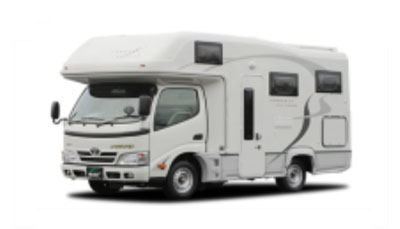
For couples, a Class B Camper Van is an ideal choice for RV rental in Japan, typically averaging 5.8 meters in length. These compact and nimble vehicles, similar to a 'rv rental denver example Category Van' with features like "Front Air condition" and "Shower" are highly maneuverable on Japan's narrower roads and significantly easier to park in city centers or at attractions. Their typical fuel consumption of 8-10 Liters/100 km (global fleet average) offers both convenience and efficiency for two travelers exploring Japan's diverse landscapes.
For families, a Class C Alcove RV provides ample space and comfort, averaging 7.5 meters in length and comfortably sleeping around 5.8 people (global fleet average) with capacity for 4.4 adults. A vehicle like the '24' Class C Motorhome' (which includes "Automatic transmission", "Shower", and "Toilet") or the '4 Berth Deluxe' offers separate sleeping areas and more living space, making it suitable for families with kids or groups of friends. While larger, this class is still manageable for Japanese roads, with a typical fuel consumption of 10-12 Liters/100 km (global fleet average). Choosing an automatic transmission model, which many of Bandana's suppliers offer, can make driving even more relaxed. Our 'Rent&Plan' service simplifies your journey by combining your RV rental with a ready-made itinerary crafted by travel experts, providing full access to trip-planning software and removing the headache of meticulous preparation for your rented motorhome adventure.
How Much Does RV Rental in Japan Cost - Beyond Rental Fees
Understanding the total cost of an RV rental trip in Japan requires looking beyond just the daily rental fees, as several significant expenses will impact your overall budget. Prices for rented motorhomes are dynamic, much like flight tickets, changing daily based on availability, seasonality, and supplier marketing decisions. The final price is always set at the actual booking time.
Fuel costs: Gasoline prices in Japan can be higher than in some Western countries, making fuel a substantial expense, especially for longer journeys or larger RVs. For example, a Class C motorhome might consume 10-12 Liters/100 km, quickly adding to your costs.
Highway tolls: Japan's extensive and efficient expressway network is incredibly convenient for covering long distances, but it comes with substantial tolls. These can accumulate quickly, so budgeting for highway tolls is crucial. Consider a Japan Expressway Pass (JEP) if available for tourists, which can offer savings.
Campground costs: While Michi-no-Eki (roadside stations) often offer free overnight parking, they are primarily for rest and generally do not permit full camping setups. Dedicated campgrounds typically charge fees ranging from ¥2,000 to ¥6,000 (approx. $15-$45 USD) per night for amenities like electricity, water, and dump stations. Booking sites often show availability and prices.
Daily expenses: Budget for food and groceries, which can be pricier in Japan compared to some other countries. Factor in entrance fees to attractions, and potential public bath (onsen) visits, which range from a few hundred to a couple of thousand yen. Preparing meals in your RV can significantly reduce food costs.
Insurance: Factor in comprehensive RV insurance, which is highly recommended for peace of mind. You can upgrade to a top-level deductible for extra peace of mind, an optional enhancement offered by many of our suppliers. Remember that on our RV PLANET routes, travelers can itemize and track every expense along the way for easy budgeting, ensuring full transparency with no hidden fees.
What Size RV is Best for Navigating Japan's Roads and Parking
For navigating Japan's often narrow city streets, winding mountain roads, and smaller parking spaces, a compact RV is generally recommended. Drivers from countries with wider roads might find larger vehicles challenging in some areas.
Maneuverability: Smaller RVs, such as a Class B Camper Van (averaging 5.8 meters in length globally, like the 'Acer' model) or a Class SI Semi-integrated model (like the '2 Berth Tamar'), offer superior maneuverability in tight urban environments and rural lanes. Drive slowly and carefully, and you can drive almost anywhere without issues. No need to stress - just use common sense and pay attention.
Parking: Public parking lots, including those at attractions, Michi-no-Eki, and convenience stores, can be tight. A smaller rented motorhome will be much easier to park, reducing stress and avoiding potential fines or difficulties. While some Class C Alcove RVs (averaging 7.5 meters globally, like the '4 Berth Deluxe') are available, plan your parking spots in advance, especially in popular tourist areas.
Roads: Many rural and scenic routes feature narrow lanes where larger RVs might struggle to pass oncoming traffic or navigate sharp turns. Sticking to a more compact vehicle will allow you greater freedom to explore off the main highways.
Features: Regardless of size, ensure your rented RV has a reliable navigation system (GPS) with English language options, as many road signs might primarily be in Japanese. Models with good rearview cameras or parking sensors are also beneficial for tight spots. We advise against larger Class A Integrated motorhomes (averaging 7.5m globally, like the 'Active First' or 'Exclusive First') unless you have significant experience driving oversized vehicles in challenging conditions and plan to stick strictly to major highways.
What Cultural Etiquette is Important for RV Travel in Japan
Observing local customs and etiquette is crucial for respectful and enjoyable RV travel in Japan, particularly regarding waste disposal, noise levels at overnight stops like Michi-no-Eki, and general interactions with locals. The Japanese value cleanliness, order, and consideration for others.
Michi-no-Eki (Roadside Stations): These are invaluable resources for RV travelers, offering clean restrooms, local products, and often 24/7 parking. However, it's important to remember they are *not* campgrounds. Be discreet, keep noise to a minimum, and do not set up outdoor furniture, extend awnings, or otherwise create a full "campsite" vibe. They are intended for resting, not extended stays or permanent camping. Showers and dump stations are generally not available at Michi-no-Eki; plan to use dedicated campgrounds for these services.
Waste Disposal: Japan has strict and complex rules for waste separation. Familiarize yourself with the local trash sorting system at campgrounds or public waste facilities and dispose of waste responsibly. Avoid leaving trash bags outside your rented RV overnight, especially at Michi-no-Eki, as this is considered highly disrespectful.
Noise Levels: Always be mindful of noise, particularly in residential areas or shared parking spaces. Keep music low and conversations quiet, especially late at night or early in the morning, to avoid disturbing others.
Footwear: When entering some facilities like traditional restaurants, guesthouses, or certain shops, you may be required to remove your shoes. Always follow local cues, looking for shoe racks or areas where people are removing their footwear.
Onsen (Hot Springs): If visiting public baths, always wash thoroughly before entering the hot water. Tattoos are traditionally not allowed in many public onsen, though rules are relaxing at some tourist-focused establishments. Check policies beforehand.
Adhering to these cultural norms ensures a smooth and respectful RV trip, enhancing your experience and fostering positive interactions with the welcoming Japanese people.
How to Manage Daily RV Logistics in Japan - Water, Waste, and Groceries
Efficiently managing daily RV logistics in Japan, such as finding water refills, waste disposal points, laundry facilities, and grocery shopping, requires some planning and awareness of local resources. This is key to a stress-free rented motorhome adventure.
Water Refills: Many Michi-no-Eki provide potable water, often near public restrooms or designated "water stations." Look for specific spigots labeled for drinking water. Dedicated campgrounds also offer hookups or refill stations for your fresh water tank. Always ensure the water source is clearly marked as potable.
Waste Disposal (Gray & Black Water): Dedicated dump stations for RVs are not as common as in countries like the USA or Australia. Campgrounds are the primary locations for emptying gray and black water tanks. Michi-no-Eki generally do not have these facilities, so plan your route to include regular stops at full-service campgrounds to manage your waste tanks effectively. For instance, a campervan like a 'Camper Van' with "Shower" and "Toilet" requires careful waste management.
Laundry Facilities: Coin laundromats (koin randorī) are widely available in towns and cities across Japan, offering a convenient way to refresh your wardrobe. Many larger Michi-no-Eki or campgrounds may also have self-service laundry facilities. Pack light and plan for regular laundry stops to keep your clothes fresh on the road.
Grocery Shopping: Supermarkets (sūpā) are common in most towns and cities and offer a wide range of fresh produce, packaged goods, and delicious prepared meals (bento boxes, sushi). Convenience stores (konbini) like 7-Eleven, FamilyMart, and Lawson are ubiquitous and excellent for quick snacks, drinks, and even ATMs. They can be a lifesaver for late-night needs. If you're interested in cooking in your RV, check out our RV-friendly recipes playlist for inspiration.
Internet Access: Portable Wi-Fi devices (pocket Wi-Fi) or local SIM cards are highly recommended for reliable internet access on the road. While free Wi-Fi is available in many public places, including some Michi-no-Eki and convenience stores, having your own connection ensures you can navigate, research, and stay connected easily.
How to Prepare for Emergencies and Natural Disasters on an RV Trip in Japan
Preparing for potential emergencies and natural disasters, including earthquakes and typhoons, is an essential aspect of RV travel planning in Japan, necessitating awareness of local alerts and communication strategies. Japan has robust emergency response systems, and understanding them can significantly enhance your safety.
Earthquake Preparedness: Japan is seismically active. Familiarize yourself with earthquake safety procedures: if driving, pull over safely in an open area; if parked, seek open ground away from tall structures or power lines. Download earthquake early warning apps (e.g., Yurekuru Call) for real-time alerts. Knowing the nearest evacuation points for your location can also be very helpful.
Typhoon Season: Summer and early autumn (June-October) are typhoon seasons. Monitor weather forecasts closely through local news, weather apps, or your RV's connectivity. If a typhoon is approaching, seek stable shelter, preferably in a solid building, or a safe parking spot away from trees, potential flooding areas, and coastal zones. Following official guidance is critical.
Emergency Contacts: Have a list of emergency numbers readily available: 110 for police, 119 for fire/ambulance. Your RV rental company's 24/7 support line is also crucial for vehicle-specific emergencies; Bandana provides support before, during, and after your booking process to ensure you're well-equipped. Learning basic Japanese phrases for emergencies or using translation apps can bridge potential language barriers.
Emergency Kit: Always keep a basic emergency kit in your rented RV, including first aid supplies, sufficient water (at least 3 liters per person per day), non-perishable food, flashlights with extra batteries, a power bank for charging devices, and a whistle. It's also wise to have a paper map as a backup to your GPS.
When is the Best Time to Rent an RV in Japan - Seasonal Considerations
The best time to rent an RV in Japan depends heavily on your desired activities and climate preferences, with spring and autumn generally offering the most pleasant weather for touring. Understanding seasonal variations is key to a comfortable and enjoyable trip.
Spring (March-May): This is an ideal time for RV travel, known for beautiful cherry blossom viewing and mild weather across much of the country. Roads are generally clear, and campsites begin to open fully. While incredibly popular, meaning that booking a rented motorhome well in advance is essential, prices can be higher during this peak season. Our RV Rental Deals in Japan - Latest Offers 2026 often highlight options during these times.
Summer (June-August): Summer in Japan is hot and humid, with the risk of typhoons and heavy rain, especially in late summer. For cooler temperatures and lush green landscapes, Hokkaido in northern Japan is a popular destination for summer RVing. Book campsites well in advance if traveling during this period, as local families also take their holidays. Remember to pack appropriate rain gear.
Autumn (September-November): Another prime season, autumn is excellent for vibrant fall foliage and comfortable, crisp temperatures. Similar to spring, this is a very popular time for rented campervan travel, offering stunning landscapes and pleasant driving conditions. Booking for this period should also be done several months in advance to secure your preferred vehicle and locations.
Winter (December-February): Winter can be challenging for RV travel outside of dedicated ski areas, particularly in northern Japan (like Hokkaido) and mountainous regions where heavy snow and icy roads are common. Many campgrounds close for the season. If you plan a winter trip, ensure your rented RV is winterized and equipped with appropriate tires. While less popular for general touring, winter offers unique opportunities for snow sports enthusiasts with specific RV setups.
🎬 Video coming soon
What You Shouldn't Miss
- Drive the Tateyama Kurobe Alpine Route: Experience this breathtaking mountain road (RV parking available at either end, you take public transport through the middle) with snow walls up to 20 meters high in spring, and stunning fall colors later in the year.
- Explore Hokkaido's National Parks: Dedicate a week-long trip to Hokkaido, driving through Daisetsuzan National Park for volcanic landscapes and hot springs, or Shiretoko National Park, a UNESCO World Heritage site known for its rich wildlife.
- Visit Shirakawa-go and Gokayama: These UNESCO World Heritage villages in the Japan Alps feature unique gassho-zukuri farmhouses. Park your RV nearby and immerse yourself in traditional Japanese rural life.
- Indulge in Onsen Culture: Seek out natural hot springs (onsen) in regions like Hakone, Beppu, or the Japan Alps. Many campgrounds and Michi-no-Eki are conveniently located near public onsen, offering a relaxing end to your day.
- Experience a Local Festival (Matsuri): Research local festivals during your travel dates. Participating in a matsuri is a vibrant way to connect with Japanese culture and community spirit.
- Sample Regional Cuisine: Use your RV kitchen to prepare meals from local produce found at Michi-no-Eki, but also venture out to try regional specialties, from fresh sushi in coastal towns to Hida beef in Takayama.
Looking for expert insights from Avi Bandana? Top 5 Adventures - recommendations from Avi Bandana
Final Thoughts
Exploring Japan in a rented RV from a major airport pickup location offers unparalleled freedom and a deeply personal way to experience this incredible country. Whether you choose a week-long trip to explore the classic highlights or a two-week adventure to delve into more remote regions, a motorhome or campervan provides a comfortable and flexible base for your journey.
Remember to embrace the concept of slow travel, allowing yourself to truly connect with Japan's rich culture, delicious food, and stunning scenery. By being mindful of local etiquette and planning your logistics, you're set for an unforgettable road trip. We're here to make your booking simple and transparent, providing you with the confidence to hit the road.
So, why wait? Discover top destinations, planning tips, all in one place! Imagine yourself driving through picturesque Japanese landscapes, with every day bringing a new adventure. Your Japanese RV itinerary begins now!