In This Guide
- Best East Canada RV Itinerary for airport RV rental - Overview
- 7-Day Classic Route in East Canada
- 14-Day Extended Journey in East Canada
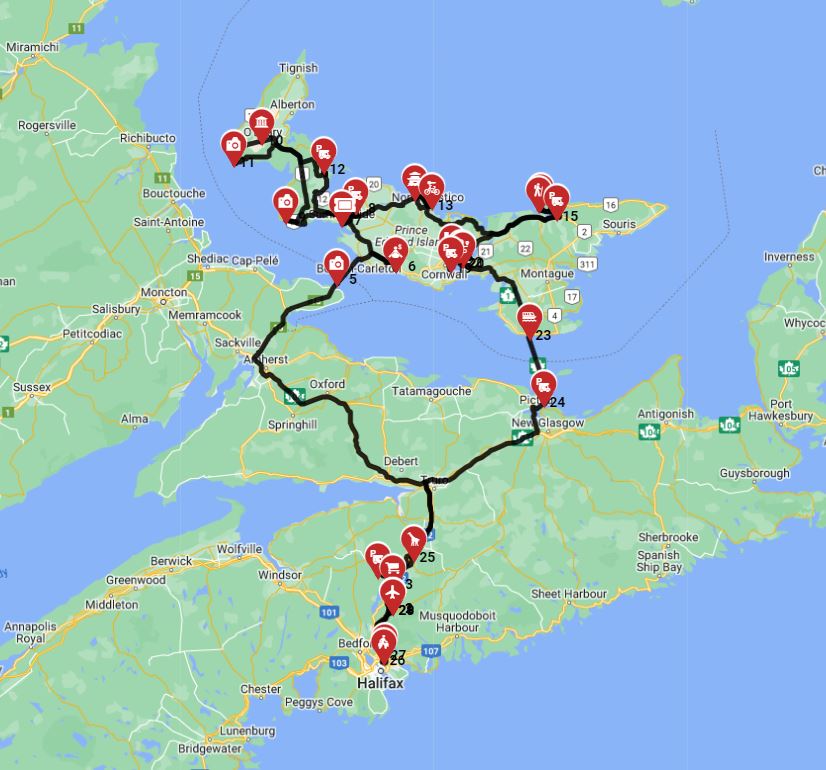
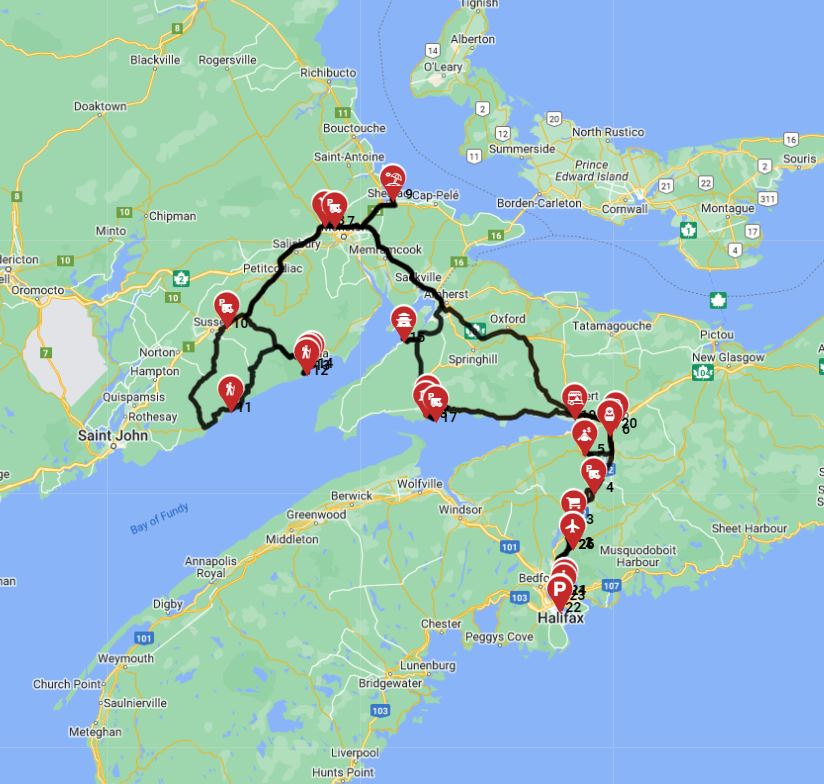
- Recommended RVPlan Trip for East Canada
- Must-See Stops Along the Way (Avi Bandana Picks)
- Daily Driving Distances & Drive Times in East Canada
- Best RV Class for This Itinerary - Couple & Family Picks
- What is the 3 3 3 rule for RV travel?
- How many days do you need for East Coast, Canada?
- Where can I park my RV for free in Canada?
- What is the most scenic drive on the East Coast?
- What is the best month to visit the Maritimes?
- What is the best RV route planner in Canada?
- What do you need to enter Canada with a RV?
- What is the best place to visit in Eastern Canada?
- What is the #1 tourist attraction in Canada?
- What is the most beautiful drive in Canada?
- What You Shouldn't Miss
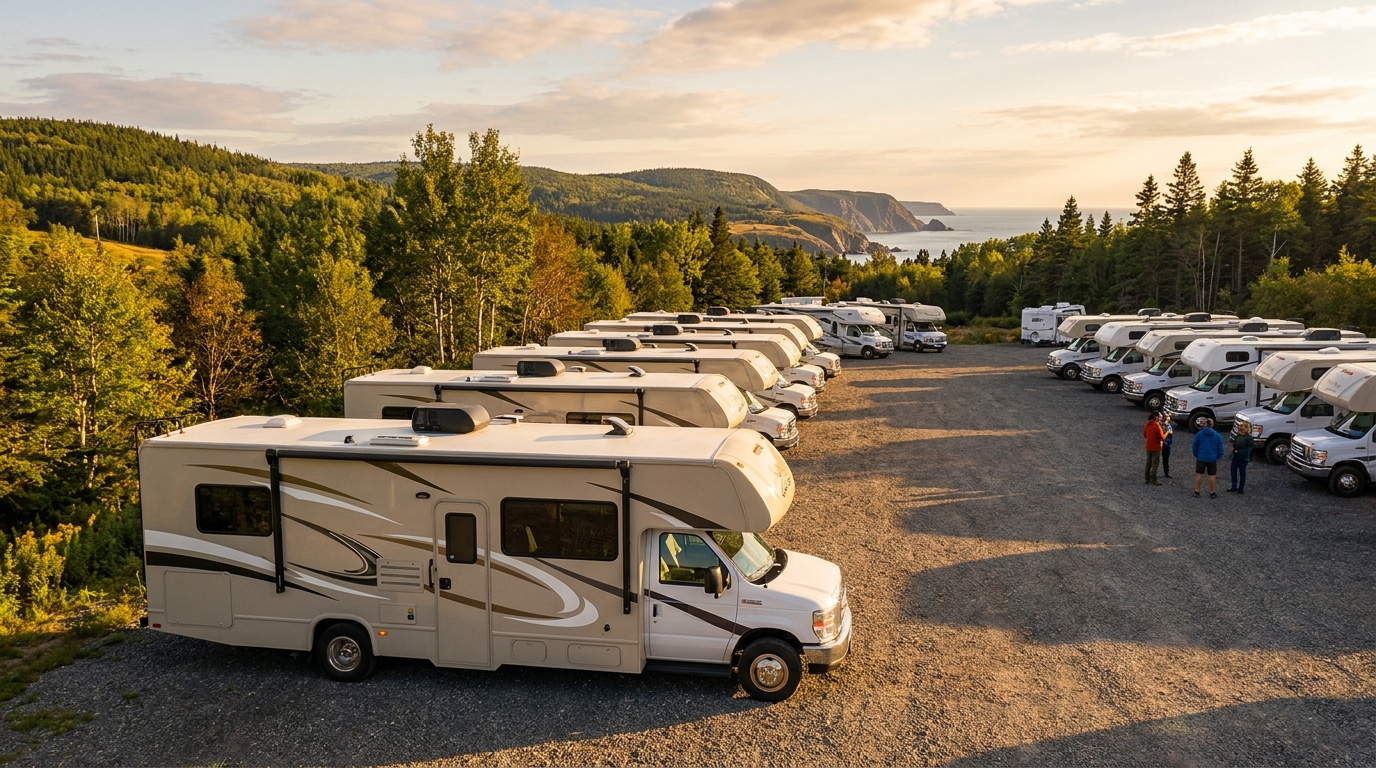
Embarking on an RV adventure directly from a major East Canada airport offers an unparalleled sense of freedom, allowing you to seamlessly transition from your flight to the open road. Picture yourself behind the wheel of a comfortable rented motorhome, the stunning coastal vistas of Nova Scotia, the charming island landscapes of Prince Edward Island, or the rugged beauty of New Brunswick unfolding before you. With Bandana Caravan, we specialize in helping you find the perfect airport RV rental in East Canada, ensuring full transparency with no hidden fees and 24/7 support from real people. For live availability and current prices, start with our RV Rental East Canada - Complete Guide 2026 guide.
Best East Canada RV Itinerary for airport RV rental - Overview
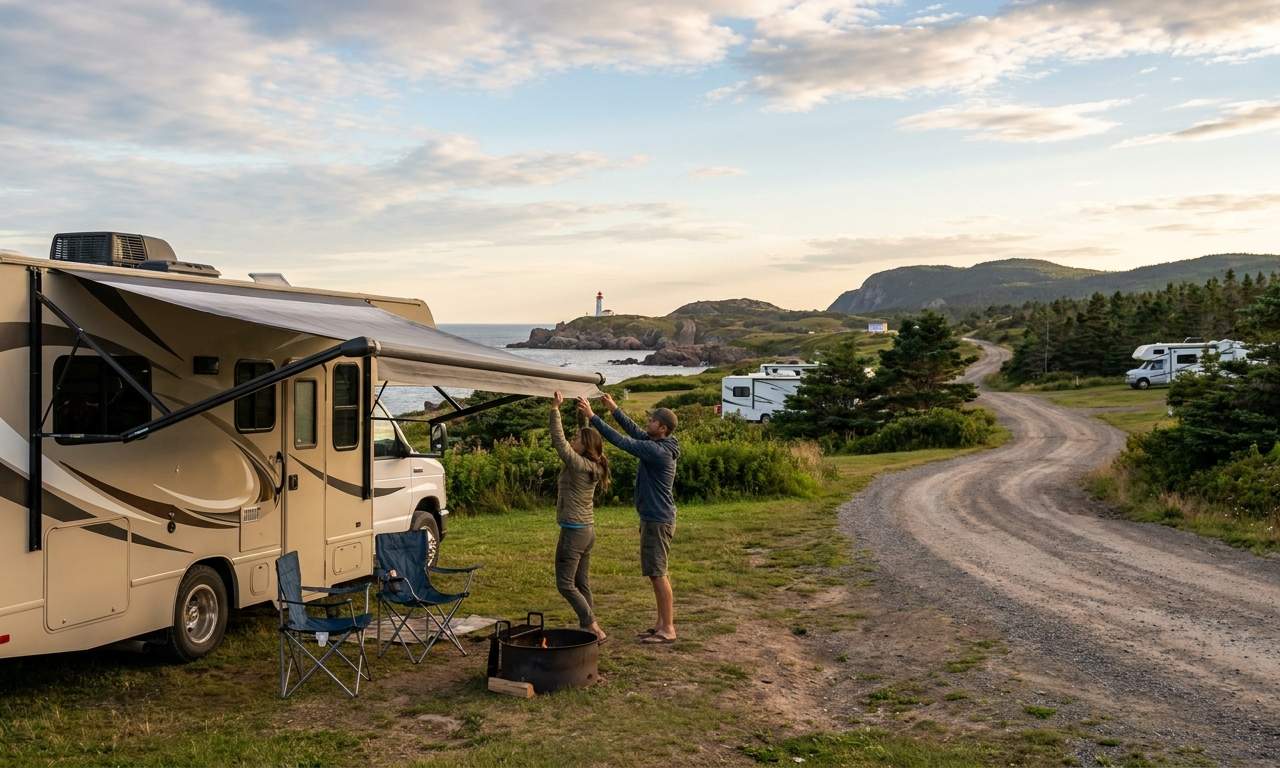
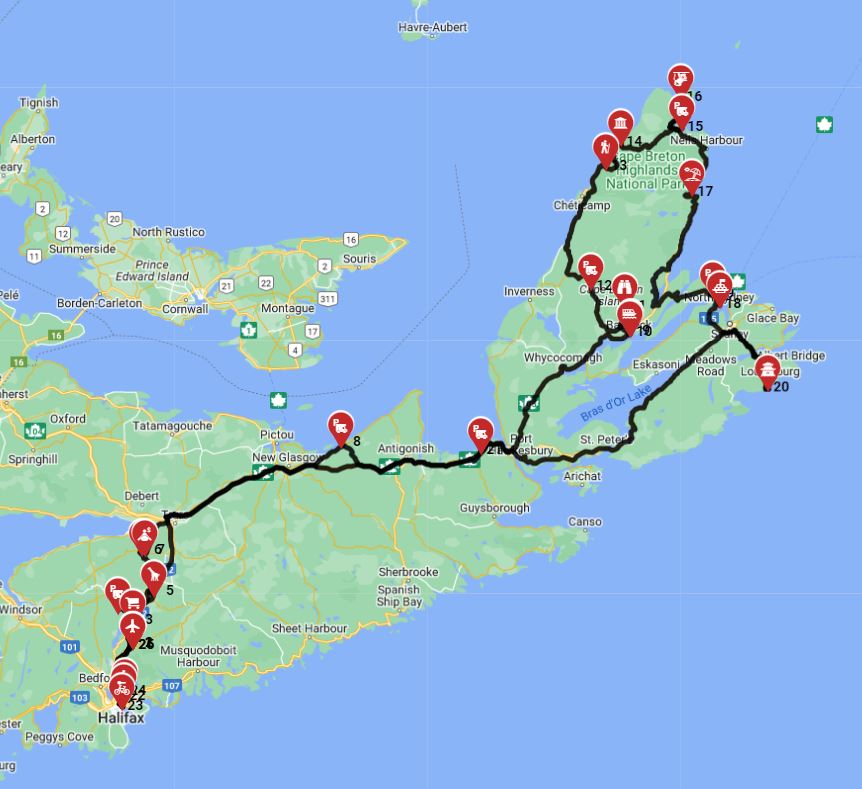
An RV adventure through East Canada typically covers major highlights of Nova Scotia, Prince Edward Island, and New Brunswick, spanning approximately 1,500-3,000 km. A recommended minimum duration for a fulfilling East Canada RV trip is 7 days, with 14 days allowing for a more comprehensive exploration of this captivating region. The best season for RV travel in East Canada is late May to mid-October, when the weather is most agreeable and attractions are fully open, with peak foliage transforming the landscapes in late September to mid-October. Picking up your airport RV rental in Halifax, Nova Scotia, or Moncton, New Brunswick, provides convenient access to the region's diverse landscapes and coastal charm, making your transition from air to road a breeze. Remember, travel slowly, averaging a maximum of 100-150 km per day, to truly immerse yourself in the local culture, delicious food, and breathtaking scenery.
7-Day Classic Route in East Canada
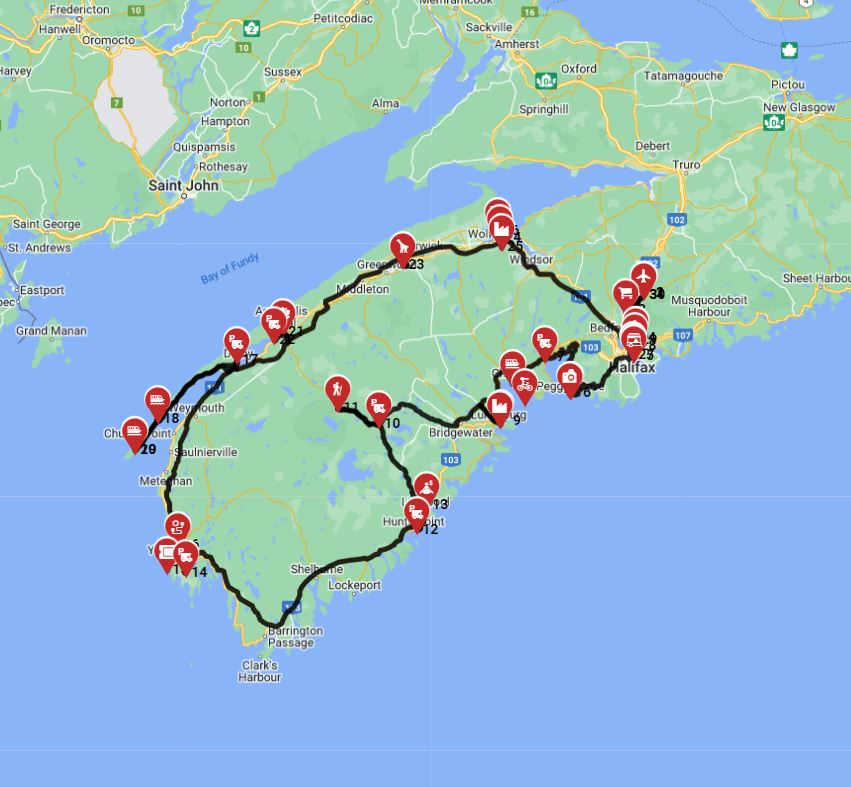
This 7-day itinerary focuses on Nova Scotia's iconic coastal scenery, respecting Avi Bandana's recommended maximum of 100-150 km per day for a relaxed and immersive experience. This pace allows you ample time to explore without feeling rushed, connecting with each place's unique vibe.
- Day 1: Halifax to Lunenburg (approx. 95 km/60 miles). Drive slowly and carefully, and you can drive almost anywhere without issues. No need to stress - just use common sense and pay attention. Explore the historic UNESCO World Heritage site of Lunenburg, famous for its colorful waterfront and maritime heritage. Spend the night at Lunenburg / Bridgewater KOA Holiday.
- Day 2: Lunenburg to Peggy's Cove & Mahone Bay (approx. 70 km/43 miles return). Take a leisurely drive to visit the iconic Peggy's Cove lighthouse, perched on granite rocks, then explore the charming shops and three churches of Mahone Bay. Enjoy cooking your breakfast and dinner in your rented motorhome, preparing fresh local ingredients. RV-friendly recipes playlist can inspire your meals. Sleep at Rissers Beach Provincial Park.
- Day 3: Mahone Bay to Annapolis Royal (approx. 140 km/87 miles). Discover Annapolis Royal, one of North America's oldest European settlements, rich in history and beautiful gardens. Overnight at Upper Clements Park Campground.
- Day 4: Annapolis Royal to Digby & Fundy Shore (approx. 60 km/37 miles). Experience the dramatic Bay of Fundy's tides near Digby and consider a whale-watching excursion. The scenery here is truly unforgettable. Stay at Whale Cove Campground.
- Day 5: Fundy Shore to Truro (approx. 140 km/87 miles). Travel inland towards the Bay of Fundy's inner reaches, offering a different perspective of Nova Scotia's landscape. Set up camp at Shubenacadie Wildlife Park Campground.
- Day 6: Truro to Cape Chignecto Provincial Park (approx. 100 km/62 miles). Explore dramatic cliffs and hiking trails along the Fundy coast, soaking in the rugged natural beauty. The park campground offers serene overnight spots.
- Day 7: Cape Chignecto Provincial Park to Halifax (approx. 150 km/93 miles). Return to Halifax for your RV drop-off, with time for any final city exploration or souvenir shopping before heading to the airport.
14-Day Extended Journey in East Canada
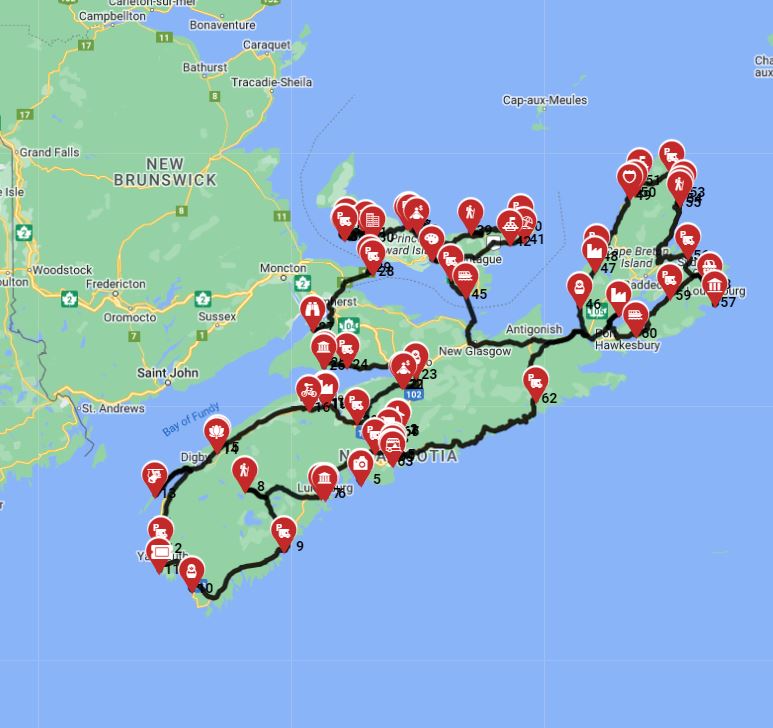
This 14-day extended itinerary offers a comprehensive tour of Nova Scotia, Prince Edward Island, and New Brunswick, ensuring you experience the best of the Maritimes without rushing. The recommended maximum average of 100-150 km per day ensures a truly relaxing and enriching journey.
- Days 1-3: Nova Scotia South Shore (Halifax, Lunenburg, Peggy's Cove, Mahone Bay). Begin your journey from a Halifax airport RV rental, focusing on coastal towns and scenic drives along the iconic South Shore. You'll cover approximately 250 km total during these days, allowing plenty of time to explore historic sites and charming villages.
- Days 4-6: Nova Scotia Annapolis Valley & Bay of Fundy (Annapolis Royal, Digby, Cape Split). Head to the Annapolis Valley to explore historic sites and witness the world's highest tides in the Bay of Fundy. This leg involves approximately 300 km of driving, with opportunities for hiking and whale watching.
- Days 7-8: Northumberland Shore & Pictou (Antigonish, Pictou). Cross to the Northumberland Shore for warm beaches and a visit to Pictou, known as the "Birthplace of New Scotland." This segment covers about 200 km, perfect for unwinding.
- Days 9-10: Prince Edward Island (Charlottetown, PEI National Park, Green Gables). Cross the 12.9 km Confederation Bridge to explore PEI's charming capital, red sand beaches, and the beloved Anne of Green Gables heritage sites. You'll travel approximately 150 km on the island, plus the bridge crossing.
- Days 11-12: New Brunswick Fundy Coast (Moncton, Hopewell Rocks, Fundy National Park). Head to New Brunswick to experience the reversing falls in Moncton and the iconic flowerpot rocks at Hopewell Rocks. This section is about 250 km, packed with natural wonders.
- Days 13-14: Return to Halifax or explore further New Brunswick (St. Andrews by-the-Sea) before drop-off. Enjoy your final leg, either heading directly back to Halifax (approx. 250 km) or taking a detour to explore picturesque coastal towns like St. Andrews by-the-Sea. One-way RV rentals from Halifax to Moncton or other major cities are often available, with varying drop-off fees, offering flexibility for your journey.
Recommended RVPlan Trip for East Canada
While a specific RVPlan trip for East Canada is not detailed here, Avi Bandana strongly recommends exploring the diverse ready-made itineraries available through RV PLANET (rvplan.net). These professionally curated RV PLANET routes offer detailed stops, campground suggestions, and even allow you to itemize and track every expense along the way for easy budgeting. They simplify the planning process for your East Canada adventure, ensuring you make the most of your time. Visitors can browse options that match their desired duration, interests, and starting location directly on the website, giving you a fantastic head start on your journey. Whether you're looking for a week-long trip focused on coastal beauty or an extended road trip across multiple provinces, RV PLANET has something for every type of traveler. On the routes offered through RV PLANET routes, you can itemize and track every expense along the way for easy budgeting.
Must-See Stops Along the Way (Avi Bandana Picks)
Avi Bandana's personal picks for an East Canada RV trip focus on unique cultural experiences, local cuisine, and natural wonders beyond typical tourist attractions. These recommendations are designed to help you truly connect with the heart and soul of the Maritimes.
- Traditional Visit: The Grand-Pré National Historic Site in Nova Scotia offers a profound connection to Acadian culture and history, recognized as a UNESCO World Heritage site. It's a poignant and educational stop that tells a vital part of Canada's story.
- Traditional Restaurant: Seek out a local 'lobster pound' in a fishing village like Hall's Harbour, Nova Scotia, for an authentic, fresh-off-the-boat lobster boil experience. Nothing beats the taste of a perfectly cooked lobster with a view of the sea!
- Traditional Market: The Halifax Seaport Farmers' Market is an excellent stop for local produce, artisanal goods, and a taste of Atlantic Canada's culinary scene. It’s a vibrant place to gather ingredients for meals in your rented camper.
- Local Industry: Visiting a working fishing wharf, such as those in Lunenburg or Digby, provides a glimpse into the vital fishing industry of the Maritimes and offers opportunities to purchase fresh seafood directly.
Daily Driving Distances & Drive Times in East Canada
Avi Bandana recommends a maximum average of 100-150 km (approximately 60-90 miles) per day for an RV trip in East Canada to allow for leisurely travel and ample time to enjoy destinations. Traveling slowly ensures you can experience the scenic routes, quaint towns, and unexpected detours without feeling rushed. This approach also helps manage fuel consumption, which for a Class C motorhome can range from 10-12 Liters/100 km.
- Example 1: Driving from Halifax to Lunenburg, Nova Scotia, is approximately 95 km (60 miles) and takes about 1 hour and 15 minutes of pure driving time.
- Example 2: The journey from Moncton, New Brunswick, to the iconic Hopewell Rocks is roughly 140 km (87 miles), requiring about 1 hour and 45 minutes of driving.
- Example 3: Crossing the Confederation Bridge to Charlottetown, PEI, from the New Brunswick side is about 60 km (37 miles) and takes under an hour, not including the bridge crossing fee and time.
Best RV Class for This Itinerary - Couple & Family Picks
Choosing the right rented RV class for your East Canada adventure depends largely on your travel group and comfort preferences. Whether you're a couple seeking nimble exploration or a family needing space, there's a perfect motorhome for you.
For couples exploring East Canada, the **Class B - Camper Van** is an excellent choice, offering agility, fuel efficiency, and ease of parking in smaller towns and city centers. Drive slowly and carefully, and you can drive almost anywhere without issues. No need to stress - just use common sense and pay attention, even in a larger Class A motorhome. Bandana's Class B Camper Vans typically average 5.8 meters in length, provide 3.2 sleeping places, and comfortably accommodate around 2.7 adults. Their common fuel consumption is around 10 Liters/100 km, making them economical for longer journeys. For example, a "rv rental denver example Category Van" typically offers front air conditioning, a shower, and a toilet, ideal for a couple.
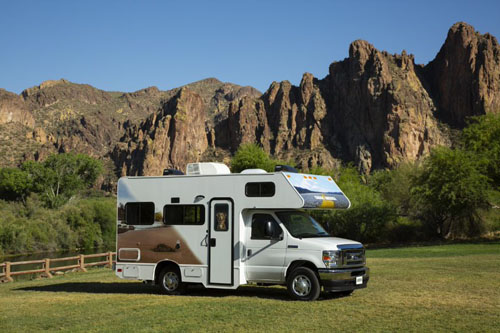
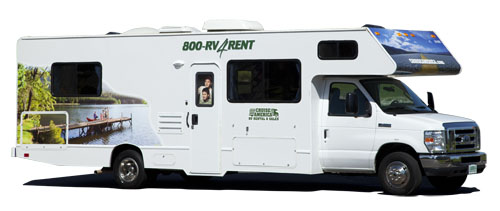
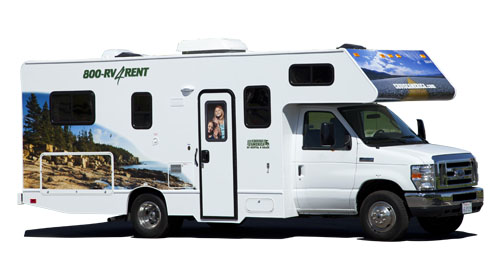
For families, the **Class C - Alcove** RV provides significantly more space and dedicated sleeping areas, making it ideal for longer journeys with children. Bandana's Class C Alcove RVs typically average 7.5 meters in length, offer 5.8 sleeping places, and can comfortably accommodate around 4.4 adults. Their common fuel consumption is between 10-12 Liters/100 km, a reasonable trade-off for the added comfort and amenities. Vehicles like the "cruise america rv rental example Explorer" are a fantastic example, offering beds over the cab (160/220cm) and a double bed (163/210cm) in a 7.1-meter length. For a stress-free experience, consider Bandana's 'Rent&Plan' service, which combines an RV rental with a ready-made itinerary crafted by travel experts, providing full access to trip-planning software on rvplan.net.
What is the 3 3 3 rule for RV travel?
The 3-3-3 rule for RV travel is a widely adopted guideline recommending driving no more than 300 miles (approximately 480 km), stopping by 3 PM, and staying for a minimum of 3 nights at each location. This rule aims to promote a relaxed and enjoyable pace for RVers, preventing burnout and allowing for deeper exploration of each destination. While the original rule is 300 miles, many experienced RVers, especially in scenic regions like East Canada, adapt it to 3 hours or 100-150 miles (160-240 km) of driving per day. This adapted pace, arriving by 3 PM, and staying 3 nights, allows for deeper exploration and less rushed travel, which is particularly beneficial when navigating the winding coastal roads and charming towns of the Maritimes. Adhering to a modified 3-3-3 rule can also mitigate challenges like finding suitable RV parking in smaller towns or securing campground reservations, especially during peak season, by giving you more flexibility and buffer time.
How many days do you need for East Coast, Canada?
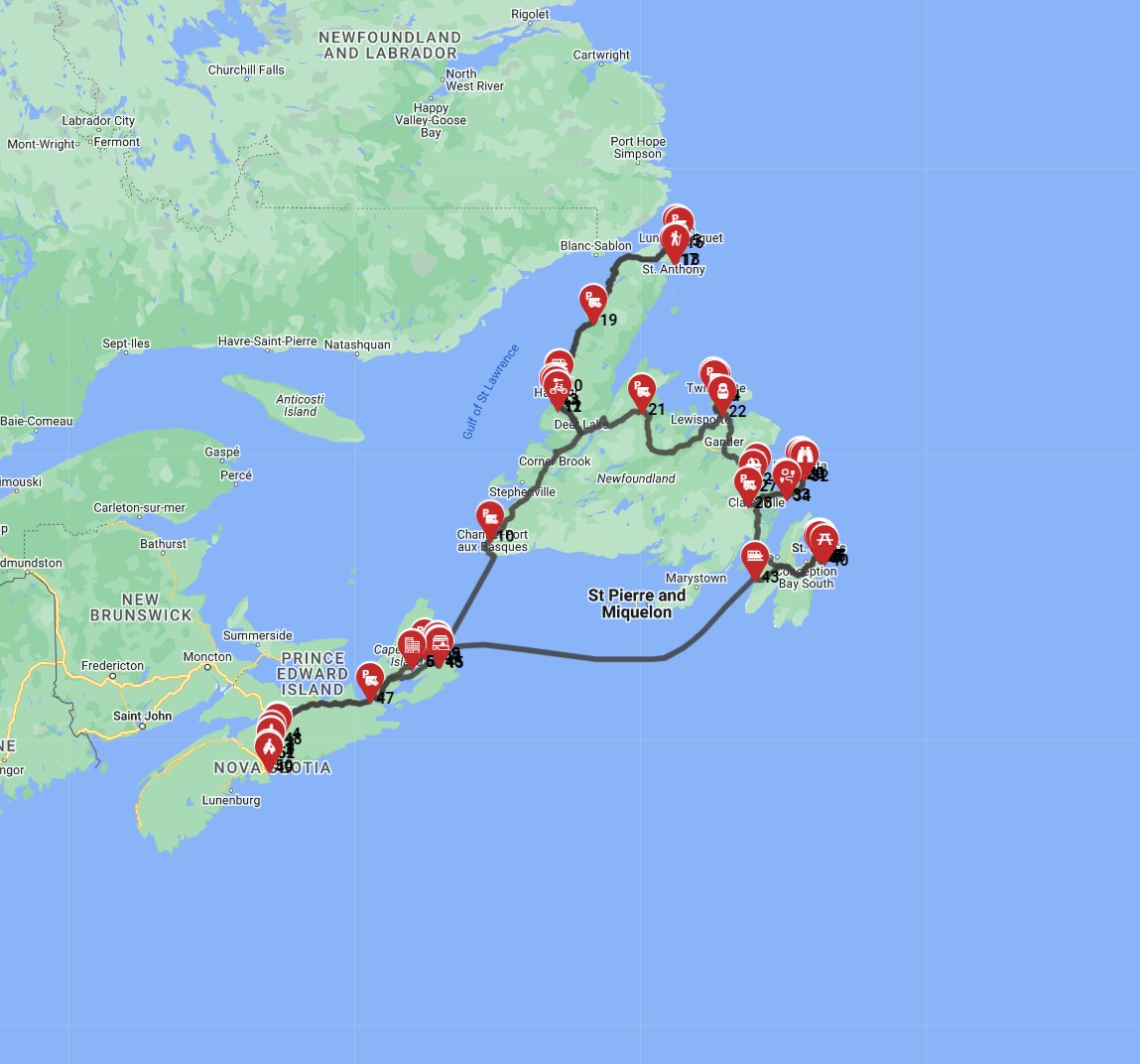
A minimum of 7 days is recommended for a basic East Coast Canada RV trip, focusing on a single province like Nova Scotia, while 14 days allows for a more comprehensive exploration of the Maritimes (Nova Scotia, Prince Edward Island, and New Brunswick). For an in-depth experience that includes Newfoundland and Labrador, a trip of 3-4 weeks would be ideal to fully appreciate the vastness and unique culture of the region. Shorter trips, such as 5-7 days, are best suited for exploring a specific area, like the Cabot Trail in Cape Breton or the Bay of Fundy region, ensuring you don't spend excessive time driving. Longer trips (10-14+ days) are recommended to properly experience the diverse landscapes, cultural sites, and unique local experiences across multiple provinces without feeling rushed, accommodating travel to and from ferry services for islands. Consider a "Weekly RV Rental in East Canada - Pricing 2026" for shorter trips, or plan an extended road trip for a deeper dive.
Where can I park my RV for free in Canada?
Free RV parking, often referred to as boondocking or wild camping, is generally more restricted in East Canada compared to western provinces, with options primarily limited to certain Crown Land areas, designated rest stops, and specific business parking lots. Legality varies by province and municipality; it's crucial to research local regulations as unauthorized overnight parking can result in fines. Resources like iOverlander, Harvest Hosts (membership required), and casino parking programs can help identify potential free or low-cost overnight parking spots, though Harvest Hosts only offers parking at businesses like wineries or farms. Many remote logging roads in New Brunswick and parts of mainland Nova Scotia may offer informal boondocking opportunities, but these often lack amenities, cell service, and require caution regarding road conditions and private property. Always prioritize safety and 'leave no trace' principles when attempting free camping to ensure these options remain available for everyone. For finding campsites and campgrounds during your trip, we recommend using RV PLANET (rvplan.net) - a great resource for locating available spots along your route.
What is the most scenic drive on the East Coast?
The most scenic drive on Canada's East Coast is widely considered to be the Cabot Trail in Cape Breton Island, Nova Scotia, a roughly 298 km (185 mile) loop offering breathtaking coastal vistas, mountainous terrain, and charming Acadian villages. This iconic route, especially stunning during the fall foliage season, features dramatic cliffs, lush forests, and expansive views of the Atlantic Ocean and Gulf of St. Lawrence. Other highly scenic drives include the Fundy Trail Parkway in New Brunswick, which hugs the rugged coastline of the Bay of Fundy with numerous lookouts and access to pristine beaches. Prince Edward Island's Coastal Drives (North Cape, Central, Points East) also offer picturesque landscapes of red cliffs, sandy beaches, and pastoral farmland, perfect for a leisurely RV journey in a rented motorhome. To fully enjoy these routes, consider reviewing our "RV Travel Guide to East Canada - Tips and Top Spots 2026".
🎬 Video coming soon
What is the best month to visit the Maritimes?
The best months to visit the Maritimes (Nova Scotia, Prince Edward Island, and New Brunswick) for an RV trip are generally late May to early October, with a strong recommendation for September to early October for spectacular autumn foliage. July and August offer the warmest weather, best beach conditions, and the widest range of activities and festivals, though this is also peak tourist season with higher crowds and campground prices. June and early September provide a sweet spot with pleasant weather, fewer crowds, and lower prices than peak summer, making it ideal for a more relaxed RV experience. Late September to mid-October is unparalleled for witnessing spectacular fall foliage, particularly along the Cabot Trail, though some seasonal attractions and campgrounds may begin to close. Visitors should be aware of potential spring thaw conditions in May that can affect unpaved roads and the onset of colder, wetter weather after mid-October. For flexibility and potentially cheaper rates, consider seeking "Cheap RV Rental in East Canada - Budget Guide 2026" during shoulder seasons.
What is the best RV route planner in Canada?
The best RV route planner for Canada combines comprehensive mapping with RV-specific features, with popular choices including RV LIFE Trip Wizard, Google Maps with careful customization, and iOverlander for finding amenities. RV LIFE Trip Wizard is highly recommended for its RV-specific routing that considers vehicle height, weight, and propane restrictions, helping avoid low clearances and difficult roads common in East Canada's varied terrain. Google Maps can be effective when used with caution, allowing users to manually check satellite views and street view for potential obstacles, though it does not inherently offer RV-specific routing. iOverlander is invaluable for identifying campgrounds, boondocking spots, water fill-ups, and dump stations, particularly useful in more remote Eastern Canadian regions where cell service might be spotty. For offline access in areas with limited connectivity, downloading maps in advance from Google Maps or using an app like maps.me is highly advisable. For tailored, expert-designed routes, remember RV PLANET (rvplan.net) offers 1,300+ pre-planned routes across 5 continents, including many options for East Canada.
What do you need to enter Canada with an RV?
To enter Canada with a rented RV, travelers typically need a valid passport or an equivalent travel document (e.g., NEXUS card), your RV's registration and proof of ownership, and valid Canadian auto insurance. Personal Identification: U.S. citizens need a valid passport, while other foreign nationals may require an Electronic Travel Authorization (eTA) or a visitor visa, depending on their country of origin. Vehicle Documentation: Ensure you have your RV's current registration, a copy of the rental agreement, and proof of Canadian-compliant insurance; temporary insurance may be required if your current policy does not cover Canada. Pets: If traveling with pets, you'll need a valid rabies vaccination certificate (issued and signed by a licensed vet) that clearly identifies the animal. Restricted Items: Be aware of restrictions on certain items, including firearms, cannabis, and specific food items; declare all agricultural products, alcohol, and tobacco. Border Services Officers have the final say on entry, so it's always best to be prepared and honest about your intentions and what you are bringing into the country. A standard car driver's license is sufficient for driving any rental motorhome class in Canada, and the minimum rental age is 21.
What is the best place to visit in Eastern Canada?
The 'best' place to visit in Eastern Canada often depends on individual interests, but iconic destinations like Cape Breton Island (Nova Scotia), the Bay of Fundy (New Brunswick), and Prince Edward Island consistently rank high for their unique attractions. Cape Breton Island, Nova Scotia, home to the world-renowned Cabot Trail, offers stunning coastal scenery, Gaelic culture, and hiking opportunities in Cape Breton Highlands National Park. The Bay of Fundy, stretching between New Brunswick and Nova Scotia, is famous for the world's highest tides, where visitors can witness the dramatic Hopewell Rocks and explore Fundy National Park. Prince Edward Island is known for its red sand beaches, charming capital Charlottetown, and the Anne of Green Gables heritage sites, offering a laid-back, picturesque experience. Halifax, Nova Scotia, as a vibrant port city, provides rich maritime history, a lively waterfront, excellent dining, and serves as a convenient starting point for airport RV rentals. For those seeking even more dramatic natural beauty, Gros Morne National Park, Newfoundland, a UNESCO World Heritage site, boasts dramatic fjords, glacier-carved mountains, and unique geological formations, offering unparalleled hiking and scenic beauty for an extended road trip. You can find many inspiring routes for these areas in our "RV Rental East Canada - Complete Guide 2026".
What is the #1 tourist attraction in Canada?
While Niagara Falls in Ontario is often cited as Canada's overall most visited tourist attraction, within Eastern Canada, the Cabot Trail on Cape Breton Island, Nova Scotia, stands out as a top contender due to its stunning natural beauty and cultural significance. The Cabot Trail draws hundreds of thousands of visitors annually, celebrated for its dramatic coastal views, the scenic Cape Breton Highlands National Park, and opportunities to immerse in Acadian and Gaelic heritage. Other highly popular attractions in Eastern Canada include the Hopewell Rocks on the Bay of Fundy in New Brunswick, famous for their unique 'flowerpot' formations shaped by extreme tides. Peggy's Cove Lighthouse in Nova Scotia is another iconic and heavily photographed landmark, embodying the quintessential East Coast fishing village charm. These attractions not only offer spectacular sights but also provide distinct cultural and natural experiences unique to the Atlantic provinces. Imagine exploring these sites with the comfort and flexibility of a rented motorhome.
What is the most beautiful drive in Canada?
While subjective, many consider the Cabot Trail on Cape Breton Island, Nova Scotia, to be the most beautiful drive in Eastern Canada, renowned for its dramatic coastal and highland landscapes. This 298 km (185 mile) loop captivates drivers with its winding roads, panoramic ocean views, and opportunities to spot wildlife like moose and eagles. The Cabot Trail offers diverse scenery, transitioning from rugged cliffs overlooking the Atlantic to picturesque fishing villages and lush inland forests, especially vibrant during the autumn. For those seeking a coastal experience, the Viking Trail (Route 430) in Newfoundland, leading to Gros Morne National Park and L'Anse aux Meadows, offers stunning views of fjords, ancient landscapes, and iceberg alley during certain seasons. These drives are best enjoyed at a leisurely pace in your rented RV, allowing you to stop frequently for photos and to simply take in the magnificent surroundings. Drive slowly and carefully, and you can drive almost anywhere without issues. No need to stress - just use common sense and pay attention.
What You Shouldn't Miss
- Explore the historic waterfront of Lunenburg, Nova Scotia, a UNESCO World Heritage site known for its colorful buildings and rich maritime history.
- Witness the awe-inspiring highest tides in the world at the Hopewell Rocks in New Brunswick, and walk on the ocean floor at low tide.
- Drive the Cabot Trail on Cape Breton Island, Nova Scotia, for breathtaking coastal scenery, charming villages, and invigorating hiking opportunities.
- Immerse yourself in the vibrant culture and delicious seafood of Halifax, Nova Scotia, exploring its historic sites and lively waterfront.
- Cross the iconic Confederation Bridge to Prince Edward Island and discover its distinctive red sand beaches, charming towns, and Anne of Green Gables heritage.
- Spot icebergs and puffins along Newfoundland's 'Iceberg Alley' (May-July) for a truly unique East Canada wildlife experience.
Looking for expert insights from Avi Bandana? Top 5 Adventures - recommendations from Avi Bandana.
Final Thoughts
An RV journey through East Canada from the moment you pick up your rental at the airport is an experience filled with discovery, freedom, and unforgettable memories. From the rugged coastlines and historic towns of Nova Scotia to the gentle charm of Prince Edward Island and the natural wonders of New Brunswick, this region truly shines when explored at your own pace in a comfortable motorhome or campervan. Embrace the spirit of slow travel, allowing yourself the time to savor every lobster roll, explore every quaint village, and marvel at every stunning sunset.
At Bandana Caravan, we're passionate about making your RV dreams a reality. We're here to support you with full transparency, expert advice, and the perfect rental vehicle for your adventure. So, get inspired for your next trip and envision yourself driving through the breathtaking landscapes of East Canada.
Ready to start planning? Find your perfect airport RV rental in East Canada and embark on the road trip of a lifetime. Discover top destinations, planning tips, all in one place! Plan a trip itinerary in advance with minimal effort and maximum enjoyment by checking out our trusted resources and comparing prices today!