
In This Guide
- Best China RV Itinerary for airport RV rental - Overview
- 7-Day Classic Route in China
- 14-Day Extended Journey in China
- Recommended RVPlan Trip for China
- Must-See Stops Along the Way (Avi Bandana Picks)
- Daily Driving Distances & Drive Times in China
- Best RV Class for This Itinerary - Couple & Family Picks
- What is it like to experience RV travel in China as a foreigner?
- Can foreigners bring their own RV to China and what are the steps?
- What are the common challenges of RV travel in China and how can I overcome them?
- Is wild camping or boondocking legal in China?
- What is the realistic cost of an RV rental trip in China including hidden fees?
- Where can foreign RVers find support and community in China?
Best China RV Itinerary for airport RV rental - Overview
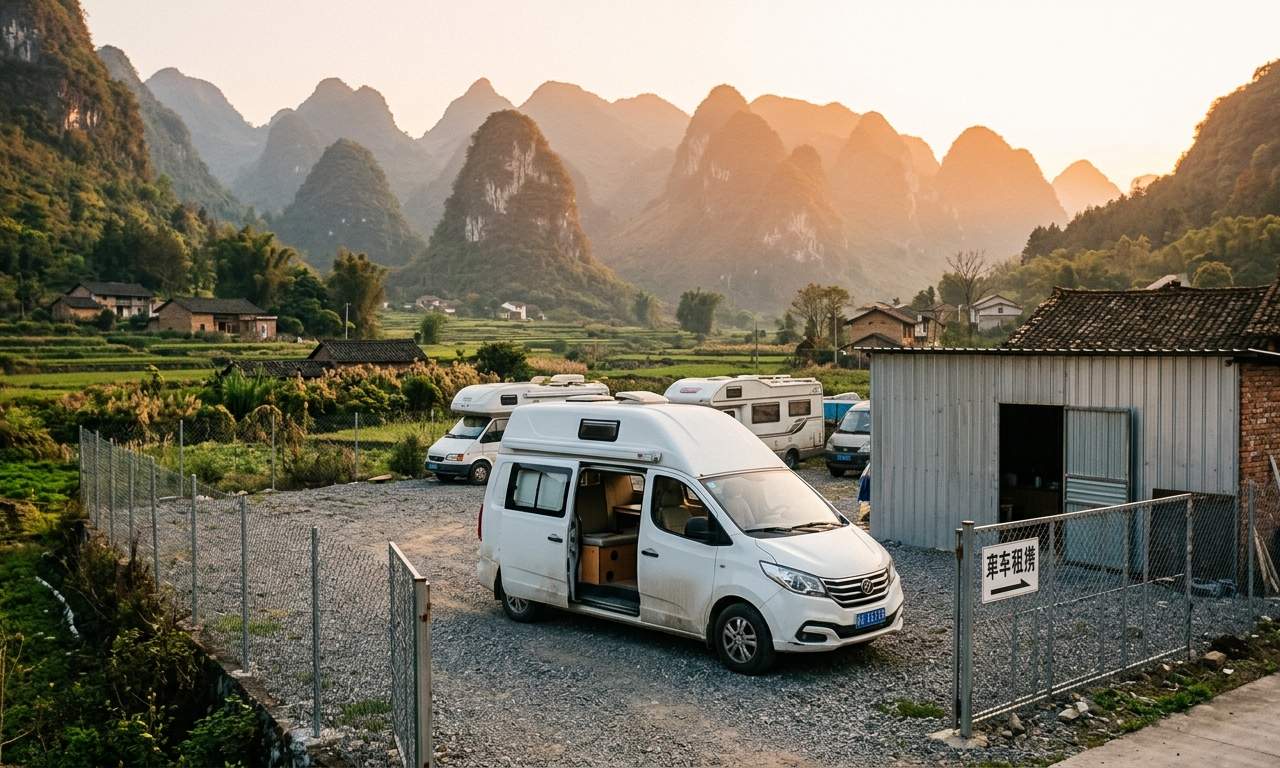
A well-planned RV itinerary for China recommends a minimum duration of 7 days, with an ideal trip extending to 14 or more days to fully immerse yourself in the country's diverse landscapes and rich culture. Imagine setting off from your airport RV rental, with the freedom of your own mobile home, ready to explore.
The best time to embark on a motorhome adventure in China is during spring (April-May) and autumn (September-October), as these seasons offer mild weather and fewer crowds, perfect for exploring both bustling cities and serene natural sites. A typical 7-14 day trip will cover a total distance of approximately 700-1500 km (435-930 miles), allowing for a comfortable, slow travel pace of about 100-150 km per day. This approach enables you to truly feel the place, connect with the local culture, savor the delicious food, and admire the breathtaking scenery.
At Bandana Caravan, we specialize in helping you discover the joy of RV travel. For live availability and current prices, start with our RV Rental China - Complete Guide 2026. For those who love everything organized in advance, our Rent&Plan service combines your chosen RV rental with meticulously designed route plans by professionals, taking the guesswork out of your journey. You can also explore options like One-Way RV Driving in China - Route Planner 2026 if you prefer to pick up your rented RV in one city and drop it off in another, maximizing your exploration with flexible one-way RV rentals from our extensive network of suppliers.
7-Day Classic Route in China
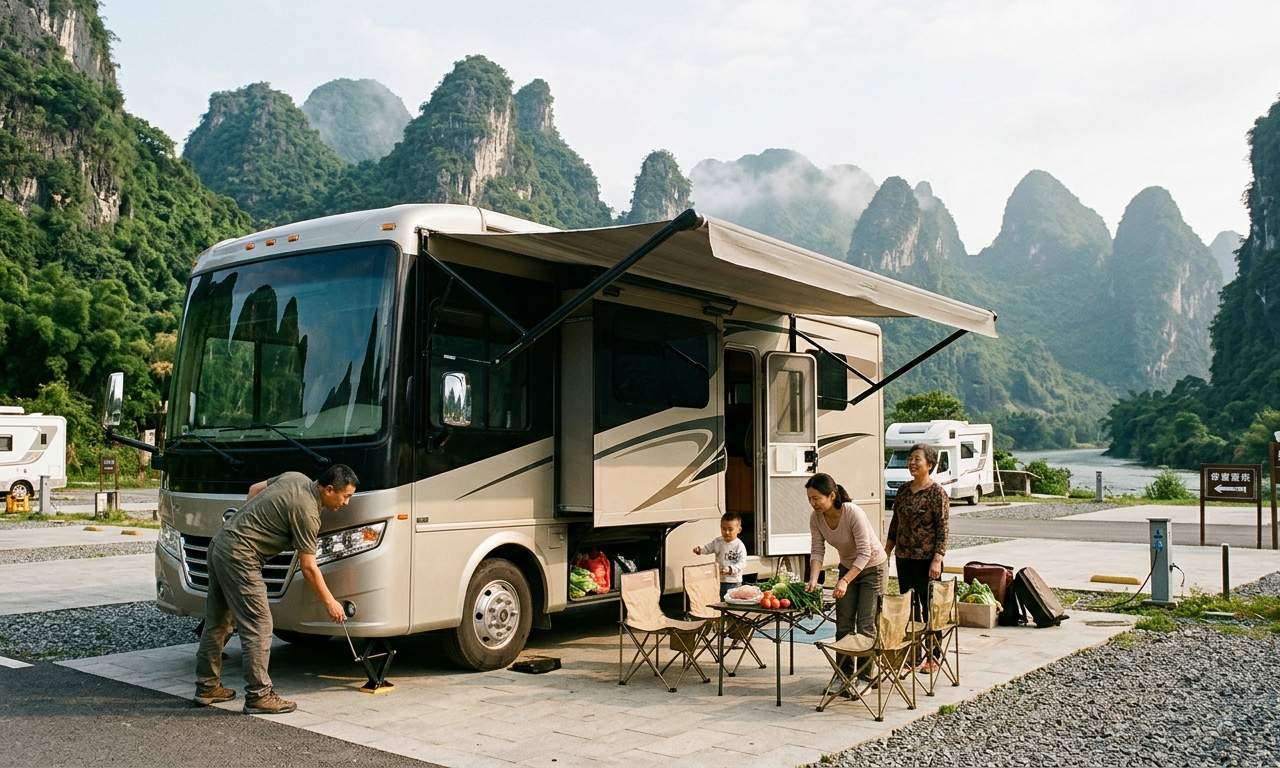
A 7-day classic RV route in China can offer a captivating journey through cultural highlights and picturesque landscapes, perfect for travelers looking for a taste of the country's rich heritage.
- Day 1: Shanghai Arrival → Suzhou (approx. 80 km/50 miles). Upon picking up your airport RV rental in Shanghai, drive to Suzhou, known for its classical gardens. Explore the Humble Administrator's Garden and Pingjiang Road, then settle overnight at a Suzhou RV Park.
- Day 2: Suzhou → Hangzhou (approx. 120 km/75 miles). Journey to Hangzhou, home to the iconic West Lake and lush tea plantations. Enjoy a leisurely bike ride around the lake or visit a Longjing tea village. Spend the night at a campsite near West Lake.
- Day 3: Hangzhou → Huangshan City (approx. 180 km/110 miles). Drive to Huangshan City, your base for exploring the majestic Yellow Mountain. Park your rented RV at a local RV-friendly hotel parking area.
- Day 4: Huangshan - Day trip to Yellow Mountain (Huangshan). Dedicate a full day to hiking the stunning Yellow Mountain, renowned for its granite peaks and ancient pines. Return to Huangshan City for the night.
- Day 5: Huangshan City → Nanjing (approx. 240 km/150 miles). Head to Nanjing, a city rich in history. Visit the Purple Mountain Observatory, Sun Yat-sen Mausoleum, or the Presidential Palace. Find secure RV parking in Nanjing.
- Day 6: Nanjing → Wuxi (approx. 150 km/90 miles). Continue to Wuxi, where you can explore the Grand Canal and marvel at the Lingshan Giant Buddha. Stay at a local Wuxi campsite.
- Day 7: Wuxi → Shanghai Departure (approx. 130 km/80 miles). Conclude your adventure by returning your RV to Shanghai for departure from the airport.
Remember, when embarking on such an adventure, it's reassuring to know you're backed by a team that understands RV travel inside and out. We are true RV specialists, not just a side department of a larger travel agency.
14-Day Extended Journey in China
An extended 14-day RV journey in China allows for deeper exploration of its iconic landmarks and diverse regions, perfect for those seeking a more profound cultural immersion.
- Days 1-3: Beijing & Surroundings. Arrive in Beijing, pick up your rented motorhome, and spend three days exploring the Forbidden City, Tiananmen Square, and a section of the Great Wall. Maintain a slow travel pace, driving a maximum of 100 km per day within the region. Overnight at designated RV parks or secure hotel parking in Beijing.
- Days 4-6: Hebei Province (Chengde). Drive to Chengde (approx. 250 km/155 miles), considering two shorter driving days to fully appreciate the scenery. Explore the Imperial Summer Resort and its surrounding temples. Local campsites in Hebei Province will provide comfortable overnight stays.
- Days 7-9: Shanxi Province (Datong & Pingyao). Continue your journey to Datong (approx. 300 km/185 miles), ideally spread over two driving days, to visit the magnificent Yungang Grottoes. Afterward, drive to Pingyao (approx. 200 km/125 miles) to explore its remarkably preserved ancient city, which offers designated RV parking.
- Days 10-12: Xi'an, Shaanxi Province. Embark on a longer drive to Xi'an (approx. 500 km/310 miles), allowing two to three driving days and multiple overnight stops to respect the recommended daily limits of 100-150 km. Discover the awe-inspiring Terracotta Army and cycle along the ancient City Wall. Park your rented camper at an RV park or hotel parking in Xi'an.
- Days 13-14: Return to Beijing or Fly Out. For departure, drive back towards Beijing (approx. 1200 km/745 miles), which requires multiple driving days and overnight stops. Alternatively, consider a one-way RV rental option by flying from Xi'an and dropping your RV locally, which can offer a more relaxed itinerary. When you rent a motorhome, options for such flexibility are often available. For those planning a longer journey across the continent, our RV Rental Asia - Complete Guide 2026 offers a broad perspective on RV travel in the region.
Recommended RVPlan Trip for China
While a specific RVPlan trip dedicated solely to China may not be available on our platform at this moment, Bandana Caravan actively encourages you to explore our global database of meticulously crafted RV itineraries on rvplan.net. Our RVPlan service is designed to simplify your travel preparation, allowing you to combine the perfect RV rental with a pre-designed, expert-vetted itinerary that can be adapted to your China travel aspirations.
This comprehensive service eliminates the planning headache, providing you with a ready-made route complete with points of interest, recommended campsites, and optimized daily driving distances. The pre-planned routes are developed by professionals who understand the nuances of RV travel, ensuring a smooth and enjoyable journey. You can visit the RVPlan section on rvplan.net to discover itineraries that can be customized to your specific needs, or simply contact our dedicated experts for personalized recommendations and assistance in building your ideal China route plan.
Must-See Stops Along the Way (Avi Bandana Picks)
Avi Bandana, our founder and a seasoned RV travel expert, recommends focusing on authentic cultural experiences that reveal the heart of China, extending beyond the typical tourist traps. These personal insights come from years of exploring diverse destinations by motorhome.
- Traditional Markets: Seek out local wet markets (such as a bustling 'traditional_market' in any city or town you pass through) to immerse yourself in daily life, sample unique street food, and observe genuine local interactions. It’s a fantastic way to engage with the culture.
- Local Eateries: Prioritize small, bustling 'traditional_restaurant' spots where locals truly dine. Don't be afraid to point at dishes or use translation apps to order regional specialties. This is where you'll find the most authentic and delicious RV-friendly recipes playlist inspiration and flavor!
- Hidden Temples or Villages: Beyond major attractions, look for less-frequented 'traditional_visit' sites such as ancient villages or serene Buddhist temples off the main roads. These offer a unique glimpse into untouched heritage and often provide a more peaceful experience.
- Artisan Workshops: Discover 'local_industry' like tea processing factories, silk weaving centers, or pottery studios. This allows for a deeper understanding of Chinese craftsmanship and provides an opportunity to purchase unique souvenirs directly from the makers, offering a more meaningful connection to the local economy.
Daily Driving Distances & Drive Times in China
Avi Bandana recommends maintaining a maximum average of 100 miles or 150 km per day when RVing in China to ensure a relaxed journey that allows for unhurried exploration and unexpected discoveries. This slower pace is crucial in China, as it accounts for potential traffic congestion, the need to navigate unfamiliar roads (which may involve signs primarily in Chinese, sometimes with Pinyin), and the flexibility to stop frequently to engage with local culture and points of interest.
For instance, driving from Shanghai to Suzhou, a distance of approximately 80 km (50 miles), typically takes around 1.5 to 2 hours of pure driving time, not including any stops for sightseeing or meals. A slightly longer journey, such as from Hangzhou to Huangshan City (approx. 180 km/110 miles), could take 3-4 hours of dedicated driving, which still fits comfortably within a relaxed daily schedule, leaving ample time for activities. Even traveling between major cities like Beijing and Tianjin, which is about 130 km (80 miles), can be completed in approximately 2-2.5 hours, but exploring each city demands much more time. Driving slowly and carefully, you can drive almost anywhere without issues. No need to stress - just use common sense and pay attention to your surroundings.
Best RV Class for This Itinerary - Couple & Family Picks
Choosing the right RV class is key to an enjoyable trip in China, balancing comfort with maneuverability. For a couple exploring China by rented RV, the Class B - Camper Van is an excellent choice, offering agility and ease of parking, which is particularly beneficial when navigating cities or smaller roads, while providing essential comforts like a bed, basic kitchen facilities, and often a compact bathroom. Bandana's global fleet of Class B campervans typically average 5.8 meters in length, with sleeping places for around 3.2 individuals and a comfortable capacity for 2.7 adults, making them perfectly suited for two travelers seeking flexibility and independence. For ideas you can prep on the road, watch our RV-friendly recipes playlist on YouTube.
For families traveling with children, the Class C - Alcove motorhome provides ample space and comfort, accommodating more passengers and luggage without sacrificing too much maneuverability. Globally, Bandana's Class C fleet averages 7.5 meters in length, with an average of 5.8 sleeping places and a capacity for 4.4 adults, making it ideal for a family with kids. Our "rent a motorhome example C-25" is a great example of a suitable Class C with spacious living, sleeping 5 people comfortably. This class often comes with features like a gas stove and refrigerator, perfect for preparing family meals on the go. Remember, our Rent&Plan service combines your chosen RV rental with a ready-made, expert-curated itinerary, taking the stress out of planning and letting you focus on the adventure.
What is it like to experience RV travel in China as a foreigner?
RV travel in China as a foreigner offers a unique blend of cultural immersion and scenic exploration, differing significantly from Western RVing experiences due to distinct cultural nuances and evolving infrastructure. While the concept of RV travel is gaining popularity, particularly for domestic tourism, foreign RVers will encounter an authentic and often surprising adventure.
Cultural Immersion Tips: Expect to be a novelty in many areas; local interactions are common and often friendly. Embrace trying new foods at local stalls, learning basic Mandarin phrases like 'thank you' (xièxie) and 'hello' (nǐ hǎo), and observing local etiquette such as not pointing with your finger and respecting personal space, especially in crowded areas. These small efforts will greatly enhance your experience and smooth interactions. When planning your route, consider our "Cheap RV Rental in China - Budget Guide 2026" to help manage your overall trip costs effectively.
Navigating Language Barriers: Beyond basic phrases, translation apps like Baidu Translate or Google Translate (with a reliable VPN) are indispensable for reading menus, road signs (which are primarily in Chinese, sometimes with Pinyin), and communicating with locals. Picture-based communication is also highly effective in bridging gaps. When exploring options, consider checking "RV Rental Deals in China - Latest Offers 2026" to make your trip more affordable.
Local Etiquette: Understand that driving etiquette can be more assertive and dynamic than in many Western countries. On the social side, be prepared for curious stares, which are generally out of genuine interest; a friendly smile and nod go a long way. When visiting temples or religious sites, always dress modestly. For luxury experiences, explore "Luxury RV Rental in China - Premium Prices 2026".
Unique Challenges: Waste disposal is less standardized than in the West; always look for designated bins or official RV parks. Water sourcing can be done at larger service stations or designated campsites, but always verify potability before consuming. Internet connectivity is generally good in urban areas but can be spotty in remote regions, making a local SIM card and a VPN (for access to many foreign apps and websites) crucial. For navigating one-way journeys, our "One-Way RV Rental in China - Price Guide 2026" can be very helpful.
Can foreigners bring their own RV to China and what are the steps?
Yes, foreigners can bring their own RV to China, but the process is highly complex, lengthy, and expensive, requiring extensive paperwork and strict adherence to regulations. This is not a simple drive-across-the-border scenario; it involves a significant bureaucratic undertaking.
Intricate Process: Bringing a foreign-registered RV into China necessitates obtaining a temporary import permit, Chinese license plates, and a temporary Chinese driving license. This process typically requires a local sponsor or the assistance of an experienced travel agency specializing in vehicle imports. The temporary driving license is usually based on your valid national license and an International Driving Permit (IDP), though the IDP itself is not a standalone license in China.
Precise Costs: Budget for substantial expenses, including customs duties, vehicle inspection fees, mandatory local insurance, potential vehicle modifications to meet stringent Chinese standards (e.g., emission controls, safety features), and agency fees that can run into thousands of USD. These costs are a significant factor to consider when evaluating whether to ship your own RV or opt for an airport RV rental in China. On the routes offered through RV PLANET routes, you can itemize and track every expense along the way for easy budgeting.
Required Vehicle Modifications: Your RV may need specific modifications to comply with Chinese environmental and safety standards. This could include adjustments to lighting, mirrors, and exhaust systems, which should be researched thoroughly and completed well in advance of your trip. Our partner suppliers, such as El Monte, Cruise America, Apollo, and Britz, offer vehicles that already meet local standards when you book through Bandana Caravan.
Customs Procedures: Expect detailed inspections and a rigorous customs process upon entry. All documentation must be impeccable to avoid significant delays or even refusal of entry. This demands meticulous organization and preparation.
Extensive Paperwork: You will need your passport, an International Driving Permit (IDP - recommended for non-English speaking visitors, but your original license is primary), its official Chinese translation and notarization, original vehicle registration documents, proof of ownership, and numerous application forms for temporary permits and licenses. Engaging a specialist tour operator or agent is almost always necessary to navigate this bureaucratic maze effectively, making RV rental in China a far simpler alternative for most travelers.
What are the common challenges of RV travel in China and how can I overcome them?
RV travel in China presents unique challenges for foreigners, ranging from logistical hurdles to cultural differences, but with thorough preparation and a flexible mindset, these can be managed effectively for a rewarding adventure.
Navigation and Road Signs: Road signs are primarily in Chinese, sometimes with Pinyin (romanization), which can be daunting. Overcome this challenge by utilizing reliable GPS apps like Baidu Maps or Amap (often requiring a local SIM card), which often support English interfaces and provide real-time traffic updates. Google Maps may also work with a VPN. Consider having a co-pilot dedicated solely to navigation. Drive slowly and carefully, and you can drive almost anywhere without issues. No need to stress - just use common sense and pay attention.
Breakdown Assistance for Foreign RVs: Finding roadside assistance can be challenging due to language barriers and unfamiliarity with foreign vehicles. It's crucial to have local emergency numbers (e.g., police 110, ambulance 120) saved on your phone. Renting from a reputable company like those partnered with Bandana Caravan ensures access to 24/7 support for pre-booking, booking support, and post-booking coordination, often including emergency hotlines with English-speaking staff. For private RVs, robust travel insurance that covers roadside assistance and a local emergency contact are essential.
Fueling and Payment: Gas stations are abundant but can be intimidating due to payment methods. Many require payment via popular Chinese mobile apps like WeChat Pay or Alipay, which foreigners can typically set up. Some stations, particularly in larger cities or along major highways, may accept international credit cards, but not all. Always fill up your rented campervan's tank when available, especially before heading into rural or less developed areas. Fuel costs in China are comparable to many Western nations. For ancillary costs beyond the rental, such as fuel and tolls, remember that RV PLANET routes allow you to itemize and track every expense for easy budgeting.
Toll Roads: China boasts an extensive network of modern toll roads, and costs can accumulate rapidly. A 1000 km journey can easily incur 400-800 RMB ($55-$110 USD) or more in tolls. Payment is typically cash or electronic (ETC). For foreign RVers, cash payment is most common, so keep small denominations handy. Unexpected detours or longer routes can also add to these costs, so budget generously.
Cultural Misunderstandings: Patience and respect are key when encountering cultural differences. Politeness, even when facing a language barrier, will smooth most interactions. Utilize translation apps and maintain an open mind to different ways of doing things. A small, thoughtful gift, like a local souvenir from your home country, can often foster goodwill.
Waste Disposal and Water Sourcing: Designated RV parks (房车营地 - fángchē yíngdì) or larger rest stops are the best places for waste disposal and sourcing potable water. In more rural areas, exercise discretion, always leave no trace, and plan ahead by carrying extra water and using biodegradable products when possible.
Is wild camping or boondocking legal in China?
Officially, wild camping or boondocking is generally not encouraged and can be legally ambiguous or restricted in many parts of China, particularly within protected areas or on private land. Unlike some Western countries with widespread public lands for dispersed camping, China has a different approach to land use and regulations.
Nuanced Details: While there isn't a blanket ban across the entire country, local regulations vary widely. Many scenic areas, national parks, nature reserves, and urban centers strictly prohibit overnight parking or camping outside of designated areas. Violations can lead to fines or being asked to move on by local authorities.
Feasibility/Safety: Boondocking may be theoretically feasible in very remote, rural areas, especially in less populated provinces. However, safety can be a concern due to isolation, lack of amenities (like potable water or waste disposal), and potential misunderstandings with local authorities or villagers. It is always advisable to prioritize well-lit, relatively populated areas if not using an official campsite. You'll find spots, and if not at the first campground, then the next one. Always call ahead before driving.
Local Attitudes: Local attitudes towards wild camping can range from indifference in truly remote spots to suspicion or concern in more visible locations. If approached by locals or authorities, always be polite, cooperative, and willing to move if requested. The "RV Rental in China - Prices and Best Deals 2026" guide provides insights into how to budget for official campsites.
Alternatives: The best and safest alternatives for foreign RVers are official RV parks (房车营地 - fángchē yíngdì), which are growing in number, secure parking lots at hotels (often accommodating for a fee), or private guesthouses with parking facilities. Some larger service stations along major highways might allow overnight stays, but it's always best to confirm with staff. For finding campsites and campgrounds during your trip, we recommend using RV PLANET (rvplan.net) - a great resource for locating available spots along your route, ensuring you have a safe and legal place to park your rented caravan.
🎬 Video coming soon
What is the realistic cost of an RV rental trip in China including hidden fees?
The realistic cost of an RV rental trip in China extends significantly beyond just the daily rental fees, encompassing essential expenses like fuel, tolls, permits, and potential hidden charges that require careful budgeting for a transparent journey.
Rental Fees: Daily RV rental costs in China can range from 800-2000+ RMB per day (approximately $110-$280 USD), depending on the RV class (e.g., a compact campervan like our "rv rental denver example Category Van" versus a larger Class C motorhome), rental duration, and the season. These fees usually include basic insurance, but it's crucial to check the deductible amount. You can upgrade to a top-level deductible for extra peace of mind, ensuring minimal out-of-pocket costs in case of an incident.
Fuel Costs: Fuel (petrol/diesel) in China is priced similarly to many Western countries, often around 8-9 RMB per liter (approximately $1.10-$1.25 USD). Bandana's global fleet of motorhomes averages 10-12 Liters/100 km for most RV classes. For a typical 1500 km trip, you could expect to use 150-180 liters of fuel, costing approximately 1200-1600 RMB ($170-$225 USD). Always factor these significant expenses into your planning, especially if considering a one-way RV rental in China.
Toll Road Structures: China has an extensive network of modern, well-maintained toll roads that can accumulate costs rapidly. A 1000 km journey can easily incur 400-800 RMB ($55-$110 USD) or more in tolls, depending on the route and vehicle class. Payment is usually cash; keeping small denominations readily available is essential. Budget generously, as unexpected detours can add to these charges. For all ancillary costs of your trip, including fuel, campground fees, and tolls, remember that RV PLANET routes allow travelers to itemize and track every expense for easy budgeting.
Permit Fees: For foreign drivers, obtaining a temporary Chinese driving permit is essential and incurs a fee (typically around 200-500 RMB, or $28-$70 USD). Specific permits might also be required for certain remote or sensitive areas, though this is less common for standard tourist routes. These are generally one-time fees for your travel duration.
Potential Hidden Costs: Always be transparent in your booking. Bandana Caravan ensures full transparency with no hidden fees or surprises. However, be aware of other potential charges, such as excessive mileage fees if you exceed a daily or total limit, mandatory cleaning fees upon return if the vehicle isn't appropriately cleaned, higher insurance deductibles if you don't opt for the top-level upgrade, or additional fees for certain entry points to scenic areas that may not be covered by standard tickets. Overnight parking at some RV parks or hotel lots will also add to daily expenses (typically 50-200 RMB/night, or $7-$28 USD).
Budgeting Strategies: Always have a financial buffer for unexpected costs. Using local payment apps (WeChat Pay/Alipay), which foreigners can set up, is often recommended for most transactions as they usually offer better exchange rates and are widely accepted throughout China. Always carry some cash for smaller vendors, remote areas, and tolls where electronic payment might not be an option. For comparison of pricing, refer to our "RV Rental in China - Prices and Best Deals 2026" guide.
Where can foreign RVers find support and community in China?
Foreign RVers in China can find support and community through a combination of online resources, expat networks, and by engaging with local RV enthusiasts, though direct English-language assistance can sometimes be limited. The key is knowing where to look and being resourceful.
Local Expat Groups: Online platforms like WeChat groups, Facebook groups (accessible via a VPN), or forums dedicated to expats in major Chinese cities (such as Beijing, Shanghai, or Flensburg, if applicable) often have sections or members knowledgeable about travel in China, including RVing. Search for terms like 'expats in Shanghai' or 'China RV travel forum' to connect with others who have navigated similar experiences. These communities can provide invaluable real-time advice on everything from local regulations to finding specific services for your rented mobile home.
Chinese RV Clubs (房车俱乐部 - fángchē jùlèbù): While primarily Chinese-speaking, these clubs are rapidly growing and can be an excellent resource. Engaging with them, perhaps through translation apps or with the help of a local contact, can provide invaluable insights into routes, campsites, and local regulations. Many also organize RV rallies and events, offering a unique way to connect with local RV culture.
Online Forums and Social Media: International RV travel forums or Facebook groups focused on 'Overlanding Asia' or 'RVing China' can connect you with experienced travelers who have already ventured through the country. These groups are excellent for real-time advice, sharing experiences, and finding solutions to common challenges. Many seasoned travelers are happy to share their tips for routes, such as those found in our "One-Way RV Driving in China - Route Planner 2026".
Emergency Contacts: Always have local emergency numbers readily available: Police: 110, Ambulance: 120, Fire: 119. Crucially, ensure your RV rental company, such as one of Bandana's direct partners like El Monte or Apollo, provides a 24/7 emergency hotline with English-speaking staff. Consider purchasing a local SIM card with plenty of data for reliable communication. We are with you before, during, and after your booking process to ensure a smooth coordination, and our 24/7 support is there for real people behind you for all booking and pre-trip needs.
Travel Agencies Specializing in China RV Tours: For comprehensive support, some specialized travel agencies can assist foreign RVers, offering permit assistance, guided tours, and emergency coordination. This can be a significant advantage for first-time visitors to China, ensuring you handle the details so you can live the journey.
What You Shouldn't Miss
- The Great Wall of China: Experience different sections, like Mutianyu or Jinshanling, for varied perspectives and fewer crowds than Badaling. Consider an early morning visit for stunning views as the sun rises over this ancient wonder.
- Terracotta Army in Xi'an: Stand in awe before the Silent Army of Emperor Qin Shi Huang, a UNESCO World Heritage site and an archaeological marvel that speaks volumes about China's imperial past.
- West Lake in Hangzhou: Enjoy a leisurely boat ride or a bike tour around this serene lake, famed for its picturesque landscapes and classic Chinese romantic legends.
- Yellow Mountain (Huangshan): Hike among the dramatic granite peaks, ancient pine trees, and mystical cloud seas of Huangshan. The cable car offers a less strenuous way to enjoy the breathtaking scenery.
- Classical Gardens of Suzhou: Wander through the exquisite classical Chinese gardens, such as the Humble Administrator's Garden or Lingering Garden, for a tranquil escape into traditional aesthetics and architecture.
- Yangtze River Cruise (partial): While a full cruise might not fit an RV itinerary, consider a short segment or visit viewpoints along the river to appreciate its immense scale and historical significance.
Looking for expert insights from Avi Bandana? Top 5 Adventures - recommendations from Avi Bandana.
Final Thoughts
Embarking on an RV adventure through China offers a truly unique way to experience its ancient wonders and vibrant culture. From the bustling streets of Shanghai to the serene beauty of Huangshan, a rented motorhome provides unparalleled freedom and flexibility to explore at your own pace. While navigating some unique cultural and logistical aspects is part of the adventure, with careful planning and the right resources, your journey will be an unforgettable one.
At Bandana Caravan, we are here to support you every step of the way, offering transparent pricing, dedicated support, and expert-curated itineraries to ensure your trip is as smooth and enjoyable as possible. So, imagine yourself on the route, discovering hidden gems and creating lasting memories. It's time to turn that dream into a reality.
Get inspired for your next trip! Discover top destinations, planning tips, all in one place. Plan a trip itinerary in advance with minimal effort and maximum enjoyment. Your ultimate RV adventure in China is waiting!
