In This Guide
- Best Canada RV Itinerary for airport RV rental — Overview
- 7-Day Classic Route in Canada
- 14-Day Extended Journey in Canada
- Recommended RVPlan Trip for Canada
- Must-See Stops Along the Way (Avi Bandana Picks)
- Daily Driving Distances & Drive Times in Canada
- Best RV Class for This Itinerary — Couple & Family Picks
- How much does it cost to rent an RV in Canada for a week?
- Can you rent RVs from airports in Canada?
- What do I need to rent an RV in Canada?
- What is the best time of year to RV in Canada?
- Is it worth it to RV in Canada?
- What is the average cost of an RV park in Canada?
- What are the rules for camping on Crown Land in Canada?
- Can I cross the border into the US with a Canadian RV rental?
- How much does it cost to RV Canada for a month?
Best Canada RV Itinerary for airport RV rental — Overview
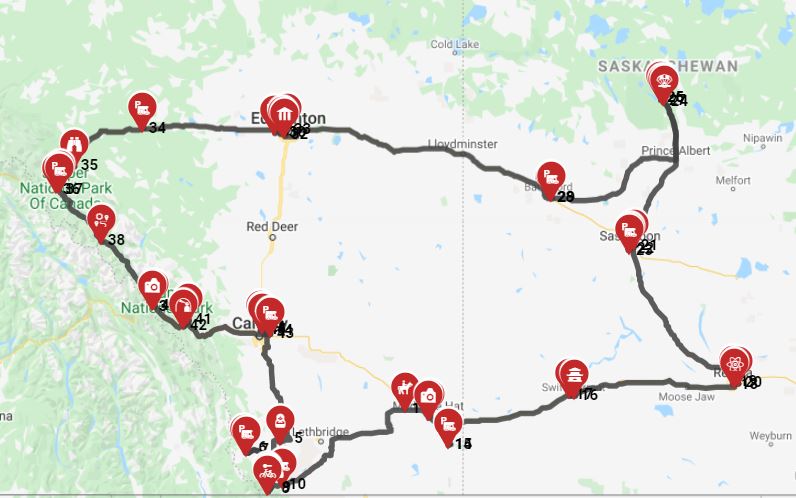
Embarking on an RV adventure from a Canadian airport offers unparalleled freedom to explore the vast and diverse landscapes of this incredible country. When planning your itinerary, consider that a typical RV trip in Canada spans a minimum of 7 days, with 10-14 days ideal for a focused regional exploration, or a more extensive 3-4 weeks for a grand cross-country journey. For instance, a popular 7-day itinerary focusing on the Canadian Rockies might cover approximately 700-1000 km (430-620 miles), while a 14-day exploration could extend to 1500-2000 km (930-1240 miles). The best time of year to RV in Canada is generally from late Spring (May-June) through early Fall (September-October), offering comfortable temperatures, fewer crowds, and stunning scenery. However, the peak summer months of July and August provide the fullest access to all attractions. This guide will focus on popular Western Canada routes, like those starting from Calgary, for shorter trips, as well as an epic cross-country option, balancing scenic drives with ample time for discovery and relaxation. For live availability and current prices, start with our RV Rental Canada - Complete Guide 2026 guide.
7-Day Classic Route in Canada
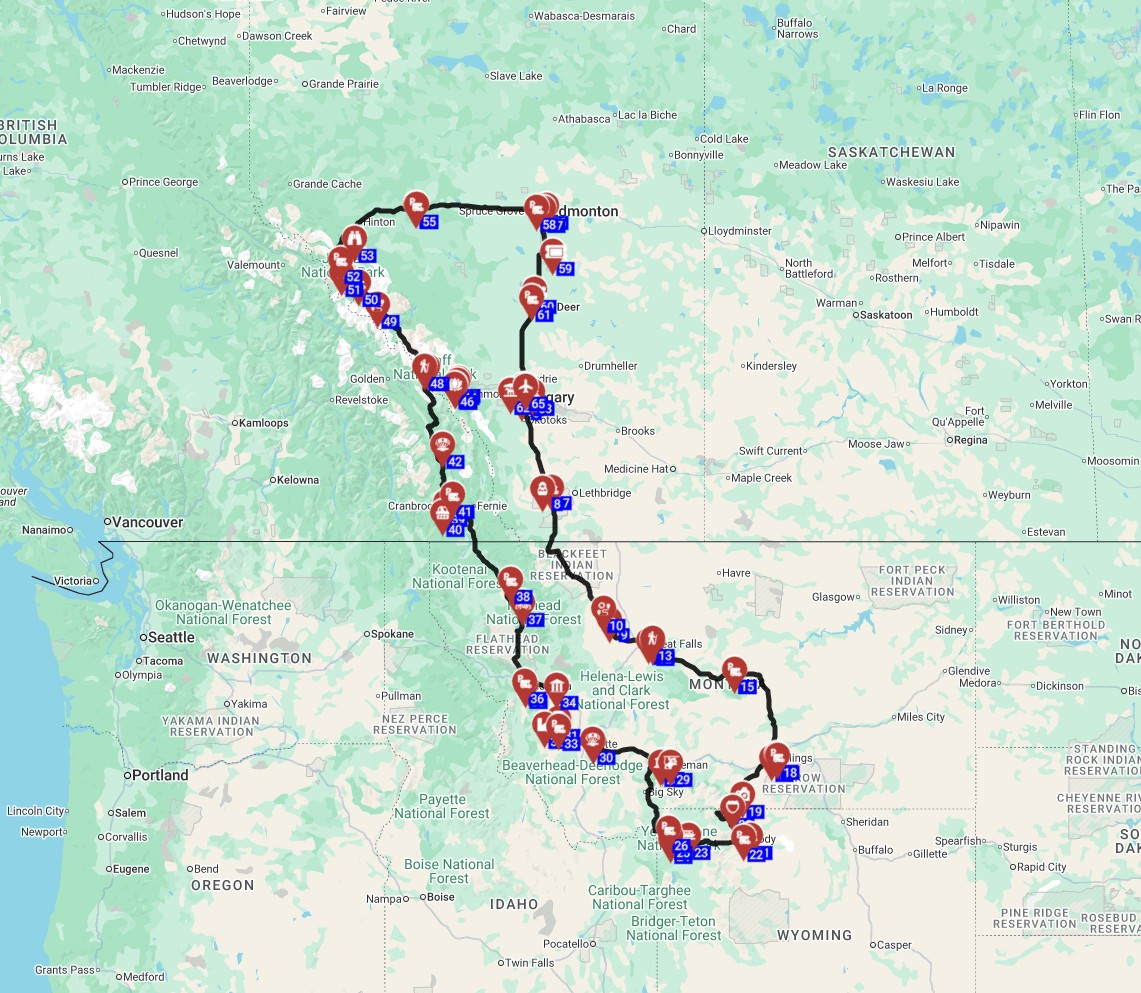
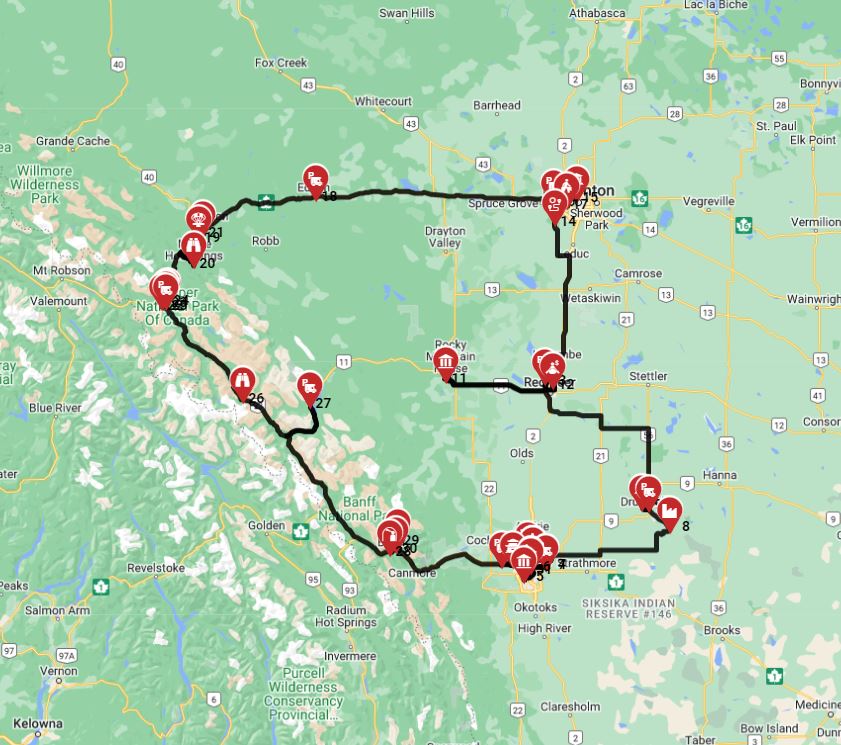
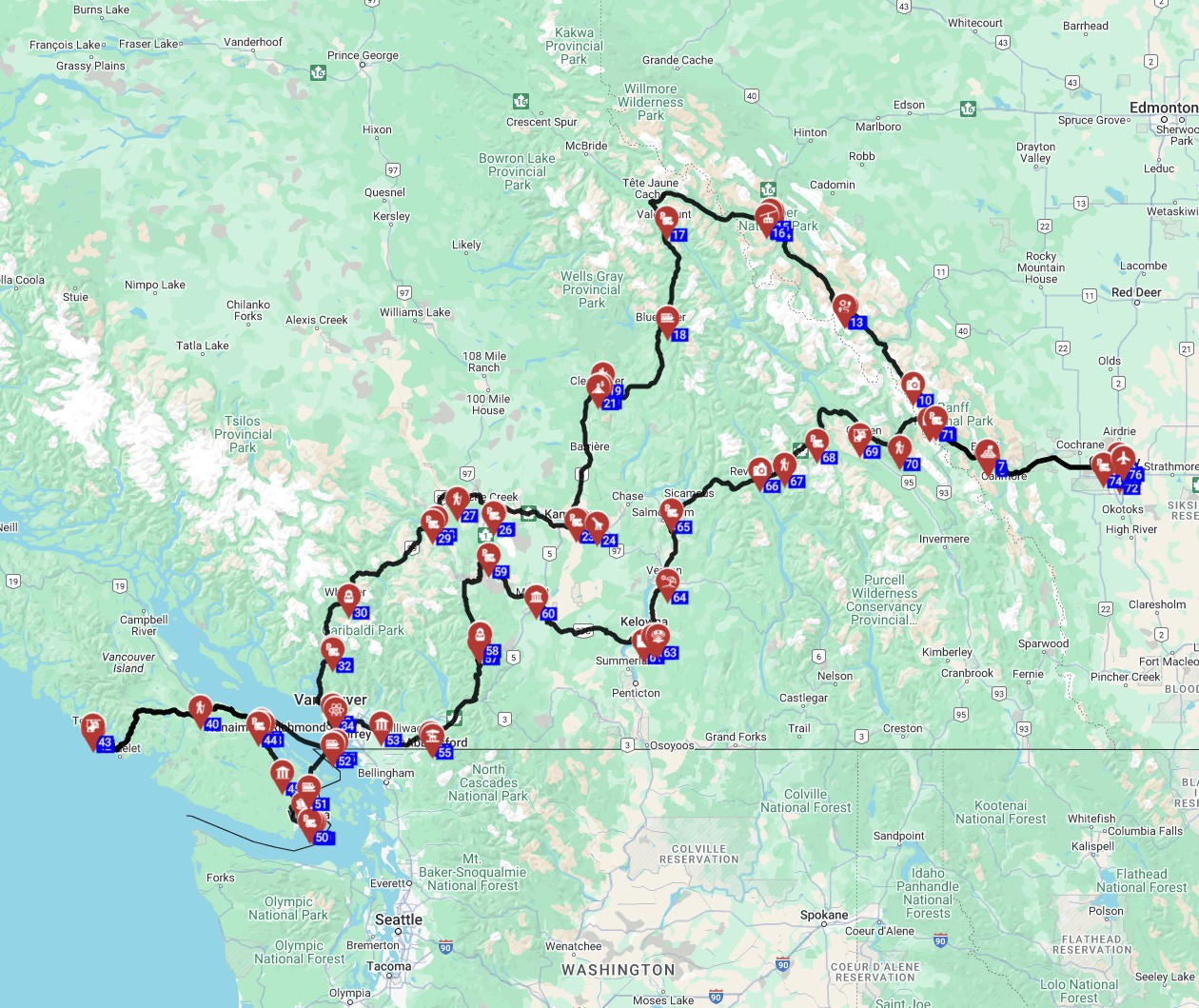
This 7-day itinerary is crafted for the iconic Canadian Rockies, commencing and concluding near Calgary for convenient airport RV rental access. The focus is on keeping daily drives to under 150 km (93 miles) wherever feasible, allowing for a more relaxed and immersive experience.
Day 1: Calgary → Banff (125 km): Upon picking up your rented RV, head west towards the breathtaking mountain town of Banff. Consider a scenic stop in Canmore en route, and explore the picturesque Lake Minnewanka. Your overnight stay will be in a campground within Banff National Park.
Day 2: Banff Exploration (Approx. 50 km local driving): Dedicate the day to exploring Banff National Park. Take the Sulphur Mountain Gondola for panoramic vistas or unwind at the Upper Hot Springs. Overnight again in a Banff National Park Campground.
Day 3: Banff → Lake Louise (60 km): A short, incredibly scenic drive brings you to the world-renowned Lake Louise. Explore its stunning turquoise waters, and if seasonal access permits, make the journey to Moraine Lake. Stay overnight at the Lake Louise Campground.
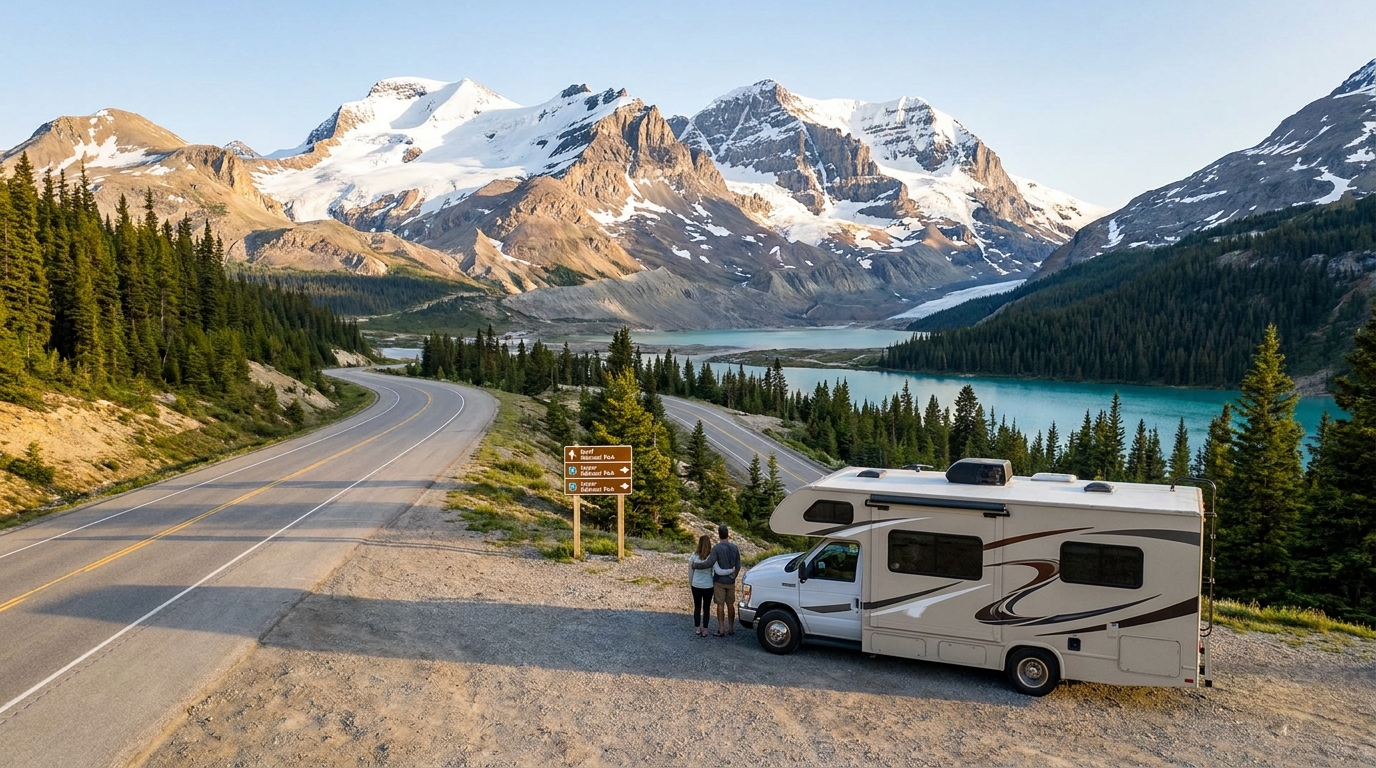
Day 4: Lake Louise → Jasper (230 km): Embark on the legendary Icefields Parkway, widely regarded as one of the most scenic drives globally. Key stops include Peyto Lake and the Columbia Icefield, where a glacier experience is highly recommended. Overnight in a Jasper National Park Campground.
Day 5: Jasper Exploration (Approx. 80 km local driving): Spend the day discovering Jasper National Park. Visit Maligne Lake for a cruise (seasonal), hike through Maligne Canyon, or relax at the Miette Hot Springs. Your accommodation will be at a Jasper National Park Campground.
Day 6: Jasper → Canmore (300 km): Begin your journey south, retracing parts of the Icefields Parkway to catch new perspectives or missed viewpoints. Continue to Canmore for your overnight stay in a local campground. While this is a longer driving day, it's primarily scenic, allowing you to enjoy the evolving landscapes without excessive stops.
Day 7: Canmore → Calgary Airport RV Drop-off (100 km): Enjoy a final mountain sunrise before an easy drive back to Calgary for your RV drop-off and departure.
14-Day Extended Journey in Canada
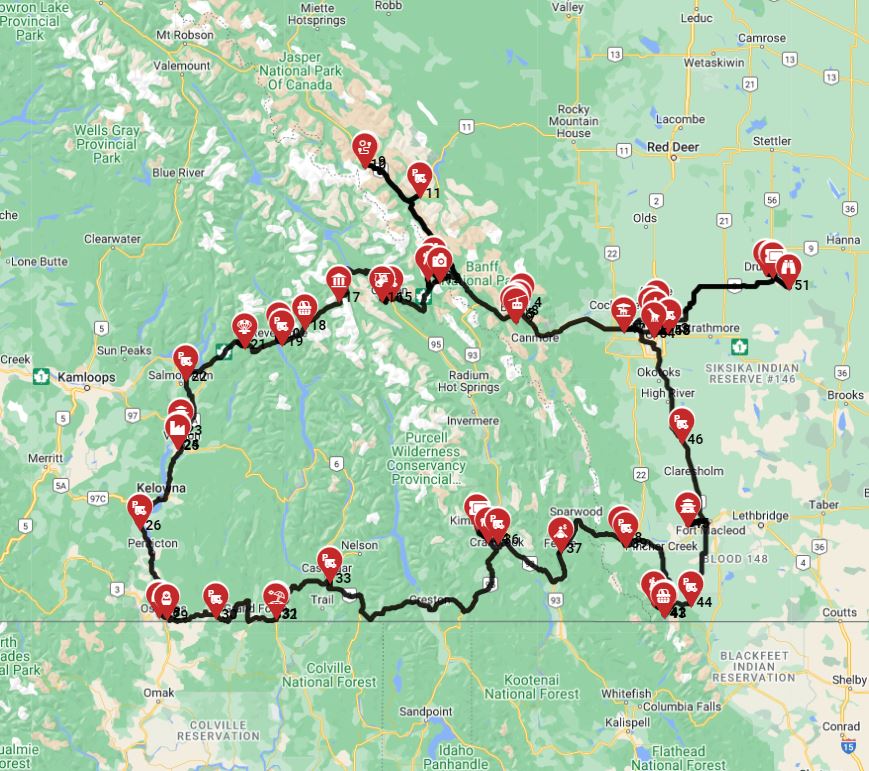
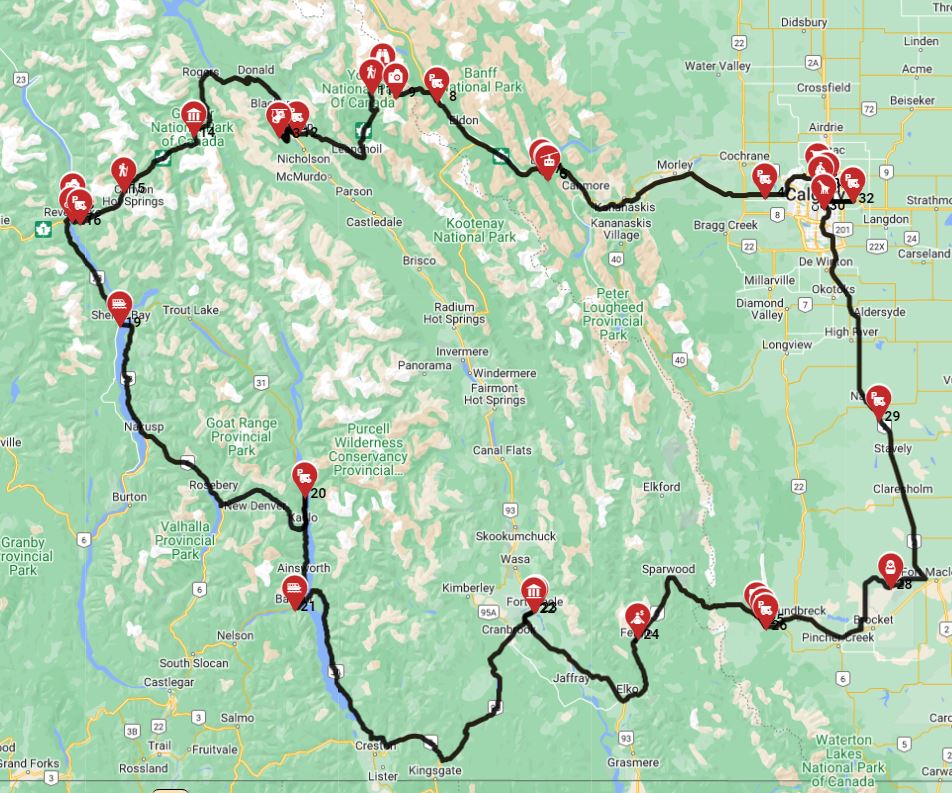
For a more in-depth experience of the Canadian Rockies and an extension into the Kootenay region, this 14-day itinerary allows for more leisurely exploration while adhering to the recommended maximum average daily driving distance of 150 km (93 miles). This approach to Rent & Plan with Bandana ensures a comprehensive yet manageable adventure.
Days 1-3: Calgary to Banff & Canmore:
Day 1: Arrive in Calgary, pick up your RV, and drive to Canmore (100 km). Explore this vibrant mountain town, staying at a Canmore campground.
Day 2: A short drive to Banff (25 km). Explore Banff townsite, Bow Falls, and Cascade Gardens. Overnight at Tunnel Mountain Campground (Banff NP).
Day 3: Banff Exploration. Consider the Sulphur Mountain Gondola, Upper Hot Springs, and the Lake Minnewanka Loop. Stay at Tunnel Mountain Campground.
Days 4-7: Lake Louise & Icefields Parkway North:
Day 4: Banff to Lake Louise (60 km). Explore Lake Louise and, if accessible, take a shuttle to Moraine Lake. Overnight at Lake Louise Campground.
Day 5: Lake Louise to Saskatchewan River Crossing (80 km). Enjoy stops at Peyto Lake, Bow Lake, and other scenic viewpoints along the Icefields Parkway. Stay at Rampart Creek Campground.
Day 6: Saskatchewan River Crossing to Jasper (80 km). Continue on the Icefields Parkway, visiting Athabasca Falls and Sunwapta Falls. Overnight at Whistlers Campground (Jasper NP).
Day 7: Jasper Exploration. Consider a Maligne Lake Cruise (seasonal), hike Maligne Canyon, or explore the Valley of the Five Lakes. Overnight at Whistlers Campground.
Days 8-10: Jasper South & Yoho National Park:
Day 8: Jasper Exploration. Visit Miette Hot Springs (seasonal) or hike the Old Fort Point trail for panoramic views. Overnight at Whistlers Campground.
Day 9: Jasper to Lake Louise (230 km). Enjoy the Icefields Parkway again, perhaps stopping at viewpoints missed on the way north. Overnight at Lake Louise Campground.
Day 10: Lake Louise to Emerald Lake (Yoho NP) (40 km). Explore Yoho National Park, including Takakkaw Falls, Emerald Lake, and the Spiral Tunnels viewpoint. Stay at Kicking Horse Campground (Yoho NP).
Days 11-14: Kootenay Rockies & Return to Calgary:
Day 11: Emerald Lake to Radium Hot Springs (100 km). Drive through Kootenay National Park and relax at the Radium Hot Springs. Overnight at a Radium area campground.
Day 12: Radium Hot Springs to Canmore (150 km). Enjoy a scenic drive back towards the eastern Canadian Rockies. Stay at a Canmore Campground.
Day 13: Canmore to Calgary (100 km). Explore Calgary attractions like Heritage Park Historical Village or the Calgary Tower. Overnight at a Calgary area campground.
Day 14: Return your rented RV to the Calgary Airport location and depart.
Recommended RVPlan Trip for Canada
For an extensive, once-in-a-lifetime Canadian RV adventure, consider the "Halifax to Whitehorse - Exploring Canada’s Heartland in a Motorhome" trip from RVPlan. This epic journey spans an impressive 9199.1 km over 37 days, offering an unparalleled exploration of Canada's diverse landscapes from coast to coast and far into the north. This carefully curated route guides you through historic cities, stunning national parks, and remote wilderness, providing a truly comprehensive Canadian experience. The RVPlan tool helps you organize this entire adventure with ease, ensuring you don’t miss any of the incredible sights along the way.
This comprehensive journey is a fantastic example of how you can truly experience Canada’s diverse regions. You can discover more amazing curated routes, perfect for any RV rental, by visiting RV PLANET (rvplan.net).
Must-See Stops Along the Way (Avi Bandana Picks)
When planning an RV adventure across Canada, especially along extensive routes like the Halifax to Whitehorse journey, personal recommendations from seasoned travelers can add immense value. Avi Bandana's top picks highlight unique cultural and local experiences that truly capture the spirit of Canadian exploration.
- Site d'Interprétation Micmac de Gespeg (Traditional Visit): Located in Quebec, this cultural center provides an immersive experience into the rich Indigenous heritage and storytelling of the Micmac people, offering deep insights into their history and traditions.
- Lake of the Woods Brewing Company (Local Industry): Situated in Ontario, this stop offers a taste of local craft beers and a fascinating glimpse into Canadian microbrewery culture, perfect for relaxing after a day of driving.
- Fort Nelson Farmers Market (Traditional Market): Experience the vibrant local produce and connect with friendly communities in Northern British Columbia, a great place to stock up on fresh supplies and discover regional specialties.
- Teslin Tlingit Heritage Centre (Traditional Visit): In the Yukon, this center allows you to discover the vibrant culture and profound history of the Tlingit First Nation, an essential stop for understanding the region's Indigenous roots.
- Local Seafood in Halifax (Traditional Restaurant): Before embarking on or concluding a journey from Halifax, Avi Bandana highly recommends savoring fresh local seafood along the bustling Halifax waterfront—a quintessential East Coast culinary experience.
Daily Driving Distances & Drive Times in Canada
Avi Bandana recommends a mindful approach to driving distances when RVing in Canada, suggesting a maximum of 100 miles or 150 km per day on average. This emphasis on slow travel allows you to truly appreciate the stunning scenery and embrace spontaneous discoveries. While iconic drives like the Icefields Parkway might necessitate slightly longer days, this can be balanced with shorter driving days or multi-day stays at destinations. For example, the drive from Calgary to Banff typically takes about 1.5 to 2 hours for the 125 km distance, primarily on a well-maintained highway. Banff to Lake Louise is a shorter, scenic 45-minute to 1-hour drive (60 km). Driving from Jasper to the Columbia Icefield along the Icefields Parkway is roughly a 1.5 to 2-hour journey (100 km), with numerous scenic stops along the way that invite you to pause and take in the views.
Best RV Class for This Itinerary — Couple & Family Picks
Choosing the right RV class can significantly enhance your Canadian road trip, with distinct options catering to couples and families. Our diverse fleet, managed by Bandana Caravan, ensures comfort and convenience for all travelers.
For Couples: Class B - Camper Van
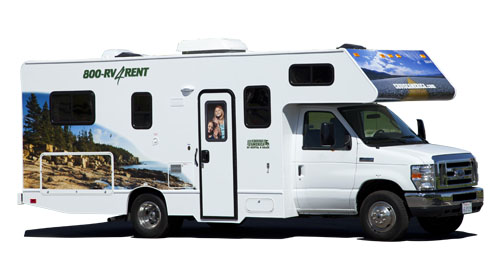
The Class B Camper Van is an excellent choice for couples due to its compact size and fuel efficiency. Bandana's fleet typically offers Class B Camper Vans averaging around 5.8 meters in length, comfortably accommodating 2-3 adults. With common fuel consumption ranging from 8-10 liters per 100 km, this nimble and fuel-efficient option offers excellent maneuverability, making it easy to navigate mountain roads, park in smaller campgrounds, and explore city streets.
For Families: Class C - Alcove
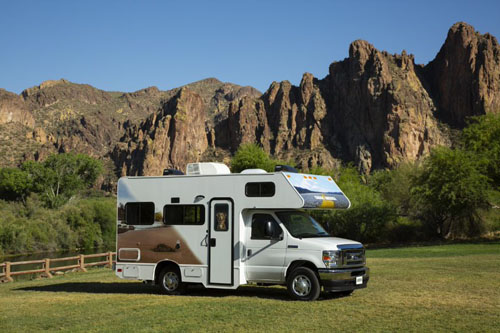
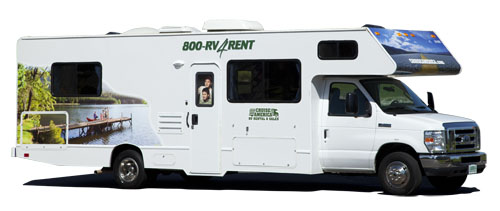
For families, the Class C Alcove motorhome is an ideal choice, offering more space and dedicated sleeping areas. Bandana's fleet typically averages 7.5 meters in length and can comfortably sleep around 5-6 people, accommodating approximately 4-5 adults. Its spacious layout, often featuring an over-cab bunk (alcove), provides ample room for children and luggage, ensuring comfort on extended journeys. Common fuel consumption for these Class C vehicles is typically between 10-12 liters per 100 km, balancing ample space with reasonable efficiency for family adventures.
Rent & Plan with Bandana: Regardless of your group size, our 'Rent & Plan' service seamlessly combines your RV rental with a pre-made itinerary by travel experts. You gain full access to trip-planning software, removing the organizational headache from your Canadian adventure.
How much does it cost to rent an RV in Canada for a week?
RV rental costs in Canada for a week can vary significantly, typically ranging from CAD $800 to $2,500+, depending on the RV class, rental season (peak vs. off-peak), pick-up location, and included amenities or insurance packages. For a more budget-conscious trip, consider a smaller Class B camper van, which is more fuel-efficient and often less expensive to rent than larger Class C or A motorhomes. Beyond the base rental fee, comprehensive budgeting for a week should account for fuel, which can be a significant cost, especially for larger RVs. Campground fees typically average CAD $40-$80 per night for serviced sites, while groceries can run about CAD $100-$150 for two people per week if cooking most meals. To save money, book during shoulder seasons (late spring or early fall), utilize provincial parks for often cheaper camping rates than private resorts, and embrace cooking in your RV. Costs can also vary by region, with rentals in popular areas like the Canadian Rockies or Vancouver Island often commanding higher prices than less-trafficked locations. Remember, utilizing RV PLANET routes can help you itemize and track all these expenses for easy budgeting. For ideas you can prep on the road, watch our RV-friendly recipes playlist on YouTube. On the routes offered through RV PLANET routes, you can itemize and track every expense along the way for easy budgeting.
Can you rent RVs from airports in Canada?
While you cannot typically pick up an RV directly *at* Canadian airport terminals, many major RV rental companies operate depots conveniently located a short shuttle ride or taxi away from key international airports across Canada. Popular airports with nearby RV rental facilities include Vancouver International Airport (YVR), Calgary International Airport (YYC), Toronto Pearson International Airport (YYZ), and Montreal-Pierre Elliott Trudeau International Airport (YUL). These rental depots often provide complimentary shuttle services to and from the airport, ensuring a seamless transition from your flight to your RV rental. It is crucial to confirm the exact location of the rental depot and available shuttle services with your chosen RV rental company when booking, as some may require a taxi or rideshare service.
What do I need to rent an RV in Canada?
To rent an RV in Canada, you'll generally need a valid driver's license and a major credit card for the security deposit. The minimum age requirement is typically 21, although some suppliers may require drivers to be 25 for larger motorhome classes. Your standard driver's license (Class 5 or equivalent) is usually sufficient for most RV classes, like Class B and C motorhomes. For international visitors, an International Driving Permit (IDP) is highly recommended if your national driver's license isn't in English or French, as it provides a certified translation. A major credit card is essential for the security deposit, which can range from CAD $750 to $5,000+, and for any additional charges. Reviewing the specific terms and conditions regarding insurance coverage with your rental company is also advisable.
What is the best time of year to RV in Canada?
The best time to RV in Canada largely depends on your desired region and activities. Generally, late Spring (May-June) and early Fall (September-October) offer ideal weather, fewer crowds, and vibrant scenery for most popular routes. During late Spring, you can expect blooming wildflowers, good wildlife viewing opportunities, and more campground availability, especially in national and provincial parks. Summer (July-August) brings the warmest weather and full access to all attractions, but popular destinations like the Canadian Rockies can be very crowded, necessitating advance bookings. Early Fall is perfect for witnessing stunning fall foliage, particularly in Eastern Canada, with pleasant weather and thinner crowds, though some services may begin to close for winter. For specific activities, whale watching is best between June and October, while most major festivals occur during the summer months.
Is it worth it to RV in Canada?
RVing in Canada is exceptionally worthwhile for those seeking unparalleled freedom, flexibility, and immersive experiences within the country's vast and diverse landscapes. The ability to move your accommodation with you means you can wake up to new, stunning vistas daily, from majestic mountains to serene lakes and rugged coastlines. RV travel offers significant advantages for itinerary adjustments, allowing for spontaneous detours to hidden gems and the convenience of having your own kitchen and bathroom readily available. For families, an RV provides a comfortable and cost-effective way to travel, enabling home-cooked meals, personal space, and a unique bonding experience. It's an excellent method for connecting with nature, exploring Canada's extensive national and provincial park systems, and experiencing both vibrant cities and remote wilderness areas without the constant need to pack and unpack.
What is the average cost of an RV park in Canada?
The average cost of an RV park in Canada typically ranges from CAD $40 to $80 per night for a serviced site (including power, water, and sewer), though this can vary significantly by location, amenities, and seasonality. National and Provincial Parks generally offer more rustic, often unserviced or partially serviced sites for CAD $30-$60, providing access to incredible natural settings but often requiring reservations months in advance, especially during peak season. Private campgrounds and RV resorts tend to be pricier, ranging from CAD $50 to over $100 per night, but frequently include amenities like swimming pools, laundromats, Wi-Fi, and recreational facilities. Costs are highest in popular tourist areas like Banff, Jasper, Vancouver Island, or near major cities, particularly during peak summer months. For budget-conscious travelers, exploring municipal or regional parks can offer more affordable options.
What are the rules for camping on Crown Land in Canada?
Camping on Crown Land in Canada, often known as boondocking or dispersed camping, is generally permitted for up to 21 days in one location for Canadian citizens and permanent residents. However, rules vary significantly by province and territory, and non-residents may face stricter regulations or require specific permits. It's crucial to always practice 'Leave No Trace' principles: pack out all garbage, respect wildlife, avoid disturbing vegetation, and properly manage human waste, as Crown Land camping typically means no facilities are available. Always check local and provincial regulations before attempting to camp on Crown Land, as rules regarding fire bans, vehicle access, and specific restricted areas can change, and penalties for non-compliance can be substantial. For a more predictable experience, especially for international visitors, designated campsites in National and Provincial Parks, which require fees and reservations, are a reliable option.
Can I cross the border into the US with a Canadian RV rental?
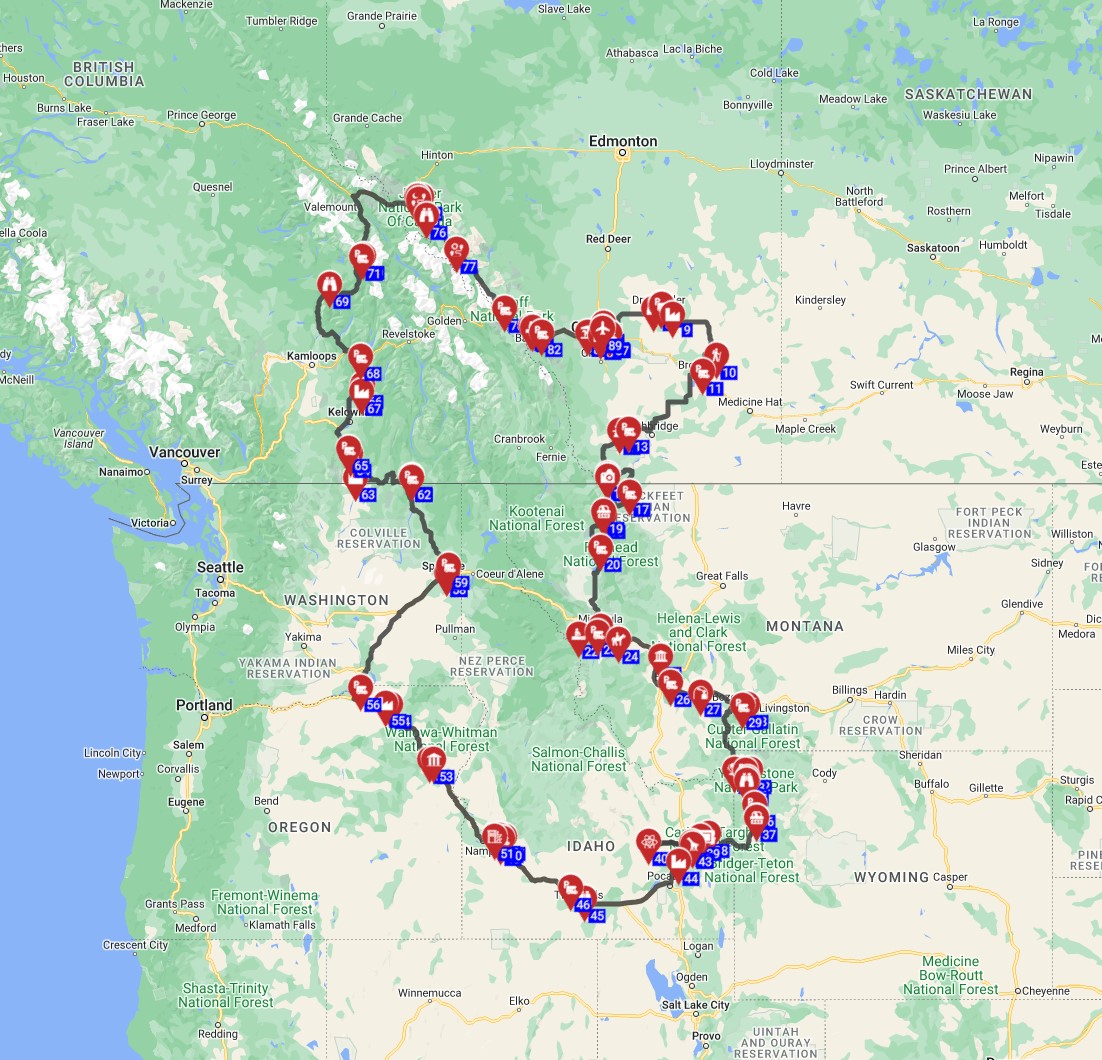
Crossing the border into the US with a Canadian RV rental is often permissible, but it absolutely requires explicit permission from the rental company, which may involve additional insurance fees and specific documentation. Most major RV rental companies in Canada have policies regarding cross-border travel, and you must inform them of your intention to enter the US at the time of booking or pick-up. An extra charge or a specific insurance rider is commonly required to cover the RV while it is in the United States, as Canadian insurance policies may not automatically extend coverage across the border. Ensure you have all necessary vehicle documentation, including the RV's registration and proof of Canadian ownership (provided by the rental company), along with valid passports and any required visas for all travelers. Failure to obtain prior approval could void your insurance, lead to fines, or even vehicle impoundment.
How much does it cost to RV Canada for a month?
RVing in Canada for a month can range from CAD $4,000 to $8,000+, depending on your RV choice, travel style, and the regions visited. Rental fees for a month will typically fall between CAD $2,500 and $5,000, with daily rates often decreasing for longer rental periods compared to weekly rates. Fuel costs can be substantial for a month-long trip, potentially adding CAD $1,000-$2,000+, contingent on mileage and the RV's fuel efficiency (e.g., a Class C averages 10-12 liters/100 km). Campground fees for a month could total CAD $1,200-$2,400 (assuming an average of $40-$80/night), though this can be reduced by staying in unserviced sites or boondocking where permitted. For extended stays, visitors generally have a maximum limit of 6 months in Canada; ensure your travel insurance covers the entire duration and be mindful of any vehicle maintenance requirements or service intervals.
What You Shouldn't Miss
- Banff and Jasper National Parks: Drive the iconic Icefields Parkway, hike to stunning viewpoints, and experience the vibrant turquoise lakes like Lake Louise and Moraine Lake.
- Pacific Rim National Park Reserve (BC): Explore the rugged coastlines, ancient rainforests, and beautiful beaches of Vancouver Island.
- Old Quebec (QC): Wander through the historic streets of Old Quebec, a UNESCO World Heritage site, and soak in the European charm.
- The Cabot Trail (NS): Drive this spectacular scenic highway in Cape Breton, Nova Scotia, offering breathtaking coastal vistas and rolling highlands.
- Canadian Rockies Hot Springs: Relax and rejuvenate in natural hot springs, such as those in Banff or Radium Hot Springs, after a day of exploring.
- Northern Lights Viewing (Yukon/NWT): If traveling in the right season, venture north for a chance to witness the magical aurora borealis.
Final Thoughts
An RV rental in Canada offers an extraordinary way to explore this vast and beautiful country at your own pace. From the majestic peaks of the Rockies to the scenic coastlines and historic byways, a rented motorhome or campervan provides the perfect mobile basecamp for your adventures. Remember that planning is key, but the flexibility that comes with RV travel allows for spontaneous detours and unexpected discoveries.
We encourage you to take advantage of resources like RV PLANET (rvplan.net) to pre-plan your route and discover hidden gems along the way. Whether you opt for a shorter regional tour or an epic cross-country expedition, your Canadian RV journey promises to be an unforgettable experience. Get inspired for your next trip and discover top destinations and planning tips all in one place!