For live availability and current prices, start with our RV Rental California - Complete Guide 2026 guide.
In This Guide
- Best California RV Itinerary for rv rental — Overview
- 7-Day Classic Route in California
- 14-Day Extended Journey in California
- Recommended RVPlan Trip for California
- Must-See Stops Along the Way (Avi Bandana Picks)
- Daily Driving Distances & Drive Times in California
- Best RV Class for This Itinerary — Couple & Family Picks
- How much does it cost to rent an RV in California?
- What is the best month to RV in California?
- What do I need to know about renting an RV for the first time?
- What RV parks are in California?
- What is the best way to travel around California?
Best California RV Itinerary for rv rental — Overview
A California RV trip offers unparalleled freedom to explore diverse landscapes, making it an ideal way to experience the Golden State. For live availability and current prices, start with our RV Rental California - Complete Guide 2024 guide, which provides comprehensive information. We recommend a minimum duration of 7 days for an RV rental in California, with an ideal trip extending to 14 days, allowing you to comfortably cover 1,000-2,000 km (600-1,200 miles) and truly immerse yourself in each destination. The best seasons for RVing are typically spring (April-May) and fall (September-October) due to mild weather and fewer crowds, offering perfect conditions for exploring California’s iconic coastal drives, national parks, and scenic routes. Planning your journey with a rented motorhome means your accommodation travels with you, giving you the flexibility to adapt on the fly or stick to a meticulously planned route. If you're considering rental options, our guide RV Rental in California - Prices and Best Deals 2024 offers excellent insights into budgeting for your adventure.7-Day Classic Route in California
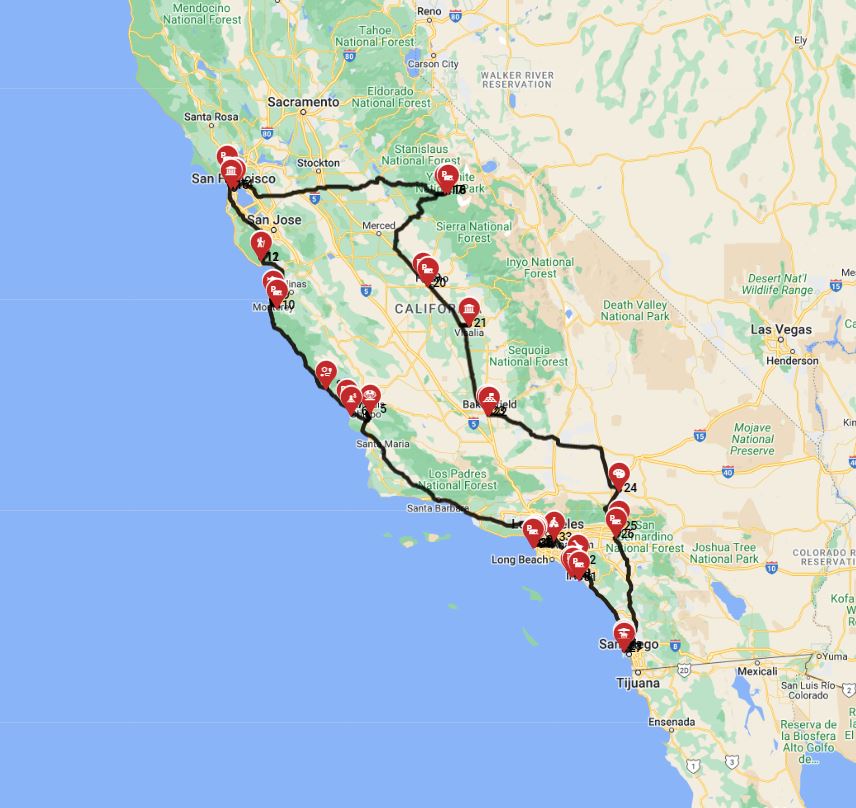
A classic 7-day RV route in California allows you to experience the breathtaking Pacific Coast Highway (PCH) and charming coastal towns with a rented campervan. Day 1 begins in Los Angeles, where you’ll pick up your motorhome and drive approximately 150 km (90 mi) to Santa Barbara to explore its beautiful beaches and pier. On Day 2, a short 90 km (55 mi) drive takes you to Pismo Beach for monarch butterfly viewing (seasonal) and an overnight stay at Pismo State Beach Campground. Day 3 involves driving about 100 km (60 mi) along Highway 1 to San Simeon, with stops at Morro Bay and the elephant seal rookery, staying at Hearst San Simeon State Park. For Day 4, journey approximately 80 km (50 mi) to the stunning Big Sur area, exploring Julia Pfeiffer Burns State Park and Partington Cove, but always check for PCH closures. Day 5 is a 70 km (45 mi) drive to Monterey for the Monterey Bay Aquarium and Cannery Row, followed by a night at Monterey Peninsula RV Park. On Day 6, head 60 km (40 mi) to Santa Cruz, famous for its boardwalk and surfing culture, camping at Santa Cruz / Capitola KOA. Finally, Day 7 concludes with a 120 km (75 mi) drive to San Francisco to explore iconic landmarks like the Golden Gate Bridge; remember to park on city outskirts if you have a larger RV. This itinerary emphasizes slow travel, ensuring you have plenty of time to enjoy each stop.14-Day Extended Journey in California
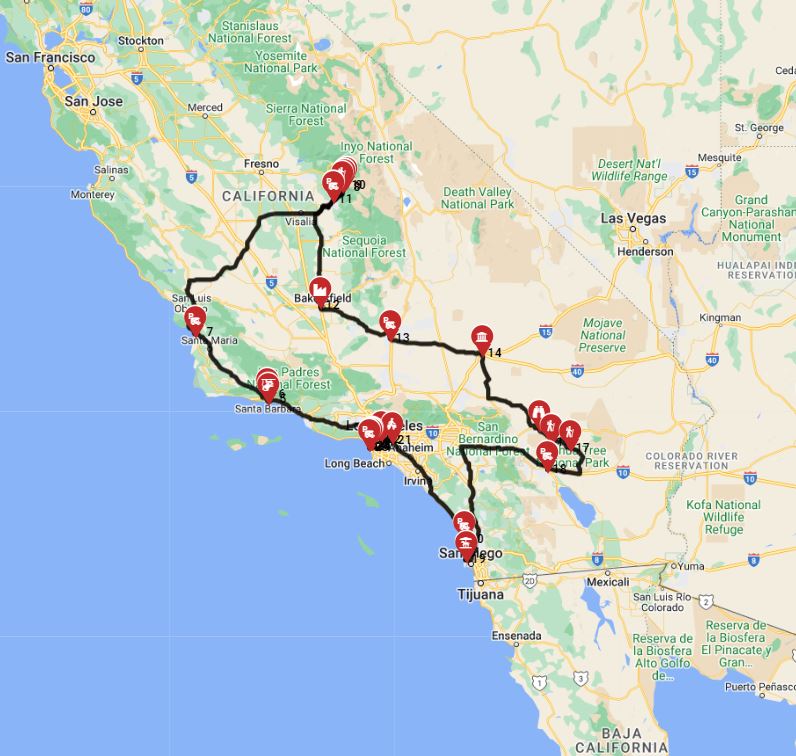
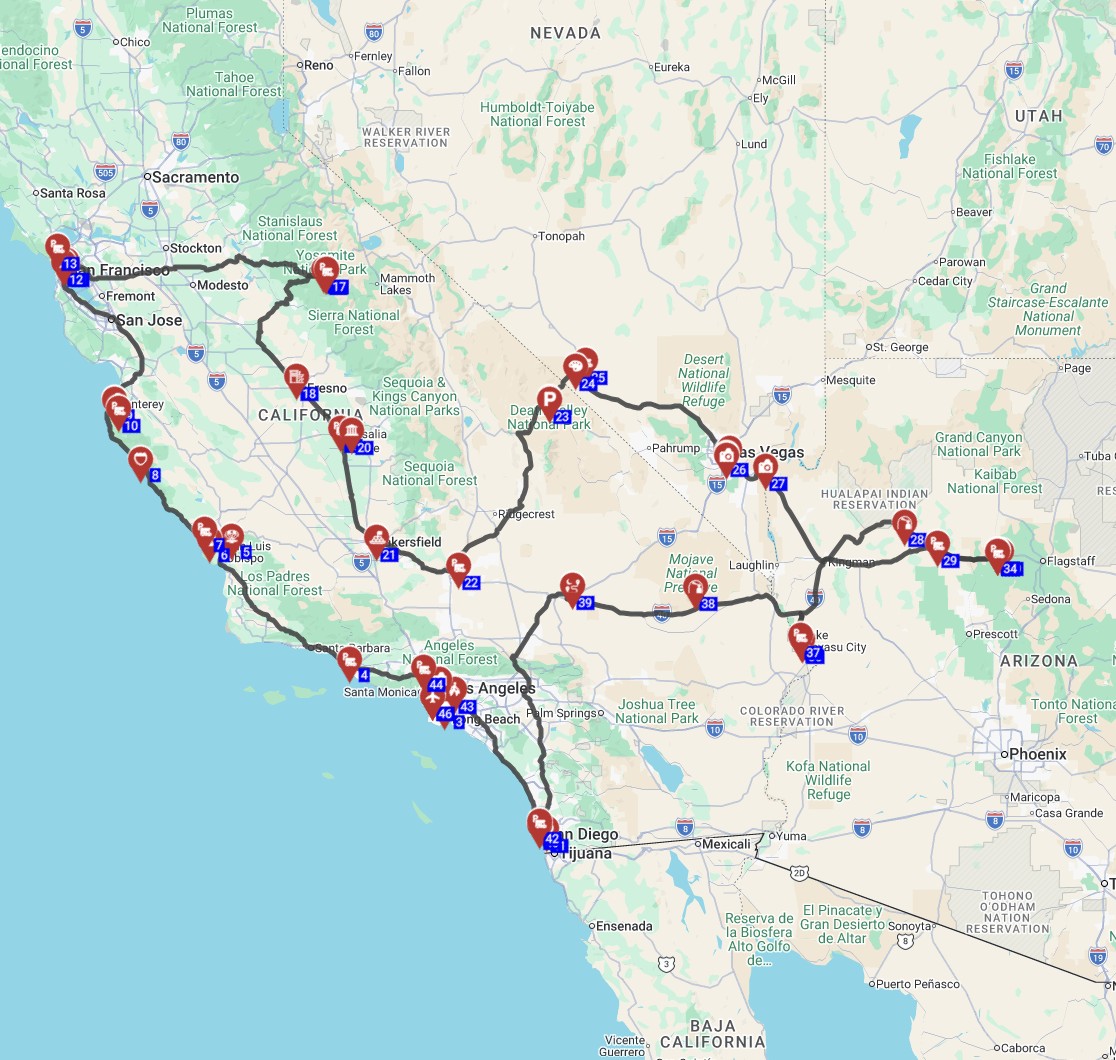
An extended 14-day RV journey in California offers a more in-depth exploration, combining diverse regions including Southern California deserts, the majestic Sierra Nevada mountains, and the iconic Central Coast and Bay Area. Days 1-4 are dedicated to Southern California and desert exploration, starting from Los Angeles and venturing to Palm Springs, Joshua Tree National Park, and Death Valley, with overnights in places like Ridgecrest. These days may involve slightly longer driving segments for significant regional transitions, but we always encourage slow travel to soak in the unique landscapes. Days 5-8 bring you into the breathtaking Sierra Nevada Mountains, moving from Ridgecrest to Bishop, Mammoth Lakes, and Yosemite National Park, where you can focus on high-altitude beauty and national park highlights. The final stretch, Days 9-14, takes you along the Central Coast and into the Bay Area, passing through Yosemite, Sonora (for Gold Rush history), Monterey, the dramatic Big Sur coastline, Santa Cruz, and culminating in San Francisco. Daily driving averages are kept around 150 km (100 miles) to ensure a relaxed pace, with a few necessary stretches built in for smooth transitions between these distinct Californian regions.Recommended RVPlan Trip for California
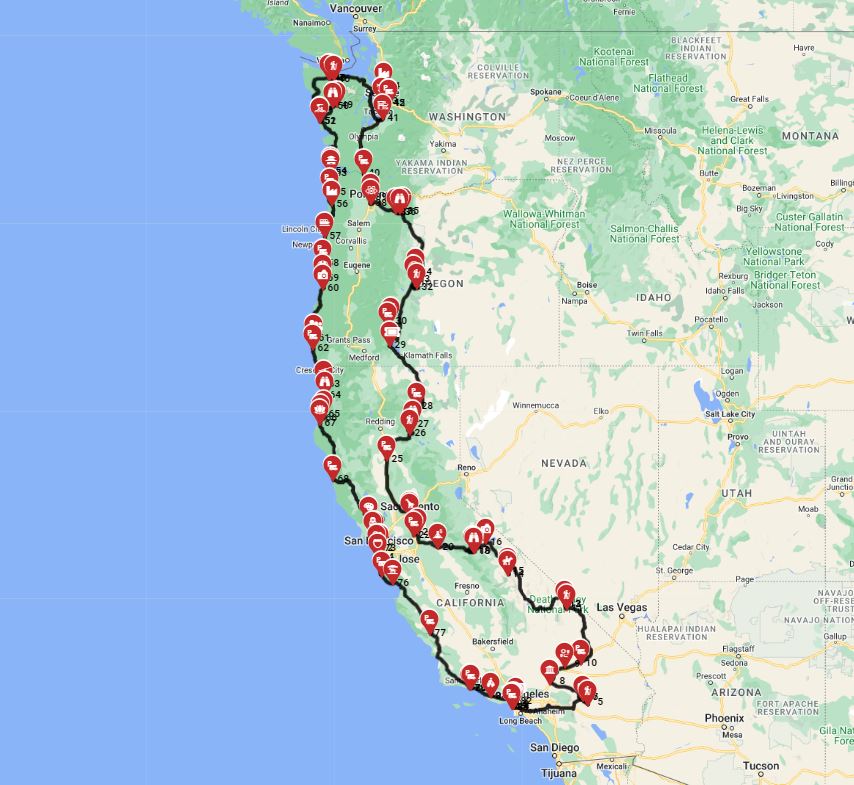
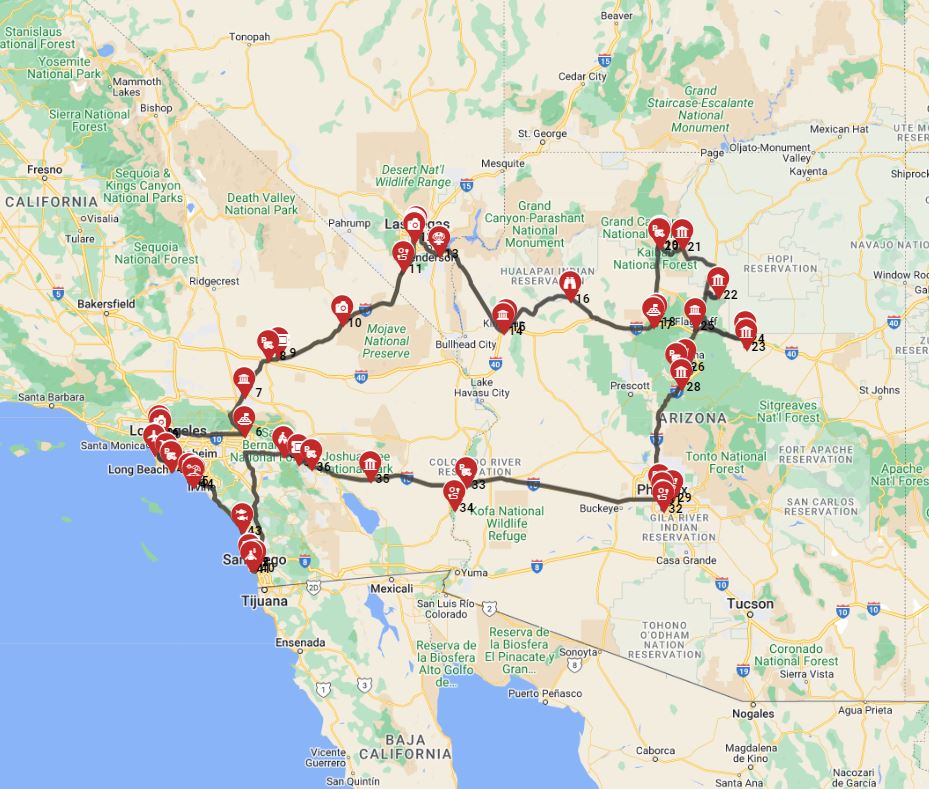
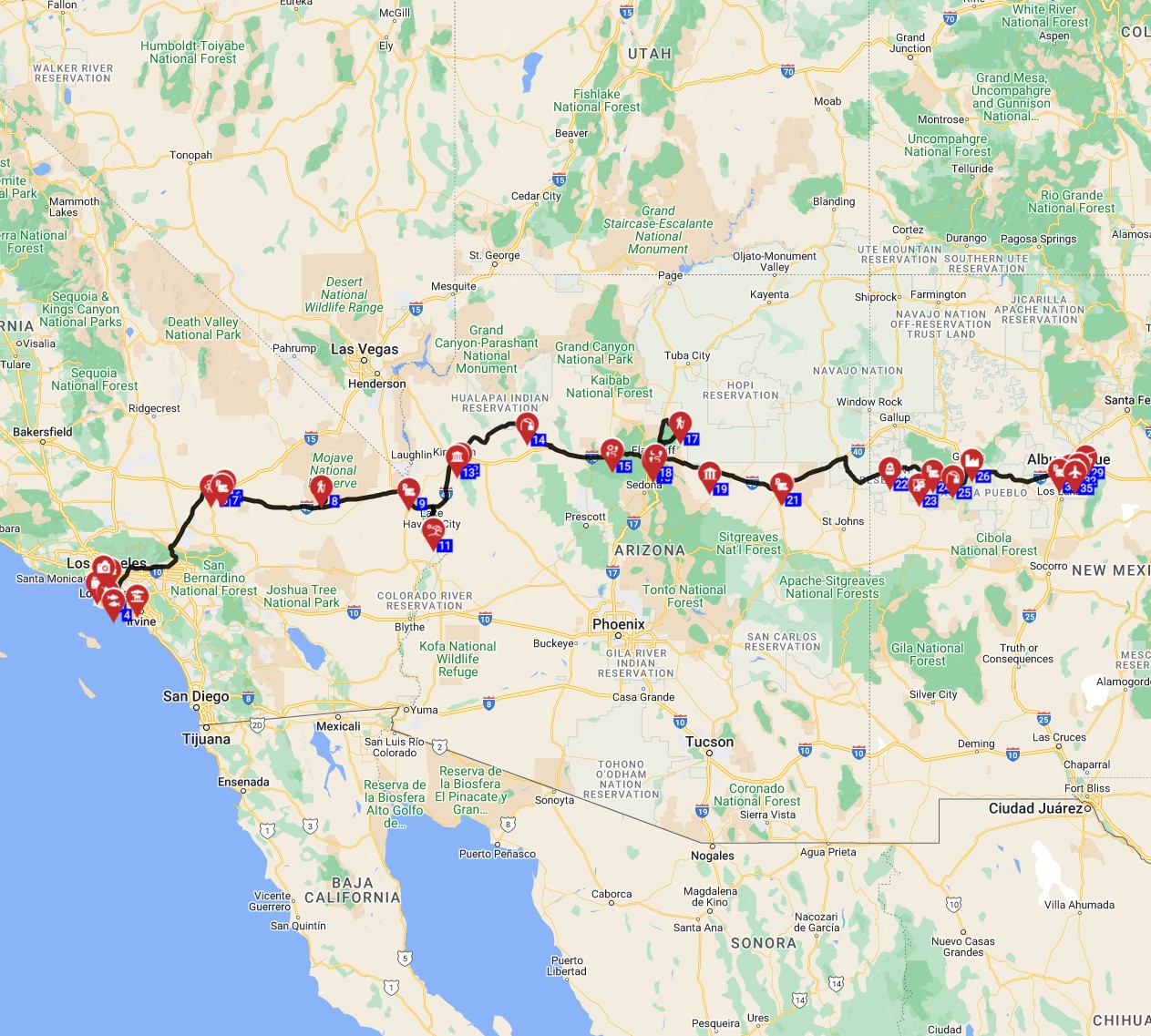
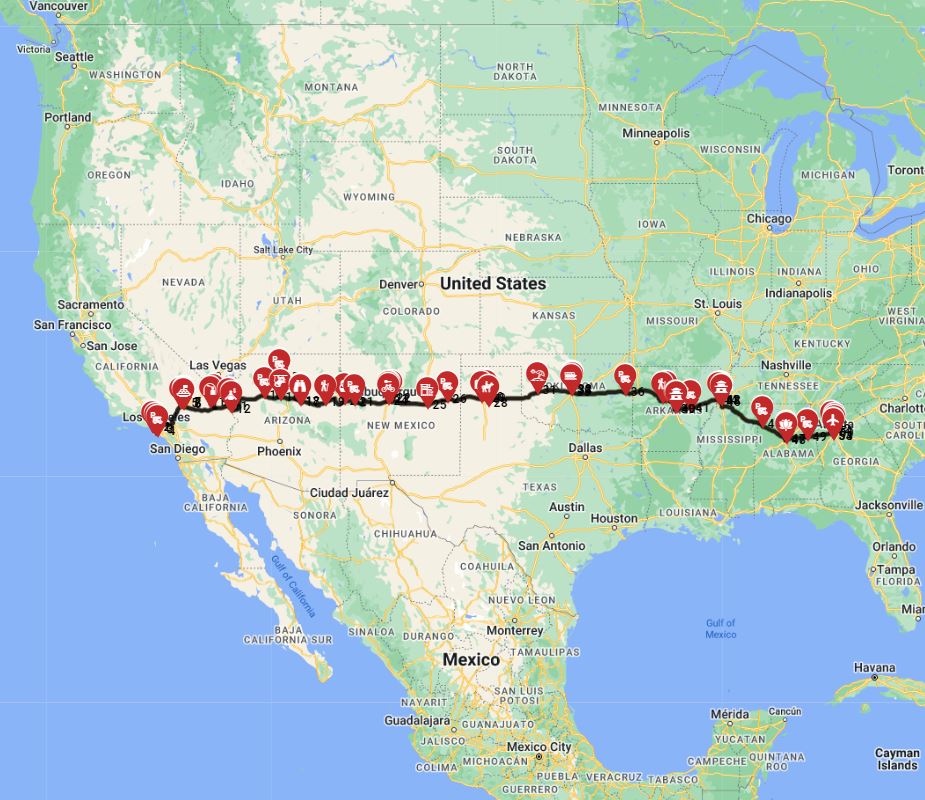
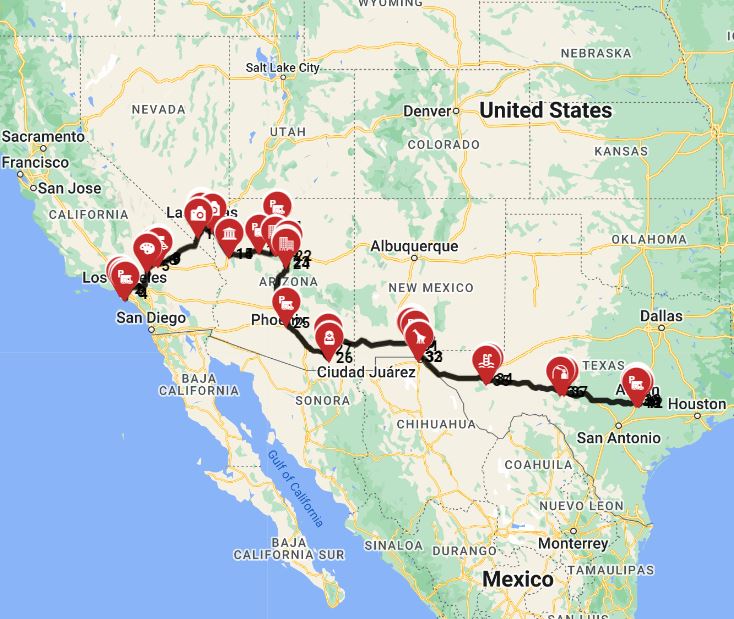
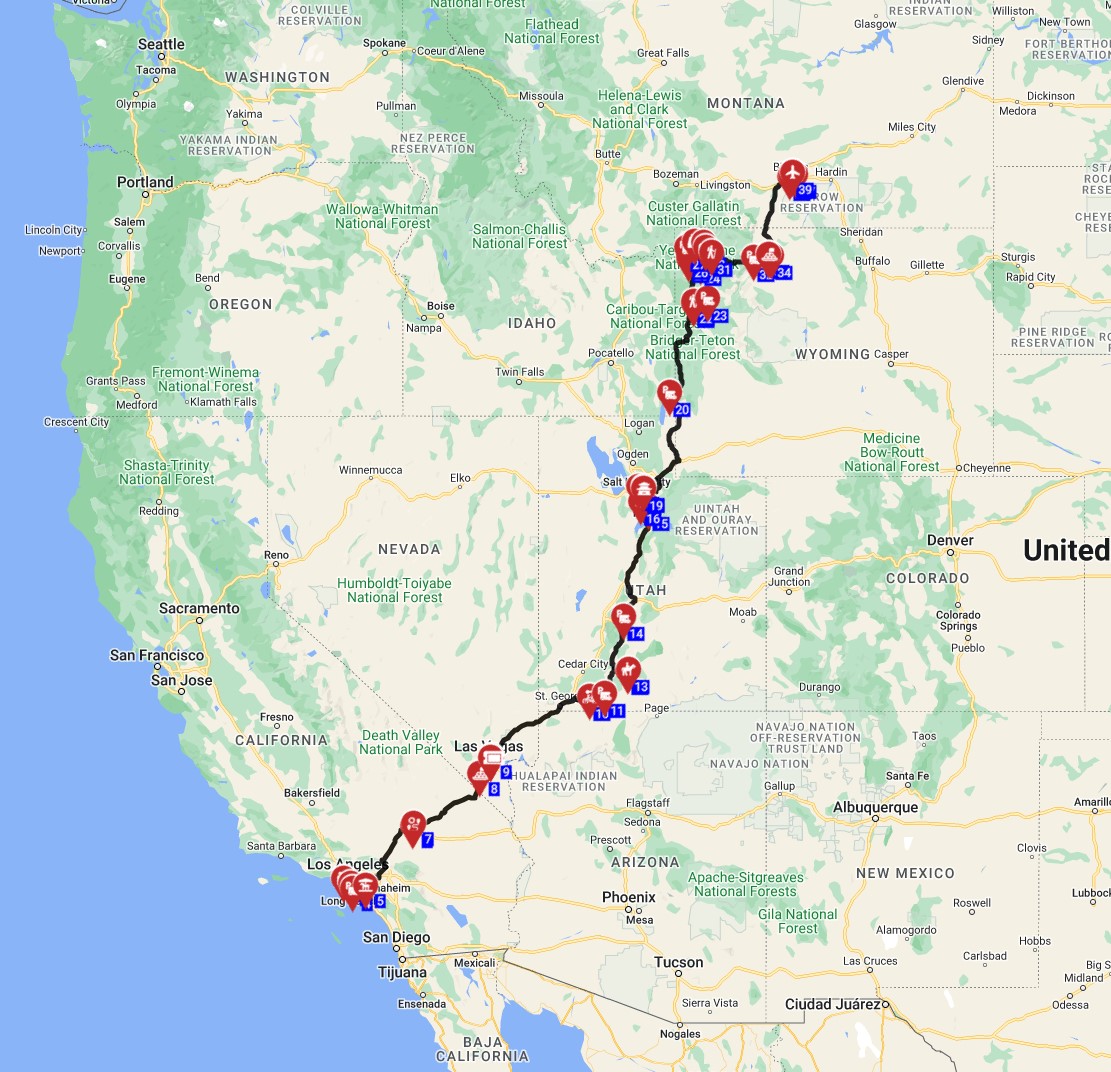
For a truly effortless and enriching RV adventure in California, we highly recommend exploring the pre-planned itineraries available through RV PLANET (rvplan.net). These professionally designed routes handle the logistics, allowing you to focus on the experience. While the "
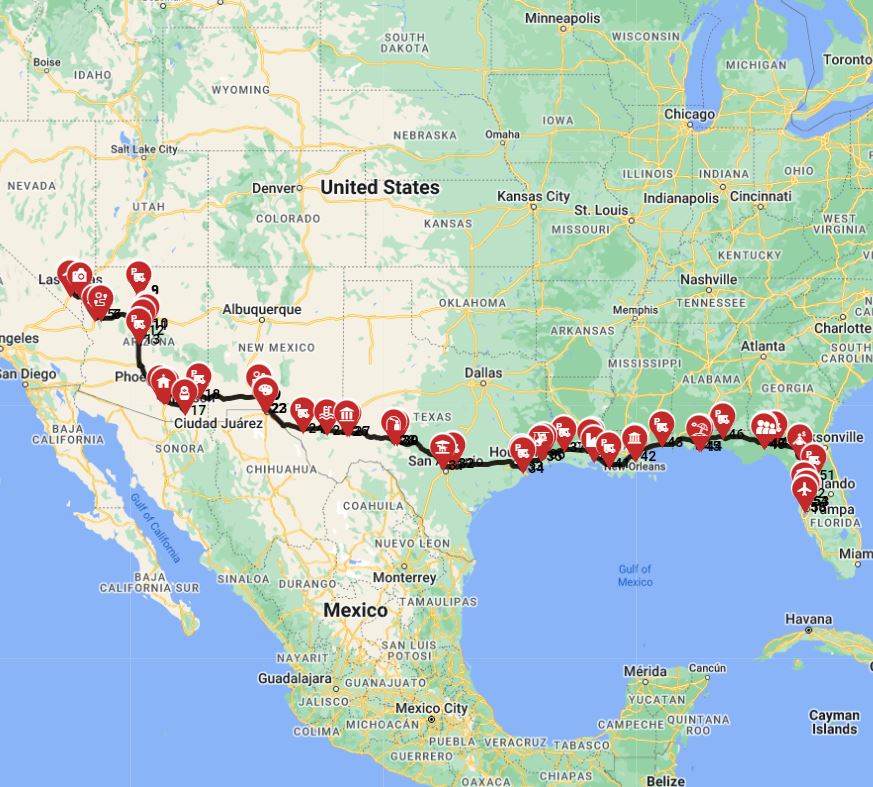
Charlotte to San Francisco - Southern Roots and California Shores
Must-See Stops Along the Way (Avi Bandana Picks)
Looking for expert insights from Avi Bandana? Top 5 Adventures - recommendations from Avi Bandana. Our founder, Avi Bandana, suggests focusing on unique local experiences to truly immerse yourself in California's culture, going beyond just the major tourist hotspots. To truly get a feel for the region, seek out traditional markets in towns like Santa Barbara or San Luis Obispo, offering fresh, regional produce and artisan goods that reflect California's agricultural bounty. Engage in local industry tours, whether it's exploring California's renowned wine regions such as Napa/Sonoma, Paso Robles, or Santa Barbara County for vineyard tours and tastings, or visiting a local olive oil producer to understand the state's diverse economy. For authentic culinary delights, find family-run Mexican eateries in Southern California, fresh seafood shacks along the coast, or farm-to-table establishments in Central California, embracing the vibrant local food scene. Imagine cooking up a storm with fresh local ingredients right in your rented motorhome kitchen; our RV-friendly recipes playlist offers inspiration. Round out your cultural visits by exploring historic missions along the El Camino Real, delving into Gold Rush history in towns like Columbia or Sonora, or discovering the thriving art communities in places like Laguna Beach. These curated experiences offer a deeper connection to California's rich heritage and vibrant local life.Daily Driving Distances & Drive Times in California
Avi Bandana recommends a maximum of 100-150 km (60-90 miles) per day on average when RVing in California, ensuring ample time for sightseeing and relaxation rather than feeling rushed. Prioritizing slow travel is essential to fully experience California's diverse landscapes, from winding coastal roads like Highway 1 to steep mountain passes in the Sierra Nevada. For instance, driving from San Francisco to Monterey, approximately 190 km (120 mi), can take 2-3 hours without stops, but budgeting 4-6 hours allows for scenic detours, photo opportunities, and comfort breaks. A journey from Los Angeles to Joshua Tree National Park, about 225 km (140 mi), is typically a 2.5-hour drive, but planning for 4-5 hours accounts for stocking up on supplies and enjoying the desert scenery. Navigating mountain roads, such as those within or near Yosemite National Park, significantly slows travel; a 80 km (50 mi) segment could easily take 1.5-2 hours due to curves, elevation changes, and the need for careful driving. Remember, with a rented motorhome, the journey is as much a part of the adventure as the destination.🎬 Video coming soon
Best RV Class for This Itinerary — Couple & Family Picks
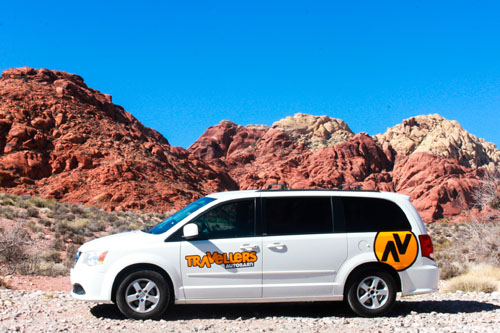
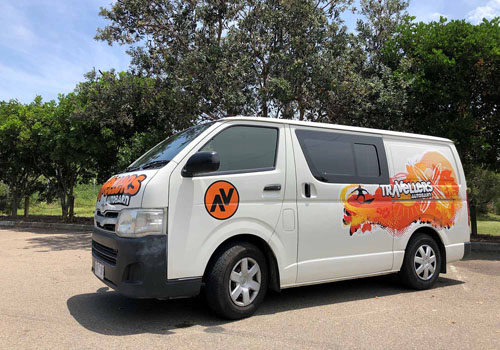
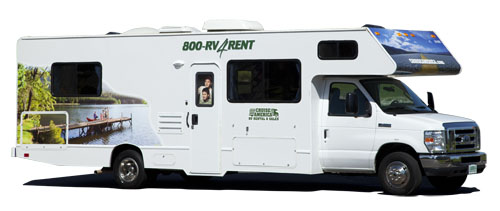
Selecting the right RV class significantly enhances your California road trip experience, with distinct options ideal for couples and families. For couples, Avi Bandana often recommends a Class B Camper Van due to its excellent maneuverability and fuel efficiency, making it perfect for navigating scenic byways, parking in smaller spots, and exploring urban outskirts. Our global fleet typically features Class B units averaging approximately 5.8 meters in length, offering 3.2 sleeping places for 2.7 adults, with common fuel consumption around 8-10 Liters/100 km. These compact campervans, like a "V2L" with a 5.99m length and 100 liter fresh water tank, or a "luxury rv rentals example Carthago Malibu 600" at 5.99m length and 80 liter refrigerator, are nimble and easy to handle. For families, a Class C Alcove RV provides more spacious living areas and amenities, comfortably accommodating multiple travelers. Bandana's global fleet typically features Class C models averaging 7.5 meters in length, with 5.8 sleeping places for 4.4 adults, consuming around 10-12 Liters/100 km, with the over-cab bunk being a popular feature for children. Examples like the "24 Class C Motorhome" with a 7.46m length and 166 liter fresh water tank, or a "CA-25" at 7.6m length, 151 liter fresh water tank and a 150 liter refrigerator, offer plenty of room. No special license is required for any of these motorhome classes, just a standard car driver's license. Consider Bandana's Rent&Plan service, which combines your RV rental with a ready-made itinerary, expertly designed by travel professionals, eliminating the hassle of route research and logistics. Our true RV specialists are here to guide you, not a side department of a generic travel agency.How much does it cost to rent an RV in California?
The cost to rent an RV in California is dynamic, much like flight tickets, and varies significantly based on factors like RV class, rental duration, seasonality, and supplier marketing decisions. Generally, rental rates typically range from approximately $100-$250 per night for a smaller Class B Camper Van and $250-$400+ per night for a larger Class C or Class A motorhome, not including additional expenses. Prices tend to peak during the summer months (June-August) and major holidays. Beyond the base rental, fuel costs are a major component, as California gas prices are higher than the national average, and RVs typically consume 10-15 Liters/100 km. For example, Bandana's Class C models average 10-12 Liters/100km. Campground fees also vary widely: you might pay $20-$70 per night for more basic sites in state or national parks (often with limited hookups), while private RV resorts with full hookups and abundant amenities can range from $50-$150+ per night. Other potential expenses include insurance upgrades (like our top-level deductible reimbursement for peace of mind), convenience kits, mileage packages (if not unlimited), propane refills, dump station fees, and activity costs. At Bandana, we believe in full transparency, so what you see is what you pay, with no hidden fees or surprises at pickup. For a detailed breakdown of all potential ancillary costs, RV PLANET routes allows you to itemize and track every expense, ensuring easy budgeting for your entire trip.What is the best month to RV in California?
The best months to RV in California are generally April-May (spring) and September-October (fall), offering a sweet spot of pleasant weather, fewer crowds, and accessible roads without extreme temperatures or peak season congestion. Spring provides mild temperatures, a vibrant display of wildflowers, and full waterfalls in national parks like Yosemite, making it ideal for both coastal drives and desert exploration before intense summer heat sets in. Fall offers warm, clear days and cool nights, especially in the Sierra Nevada, where you can witness stunning autumn foliage and reduced post-summer crowds. This makes autumn an excellent time for visiting all regions. Summer (June-August) is California's peak tourist season, characterized by high costs, significant crowds, and extreme desert heat, often exceeding 38°C (100°F). It also coincides with an increased risk of fire season in many areas. Winter (November-March) is best for exploring the mild deserts and Southern California beaches, but it brings heavy snowfall to the Sierra Nevada, leading to significant road closures like Tioga Pass and requiring careful planning for winterized RVs or tire chains. Considering these factors is crucial for an enjoyable trip, whether you're looking for Luxury RV Rental in California - Premium Prices 2024 or more budget-friendly options.What do I need to know about renting an RV for the first time?
First-time RV renters should prioritize understanding their vehicle, planning manageable daily drives, familiarizing themselves with RV systems, and securing campground reservations well in advance for popular California destinations. Before hitting the road, a thorough walkthrough of your rented motorhome is crucial to understand all controls, vehicle dimensions (height, length, weight), and driving nuances, as RVs handle differently than standard cars. It’s also vital to learn basic RV systems, such as how to hook up to shore power, fill and conserve fresh water, and responsibly manage gray and black water tanks by locating designated dump stations. Packing essentials should go beyond personal items to include an RV-specific GPS, information for comprehensive roadside assistance, a basic toolkit, a first-aid kit, and sufficient water and supplies for any remote areas you plan to visit. For popular California state and national parks, making campground reservations months in advance is often necessary, especially during peak seasons. However, many national and state parks reserve 25-30% of spots for first-come-first-serve arrivals, so you'll always find a spot, even if not at the first campground, then the next one. Just remember to call ahead before driving. Lastly, budget comprehensively to include rental costs, fuel (which is generally higher in California), campground fees, groceries, and any planned activities, keeping in mind that prices are dynamic. Our RV Rental Deals in California - Latest Offers 2024 page can help you find current promotions.What RV parks are in California?
California offers an extensive network of RV parks, ranging from rustic state and national park campgrounds to luxurious private RV resorts, alongside numerous opportunities for dispersed camping (boondocking) on public lands. National Parks like Yosemite, Joshua Tree, and Death Valley provide campgrounds that are often basic, with limited hookups, requiring early reservations, and sometimes adhering to strict RV length limits. California State Parks, such as Pismo State Beach or Pfeiffer Big Sur State Park, offer diverse camping experiences, from dry camping to some hookup sites, with reservations typically managed via ReserveCalifornia. Private RV resorts, including well-known chains like KOA or Jellystone, offer full hookups, abundant amenities like pools, Wi-Fi, and laundry facilities, and are conveniently located throughout the state near major attractions. For those seeking a more off-grid experience, dispersed camping or boondocking is permitted on much of California's Bureau of Land Management (BLM) and National Forest lands. These spots offer free, primitive camping but require self-sufficiency and strict adherence to 'leave no trace' principles and local regulations, which generally limit stays to 14 days in one location. When choosing parks for your rented camper, consider access to essential services like dump stations and fresh water refills, especially for remote or boondocking locations, and be aware of any pet restrictions, as many state and national parks have stricter rules compared to generally more pet-friendly private campgrounds. For options on shorter trips, check out Weekly RV Rental in California - Pricing 2024.What is the best way to travel around California?
For exploring California's diverse landscapes and iconic routes at your own pace, an RV offers the best combination of flexibility, comfort, and direct access to natural attractions, providing a unique alternative to traditional car and hotel travel. Renting a motorhome provides the freedom to set your own schedule, prepare meals in your onboard kitchen, avoid multiple hotel check-ins, and stay immersed in nature, often camping directly within national and state parks. When it comes to navigating major cities like San Francisco or congested areas like Malibu in a large RV, drive slowly and carefully, and you can drive almost anywhere without issues. No need to stress - just use common sense and pay attention to your surroundings, traffic, and available parking. Consider parking on city outskirts and utilizing public transport or ride-sharing for urban excursions. When encountering winding mountain roads, such as those on Highway 1 or near Yosemite, drive slowly, use lower gears, and always check road conditions, especially for potential snow closures in winter. Choosing the right RV type is crucial for your comfort and ease of travel: a Class B Camper Van offers excellent maneuverability for urban environments and tight coastal roads, while a Class C Alcove provides a good balance of space and manageability for most highways and parks. Larger Class A motorhomes are generally best suited for open highways and dedicated RV resorts. For specific city excursions or areas inaccessible by RV, consider using public transportation or utilizing ride-sharing services from your campground. If you're planning a multi-state adventure, our One-Way RV Rental in California - Price Guide 2024 can help you plan your journey.What You Shouldn't Miss
- **Drive Highway 1 through Big Sur:** Experience one of the world's most scenic coastal drives, marveling at dramatic cliffs, redwood forests, and the iconic Bixby Bridge. Be sure to check for road closures before you go.
- **Explore Yosemite National Park:** Witness the grandeur of El Capitan, Half Dome, and Yosemite Falls. Plan ahead for permits and campground reservations, especially during peak seasons, and be aware of seasonal road closures like Tioga Pass.
- **Discover the Deserts:** Visit Joshua Tree National Park for its unique trees and rock formations, or experience the extreme landscapes of Death Valley National Park, including camping below sea level at Furnace Creek.
- **Indulge in Local Flavors:** Seek out authentic Mexican cuisine in Southern California, fresh seafood in coastal towns like Monterey, and farm-to-table dining experiences throughout the state.
- **Visit a California Mission:** Immerse yourself in California's rich history by exploring one of the 21 historic Spanish missions dotting the state, offering a glimpse into its colonial past.
Looking for expert insights from Avi Bandana? Top 5 Adventures - recommendations from Avi Bandana.
Final Thoughts
California truly is a dream destination for a motorhome adventure, offering an incredible variety of landscapes and experiences that are perfectly suited for exploring at your own pace. From sun-kissed beaches to towering national parks, the freedom of a rented RV allows you to craft a journey that’s uniquely yours. Remember our philosophy: travel slowly, aim for a maximum of 100-150 km per day on average, and take the time to truly feel the place, connect to the local culture, savor the food, and immerse yourself in the stunning scenery. At Bandana, we're with you every step of the way, offering full transparency and unwavering support before, during, and after your booking. We take care of the small details so you can focus on the big adventure. So, imagine yourself on the route, the open road ahead, and the endless possibilities of California unfurling before you. We're here to help make that vision a reality. Get inspired for your next trip and discover top destinations, planning tips, all in one place!On the routes offered through RV PLANET routes, you can itemize and track every expense along the way for easy budgeting.