For live availability and current prices, start with our RV Rental Zambia - Complete Guide 2026 guide.
In This Guide
- Can You Drive an RV in Zambia? License & Age Rules
- Road Conditions & Terrain in Zambia
- RV Size Limits, Bridges & Restricted Zones
- Fuel: Diesel vs. Petrol & Cost per 100 km
- Tolls, Vignettes & Border Rules
- Driving Tips for RV Rental for Seniors Travelers
- Recommended RV Class for Zambia Roads
- Should I Choose a Compact Van Instead of a Large RV in Zambia?
- Can I Park Anywhere? Free & Wild Camping Rules in Zambia
- Can I Drive an RV Into the City Center? Heights, Tunnels & Local Signage
- How can seniors experience local culture during an RV trip in Zambia?
- Can I cross borders with a rented RV from Zambia to neighboring countries?
- How to stay connected while RVing in Zambia?
- What should I pack for an RV trip in Zambia?
- What are the advantages of RV travel for seniors in Zambia compared to other options?
Can You Drive an RV in Zambia? License & Age Rules
Foreigners can generally drive an RV in Zambia with a valid international driving permit (IDP) alongside their national license. A standard driver's license, often equivalent to a Class B or C in many countries, is usually sufficient for RVs up to 3,500 kg (7,700 lbs) Gross Vehicle Mass (GVM). For RVs exceeding 3,500 kg GVM, a higher license category may be required, so renters should verify their license validity with the rental provider. The minimum driver age for RV rental in Zambia typically ranges from 21 to 25 years, though some companies may have a higher minimum age for certain vehicle classes or a maximum age for seniors, often requiring a medical certificate.
Road Conditions & Terrain in Zambia
Zambia's main arterial roads connecting major cities are generally paved and in reasonable condition, but secondary roads, especially those leading to national parks and remote areas, are often unpaved gravel or dirt tracks, requiring cautious driving. Road quality can vary significantly, with potholes being common even on tarred sections, necessitating slower speeds and increased vigilance for senior drivers. The terrain across Zambia is largely flat to gently undulating, though some areas may present steeper gradients or more challenging surfaces, particularly during the wet season (November to April). Driving an RV in Zambia encourages a slower, more scenic pace, allowing seniors to enjoy the landscapes and respond safely to changing road conditions and potential wildlife encounters.
RV Size Limits, Bridges & Restricted Zones
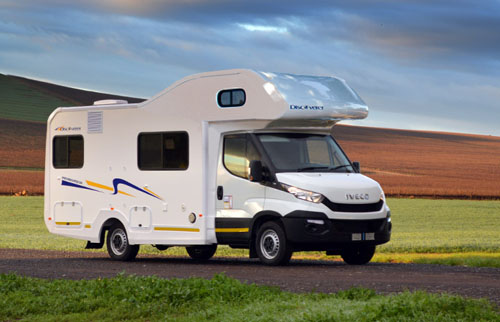
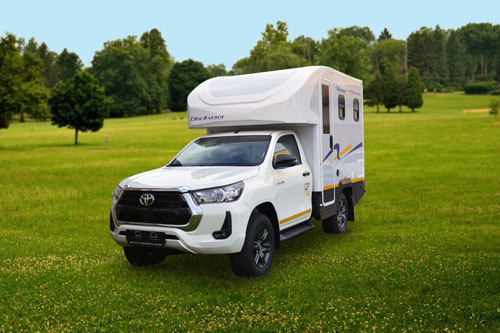
While Zambia does not have widespread RV size limits as found in some European cities, drivers should be aware of potential restrictions on specific roads, low bridges, or ferry crossings, especially when venturing off main routes. Larger RVs, such as the Class C - Alcove (averaging 7.5m in length) or Class A - Integrated (also averaging 7.5m), may require extra caution on narrow tracks or during tight turns. Specific weight limits might apply to older bridges, particularly in rural areas; however, environmental zones or widespread height restrictions are less common in Zambia compared to urbanized Western destinations. Always pay attention to local signage, especially near national parks or remote communities, which may indicate vehicle restrictions or requirements for 4x4 vehicles, which larger 2WD RVs may not meet on challenging terrain.
Fuel: Diesel vs. Petrol & Cost per 100 km
Diesel is the predominant fuel type for RVs in Zambia and is generally widely available at fuel stations in towns and along major routes, though availability can be sparse in very remote regions. Petrol (gasoline) is also available but less common for RVs; most rental RVs, including Bandana's Class SI - Semi-integrated and Class C - Alcove units, typically run on diesel. Based on Bandana's global fleet averages, a Class SI - Semi-integrated RV typically consumes 10-11 Liters/100 km, while a Class C - Alcove RV averages 10-12 Liters/100 km. The cost per 100 km will vary with current fuel prices, but considering these consumption rates, it's essential to factor fuel into your budget, as prices can be higher than in neighboring countries, and remote stations might have inflated costs or limited supply.
Tolls, Vignettes & Border Rules
Zambia has a system of road tolls on major highways that RV drivers will encounter; these are typically paid cash at toll gates, though electronic payment options are increasing. Specific vignette requirements for Zambia or its immediate neighbors were not provided, but generally, RVs crossing borders will need to pay specific road access fees, carbon taxes, and potentially obtain temporary import permits for the vehicle. When planning border crossings, seniors should anticipate potential delays and ensure all vehicle and personal documentation (passports, visas, vehicle registration, rental agreement, letter of authorization from the rental company, insurance, and IDP) are in order. While some rental motorhomes might allow for pre-purchasing toll passes in other regions, travelers to Zambia should confirm this with their rental provider or be prepared for cash payments at toll booths and border posts. On the routes offered through RV PLANET routes, you can itemize and track every expense along the way for easy budgeting.
Driving Tips for RV Rental for Seniors Travelers
Prioritize daytime driving: Avoid driving at night due to poor road conditions, limited visibility, unlit vehicles, and wildlife on roads. Maintain a moderate pace: Zambia's roads vary significantly, so driving slower allows for better reaction time to potholes, gravel, and unexpected obstacles, enhancing safety and comfort. Plan fuel stops: Fuel stations can be far apart in remote areas; senior travelers should refuel frequently and carry extra fuel if venturing into very isolated regions. Stay hydrated and take breaks: Regularly scheduled stops every 2-3 hours are crucial for comfort, hydration, and preventing driver fatigue, particularly in Zambia's warm climate. Carry emergency supplies: A well-stocked first-aid kit, satellite phone or local SIM with data, sufficient water, and basic recovery gear are essential for self-sufficiency in remote areas.
Recommended RV Class for Zambia Roads
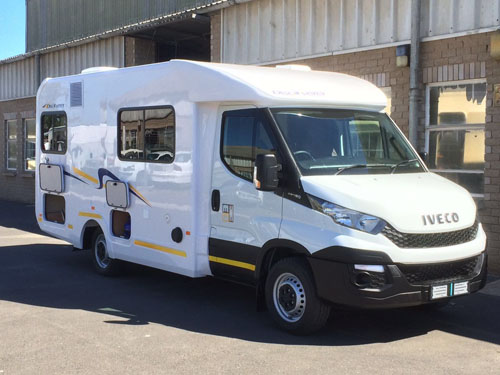
For seniors traveling in Zambia, a Class SI - Semi-integrated RV or a Class C - Alcove RV is often recommended for a balance of comfort and capability on varying road conditions. Class SI - Semi-integrated RVs, with an average length of 6.9 meters and typically robust chassis, offer good maneuverability and sufficient living space for up to 3-4 adults. Class C - Alcove RVs, averaging 7.5 meters in length and designed to accommodate 4-5 adults, provide more interior space and often higher ground clearance, which can be beneficial on Zambia's unpaved roads. While Class B - Camper Vans (averaging 5.8m) offer superior maneuverability, the added comfort and amenities of larger RVs often outweigh the slight increase in size for seniors undertaking longer trips in Zambia.
Should I Choose a Compact Van Instead of a Large RV in Zambia?
While a compact camper van (like Bandana's Class B - Camper Van, averaging 5.8m in length) offers excellent maneuverability and fuel efficiency, choosing a larger RV in Zambia often provides significantly more comfort and indoor living space, which can be a greater priority for senior travelers. In Zambia, most main roads and safari routes are wide enough for larger RVs, making the maneuverability advantage of compact vans less critical than in crowded European city centers or very narrow mountain passes. A larger RV, such as a Class SI - Semi-integrated or Class C - Alcove, typically offers a full kitchen, larger bathroom, and more spacious sleeping areas, enhancing the self-sufficiency and overall enjoyment of a senior RV trip. However, a compact van might be genuinely advantageous for navigating extremely tight village roads, accessing less developed campsites, or for those prioritizing minimal fuel consumption and nimble driving. For ideas you can prep on the road, watch our RV-friendly recipes playlist on YouTube.
Can I Park Anywhere? Free & Wild Camping Rules in Zambia
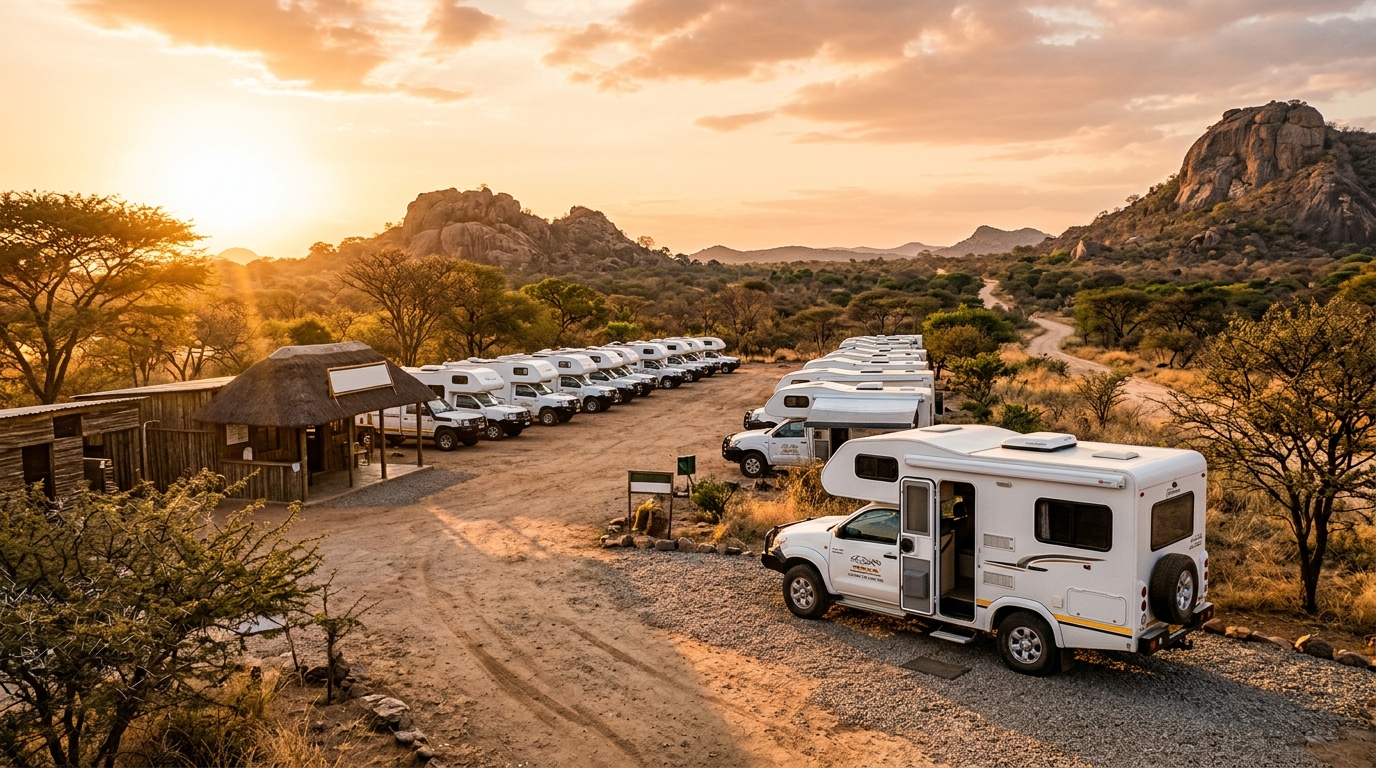
Free or 'wild' camping is generally discouraged and often illegal in Zambia, particularly within national parks, game management areas, and private land, due to safety concerns, environmental impact, and wildlife presence. It is always recommended for RVers to stay at designated campsites or lodges, which provide security, amenities, and often offer a more controlled environment for wildlife viewing. Specific local regulations regarding wild camping were not provided, but the general rule of thumb in African safari destinations is to avoid unofficial overnight parking. Rules vary by region—always check local regulations and follow local law before parking overnight, and where possible, obtain permission from landowners or local authorities for any non-designated stop.
Can I Drive an RV Into the City Center? Heights, Tunnels & Local Signage
Generally, yes, RVs can be driven into most city centers in Zambia, as urban infrastructure is less restrictive than in many European cities. Drivers should, however, remain vigilant for local signage indicating height limits for specific underpasses or parking garages, though low tunnels are rare in Zambia's urban areas. While environmental zones or residents-only streets are not common in Zambian cities, traffic congestion, especially in Lusaka and other major towns, can be challenging for larger vehicles. Parking for RVs within city centers may be limited to designated parking areas or require careful searching for suitable spaces; using a smaller vehicle or public transport for city exploration after parking on the outskirts is often a convenient option for seniors.
How can seniors experience local culture during an RV trip in Zambia?
Seniors can immerse themselves in Zambian culture by visiting bustling local markets in towns like Lusaka, Livingstone, or smaller villages, which offer insights into daily life and opportunities to purchase local crafts. Engaging with community tourism projects, often found near national parks or cultural heritage sites, provides direct interaction with local people and supports their livelihoods. Participating in village tours, attending traditional dance performances, or simply stopping at roadside stalls to interact with vendors offers authentic cultural experiences. Responsible engagement guidelines include asking for permission before taking photos, dressing modestly, learning a few basic phrases in local languages like Bemba or Nyanja, and being respectful of local customs and traditions.
Can I cross borders with a rented RV from Zambia to neighboring countries?
Yes, it is generally possible to cross borders with a rented RV from Zambia into neighboring countries like Botswana, Namibia, Zimbabwe, and sometimes Tanzania, but it requires prior arrangement and specific documentation from the rental company. Renters must inform their RV rental provider of their international travel plans in advance to obtain a 'Letter of Authorization' or 'Cross Border Permit,' which is crucial for border officials. Expect to pay various fees at each border crossing, including road access tolls, carbon taxes, and potentially temporary import permits for the vehicle, which vary by country. Ensure all vehicle papers, personal identification, visas, and international driving permits are in order and readily accessible, as border procedures can be time-consuming and meticulous.
How to stay connected while RVing in Zambia?
To stay connected while RVing in Zambia, purchasing a local SIM card upon arrival from providers like MTN, Airtel, or Zamtel is the most practical solution for mobile data and calls. Mobile data coverage is generally reliable in urban centers and along major highways but can become sporadic or non-existent in remote areas, particularly within national parks. For extensive travel in very remote regions or deep within national parks, considering a satellite phone rental can provide essential emergency communication where mobile networks fail. Wi-Fi is often available at larger lodges and some campsites, but its speed and reliability can vary, so don't rely solely on it for critical communication.
What should I pack for an RV trip in Zambia?
For an RV trip in Zambia, seniors should pack lightweight, breathable clothing, comfortable walking shoes, sun protection (hat, sunglasses, high-SPF sunscreen), and insect repellent. Essential RV-specific items include recovery gear (tow rope, jump cables), a basic toolkit, tire repair kit, and a reliable first-aid kit well-stocked for remote travel, including any personal medications. Cooking essentials if self-catering, a water purification system or ample bottled water, a cooler, and a reliable headlamp or flashlight are also crucial. Don't forget binoculars for wildlife viewing, cameras, power banks for electronics, a local SIM card, and all necessary travel documents (passport, IDP, rental agreement).
What are the advantages of RV travel for seniors in Zambia compared to other options?
RV travel offers seniors unparalleled flexibility and independence in Zambia, allowing them to set their own pace, choose their destinations, and linger longer in places they enjoy, which is ideal for a relaxed trip. Self-driving an RV provides comfort and familiarity, with seniors able to cook their own meals and relax in a private space, making the journey feel more like a home away from home compared to multiple lodge stays. It can be a more cost-effective option for extended trips or for those who prefer self-catering over expensive lodge meals, offering a balanced budget for accommodation and transport. Compared to guided tours, RV travel provides direct immersion into the landscape and local life, offering a unique adventure experience, though it requires more planning and self-reliance.
Final Thoughts
Embarking on an RV adventure in Zambia as a senior traveler offers a unique blend of freedom, flexibility, and immersive experiences. By understanding the local driving conditions, adhering to regulations, and choosing the right vehicle, you can ensure a comfortable and unforgettable journey.
The vast landscapes, abundant wildlife, and rich cultural tapestry of Zambia await. With proper planning and a spirit of adventure, your RV trip promises to be an enriching experience, creating memories that will last a lifetime. Get inspired for your next trip and discover top destinations and planning tips all in one place!
Plan your trip itinerary in advance with minimal effort and maximum enjoyment. Compare RV rental prices for Zambia and find the perfect vehicle for your adventure!