For live availability and current prices, start with our RV Rental Tokyo - Airport - Complete Guide 2026 guide.
In This Guide
- Can You Drive an RV in Tokyo - Airport? License & Age Rules
- Road Conditions & Terrain in Tokyo - Airport
- RV Size Limits, Bridges & Restricted Zones
- Fuel: Diesel vs. Petrol & Cost per 100 km
- Tolls, Vignettes & Border Rules
- Driving Tips for RV Rental for Seniors Travelers
- Recommended RV Class for Tokyo - Airport Roads
- Should I Choose a Compact Van Instead of a Large RV in Tokyo - Airport?
- Can I Park Anywhere? Free & Wild Camping Rules in Tokyo - Airport
- Can I Drive an RV Into the City Center? Heights, Tunnels & Local Signage
- What are the RV pickup and drop-off procedures at Tokyo Narita (NRT) or Haneda (HND) Airports?
- Where can I park an RV at Tokyo Narita (NRT) or Haneda (HND) Airports?
- Where can I legally park my RV for the first night near Tokyo Airports after pickup?
- Where can I find RV dump stations and water refills near Tokyo Airports?
- How much does an RV rental for seniors in Tokyo cost, including hidden fees and specific RV expenses?
- How do seniors navigate out of Tokyo Airports and congested areas with an RV?
Can You Drive an RV in Tokyo - Airport? License & Age Rules
Yes, seniors can comfortably drive an RV in Tokyo and the surrounding areas, provided they meet the licensing and age requirements. A standard car driver's license, when accompanied by an International Driving Permit (IDP) valid for the 1949 Geneva Convention, is sufficient for most RVs up to 3.5 tons and accommodating 7-8 passengers. Japan does not recognize foreign licenses alone; an IDP is essential. The minimum driver age for RV rentals typically starts at 20 or 21, though some rental providers might have stricter age limits, potentially 25 for larger Class A motorhomes. Always confirm with your chosen rental provider about specific requirements, especially if your selected RV exceeds 3.5 tons, as a different license category might be necessary.
Road Conditions & Terrain in Tokyo - Airport
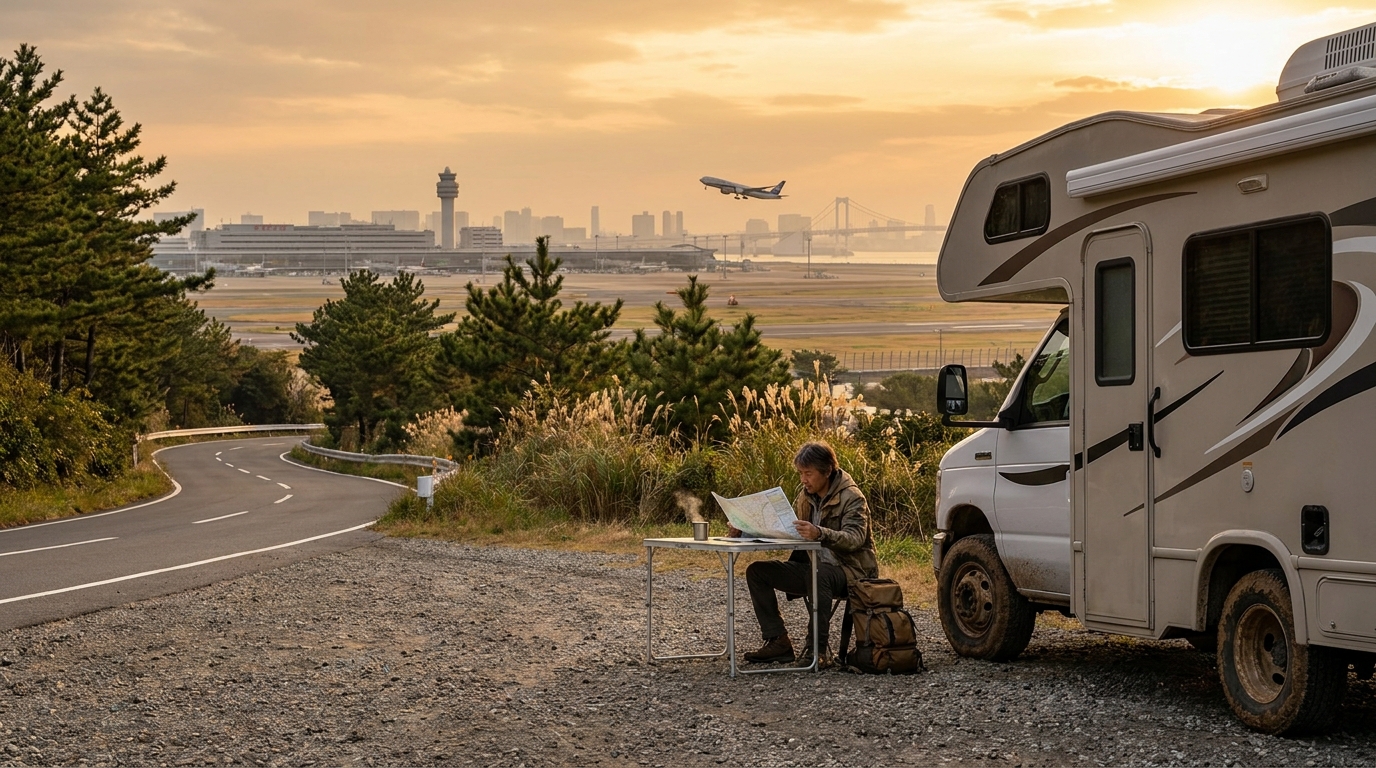
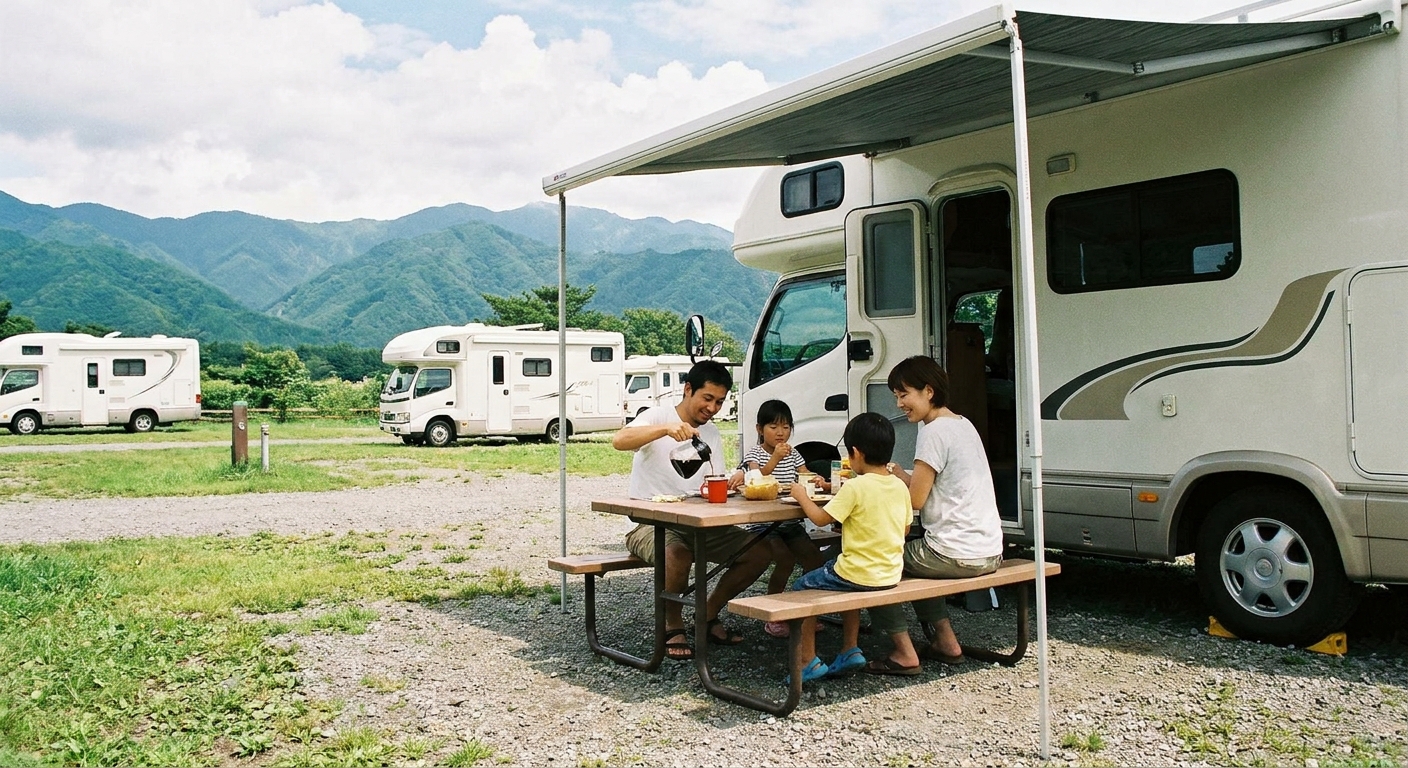
The road conditions around Tokyo and its airports, Narita (NRT) and Haneda (HND), are excellent, featuring well-maintained, paved highways and urban streets ideal for RV travel. Major expressways connecting these airports are smooth, multi-lane, and perfectly suitable for larger vehicles. While Tokyo's urban areas can be congested, requiring patient navigation with a bigger vehicle, roads leading to scenic regions outside the city are generally well-paved, encouraging a relaxed, scenic driving pace that is particularly enjoyable for seniors. Gravel roads are rare on primary routes, ensuring most destinations are accessible via smooth, paved surfaces.
RV Size Limits, Bridges & Restricted Zones
Most standard RVs from Bandana's global fleet can navigate Japan's road network without issue, but drivers must remain mindful of height restrictions, especially in urban parking garages, certain tunnels, and narrower local roads. Height limits can be as low as 2.1-2.5 meters (approximately 7-8 feet) in underground parking or older tunnels. Bandana's fleet typically includes Class B Camper Vans around 5.8 meters long and Class SI Semi-integrated RVs around 6.9 meters, which generally fit under most highway overpasses, but always observe signage. Japan does not have widespread 'environmental zones' that restrict RVs by emissions. Always pay attention to '高さ制限' (Kōsa Seigen - Height Limit) signs, particularly when entering urban areas or parking facilities.
Fuel: Diesel vs. Petrol & Cost per 100 km
Both diesel ('軽油' - Keiyu) and petrol ('レギュラー' - Regular / 'ハイオク' - High Octane) are widely available at Japanese service stations. Most RVs available through Bandana's global fleet typically run on diesel. Based on fleet averages, Class B Camper Vans consume around 8-10 liters per 100 km, Class SI Semi-integrated RVs use 10-11 liters per 100 km, and Class C Alcove models consume 10-12 liters per 100 km. As of 2026, fuel prices can be approximately ¥170-¥185 per liter for petrol, with diesel often being slightly less expensive. This translates to an estimated fuel cost of roughly ¥1360-¥2220 per 100 km for most RVs. On the routes offered through RV PLANET routes, you can itemize and track every expense along the way for easy budgeting.
Tolls, Vignettes & Border Rules
Japan features an extensive toll road network, known as Expressways, with costs calculated based on distance traveled and vehicle class. Payment is commonly made via an ETC (Electronic Toll Collection) card, which can often be rented along with your RV. There are no vignettes required; tolls are strictly pay-per-use. It's important to note that RVs may sometimes be classified in a slightly higher vehicle category than standard cars for toll calculation purposes. Ensuring your ETC card is functional or being prepared for manual payment at toll booths is crucial, as fines for non-payment are significant. This guide focuses on domestic travel within Japan, so international border rules are not applicable here.
Driving Tips for RV Rental for Seniors Travelers
When driving an RV in Japan, especially for seniors, pacing is key. Opt for shorter driving days, incorporating frequent stops to manage potential jet lag and fully appreciate the scenery. Choosing an RV with an automatic transmission can significantly reduce driving fatigue, particularly in the busier urban traffic. Utilizing a reliable GPS system that offers English voice guidance is highly recommended for navigating Japanese addresses and routes. Pre-booking your first night's campground or a Michi-no-Eki near the airport is a smart move for a comfortable initial stop. Ensure you're well-rested, take regular breaks, and switch drivers if possible to manage fatigue. Familiarizing yourself with common Japanese road signs, many of which use international symbols, will also enhance your confidence on the road.
Recommended RV Class for Tokyo - Airport Roads
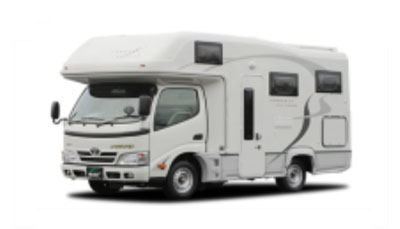
For seniors exploring Japan, a Class B Camper Van or a Class SI Semi-integrated RV is generally recommended. These classes offer a good balance of maneuverability and interior comfort. Class B Camper Vans, averaging around 5.8 meters in length from Bandana's global fleet, are highly maneuverable for narrower roads and easier parking, typically suiting 2-3 adults. Class SI Semi-integrated RVs, averaging 6.9 meters in length, provide more interior space and amenities for enhanced comfort, while still remaining manageable on Japanese roads. Larger Class C Alcove (around 7.5m) and Class A Integrated (also around 7.5m) RVs offer maximum living space but can present more challenges for urban navigation and parking. Both Class B and SI RVs generally offer good fuel efficiency, averaging 8-11 liters per 100 km from Bandana's fleet.
Should I Choose a Compact Van Instead of a Large RV in Tokyo - Airport?
While a compact campervan (Class B) offers superior maneuverability for navigating tight urban spaces and parking lots, a larger RV, such as a Class SI or C, provides significantly more comfort, living space, and amenities, which is often preferable for seniors on longer trips. Compact vans are easier to drive and park in dense city centers and smaller lots, and they consume less fuel (Bandana's fleet averages 8-10 L/100km). However, larger RVs offer dedicated sleeping areas, bigger bathrooms, ample storage, and enhanced indoor living spaces, greatly improving comfort during multi-day trips or inclement weather. While major highways from Tokyo airports are manageable for both compact and larger RVs, maneuverability challenges are primarily confined to deeper urban centers. For seniors, the added comfort and on-board facilities of a larger RV often outweigh minor maneuverability concerns, unless frequent navigation through extremely narrow city streets is a planned itinerary focus.
Can I Park Anywhere? Free & Wild Camping Rules in Tokyo - Airport
In Japan, particularly near Tokyo airports and urban areas, true 'free' or 'wild' camping in an RV is generally not permitted outside designated campgrounds or specific 'Michi-no-Eki' (Roadside Stations). These Michi-no-Eki often allow overnight parking for RVs and provide essential facilities like restrooms and shops, serving as legal, budget-friendly overnight spots, though they are primarily parking areas, not full-service campgrounds. For complete RV amenities such as hookups and dump stations, designated campgrounds are essential and should ideally be booked in advance. Parking at Narita or Haneda Airports is strictly for vehicle storage while you are away, not for overnight camping. Rules can vary by region, so always verify local regulations and adhere to local law before parking overnight.
Can I Drive an RV Into the City Center? Heights, Tunnels & Local Signage
Yes, it is generally possible to drive an RV into Tokyo's city center, but it requires careful attention to local signage, particularly for height restrictions in parking garages, and a readiness to navigate dense traffic. Major roads leading into Tokyo are well-maintained and accommodate standard RV sizes. The primary challenges in the city center revolve around finding suitable RV parking, managing heavy traffic, and adhering to height limits in parking structures, which are often around 2.1-2.5 meters. Always be observant of '高さ制限' (Kōsa Seigen - Height Limit) and '幅制限' (Haba Seigen - Width Limit) signs. While broad environmental zones are not common, some residential streets might have specific restrictions. Using GPS to locate RV-friendly parking, such as surface lots or peripheral RV parks, and avoiding narrow lanes is advisable. For central Tokyo sightseeing, many seniors find it more convenient to park their RV on the outskirts and utilize Japan's excellent public transportation system.
What are the RV pickup and drop-off procedures at Tokyo Narita (NRT) or Haneda (HND) Airports?
RV pickup and drop-off at Tokyo Narita (NRT) or Haneda (HND) Airports typically involve a shuttle service or pre-arranged transfer to an off-site rental depot, as RVs are too large for direct terminal parking. Rental companies operate depots a short distance, usually 15-45 minutes, from the airport terminals. Upon arrival, you'll need to contact your rental provider to arrange a shuttle from a designated airport meeting point to their depot. At the depot, expect a comprehensive orientation to your RV and local driving regulations. For drop-off, you'll return the RV to the depot, complete the inspection process, and then be shuttled back to the airport terminal. Confirming the exact procedures, meeting points, and shuttle schedules with your rental company well in advance is highly recommended.
Where can I park an RV at Tokyo Narita (NRT) or Haneda (HND) Airports?
RVs cannot be parked overnight in the main passenger parking lots at Tokyo Narita (NRT) or Haneda (HND) Airports for camping purposes; these facilities are designated for vehicle storage only. Official long-term airport parking is available for storing your RV while you're away, but it incurs daily fees and does not permit living in the vehicle. As mentioned, rental companies utilize off-site depots, providing shuttle services to and from the airport terminals for pickup and drop-off. It is essential to avoid planning to stay overnight in your RV at the airport itself. Instead, seek out nearby campgrounds, Michi-no-Eki, or dedicated RV parks for your first or last night. For added convenience, consider staying at an airport hotel for your initial and final nights, arranging RV pickup or drop-off for the day after or before your flights to ease into or out of your driving experience without immediate stress.
Where can I legally park my RV for the first night near Tokyo Airports after pickup?
After picking up your RV near Tokyo Narita (NRT) or Haneda (HND) Airports, the safest and most legal options for your first overnight stay include designated campgrounds, RV parks, or specific Michi-no-Eki (Roadside Stations) located within a reasonable driving distance. Proactive planning for your first night's accommodation is crucial to avoid lengthy drives while potentially jet-lagged and unfamiliar with the vehicle. Several campgrounds and RV parks are conveniently situated within a 1-2 hour drive of both airports, offering necessary amenities. Michi-no-Eki can be legal and convenient for overnight parking; always verify which ones permit overnight RV stays using RV-specific apps or travel guides. Booking your first night in advance is highly recommended, especially during peak seasons, to guarantee a comfortable and secure resting spot. It's best to avoid parking in random public car parks, undesignated rest areas, or residential zones, as these are often illegal and can lead to fines.
Where can I find RV dump stations and water refills near Tokyo Airports?
RV dump stations for gray and black water, along with fresh water refill points, are primarily located at designated RV parks, official campgrounds, and occasionally at larger Michi-no-Eki (Roadside Stations) situated outside the immediate Tokyo airport vicinities. RV-specific service facilities are not typically available directly at Narita or Haneda Airports. It's vital to plan your itinerary to include stops at campgrounds or RV parks that offer these essential services, as standalone dump stations are less common in Japan. Many Michi-no-Eki provide public restrooms and potable water, but dedicated gray/black water dump facilities are rarer; always verify availability beforehand. Utilizing RV-specific apps or travel guides (such as 'RV Park Japan') can help locate nearby facilities, particularly for your initial journey. Consider booking your first campground with full hookups to easily manage waste and water needs immediately after RV pickup.
How much does an RV rental for seniors in Tokyo cost, including hidden fees and specific RV expenses?
The total cost of an RV rental for seniors in Tokyo encompasses the base rental rate, mandatory insurance, fuel, tolls, and specific RV expenses like campground fees and optional extras, necessitating careful budgeting. Base rental rates fluctuate based on RV class, season, and rental duration, with higher costs typically expected during peak travel periods. Comprehensive insurance, often including deductible reduction options, is mandatory and a critical cost consideration for seniors. Fuel expenses, based on Bandana's fleet average of 8-12 liters per 100 km and current Japanese fuel prices, will represent a significant ongoing cost. Tolls on Japan's extensive Expressway network are substantial; an ETC card is recommended for convenience and potential discounts. Additionally, budget for RV-specific parking fees, which may be higher than for standard cars, and nightly campground fees, typically ranging from ¥2,000 to ¥6,000 or more per night. Optional extras such as GPS rental, bedding, kitchenware, additional driver fees, and one-way rental fees will further contribute to the total cost. It is crucial to thoroughly review the rental agreement for all potential charges to avoid unexpected expenses.
How do seniors navigate out of Tokyo Airports and congested areas with an RV?
Seniors can confidently navigate out of Tokyo Narita (NRT) or Haneda (HND) Airports and through congested areas in their RV by utilizing GPS, sticking to major highways, adopting a relaxed pace, and ideally scheduling pickup during off-peak traffic hours. Employing a reliable GPS unit (either a rental unit or using Google Maps) to pre-plan your exit route, prioritizing major expressways designed for larger vehicles, is essential. Aim to schedule your RV pickup and initial departure outside of Tokyo's peak rush hours, typically 7-9 AM and 5-7 PM on weekdays, to minimize congestion and stress. If traveling with a companion, a co-pilot can significantly aid in navigation, reading signs, and monitoring traffic to reduce driver fatigue. Consider a brief practice drive in a less congested area near the depot to familiarize yourself with the RV's dimensions and handling before embarking on complex routes. Taking frequent breaks at Japan's excellent expressway service areas (SA/PA) is also advisable if you feel tired or overwhelmed. Focus on the clear lane markings and the generally orderly flow of Japanese traffic, even in busy areas, to ensure a smooth experience.
What You Shouldn't Miss
- Explore the Imperial Palace East Garden: Wander through the serene former grounds of Edo Castle, offering a peaceful escape amidst the city buzz.
- Experience the electric atmosphere of Shibuya Crossing: Witness the iconic scramble crossing from a viewpoint like the Shibuya Sky observation deck for a unique perspective.
- Visit Senso-ji Temple in Asakusa: Immerse yourself in Tokyo's oldest temple, absorbing the spiritual ambiance and exploring the Nakamise-dori market street.
- Enjoy a day trip to Hakone: Accessible via RV, this mountain resort town offers stunning views of Mt. Fuji, art museums, and hot springs.
- Discover the Ghibli Museum (Mitaka): A must-visit for Studio Ghibli fans, though tickets must be booked well in advance.
- Take a scenic drive along the coast: Explore areas like the Miura Peninsula for coastal views and charming seaside towns accessible with your RV.
Final Thoughts
Renting an RV for your senior travel adventure in Japan, starting from Tokyo's airports, offers an unparalleled blend of freedom, comfort, and cultural immersion. By understanding the specific driving nuances, licensing requirements, and road conditions, you can embark on a truly rewarding journey. Remember to plan ahead for your first night's stay and familiarize yourself with local regulations for parking and services.
Bandana Caravan is dedicated to making your RV rental experience seamless and transparent. We're here to ensure you have all the information needed to plan a comfortable and memorable trip, allowing you to focus on soaking in the beauty and culture of Japan. Get inspired for your next trip and start planning your Japanese RV adventure today!
Find Motorhome Rentals in Tokyo - Airport