In This Guide
- Can You Drive an RV in Romania? License & Age Rules
- Road Conditions & Terrain in Romania
- RV Size Limits, Bridges & Restricted Zones
- Fuel: Diesel vs. Petrol & Cost per 100 km
- Tolls, Vignettes & Border Rules
- Driving Tips for RV Rental for Seniors Travelers
- Recommended RV Class for Romania Roads
- Should I Choose a Compact Van Instead of a Large RV in Romania?
- Can I Park Anywhere? Free & Wild Camping Rules in Romania
- Can I Drive an RV Into the City Center? Heights, Tunnels & Local Signage
- What is the best time to visit Romania by RV?
- How do I plan an RV trip for seniors in Romania?
- What are the essential packing items for an RV trip in Romania?
- Where can I find RV service and amenities in Romania?
- What are the safety concerns for RV travel in Romania?
- How to get reliable internet in a Romanian RV?
- What are the cultural etiquette tips for RV travel in Romania?
- What documents do I need to cross borders with an RV in Romania?
Can You Drive an RV in Romania? License & Age Rules
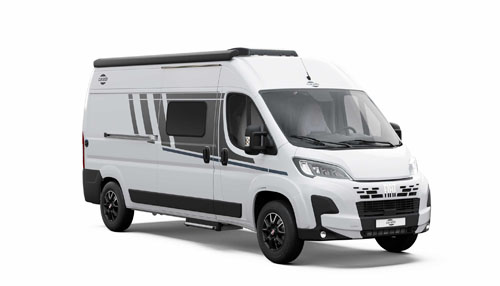
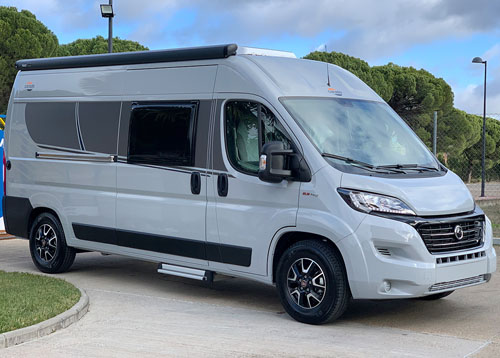
Most travelers with a standard B-category driving license from their home country can drive an RV in Romania, provided the vehicle's maximum authorized mass (MAM) does not exceed 3,500 kg. This means many popular campervan and smaller motorhome rentals, like Bandana's Class B Camper Vans (global fleet average length 5.8m, 3.2 sleeping places), are accessible with a standard license. For larger RVs, typically those weighing between 3,500 kg and 7,500 kg, a C1 category license is required. It’s essential to check your rental agreement and the specific vehicle's MAM. The minimum driving age in Romania is 18, but RV rental companies almost universally impose a higher age requirement, often 21 or 25, due to insurance stipulations, particularly for larger vehicle classes.
Non-EU/EEA license holders are strongly advised to obtain an International Driving Permit (IDP) to accompany their national license. While not always strictly enforced, an IDP can prevent potential misunderstandings with authorities and is often legally required for driving abroad, ensuring a smoother experience.
Road Conditions & Terrain in Romania
Romania's road conditions present a varied tapestry, from well-maintained modern highways to captivating, winding mountain routes and sometimes less-paved rural tracks. This diversity makes a leisurely, unhurried driving style ideal for RVers, encouraging exploration without haste. Major roads, such as the A-series motorways and European E-series routes, are generally in good condition and well-suited for RV travel, connecting major cities efficiently. However, venturing into mountainous regions, particularly the majestic Carpathian Mountains, reveals roads like the famous Transfăgărășan and the Transalpina (DN67C). These mountain passes are characterized by narrow, winding paths with steep ascents and descents, demanding careful and slow navigation from RV drivers.
Rural and secondary roads can be less predictable, occasionally featuring potholes, gravel sections, or even cobblestones in older villages. This necessitates extra caution and reduced speeds for all travelers, especially seniors who may prefer a more relaxed journey. Always allow ample time for travel, as average speeds on these non-highway roads can be considerably lower than anticipated. Embracing this slower pace allows for a more immersive experience of Romania's stunning landscapes and charming rural life.
RV Size Limits, Bridges & Restricted Zones
While Romania doesn't enforce universal, strict RV size limits nationwide, drivers must remain vigilant for local signage indicating height, weight, and width restrictions. These are particularly common in historic city centers, narrow rural roads, and mountainous regions where infrastructure may be older or more confined. Standard European height limits, typically around 3.5 to 4 meters, are crucial to observe for tunnels, underpasses, and some older bridges. Always check signs before proceeding, as an RV exceeding these limits could sustain damage or cause obstruction.
Weight limits can also affect larger or heavier RVs on some older bridges, especially in rural areas. Always be aware of your RV's maximum authorized mass (MAM). Environmental or low-emission zones, while less prevalent in Romania than in some Western European cities, could be introduced in specific urban areas. It's always prudent to verify local regulations for any city you plan to drive through. If your itinerary involves river crossings via ferries, such as along the Danube, check specific weight and length capacities in advance, though most standard RVs are typically accommodated without issue.
Fuel: Diesel vs. Petrol & Cost per 100 km
The vast majority of RVs available for rental globally, including Bandana's fleet, are diesel-powered. Diesel fuel is widely available at service stations across Romania and is typically priced at prevailing market rates. For example, Bandana's Class B Camper Vans generally consume between 8-10 Liters/100 km. Class SI Semi-integrated RVs average around 10-11 Liters/100 km, while Class C Alcove models typically use 10-12 Liters/100 km. Larger Class A Integrated RVs from Bandana's global fleet might consume 8-12 Liters/100 km, and more robust Class TC Truck Campers can average 12-17 Liters/100 km, depending on the specific model and driving conditions.
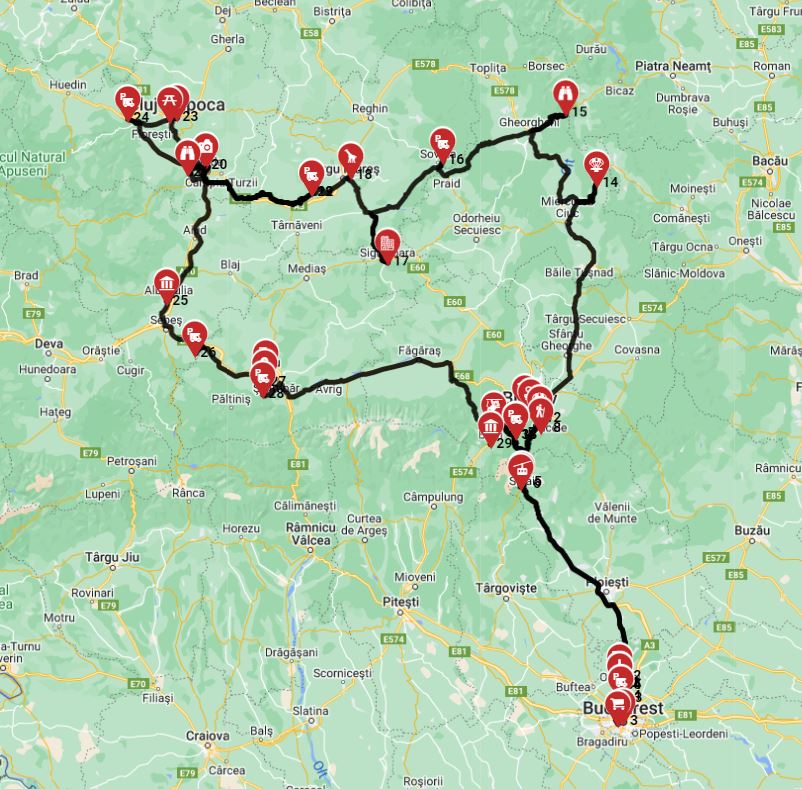
Diesel (Motorină) is more common for RVs and readily accessible. Petrol (Benzină) is also available but less relevant for the typical RV rental fleet. The average cost per 100 km is directly tied to the RV's specific fuel consumption and current fuel prices. For instance, if diesel is approximately €1.60 per liter, an RV with a consumption of 10L/100km would cost around €16 for every 100 kilometers driven. It's wise to budget for fuel based on your planned mileage and the current fuel price data. On the routes offered through RV PLANET routes, you can itemize and track every expense along the way for easy budgeting.
Tolls, Vignettes & Border Rules
Driving an RV on most national roads and motorways in Romania necessitates an electronic road tax, known as a 'Rovinietă.' This must be purchased in advance to avoid potential fines. The Rovinietă is mandatory for all vehicles using national roads and can be conveniently purchased online, at border crossings, or at many fuel stations for various durations, including 7 days, 30 days, 90 days, and 12 months. Unlike some countries that operate with traditional toll booths, Romania's system for its motorways does not involve toll gates; the Rovinietă covers all eligible road usage.
To simplify your initial journey, some Bandana RV rentals may offer a pre-purchased Rovinietă. When crossing international borders into or out of Romania from neighboring countries like Hungary or Bulgaria, ensure all occupants have valid passports or EU/EEA national ID cards. You'll also need the RV's registration documents and proof of insurance, typically a Green Card (International Motor Insurance Card), which should be provided by your rental company. Be prepared for potential wait times at border control points, especially during peak travel seasons.
Driving Tips for RV Rental for Seniors Travelers
Seniors renting an RV in Romania can significantly enhance their trip by prioritizing a relaxed pace, planning for frequent breaks, and selecting routes that consider the vehicle's size and maneuverability. Driving at a comfortable, unhurried pace allows for extra time for maneuvers, unexpected stops, and simply enjoying the scenery, all while maintaining a safe and enjoyable experience. It's highly recommended to plan for shorter driving days, perhaps 2-4 hours of actual driving time, incorporating stops every 1.5 to 2 hours to stay refreshed and mitigate fatigue.
For added comfort, consider renting an RV equipped with an automatic transmission, as this can considerably reduce driving effort and stress, particularly on winding roads or in city traffic. It's also advisable to avoid driving at night, especially on rural roads. This precaution addresses varying road conditions, the potential for unlit obstacles, and reduced visibility. Always utilize GPS navigation, but it's wise to also have a physical map or downloaded offline maps as a reliable backup, especially when venturing into more remote regions where mobile signal can be intermittent.
Recommended RV Class for Romania Roads
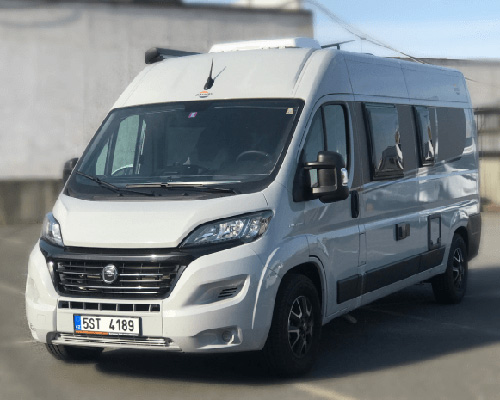
For seniors embarking on an RV adventure in Romania, Class B Camper Vans and Class SI Semi-integrated RVs are generally the most recommended choices. These classes offer an excellent balance between maneuverability, essential comfort, and sufficient amenities for a truly enjoyable journey. Bandana's Class B Camper Vans, for instance, typically measure around 5.8 meters in length and offer sleeping arrangements for up to 3.2 people, with average fuel consumption of 8-10 Liters/100 km, making them very manageable.
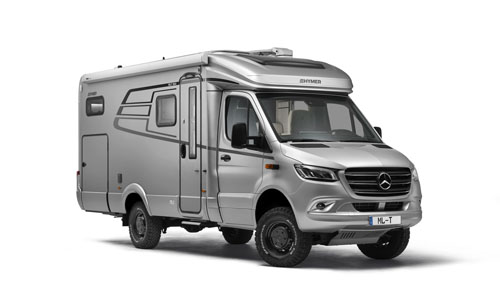
The Class SI Semi-integrated RVs, often around 6.9 meters long and accommodating about 3.8 sleeping places, provide more generous living space, including a dedicated shower and toilet, and more comfortable sleeping arrangements. Despite their slightly larger size, they remain relatively manageable on Romania's main and most secondary routes. These classes represent a practical compromise, offering the comforts of home while being conducive to navigating the diverse Romanian terrain without being overly cumbersome.
Should I Choose a Compact Van Instead of a Large RV in Romania?
The choice between a compact van and a larger RV in Romania largely depends on your priorities as a senior traveler. While a compact van, like a Class B Camper Van, undeniably offers superior maneuverability in tight spaces and simplifies parking, a larger RV, such as a Semi-integrated or Alcove model, often provides significantly more comfort and living space. This increased comfort can be a higher priority, especially for seniors planning an extended trip where home-like amenities are valued.
Compact vans are excellent for navigating the narrow streets of historic towns and less-maintained rural routes, offering a more agile driving experience. However, larger RVs come with enhanced living amenities, including more spacious kitchens, often separate sleeping areas, and larger bathrooms, all contributing to greater comfort during extended stays. Romania's main roads and most secondary routes are generally well-equipped to accommodate larger RVs without substantial difficulty; challenges are typically confined to very specific, highly urbanized areas or extremely remote, unpaved tracks. For seniors, the added interior space and comforts of a larger RV often outweigh the minor maneuverability benefits of a compact van, especially for longer journeys.
Can I Park Anywhere? Free & Wild Camping Rules in Romania
Wild camping in Romania is generally tolerated in many undeveloped areas, particularly in more remote regions, but it's important to understand that it is not officially permitted everywhere, and specific rules often apply, especially within national parks and protected areas. While not strictly forbidden by national law in all areas, it is always advisable to seek explicit permission from landowners if you intend to park overnight on private property. This simple courtesy can prevent misunderstandings and ensure a positive interaction.
It’s best to avoid wild camping in crowded tourist areas, within city limits, or in highly visible locations, as this can attract unwanted attention from locals or authorities. Wild camping is strictly prohibited within national parks, nature reserves, and other protected areas to preserve sensitive ecosystems; designated campsites are the appropriate places to stay in these locations. Always practice 'Leave No Trace' principles: carry out all waste, leave no litter, respect nature, and maintain quiet to ensure sustainable tourism. Remember, rules can vary by region, so always check local regulations and adhere to local laws before parking overnight, as specific municipalities or natural parks may have explicit prohibitions.
Can I Drive an RV Into the City Center? Heights, Tunnels & Local Signage
Yes, it is generally possible to drive an RV into most Romanian city centers, but it requires a heightened awareness of local signage concerning height, weight, and environmental restrictions. You'll also need to be mindful of narrow streets and pedestrianized zones that might pose challenges for larger vehicles. Always pay close attention to local road signs that indicate height limits, particularly for underpasses, tunnels, or historic arches, and be aware of any weight restrictions posted on older bridges.
Many historic city centers in Romania feature narrow streets or are designated as residents-only access zones, where RVs might struggle to navigate or find parking. Larger cities like Bucharest may have evolving environmental zones or specific parking regulations; checking official city websites or signage upon arrival is crucial for the latest updates. Utilizing satellite navigation systems with RV-specific settings, if available, can be invaluable in planning routes that bypass unsuitable roads and restrictions. Parking an RV directly in the city center can be challenging due to limited space; consider parking on the outskirts and using public transport to explore the core of the city for a more relaxed experience.
What is the best time to visit Romania by RV?
The ideal time for seniors to explore Romania by RV is typically from late spring (May) through early autumn (September). This period offers the most favorable weather conditions, ensures full accessibility to mountain roads, and coincides with the widest array of available activities and open campsites. Late spring, from May to June, provides mild temperatures, vibrant green landscapes, and fewer tourist crowds, although some higher mountain passes might still be in the process of opening.
Summer, particularly July and August, brings the warmest weather and guarantees that all scenic routes, including the renowned Transfăgărășan, are fully open. However, this also corresponds with the peak tourist season, so expect potentially larger crowds at popular attractions. Early autumn, from September into October, offers pleasant temperatures, spectacular fall foliage, and reduced tourist numbers, creating an ideal environment for a more tranquil RV experience. Be aware that mountain passes may begin to close later in the season due to early snowfall. Winter (November through April) is generally not recommended for RV travel in Romania due to heavy snowfall, icy road conditions, widespread mountain pass closures, and limited campsite availability, posing significant challenges for comfortable and safe travel.
How do I plan an RV trip for seniors in Romania?
Planning a successful RV trip for seniors in Romania involves crafting a flexible itinerary that prioritizes comfort, manageable driving distances, and easy access to essential RV amenities. It's also crucial to account for specific RV route considerations, such as road conditions and potential restrictions. Designing your itinerary with shorter driving days, perhaps 2-4 hours, and incorporating regular rest days will prevent fatigue and allow for spontaneous exploration, encouraging a departure from rigid travel plans.
Develop RV-specific routes by thoroughly researching road conditions, potential height and weight restrictions, and the availability of suitable parking locations, rather than solely focusing on popular tourist sites. Integrating stops that provide crucial RV logistics—like fresh water refill points, greywater and blackwater dump stations, and propane availability—is paramount for self-sufficient travel. Ultimately, prioritize the quality of experiences over the sheer quantity of destinations, ensuring you have ample time to relax and immerse yourselves in each location without feeling rushed.
What are the essential packing items for an RV trip in Romania?
Essential packing for an RV trip in Romania should encompass items for personal comfort, comprehensive navigation tools, safety gear, and provisions to ensure self-sufficiency, particularly when venturing into more remote regions. It's vital to bring all necessary documents: passports, national driving licenses, your International Driving Permit (if applicable), the RV rental agreement, and proof of travel and health insurance.
Carry reliable navigation aids, including a GPS device with offline map capabilities and a physical map, as mobile signal can be intermittent in Romania's mountainous or rural areas. Pack a comprehensive first-aid kit, a reflective vest, a warning triangle (all legally required for drivers in Romania), basic tools for minor repairs, and any personal medications. Don't forget essential adaptors for electricity hook-ups, a potable water hose, leveling blocks for uneven terrain, and comfortable outdoor seating for relaxing at campsites. Layered clothing is key to managing varied weather conditions, complemented by comfortable walking shoes, insect repellent, and sufficient non-perishable food supplies for a few days, especially if your route includes remote destinations.
Where can I find RV service and amenities in Romania?
Locating RV service points and essential amenities in Romania primarily involves utilizing established campsites, larger fuel stations, and local vehicle service centers for crucial resources like water refills, dump stations, and propane. Most official RV campsites across Romania reliably provide access to fresh water, electricity hook-ups, and greywater/blackwater dump stations, which are vital for maintaining self-sufficiency during your travels. Larger fuel stations, particularly those situated on main roads and motorways, are frequently equipped to offer water and sometimes even dump points, although a small fee may occasionally apply.
Propane (GPL), essential for cooking and heating, is widely available at many fuel stations. While these stations primarily cater to LPG vehicles, they are often compatible with RV systems with the correct adapter. Specialized RV repair services are less common in Romania compared to Western Europe; for significant RV-specific issues, it's best to consult your rental provider immediately or seek out larger vehicle service centers in major cities for engine-related problems. To efficiently find service points, campsites, and potential overnight parking spots, utilize dedicated RV mobile applications like Park4Night or Campercontact. For ideas you can prep on the road, watch our RV-friendly recipes playlist on YouTube.
What are the safety concerns for RV travel in Romania?
While Romania is generally a safe country for RV travel, seniors should remain mindful of specific concerns that enhance preparedness. These include being alert to varying road quality, securing the vehicle against opportunistic theft, potential wildlife encounters in rural areas, and understanding essential emergency procedures and contacts. Driving defensively and being prepared for changes in road quality, which can include potholes or unexpected animal crossings, especially on rural routes, is crucial.
Always secure your RV by locking all doors and windows when leaving it unattended. Consider using additional security measures like steering wheel locks or alarms, particularly when parking in less populated or remote areas. Be aware of wildlife in rural and mountainous regions, such as deer and wild boar, and drive cautiously during dusk and dawn. In areas known for bear populations, like the Carpathian Mountains, it's vital to store food properly and dispose of waste securely. In case of any emergency, dialing 112 connects you to police, ambulance, or fire services. Ensure your mobile phone has a local SIM card for better connectivity and keep your rental company's emergency contact information readily accessible. For overall well-being, carry all necessary medications, stay hydrated, and ensure your travel insurance covers potential medical emergencies and vehicle breakdown assistance.
How to get reliable internet in a Romanian RV?
Ensuring reliable internet connectivity for your RV in Romania's potentially remote areas is best achieved by purchasing a local SIM card with a generous data plan, utilizing a mobile hotspot, or by choosing campsites that offer dependable Wi-Fi. Acquiring a prepaid local SIM card from major Romanian providers like Vodafone, Orange, or Telekom is generally the most cost-effective and offers the most widespread data coverage, which is essential for navigation and communication on the go.
A dedicated mobile hotspot device, or simply tethering from your smartphone, can efficiently distribute internet access to multiple devices within your RV. Always check coverage maps for specific remote regions you plan to visit to anticipate potential signal limitations. While urban centers and main routes typically boast good 4G/5G coverage, signal strength can decrease significantly in very remote mountainous or rural areas. Therefore, downloading offline maps (e.g., Google Maps, HERE WeGo) and essential travel information before venturing into these areas is a highly recommended practice.
What are the cultural etiquette tips for RV travel in Romania?
Practicing respectful cultural etiquette in Romania involves showing deference to local customs, particularly when engaging with rural communities or considering overnight parking arrangements. Adhering to responsible travel principles is key to ensuring a positive and sustainable tourism experience for everyone. Always greet locals with a friendly 'Bună ziua' (Good day) or 'Salut' (Hello); Romanians are generally warm and hospitable, and polite interactions are greatly appreciated.
When considering overnight parking on what appears to be private land, always seek explicit permission from the landowner to avoid misunderstandings and demonstrate respect. In rural communities, be mindful of noise levels and avoid any disruptive behavior; engaging respectfully with locals, who may express curiosity about your RV, will likely lead to more positive interactions. When visiting religious sites like churches or monasteries, modest dress is advisable, typically covering shoulders and knees, to show respect for sacred spaces. Crucially, adhere strictly to 'Leave No Trace' principles by properly disposing of all waste, avoiding littering, and refraining from disturbing local flora, fauna, or ecosystems, especially when wild camping.
What documents do I need to cross borders with an RV in Romania?
When crossing international borders with your RV into or out of Romania, you will need to have readily available your valid passport or EU/EEA national ID card for each occupant. The driver must possess their national driving license, and if it is not from an EU/EEA country or does not use a Latin alphabet, an International Driving Permit (IDP) is generally required. You must also have the original vehicle registration document and your RV rental agreement, along with any specific power of attorney from the rental company granting permission to take the RV across international borders.
Proof of third-party motor insurance, typically in the form of a Green Card (International Motor Insurance Card), is mandatory and should be provided by your rental company. Having all these documents organized and accessible will facilitate a smoother process at border control points. Be prepared for potential wait times, especially at non-Schengen borders or during peak travel seasons.
Final Thoughts
Embarking on an RV journey through Romania offers a unique and rewarding way for seniors to experience the country's diverse landscapes, rich history, and warm culture. By choosing the right vehicle and planning your route with care, you can ensure a comfortable, safe, and truly memorable adventure. Remember to travel at your own pace, embrace the unexpected discoveries, and savor the freedom that only an RV can provide.
At Bandana Caravan, we're passionate about making your RV rental experience as smooth and enjoyable as possible. We understand the nuances of RV travel and are here to help you find the perfect motorhome for your Romanian exploration. From comparing prices to providing transparent information, we’re committed to supporting your journey from inspiration to arrival.
Ready to start planning your Romanian RV adventure? Let us help you find the perfect vehicle and itinerary to make your dream trip a reality!