In This Guide
- Can You Drive an RV in North East US? License & Age Rules
- Road Conditions & Terrain in North East US
- RV Size Limits, Bridges & Restricted Zones
- Fuel: Diesel vs. Petrol & Cost per 100 km
- Tolls, Vignettes & Border Rules
- Driving Tips for RV Rental for Seniors Travelers
- Recommended RV Class for North East US Roads
- Should I Choose a Compact Van Instead of a Large RV in North East US?
- Can I Park Anywhere? Free & Wild Camping Rules in North East US
- Can I Drive an RV into the City Center? Heights, Tunnels & Local Signage
- What is the 3-3-3 rule for RV travel?
- What is the 4-4-4 rule for RV?
- Can you rent an RV to drive across America?
- Can I rent an RV in one state and return it in another?
- What state is most RV friendly?
Can You Drive an RV in North East US? License & Age Rules
In the North East US, most recreational vehicles (RVs) under 26,000 pounds (11,794 kg) Gross Vehicle Weight Rating (GVWR) can be driven with a standard Class D driver's license, which is the regular license held by most motorists. A Commercial Driver's License (CDL) is generally not required unless the RV exceeds 26,000 pounds GVWR, carries hazardous materials, or is designed to transport 16 or more passengers. The minimum age to rent an RV typically ranges from 21 to 25 years old, varying by rental company and insurance policy; some companies may have specific age requirements for seniors, though often standard rules apply as long as the driver meets health and licensing requirements. Foreign drivers can operate an RV in the North East US with a valid driver's license from their home country, provided it is in English or accompanied by an International Driving Permit (IDP) translated into English, for visits typically up to one year.
Road Conditions & Terrain in North East US
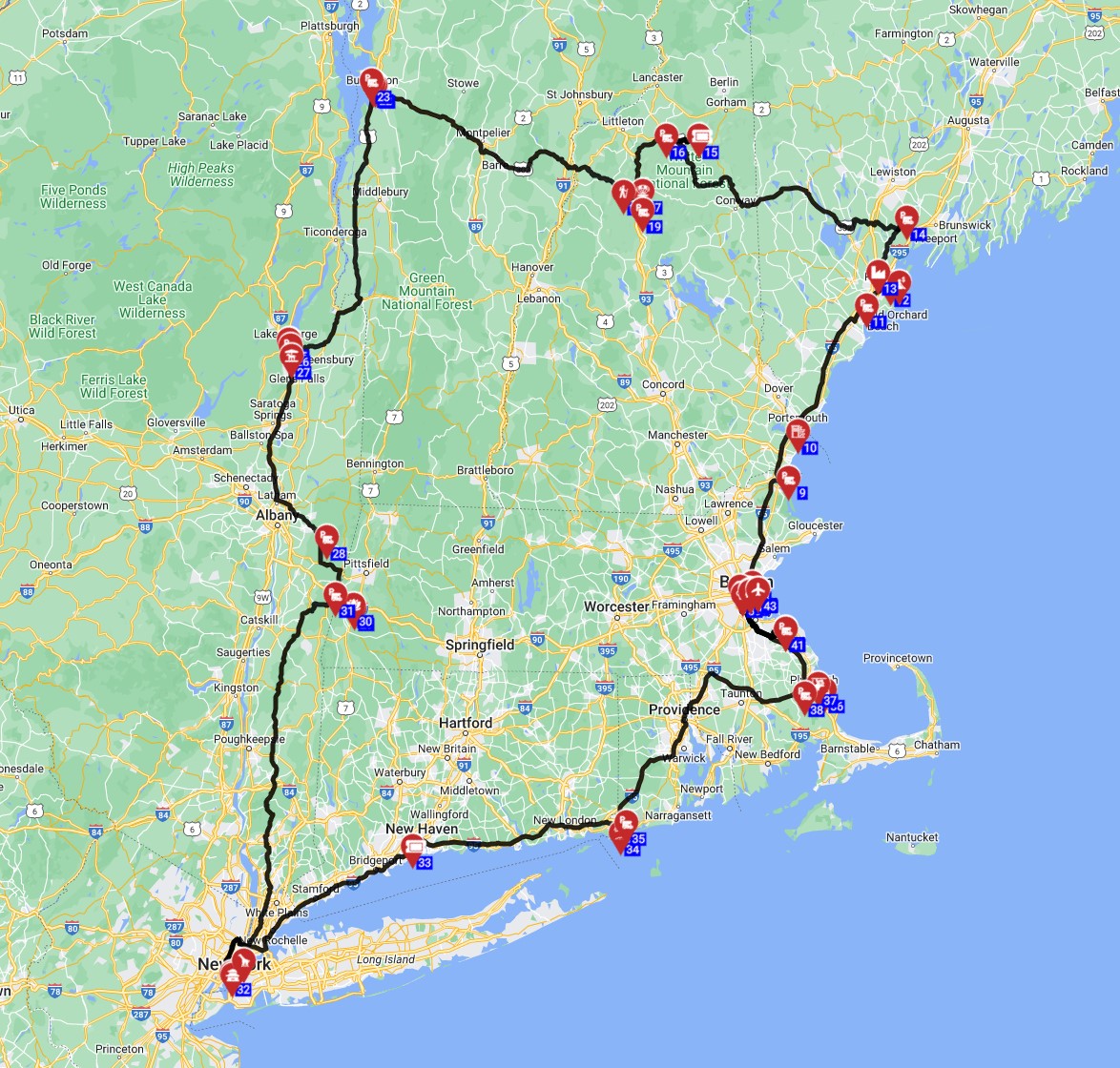
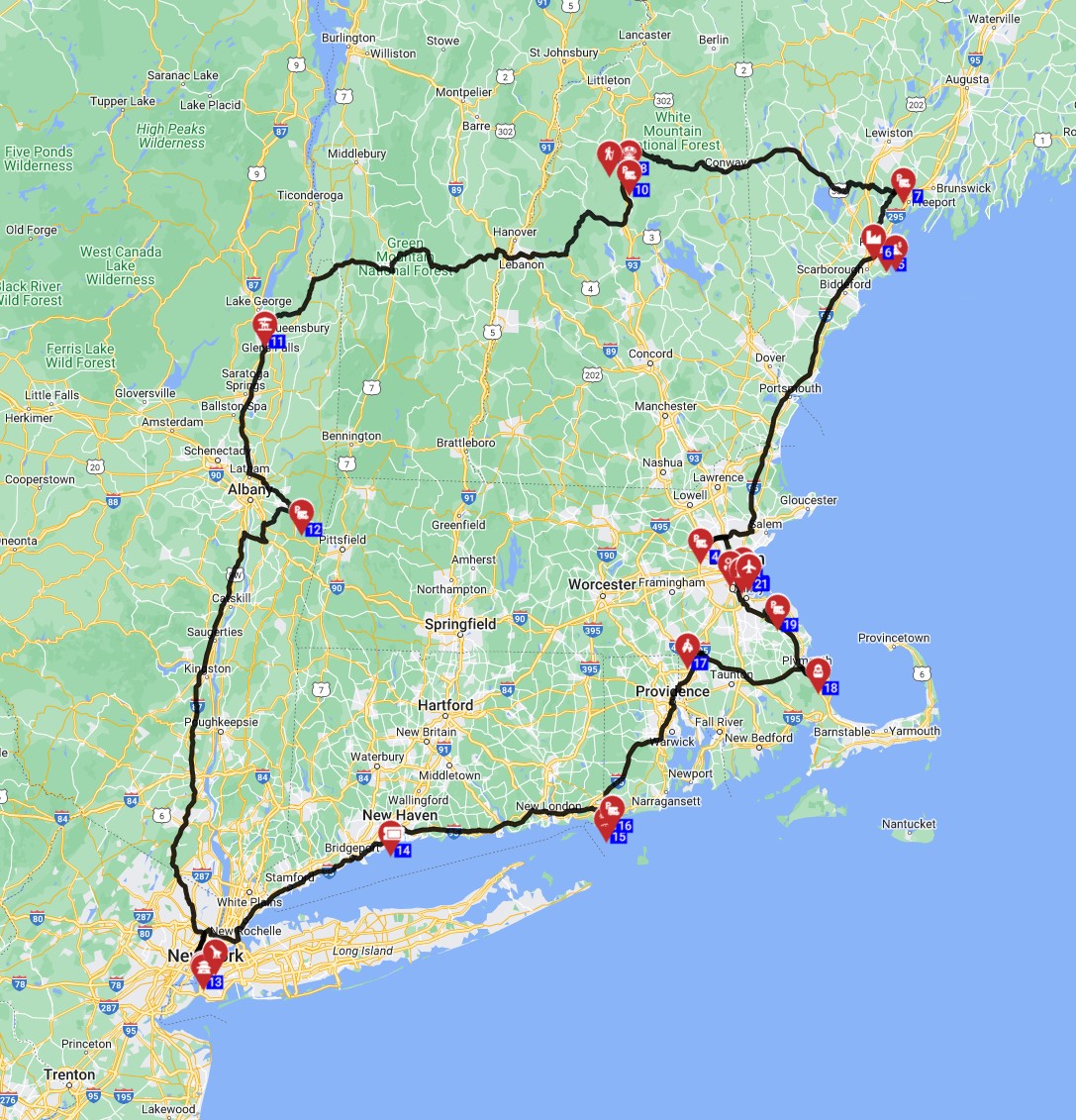
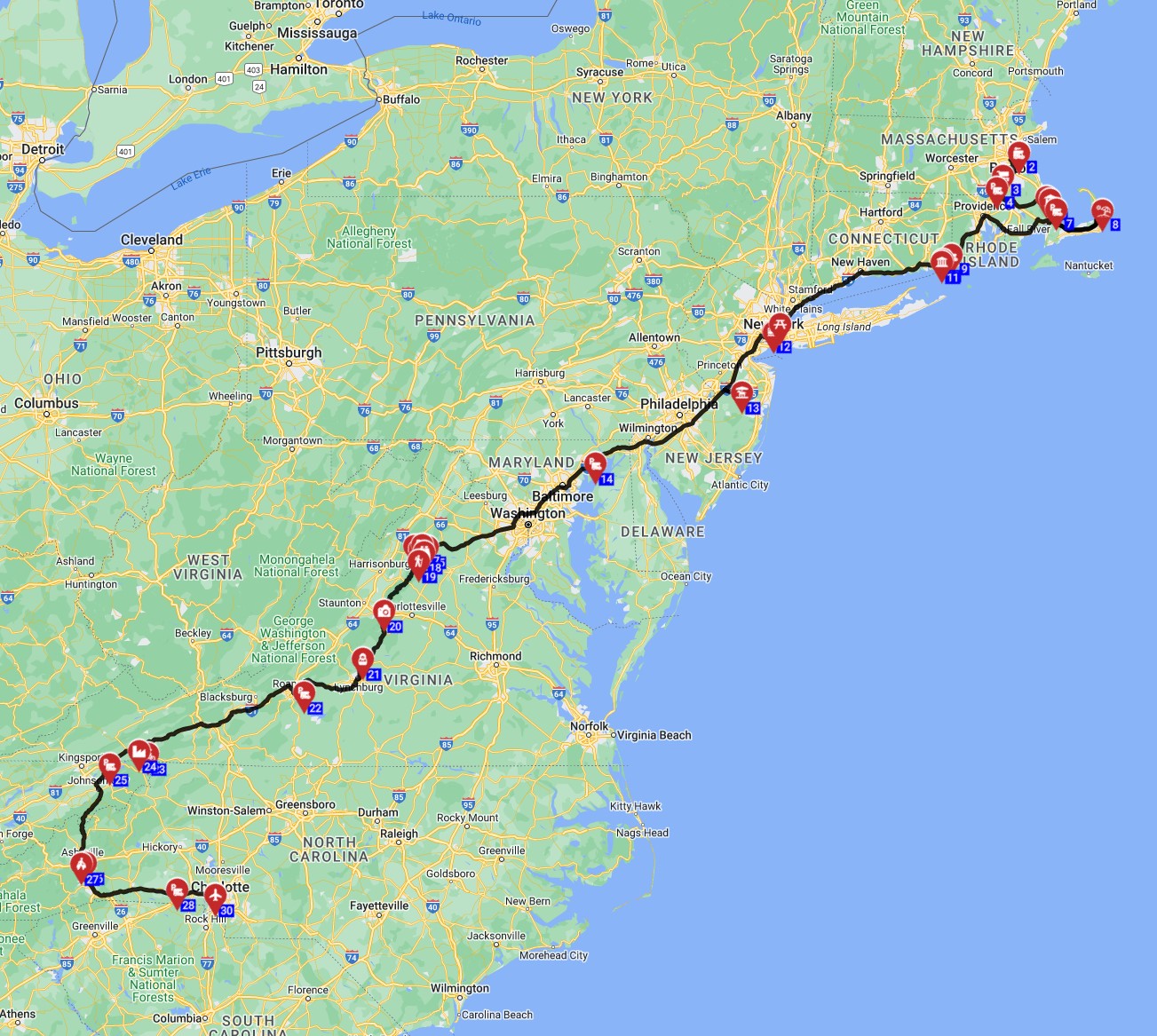
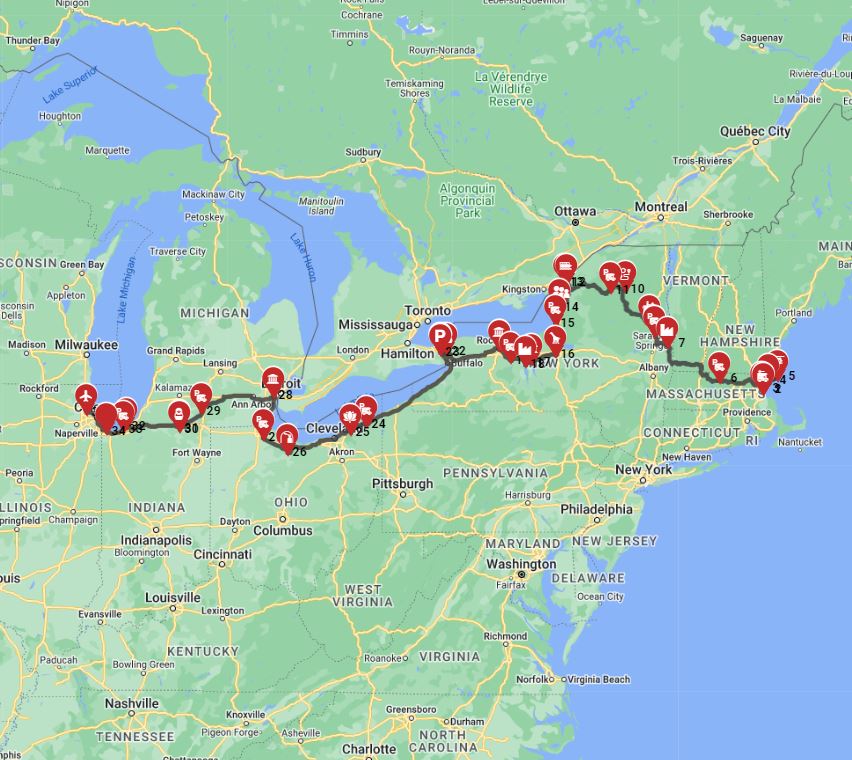
The North East US presents diverse road conditions, ranging from well-maintained interstate highways to narrow, winding secondary roads, especially prevalent in rural areas, mountainous regions, and historic towns. Travelers can expect varied terrain, including the Appalachian Mountains in states like Vermont and New Hampshire, coastal routes, and densely populated urban corridors, requiring drivers to be prepared for both steep inclines and heavy traffic. For senior RVers, the region encourages a slower pace, emphasizing scenic drives over speed, and allows ample time to navigate through potentially challenging areas like tight turns or unpaved campground access roads. Road quality can vary significantly by state and municipality, with some areas featuring older pavement or gravel roads, particularly when accessing state parks or more remote attractions.
RV Size Limits, Bridges & Restricted Zones
RVers in the North East US must be vigilant about vehicle dimensions due to numerous low bridges, especially on parkways, historic routes, and within older cities. Height restrictions, often as low as 10-12 feet (3-3.6 meters), are common on certain parkways (e.g., in New York and Massachusetts), necessitating careful route planning to avoid damaging the RV or becoming stuck. Weight restrictions, while less common for typical rental RVs, can apply to smaller, older bridges or specific roads, and drivers should always observe posted signage. Some historic towns and densely populated areas may have environmental zones, vehicle length limits, or restrictions on larger vehicles, requiring research of specific city regulations before entry. When planning ferry travel to islands like Martha's Vineyard or Nantucket, RVers should check specific length, height, and weight limitations, as well as booking requirements, which can be restrictive and costly for larger rigs.
Fuel: Diesel vs. Petrol & Cost per 100 km
In the North East US, most rental RVs, particularly smaller and mid-sized models like Class B Camper Vans and Class C Alcove RVs, typically run on unleaded petrol (gasoline), while larger Class A Integrated models or Truck Campers may use diesel. Bandana's global fleet of Class B Camper Vans typically consume 8-10 liters per 100 km, while Class SI Semi-integrated and Class C Alcove models generally use 10-12 liters per 100 km, and Class A Integrated RVs consume 8-12 liters per 100 km, with Class TC Truck Campers typically consuming 12-17 liters per 100 km. The average cost per 100 km will vary based on current fuel prices in the North East and the RV's fuel efficiency, but can be estimated by multiplying the liters per 100 km by the average fuel price per liter. While specific fuel discount cards are not universally provided with every rental, it's advisable to inquire with the rental provider about any potential fuel-saving programs or alliances.
Tolls, Vignettes & Border Rules
Tolls are common throughout the North East US, particularly on major highways, bridges, and tunnels, with many systems now operating cashless or electronically. Unlike some European countries, the US does not use a 'vignette' system for road usage; instead, tolls are paid per use, often via electronic transponders (like E-ZPass) or by mail/online after driving through a toll gantry. Many Bandana RVs may offer the option to pre-purchase or utilize an electronic toll pass, such as E-ZPass, which can streamline travel and help avoid potential fines from missed payments, though renters are typically responsible for toll costs. There are no internal border controls between states in the North East US, allowing for seamless travel, but drivers should be aware of varying traffic laws and specific regulations across state lines (e.g., speed limits, cell phone use laws). On the routes offered through RV PLANET routes, you can itemize and track every expense along the way for easy budgeting.
Driving Tips for RV Rental for Seniors Travelers
Prioritize a relaxed pace, taking frequent breaks every 2-3 hours to stretch, refresh, and prevent fatigue, especially when navigating unfamiliar roads or during peak seasons. Always use a GPS system specifically designed for RVs, which can account for vehicle height and weight, helping to avoid low bridges, tight turns, or unsuitable roads common in the North East. Pre-book campsites, particularly during peak fall foliage season or summer weekends, as popular campgrounds fill up quickly and impromptu parking options can be limited in the North East. Pack for variable weather, as North East conditions can change rapidly, especially in mountainous or coastal areas, requiring layers and readiness for rain or cooler temperatures even in summer. Consider renting an RV with an automatic transmission for easier driving, and familiarize yourself with the vehicle's dimensions and controls in a safe, open area before embarking on your journey.
Recommended RV Class for North East US Roads
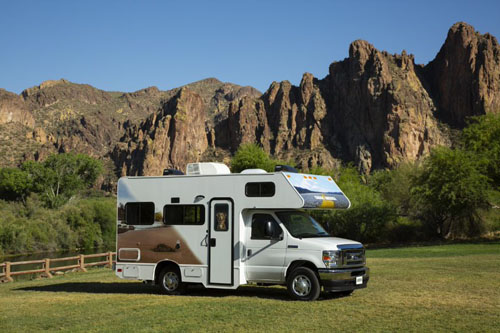
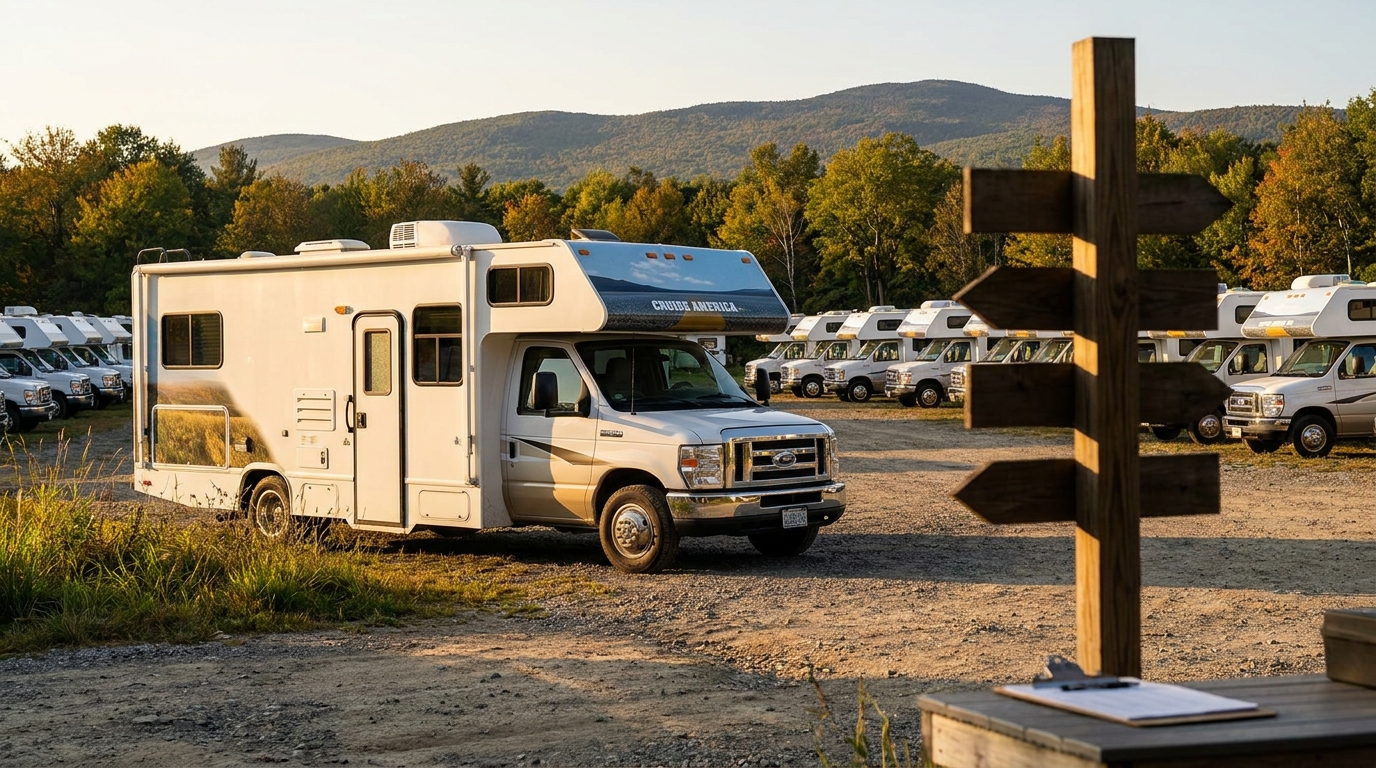
For navigating the varied terrain and sometimes narrower roads of the North East US, a Class B Camper Van or a Class SI Semi-integrated RV often provides an excellent balance of comfort and maneuverability. Class B Camper Vans, averaging 5.8 meters in length, are highly recommended for their ease of driving, parking, and their ability to access tighter spots in historic towns or smaller campgrounds, while still offering essential amenities and typically sleeping 2-3 adults. Class SI Semi-integrated RVs, with an average length of 6.9 meters, provide more living space and amenities than a Class B, making them comfortable for longer trips, while still being relatively manageable for North East roads compared to larger Class C or Class A models. These classes, particularly the Class B, offer better fuel efficiency (Bandana's Class B Camper Vans typically consume 8-10 liters/100 km) and generally face fewer restrictions on roads or in parking areas compared to their larger counterparts.
Should I Choose a Compact Van Instead of a Large RV in North East US?
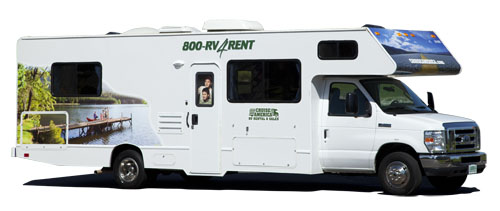
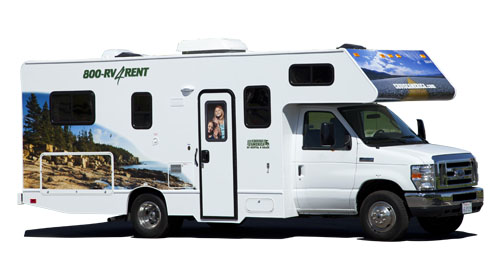
While there is generally no issue driving any RV size in the North East US, opting for a compact camper van (like a Class B) over a larger RV can genuinely simplify navigation in specific scenarios, though a larger RV often provides superior comfort and indoor space. A compact van, such as Bandana's Class B Camper Van averaging 5.8 meters in length, is ideal for effortlessly maneuvering through the narrow, winding streets of historic New England towns, finding parking in smaller lots, and accessing more remote state or national park campgrounds. Choosing a larger RV, such as a Class SI Semi-integrated (avg. 6.9m) or Class C Alcove (avg. 7.5m), provides significantly more living space, a full kitchen, larger bathroom, and separate sleeping areas, which can be a better trade-off for seniors prioritizing comfort, longer stays, or travel with more gear. The decision often comes down to travel style: a compact van suits those who prefer agility and plan to be out exploring frequently, while a larger RV is better for those who want a more spacious 'home base' and don't mind a bit more careful driving. For ideas you can prep on the road, watch our RV-friendly recipes playlist on YouTube.
Can I Park Anywhere? Free & Wild Camping Rules in North East US
Free or wild camping (also known as boondocking or dispersed camping) in the North East US is generally restricted and not as widely available as in Western states, mostly due to a lack of extensive public lands like BLM (Bureau of Land Management) acreage. While some limited dispersed camping may be permitted in designated areas within National Forests (such as the Green Mountain National Forest in Vermont or the White Mountain National Forest in New Hampshire), it requires adherence to Leave No Trace principles and specific forest regulations. Overnight parking in retail parking lots (e.g., Walmart, Cracker Barrel) is often allowed at the discretion of individual store managers; however, it is crucial to always ask for permission upon arrival to avoid trespassing or fines. State parks, private campgrounds, and designated RV parks are the primary and most reliable options for overnight stays in the North East, offering amenities and secure parking. Rules vary significantly by state, county, and even town — always check local regulations and follow local law before parking overnight, especially in developed areas or on private property.
Can I Drive an RV into the City Center? Heights, Tunnels & Local Signage
Yes, you can almost always drive an RV into city centers in the North East US, but it requires careful attention to specific local signage, vehicle dimensions, and often involves navigating heavy traffic and limited parking. Drivers must pay close attention to posted height limits for tunnels, underpasses, and low bridges, which are common in older North East cities like Boston, Philadelphia, and New York City. Many historic downtown areas have narrow streets, tight turns, and strict parking regulations (including residents-only zones), making maneuvering and parking larger RVs particularly challenging. While explicit environmental zones are less common than in some European cities, some areas may have restrictions on vehicle types or sizes during certain hours; always look for local signage. It is often advisable for RVers to park on the outskirts of major cities at designated RV parks or park-and-ride lots and utilize public transportation to explore the city center, especially with larger vehicles.
What is the 3-3-3 rule for RV travel?
The 3-3-3 rule for RV travel is a widely adopted guideline, particularly beneficial for seniors, that recommends driving no more than 300 miles a day, arriving at your destination by 3 PM, and staying for a minimum of 3 nights. This rule promotes a relaxed and enjoyable pace, reducing driver fatigue, allowing ample time for setup and breakdown at campsites, and providing opportunities to explore the local area without feeling rushed. Adhering to the 'no more than 300 miles' component helps ensure drivers remain alert and minimizes stress associated with long-haul driving, especially with a larger vehicle. The 'arrive by 3 PM' aspect ensures you have daylight hours to navigate to your campsite, set up your RV, and familiarize yourself with campground amenities, which is especially helpful when dealing with unfamiliar locations. Staying for '3 nights' encourages a deeper immersion in each destination, allowing for relaxation and exploration without the constant packing and unpacking, maximizing the enjoyment of your RV rental experience.
What is the 4-4-4 rule for RV?
The 4-4-4 rule for RV travel is an alternative to the 3-3-3 rule, suggesting a slightly faster pace: drive no more than 400 kilometers (approximately 250 miles) a day, arrive by 4 PM, and stay for a minimum of 4 nights. This guideline offers a balance between covering ground and enjoying destinations, potentially allowing for more stops on a longer itinerary while still promoting a relaxed travel style suitable for seniors. The '400 kilometers a day' limit is designed to prevent excessive driving, ensuring comfort and safety, while also making progress on longer routes, particularly useful for exploring the expansive North East region. Arriving by '4 PM' still provides sufficient daylight for campsite setup, especially beneficial during shorter daylight hours in the fall or spring when exploring seasonal attractions like fall foliage. The 'stay for 4 nights' encourages travelers to fully experience each location, providing adequate rest before moving on to the next adventure.
Can you rent an RV to drive across America?
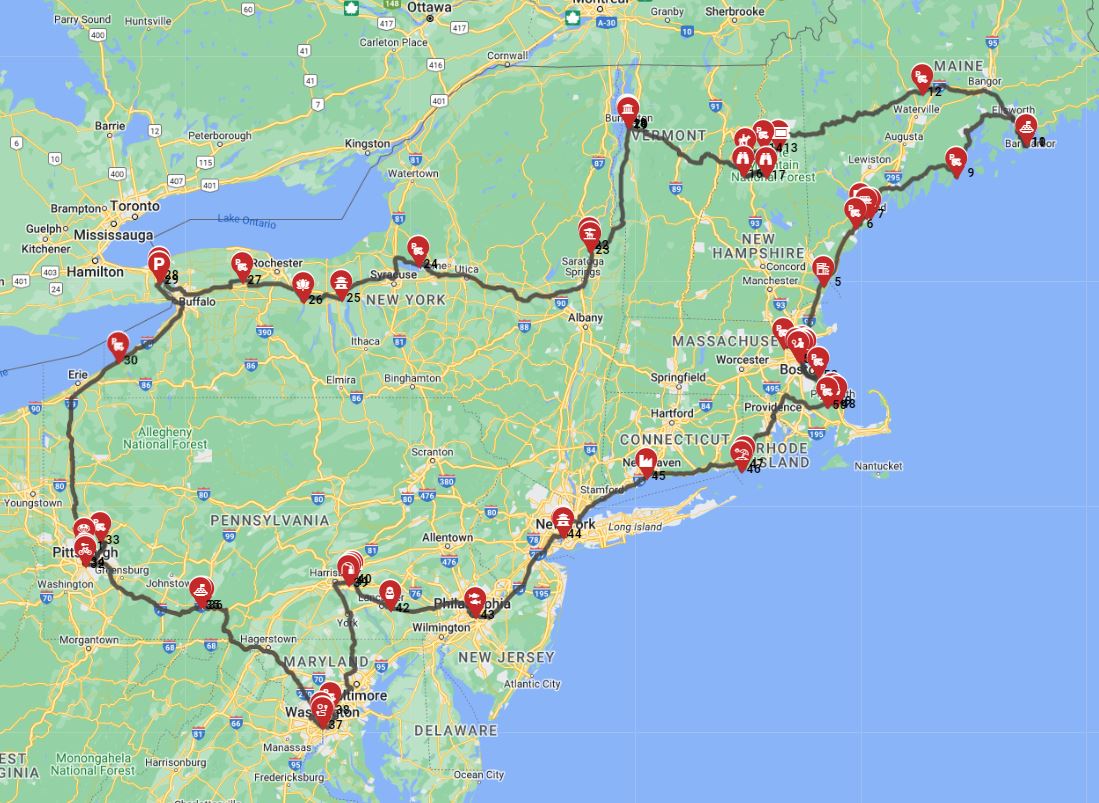
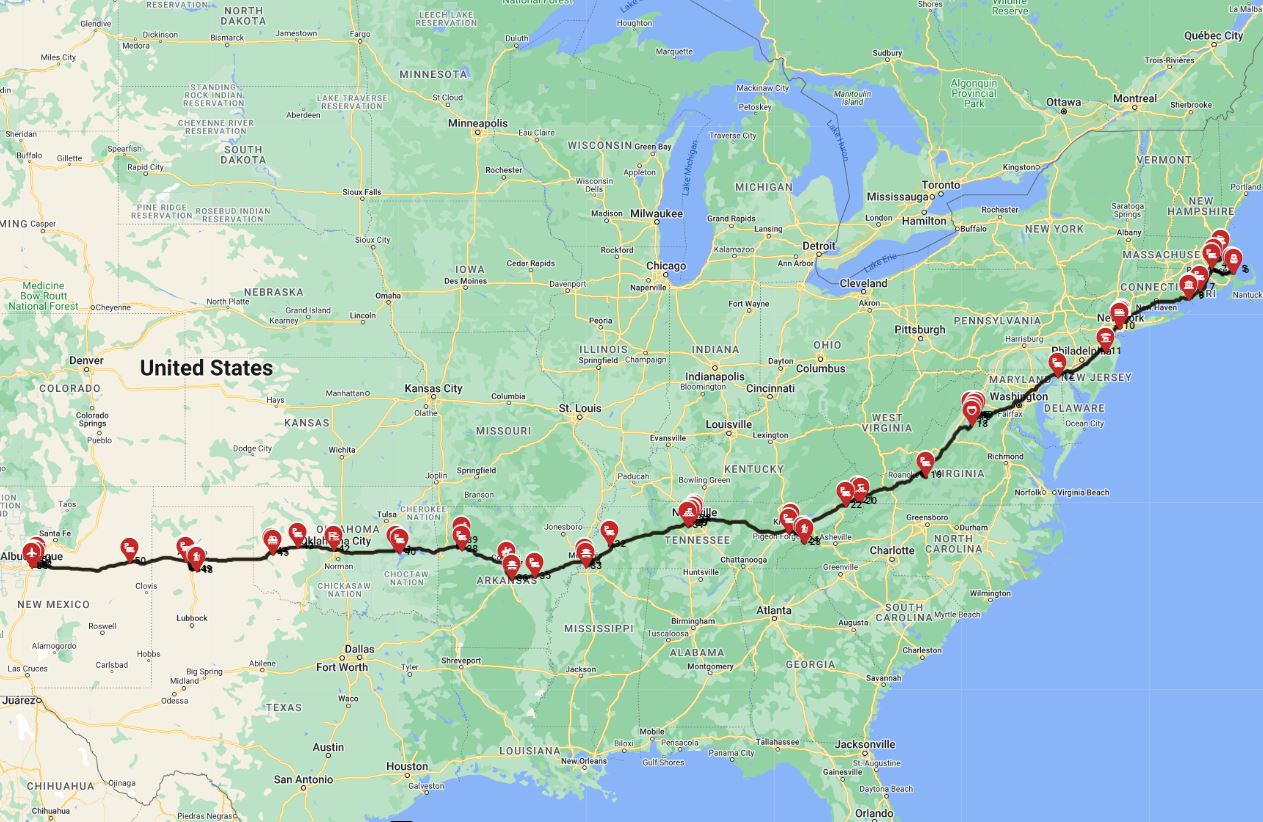
Yes, you can absolutely rent an RV to drive across America, and many rental companies, including Bandana, offer one-way rental options that facilitate cross-country travel. One-way rentals allow you to pick up an RV in one location (e.g., North East US) and drop it off in another state or region, providing flexibility for grander itineraries without the need to double back. While convenient, one-way rentals often incur additional 'one-way fees' or 'relocation fees' to cover the cost of returning the vehicle to its original depot, which should be factored into your budgeting. Planning a cross-America RV trip requires careful consideration of routes, distances, fuel costs, and campground bookings, especially when traversing multiple time zones and diverse climates. For seniors, embarking on a cross-country journey provides an unparalleled opportunity to see varied landscapes at a comfortable pace, allowing for spontaneous stops and deep dives into different regions.
Can I rent an RV in one state and return it in another?
Yes, it is common to rent an RV in one state and return it in another, a service widely offered by many RV rental companies to accommodate one-way travel plans. This flexibility is particularly convenient for travelers planning expansive trips, such as exploring the entire North East US without needing to loop back to their starting point, or for those embarking on cross-country adventures. Be aware that one-way rentals almost always involve an additional fee, often called a drop-off fee or relocation charge, which can vary significantly depending on the pick-up and drop-off locations and the time of year. To secure the best rates and availability for one-way rentals, it is advisable to book well in advance, especially during peak travel seasons, as the number of vehicles available for one-way journeys may be limited. Always confirm the exact terms, fees, and available drop-off locations with your specific rental provider, like Bandana, before finalizing your reservation.
What state is most RV friendly?
While RV friendliness can be subjective and vary by individual priorities, in the context of the North East US, states like **Vermont and New Hampshire** are often cited for their RV-friendly charm, scenic beauty, and abundance of accessible natural attractions. Vermont, known for its picturesque landscapes and numerous state parks, offers many campgrounds that cater to RVs, along with a relaxed pace ideal for senior travelers; however, some rural roads can be narrow. New Hampshire boasts the White Mountain National Forest, providing extensive opportunities for camping and scenic drives, though mountainous terrain requires cautious driving, and many older towns have tight centers. Maine is also highly RV-friendly, particularly along its extensive coastline, offering abundant coastal campgrounds and access to Acadia National Park, but roads to some remote lighthouses or fishing villages can be challenging for larger rigs. Conversely, densely populated states like Massachusetts, Rhode Island, and parts of New York, while offering historical and cultural richness, can be less RV-friendly due to heavy traffic, limited large vehicle parking, and numerous low bridge restrictions, especially within urban and suburban areas.
What You Shouldn't Miss
- Drive the Kancamagus Highway in New Hampshire for stunning fall foliage or summer greenery, with plenty of pull-offs for RVs to admire the scenery.
- Explore the historic charm of Vermont's small towns, perhaps visiting Chester or Woodstock, and discover their picturesque covered bridges (mind the height restrictions!).
- Experience the dramatic coastline of Maine, including a drive along the scenic Park Loop Road in Acadia National Park, keeping in mind vehicle reservations may be needed for Cadillac Mountain.
- Take a leisurely drive through the Berkshires in Western Massachusetts, enjoying the rolling hills and cultural attractions like Tanglewood, with many RV-friendly campgrounds available.
- Visit historic sites like Plymouth Rock or Boston, Massachusetts, and consider parking your RV at an outer lot and using public transport for easier city exploration.
- Discover the coastal beauty of Rhode Island, perhaps visiting Newport and its famous Mansions, ensuring your RV's dimensions are compatible with any bridge or road restrictions in the historic areas.
Final Thoughts
Renting an RV for your travels in the North East US offers an unparalleled way to experience the region's diverse beauty at your own pace. From the charming coastal towns of New England to the majestic mountains of Vermont and New Hampshire, the journey itself is as rewarding as the destinations.
By planning ahead, choosing the right RV class for your needs, and being mindful of the unique road conditions and regulations, seniors can enjoy a comfortable, safe, and memorable RV adventure. Remember to pack wisely for varied weather, utilize RV-specific GPS to navigate any tricky routes, and embrace the freedom that comes with having your accommodation and transportation all in one.
Ready to start planning your Northeast RV escape? Compare options, explore pre-planned routes, and get inspired for your next great adventure with Bandana Caravan. We're here to make your RV journey smooth and unforgettable.