In This Guide
- Can You Drive an RV in North Canada? License & Age Rules
- Road Conditions & Terrain in North Canada
- RV Size Limits, Bridges & Restricted Zones
- Fuel: Diesel vs. Petrol & Cost per 100 km
- Tolls, Vignettes & Border Rules
- Driving Tips for RV Travelers in North Canada
- Recommended RV Class for North Canada Roads
- Should I Choose a Compact Van Instead of a Large RV in North Canada?
- Can I Park Anywhere? Free & Wild Camping Rules in North Canada
- Can I Drive an RV Into the City Center? Heights, Tunnels & Local Signage
- Top Cities for RV Rental in North Canada
- What You Shouldn't Miss
Embarking on an RV adventure through North Canada, encompassing the vast landscapes of Yukon, Northwest Territories, and Nunavut, offers an unparalleled experience for senior travelers seeking breathtaking nature and serene journeys. The open roads of this incredible region are perfectly suited for exploring at a leisurely pace, allowing you to immerse yourself in the local culture and stunning scenery. For live availability and current prices for your journey, start with our RV Rental North Canada - Complete Guide 2026 guide.
Can You Drive an RV in North Canada? License & Age Rules
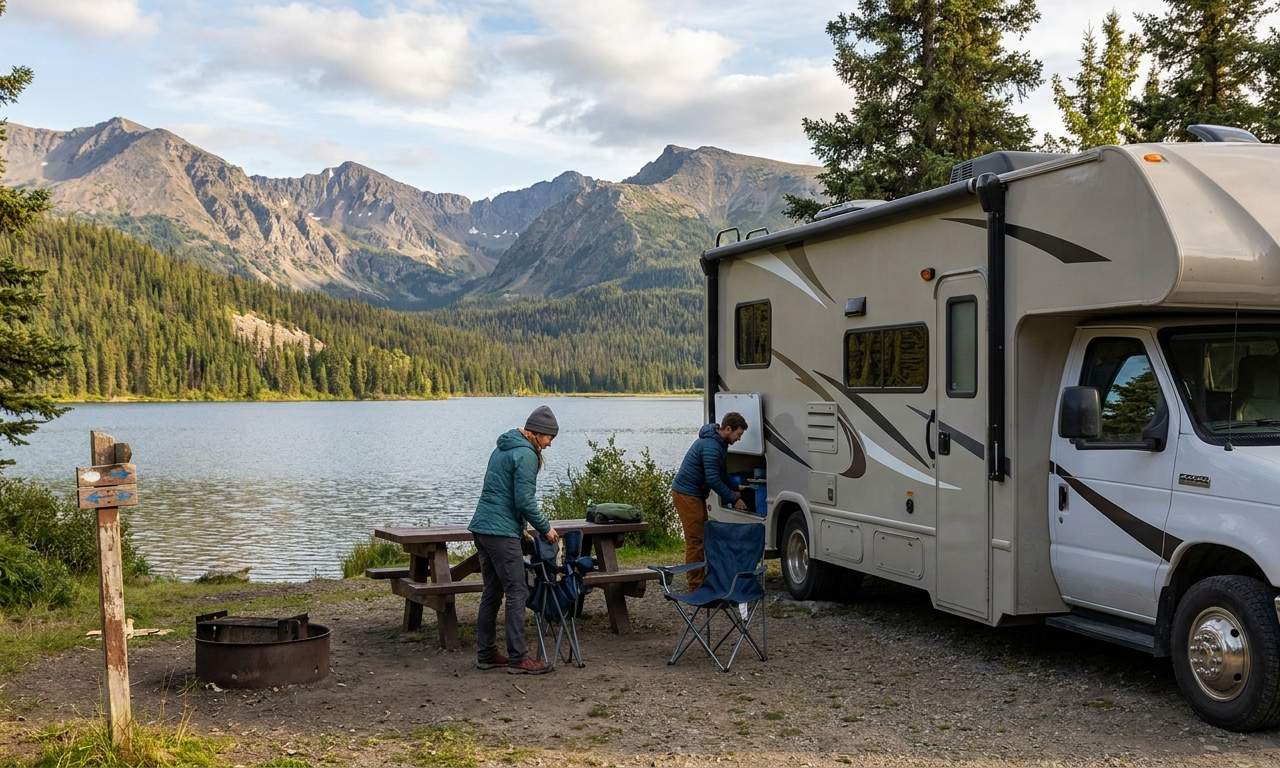
Yes, you can absolutely drive a rented RV in North Canada with a standard driver's license. Most recreational vehicles available for rental in Canada, including those in the North, fall under the Gross Vehicle Weight Rating (GVWR) limit of 11,000 kg (approximately 24,250 lbs), meaning a regular Class 5 (or equivalent provincial/territorial) Canadian driver's license is sufficient. For visitors from other countries, including the US, a valid home country driver's license is typically accepted for a limited period, and an International Driving Permit (IDP) is recommended for non-English licenses to avoid any communication barriers with local authorities. Rental agencies consistently require drivers to be at least 21 years old, ensuring a mature and responsible approach to navigating the unique Northern conditions. We specialize in helping seniors find the perfect rented motorhome, ensuring a comfortable and safe trip.
Navigating the various licensing requirements is part of our commitment to full transparency, so there are no surprises when you pick up your rented motorhome. Our dedicated team provides comprehensive pre-booking comparison and booking support to ensure all your questions regarding licenses, age, and any specific supplier requirements for RV rental in North Canada are answered. This level of support extends to understanding border rules, which are equally straightforward when renting an RV in North Canada, as discussed in detail within our RV Rental USA - Complete Guide 2026.
Road Conditions & Terrain in North Canada
North Canada's roads offer a diverse driving experience, ranging from well-maintained paved sections like much of the Alaska Highway to extensive gravel routes such as the renowned Dempster Highway, which require reduced speeds and heightened vigilance. Travelers should prepare for varied terrains, including breathtaking mountainous regions in the Yukon, dense boreal forests, and areas impacted by permafrost, which can cause undulating road surfaces or "heaves." Seasonal changes drastically influence road conditions, with potential for ice and snow in the shoulder seasons and winter, while gravel roads can be dusty in dry summer months or muddy after rain.
Wildlife encounters are a common and memorable part of driving in North Canada, especially with bears, moose, and caribou, making reduced speeds and constant awareness essential. This is particularly important for seniors, allowing more time to react to sudden animal appearances. Embrace the philosophy of slow travel, averaging a maximum of 100-150 km per day, to truly appreciate the vast, pristine landscapes and unique challenges of the Northern Canadian wilderness. This pace allows for spontaneous stops, wildlife viewing, and a deeper connection to the environment, aligning perfectly with a relaxed RV adventure. Find inspiration for your slower-paced adventure with our RV Travel Guide to North Canada - Tips and Top Spots 2026.
RV Size Limits, Bridges & Restricted Zones
North Canada generally accommodates most standard RV sizes on its major routes and highways without issues; restrictive height limits or low bridges are rare in these sparsely populated territories. Unlike major urban centers in Southern Canada or the US, environmental zones or residents-only streets are not typically a concern for RV travelers here. However, when planning to use ferries to access remote communities, especially in the Northwest Territories, it is crucial to check specific length, height, and weight restrictions well in advance and secure bookings to avoid disappointment. These ferry services, while essential, operate on schedules and capacities that need to be respected.
While major highways are generally accessible for all common motorhome classes, some remote regions and smaller territorial parks might have practical limitations due to unpaved access roads or more compact campsite capacities. These are usually indicated by signage or can be researched beforehand. There’s no need to stress about navigating North Canada with a rented motorhome; simply use common sense, pay attention to local advisories, and plan your itinerary with the scale of the region in mind. Remember, the journey itself is part of the adventure, offering unique experiences at every turn.
Fuel: Diesel vs. Petrol & Cost per 100 km
Fuel availability in North Canada is considerably less frequent than in Southern Canada, with significant distances often separating service stations, necessitating meticulous planning for refueling stops for both diesel and petrol (gasoline). Prices for both fuel types are notably higher in the North, sometimes 20-30% more expensive than in southern regions, due to the high costs associated with transportation and remoteness. Petrol is generally more widespread, though diesel is consistently available in major communities like Whitehorse and Yellowknife.
Bandana's diverse fleet offers various fuel-efficient options for your rented motorhome. For instance, Class B Camper Vans typically average 8-10 Liters/100 km, while Class SI Semi-integrated RVs average 10-11 Liters/100 km. Larger Class C Alcove RVs usually consume around 10-12 Liters/100 km. These figures, from our global fleet averages, provide a realistic expectation for budgeting. It is highly advisable to budget significantly more for fuel when planning a Northern RV trip and consider carrying extra fuel in approved containers for very remote stretches, especially if your itinerary involves extended off-highway exploration. For comprehensive budgeting and route planning, remember that RV PLANET routes allow travelers to itemize and track every expense along the way, making financial management much easier for your North Canada adventure. On the routes offered through RV PLANET routes, you can itemize and track every expense along the way for easy budgeting.
Tolls, Vignettes & Border Rules
Travelers in North Canada will be pleased to know there are no toll roads or vignette systems within the territories of Yukon, Northwest Territories, or Nunavut. However, strict border crossing requirements apply for all entries into Canada, regardless of whether you're arriving from the US or another international destination. All travelers, including seniors, must possess a valid passport for entry. If you are driving a rented RV, a crucial document is a letter of permission from the rental company, explicitly authorizing you to take the vehicle across international borders. Without this, you may face significant delays or denial of entry.
Furthermore, be prepared for thorough customs declarations, which require declaring all goods being brought into Canada. Specific restrictions and limits apply to items such as firearms, alcohol, tobacco, and certain food products. It’s always best to research current Canadian customs regulations before your trip to ensure a smooth border crossing experience. This attention to detail is part of our commitment to full transparency, ensuring no hidden fees or surprises related to international travel with your rented motorhome.
Driving Tips for RV Travelers in North Canada
For seniors embarking on a North Canada RV adventure, prioritizing shorter driving days, ideally 2-4 hours, with frequent rest stops, is key to managing fatigue and maximizing enjoyment of the spectacular scenery. Maintaining heightened awareness for wildlife is crucial; slow down, especially at dawn and dusk, and be prepared to stop for animals like bears, moose, and caribou. Robust emergency preparedness is paramount in these vast and often remote regions, so carry a satellite phone or messenger, a comprehensive first-aid kit, extra food and water (enough for 2-3 days), and basic vehicle repair tools, as cell service is extremely limited outside of major communities.
Stay updated on current road conditions by checking territorial highway advisories, as weather and permafrost conditions can rapidly change driving surfaces, particularly on gravel roads. Packing extensively for varying Northern weather, effective insect protection (mosquitoes can be intense in summer!), and adapting to extreme daylight variations – from 24-hour sun in summer to extended darkness in winter – will significantly enhance your comfort. Preparing meals on board your rented RV also helps manage costs and offers flexibility in remote areas. Check out our RV-friendly recipes playlist for delicious and easy meal ideas on the go. Remember, slow travel, averaging no more than 100-150 km per day, is the ideal way to truly experience the magic of North Canada.
Recommended RV Class for North Canada Roads
For seniors exploring the unique and sometimes challenging roads of North Canada, Class B Camper Vans or Class SI Semi-integrated RVs are highly recommended due to their optimal balance of maneuverability, comfort, and suitability for varied road conditions. Class B Camper Vans, often averaging 5.8 meters in length with comfortable sleeping for two adults, offer easier handling on narrower or gravel roads and simpler parking, alongside efficient fuel consumption typically ranging from 8-10 Liters/100 km from Bandana's fleet. These vehicles are compact yet fully equipped, providing essential amenities in a manageable size.
Alternatively, Class SI Semi-integrated RVs, which average around 6.9 meters in length and comfortably accommodate 3-4 adults, provide more spacious living areas and amenities while still remaining manageable for Northern routes. Their typical fuel consumption is 10-11 Liters/100 km. Both these classes offer sufficient ground clearance for most Northern routes and provide self-contained living spaces, which are invaluable when amenities are sparse. For couples planning a Northern escape, exploring options covered in our RV Rental in North Canada for Couples - Pricing 2026 guide can help narrow down the best choice for a cozy yet adventurous journey.
Should I Choose a Compact Van Instead of a Large RV in North Canada?
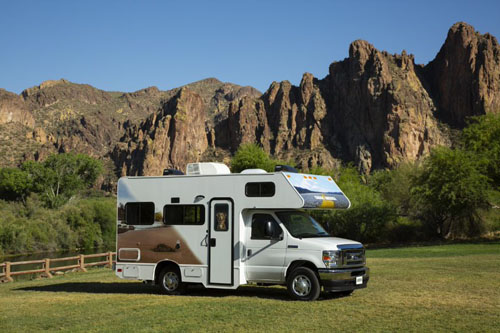
While a compact van, such as a Class B Camper Van, indeed offers superior agility and better fuel economy for navigating remote Northern roads, a larger rented RV (like a Class SI Semi-integrated or Class C Alcove) often provides significantly enhanced comfort, space, and amenities that can elevate the experience for seniors on extended North Canada trips. Compact vans excel in ease of driving and fitting into smaller, more rustic campsites or tighter spaces, making them ideal for active seniors prioritizing flexibility and efficiency. Our "rv rental denver example Category Van" or "hire campervan example Paradise S/T" models are perfect examples of nimble campervans offering essential features.
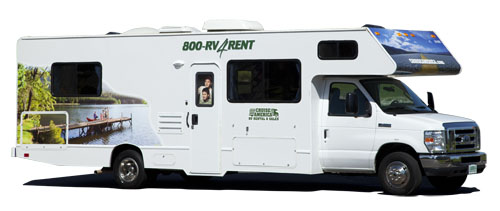
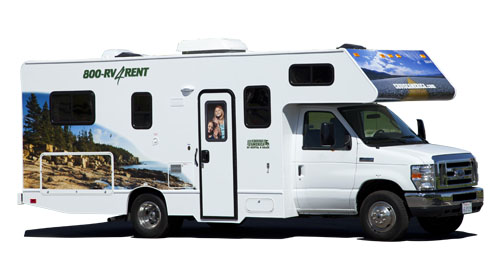
However, larger RVs, such as Bandana's Class SI Semi-integrated models (averaging 6.9m long) or Class C Alcove models (averaging 7.5m long), provide more extensive living areas, dedicated sleeping arrangements, full bathrooms, larger kitchens (like those in a "cruise america rv rental example Explorer" with a 4-burner stove and 90-liter refrigerator), and greater storage capacity. These features are invaluable for extended stays in regions with limited infrastructure, offering a true 'home-on-wheels' experience. The trade-off between a compact van's agility and a larger RV's enhanced comfort and self-sufficiency should be carefully weighed against your specific travel style, desired amenities, and the planned duration of your adventure in the North. Remember, our specialists are here to help you compare final prices across 50+ suppliers and find the perfect fit for your needs.
Can I Park Anywhere? Free & Wild Camping Rules in North Canada
Opportunities for free and wild camping (often called boondocking or dry camping) are abundant on Crown Land throughout much of North Canada, offering incredible solitude and direct access to pristine natural environments. However, it is paramount to understand and respect local regulations, posted private property boundaries, and especially Indigenous land rights; always seek permission or understand local protocols before camping on or near traditional territories. Many territorial parks also provide rustic, affordable campsites, some of which are first-come-first-serve, and designated pull-offs or rest areas along highways may permit overnight parking. You will find a spot. If not at the first campground, then the next one. Always call ahead before driving long distances.
Practicing 'Leave No Trace' principles is absolutely essential in the fragile Northern environment, meaning all waste must be packed out, and natural surroundings must remain undisturbed. Rules regarding wild camping vary by region and sometimes by the type of land (e.g., municipal, territorial park, Indigenous land), so always check local regulations and follow local law, particularly concerning fire bans and wildlife safety precautions. This responsible approach ensures that future generations can also enjoy the wild beauty of North Canada.
Can I Drive an RV Into the City Center? Heights, Tunnels & Local Signage
Yes, most rented RVs can typically be driven into the city centers of North Canada's main communities, such as Whitehorse in Yukon or Yellowknife in the Northwest Territories, without encountering significant issues. These Northern cities are generally RV-friendly, characterized by less traffic congestion and fewer height-restricted tunnels or low bridges compared to larger metropolises further south. The scale of urban development in the territories is such that most roadways and public parking areas are accessible for standard motorhome sizes.
It's always prudent to pay close attention to local signage, particularly for any specific height limits in older or specialized areas, though these are rare for typical rental RVs. Environmental zones or residents-only streets, common restrictions in some European cities, are generally not a concern in North Canada's urban centers, making navigation straightforward for RV travelers. Drive slowly and carefully, and you can drive almost anywhere without issues. No need to stress - just use common sense and pay attention to your surroundings.
Top Cities for RV Rental in North Canada
Exploring North Canada by RV opens up a world of majestic landscapes and unique cultural experiences, with several key cities serving as excellent starting or stopping points for your adventure. These communities offer essential services, cultural attractions, and access to breathtaking wilderness areas.
- Whitehorse, Yukon: As the capital and largest city of the Yukon, Whitehorse is a primary hub for RV rentals, offering a range of services and acting as a gateway to the Alaska Highway and Klondike Gold Rush country.
- Yellowknife, Northwest Territories: The capital of the NWT sits on the shores of Great Slave Lake and is famous for its vibrant Indigenous culture, diamond mines, and incredible Aurora Borealis viewing opportunities.
- Dawson City, Yukon: Rich in Gold Rush history, this charming town offers a glimpse into the past with its preserved historical buildings and active gold panning sites.
- Inuvik, Northwest Territories: Located above the Arctic Circle, Inuvik provides a unique opportunity to experience the true Arctic, including the phenomenon of the midnight sun in summer.
- Tuktoyaktuk, NWT: Accessible via the Dempster Highway, "Tuk" is the only Canadian community on the Arctic Ocean reachable by road, offering an unforgettable Arctic coastal experience.
- Watson Lake, Yukon: Home to the famous Sign Post Forest, this town is a popular and quirky stop for travelers along the Alaska Highway.
These cities provide a perfect balance of services and immersion in the unique Northern Canadian environment, making them ideal for RV travelers seeking comfort routes and authentic experiences. For those planning a broader Canadian adventure, keep in mind our RV Rental USA - Complete Guide 2026 offers insights into connecting routes down south.
What You Shouldn't Miss
A rented motorhome trip through North Canada is a journey of discovery, offering sights and experiences unlike anywhere else. Here are some highlights you absolutely shouldn't miss:
- Drive the Dempster Highway: Experience Canada's only all-weather public road crossing the Arctic Circle, a truly epic adventure leading to Tuktoyaktuk on the Arctic Ocean.
- Witness the Northern Lights: In the darker months, North Canada offers some of the best aurora viewing spots in the world, especially around Yellowknife and Whitehorse.
- Explore Kluane National Park and Reserve, Yukon: Home to Canada's highest peak, Mount Logan, and vast icefields, it's a UNESCO World Heritage site offering incredible hiking, wildlife viewing, and majestic scenery.
- Visit the Sign Post Forest in Watson Lake, Yukon: A quirky, ever-growing collection of over 100,000 signs from around the world, making for a fun and memorable stop.
- Canoe or Kayak on a Pristine Northern Lake: Take advantage of the countless lakes and rivers, enjoying the tranquility and possibly spotting local wildlife from the water.
- Immerse Yourself in Indigenous Culture: Visit local cultural centers and communities to learn about the rich history, traditions, and art of the First Nations, Inuit, and Métis peoples.
Looking for expert insights from Avi Bandana? Top 5 Adventures - recommendations from Avi Bandana offer unique perspectives for your travel planning.
Final Thoughts
North Canada offers an RV rental experience unlike any other, particularly for seniors seeking comfort, adventure, and unparalleled natural beauty. With a reliable rented motorhome or campervan, the freedom to explore at your own pace becomes a reality, allowing you to create unforgettable memories. Whether you envision driving under the midnight sun or chasing the Northern Lights, the vastness and serenity of Yukon, Northwest Territories, and Nunavut await.
Embrace the spirit of slow travel, allowing yourself the luxury of extended stays in stunning locales and truly connecting with the unique Northern culture. Our goal at Bandana is to make your planning and booking process as smooth and transparent as possible, so you can focus entirely on the excitement of your upcoming journey. Get ready for an adventure that will rejuvenate your spirit and leave you with stories to tell for years to come!
Discover top destinations, planning tips, all in one place! Compare RV Rental Prices for North Canada now and start planning your perfect comfort route for 2026!